Contents
Design and build quality
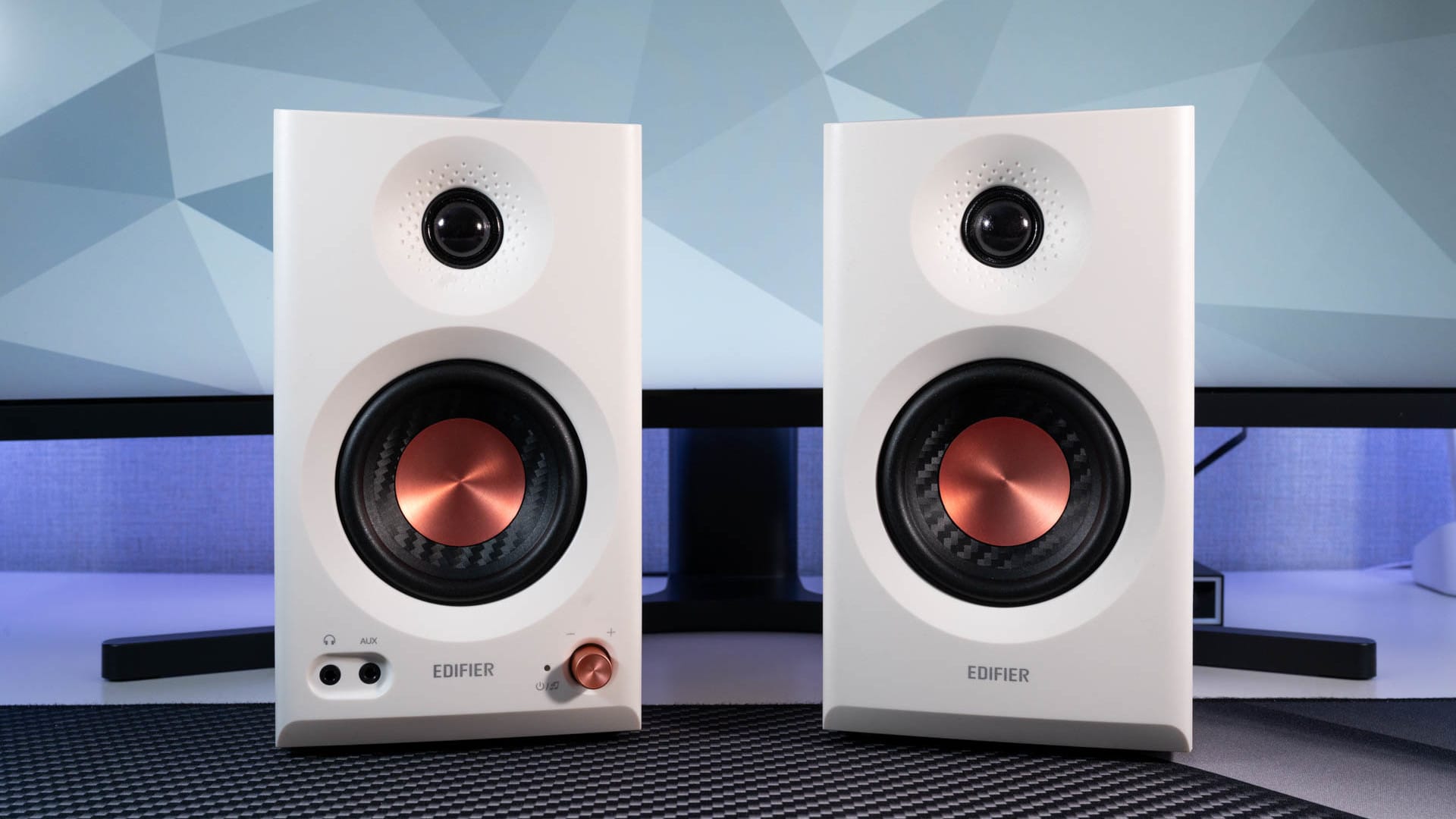
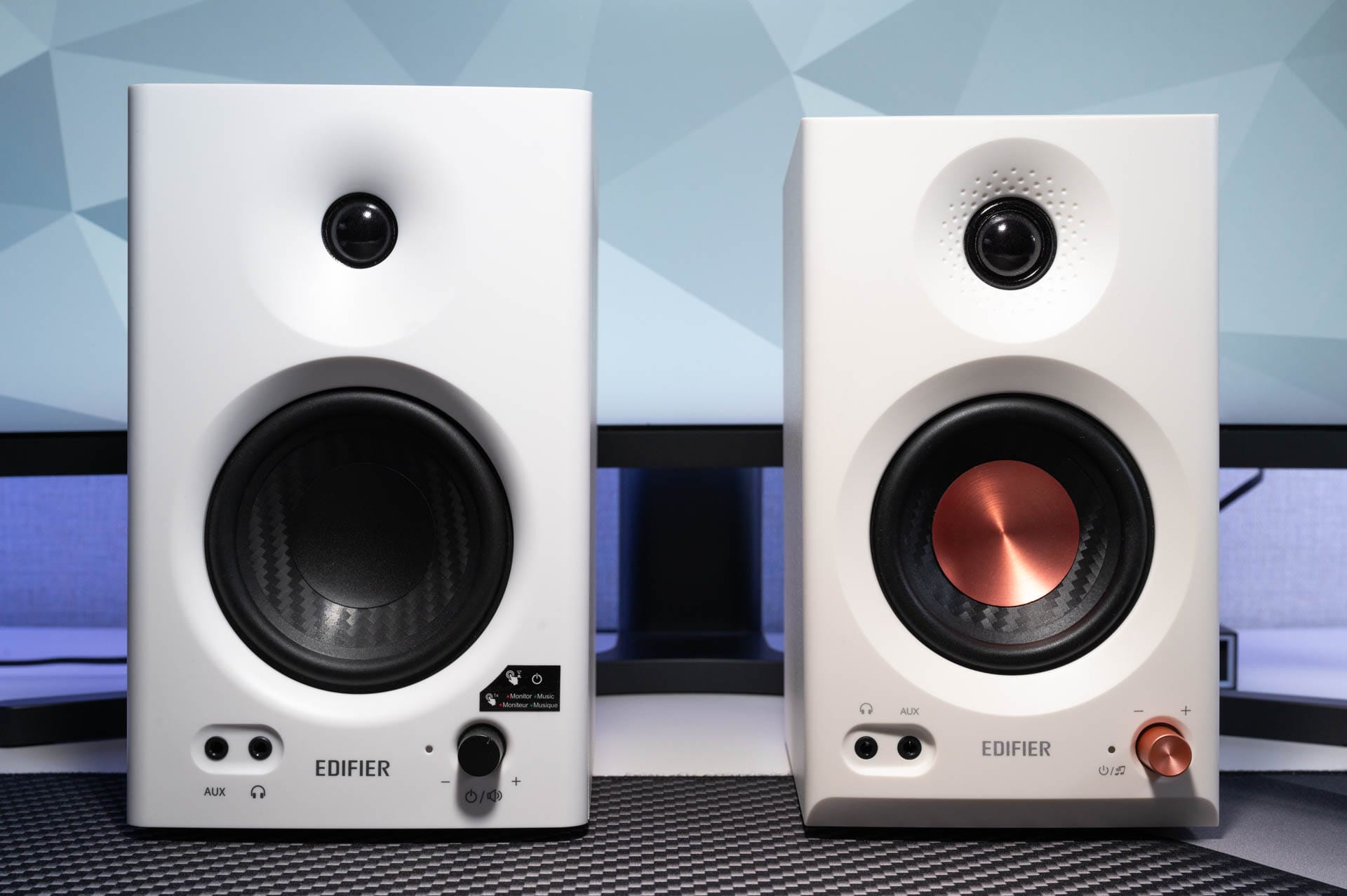
Visually, the MR3s instantly impressed me. The copper-coloured accents, found on both the woofer's dust cap and the volume control, look elegant and give the speakers a modern touch. The difference is immediately noticeable, especially when compared to the MR4s, which appear more functional and minimalist.
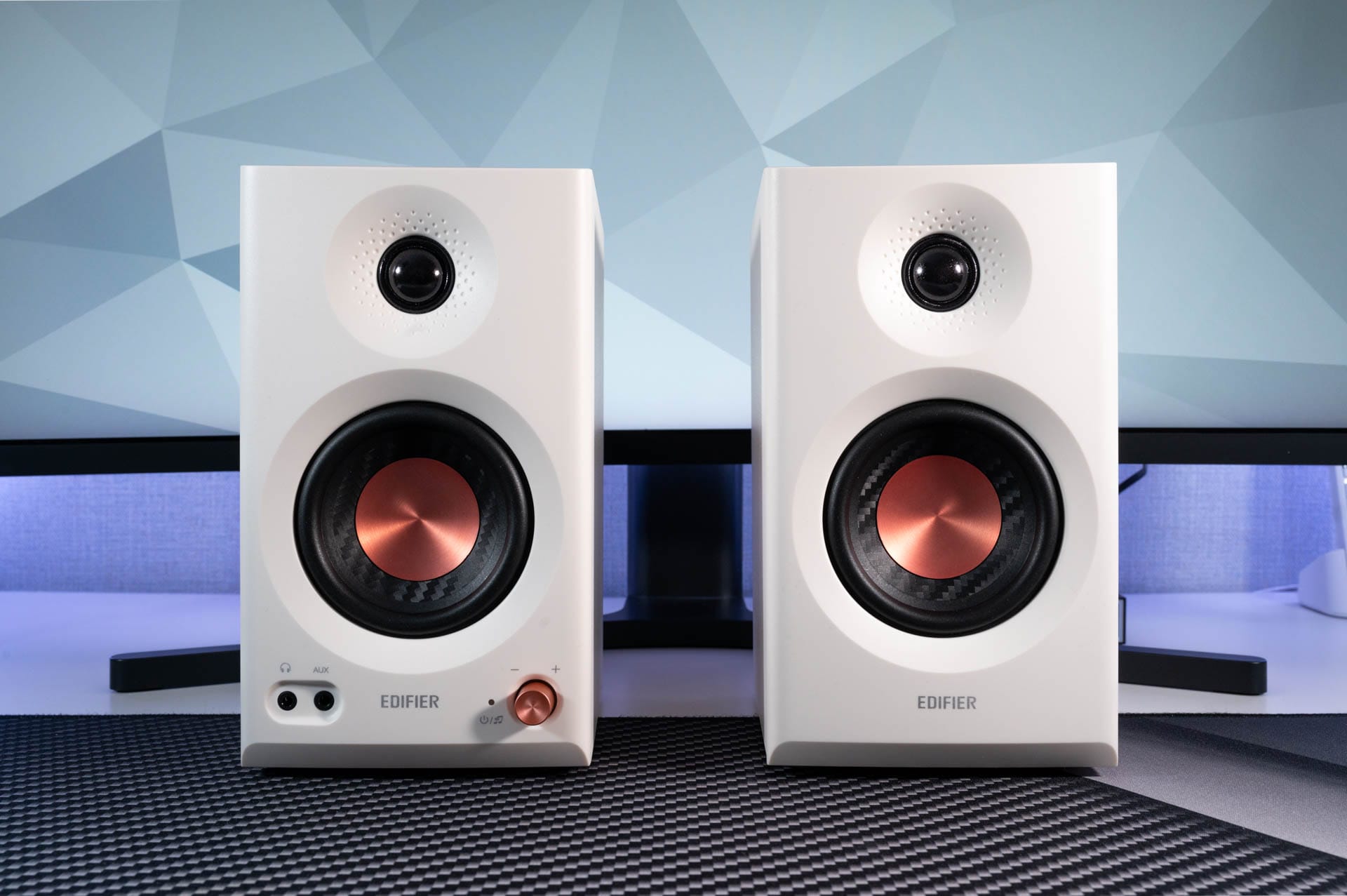
At 27.5 x 13.5 x 18.5 cm and 3.9 kg, the MR3 is slightly more compact and lighter than its predecessors. The detachable power cable is a welcome improvement, particularly if you need to frequently reposition or transport the speakers.
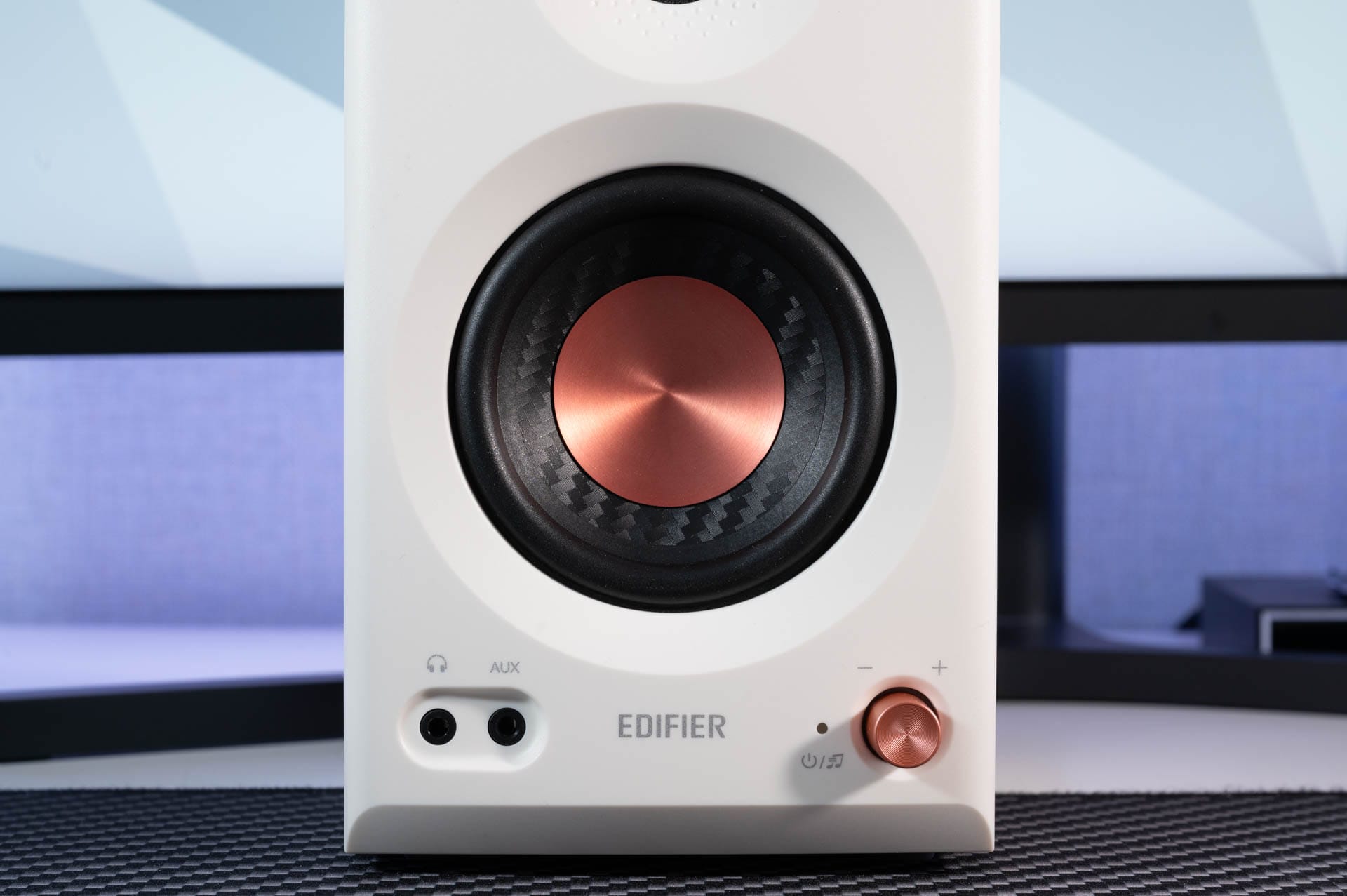
The MDF cabinet remains solidly constructed and effectively reduces vibrations. Foam pads on the underside prevent slipping. Nevertheless, I would recommend placing the speakers on stands. This improves sound alignment and minimises noise from the surface.
Connections and functions
The MR3 offers versatile connection and control options. In addition to RCA and TRS inputs, which were also present on the MR4, they introduce Bluetooth 5.4 for the first time. This feature significantly simplifies everyday use. I was able to pair the speakers with my smartphone and laptop without any problems. The connection was stable, even when I moved between rooms. Bluetooth is a real asset for quickly switching from studio work to relaxed music listening.
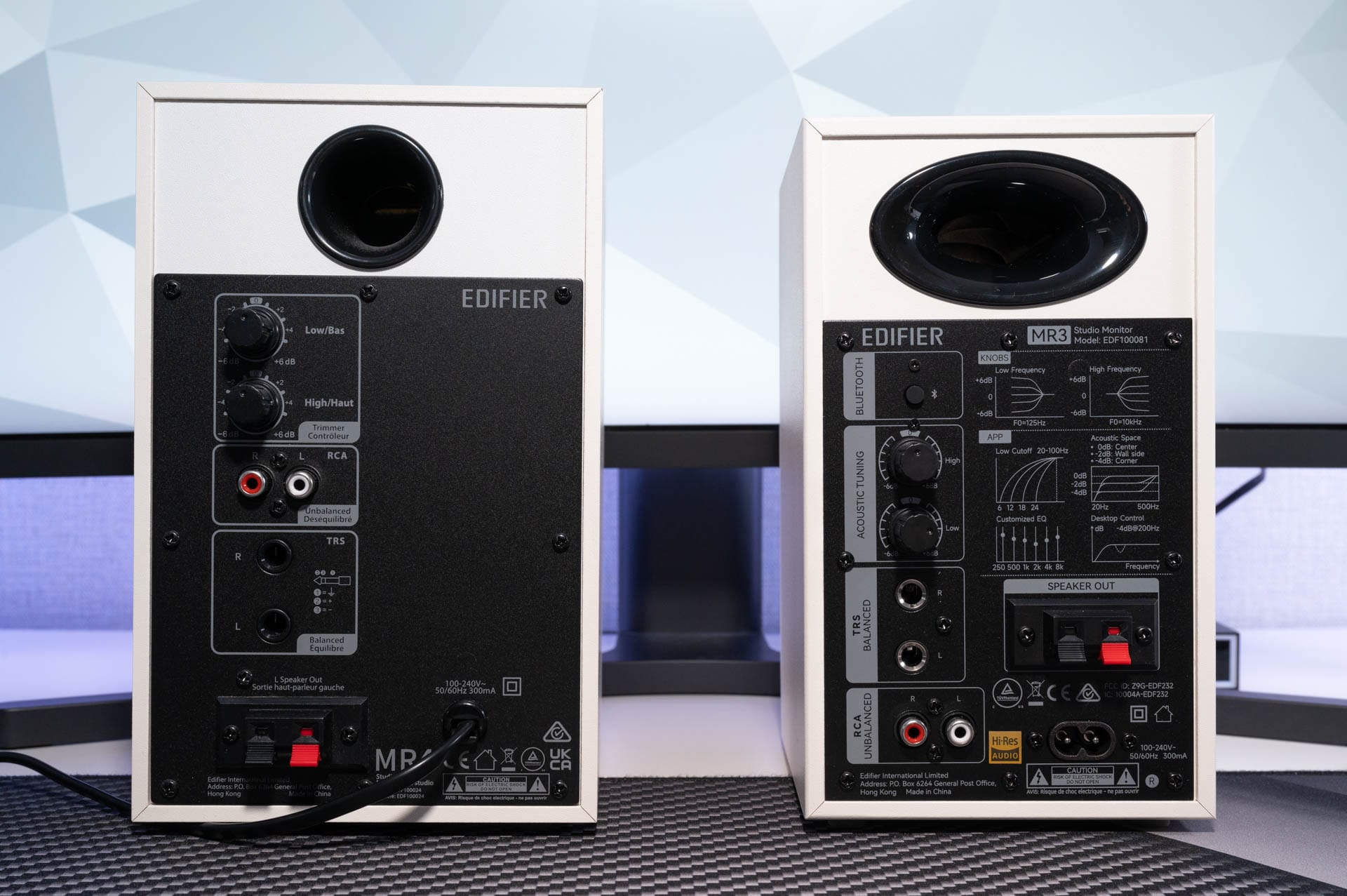
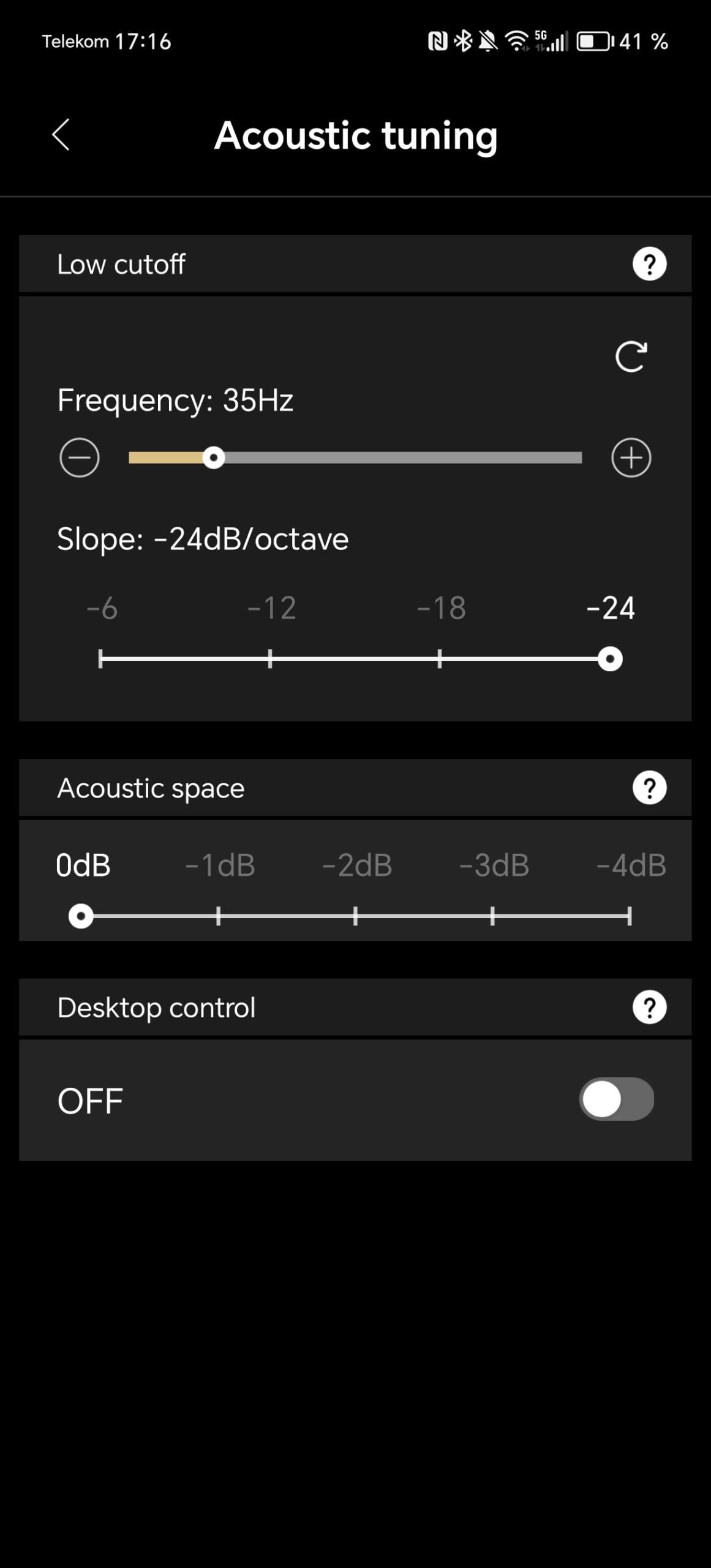
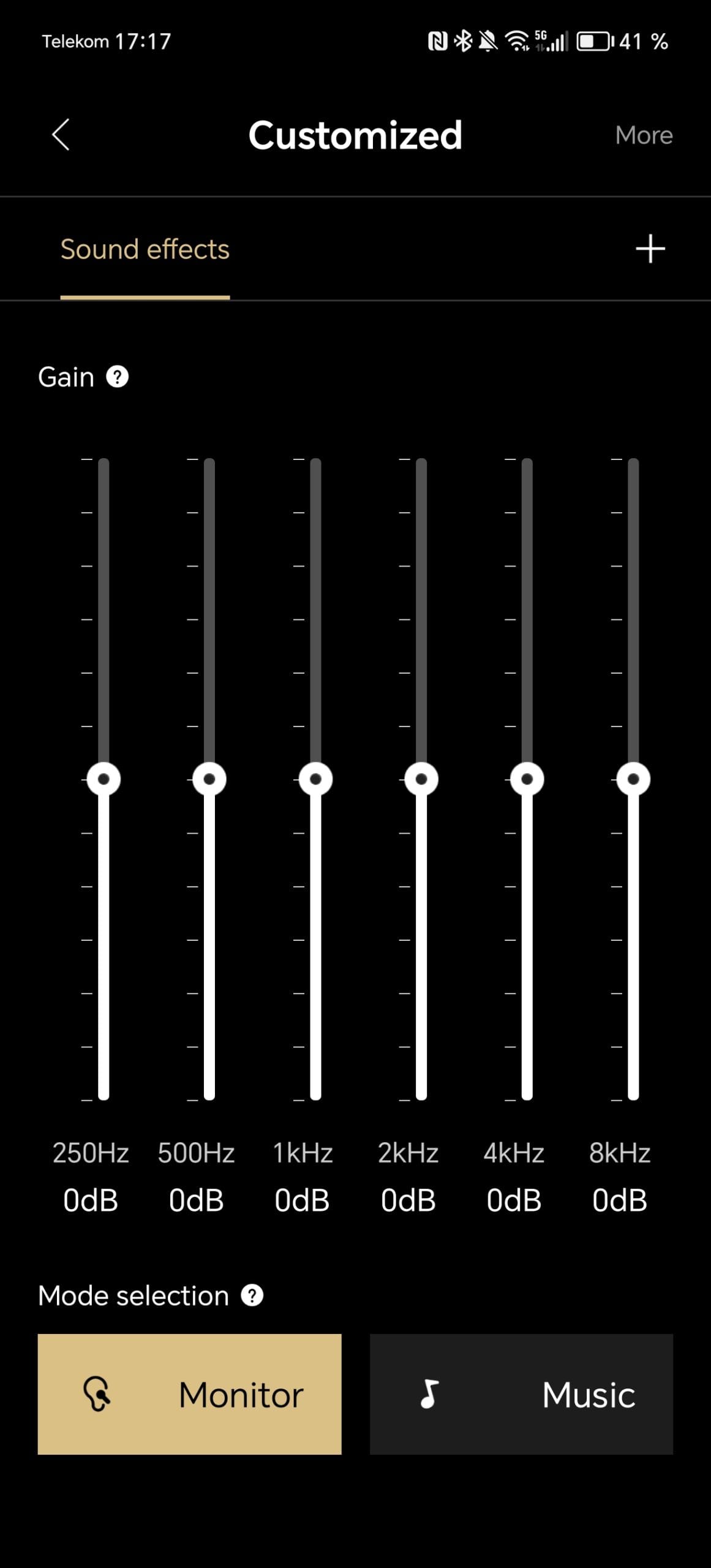
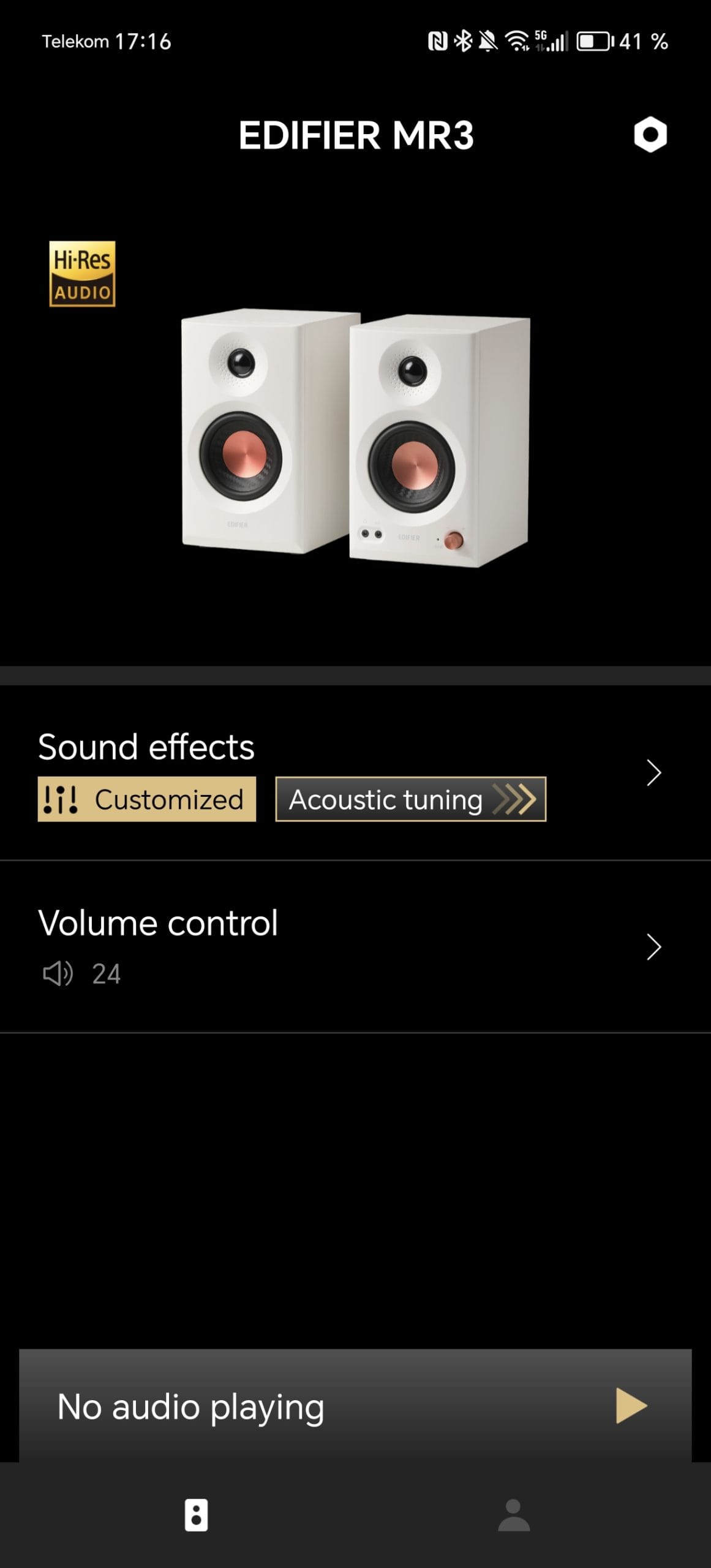
For control, the MR3 supports the new Edifier ConneX app. The following functions are possible:
- Equalizer and sound profiles: Quickly switch between sound profiles or make individual adjustments.
- Room compensation: Features such as Desktop Control or a Low-Cut-Filter allow the sound to be adjusted to different environments.
- Bluetooth playback: Control the connection directly via the app.
Despite its capabilities, the app is rather a nice gimmick in practice rather than a must-have. It is useful for precise sound optimisation via Bluetooth, but in everyday life, you prefer to use the physical controls on the speakers directly.
Sound quality – How good are the MR3 really?
Studio monitors must primarily do one thing: sound precise. The MR3 follows in big footsteps here, as the MR4 blew me away in this regard. The MR3 comes close to the MR4 in terms of sound, but exhibits slight differences, which are more or less significant depending on the application.
Depths
The bass reproduction of the MR3 is tight and precise. It extends down to 52 Hz, which is remarkable for speakers of this size. Deep frequencies come into their own particularly on tracks like “Time” by Pink Floyd. The bassline remains clearly defined and does not lose precision even at higher volumes. However, the MR3 lack the final depth offered by the MR4. In bass-intensive genres like hip-hop or electronic music, you notice that the MR4 deliver more volume and punch. The MR3, on the other hand, appear slightly more controlled and less dominant in the bass range, which can be an advantage for studio applications.
Mids
The MR3 shows its strengths in the mids. Voices and instruments are reproduced clearly and naturally. In “May It Be” by Enya, the voice stands clearly in the foreground, while the orchestral accompaniment remains cleanly separated. This precision makes the MR3 a good choice for speech recordings or acoustic music. The mids of the MR4 are slightly fuller, which offers a small advantage with complex mixes. However, the differences here are rather subtle and only noticeable in a direct comparison.
Treble
The highs on the MR3 are clean and pleasant. Fine details, such as the shimmer of cymbals or the clarity of string instruments, are well represented without ever sounding sharp or emphasised. Especially on tracks with complex highs, such as “Shine On You Crazy Diamond” by Pink Floyd, the MR3 perform well. However, compared to the MR4, they lack a touch of brilliance. The MR4 separate fine details in the highs slightly better, which can be crucial during long listening sessions in the studio.
Spatial audio and soundstage
In terms of spatial representation, the MR3s deliver solid performance. The soundstage is wide enough to place instruments cleanly. Stereo width is particularly well utilised in acoustic pieces. The depth staging is also successful, although the MR4s have a slight advantage here. With complex mixes, such as orchestral passages or heavily produced tracks like “No Quarter” by Led Zeppelin, it becomes apparent that the MR4s offer greater spatial precision. The MR3s seem slightly flatter in direct comparison.
Our verdict
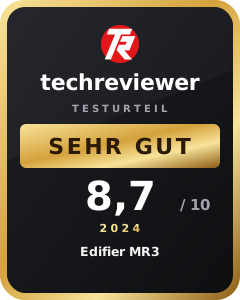
The Edifier MR3 are a worthwhile addition to the portfolio and perfectly complement the MR4. They are aimed at users who want more flexibility without compromising on good sound quality. They are solid for studio applications, although the MR4 have a slight sonic advantage in this regard. So, if you are looking for speakers that convince in both the work environment and relaxed music listening, you will be thoroughly satisfied with the MR3.
Specifications
Speakers
- Width
- 125.5 mm (active and passive)
- Height
- 220 mm (active and passive)
- Depth
- 185 mm (active), 176 mm (passive)
- Weight
- 3.85 kg (total)
Sound
- Drivers
- 3.5-inch mid-range woofer, 1-inch silk dome tweeter
- Frequency response
- 52 Hz – 40 kHz
- Total power (RMS)
- 18 W + 18 W
- Signal-to-noise ratio
- ≥ 85 dB (A)
Ports
- Balanced ¼-inch TRS
- Unbalanced RCA
- 3.5mm stereo AUX
- Bluetooth
- Version 5.4 (Codec: SBC)
- Headphone jack
- 3.5-mm stereo
Input sensitivity
- TRS
- 1228 ± 100 mV (+4 dBu)
- RCA
- 775 ± 50 mV
- AUX
- 775 ± 50 mV
- Bluetooth
- 800 ± 50 mFFS
Functions
- Bluetooth streaming
- App control (Edifier ConneX)
- Room compensation
- Low-cut filter, desktop optimisation
- Detachable power cable
Materials and build quality
- Case
- MDF wood
- Colour options
- Black, White
- Feet
- Foam padding for low-vibration standing
Price comparison
| Store | Price | Link |
|---|---|---|
| Amazon | 87,20 € | Go to store |
Comments (1)
Bluetooth V5.4