Contents
Hilo Band relies on continuous blood pressure monitoring
Regularly checking your blood pressure is particularly important for people with known hypertension. Traditional upper-arm monitors provide reliable individual readings, but require you to set aside time for them. The Hilo Band, originally known as Aktiia, takes a different approach. It is worn like an ordinary bracelet on the wrist and automatically records blood pressure throughout the day and night. An inflatable cuff is not required during normal use.
Technically, the Hilo Band uses an optical sensor to detect changes in blood flow at the wrist. Blood pressure readings are then determined using an algorithm and previously recorded calibration values. Unlike a smartwatch, it has neither a display nor extensive fitness features. The wristband focuses on long-term blood pressure monitoring and provides the collected information via the Hilo app. According to the manufacturer, it is a CE-marked Class IIa medical device whose measurement method has been clinically validated in accordance with ISO 81060-2.
Before the test, I was initially skeptical that such a small wristband could actually make a useful contribution to blood pressure monitoring. After all, measuring with a suitable upper-arm monitor remains a proven method for monitoring blood pressure at home. After around six months with the Hilo Band, however, my initial skepticism has diminished considerably. The automatic monitoring proved extremely practical, even though some weaknesses emerged during the long-term test.
Simple design and comfortable fit, with some limitations
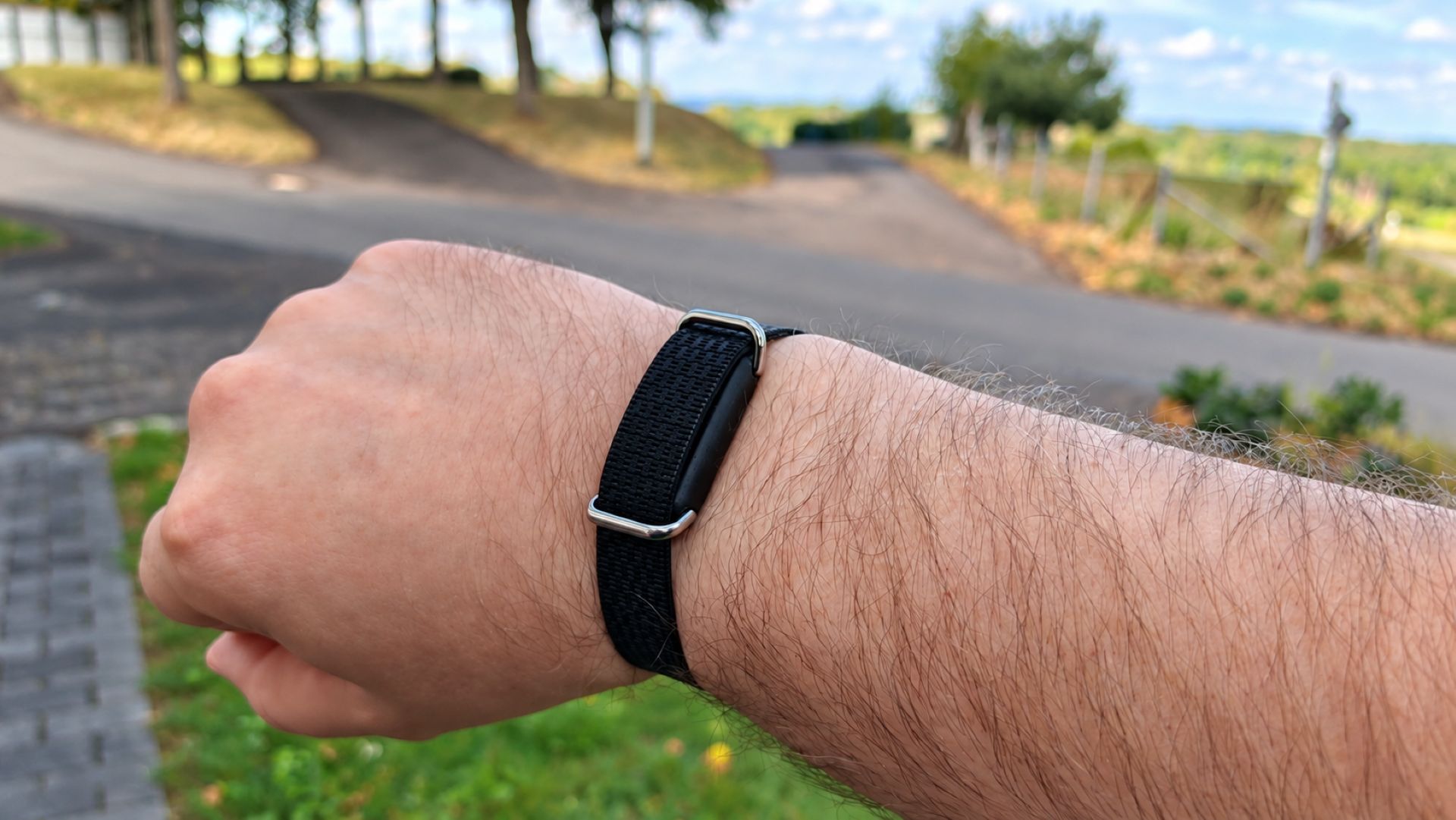
The Hilo Band has a very understated look. Its small sensor sits on a narrow silicone wristband secured with a pin clasp. According to the technical specifications, the complete band weighs just 16 grams and fits wrists with a circumference of between 140 and 210 millimeters. Its compact design makes it barely noticeable in everyday use, and it can also be worn at night without a bulky casing getting in the way.
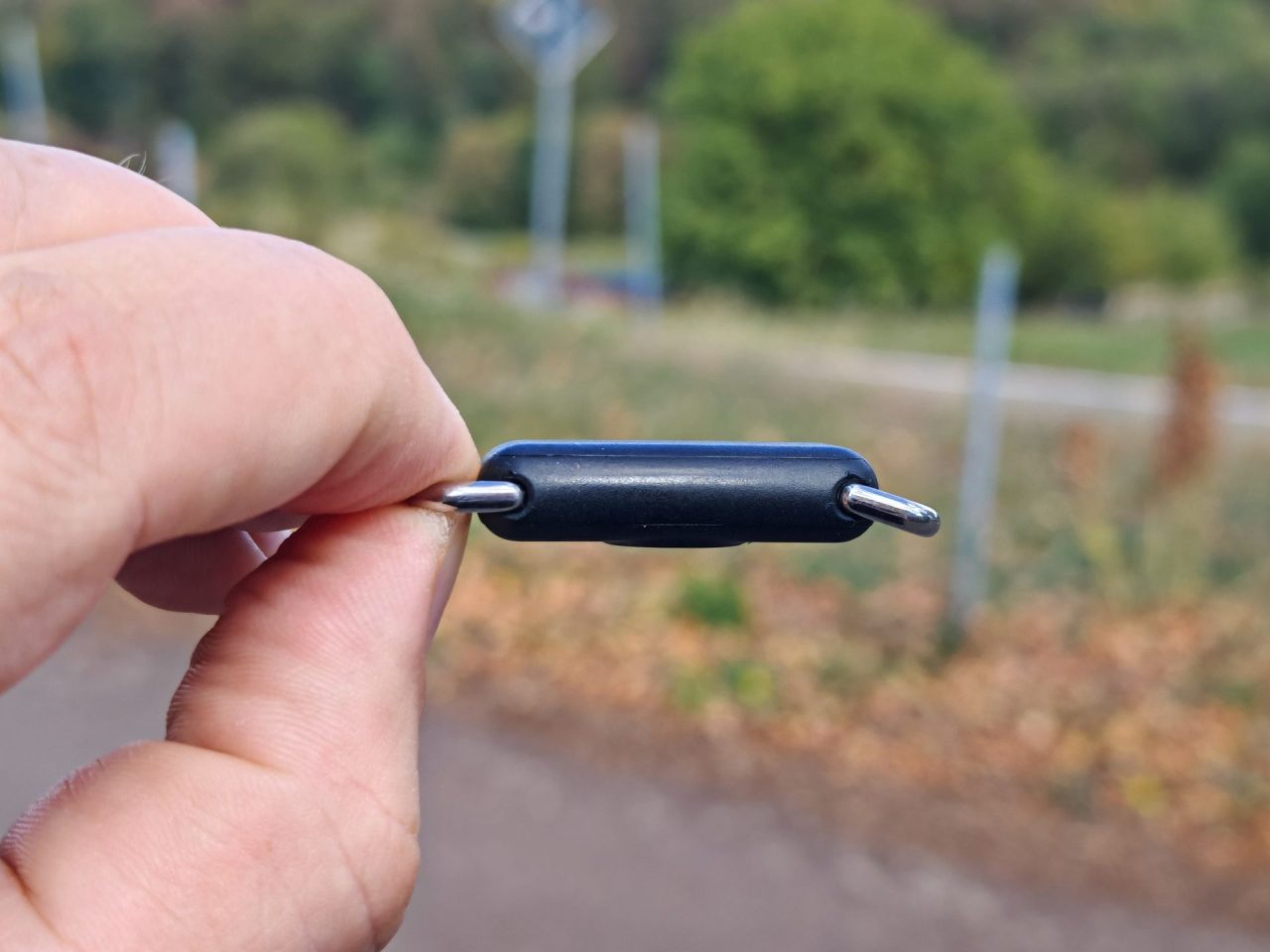
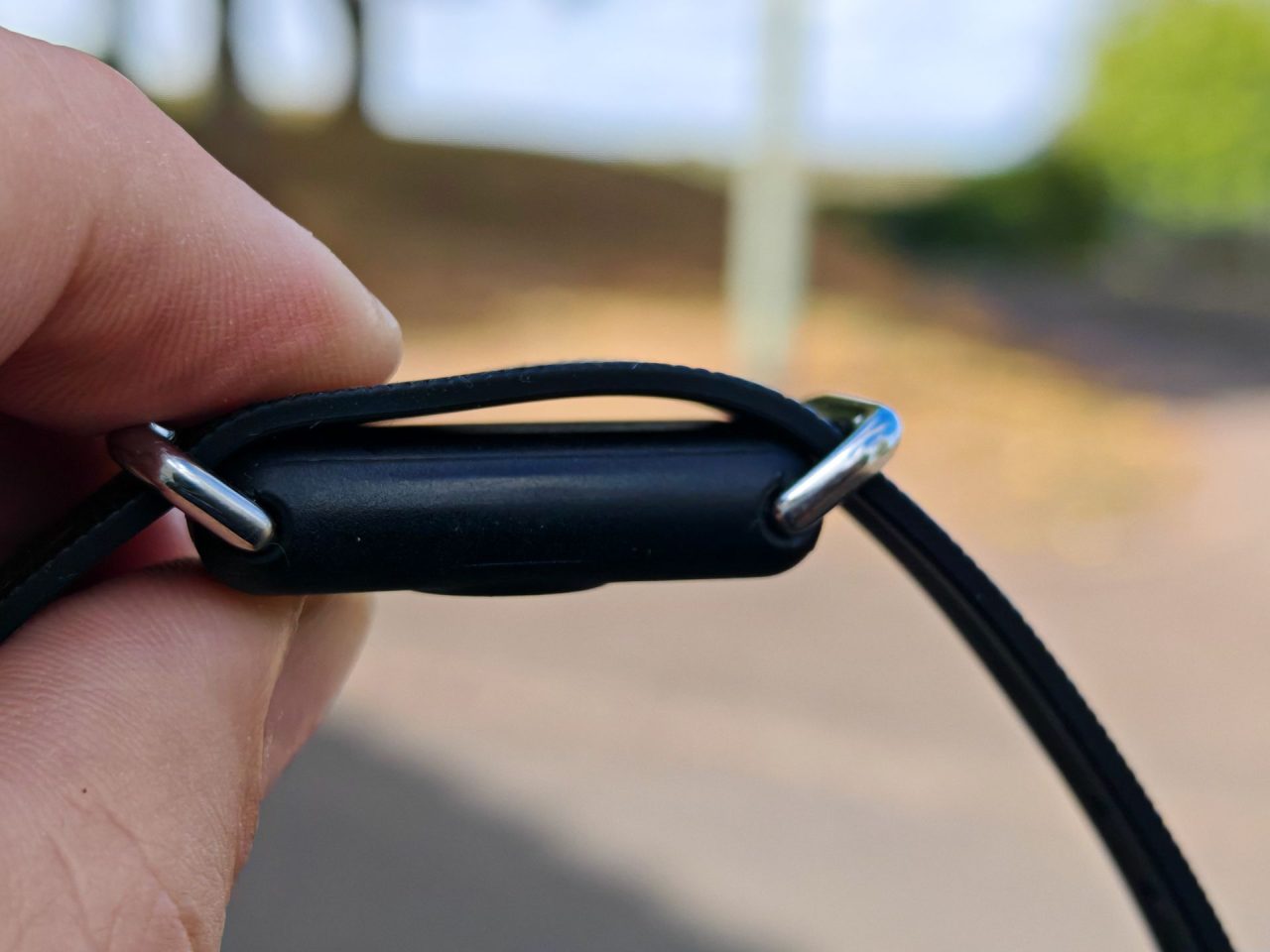
There is little to criticise about the build quality. The strap feels well made and is IP68 water-resistant. Washing your hands, showering and swimming are all possible without any problems. However, I am less impressed with the silicone strap. When worn for longer periods, it occasionally feels as though moisture is building up underneath. I also experienced mild skin irritation, although I have encountered this with other wearables with silicone straps too. This is clearly an individual experience, but it does show that the material is not equally comfortable or well tolerated by everyone. I would therefore have welcomed an alternative nylon strap.
Setup and connection with the Hilo app
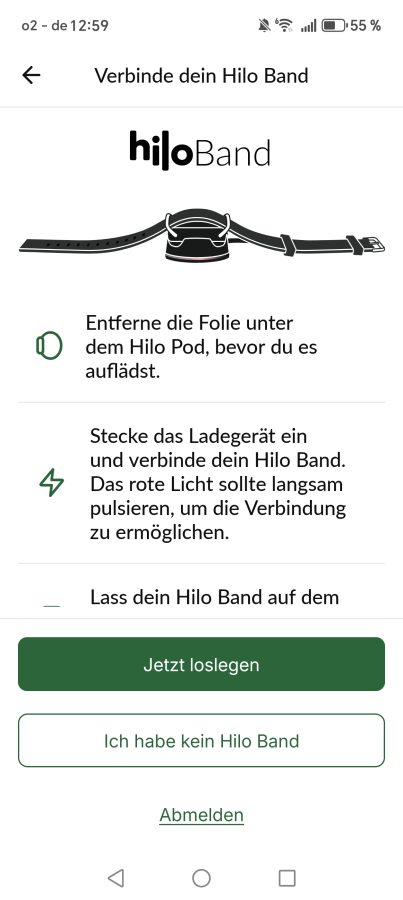
Getting started was pleasantly straightforward at first during testing. The Hilo Band is placed in the included charging cradle and then connected to a smartphone. A user account is set up in the Hilo app, after which the band is detected and paired via Bluetooth. Each step is explained clearly, so even users with little technical experience can get to grips with it quickly. According to the manufacturer, it supports smartphones running at least Android 8 or iOS 16 with compatible Bluetooth.
Setup also includes activating the Hilo membership. With the complete package, the first twelve months are already included in the purchase price. Membership is required for long-term blood pressure monitoring and the comprehensive analyses in the app. Anyone who wants to continue using the wristband afterwards will have to renew the subscription. I’ll take a closer look at the associated ongoing costs later.
Before the Hilo Band can get to work, however, it needs to be calibrated for the first time. The manufacturer includes an electronic upper-arm cuff that also works with the app. Calibration is not an optional extra, but an essential part of the entire measurement process. However, this is also where the Hilo Band’s biggest weakness became apparent during my long-term test.
Regular calibration became a test of patience
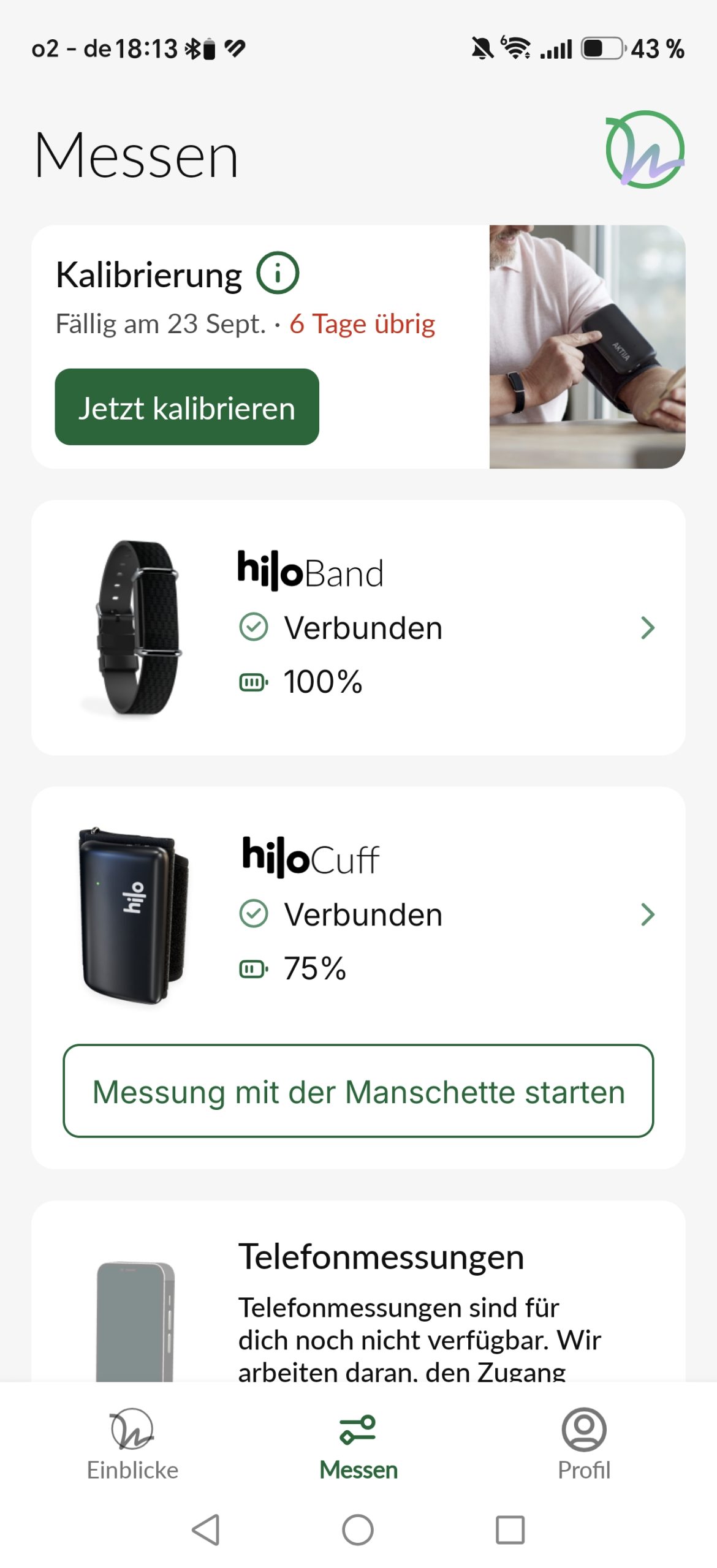
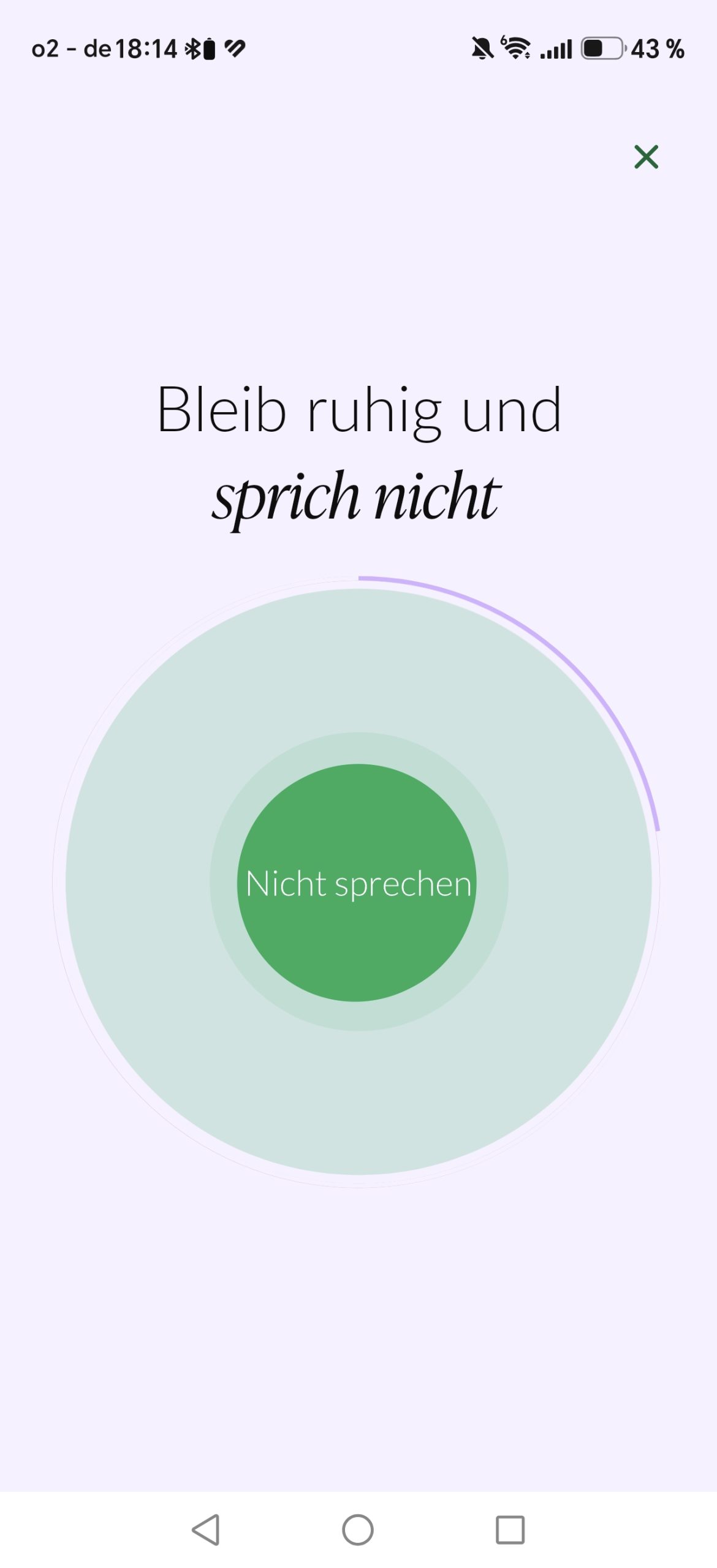
During initial setup, the Hilo Band must be calibrated over several consecutive days using the supplied upper-arm cuff. Hilo currently requires four calibration days. The process is explained step by step on the smartphone. First, you sit in as relaxed a position as possible, then the app guides you through measurements using the Band and upper-arm cuff. The latter inflates several times to determine the required reference values. There are short breaks between measurements. Once the process is complete, the Band can continue monitoring blood pressure automatically.
After the initial calibration phase, recalibration is needed approximately every four weeks. According to Hilo, additional calibrations can help improve measurement accuracy. So there is no need to wait until the next scheduled appointment; for example, you can repeat the process after a week or two. I also used this option during my test to adapt the blood pressure monitoring as well as possible to the current conditions.
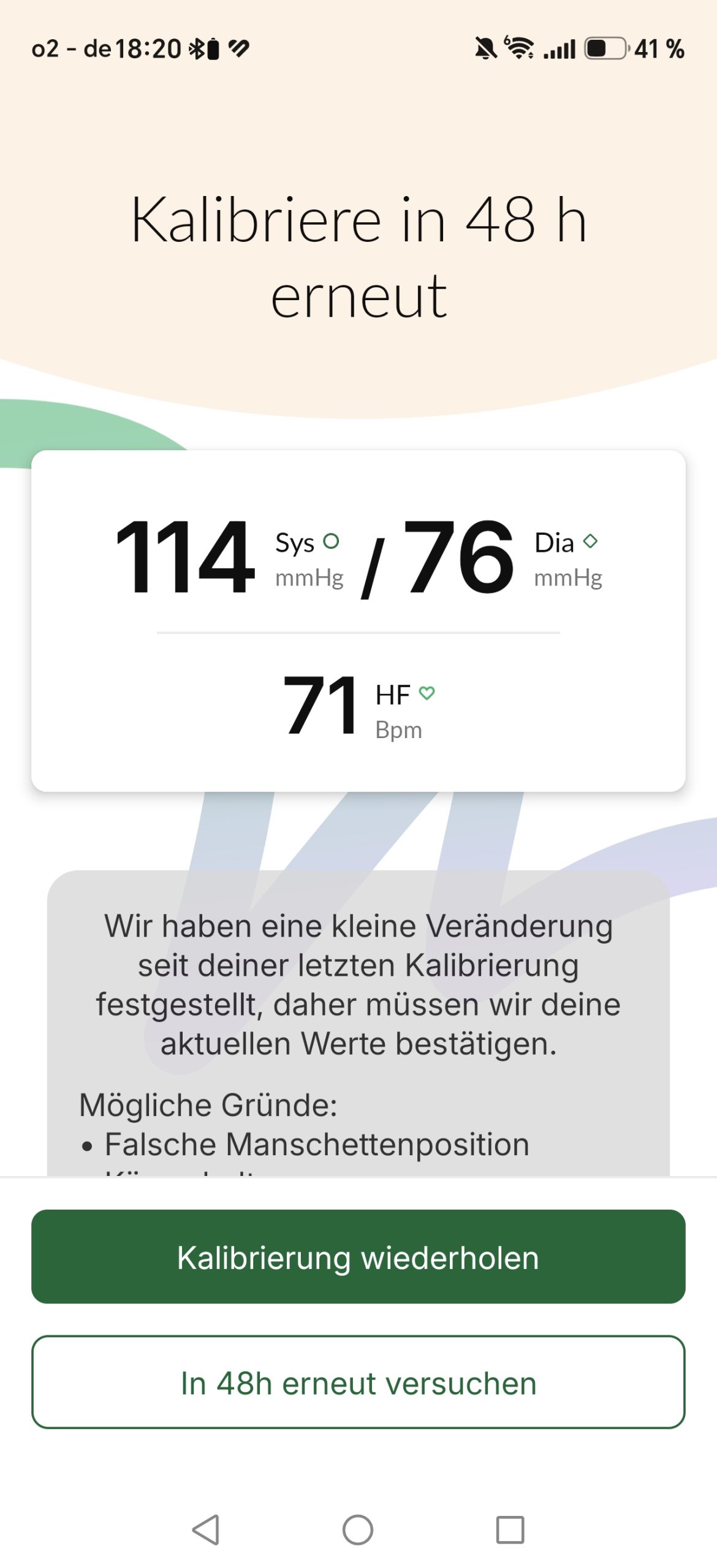
What sounds straightforward in theory repeatedly turned into a test of patience in practice. During calibration, measurement errors occurred several times, meaning the entire process had to be restarted. In some cases, three or four attempts were necessary, but calibration still could not be completed successfully. On some days, my patience finally ran out and I tried the measurement again the next day. In the long run, this is extremely frustrating.
I could not find out exactly what was causing it. It remains unclear whether software problems, the sensors or other factors were responsible for the inaccurate readings. Using the band itself, on the other hand, is pleasingly straightforward.
Blood pressure monitoring impresses in everyday use
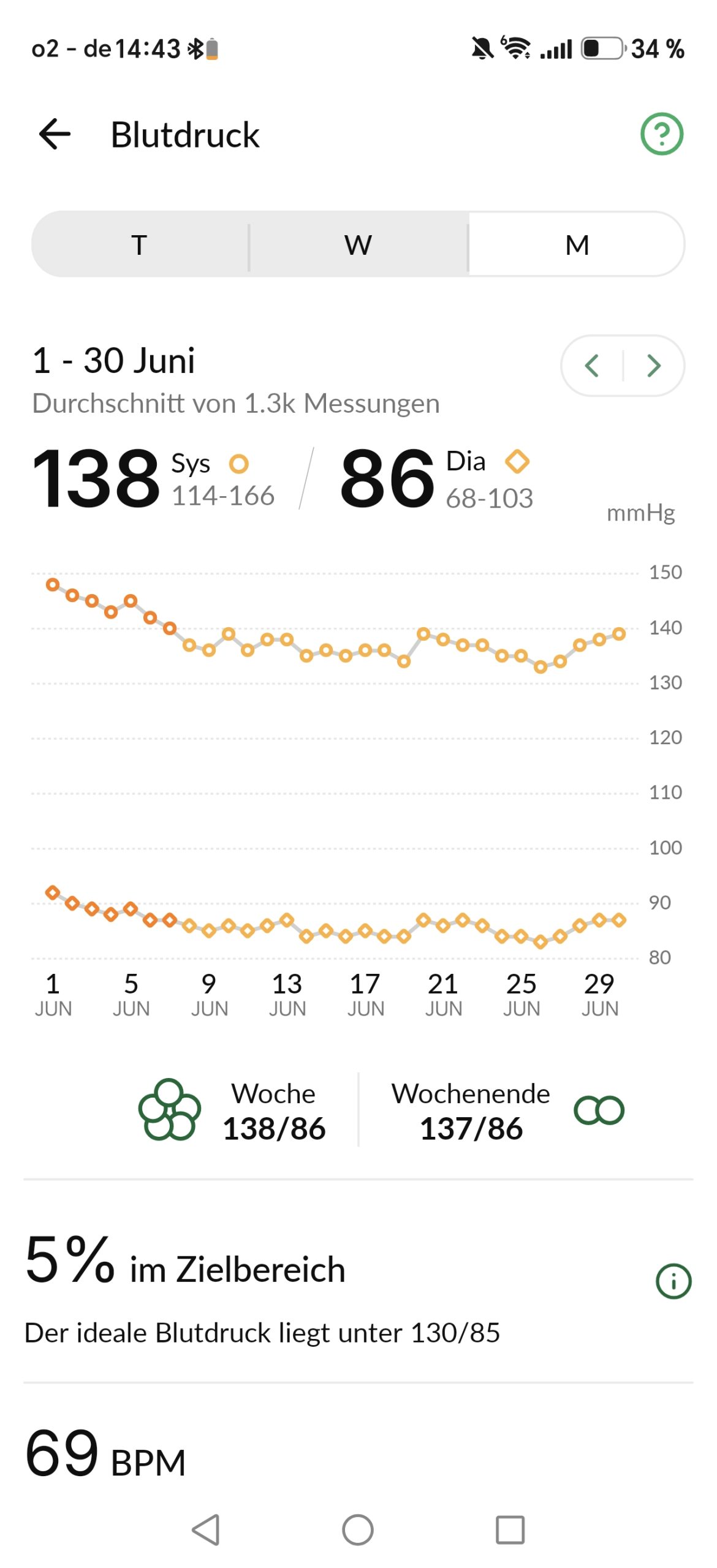
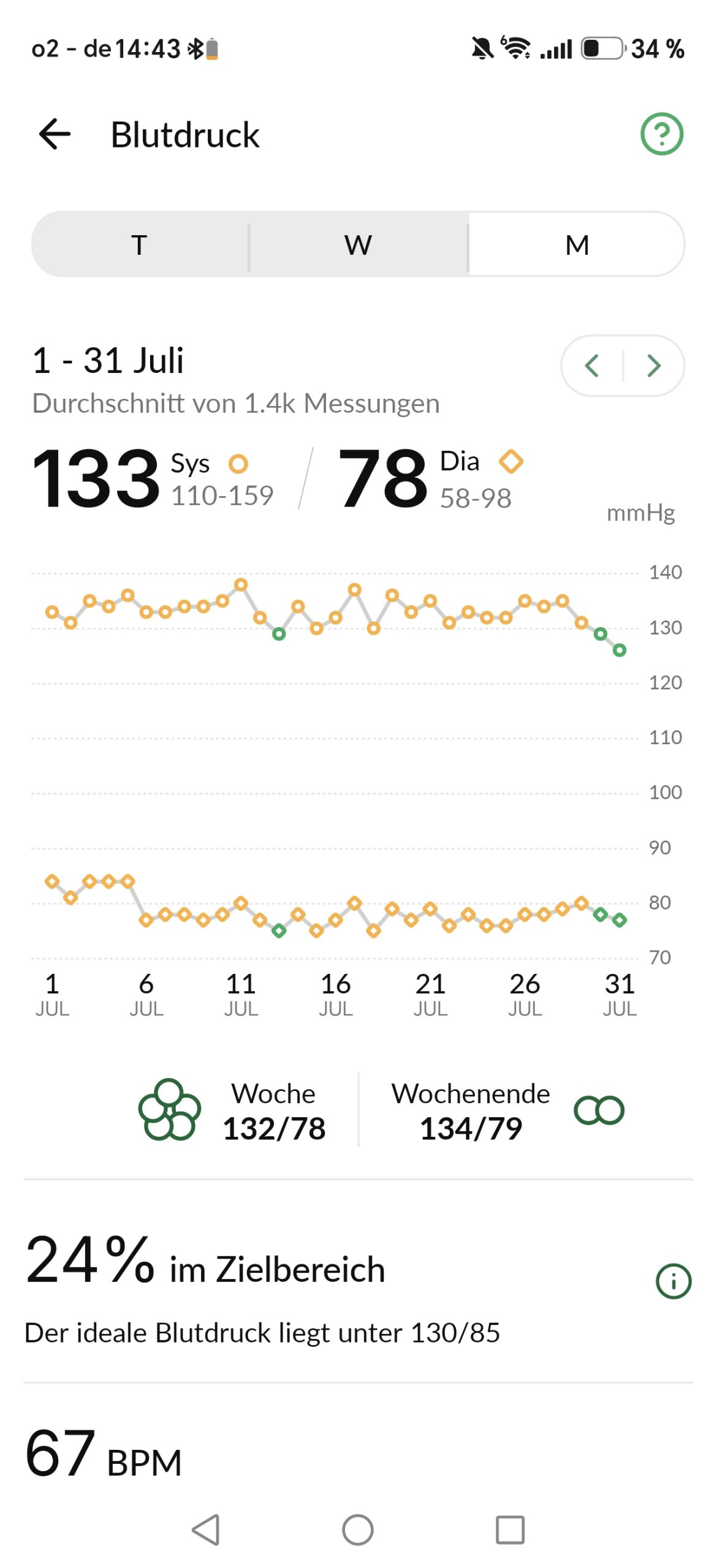
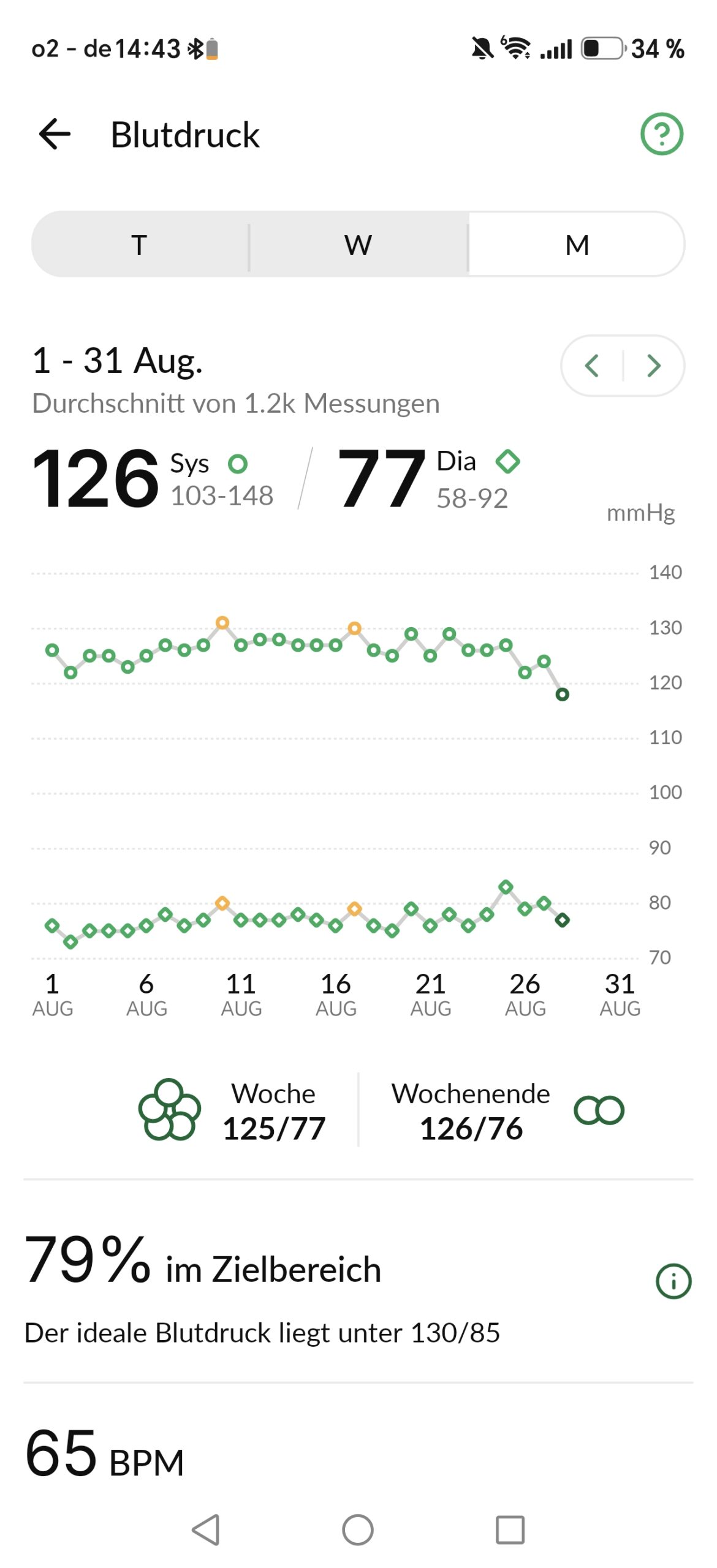
Blood pressure readings are taken automatically throughout the day and night, without having to start a measurement manually. Anyone who has had a conventional 24-hour blood pressure test at the doctor's will know what that's like, only this is silent and there's no regular inflation of the cuff.
Automatic measurements are usually taken when conditions are suitable. You cannot simply trigger an immediate measurement from the band at the press of a button. If you want to check your blood pressure at a specific time, you still need to use a conventional blood pressure monitor.
Nevertheless, during my roughly six-month test, I was surprised by how well the system performed in everyday use. When I occasionally compared it with an upper-arm reading, the displayed values were often close, with only minor deviations.
I found the long-term view of blood pressure trends particularly helpful. The Hilo Band provides numerous readings over days, weeks and months, making it much easier to track changes and see how stress, physical activity or morning caffeine consumption affect blood pressure.
Long-term blood pressure trends as support during medical appointments
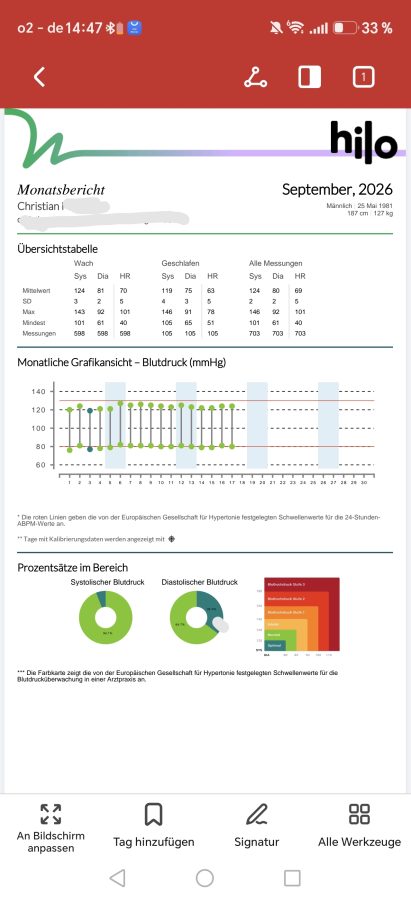
Since I had been diagnosed with mild high blood pressure, I was able to track the recorded blood pressure trends over several months and eventually discuss them with my family doctor. This also led to an adjustment of my medication, which became visible in the readings several weeks later.
The Hilo app supports monitoring with a range of reports. Blood pressure readings can be viewed over different periods, with averages and changes presented clearly. Reports can also be generated and shared with doctors. This is much more convenient than repeatedly writing down individual readings by hand. However, the Hilo Band does not automatically replace doctor-ordered diagnostics or conventional 24-hour blood pressure monitoring.
Sleep tracking showed significant weaknesses in the long-term test
In addition to blood pressure monitoring, the Hilo Band also automatically tracks sleep duration. However, it is worth remembering that this is primarily a medical wearable, not a fully fledged fitness tracker. During the first few months of my test, sleep tracking worked largely satisfactorily. The recorded sleep times roughly matched the results from other wearables I wore alongside it at times.
After about three to four months, however, things changed considerably. Suddenly, some nights were recorded as just two hours of sleep, even though I had actually slept much longer. One weekly summary even showed a total of just seven hours of sleep.
I then contacted Hilo support and described the problem. They confirmed that issues with sleep tracking were known. Other users have also posted similar accounts online. Hilo has since made improvements to its sleep analysis and worked on the feature. However, by the end of my test period, I could not confirm that the problems I had observed had been fully resolved.
Battery life and charging in everyday use
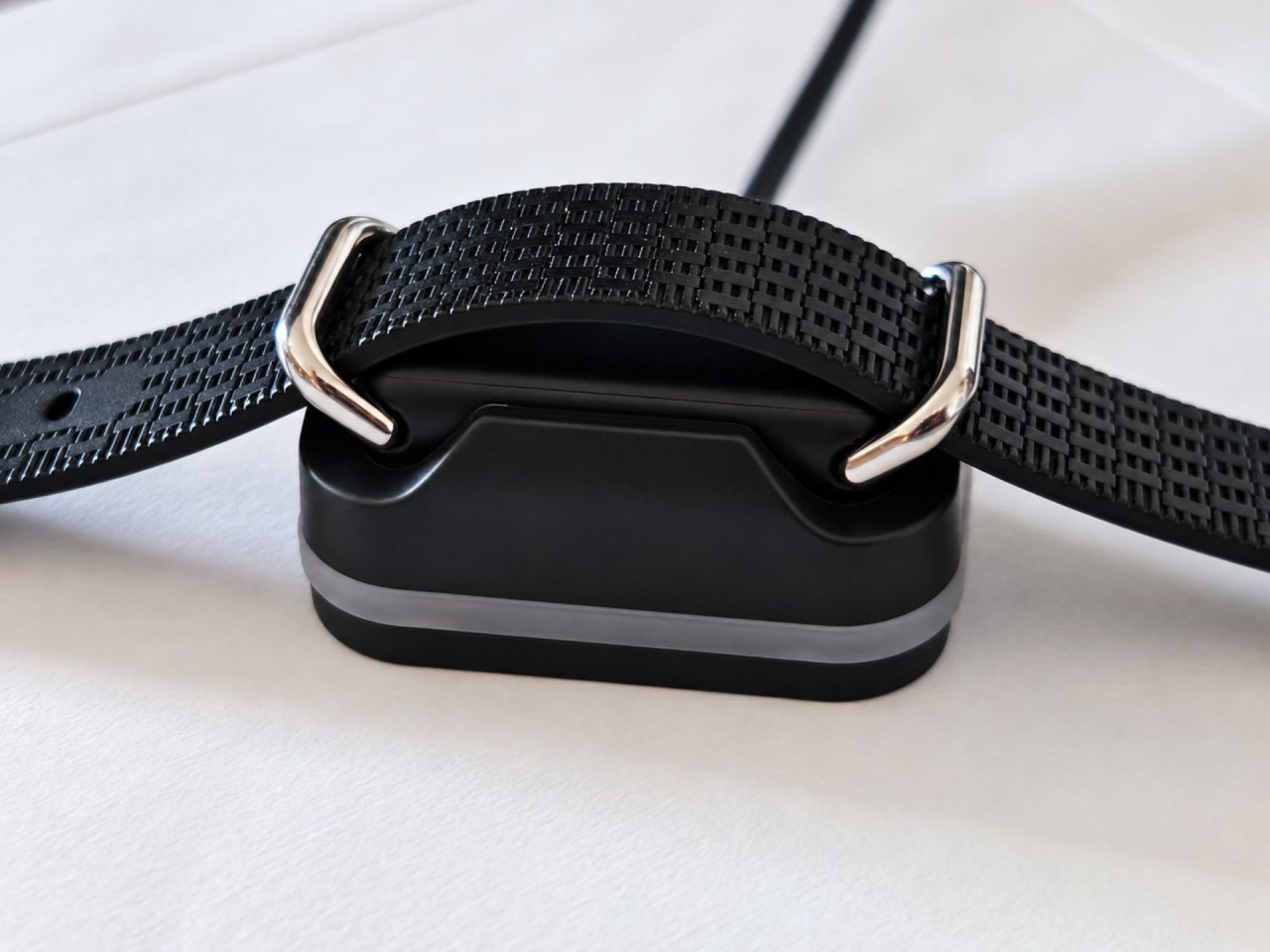
Hilo claims the band has a battery life of up to 15 days. In practice, it usually lasted around five to seven days before the band needed recharging. While this is considerably less than the manufacturer’s claim, it is still respectable for a wearable. After all, the Band works largely on its own in the background and requires little attention during normal use.
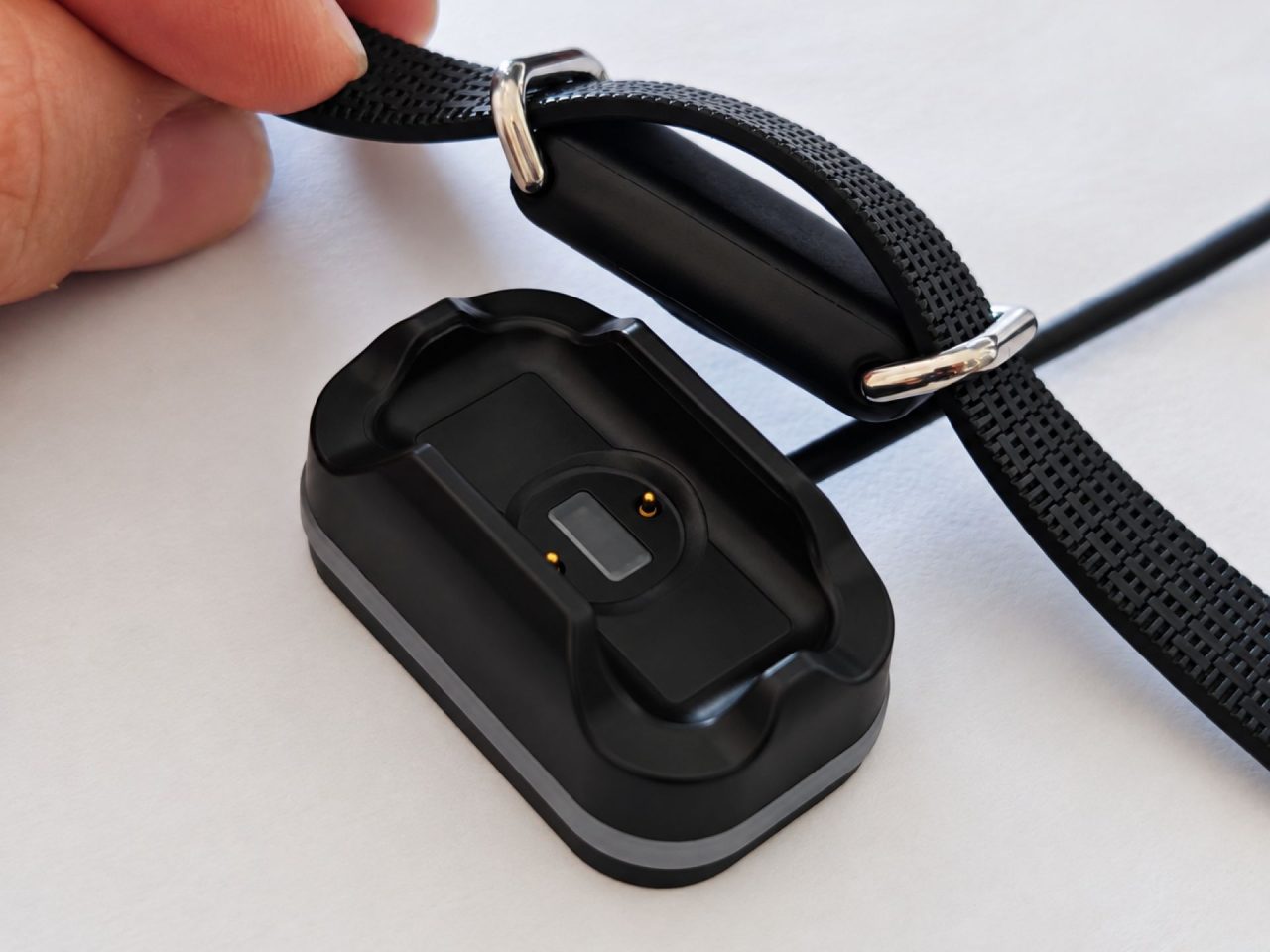
To charge it, place the small sensor in the included charging station. A full charge takes about 90 minutes. Charging itself is straightforward, but it necessarily requires the matching cradle. You cannot connect a standard USB-C cable directly to the band, which is inconvenient if you forget the charging cradle when traveling.
Price and membership with recurring costs
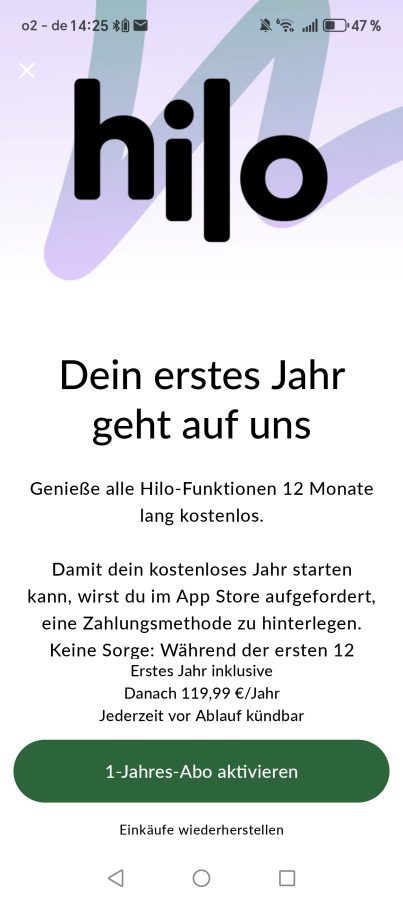
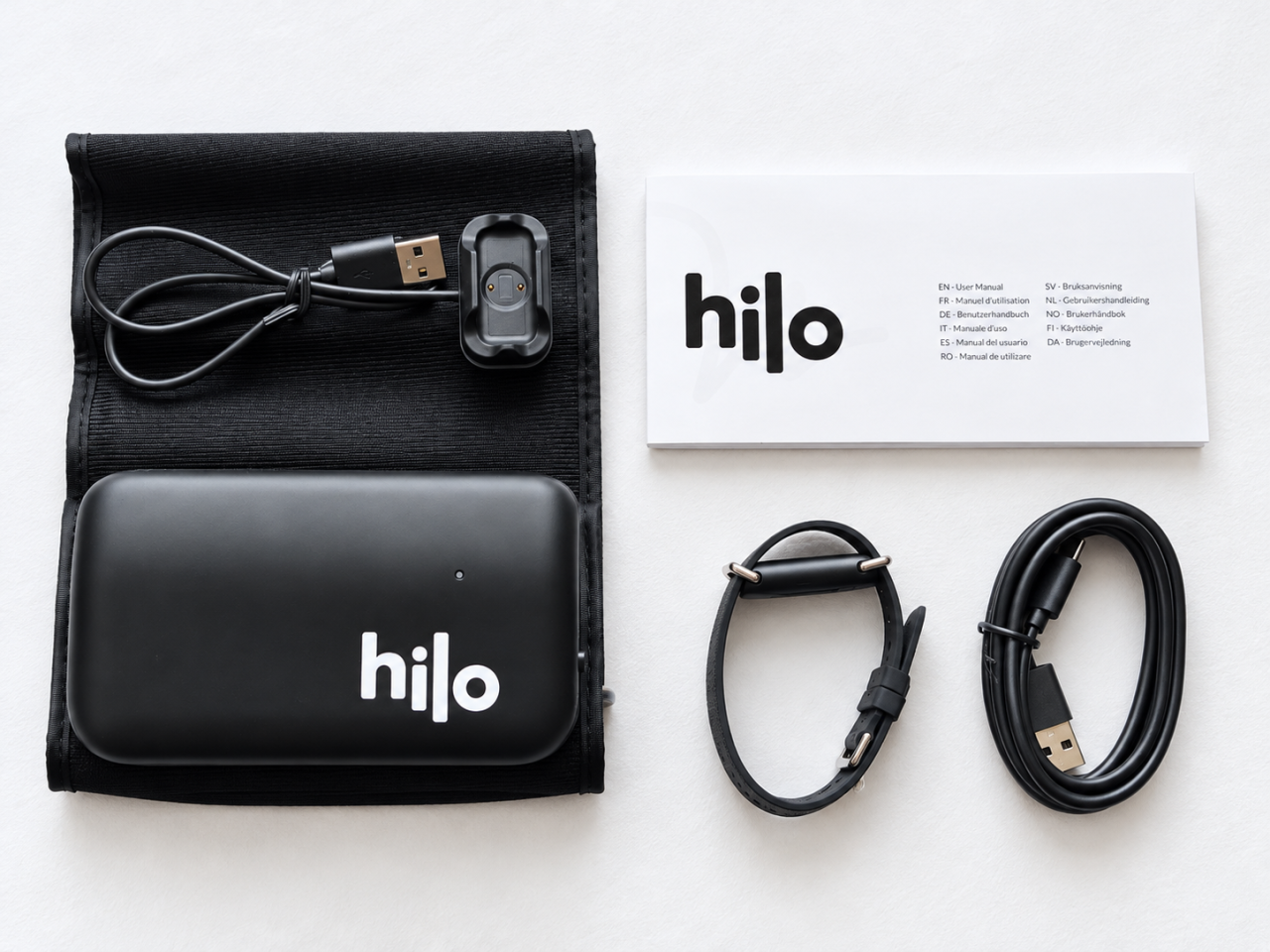
In Germany, the Hilo Band is sold as a complete package. At the time of testing, the package cost 199.98 euros on the official Hilo website. It includes the band, the electronic upper-arm cuff for calibration, charging accessories, and a 12-month Hilo membership. The first 12 months are therefore prepaid and included in the purchase price. After that, unless you cancel, the membership automatically renews for 119.99 euros per year, or just under ten euros per month.
The membership is not an optional extra that you can easily do without. An active subscription is required for continued blood pressure monitoring and access to the full reports. After cancellation, access is initially limited. Once the specified transition period has ended, no new blood pressure measurements can be taken using the band. This ongoing reliance on a paid subscription is something you should definitely consider before buying.
Our verdict
The Hilo Band surprised me in a positive way during the six-month long-term test. Automatic blood pressure monitoring, day and night, works unobtrusively and provides useful insights into long-term blood pressure trends. The recorded trends proved to be a useful complement to conventional check-up measurements, particularly when discussing them with my GP.
Less convincing were the sometimes frustrating calibration process, the unreliable sleep tracking toward the end of the test, and the silicone wristband. The ongoing subscription costs should also be taken into account. Even so, my overall impression is positive. If you want to keep track of your blood pressure over the long term, this is an interesting medical device that can usefully complement conventional upper-arm measurements.
Specifications
General
- Manufacturer
- Hilo (formerly Aktiia)
- Product
- Hilo Band
- Device type
- Medical blood pressure wearable
- Display
- None
- Weight
- 16 g including wristband and sensor unit
- Wrist circumference
- 140–210 mm
Dimensions and materials
- Sensor unit
- 34 × 16 × 8.5 mm
- Watch band
- 231.5 × 14 × 0.75 mm
- Strap material
- Hypoallergenic silicone
- Fittings
- Stainless steel
- Water resistance
- IP68
Blood pressure monitoring
- Measurement method
- Optical photoplethysmography (PPG)
- Monitoring
- Automatic measurements by day and night
- Medical device
- CE Class IIa
- Clinical validation
- ISO 81060-2
- Calibration
- Upper-arm cuff, regularly about every four weeks
- Additional features
- Sleep and activity tracking
Battery
- Manufacturer specification
- Up to 15 days
- Runtime in testing
- About 5–7 days
- Charging time
- Approx. 90 minutes
- Charging port
- Proprietary charging station
Connectivity and compatibility
- Connection
- Bluetooth Low Energy
- Android
- Android 8 and later
- iOS
- From iOS 16
- Bluetooth
- 5.0 or later
- App
- Hilo app
- Data transfer
- Encrypted
What’s included
- Hilo Band
- Electronic upper-arm calibration cuff
- Charging station and charging cable
- 12-month Hilo membership
Price and membership
- Complete package
- 199.98 euros
- Included membership
- 12 months
- Annual renewal
- 119.99 euros
What’s included
1x Hilo wristband 1x electronic upper-arm cuff for calibration 1x charging station 1x charging cable 1x 12-month Hilo membership
Price comparison
| Store | Price | Link |
|---|---|---|
| Amazon | 159,98 € | Go to store |
Comments