Contents
Self-learning algorithm and protection against clipping losses
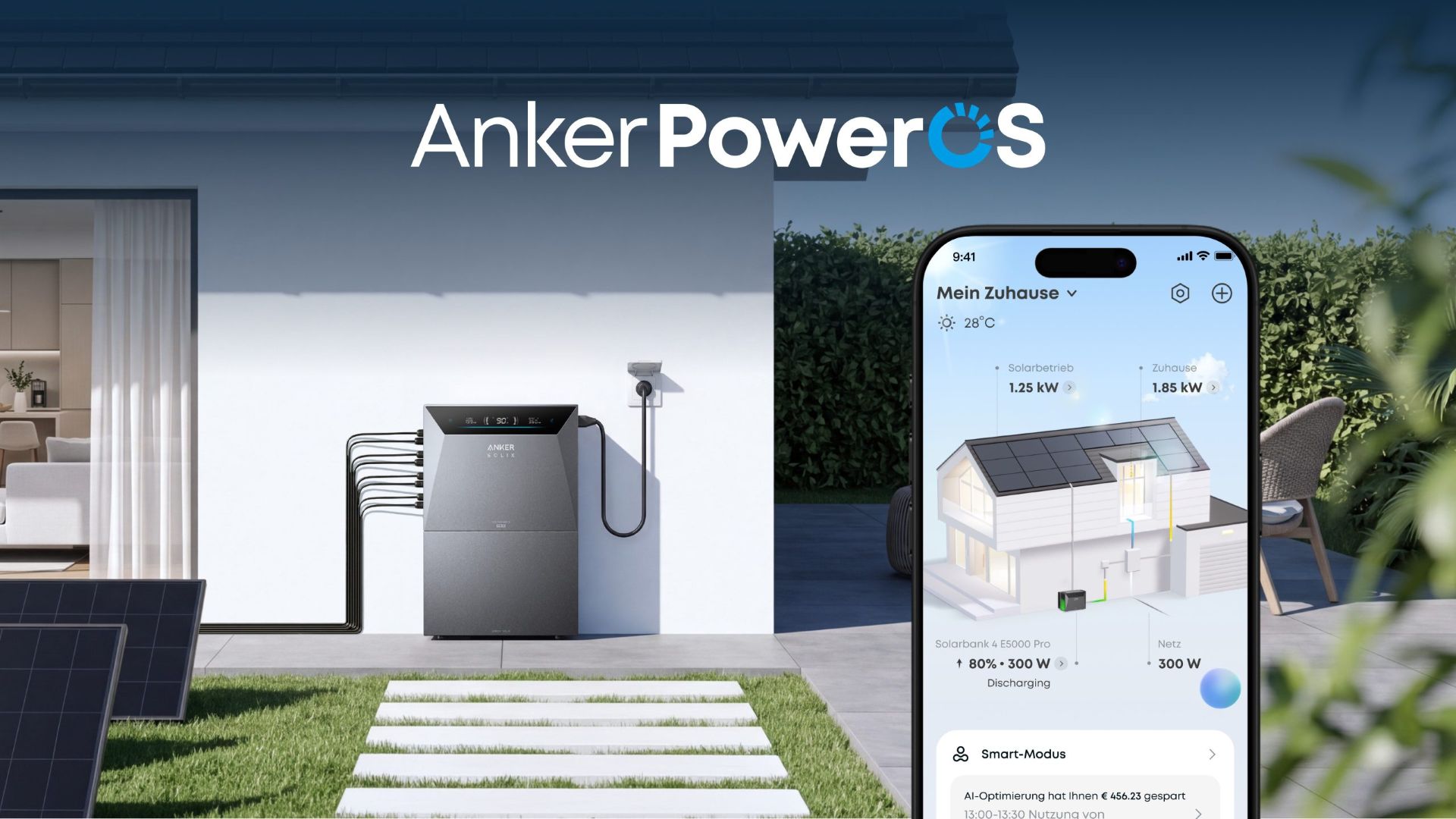
Anker SOLIX is giving its PowerOS energy management system a series of comprehensive software updates. At the heart of these improvements is the so-called “Self-Learning Engine” — a fundamentally redesigned, self-learning planning algorithm. The system simultaneously analyzes several factors, including weather conditions, individual consumption patterns and fluctuating electricity prices, and uses them to independently determine when to charge and discharge the battery. According to internal simulations, self-consumption in Smart Mode can be increased by up to 30 percent.
The manufacturer is also introducing “Solar Clipping Optimization” (Full Sun Capture). To prevent curtailment during generation peaks around midday, the system proactively discharges the battery in the morning when needed, leaving free battery capacity available for the solar peak at midday. This is intended to improve solar energy utilization by up to 25 percent.
Improved automatic tariff management and “Negative Price Hunter” for Germany
The updates also include the previously introduced solar surplus forecast (“Surplus Alert”), which informs users in advance about upcoming generation peaks. In addition, the revamped automatic tariff management (“Tariff Auto-Match”) supports fixed-price, time-variable and dynamic tariffs via interfaces such as EPEX SPOT, Tibber and Amber.
Specifically for the German and Dutch markets, Anker SOLIX is integrating “Negative Price Hunter.” The algorithm detects periods of negative electricity market prices, deliberately charges the battery during these windows and makes the energy available to the household during later, more expensive periods.
Predictive safety and AI error diagnosis
The energy early warning system (“Proactive Risk Alert”) helps improve reliability by building up power reserves in the battery in anticipation of severe weather or grid disruptions. At the same time, the “Device Risk Alert” feature continuously monitors the battery’s condition, efficiency and aging. If technical irregularities occur, AI-powered troubleshooting guides the user through the resolution process step by step.
Expanded smart home integration and a look ahead to December
Building on the existing Home Assistant integration, Anker SOLIX is expanding connectivity to other platforms. The system will add an official integration for Homey, with additional providers to follow in November. This makes it possible to automate compatible appliances when there is a solar surplus.
Anker SOLIX plans to release additional features in December 2026. These include “Intelligent Intent Recognition” (Intent-Aware), which interprets everyday situations such as vacations based on natural-language input and translates them into suitable energy strategies. An automated daily energy report will also be introduced.
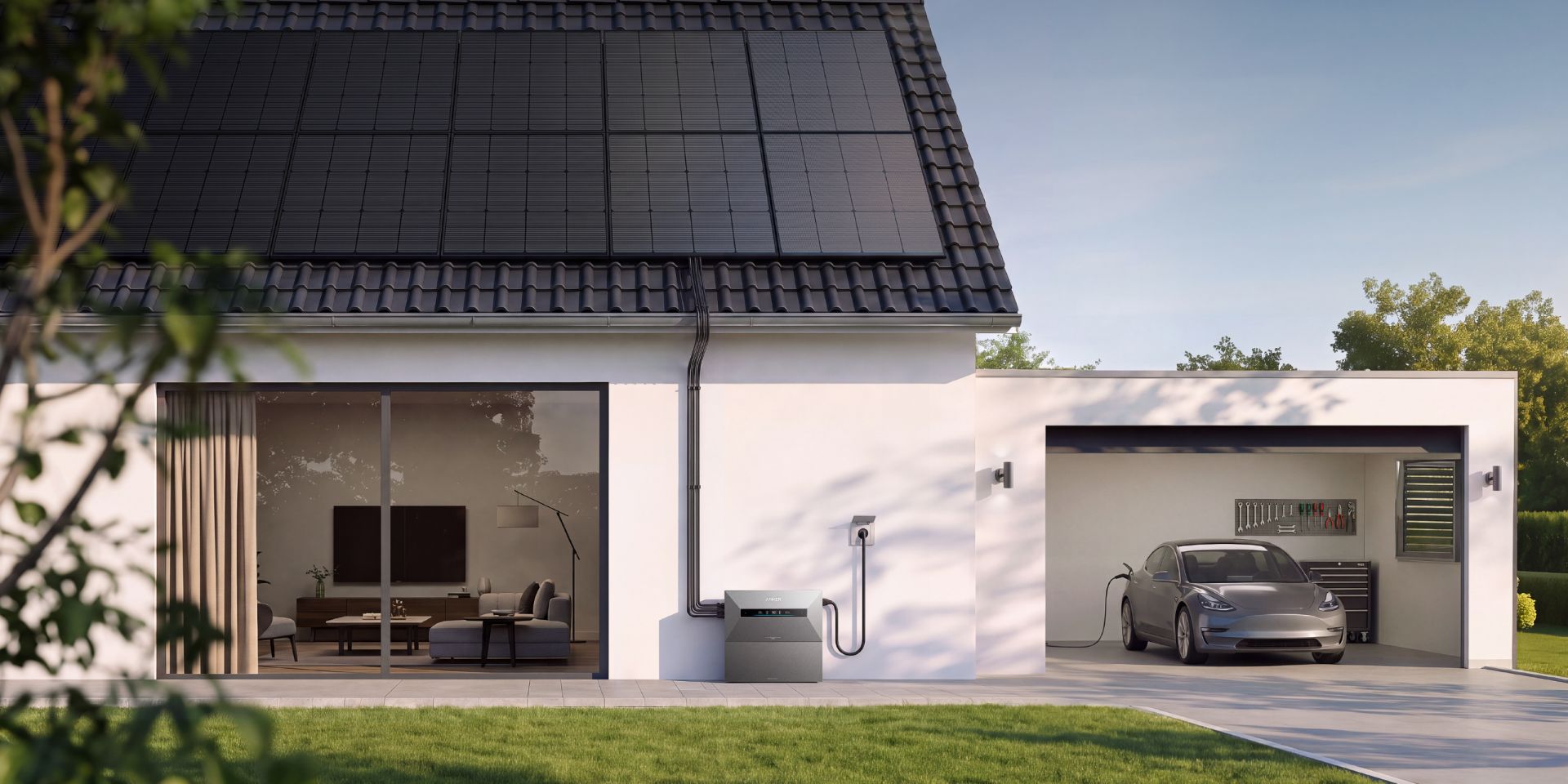
The PowerOS updates will begin rolling out in October 2026. The update is planned for all ten existing Solarbank models, although certain features, such as clipping optimization and Negative Price Hunter, will be limited to specific model ranges and markets. More information about the systems is available on the official Anker SOLIX website.
Source: Press release
Comments