Contents
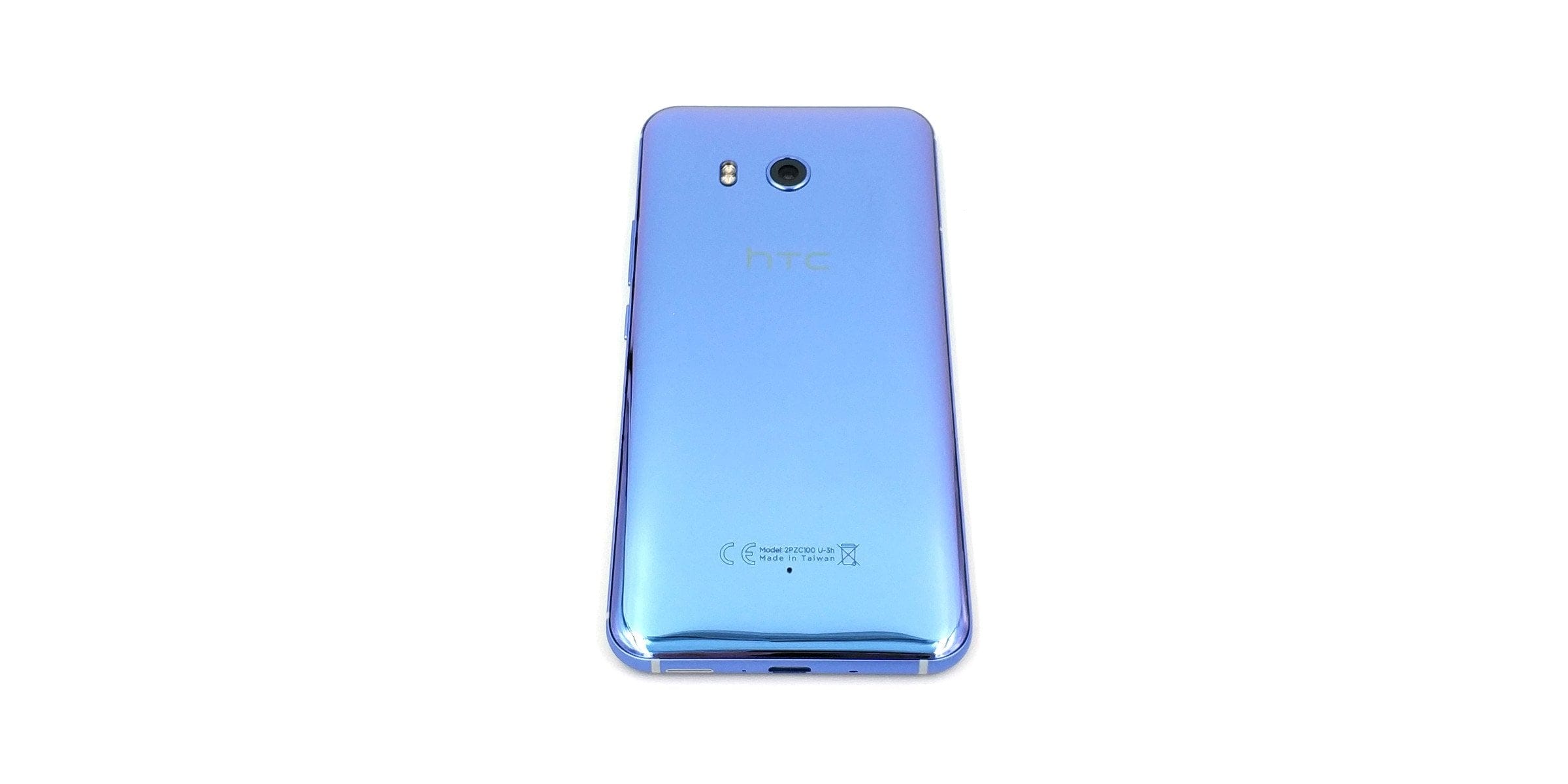
HTC U11 camera test
If you are wondering what the 1&1 Blogger Battle is all about, you should read this short section before we move on to the actual test. In the 1&1 Blogger Battle, 10 bloggers are competing to capture the best photos in the categories “Urban”, “People” and “Night”. Each participant has roughly a week to submit one image from each of the three categories, which you can then rate on the 1&1 Facebook channel. The four top participants chosen by you, along with one selected by street photographer Sebastain Spasic, then have the chance to win one of three HTC U11s. There is only one winner per category. The winners will be decided within the 1&1 Blogger WG. Now on to the test…
Hardware
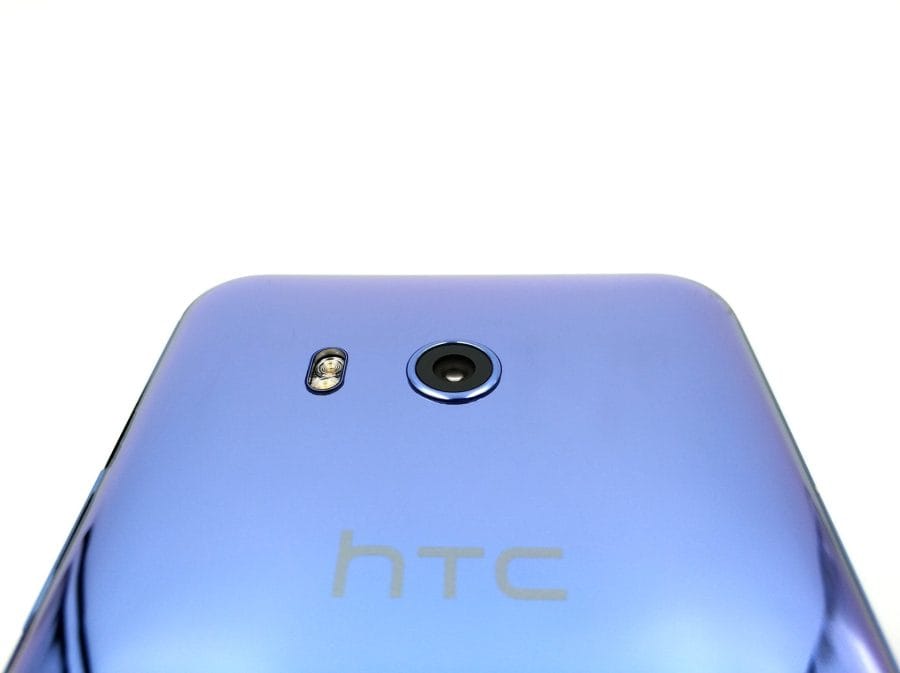
Despite the trend, the HTC U11 does not use a dual-lens main camera, but instead relies on a single-lens main camera. The BSI image sensor (backside illumination), with a size of 1/2.55 inches, has a native resolution of 12 megapixels and is designated as “HTC UltraPixel 3”. This is likely a further development of the Sony IMX362 released in November 2016. The aperture value is f/1.7. The ISP (image sensor processor) comes from the Qualcomm Snapdragon 835 system-on-chip and is the “Qualcomm Spectra 180” type.
Further features include “UltraSpeed Autofocus”, optical image stabilization (OIS), a dual LED flash, as well as various shooting options such as “HDR Boost”, Panorama, Hyperlapse and slow motion. The HTC U11 records videos in a maximum 4K resolution. Images are captured natively at a 12 Megapixel resolution. The recording format for images is optionally JPG or RAW + JPG.
Practical test
I had about a week to test the HTC U11's main camera in everyday use. Among other places, I took the respective photos from the 3 categories in Saarbrücken and at the Völklinger Hütte World Heritage Site. Due to the changeable weather in recent days, the camera was able to prove itself in both cloudy weather and sunshine.




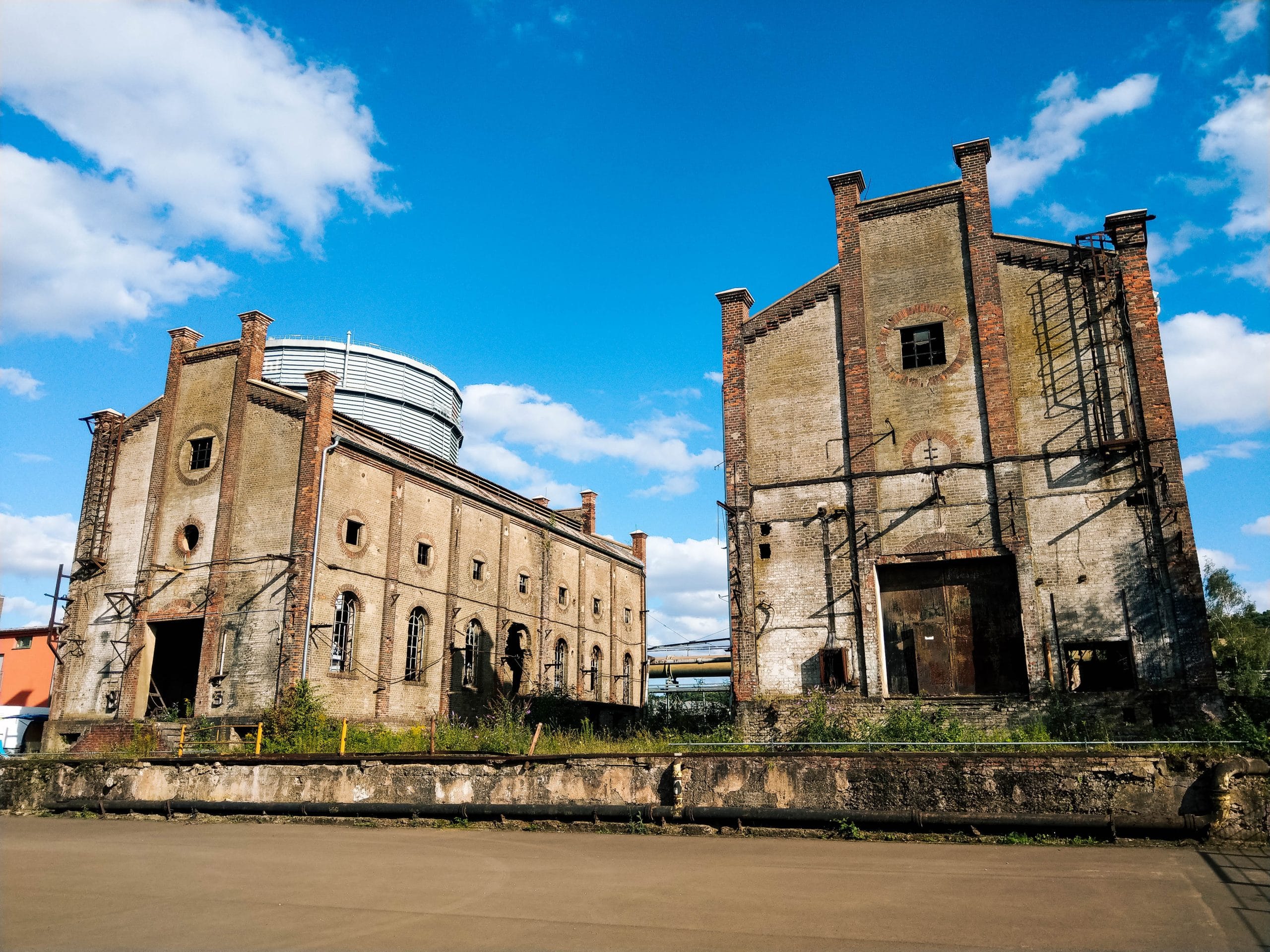

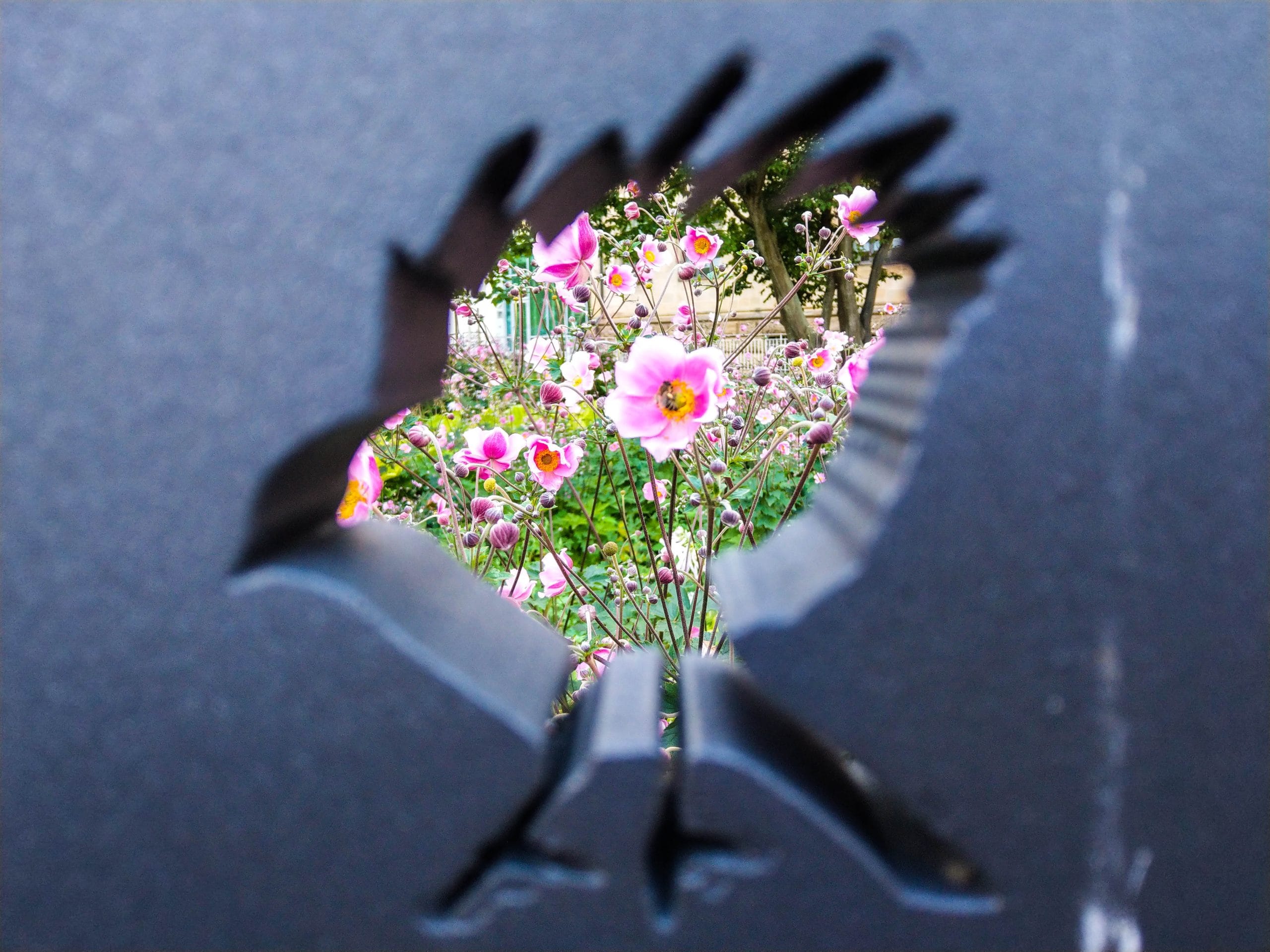
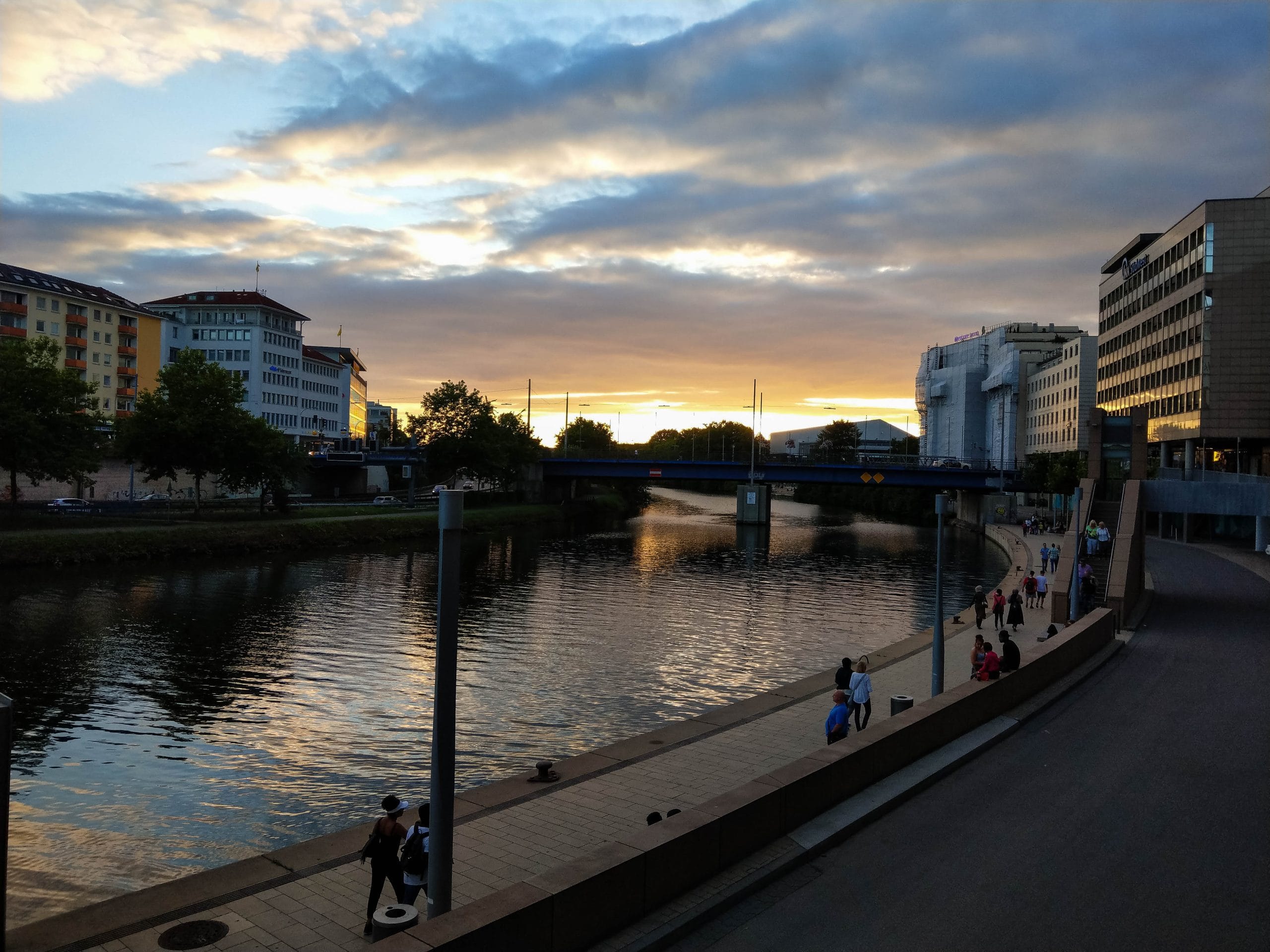
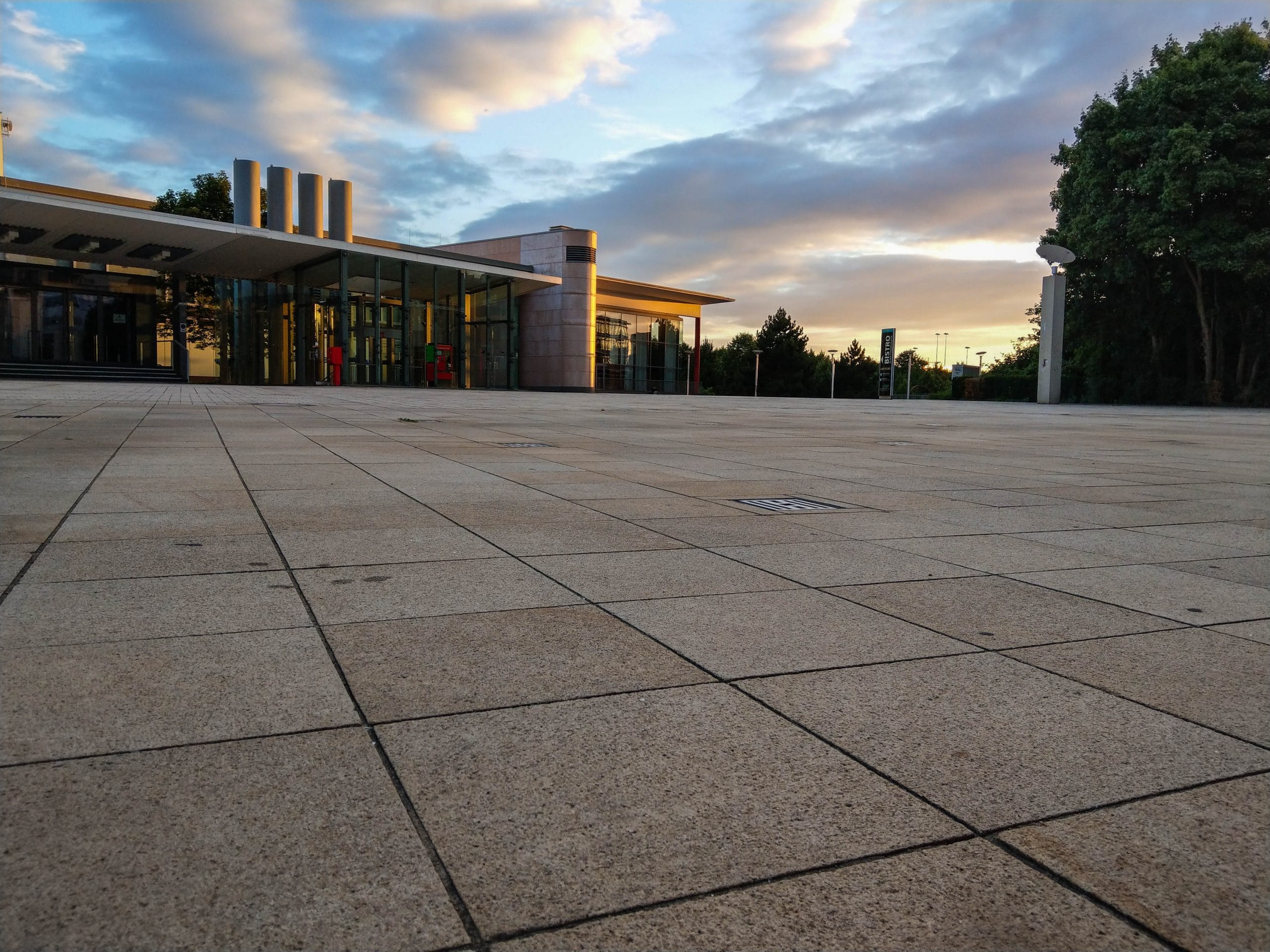
Let's start with the images from the "Urban" category. These were the first images I captured with the HTC U11's camera. The camera app proved to be easy to understand and offered the appropriate settings. I quickly became fully familiar with the app. In addition to a standard photo mode for snapshots, the camera app also provides a "Pro mode", allowing custom adjustments for white balance, light value, exposure, ISO and focus. Selection is made continuously via a slider, which requires a certain level of precision depending on the setting. The ability to edit images directly within the camera app and artificially enhance them with various filters is also integrated.
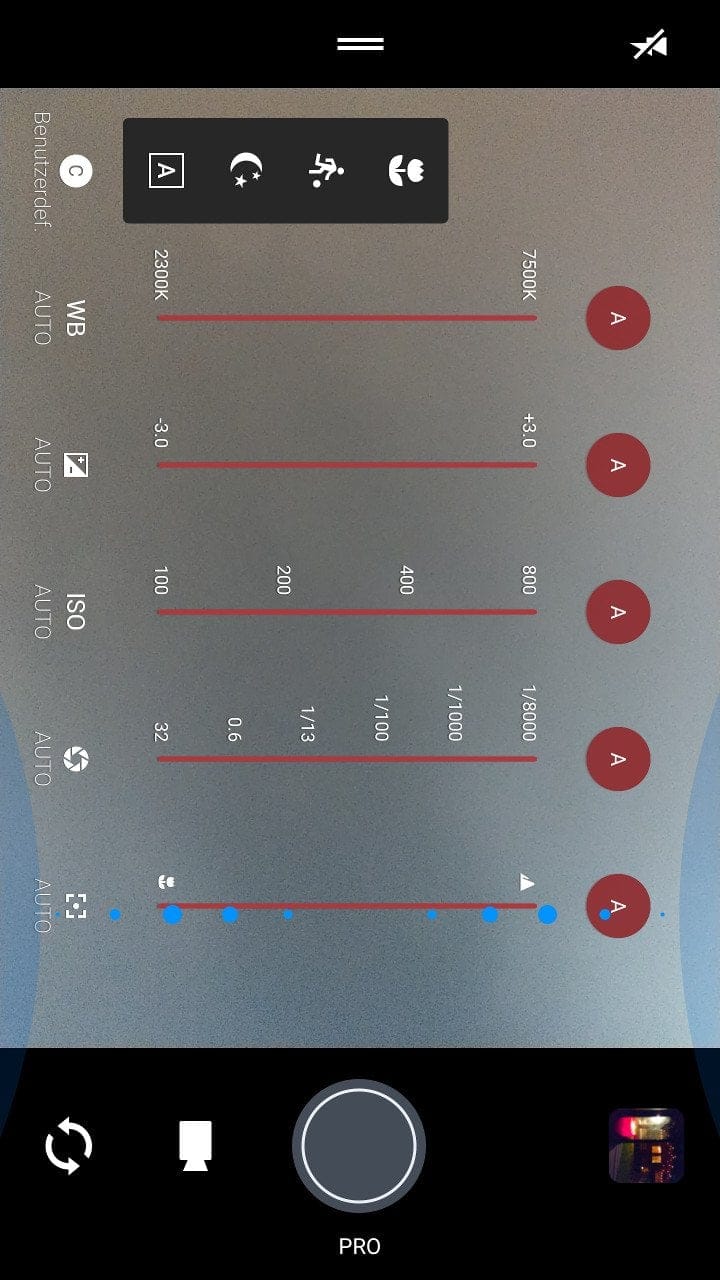
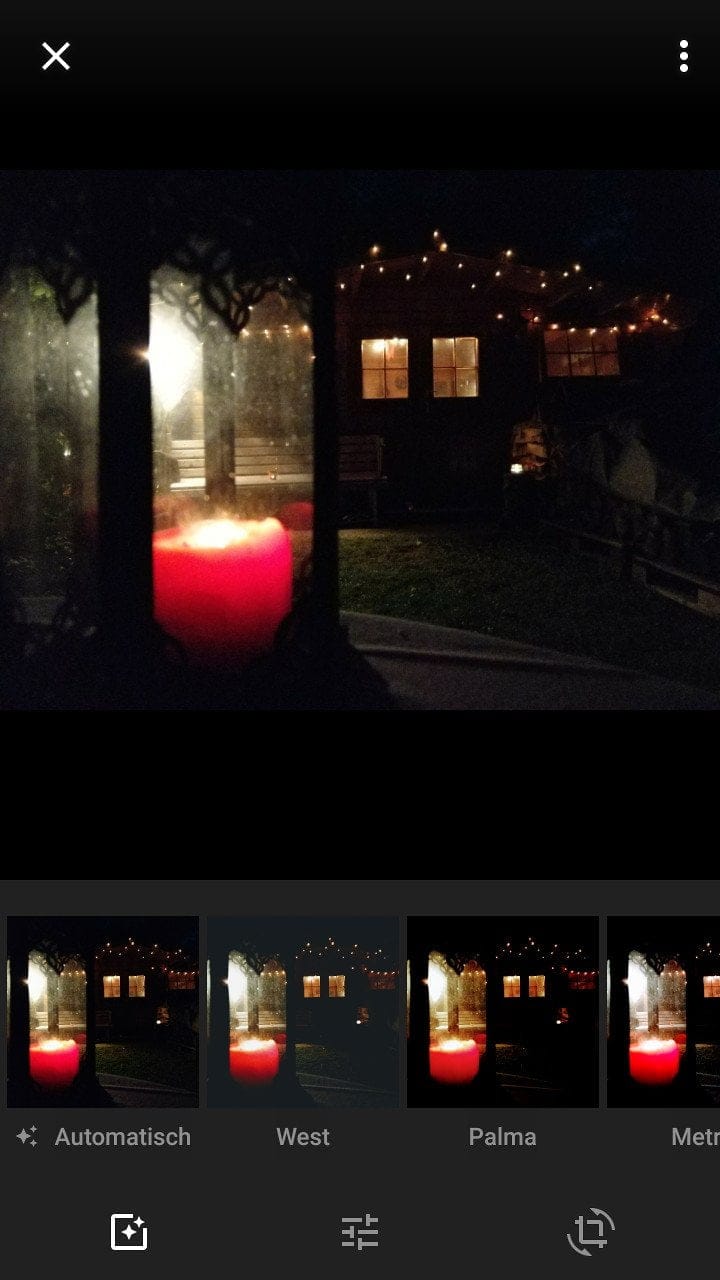
I immediately noticed the outstandingly fast Phase Detection Auto Focus (PDAF) of the HTC U11 after the first few shots. Regardless of the conditions, the PDAF focused incredibly fast and accurately. The short shutter lag is also a positive point. Images are saved in a split second, and even with the JPG + RAW capture format enabled, the delay between pressing the shutter and saving is hardly noticeable.

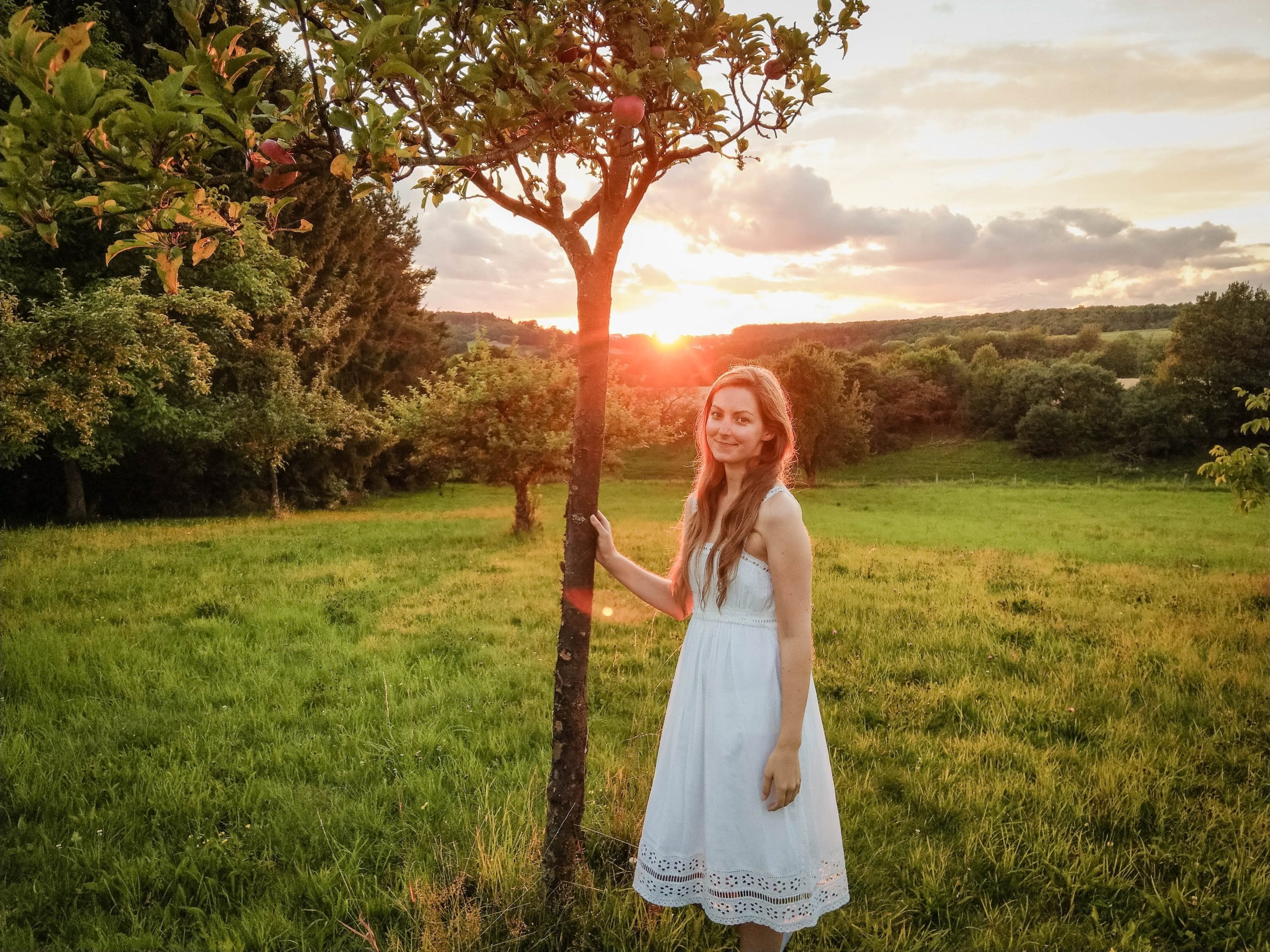

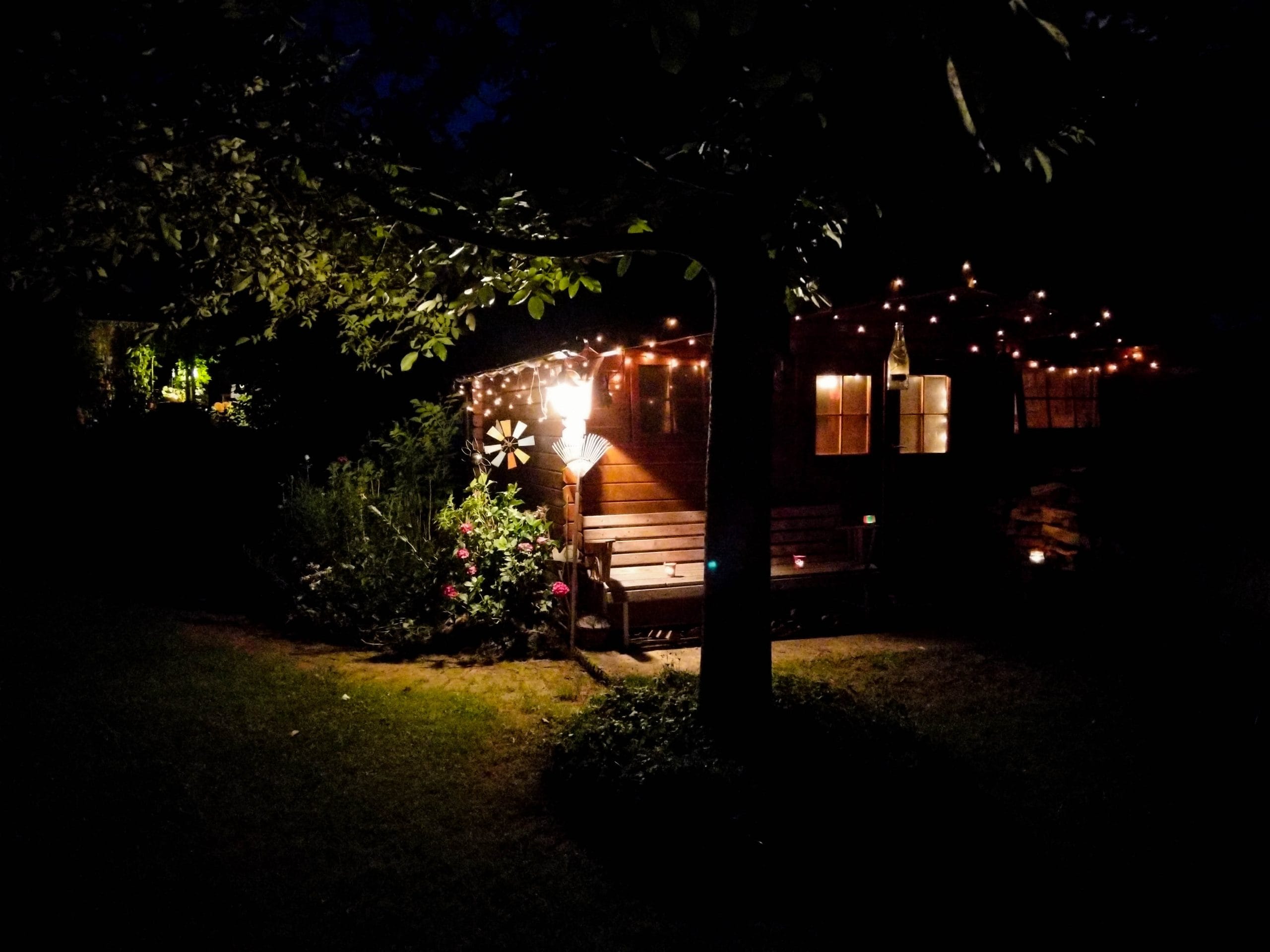
The photos taken with the HTC U11's camera primarily impress with excellent detail, while simultaneously exhibiting low image noise. The optical image stabilisation helped to capture shake-free images even with an unsteady hand. Less convincing, however, is the colour accuracy of the shots. In strong sunlight and artificial light, the main camera's automatic mode sometimes produces images that are too warm and sometimes very yellowish. It is also worth criticising that the HTC U11's automatic mode tends to produce strongly underexposed images, which in turn argues against simple and quick snapshots.



Conclusion
All in all, the main camera of the HTC U11 produces flagship-level photos, which impress primarily with a high level of detail. Unfortunately, snapshots with the camera are rather hit or miss, as shots taken in automatic mode sometimes appear too warm and the exposure is not always properly matched to the scene. Here, one can only hope that HTC will improve the automatic mode with future updates. The lightning-fast and accurate autofocus, the short shutter lag, and the precise optical image stabilization are convincing, however.
Specifications
Processor and memory
- CPU
- Qualcomm Snapdragon 835
- GPU
- Adreno 540
- RAM
- 4 GB
- Internal storage
- 64GB
- Storage expansion
- Yes
Display
- Display type
- Super LCD 5
- Display size
- 5.5 inches
- Display resolution
- 2,560 x 1,440 pixels
- Screen protector
- Corning Gorilla Glass 5
Cameras
- Main camera
- 12 megapixel UltraPixel 3
- *Aperture f/1.7
- *PDAF (autofocus)
- *Dual LED flash
- Front camera
- 16 megapixels
- *Aperture f/2.0
Mains
- 2G
- 850/900/1800/1900 MHz
- 3G
- 800/900/1900/2100 (B5/B8/B2/B1)
- 4G
- FDD-LTE B4/B12/B17/B28/B20/B5/B8/B3/B1/B7/B32
- 4G
- TDD-LTE B39/B40/B38/B41
Wireless
- Wi-Fi
- 802.11 a/b/g/n/ac
- Bluetooth
- 4.2 (5.0 with update)
- GPS
- Yes
Sensors
- *Ambient light sensor
- *Proximity sensor
- *G-motion sensor
- *Compass sensor
- *Gyroscope
- *Magnetic sensor
- *Fingerprint sensor
- *Sensor hub
- *Edge sensor
Battery
- Battery
- 3.00 mAh
- Fast charging function
- Quick Charge 3.0
- Connection
- USB-C
Other
- Operating system
- Android 7.1.1
- Size
- 153.9 x 75.9 x 7.9 mm
- Weight
- 169g
Comments (1)
Looks really good.. I hope the guys get the phone ready with the Zeiss lens by 2018