Contents
Up to three 200-megapixel cameras with Hasselblad technology
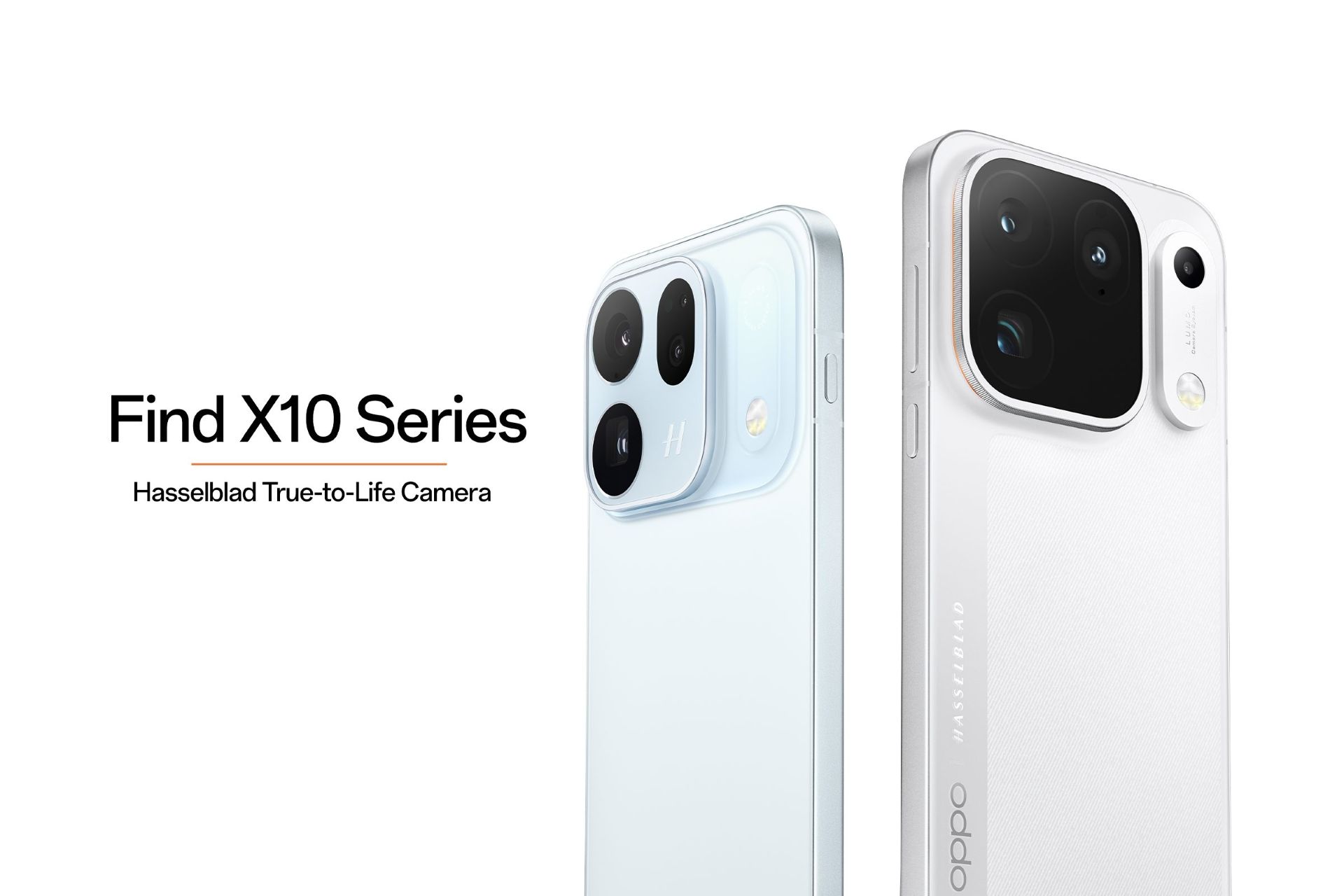
The biggest difference between the two models is their camera systems. While the Find X10 has two 200-megapixel cameras, OPPO equips the Find X10 Pro Max with three sensors, each with 200 megapixels. The main camera uses the 1/1.28-inch ISOCELL-HPC sensor, developed jointly with Samsung. It is joined by a telephoto camera with an f/2.1 aperture, which is also suitable for macro shots thanks to its minimum focusing distance of ten centimetres, and finally an ultra-wide-angle camera with a 1/1.56-inch sensor and a 124-degree field of view.
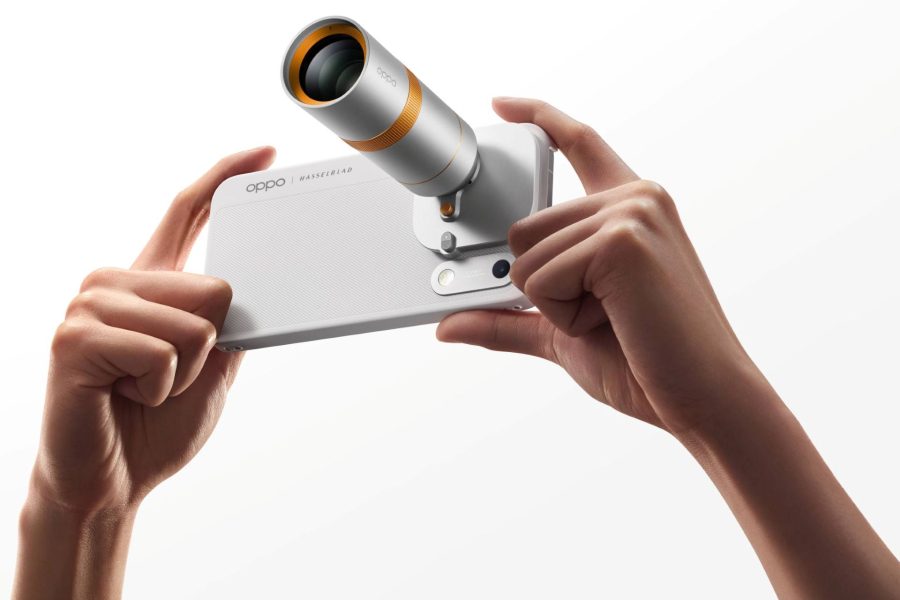
By default, both smartphones take photos at 26 megapixels with all cameras. Those who want to use the full sensor resolution can switch to 50 or 200 megapixels in Hasselblad Hi-Res mode. OPPO also offers a Hasselblad Teleconverter for longer distances, extending the telephoto camera with 3.28x optical magnification.
With its new LUMO True Image Engine, OPPO also aims to improve image processing. Rather than enhancing photos with aggressive sharpening or artificial brightening, it aims to preserve natural colors, skin tones, and differences in brightness as much as possible. An additional True Color Camera captures multispectral color information to help particularly in challenging lighting conditions.
8K video and Open Gate for greater flexibility in editing
OPPO is also stepping up its video capabilities. The Find X10 can record 4K at 60 frames per second with all its rear cameras. The 200-megapixel main and telephoto cameras can also shoot 4K at 120 fps and 8K at 30 fps. On the Find X10 Pro Max, these recording formats are available on all three rear cameras. Thanks to DeepPix technology, the Pro Max’s main camera is said to achieve a dynamic range of up to 17 stops.
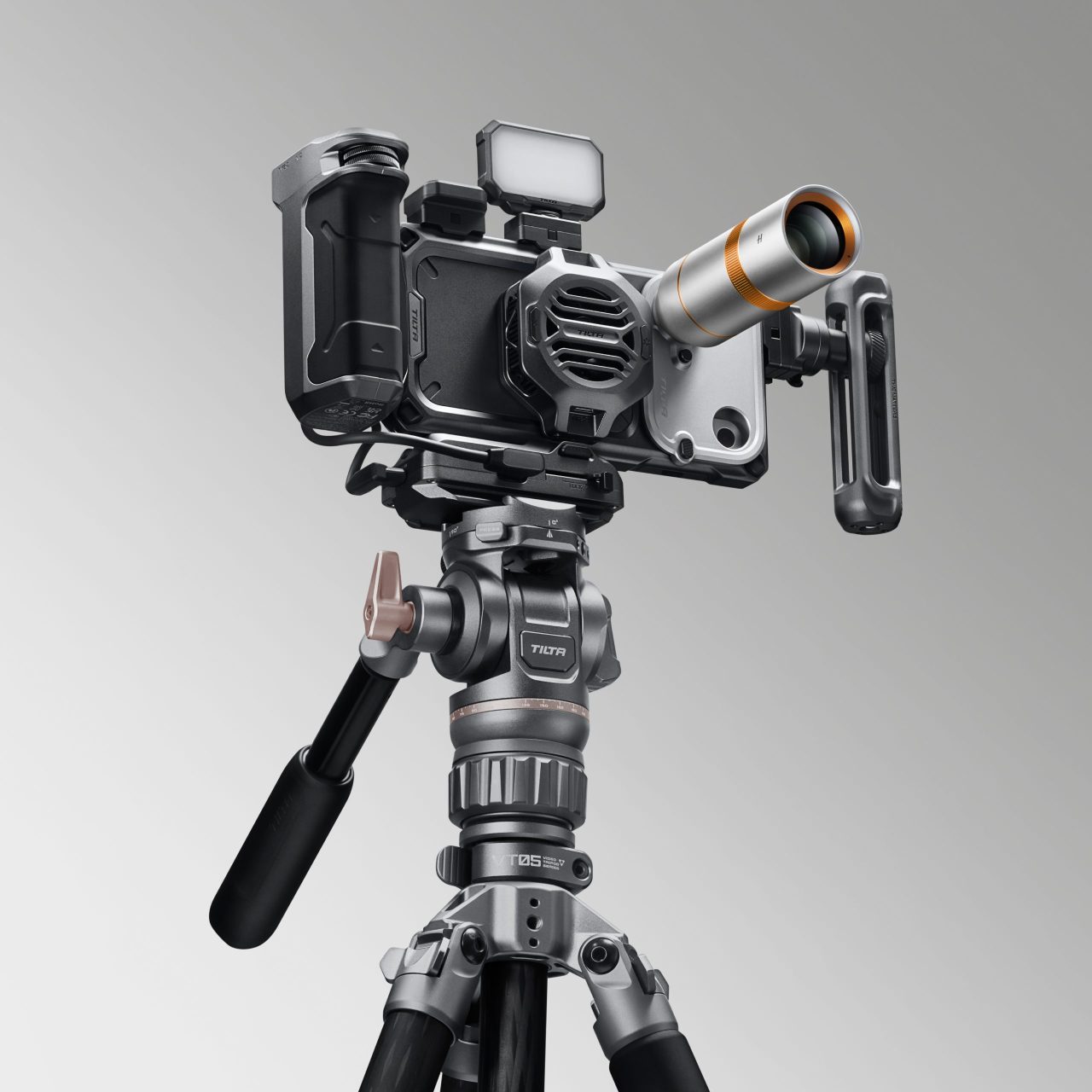
Both models support Dolby Vision, the ACES-certified O-Log2 profile, and, for the first time on an OPPO phone, so-called Open Gate recording. This uses the entire sensor area, allowing videos to be cropped more flexibly to different aspect ratios later. The Blackmagic Camera App is also expected to support these features. The adapted version is scheduled for November 2026. For the Find X10 Pro Max, OPPO is also offering a Tilta Khronos Creator Kit with a grip, filter adapter, and active fan.
144 Hz displays, large batteries and new MediaTek chips
The OPPO Find X10 features a 6.59-inch LTPO OLED display, while the Find X10 Pro Max comes in at 6.78 inches. Both panels offer an adaptive refresh rate of up to 144 Hz, a peak brightness of 3,600 nits and support the extended BT.2020 colour gamut. PWM dimming at up to 3,840 Hz is intended to reduce distracting screen flicker. The phones also have narrow display bezels and a redesigned body, with the glass back flowing seamlessly into the camera module.
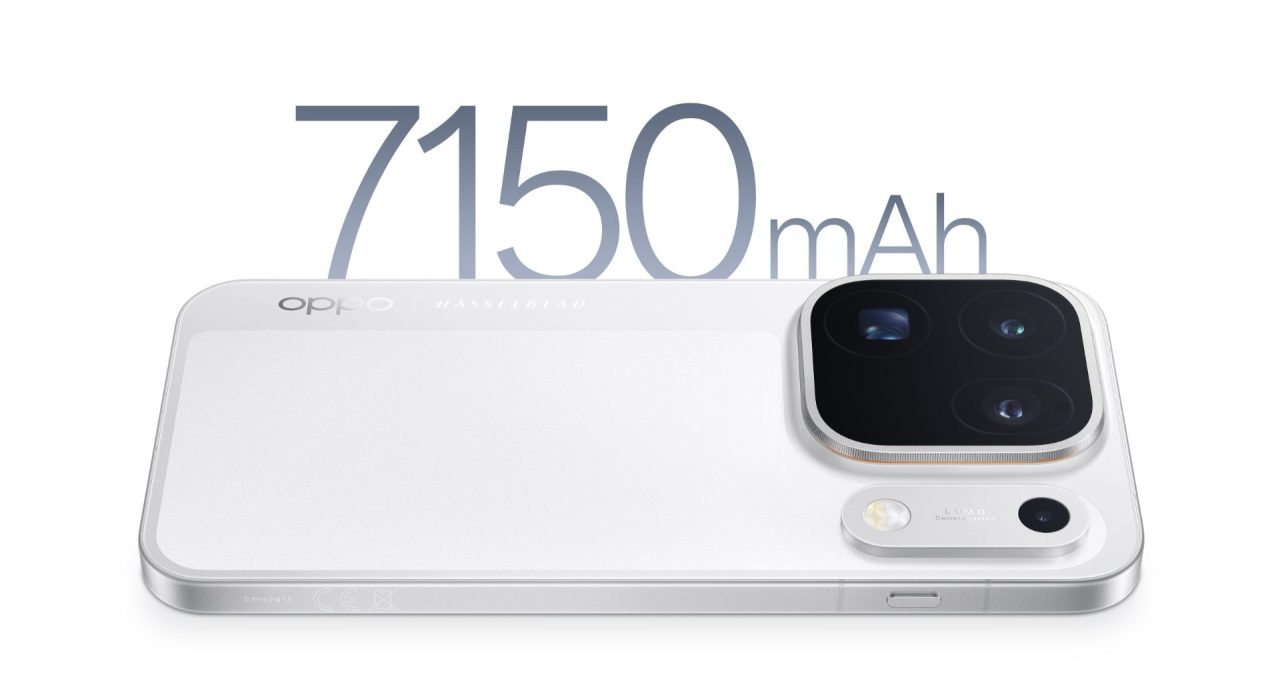
The Find X10 is powered by the MediaTek Dimensity 9600M, manufactured using a 3 nm process. The Find X10 Pro Max gets the more powerful Dimensity 9600 Pro, manufactured using a 2 nm process. Both use a vapour chamber cooling system to keep performance stable under sustained load. Power comes from a silicon-carbon battery with a capacity of 7,150 mAh, and charging is available at up to 80 watts wired or up to 50 watts wirelessly.
There is little to criticise about the casing protection, either. OPPO lists IP66, IP68 and IP69 protection ratings, as well as SGS certification for drop resistance. This is intended to protect the smartphones against dust, temporary submersion and even stronger water jets.
ColorOS 17 brings new AI features
Both smartphones come with ColorOS 17. The new user interface features smoother animations, more efficient resource management, and additional AI features. According to OPPO, app-launch stability, among other things, is expected to improve by 55 percent compared with ColorOS 16. Gallery thumbnails should also load faster, and more apps will be able to remain active in the background at the same time. However, these figures are based on the manufacturer’s own lab measurements.
Also new is AI Mind Pilot, which can work with saved files and photos in Agent Mode and handle more complex tasks. These include, for example, organising documents or preparing presentations. The AI Photo Agent assists with image editing and allows adjustments by voice. For greater security, AI Call Guard is designed to detect potential scams involving artificially generated voices or manipulated video footage. However, the feature will only be available in selected Asian countries at launch.
Pricing and availability
The OPPO Find X10 and OPPO Find X10 Pro Max are now available to pre-order in Germany. The Find X10 costs €1,299 with 12 GB of RAM and 256 GB of storage. The version with 512 GB of storage costs €1,499. The Find X10 Pro Max is available only with 12 GB of RAM and 512 GB of storage, and costs €1,799.
For the launch, OPPO is offering a €100 pre-order discount. Buyers can also choose one of three gifts: the Hasselblad Teleconverter, an OPPO Pad 5, or an OPPO Watch X3. Those trading in an existing smartphone will receive an additional bonus of €250 for OPPO or OnePlus devices, or €150 for Apple and Samsung smartphones. The offers apply during the pre-order period from October 21 to 28, 2026, and are in some cases available only while stocks last.
Source: Press release
Comments