Contents
Nothing Phone (4a) Pro: Design, build quality and contents
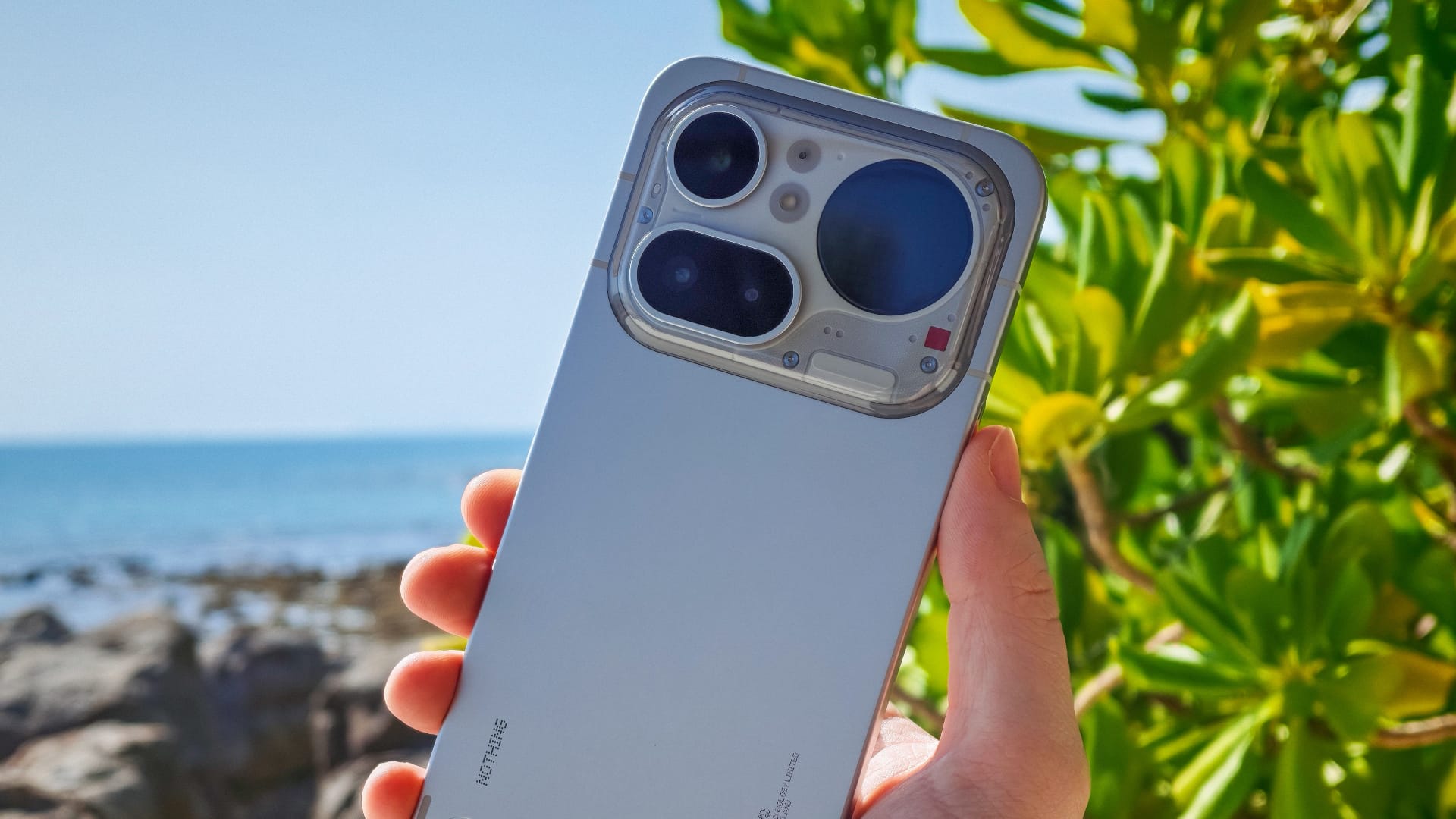
The Nothing Phone (4a) Pro takes a fairly bold step with its design. Instead of making only minor changes like the regular Phone (4a) (read our review here), the Pro model is the first to replace the transparent glass back with an aluminum unibody, which looks and feels more premium and less like a typical mid-range phone.

A little transparency remains, though, having moved to the camera module here. It no longer looks like a can lid, as it did on the Phone (3a) Pro, but is now a large, almost square element in the upper third of the back. It takes up a lot of visual space, but looks more distinct and structured on the aluminum body.
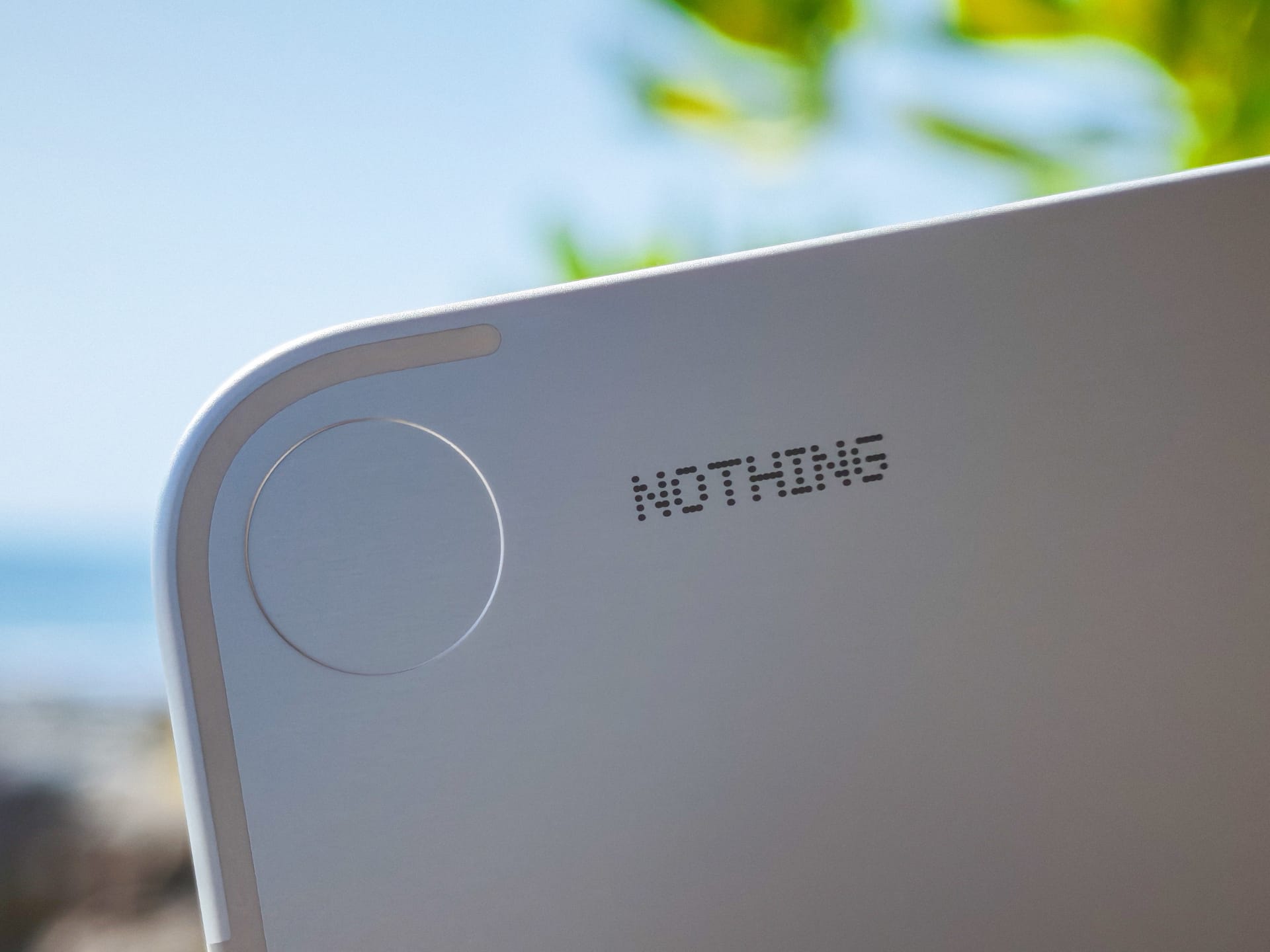
Right beside the three cameras is the round Glyph Matrix, which Nothing has carried over from its current flagship, the Phone (3) (read our review here). The matrix lights up with 137 individually addressable mini-LEDs. That is considerably fewer than the 489 LEDs in the Phone (3), but it is just as impressive visually and functionally.
What is displayed can be configured via the Glyph Interface. Options include four brightness levels and features such as contact-specific notifications, the Glyph timer, or integration with third-party apps such as Uber, which can show the delivery status of an Eats order, for example. If you have no use for Glyph, you can also disable the LEDs completely.
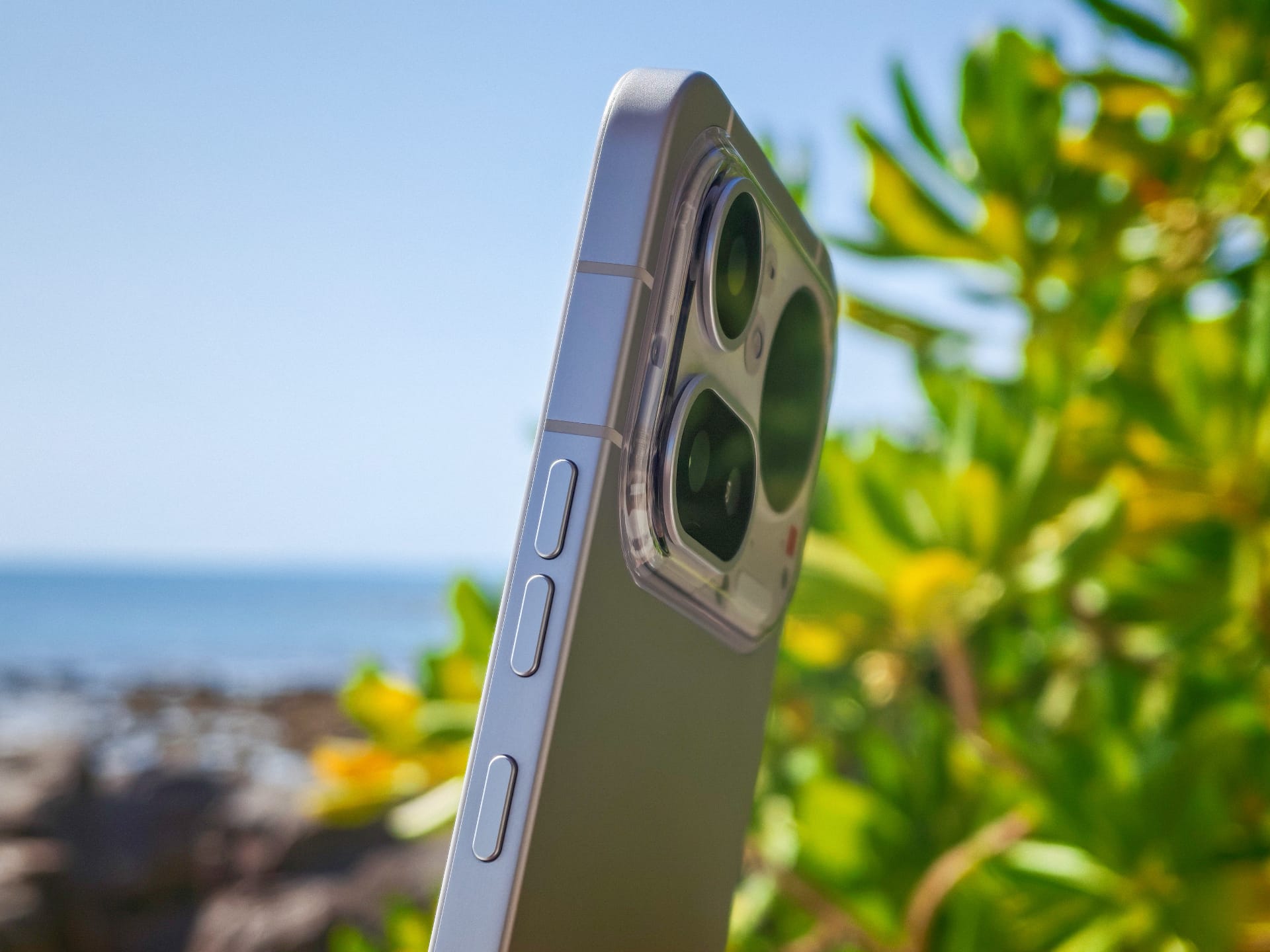
A small but noticeable change in everyday use concerns the button layout. The so-called Essential Key, Nothing's AI button, is no longer directly below the power button; it has moved to the left side of the casing. This makes accidental presses much less likely, especially when quickly taking the smartphone out of your pocket or using it without looking. However, the button still cannot be reprogrammed for another function.

There is also nothing to complain about when it comes to build quality. The device easily withstands Thailand's tropical heat, long days in the sun and sudden rain showers. Sand at the beach leaves no visible marks on the aluminum body, and thanks to IP65, splashes of water are no problem either. According to Nothing, it can even withstand brief, light submersion, although I didn't put that to the test.
For extra protection, Nothing includes a matching silicone case. You also get a pre-applied screen protector and a USB-C to USB-C charging cable. You'll need to provide your own power adapter.
The Phone (4a) Pro is available in Silver and Black, as well as a soft Pink, which Nothing has introduced as a new colour for this generation. Unfortunately, there is no blue version, as there is for the Phone (4a), although it would certainly have suited the aluminium body.
It attracts attention in any colour, and during my trip I was asked several times what smartphone it was. Few other devices in this price range can achieve the same effect.
Nothing Phone (4a) Pro: Display
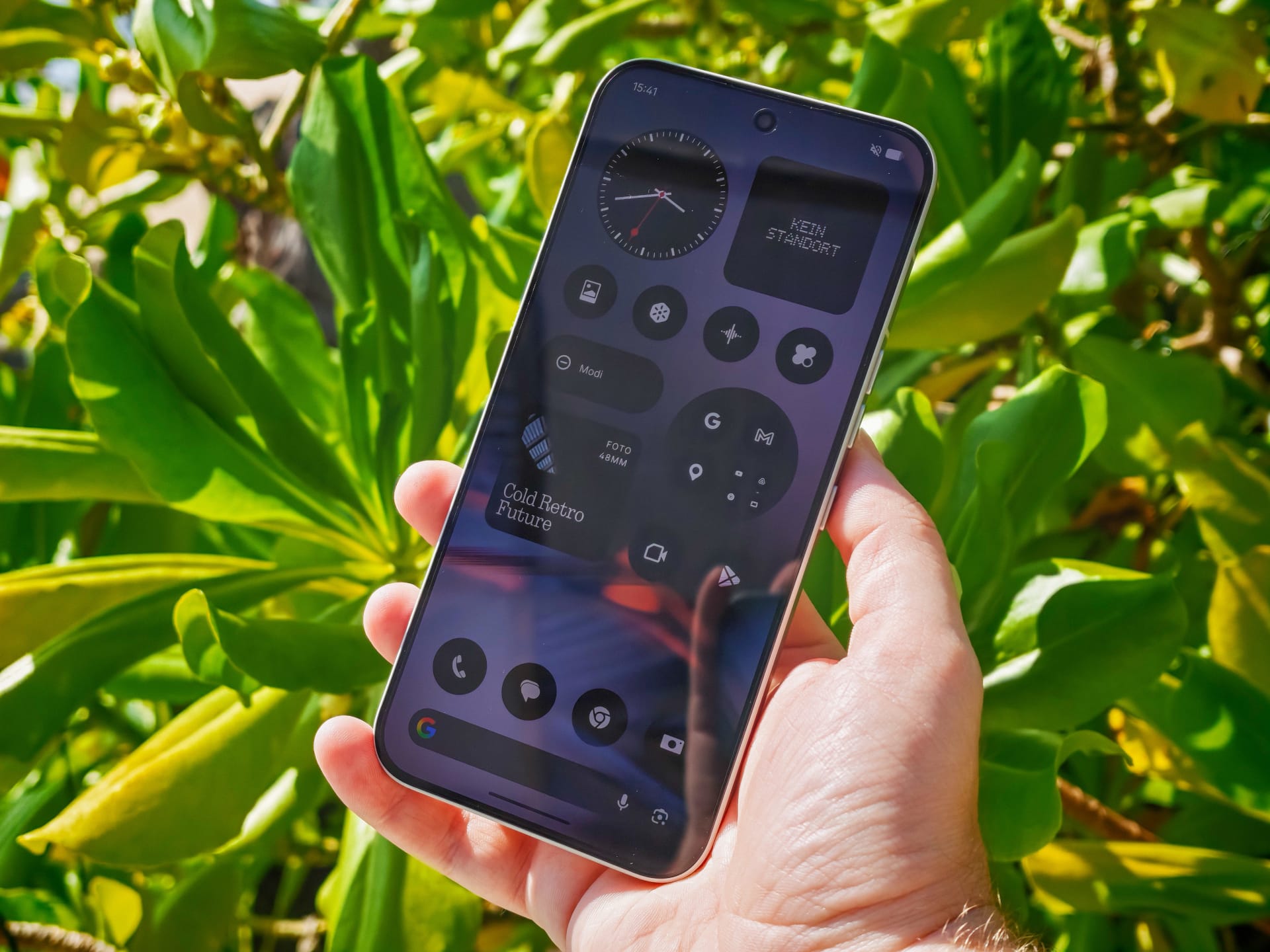
For the display, Nothing has fitted a pleasantly large 6.83-inch AMOLED panel with a resolution of 1260 x 2800 pixels, giving it a razor-sharp pixel density of around 450 PPI. The display glass is Corning Gorilla Glass 7i, which can withstand the occasional scratch even without a screen protector. The transition to the body is flat, and the bezels—the borders around the display—are relatively slim for a mid-range device.
With up to 1600 nits outdoors and peak brightness of up to 5000 nits for HDR content, the panel is among the brighter ones in its class. In Thailand's tropical sun, when the light beats down mercilessly on the display even at midday, the screen remains very easy to read. Even at the beach or on a boat, you rarely need to shade the display with your hand to see it.
Nothing has also stepped things up in terms of refresh rate. Up to 144 Hz makes animations noticeably smoother, whether you're scrolling through feeds, switching between apps or quickly browsing photos. The refresh rate adjusts dynamically, though not quite as finely as on LTPO displays, and not every app takes advantage of the full 144 Hz. In everyday use, however, this is hardly noticeable.
The colours on the panel are vivid without being over the top. Thanks to the 10-bit colour depth, gradients look smooth, with no visible banding. As is typical of AMOLED, blacks are deep and rich, giving films and photos in particular a pleasing sense of depth.
Nothing Phone (4a) Pro: performance
Inside is the Snapdragon 7 Gen 4, positioning the Phone (4a) Pro in the upper mid-range. Apps launch quickly, switching between applications happens without any noticeable delay, and the smartphone handles several apps open at once with ease. Quickly switching between the camera, Maps and messenger apps while out and about feels pleasingly responsive.
A look at Geekbench 6 confirms this impression. With around 1,288 points in single-core and about 3,889 points in multi-core, the Phone (4a) Pro sits in the upper mid-range. The gap to flagship chips remains significant, but performance is more than sufficient for typical everyday tasks and multitasking.

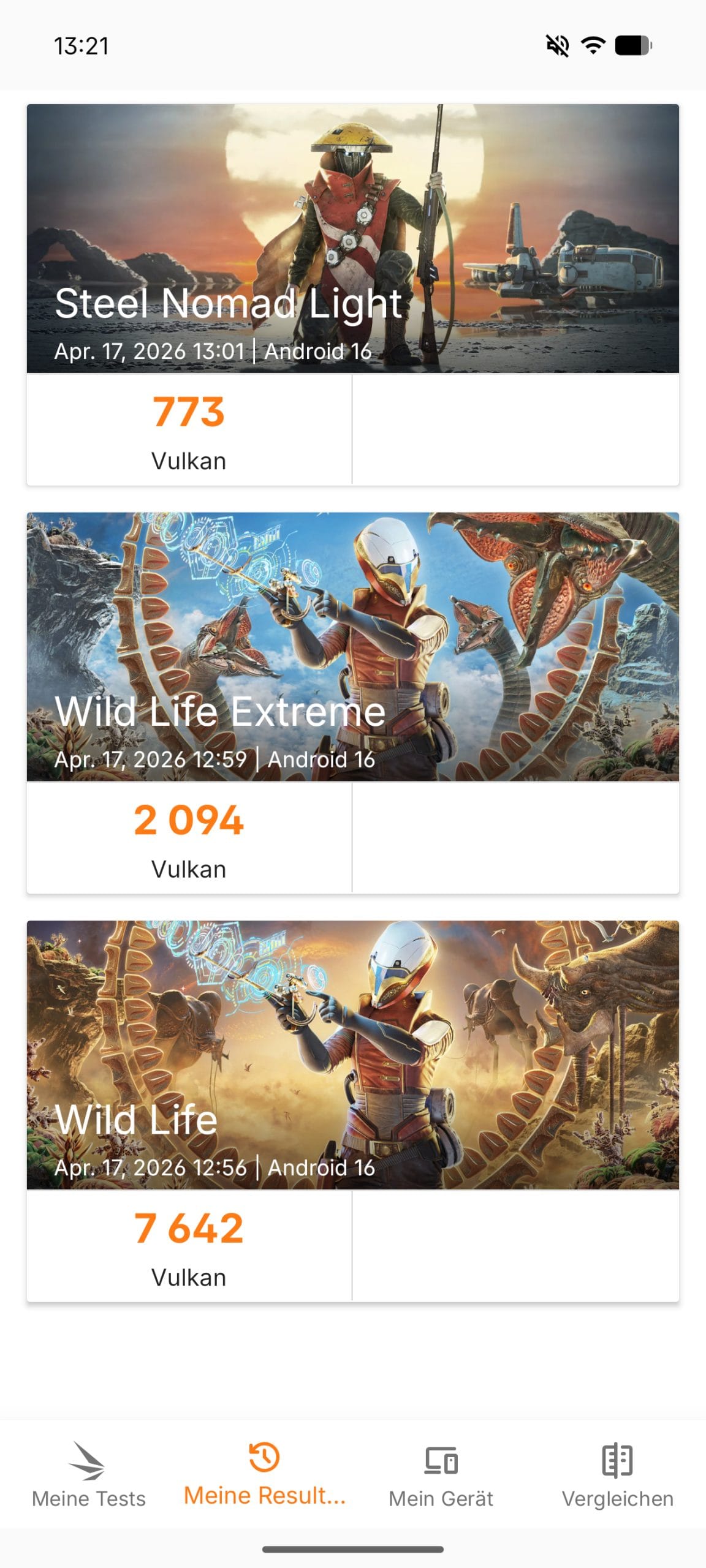
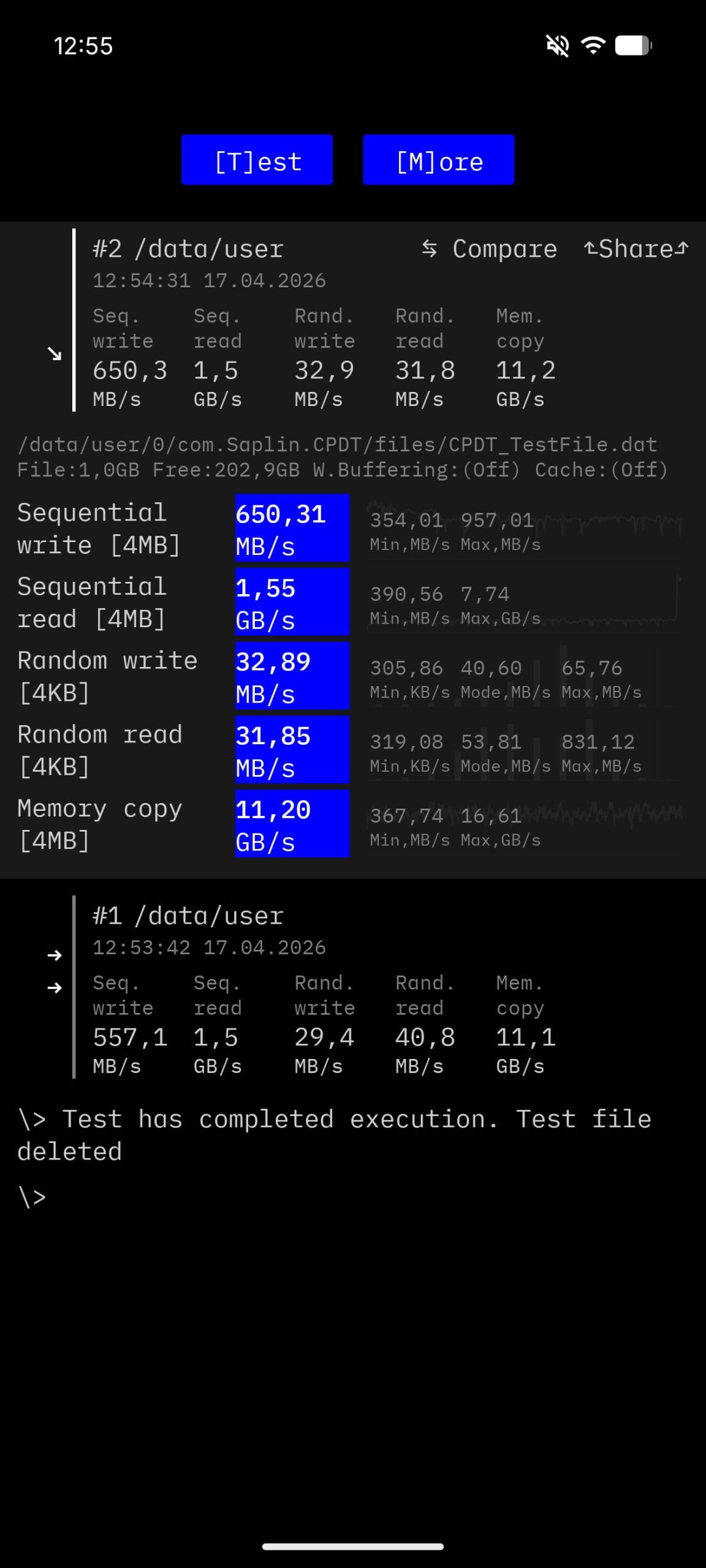
For memory, Nothing uses LPDDR5X RAM (8 GB or 12 GB) and UFS 3.1 (128 GB or 256 GB). Photos are immediately available in the gallery, apps open quickly and even larger files load without any noticeable delay.
The Phone (4a) Pro handled Thailand’s heat well. Its aluminium body also helped, distributing heat evenly across the back. Neither navigating in the blazing sun nor impromptu gaming sessions by the pool caused performance to falter.
Nothing Phone (4a) Pro: Software
Nothing OS 4.1 is based on Android 16 and stays true to its minimalist approach. Instead of cluttered menus and pre-installed apps, you get a clear, pared-back interface with plenty of black and white, dot-matrix elements and an intuitive layout. Animations are smooth, transitions feel consistent, and even after several days of intensive use, nothing feels sluggish.
The so-called Essential features are particularly interesting. The Essential Key on the left-hand side acts as a kind of shortcut. Just press it once to save screenshots, notes or voice recordings directly to Essential Space.
Things can quickly pile up there, especially when you're traveling. Screenshots of restaurants, directions, spontaneous ideas or reminders are organized in Essential Space, without you having to do much. It's comparable to a digital notebook that keeps running in the background.
With Essential Search, you can quickly search through this collection again. A quick swipe lets you find apps, photos or saved content without tapping through several menus.
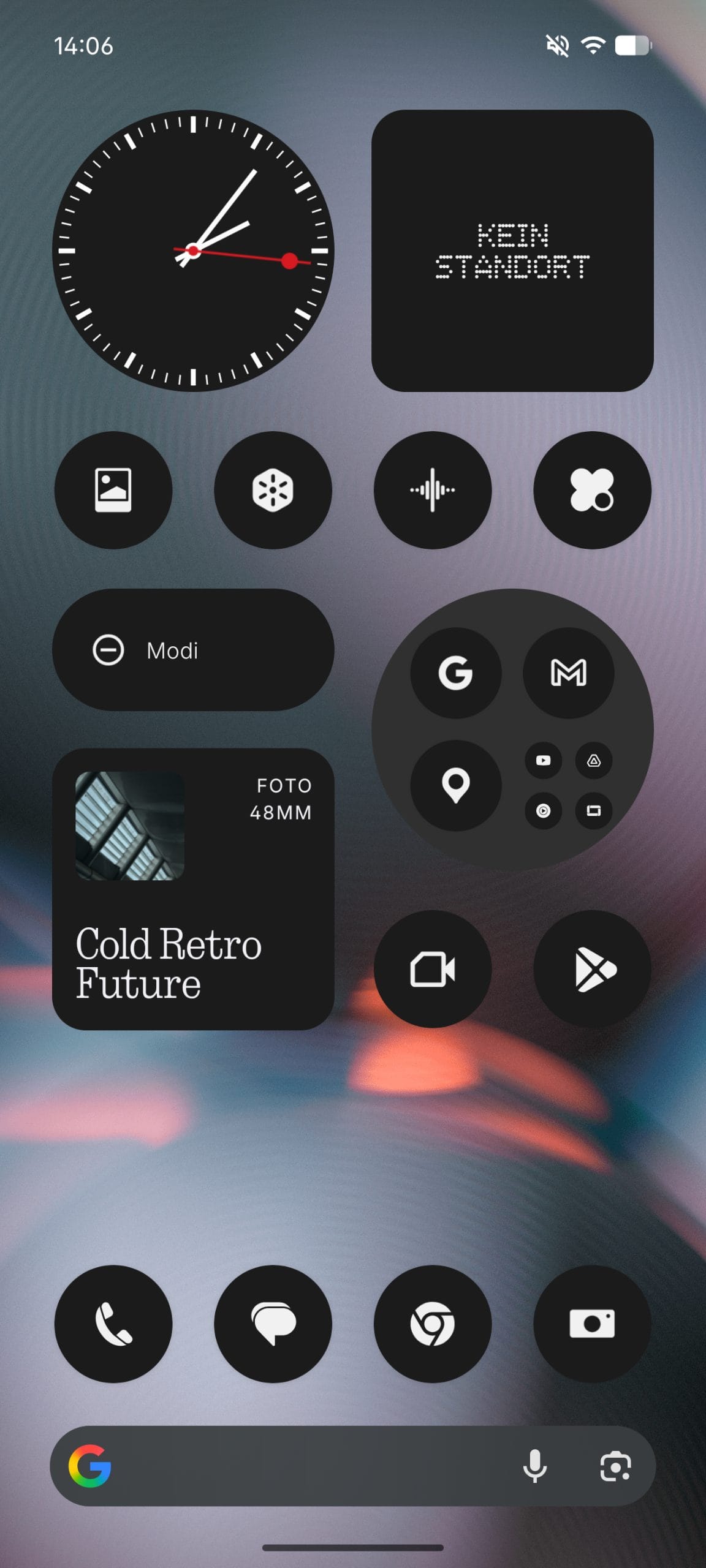


New is the so-called Playground, a kind of community space for small tools and extensions. Here, you can download camera presets, Glyph features or so-called Essential Apps. The latter are small mini-tools that can be created using voice input and placed directly on the home screen.
The whole thing feels a little like a playground for your own ideas. Quickly building a widget for travel information or trying out a preset for specific photo situations fits well with the experimental character Nothing has always pursued.
The Phone (4a) Pro is set to receive major Android updates for three years and security patches for six years.
Nothing Phone (4a) Pro: Camera
Nothing has equipped the Phone (4a) Pro with a triple-camera setup comprising a 50 MP main camera (Sony IMX 896), a 50 MP periscope camera (Samsung ISOCELL JN5) and an 8 MP ultra-wide-angle camera (Sony IMX 355). It is supported by TrueLens Engine 4 with Ultra XDR, Motion Photos, Portrait Optimiser and AI segmentation.

Main camera
The main camera uses a 50 MP sensor in a 1/1.56-inch format with f/1.88 aperture, OIS, EIS and 2x2 OCL PDAF. In everyday use, it is clearly the most reliable camera of the three. In daylight in particular, it takes sharp, detailed photos with pleasantly natural colour balance.
This is particularly noticeable with classic holiday scenes. Temple complexes, street scenes and seascapes look vivid without the colours becoming unnaturally oversaturated. The HDR tuning is also effective. Even when bright sunshine and deep shade are only a few metres apart, plenty of detail is retained. With the main camera, point, shoot and done usually works reliably.
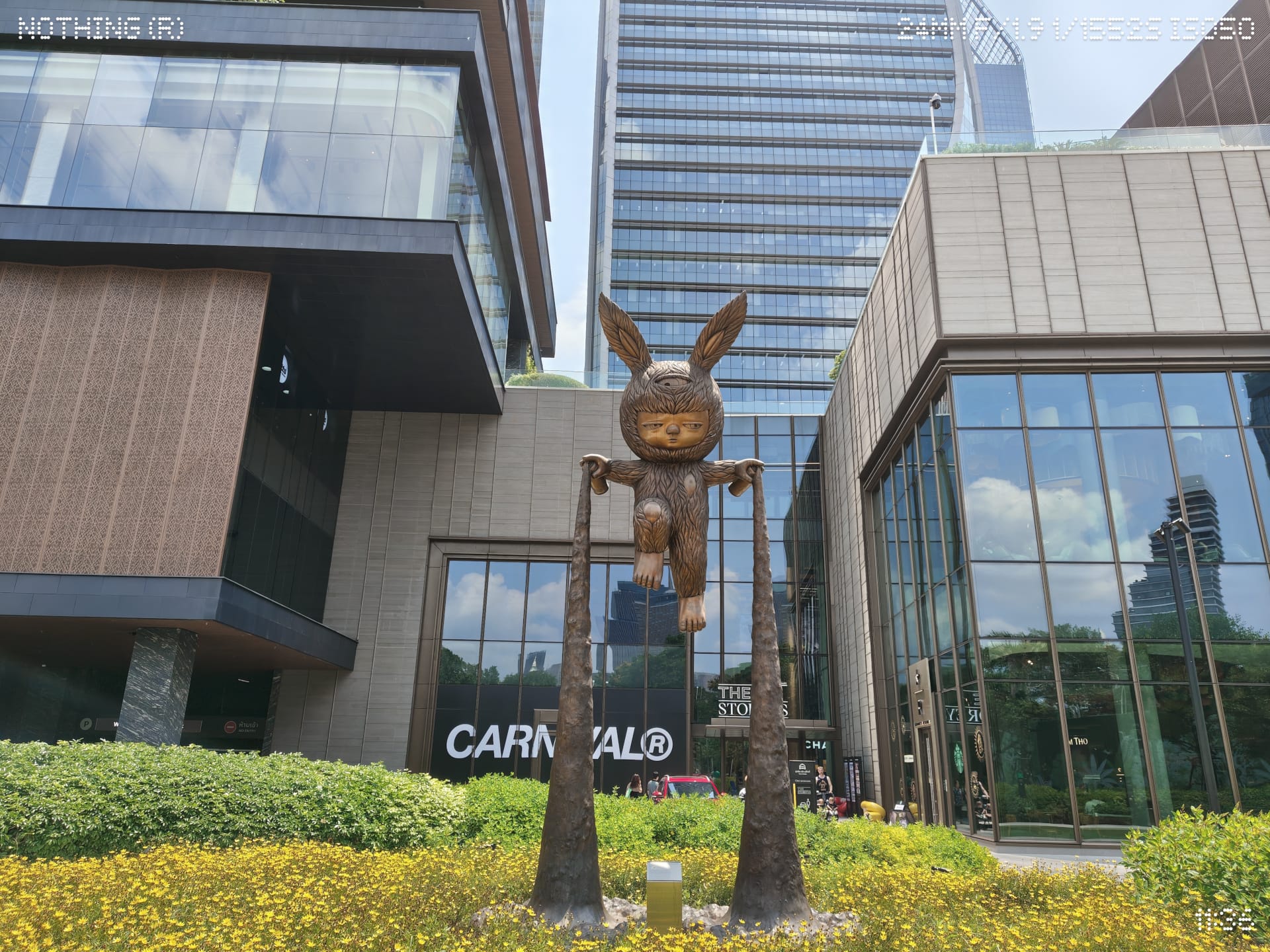
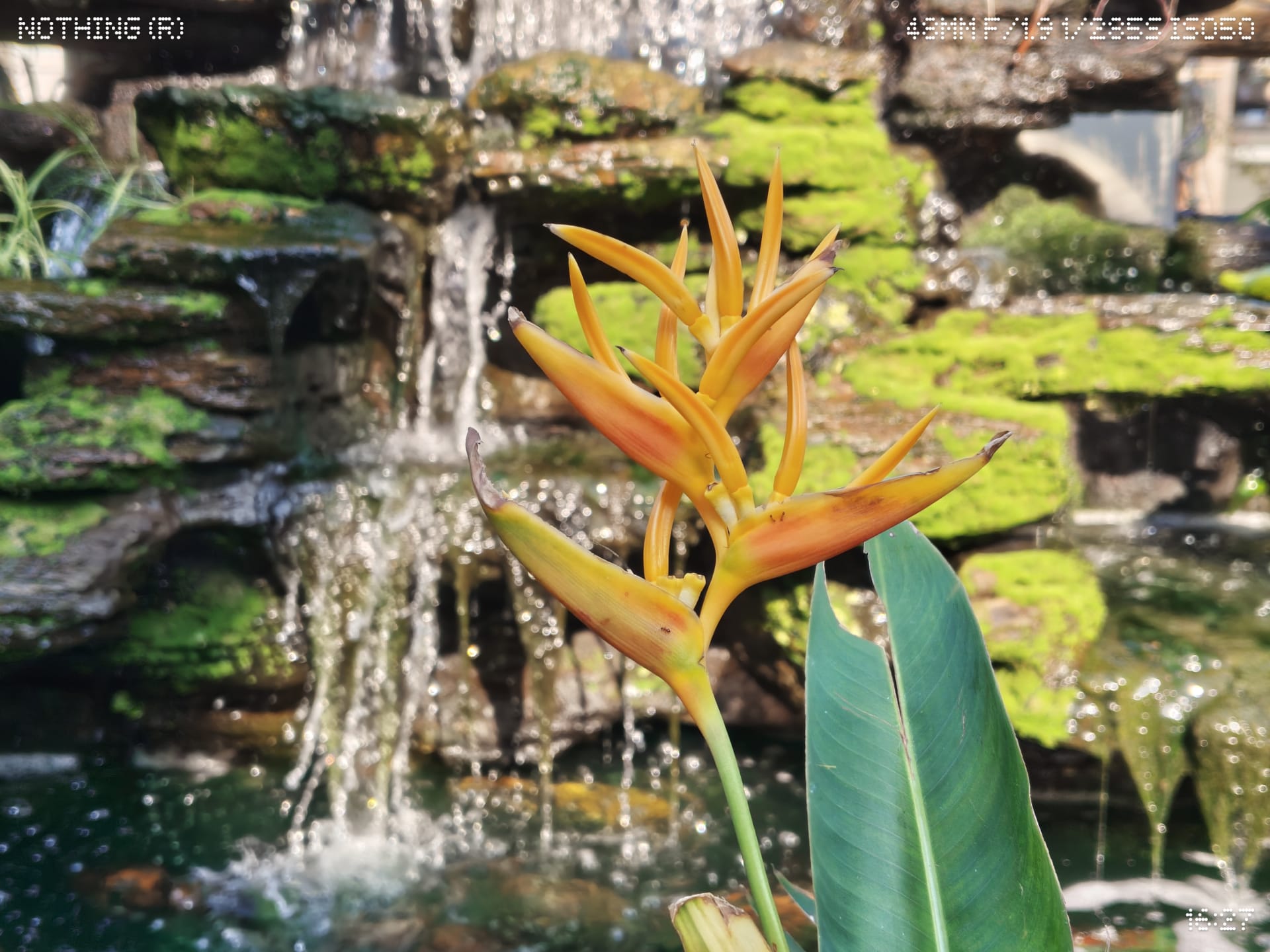
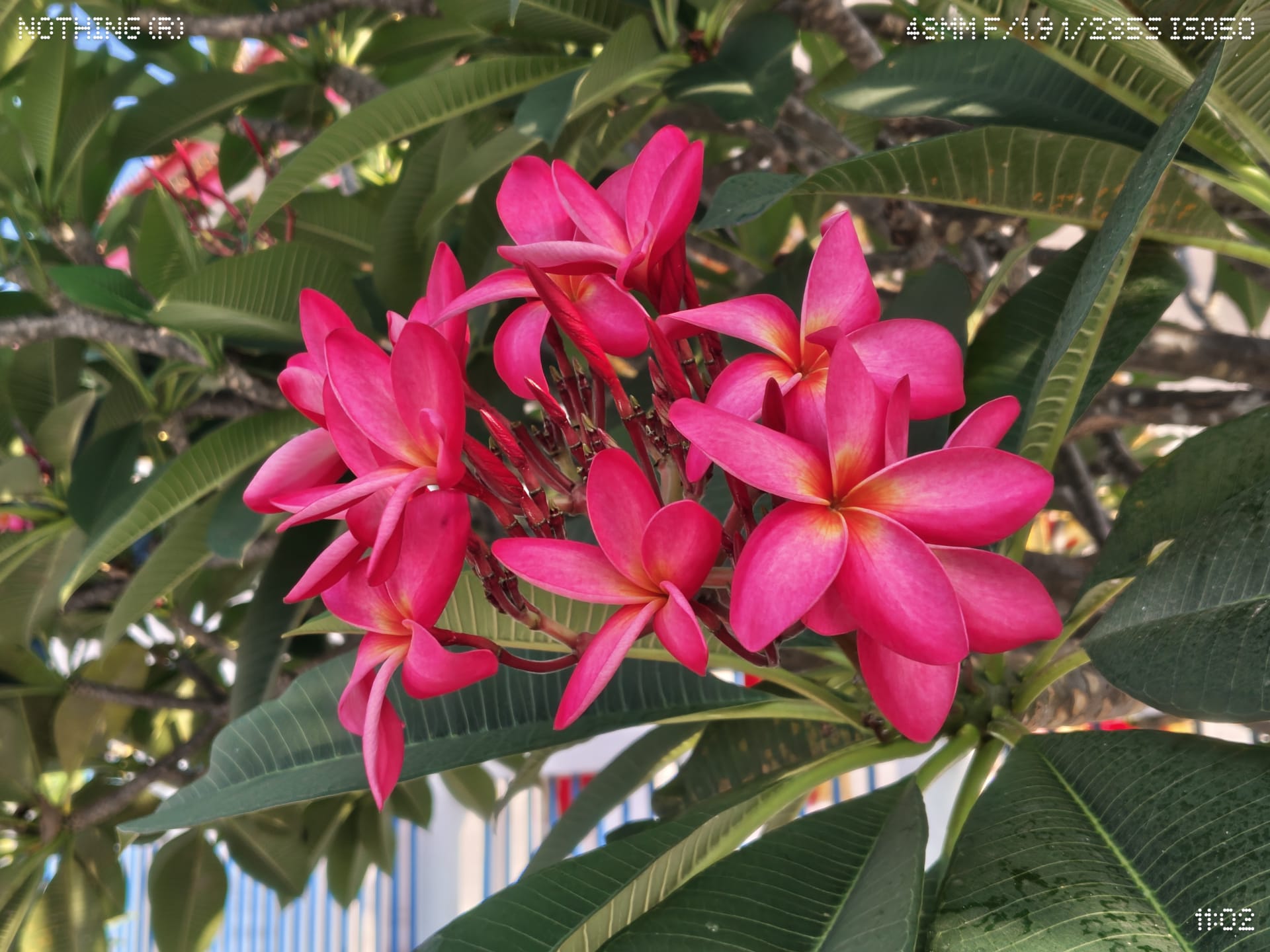


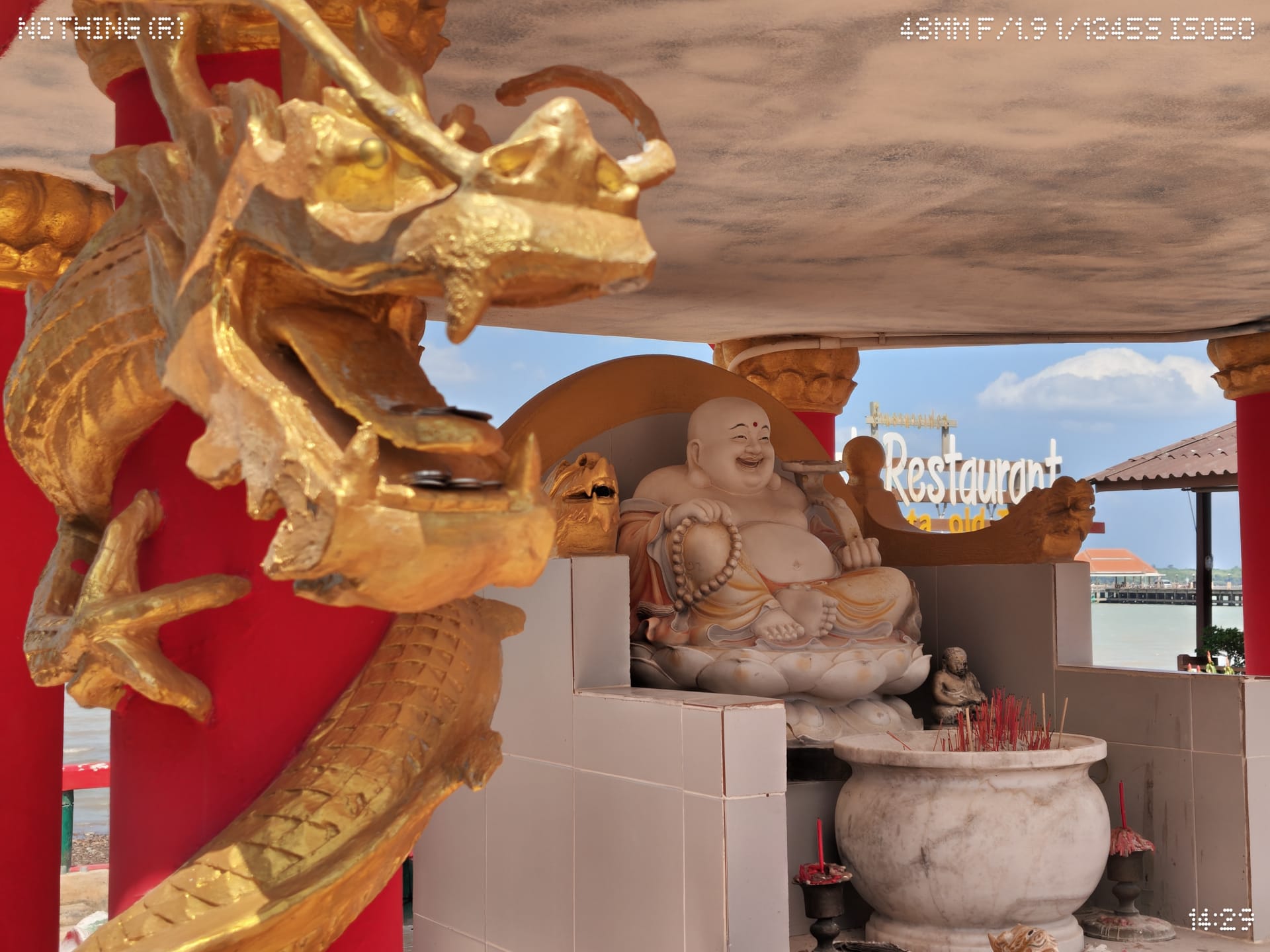
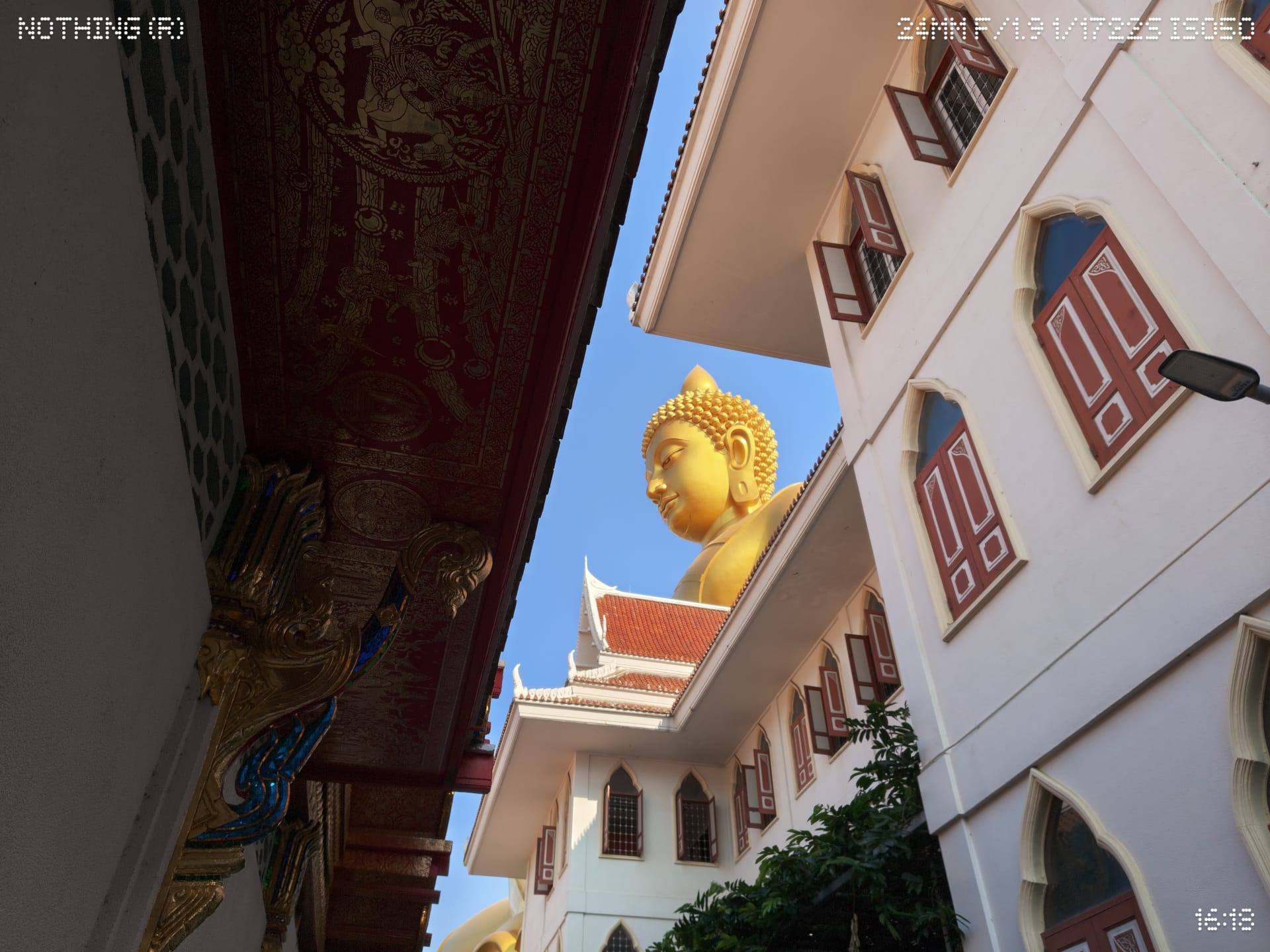

The 2x in-sensor zoom, on the other hand, is not always entirely convincing. It is good enough for quick crops, but some shots look a little soft or slightly dreamy on closer inspection. For really good zoom photos, it is therefore better to use the telephoto camera directly.
As soon as it gets dark, Night mode activates automatically. The main camera delivers pleasingly good results, especially at night markets, in bars and on illuminated streets. Shadow areas remain well defined, colours look natural and the dynamic range is also decent for this class.


As is typical for smartphones, strong light sources remain a problem. Neon signs, streetlights or reflective surfaces can blow out or produce slight lens flare. This is also the case with much more expensive devices, but it quickly becomes noticeable in high-contrast night scenes.
Periscope camera
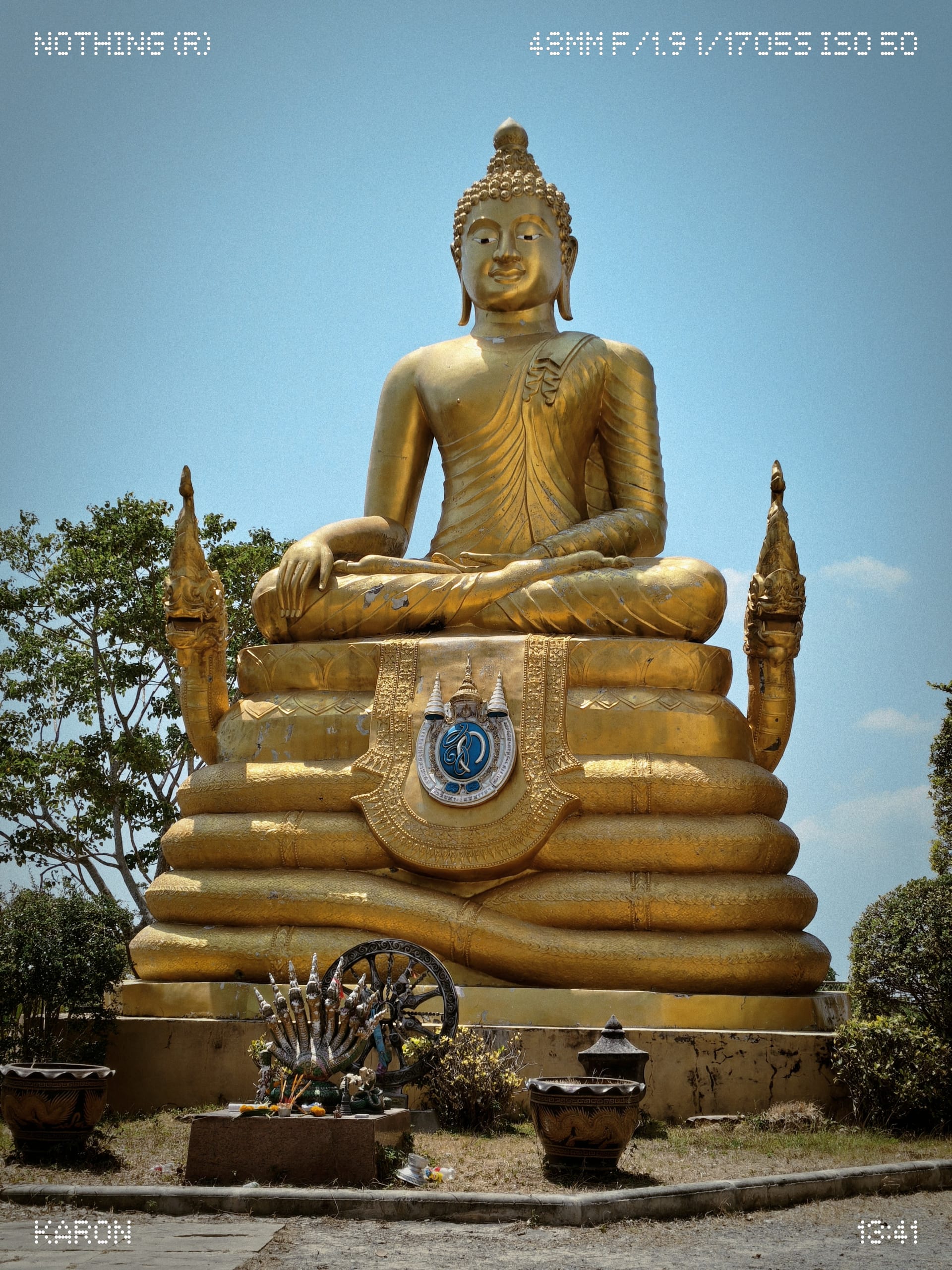
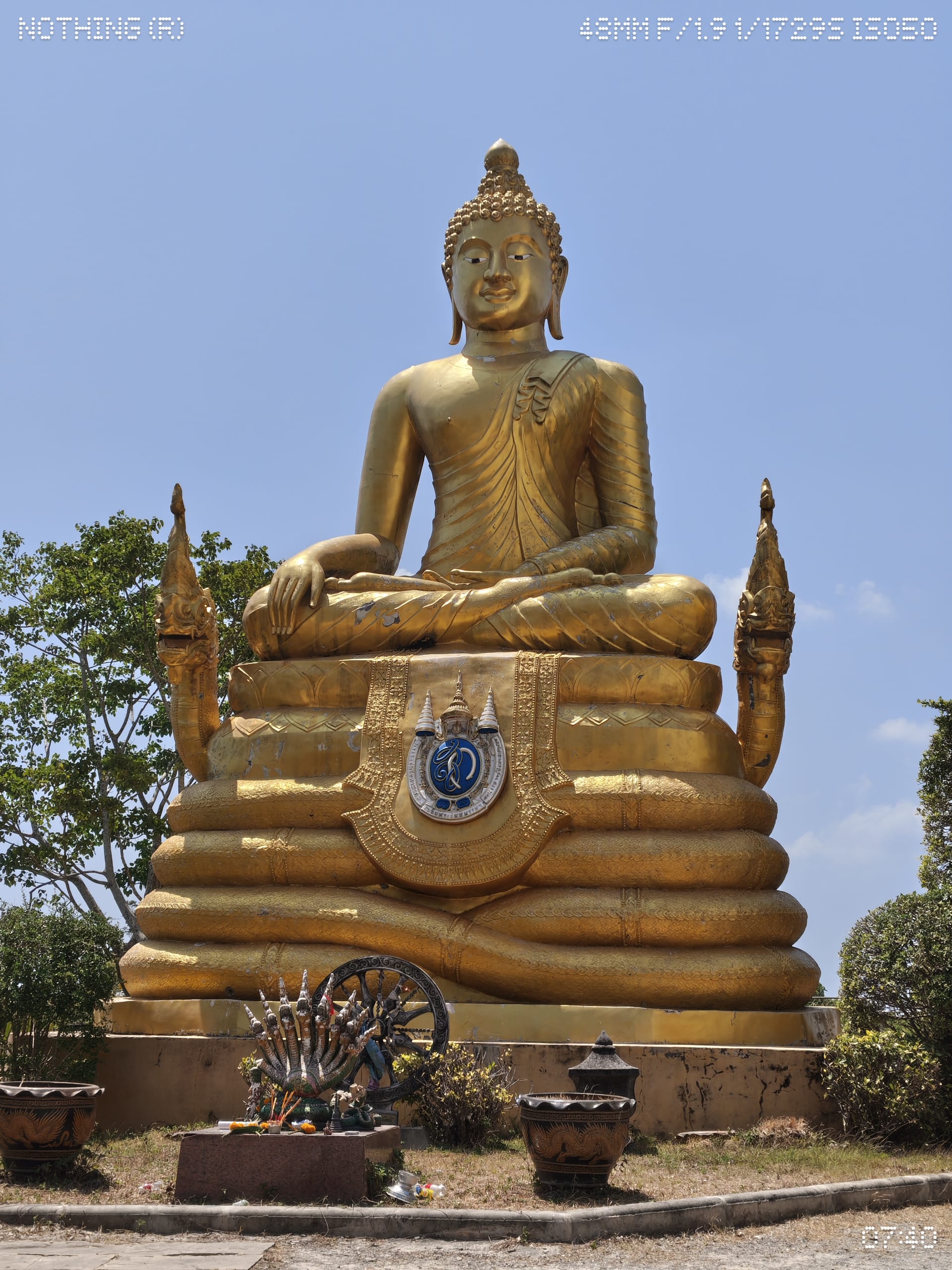
Nothing has also improved the periscope camera. The 50 MP sensor offers 3.5x optical zoom, 7x in-sensor zoom and a theoretical up to 140x Ultra Zoom. It also features OIS, EIS and PDAF.


This periscope camera is great fun to use when travelling. Details on rooftops, figures on facades or spontaneous street scenes can be captured from a comfortable distance, and for portraits, the 80 mm focal length is often much more appealing than the main camera, as it captures subjects with natural bokeh.
The 3.5× zoom looks sharp and detailed, and even 7× is surprisingly usable during the day. Beyond that, as expected, the image quickly becomes soft and heavily reliant on software. Ultimately, 140× zoom is mostly a gimmick.
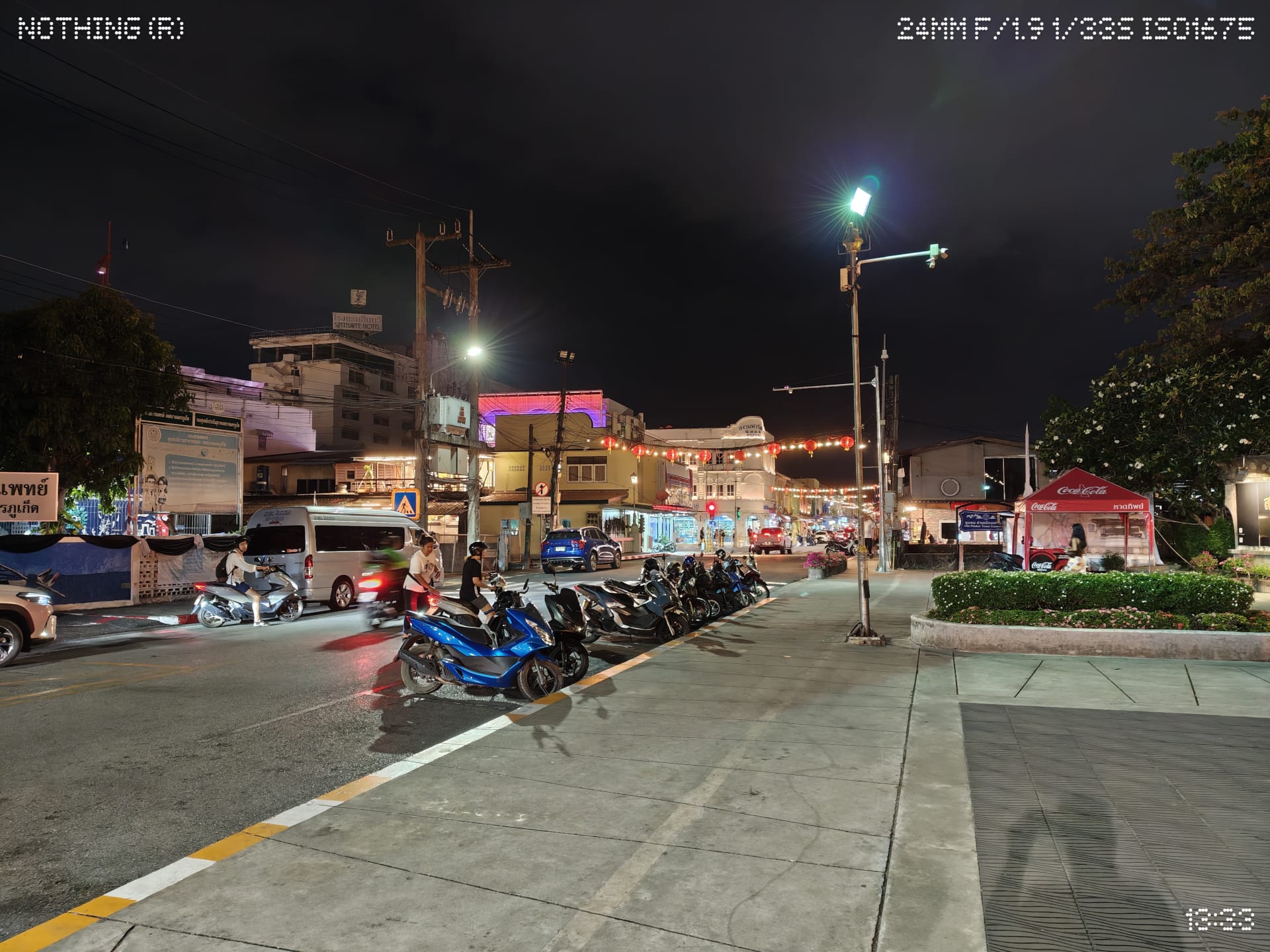
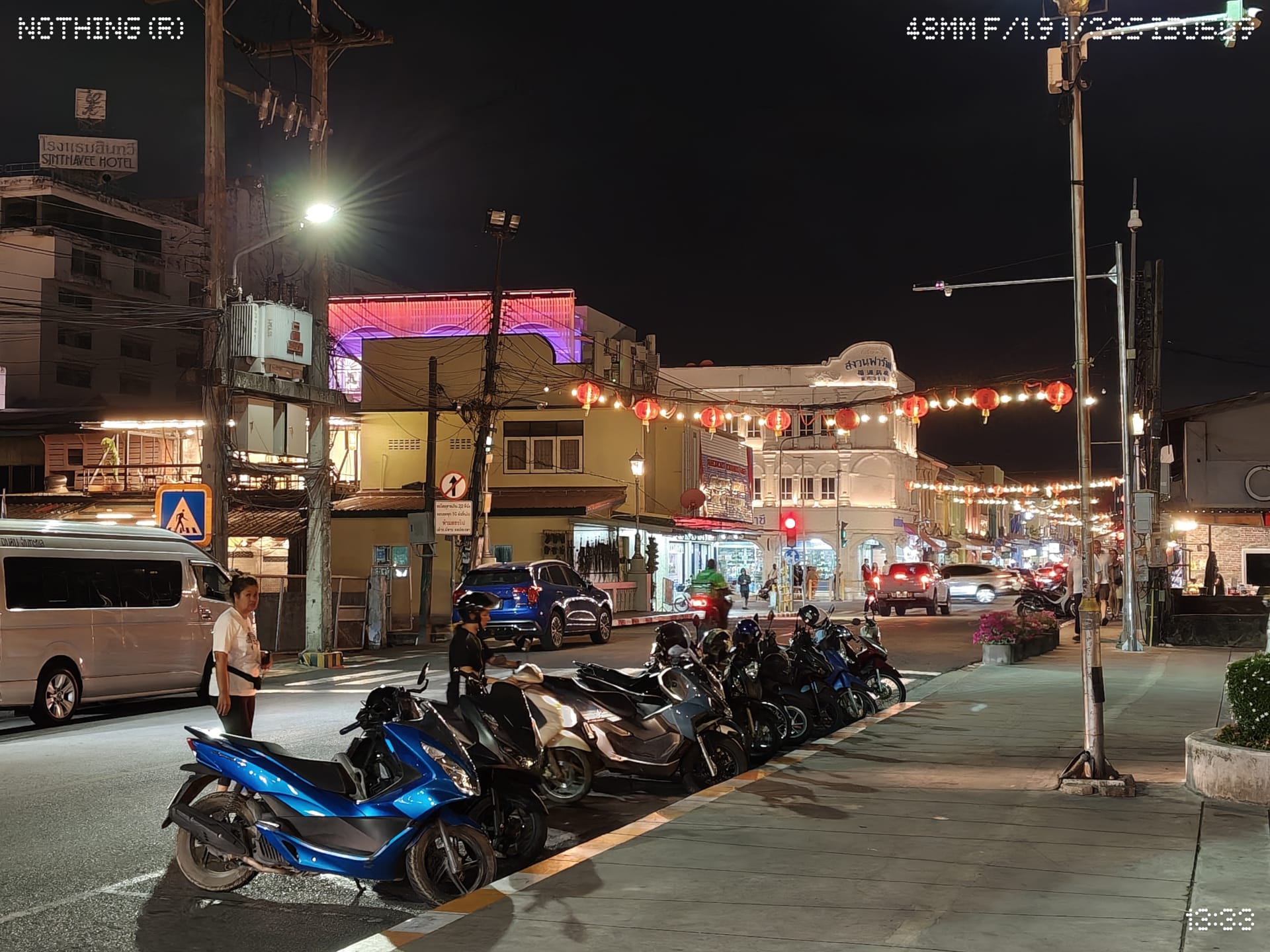
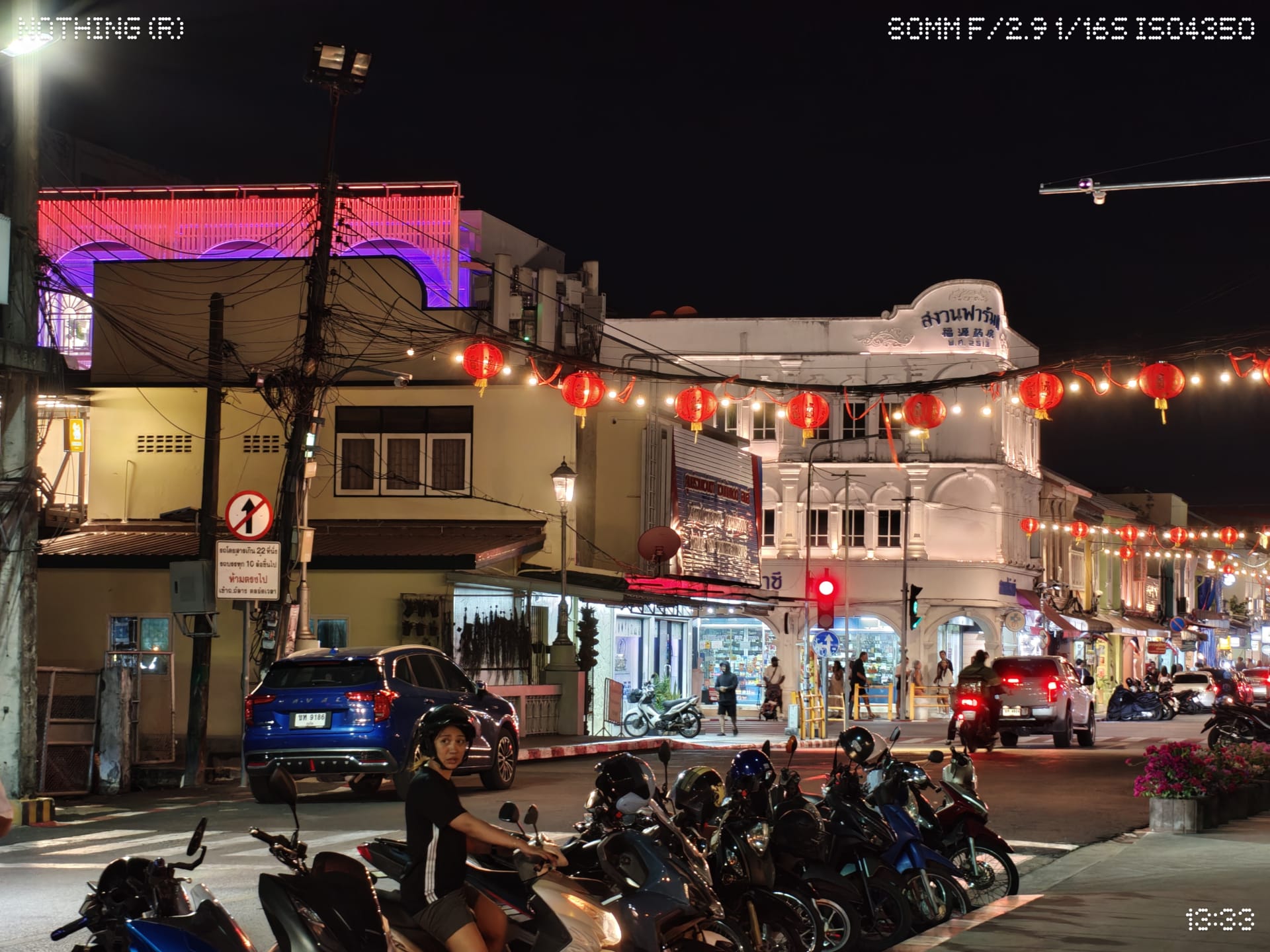
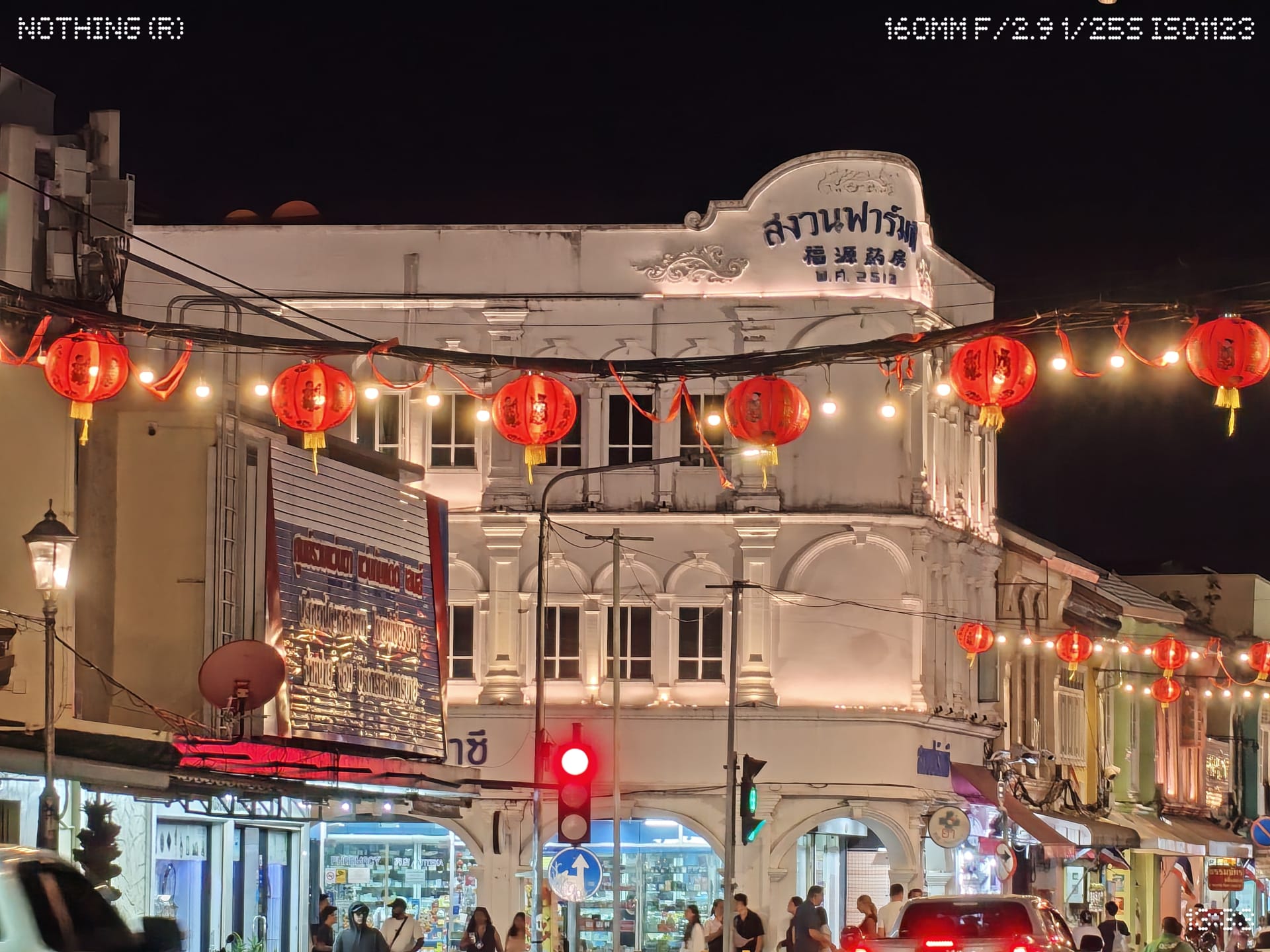
However, the telephoto camera is not without its limitations. Compared with the Phone (3a) Pro, the sensor is smaller, while the focal length is longer. This gives it greater reach, but leaves less headroom in difficult lighting conditions, and details look softer overall.
Ultra-wide-angle camera
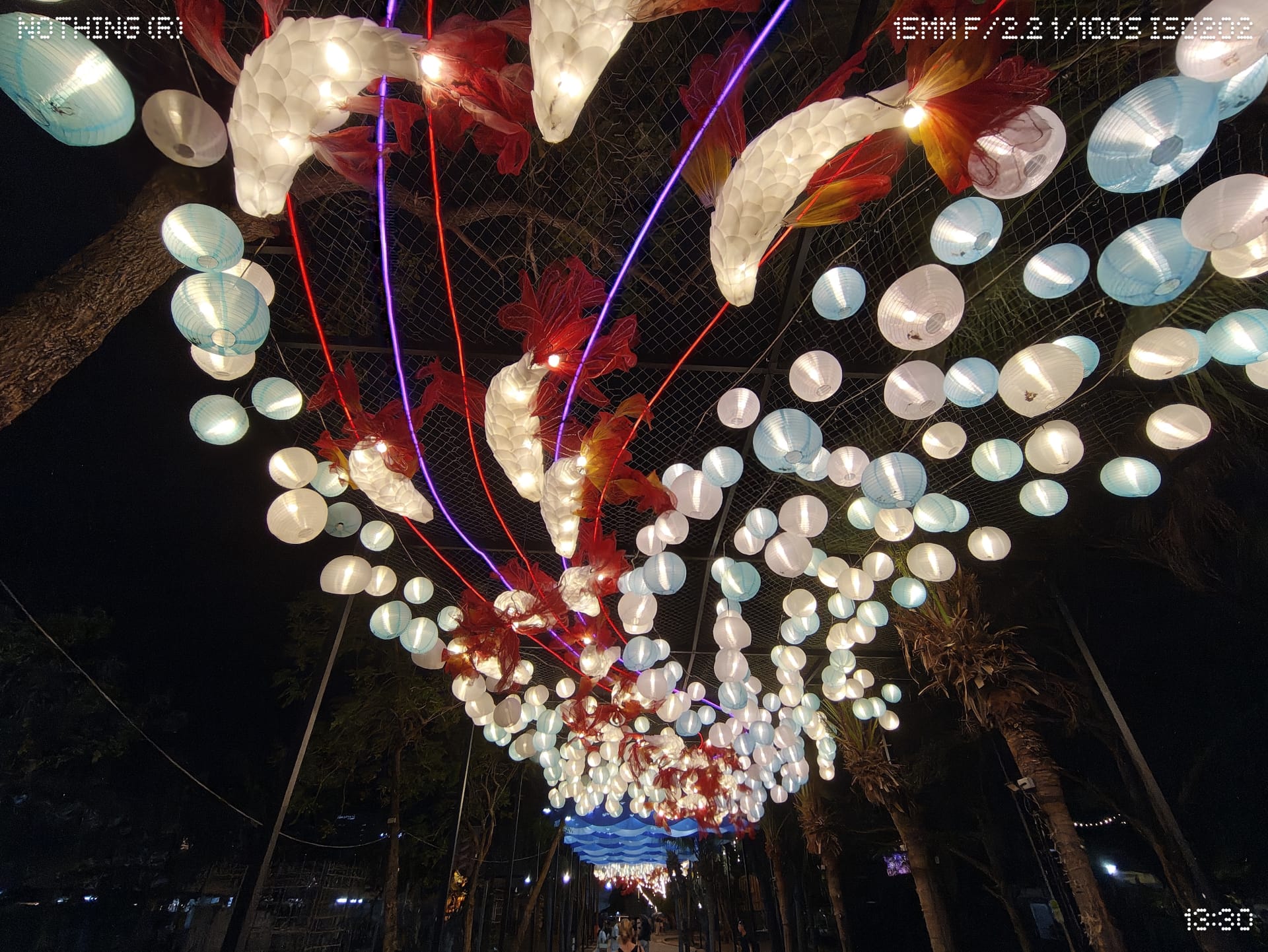
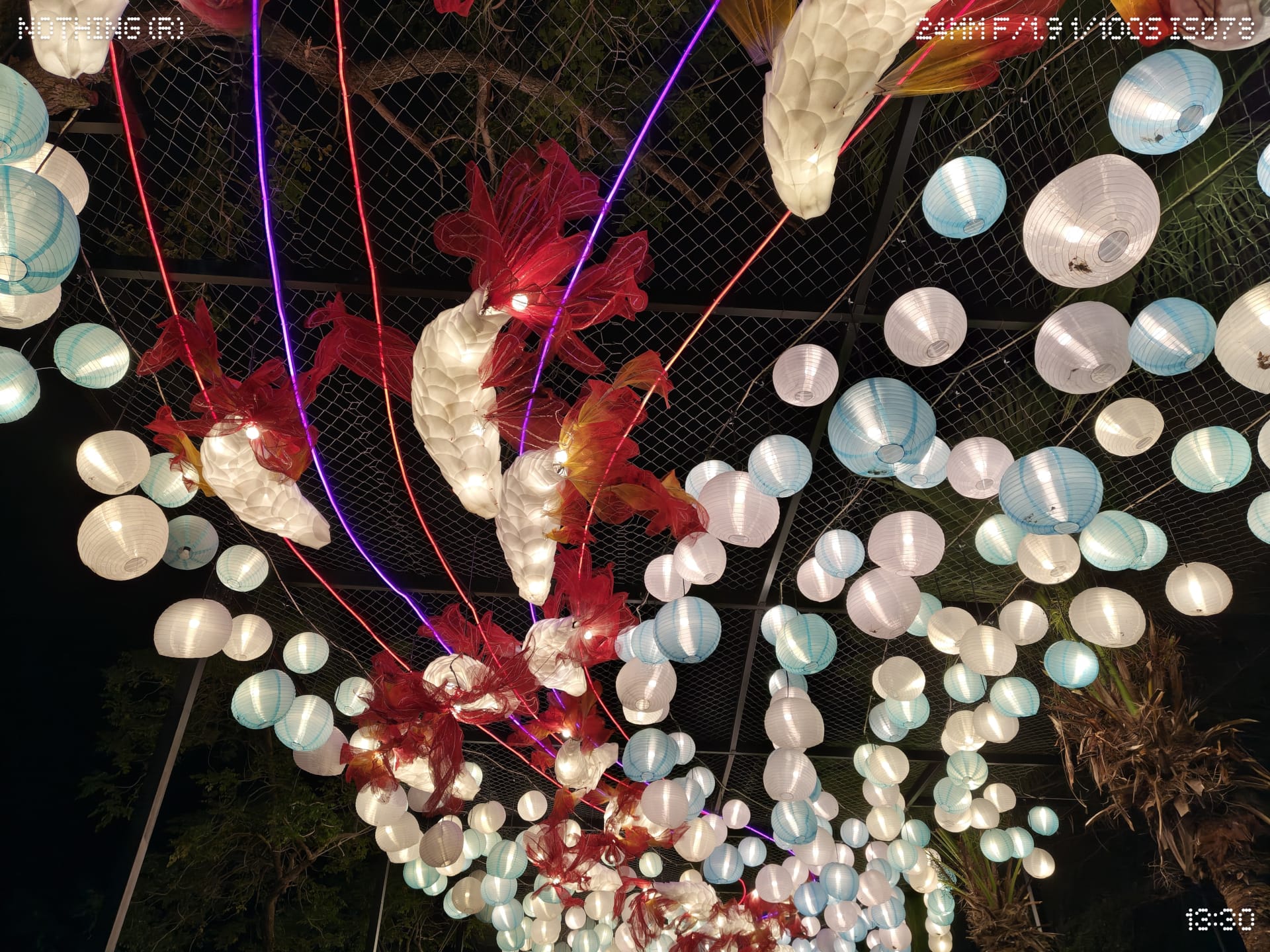
With 8 MP, f/2.2 and a 120-degree field of view, it is practical for landscapes, beaches or narrow streets, but its quality is noticeably behind that of the main and telephoto cameras.


In good light, it takes perfectly decent shots. That's more than enough for a quick snapshot of a beach scene. But as soon as you zoom in, details quickly become less defined and the edges visibly softer.
It is interesting that in some low-light scenes, the ultra-wide-angle camera manages to capture more than you might expect given its old hardware. Even so, you should not expect miracles. The main camera remains clearly the better choice for night shots.
Front camera
Nothing has also taken a different approach to the front camera compared with its predecessor. Instead of the Phone (3a) Pro's 50 MP sensor, it now uses a 32 MP camera with a smaller sensor.
On paper, this is more of a step backward, but in everyday use it is less dramatic than it might initially sound. Selfies are sharp, skin tones look pleasant and dynamic range is really good, especially in daylight. It's more than enough for social media, video calls or quick vacation photos. Only in low light do you notice that the software smooths images more aggressively and fine details are lost sooner.
TrueLens Engine and presets
At its heart is Nothing’s TrueLens Engine 4, which combines HDR, scene recognition, Ultra XDR, Portrait Optimiser and AI segmentation. Image processing is usually unobtrusive. Photos look balanced straight after capture, without appearing oversaturated or artificially sharpened.
There are also presets that don't just feel like filters added afterward, but affect the look of the image as it's being captured. That's quite nice on vacation, when you want to quickly try out different moods for shots of the beach, a big city or an evening scene.
Video
When it comes to video, the Phone (4a) Pro keeps things fairly basic. The main and telephoto cameras can shoot 4K at 30 FPS, as well as 1080p at 30 or 60 FPS. The ultrawide camera is limited to 1080p. HDR video is available, and stabilization is always active.
In practice, videos are fine, but they are not the device’s main strength. Colours and dynamic range are good, but in daylight the clips look a little softer than the photos.
Nothing Phone (4a) Pro: connectivity
When travelling, you quickly realise just how important good connectivity really is, and the Phone (4a) Pro is now well equipped in this respect. For mobile networks, the device supports 5G in dual mode (NSA and SA) as well as a wide range of LTE and 5G bands.
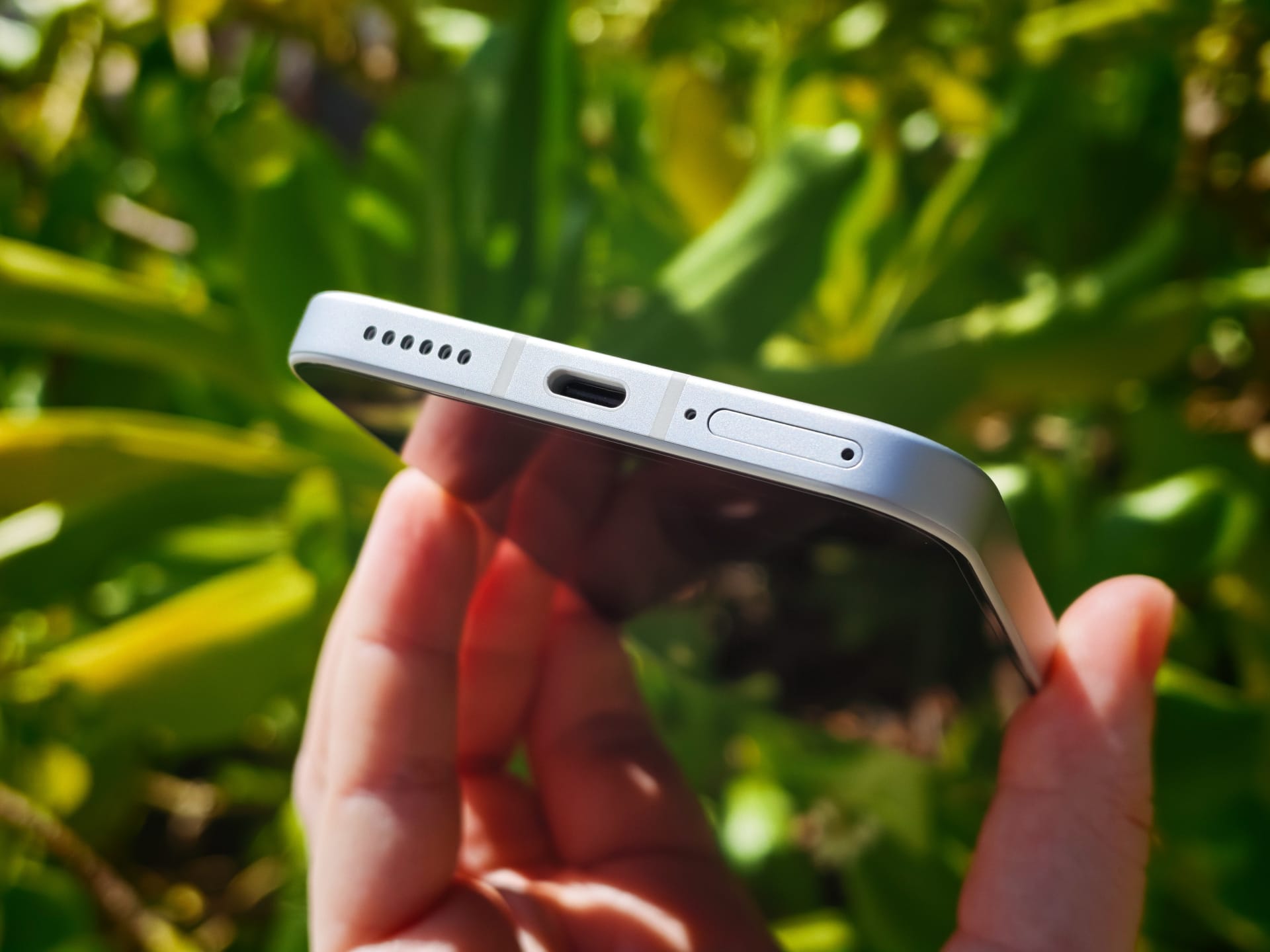
There are also two nano-SIM slots and, for the first time, eSIM support. In Thailand, this made switching to a local data connection much easier: rather than searching for a physical SIM locally, you can conveniently buy a data plan digitally. There is also Wi-Fi 6 (802.11ax) with 2x2 MIMO, Bluetooth 5.4 and NFC.
The Phone (4a) Pro uses several satellite systems for navigation, including GPS, GLONASS, Galileo, BDS and QZSS. Positioning remained surprisingly stable in densely populated Bangkok, with its skyscrapers. Even in narrow urban canyons, navigation did not keep jumping around, but instead reliably guided me through the heavy traffic.
For sound, Nothing uses dual stereo speakers with clear, sufficiently loud audio for videos or games on the go. The fingerprint sensor is built into the display and responds quickly. However, it is positioned relatively low down, so your thumb has to reach a little further down when unlocking the phone.
Nothing Phone (4a) Pro: battery
A full day on holiday in Thailand is a pretty good stress test for a smartphone battery. At 5,080 mAh, it is also a good size, but I usually still had to plug it in by the evening. That said, my use was anything but restrained. Camera use, Maps and screen-on time were well above what a normal day involves.
With normal use, you can expect around 1 1/2 days of battery life. It charges at up to 50 W wired, taking around an hour to fully charge the battery. It reaches about 50 percent in around 20 to 25 minutes. So a quick top-up is enough to add a few hours of battery life. Wireless charging is not supported, which is no great surprise in this price range.
Our verdict
The Phone (4a) Pro's design is as distinctive as ever, but the aluminum unibody and new Glyph Matrix give it a much more mature look.
In everyday use, the device impresses above all with its balance. Apps launch quickly, multitasking works reliably, and the system remains stable even in hot conditions or during prolonged use. Nothing OS also plays its part, with a clean, fast interface and no unnecessary bloat. I would only have liked more than three years of updates.
The camera system is versatile, with clear strengths and a few compromises. The main camera delivers good results during the day, while the periscope camera is great fun on trips and enables creative perspectives rarely found in this price range. The ultrawide camera and video capabilities, on the other hand, are fairly average.
The Phone (4a) Pro is similarly realistic rather than spectacular when it comes to battery life. It reliably lasts through the day, but with intensive use it also regularly needs recharging. At least 50 W charging means you never have to spend too long plugged into a socket.
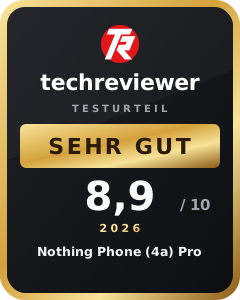
eSIM support was long overdue, making the smartphone much more flexible, particularly for globetrotters. The Phone (4a) Pro is surprisingly well equipped for its price range and is worth recommending.
Specifications
Processor and memory
- CPU
- Qualcomm Snapdragon 7 Gen 4 (4 nm, TSMC)
- – 8-core Qualcomm Kryo, up to 2.8 GHz
- – 1× Prime (2.8 GHz)
- – 3× performance (2.4 GHz)
- – 4× efficiency (1.8 GHz)
- GPU
- Qualcomm Adreno 722
- NPU
- Qualcomm Hexagon NPU (AI Engine)
- RAM
- 8 GB / 12 GB (LPDDR5X)
- Internal storage
- 128 GB / 256 GB (UFS 3.1)
- Storage expansion
- Not supported
Display
- Display size
- 6.83 inches
- Display resolution
- 2800 × 1260 pixels (450 PPI)
- Display refresh rate
- up to 144 Hz (adaptive)
- Display brightness
- – Peak brightness
- 5,000 nits
- – Outdoor
- 1,600 nits
- – Average
- 800 nits
- Display type
- Flexible AMOLED
- Colour reproduction
- 1.07 billion colours (10-bit)
- Contrast
- 1.000.000:1
- Touch sampling rate
- up to 2,500 Hz
- PWM frequency
- 2,160 Hz
- Protective glass
- Corning Gorilla Glass 7i
Cameras
- Main camera (wide-angle)
- – 50 MP, f/1.88, 1/1.56"
- – OIS, EIS
- – 2×2 OCL PDAF
- – 2× in-sensor zoom
- Periscope camera (telephoto)
- – 50 MP, f/2.88, 1/2.75"
- – OIS, EIS
- – PDAF
- – 3.5× optical zoom
- – 7× in-sensor zoom
- – 140× Ultra Zoom
- Ultra-wide-angle camera
- – f/2.2, 1/4"
- – 120° field of view
- Front camera
- – 32 MP, f/2.2, 1/3.44"
- – 89° field of view
- Features
- TrueLens Engine 4, Ultra XDR, Ultra XDR Motion Photo, AI segmentation (12 layers), Portrait Optimiser, Night Mode, Macro Mode
- Video recording
- – 4K Ultra XDR at 30 FPS
- – 1080p at 60/30 FPS
- – 1080p Ultra XDR at 30 FPS
- – Slow motion
- 1080p at 120 FPS
- – Time-lapse
- 4K / 1080p
Mains
- Dual SIM
- Yes (Nano + Nano)
- eSIM
- Yes
- Mobile network technologies
- GSM / UMTS / LTE / 5G
- 2G
- GSM 850 / 900 / 1800 / 1900
- 3G
- – UMTS B1 / B2 / B4 / B5 / B6 / B8 / B19
- 4G
- – LTE B1 / B2 / B3 / B4 / B5 / B7 / B8 / B12 / B17 / B18 / B19 / B20 / B25 / B26 / B28 / B38 / B40 / B41 / B42 / B48 / B66 / B71
- 5G
- – n1 / n2 / n3 / n5 / n7 / n8 / n12 / n20 / n25 / n28 / n38 / n40 / n41 / n48 / n66 / n71 / n77 / n78
Wireless
- Wi-Fi
- Wi-Fi 6, 802.11 a/b/g/n/ac/ax (2.4 GHz / 5 GHz), 2×2 MIMO, MU-MIMO, OFDMA, TWT
- Bluetooth
- 5.4
- GPS
- GPS (L1), GLONASS (G1), BDS (B1I), Galileo (E1), QZSS (L1)
- NFC
- Yes
Sensors
- In-display optical fingerprint sensor
- Accelerometer
- Gyroscope
- Electronic compass
- Proximity sensor
- Ambient light sensor (front)
Battery
- Battery
- 5,080 mAh
- Fast charging
- 50 W wired
- Reverse charging
- 7.5 W (wired)
- Charging protocols
- PPS / PD3.0 / PD2.0 / QC3.0 / QC2.0 / UFCS
Audio
- Speakers
- Dual stereo speakers
- Microphones
- 2 high-definition microphones
Multimedia formats
- Audio formats (playback)
- MP3, AAC, AAC+, WMA, AMR-NB, AMR-WB, WAV, FLAC, APE, OGG, MID, M4A, IMY, AC3, EAC3, EAC3-JOC, AC4
- Audio formats (recording)
- WAV, AAC, AMR
- Video formats (playback)
- MKV, MOV, MP4, H.265 (HEVC), AVI, WMV, TS, 3GP, FLV, WEBM
- Video formats (recording)
- MP4
- Image formats
- JPEG, PNG, BMP, GIF, WEBP, HEIF, HEIC, DNG
Operating system
- OS
- Nothing OS 4.1 (based on Android 16)
- Software updates
- – 3 years of Android updates
- – 6 years of security patches
Design & dimensions
- Water and dust resistance
- IP65
- Also tested
- down to a water depth of 25 cm for 20 minutes
- Dimensions
- 163.6 × 76.6 × 7.9 mm
- Weight
- 210 g
Sustainability
- – 30% recycled plastic
- – 100% recycled aluminium (rear)
- – 100% recycled tin (partial)
- – 80% recycled steel
- CO₂ footprint
- 50.5 kg CO₂e
- Packaging
- 100% plastic-free
What’s included
1x Nothing Phone (4a) Pro 1x Nothing USB-C to USB-C cable (100 cm) 1x Phone (4a) Pro protective case 1x screen protector (already fitted) 1x SIM tool 1x safety information and warranty card
Price comparison
| Store | Price | Link |
|---|---|---|
| Nothing | 629,00 € | Go to store |
Comments (2)
Only three years of updates is really poor. To be honest, I was hoping for more.
What do you expect? That's completely normal in this price range. Honor, Xiaomi, etc. only offer 3 years too.