Contents
Nothing Phone (4a): Design and build
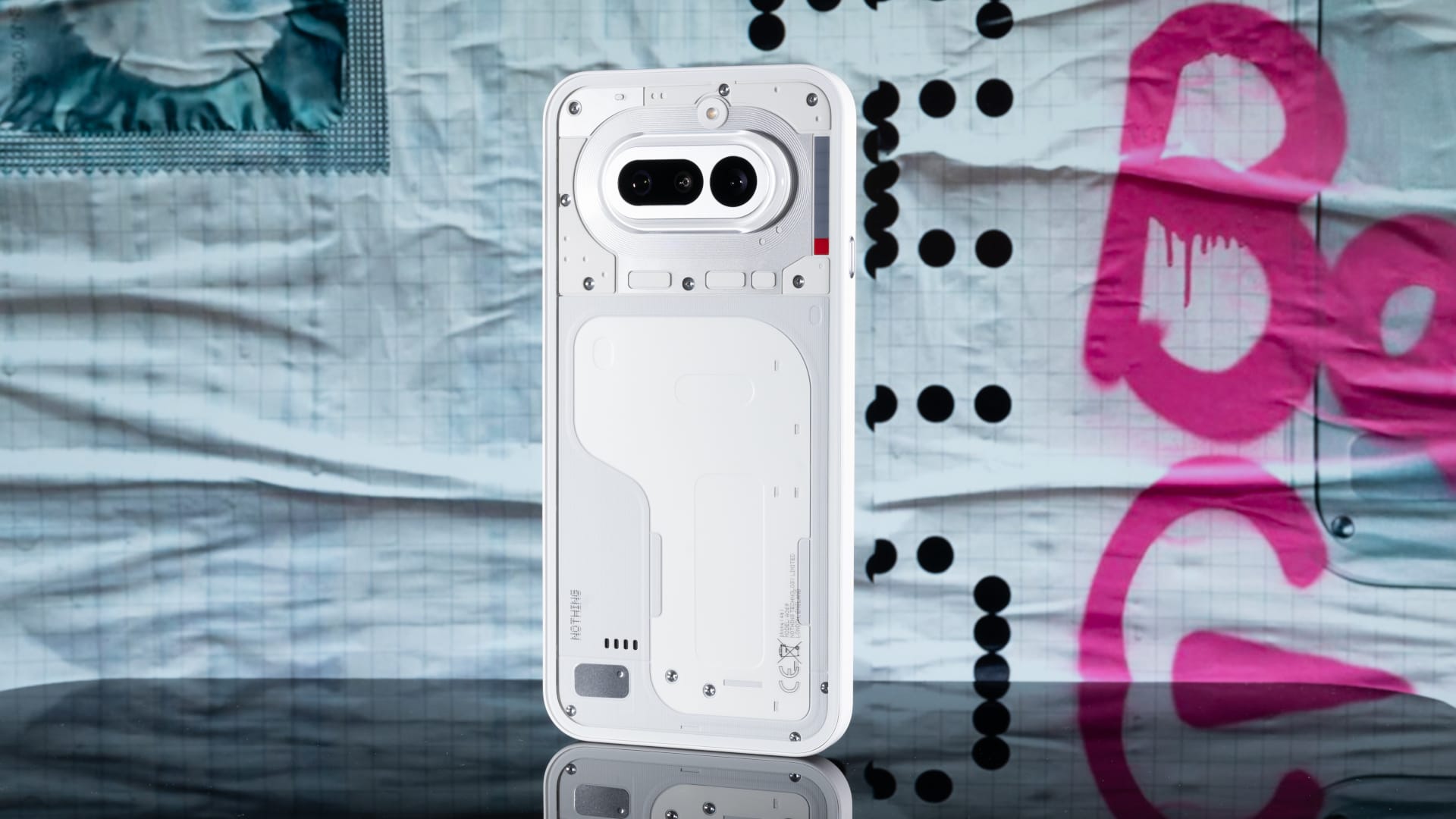
The Phone (4a) remains unmistakably a Nothing smartphone. Its semi-transparent back reveals coils, screws and graphic elements, making the internal components an integral part of the design once again.

However, a direct comparison with the Phone (3a) immediately shows that Nothing has redrawn some of the lines. On the Phone (3a), the camera area still looked like one continuous bar that extended relatively seamlessly across the upper part of the back.
On the Phone (4a), this bar has been broken up and replaced with a more compact, pill-shaped camera module. The aluminum surround looks significantly more premium and draws the eye more strongly to the cameras themselves and the new Glyph Bar, which sits to their right.
In a direct comparison, the upper part of the Phone (4a) looks a little livelier and more playful. The lines around the camera and Glyph Bar are more complex, almost a little chaotic. At the same time, Nothing has visibly tidied up the lower part of the back.
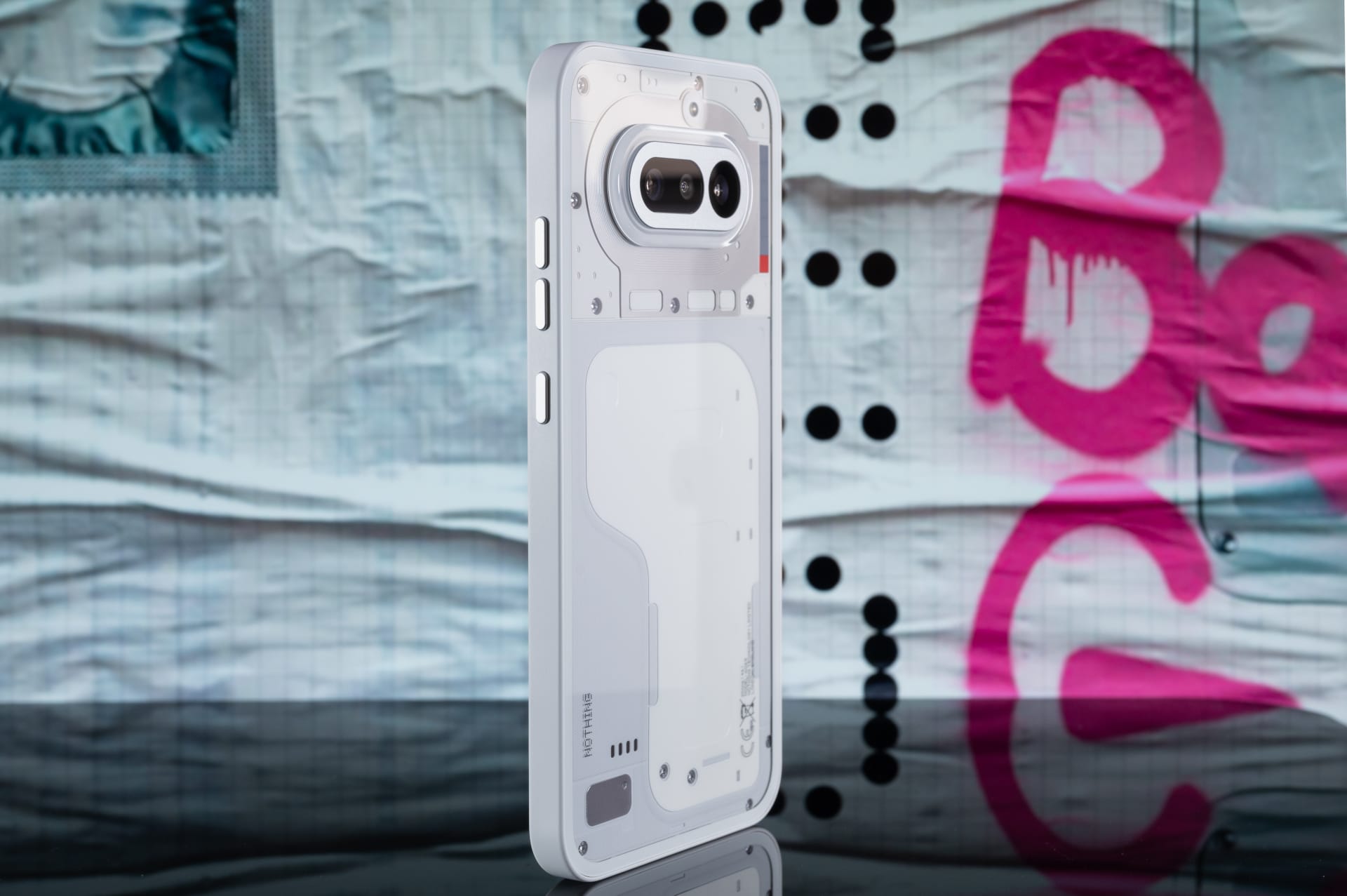
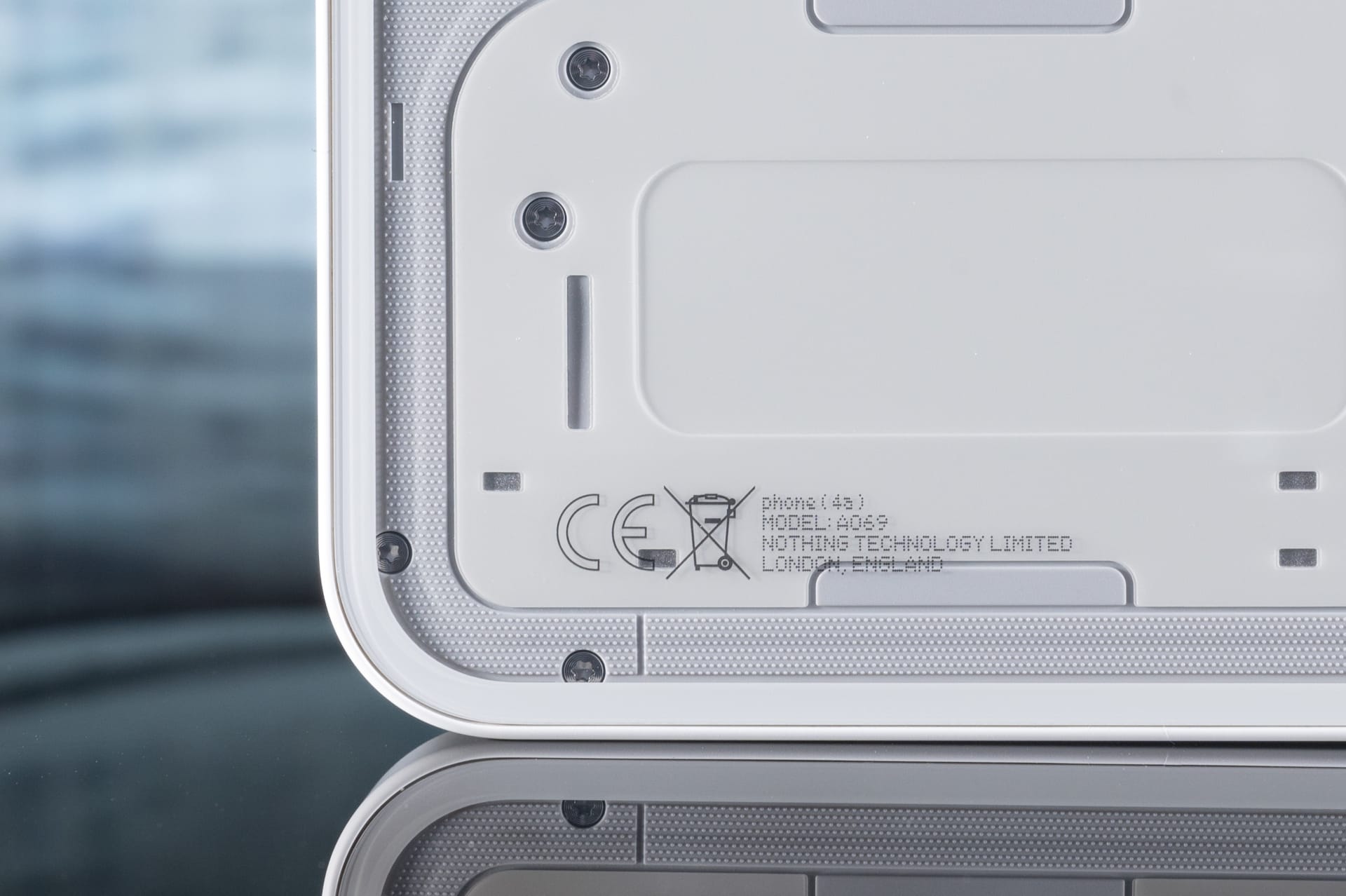
The graphic elements are more restrained, the surfaces more clearly separated, and the overall look feels less cluttered than its predecessor. This mix of more dynamism at the top and more order at the bottom makes the Phone (4a) feel more futuristic overall.
Nothing has also made some minor adjustments to the design of the casing. The sides start to curve slightly earlier on the Phone (4a) than on the Phone (3a). This makes the edges feel softer and the device a touch more comfortable to hold.
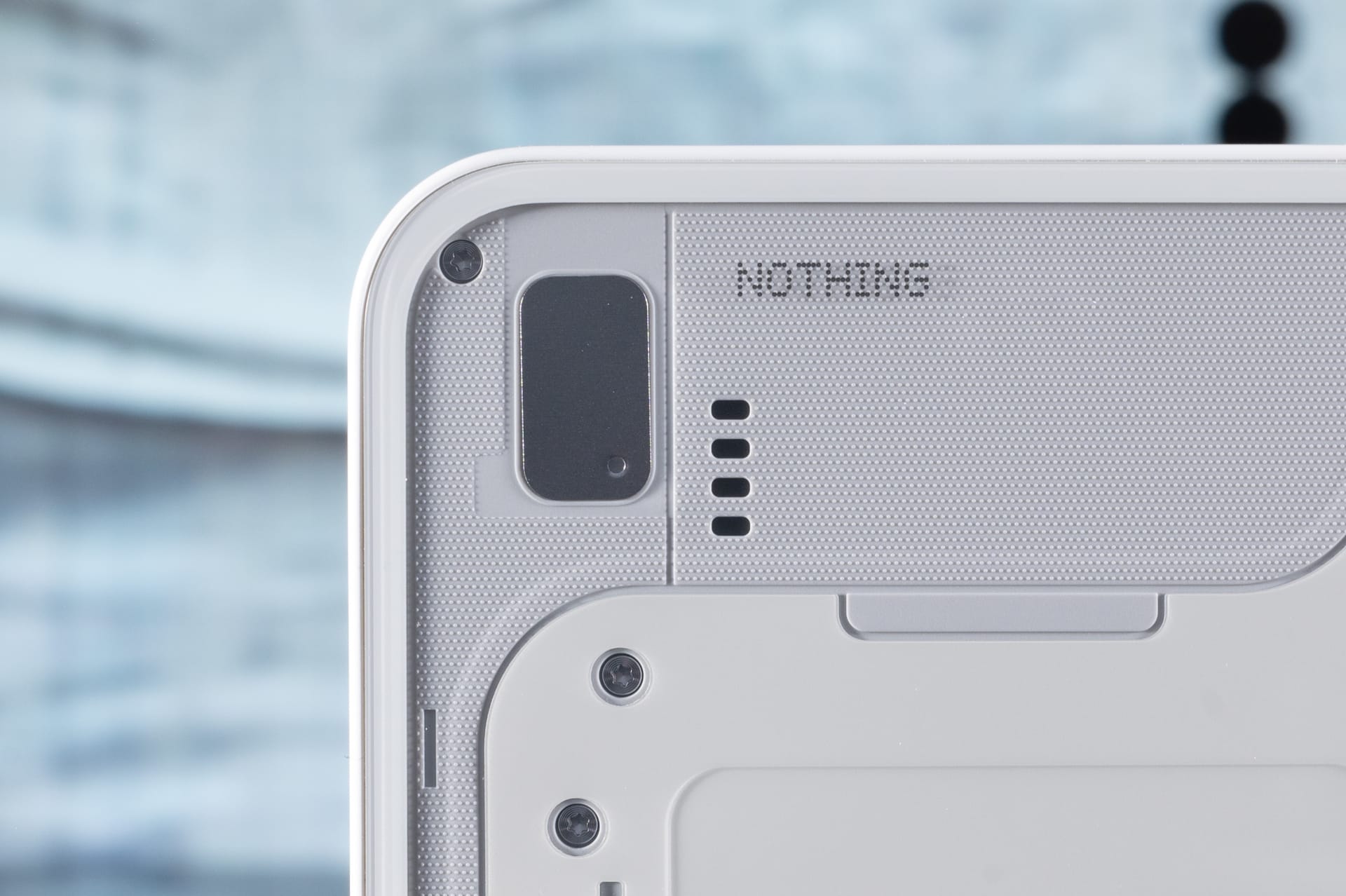
Nothing has also reinvented Glyph to some extent. The familiar LED strips from its predecessor have disappeared, making way for the new Glyph Bar. Behind the rectangular bar are 63 mini LEDs, divided into six individually controllable zones. This makes it possible to show notifications, charging progress or timers much more precisely than before.
Functionally, the Glyph philosophy remains largely unchanged, but has been further expanded. Familiar features such as Flip to Glyph, Glyph Timer, volume indicator, and Glyph Progress remain and are still part of the system. The latter can currently show live updates from apps such as Uber, Zomato, and Google Calendar.
For example, you can follow the progress of a food delivery or the countdown to your next appointment directly via the LEDs, without having to activate the display. Support for more apps is expected to follow via software updates.
One small but noticeable improvement in everyday use concerns the button layout. On the Phone (3a), the so-called Essential Key was located directly below the power button, which led to more frequent accidental presses in everyday use. For the Phone (4a), Nothing has moved the button to the left side of the body, where it now sits on its own. The volume rocker is on the right, with the power button below it.
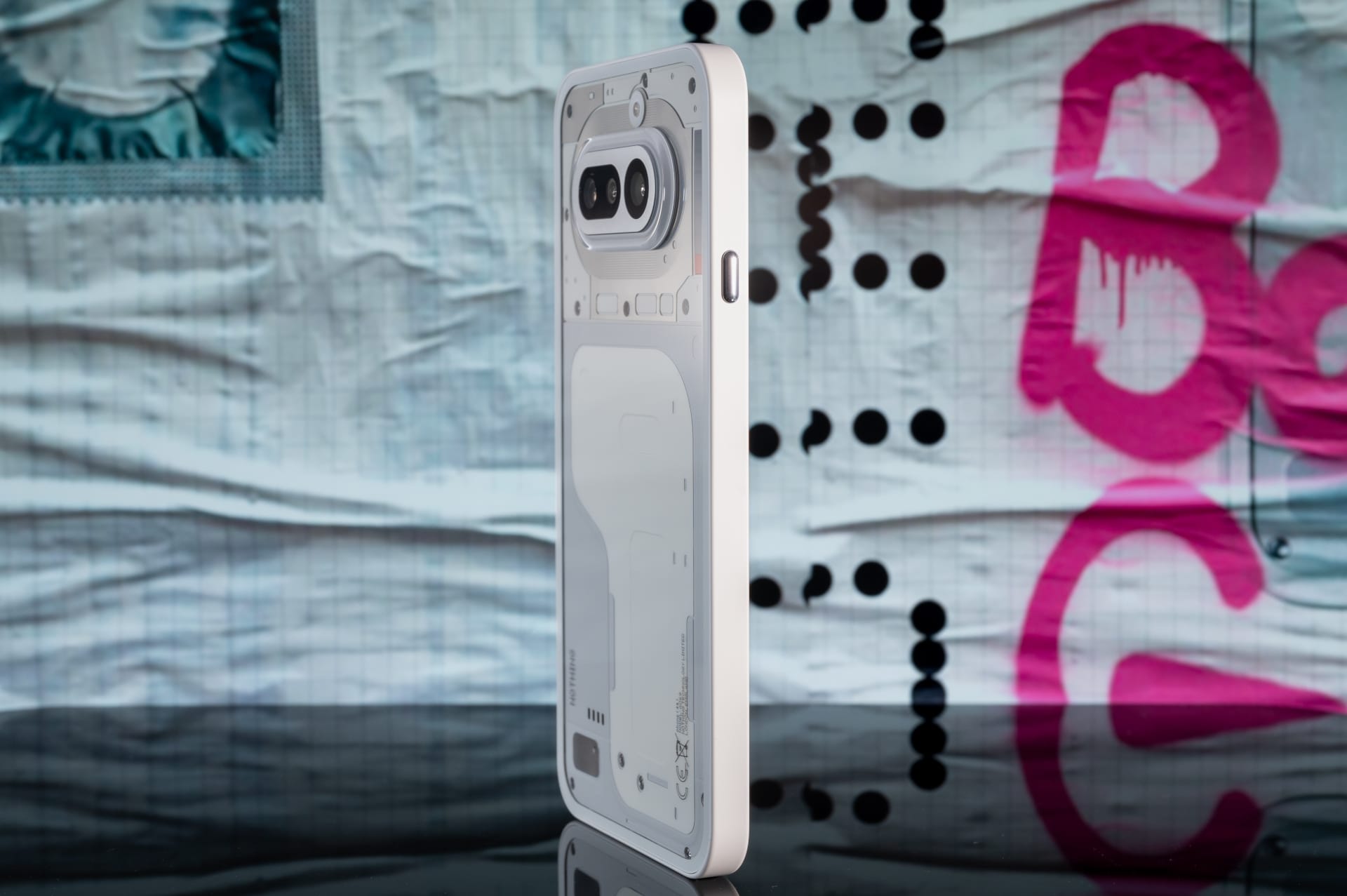
At 163.95 × 77.57 × 8.55 mm and around 204.5 g, the Phone (4a) is similar in size to its predecessor. The front is protected by Gorilla Glass 7i, and the IP64 certification means the device is still protected against dust and splashes. In terms of colors, Nothing once again offers a blue variant alongside black and white, very similar to the Phone (3a). New to the lineup, however, is a pastel pink that is deliberately soft rather than vibrant, adding a little extra character to the transparent design.
Nothing Phone (4a): Display
Nothing takes a more conservative approach on the front. The Phone (4a) has a 6.78-inch LTPS AMOLED display with a resolution of 2720 × 1224 pixels, equivalent to a pixel density of around 440 ppi. Images look sharp, text is rendered cleanly, and even fine UI elements remain clearly visible.
The refresh rate ranges from 30 to 120 Hz, delivering pleasantly smooth animations and scrolling. Unlike an LTPO panel, however, the rate does not adjust continuously but switches between fixed steps. That is no surprise in this price range and is barely noticeable in everyday use.
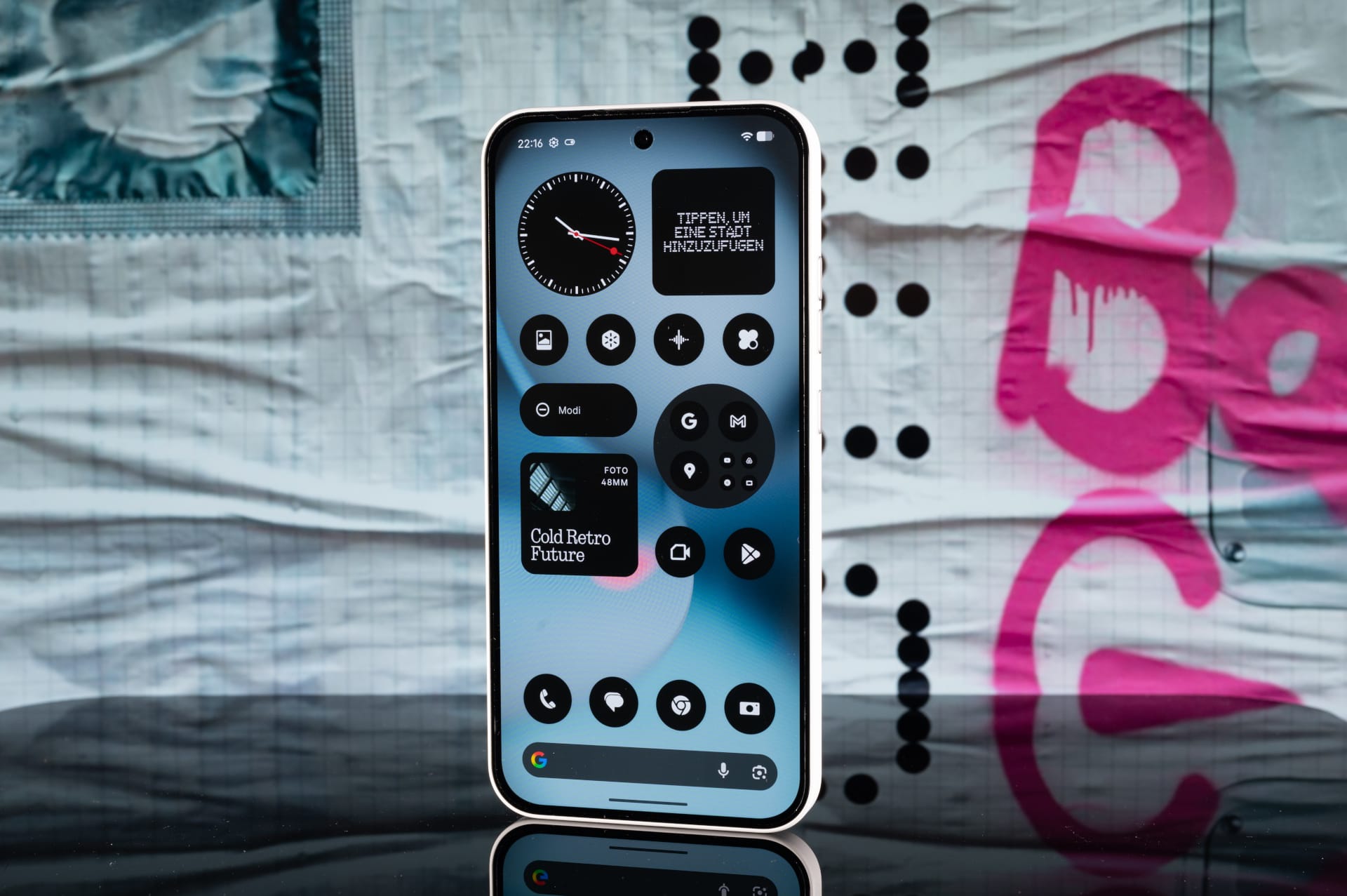
In everyday use, the panel stands out above all for its brightness. Nothing specifies up to 800 nits in typical use; up to 1600 nits is possible outdoors, and HDR content can briefly reach peak brightness of up to 4500 nits. This means the screen remains easy to read, especially in direct sunlight, which is much more important in everyday use than extreme peak values on the spec sheet.
Colours are rendered with up to 1.07 billion shades thanks to 10-bit colour depth. This produces smooth gradients and vivid contrast, which are particularly noticeable in HDR content. With a contrast ratio of 1,000,000:1, blacks look impressively deep and content has a pleasing sense of depth.
The panel is also very responsive to touch. The touch sampling rate is 480 Hz in normal use and can rise to up to 2500 Hz in gaming mode. This makes the display feel very responsive, especially when entering commands quickly or playing games. At the same time, Nothing uses a PWM frequency of 2160 Hz, which reduces flicker and makes the panel more comfortable for sensitive users.
Nothing Phone (4a): Performance
Under the hood, the Phone (4a) is powered by the Snapdragon 7s Gen 4. The chip is manufactured by TSMC using a 4 nm process and features a eight-core Kryo CPU with clock speeds of up to 2.7 GHz. It succeeds the Snapdragon 7s Gen 3, which was used in the Phone (3a), positioning the device once again in the upper mid-range.
In everyday use, the chip delivers pleasantly smooth performance. Apps launch quickly, multitasking works without a hitch, and even more demanding image-editing or navigation apps don’t slow the Phone (4a) down. Overall, the performance leap over the Phone (3a) is fairly modest, but the (4a) feels a little more responsive in everyday use.
This is also reflected in the benchmarks. In Geekbench, the Phone (4a) scores around 1251 points in single-core and 3284 points in multi-core. Compared with the Phone (3a), the (4a) makes a slight gain in single-core performance, while multi-core performance remains largely at the same level.


Graphics are handled by an Adreno 810 GPU, which runs current games without any problems. Titles such as Call of Duty Mobile, PUBG Mobile and Genshin Impact run smoothly at medium to high settings, as long as you do not push the graphics settings too far. Gaming performance is therefore absolutely solid for a device in this price class.
The Phone (4a) remains stable under sustained load. There was no significant thermal throttling during the 30-minute stress test. The CPU maintained its performance, while heat was concentrated mainly in the area beside the camera module. The device reached just under 46°C there during testing. While noticeably warm, this is well below the temperatures of the Phone (3), which briefly hit the 50°C mark in our test at the time.

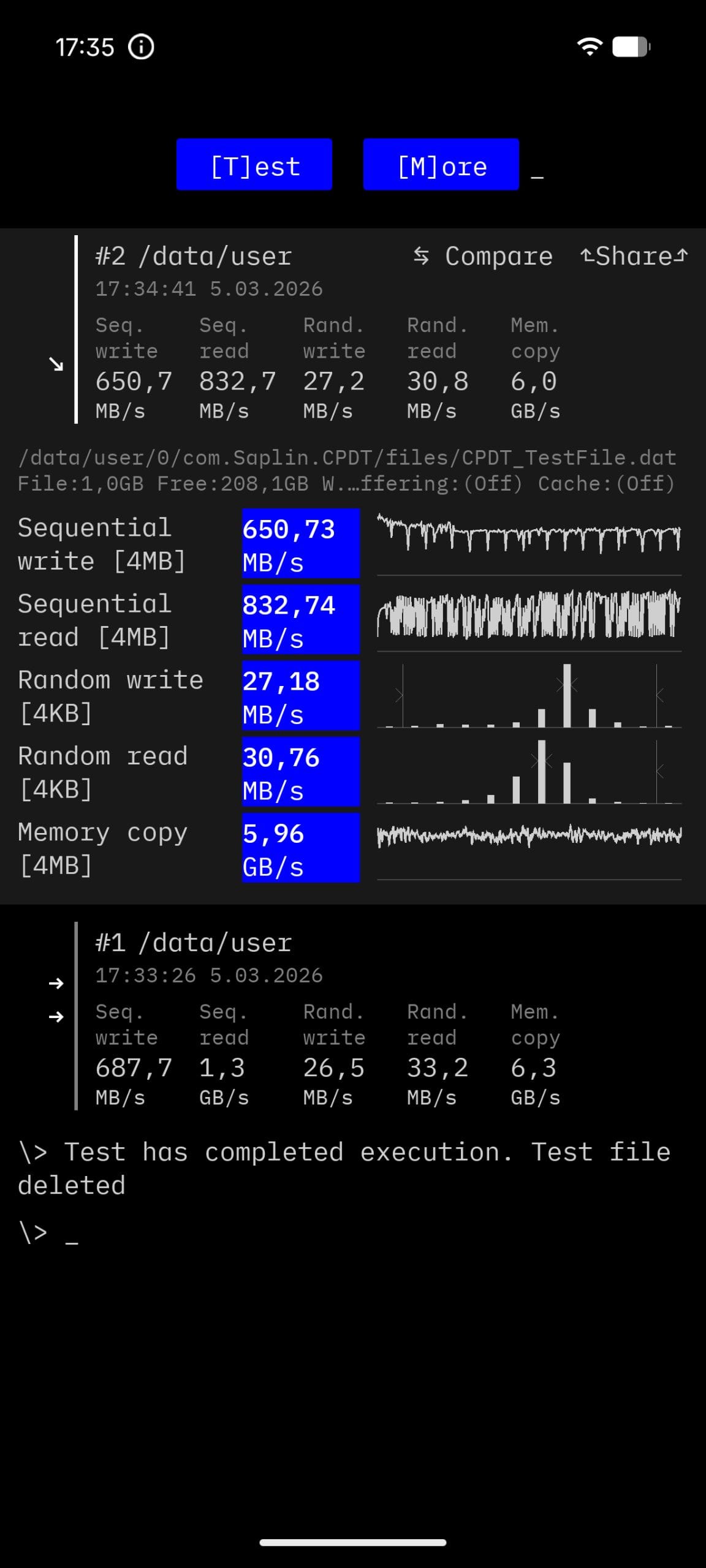
One of the more noticeable improvements concerns storage. While the Phone (3a) still used UFS 2.2, the Phone (4a) now features significantly faster UFS 3.1 flash storage. This shortens load times and makes apps launch a little faster overall. Nothing has stuck with LPDDR4X for RAM, however, even though the Snapdragon 7s Gen 4 also supports LPDDR5. This is barely noticeable in everyday use, though.
Three variants are available with 8 + 128 GB, 8 + 256 GB and 12 + 256 GB of storage. There is no larger 512 GB version, nor is there an option to expand the storage via microSD. Anyone wanting to store a lot of photos, videos or games on the device should therefore opt for the larger version and plan for cloud storage.
Nothing (4a): Software
The Phone (4a) runs Nothing OS 4.1, based on Android 16. Nothing promises three years of Android updates for the device, as well as a total of six years of security updates, keeping the smartphone up to date for comparatively long in its price range.
Nothing OS stays true to its minimalist approach. The interface continues to use a pared-back design language with dot-matrix elements, clear black-and-white contrasts, and a largely uncluttered user interface without unnecessary bloatware. Animations feel smooth, and the system remains pleasantly responsive even with many apps open.
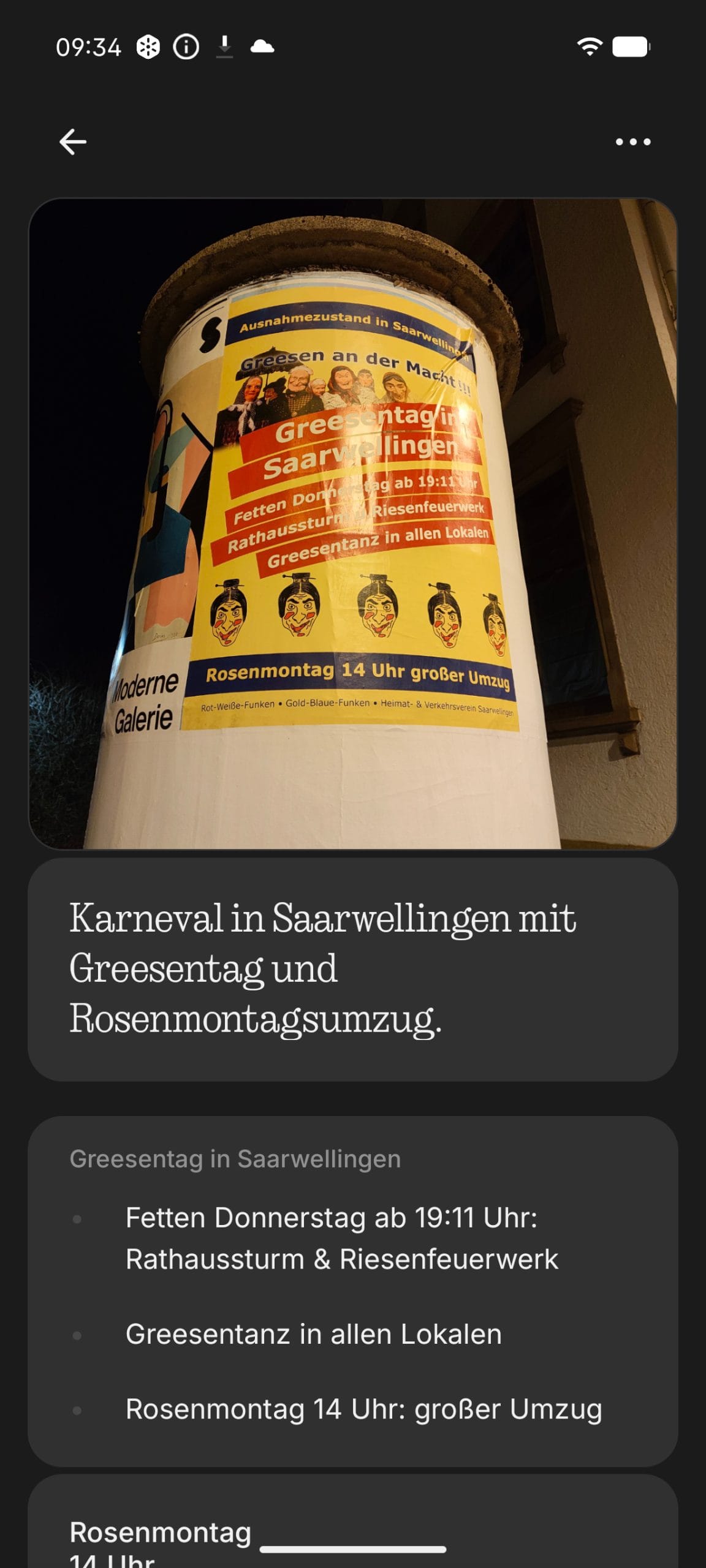
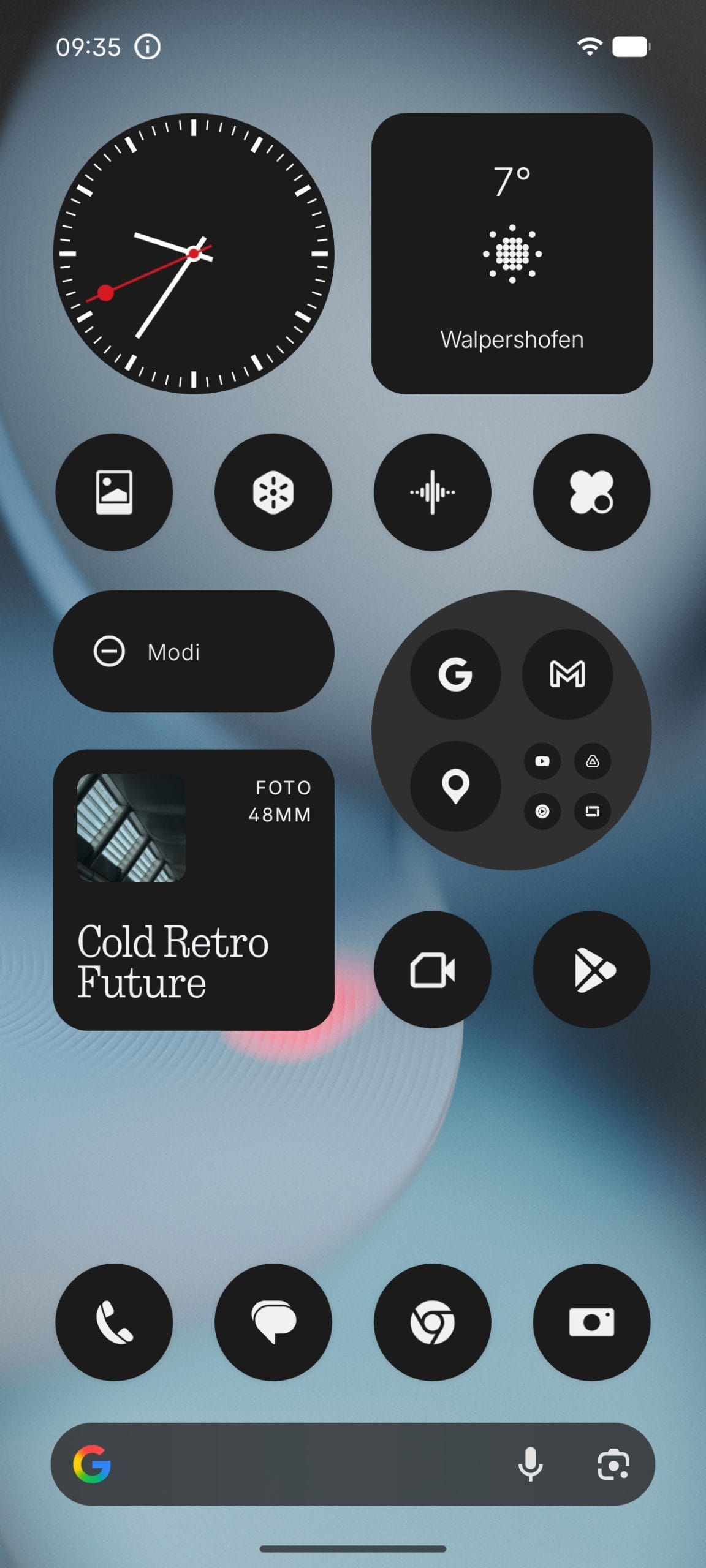
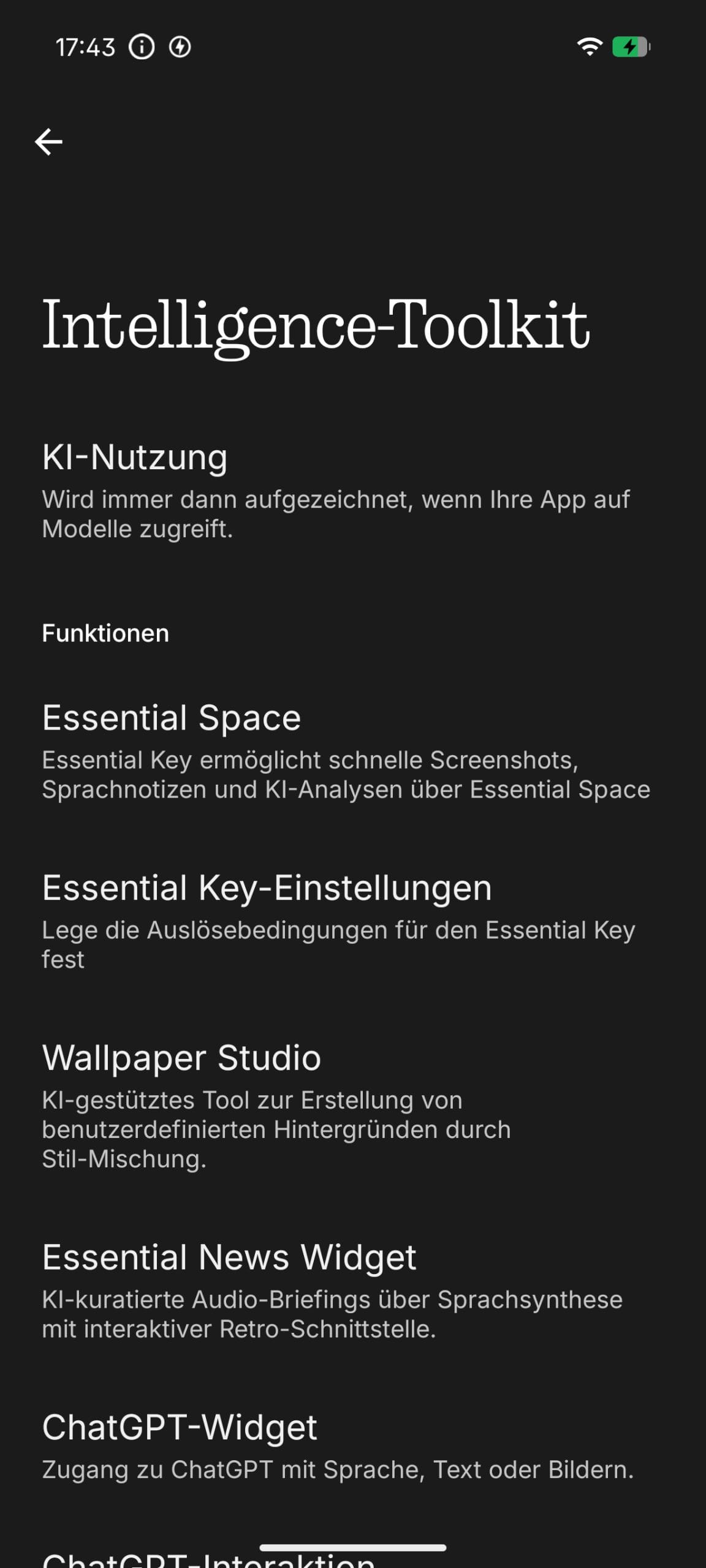
An important part of the software is the Essential features, which Nothing has been expanding step by step since the (3a) generation. These include Essential Space and Essential Search, both introduced with the previous generation. Essential Space serves as a central hub for content such as screenshots, notes, web pages, and voice recordings. Essential Search adds a system-wide search that lets you quickly search apps, contacts, messages, and photos.
New in Nothing OS 4 is the Playground, a kind of community hub for Essential Apps, Camera Presets, Glyph Toys, and EQ profiles. You can discover, download, or share content with other users there. The so-called Essential Apps are particularly interesting: small widgets or mini-tools that can be created with simple voice prompts and then used directly on the home screen.
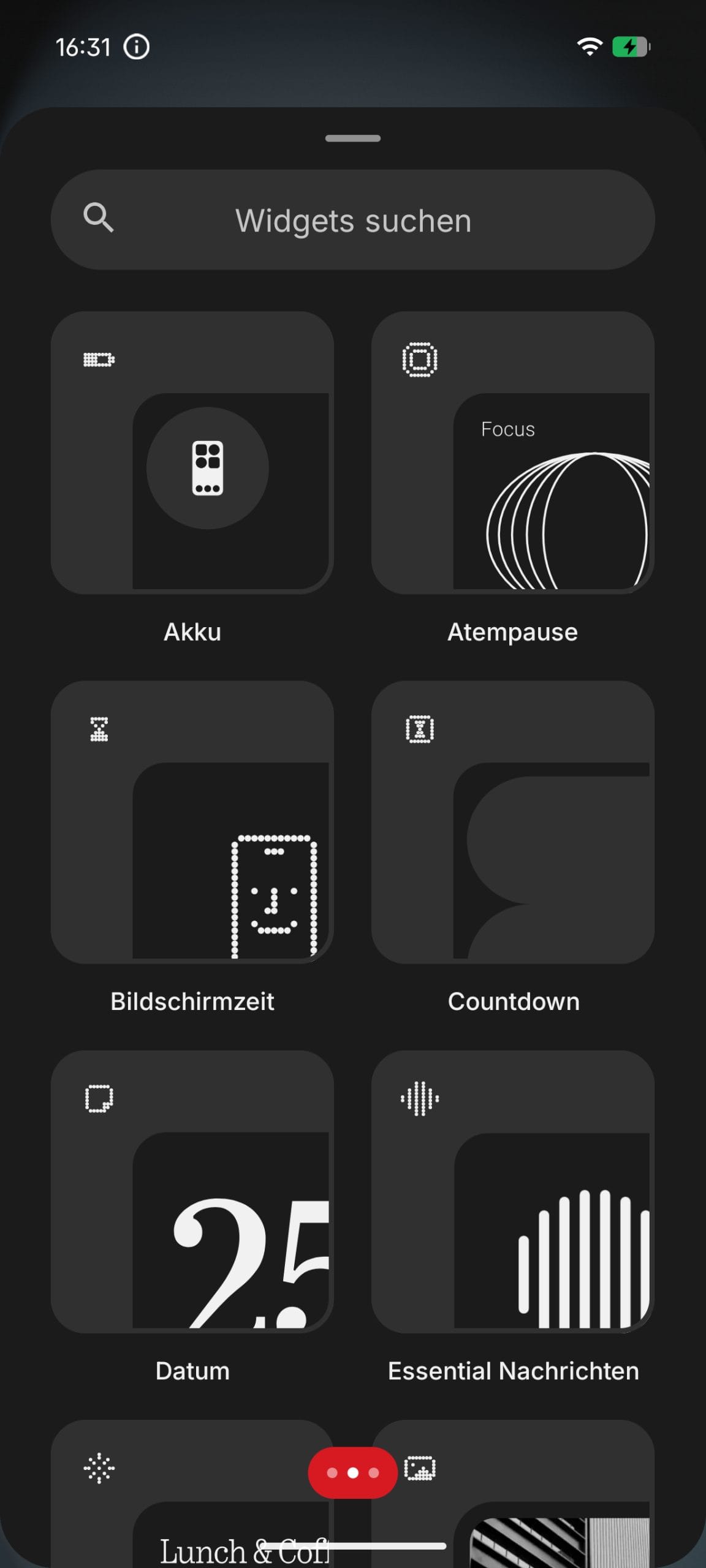
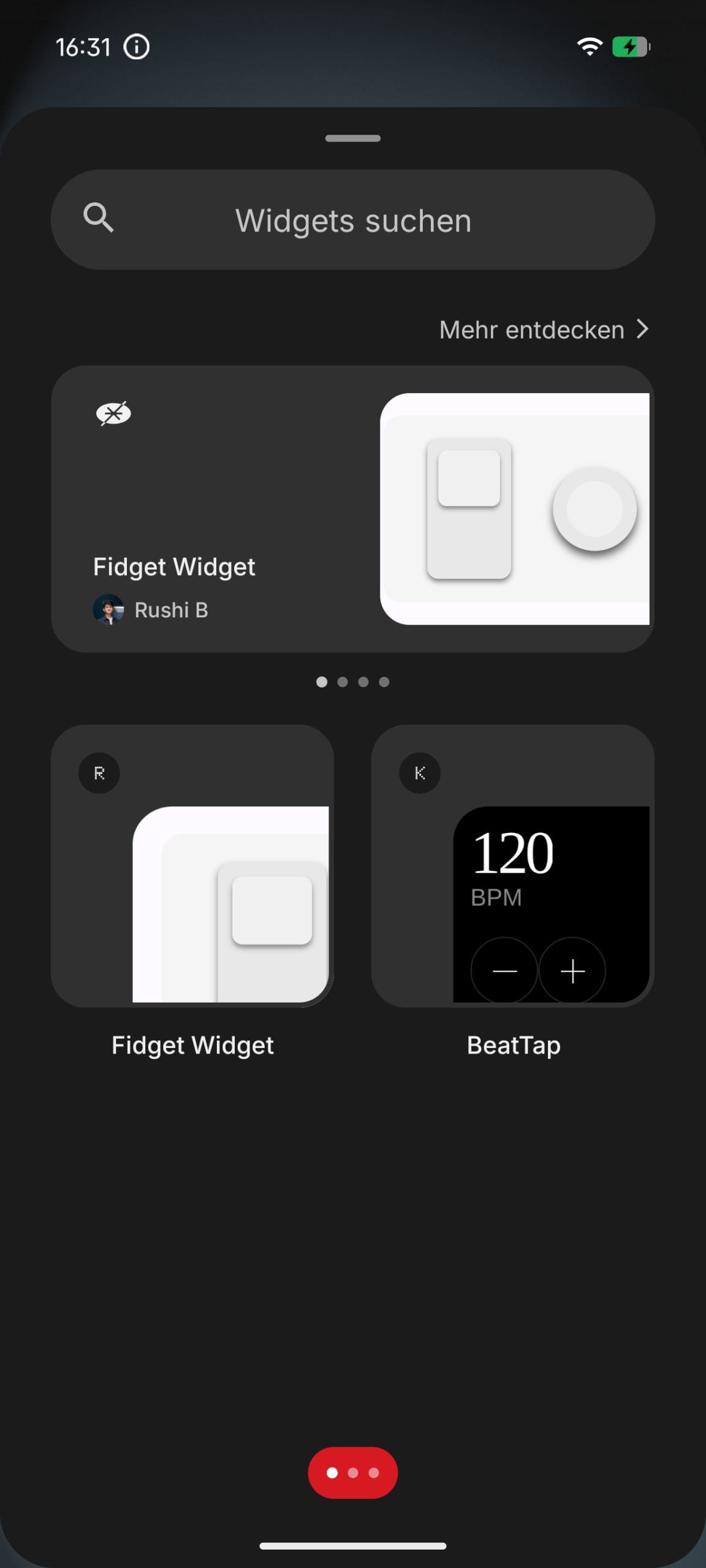
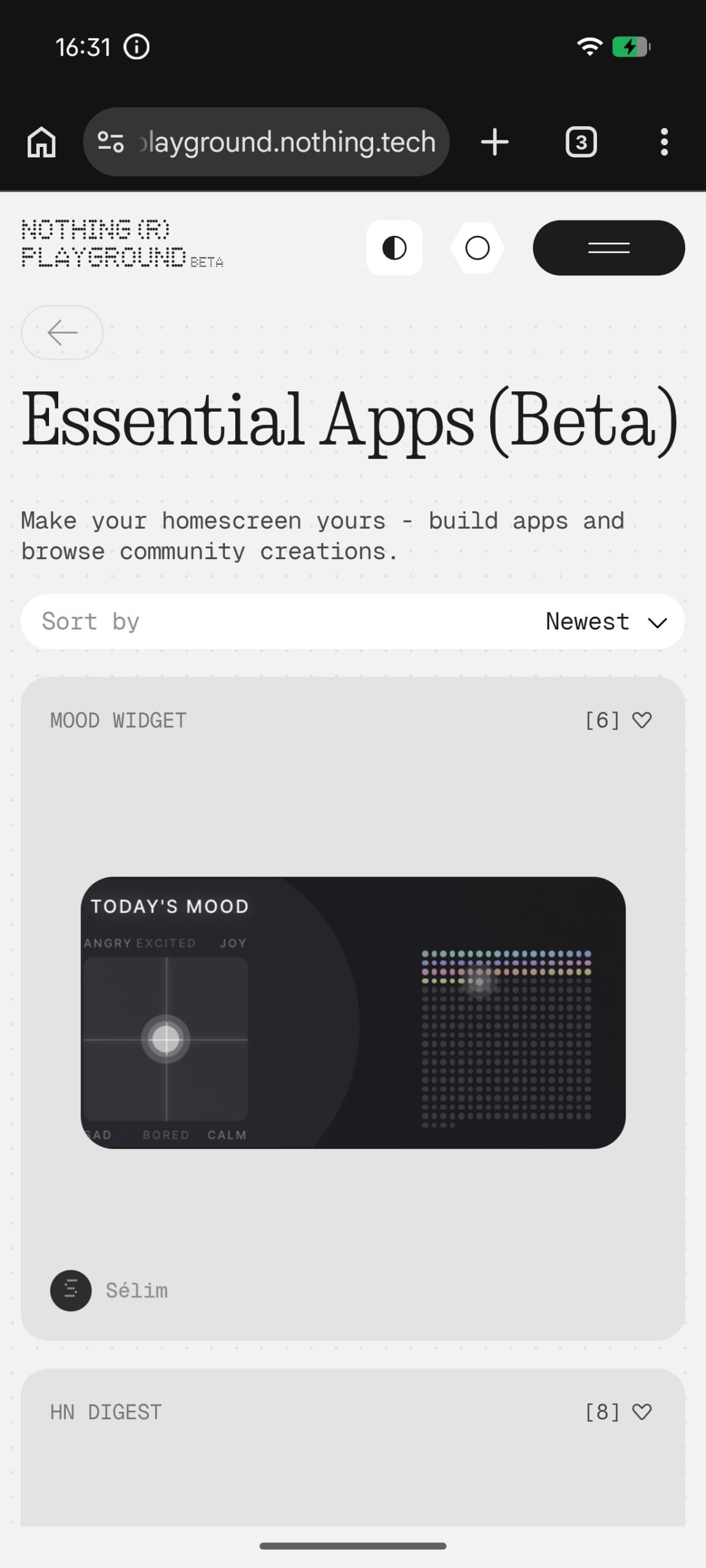
The approach is somewhat reminiscent of a no-code workshop for small everyday helpers. Instead of traditional app programming, you simply describe what the widget should do, such as display information or organise specific content. To keep these community apps safe, Nothing uses a controlled system. New Essential Apps are reviewed before publication and then run in an isolated sandbox environment.
Nothing Phone (4a): Camera
With the Phone (3a), Nothing introduced a telephoto camera with 2x optical zoom to the a-series for the first time. The Phone (4a) takes the next step, featuring a periscope camera with 3.5x optical zoom that offers even more flexibility for distant subjects.
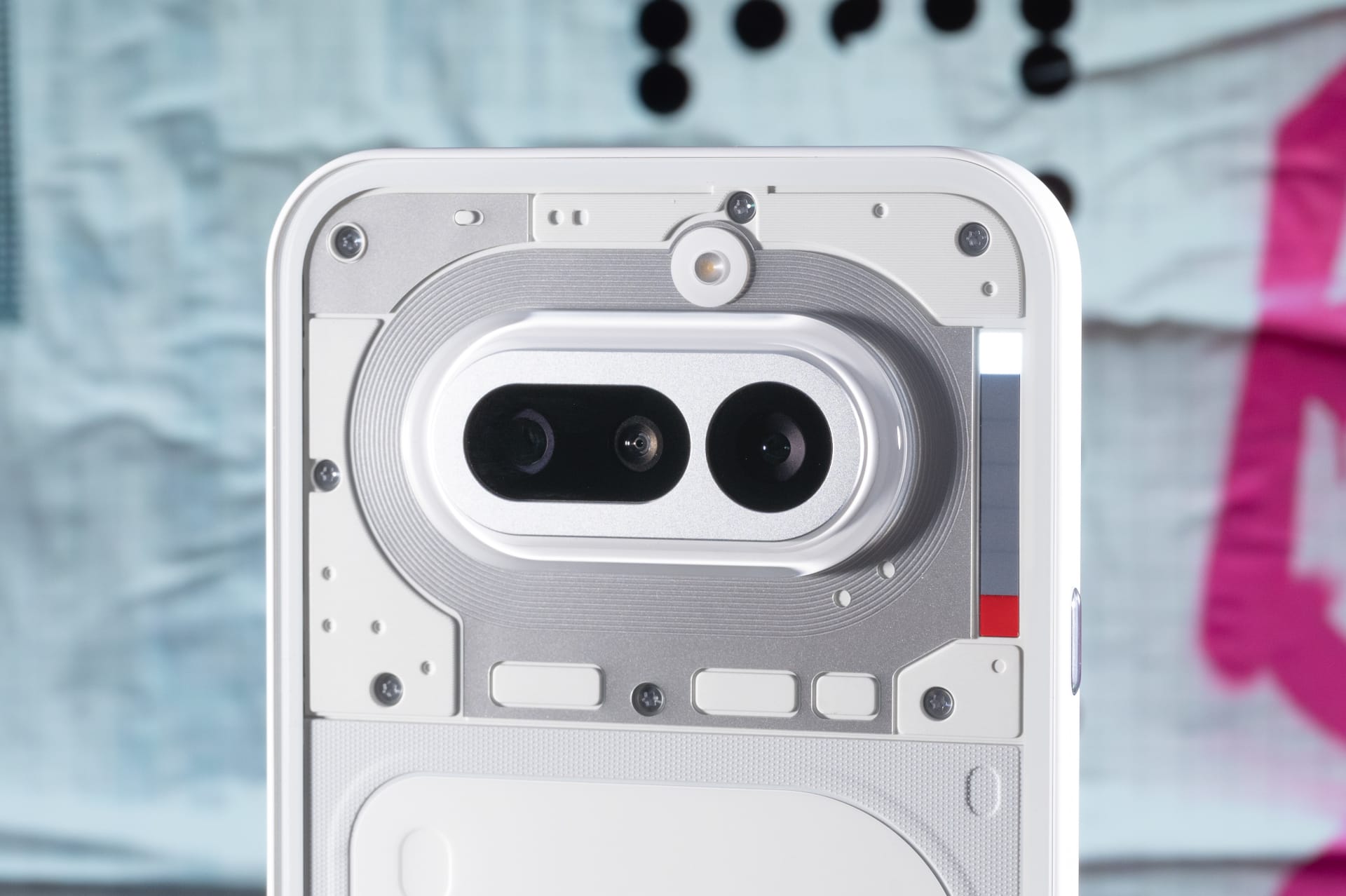
Periscope camera
The periscope camera uses a 50 MP Samsung JN5 sensor with a 1/1.57-inch sensor size, f/2.88 aperture, optical and electronic image stabilisation, and autofocus.

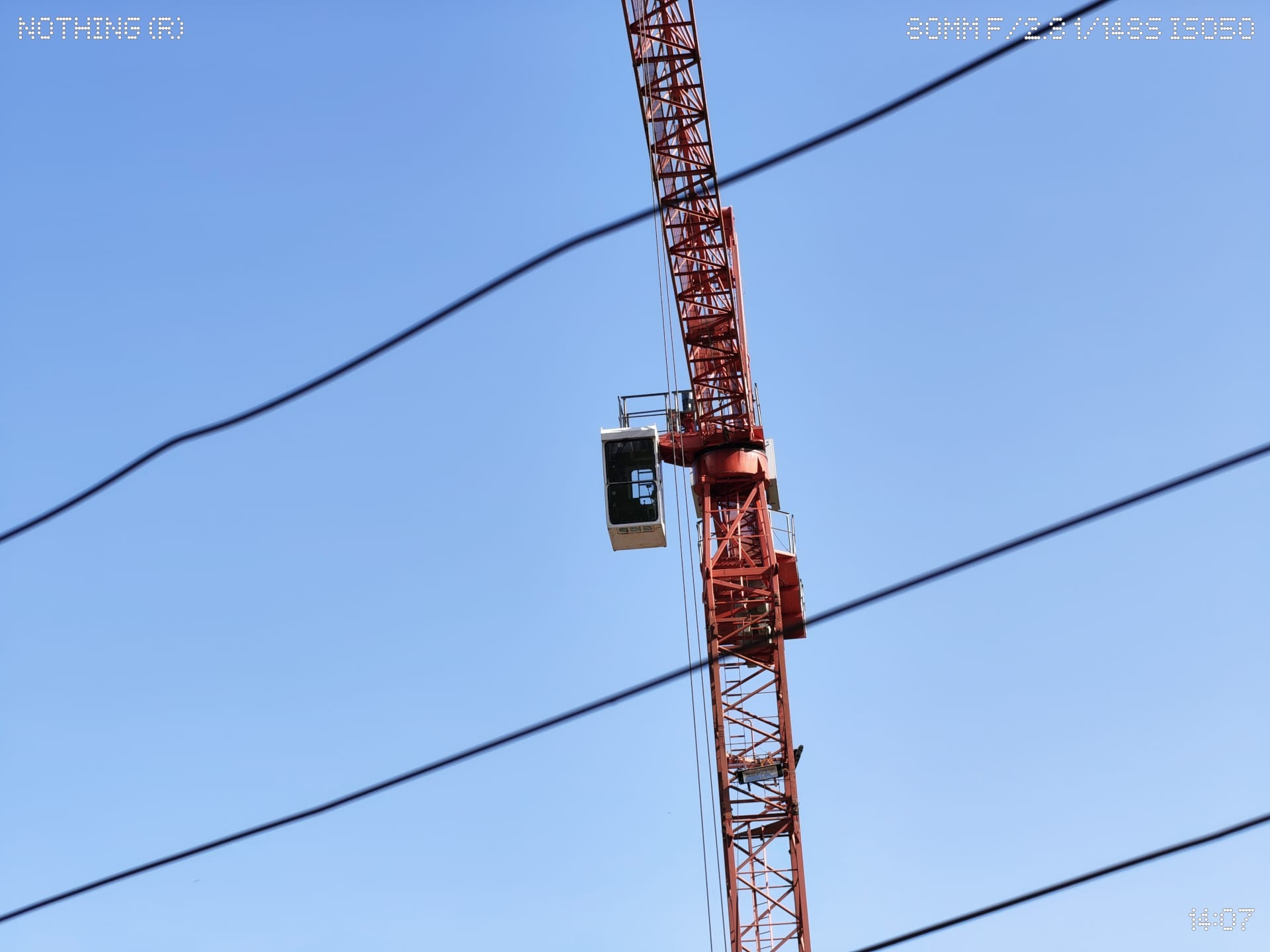
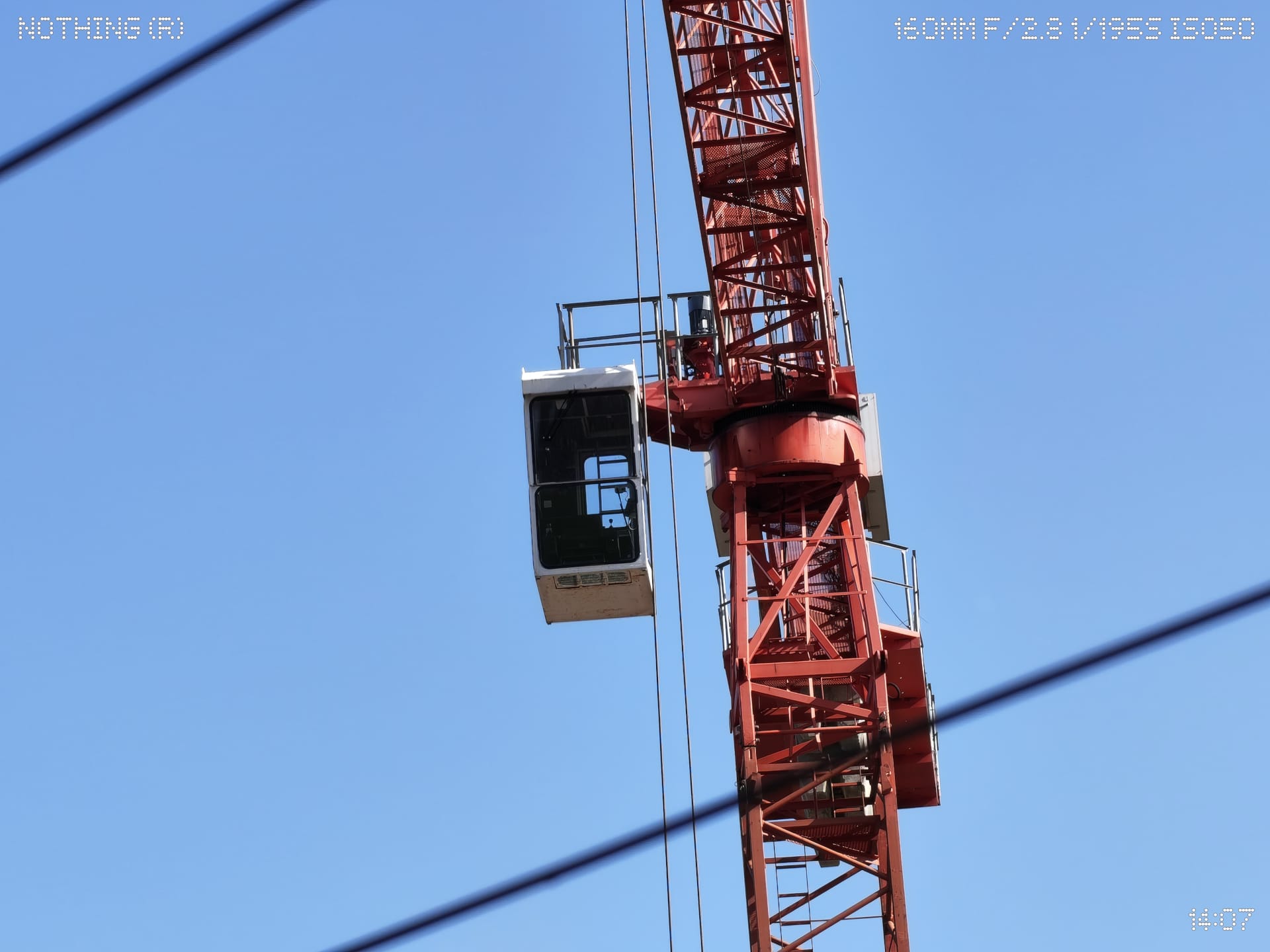
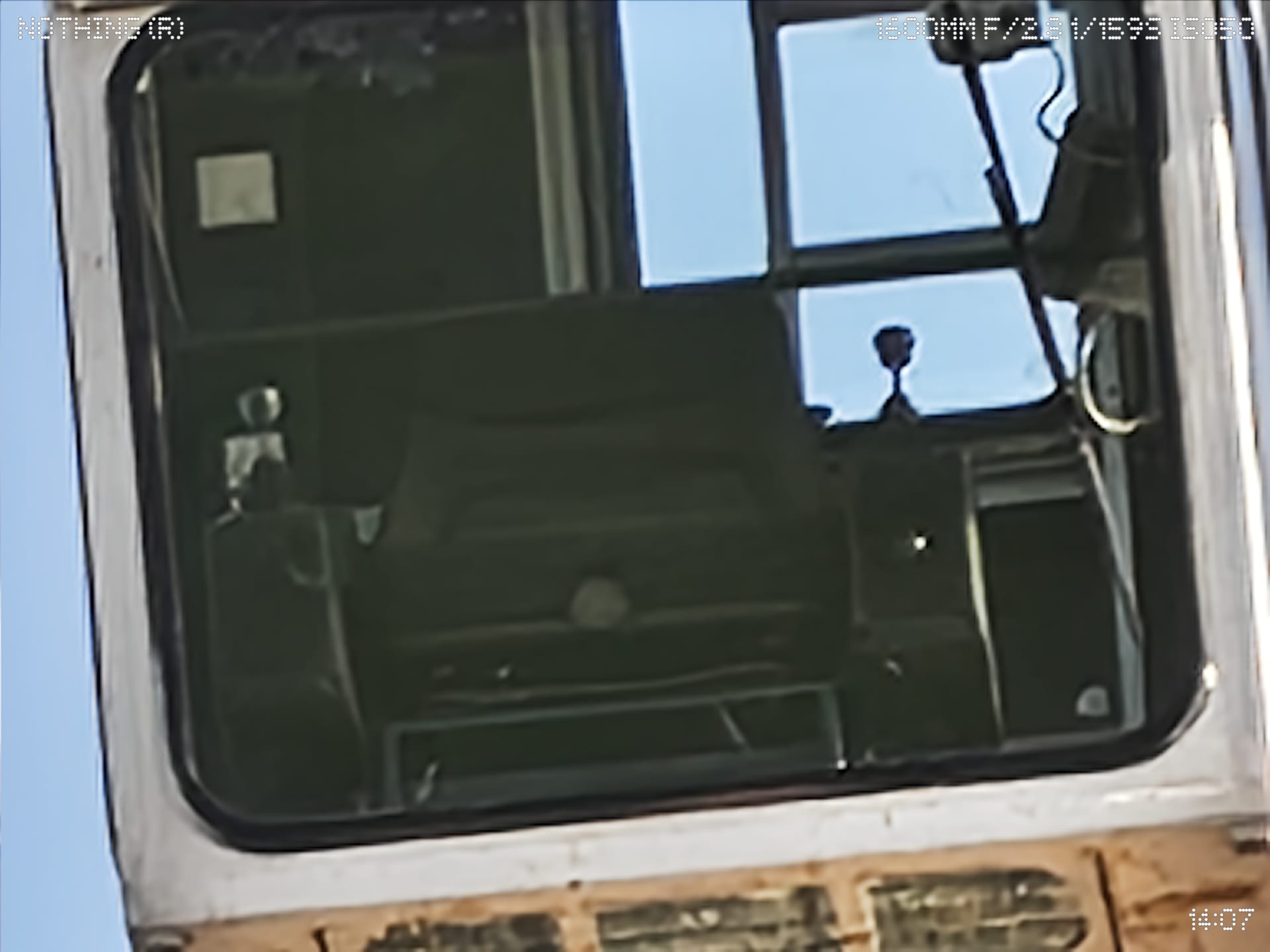
It enables 3.5x optical zoom and up to 7x in-sensor zoom. The camera also offers digital Ultra Zoom of up to 70x, although, as expected, this relies heavily on software interpolation.
This lets you capture subjects from a comfortable distance, while backgrounds blur more naturally and images gain depth overall. The perspective offered by the longer focal length often looks much more interesting than that of the main camera, especially for people, architecture or spontaneous street scenes. The periscope camera’s sharpness, level of detail and colour reproduction impress in testing.


Main camera
The main camera also uses a 50 MP sensor, the Samsung GN9, with a sensor size of 1/1.57 inches and an aperture of f/1.88. A combination of optical and electronic image stabilisation also compensates for unsteady hands.
The photos are sharp and detailed, with relatively natural colors. The sensor is particularly impressive in daylight, delivering solid dynamic range and balanced contrast without oversaturating colors.


Ultra-wide-angle camera
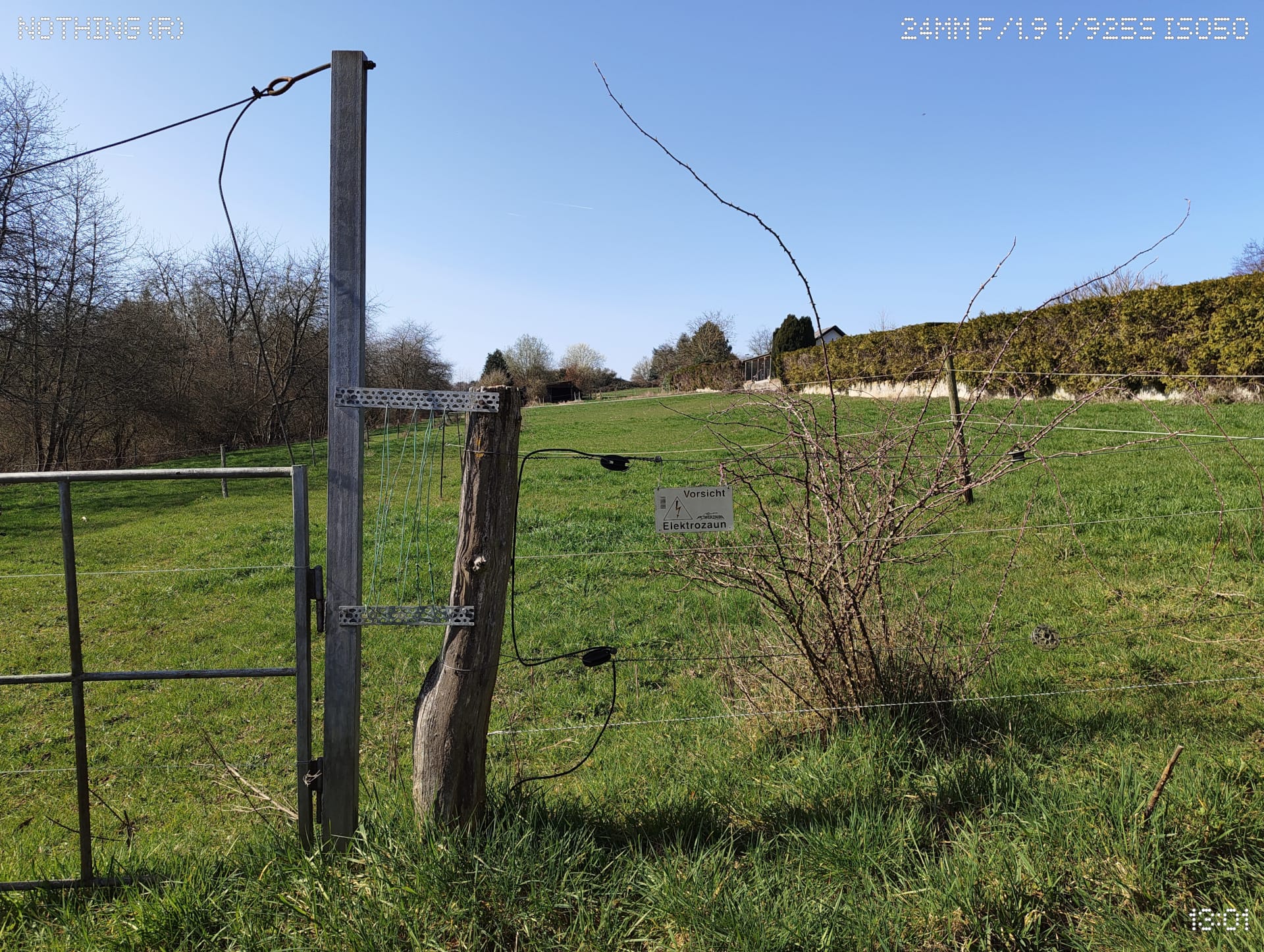
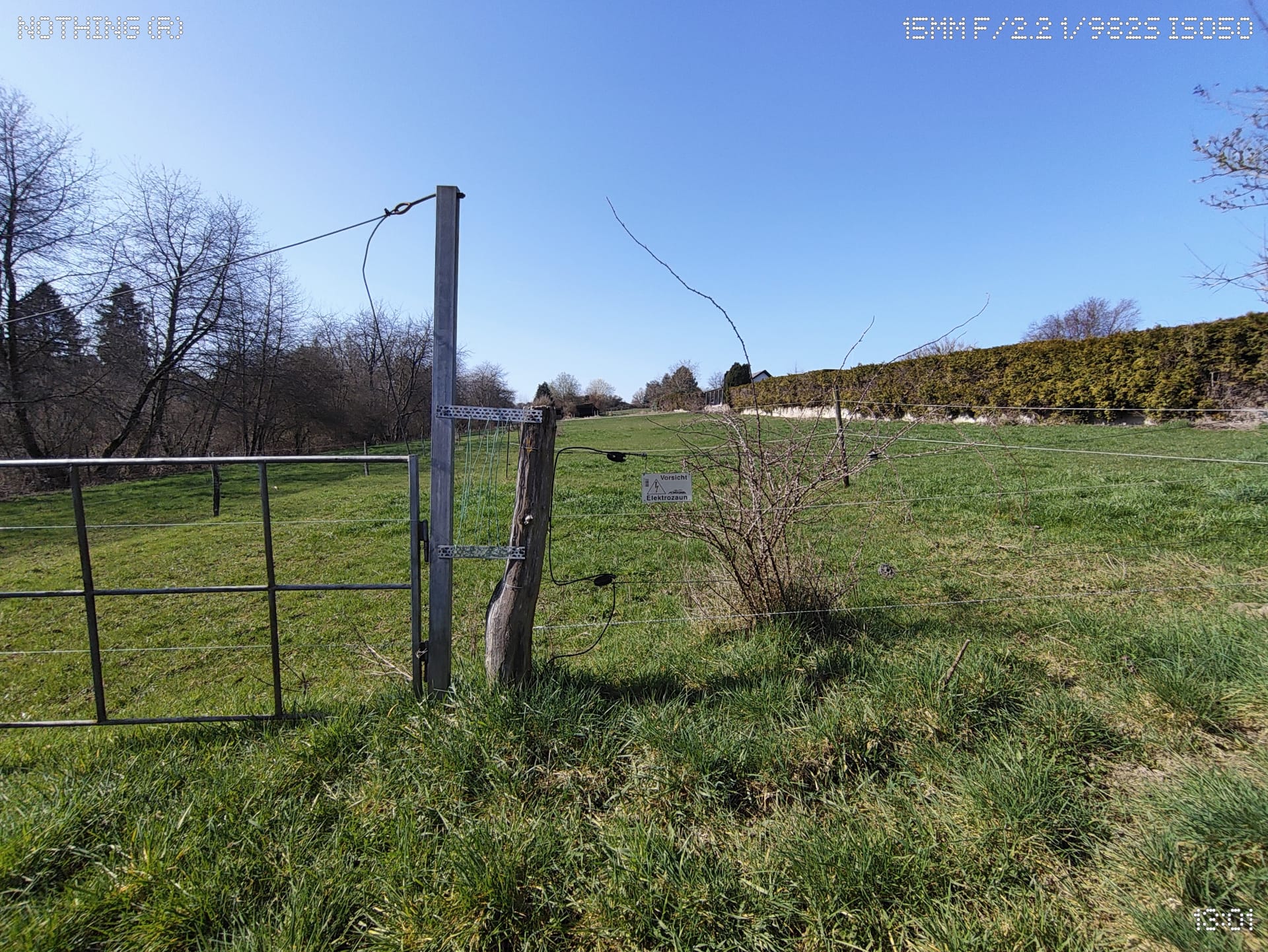
The triple-camera setup is rounded out by an 8 MP ultrawide camera (Sony IMX355) with a 120-degree field of view. This is a familiar sensor that was already used in the Phone (3a). It is still well suited to landscape shots and group photos, but visibly trails the main camera in detail and dynamic range. Structures look a little softer, especially at the edges of the image, which is no great surprise in this price range.
All three cameras are well matched in terms of color, with color temperature and contrast remaining largely consistent when switching between focal lengths. The periscope camera simply exposes images very slightly brighter and emphasizes highlights a little more. Bright areas, such as reflective facades or white surfaces, therefore look a little more vivid without appearing overexposed.
Front camera
On the front, as on the Phone (3a), there is a 32 MP selfie camera (Samsung KD1) with an f/2.2 aperture and an 89-degree field of view. The hardware remains unchanged, but it still delivers sharp selfies with relatively neutral skin tones and enough dynamic range for social media photos or video calls.
Night shots
At night, the Phone (4a) automatically activates its night mode when lighting conditions become more challenging. The camera extends the exposure time to around one to two seconds and combines several shots into one image. Even in fairly dark scenes, the smartphone can still bring out a surprising amount of detail in shadow areas, although the results are somewhat soft. Facades, street signs and paving patterns remain recognisable without the images turning into a pixelated mess or looking artificially brightened.
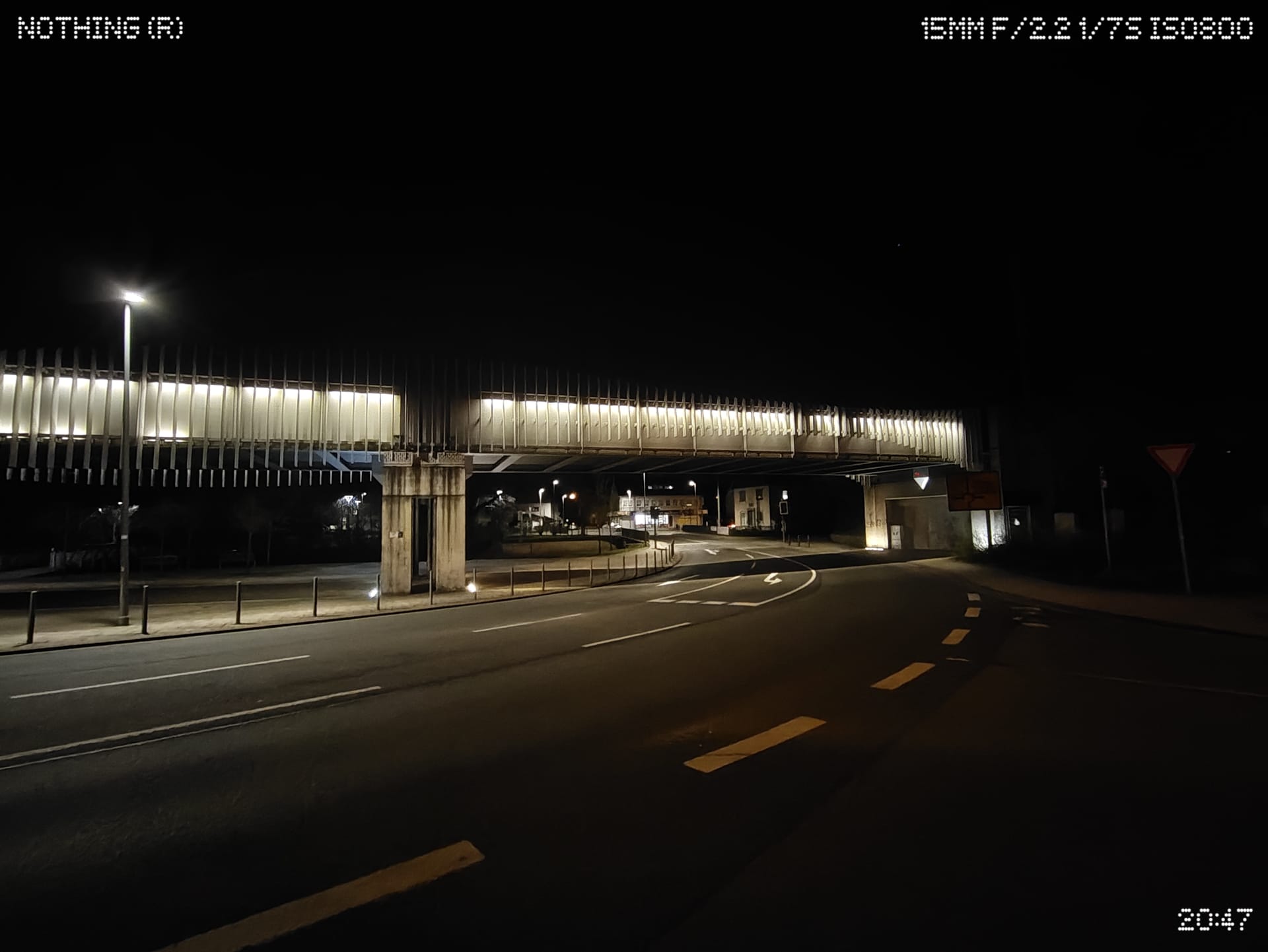
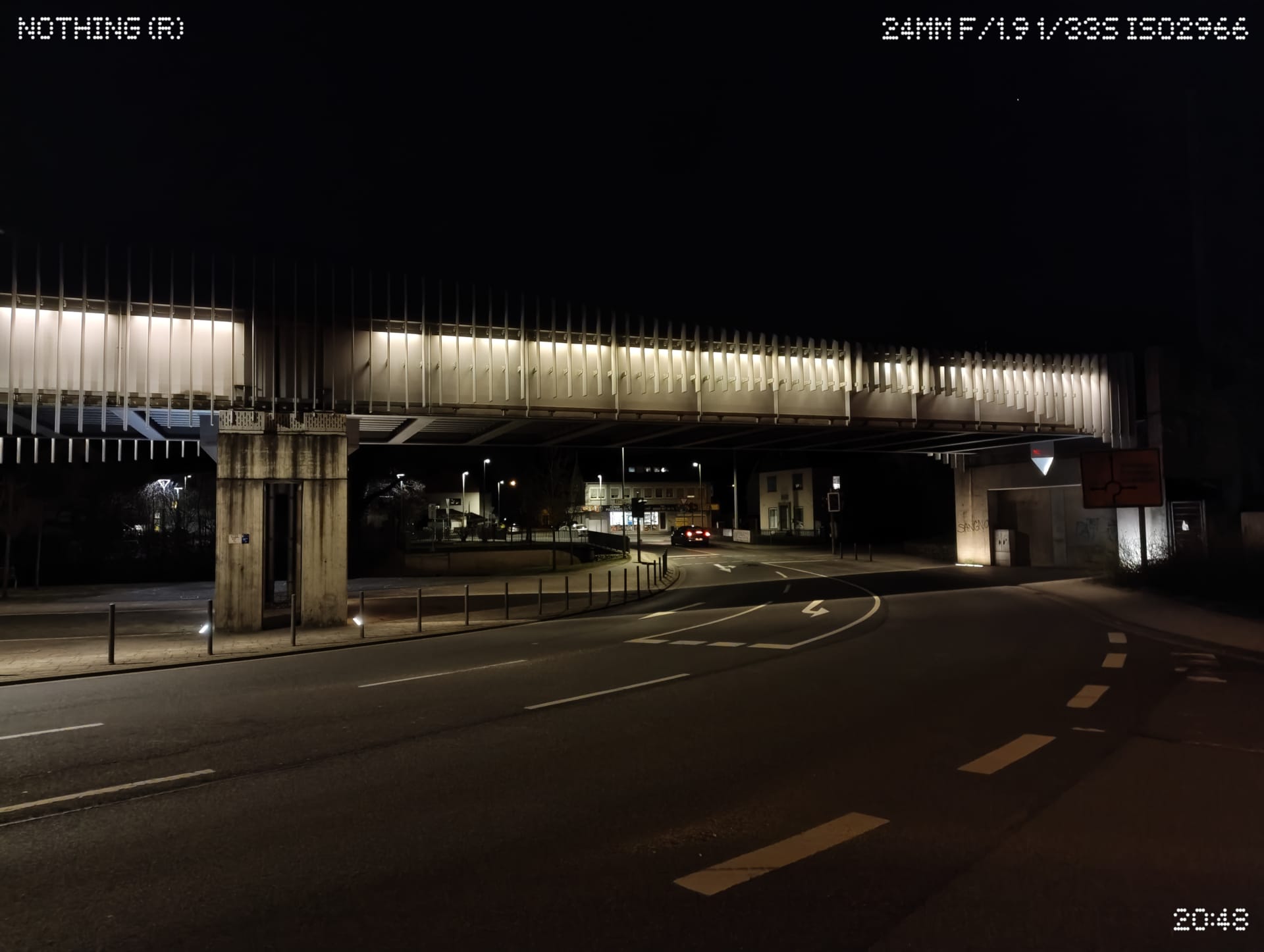
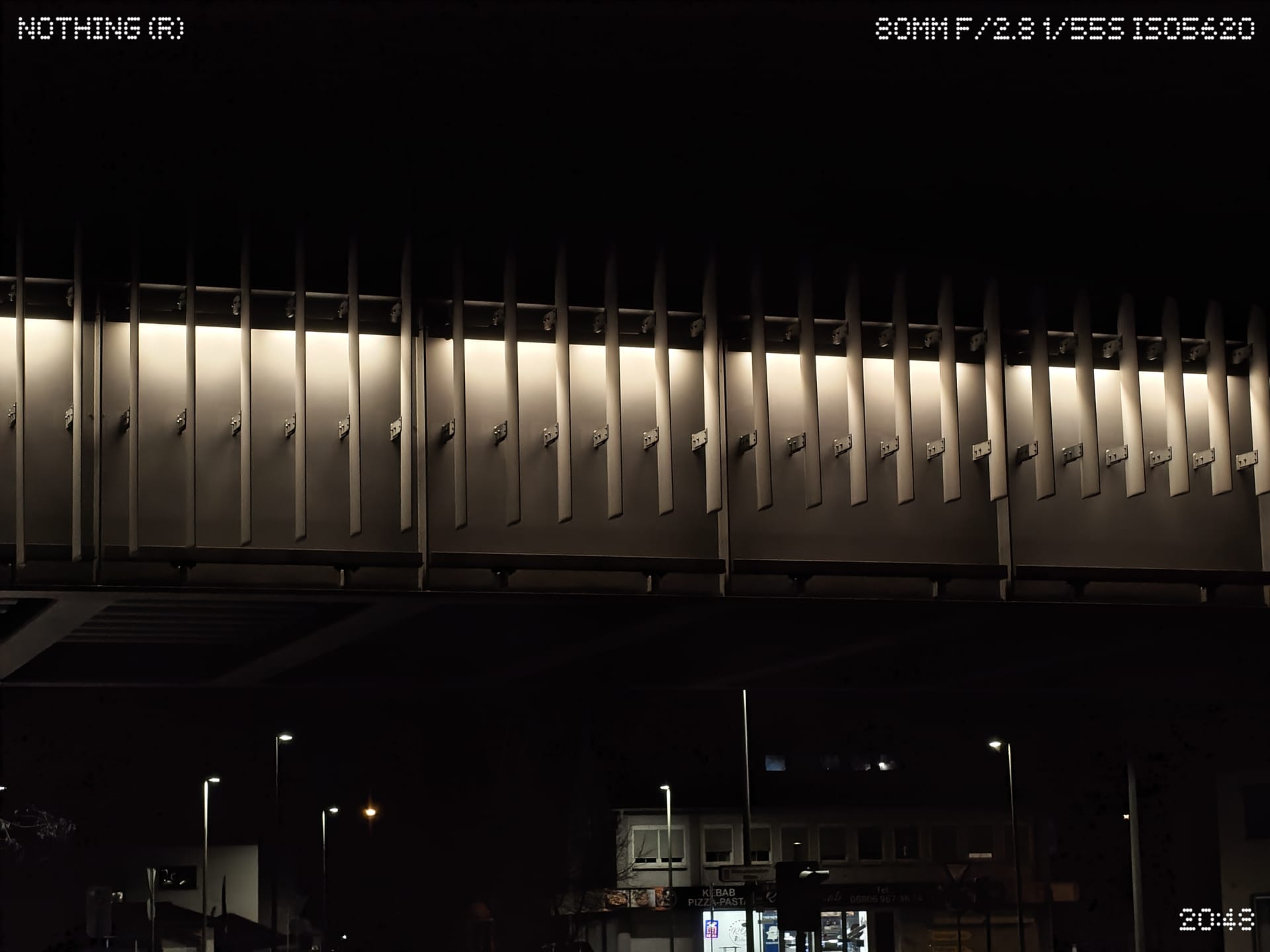
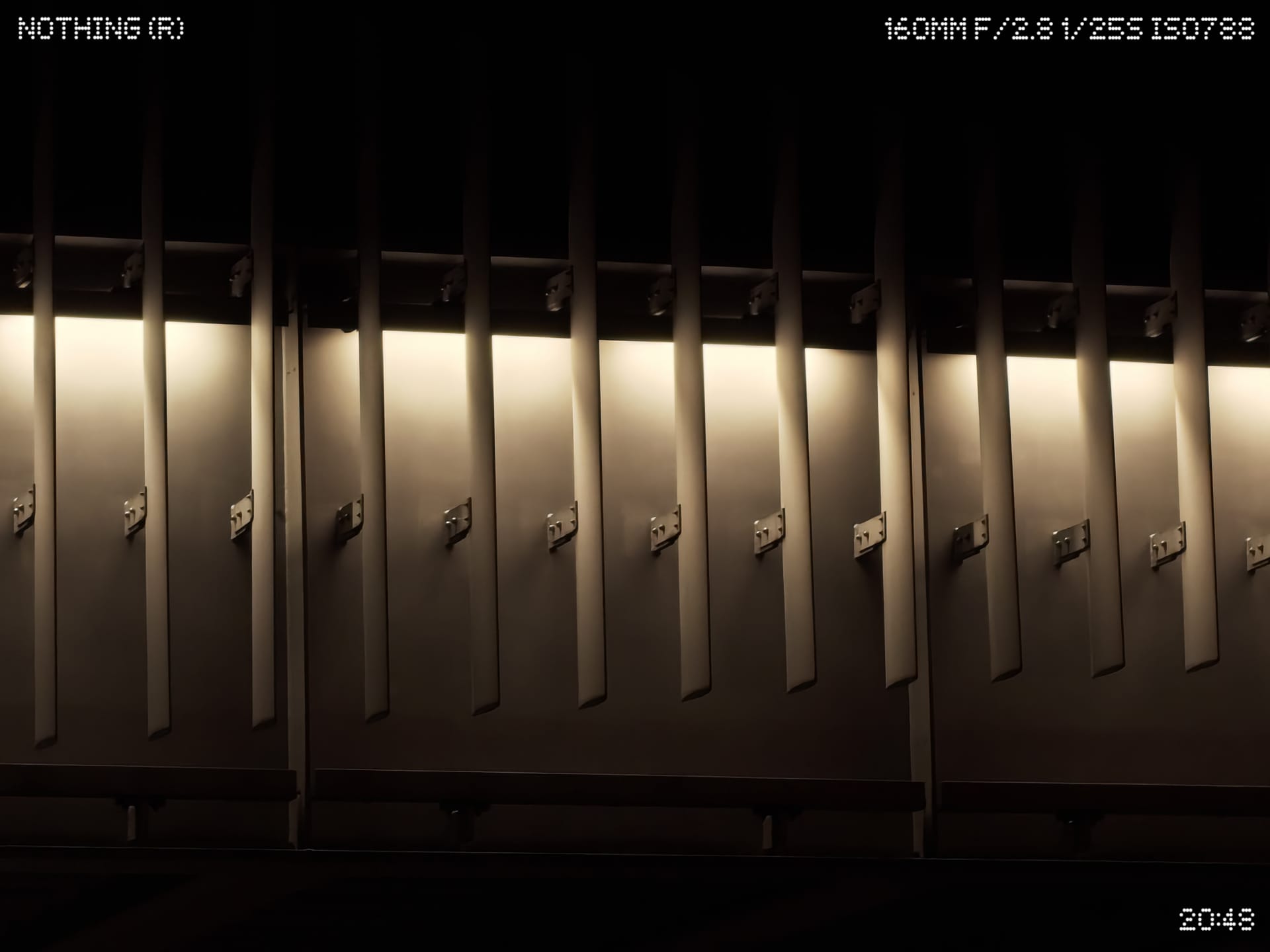
Like many smartphone cameras, the Phone (4a) also tends to blow out bright light sources. This is particularly noticeable with glaring street lamps or illuminated shop windows, where a bright halo or slight flares appear around the light source. This is not unusual, but it stands out quickly in high-contrast night scenes.
Night shots also tend to have a slightly warm colour cast. Street lighting is often rendered with a slight yellow tint, which does not always fully reflect reality but creates a more pleasant and natural mood in many scenes than an overly cool rendering. Overall, the night mode delivers convincing results for a mid-range device, as long as you can live with extremely bright light sources in the frame.
TrueLens Engine 4.0
For image processing, Nothing uses TrueLens Engine 4.0. This combines HDR processing, scene recognition, and AI-powered optimization in a range of different features. These include Ultra XDR for extended dynamic range, Auto Tone for automatic color and contrast adjustments, and Portrait Optimiser, which aims to render faces and skin tones more naturally. Motion Capture for moving subjects and a dedicated macro mode for close-ups round out the package.
In everyday use, the engine works largely unobtrusively in the background. Exposure, colours and contrast are adjusted automatically, so photos look balanced straight after they are taken. HDR processing helps preserve detail, especially in high-contrast scenes with bright skies and dark shadows, without making images look unnaturally artificial. Overall, the image processing is fairly restrained, avoiding overly aggressive sharpening or excessive colour saturation.
Presets
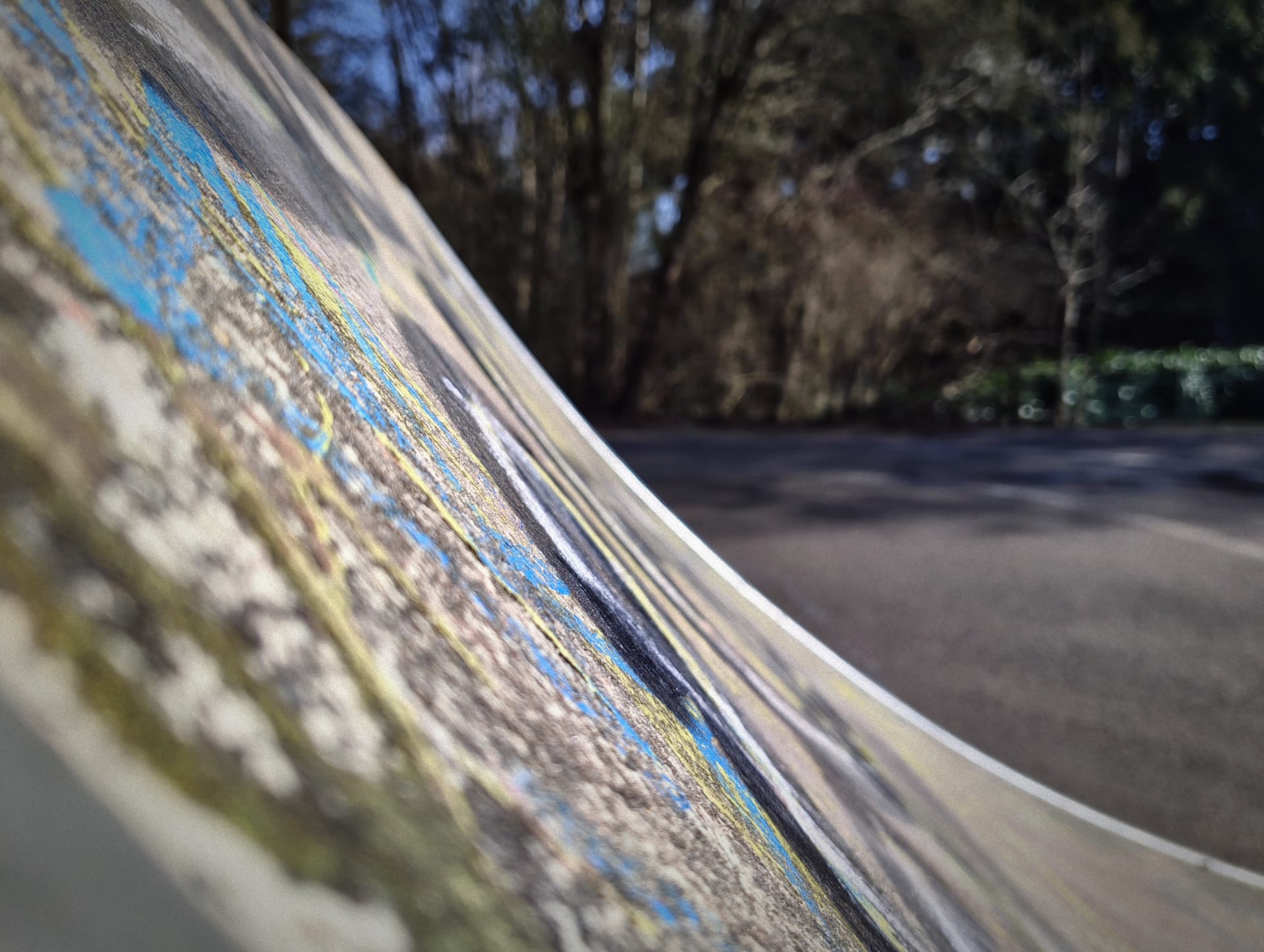
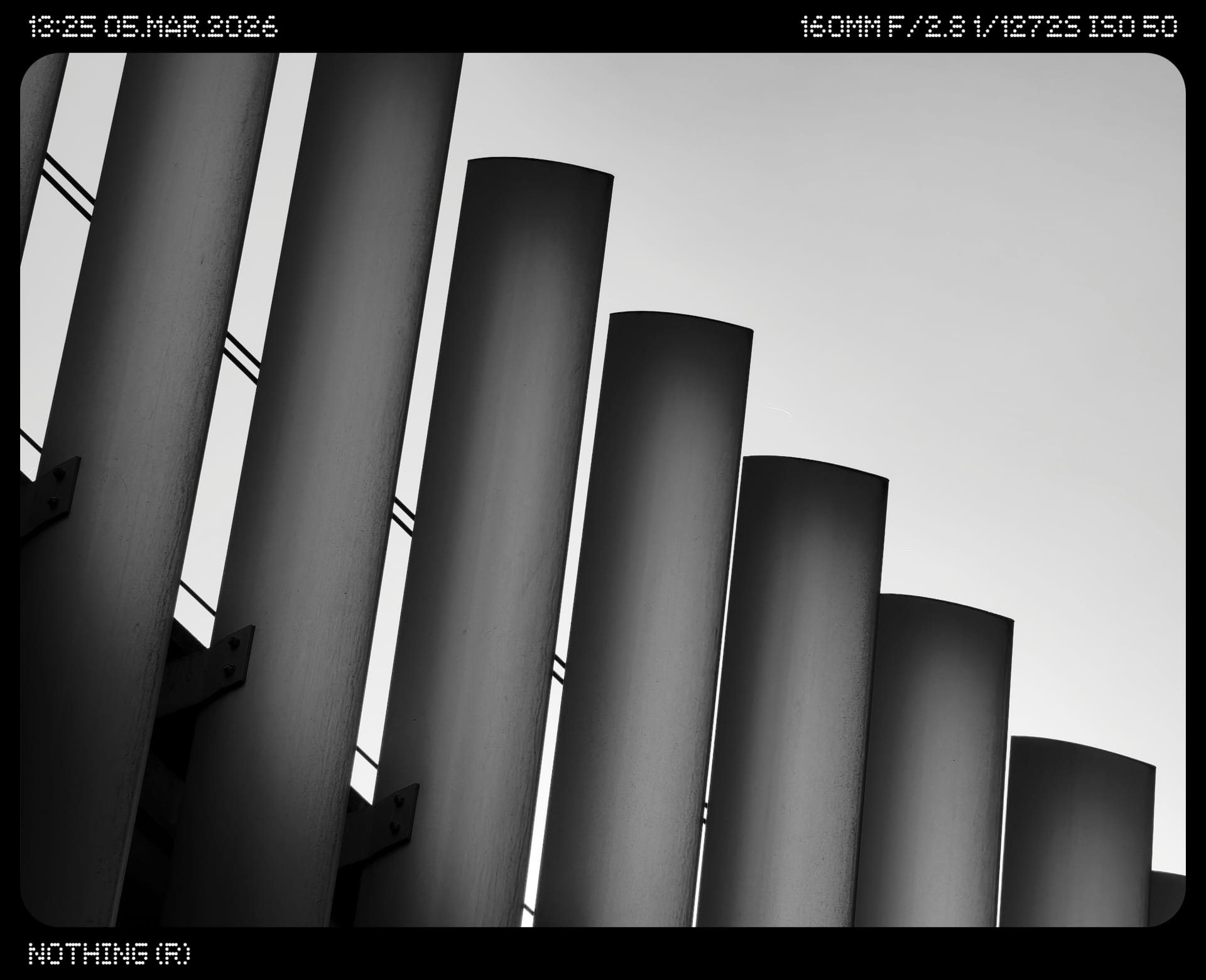
Ten preconfigured presets are available, changing the look of a photo through contrast, colour temperature or saturation. Unlike conventional filters, they do not look like an effect added afterwards; instead, they influence the mood of the image as it is being taken. Depending on the preset, photos take on a warmer, more contrast-rich or more cinematic character. You can create and save your own presets directly in the Nothing camera app and share them via QR code.

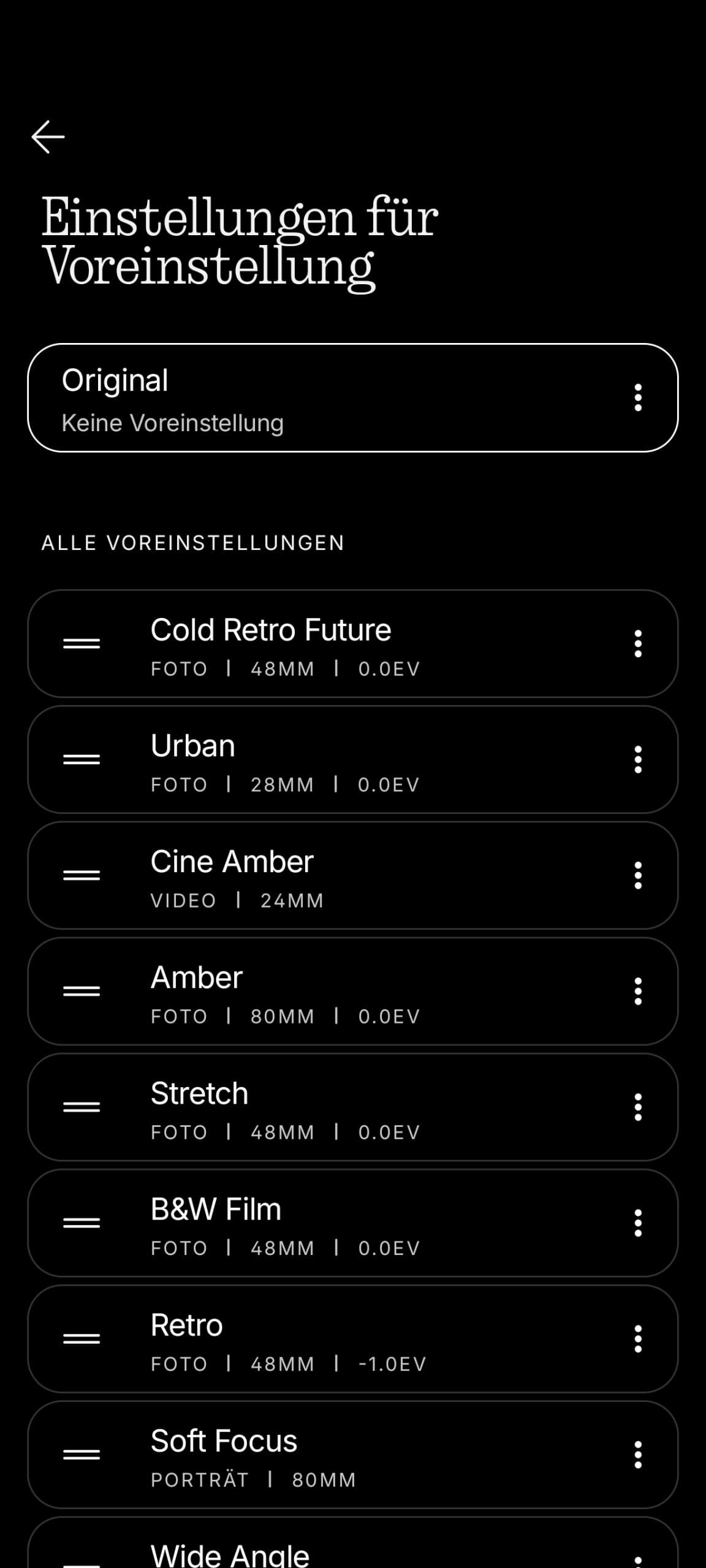

If you want to add a little more personality to your images quickly, the presets are a great source of inspiration. Switching presets can suddenly give a subject a completely different look, and encourages you to try the same subject with several different styles.
If you use a preset when taking photos, bear in mind that you can't change it later in the image editor. Additional filters are available there, but they are simply applied over the finished image rather than replacing the preset you originally chose. You can still adjust watermarks and frames, though.



Video
Videos can be recorded with the main camera in 4K at 30 frames per second. Alternatively, 1080p at up to 60 fps and Full HD slow-motion recording at 120 fps are available. The Phone (4a) also supports Ultra XDR video in 1080p, which is designed to provide greater dynamic range in high-contrast scenes. Time-lapse recordings are also possible in 4K or 1080p.
Nothing Phone (4a): Connectivity
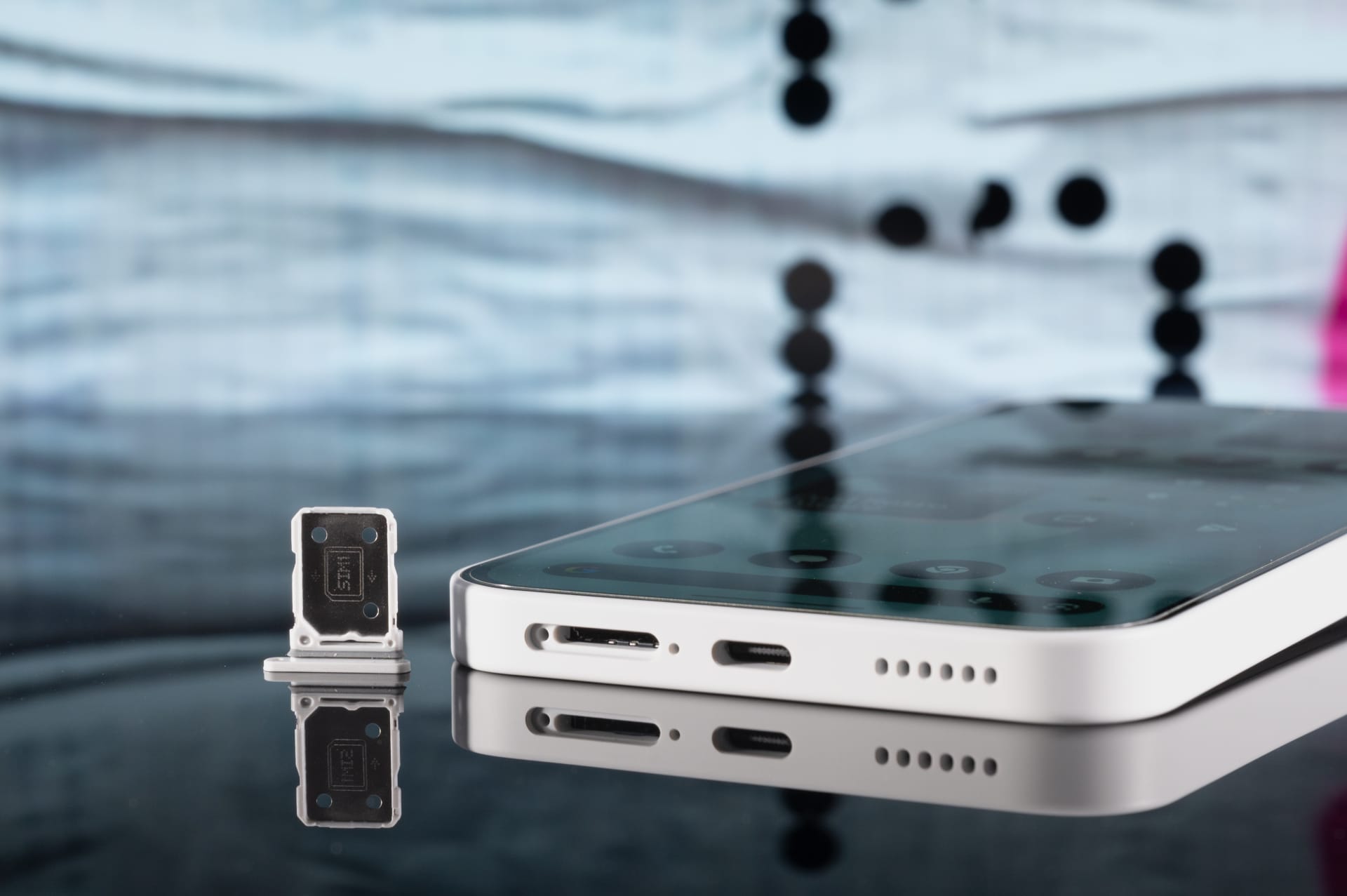
The Phone (4a) is solidly equipped when it comes to connectivity. For mobile networks, the device supports 5G in dual mode (NSA and SA), as well as a broad selection of global LTE and 5G bands. Two Nano-SIM cards can be used simultaneously. eSIM support is also available, but exclusively for the Japanese market, which is a little disappointing for European users.
Connections remain stable in everyday use. For wireless networking, the smartphone supports Wi-Fi 6 (802.11ax) with 2x2 MIMO, enabling high data rates and stable connections even on heavily loaded networks. Bluetooth uses Bluetooth 5.4, providing a reliable connection to headphones, smartwatches and other devices. NFC is also included and allows contactless payments via Google Pay, among other things.
For location services, Phone (4a) uses several satellite systems, including GPS, GLONASS, Galileo, BDS and QZSS. In practice, this combination delivers fast positioning and stable navigation, for example when using map apps or tracking outdoor activities.
For sound, Nothing relies on dual stereo speakers and two microphones for voice recordings. The speakers deliver balanced sound with clear treble and enough volume for videos or games. However, you should not expect miracles from the bass.
The fingerprint sensor is built into the display and works reliably and quickly enough. However, Nothing has placed it a little low on the panel. In everyday use, this means your thumb has to reach further down to unlock the phone than on many other devices. This can occasionally require a bit of finger acrobatics, especially when using it one-handed.
Nothing Phone (4a): Battery
Nothing has largely kept the battery at the same level as its predecessor. The Phone (4a) has a 5,080 mAh battery, only a small increase over the Phone (3a)'s 5,000 mAh. The Indian version of the device is an exception, with a slightly larger 5,400 mAh battery.
In everyday use, however, its capacity is easily enough to last a full day. Messaging, social media, navigation, and occasional photos or videos reliably get the device through to the evening. With moderate use, it can also last well over a day.
Charging speeds are also unchanged. The Phone (4a) supports 50-watt wired fast charging, just like the Phone (3a). A full charge from 0 to 100 per cent takes around 64 minutes, while reaching around 50 per cent takes about 22 minutes. Reverse charging via cable is supported.
The Phone (4a) still does not offer wireless charging. This is no great surprise in the mid-range segment, but it remains a feature that is now more common on some competing devices.
Our verdict
Nothing’s philosophy carries through to the new generation. The transparent design has evolved, looks a little more futuristic, and remains a guaranteed eye-catcher. The new Glyph Bar fits seamlessly into the concept, and Nothing OS remains one of the cleanest Android experiences on the market.
Technically, the Phone (4a) also delivers exactly what you would expect from a good mid-range smartphone. The display is bright and sharp, the Snapdragon 7s Gen 4 ensures smooth everyday performance, and the new periscope camera brings a surprisingly versatile zoom option to this price range. It opens up perspectives when taking photos that you would normally associate with more expensive devices.
Even so, the overall package is not perfect. The battery has grown only slightly, eSIM is available only in Japan, and the ultra-wide-angle camera is merely average. But, as with previous Nothing devices, it is less about individual spec-sheet boxes being ticked than the overall experience — something Nothing has captured very well again with the Phone (4a).
Specifications
Processor and memory
- CPU
- Qualcomm Snapdragon 7s Gen 4 (4 nm, TSMC Gen 2)
- – 8-core Qualcomm Kryo, up to 2.7 GHz
- GPU
- Qualcomm Adreno GPU
- NPU
- Qualcomm Hexagon NPU
- RAM
- 8 GB / 12 GB (LPDDR4X)
- Internal storage
- 256 GB (UFS 3.1)
- Storage expansion
- Not supported
Display
- Display size
- 6.78 inches
- Display resolution
- 2720 × 1224 pixels (440 PPI)
- Display refresh rate
- 30–120 Hz (adaptive)
- Display brightness
- – Peak brightness
- 4,500 nits
- – Outdoor
- 1,600 nits
- – Average
- 800 nits
- Display type
- LTPS flexible AMOLED
- Colour reproduction
- 1.07 billion colours (10-bit)
- Contrast
- 1.000.000:1
- Touch sampling rate
- – 480 Hz (standard)
- – 2,500 Hz (gaming mode)
- PWM frequency
- 2,160 Hz
- Protective glass
- Corning Gorilla Glass 7i
Cameras
- Main camera (wide-angle)
- – 50 MP Samsung GN9, f/1.88, 1/1.57"
- – 84.5° field of view
- – OIS, EIS
- – PDAF autofocus
- Periscope camera (telephoto)
- – 50 MP Samsung JN5, f/2.88, 1/2.75"
- – 49.5° field of view
- – OIS, EIS
- – 3.5× optical zoom
- – 7× in-sensor zoom
- – 70× ultra zoom
- Ultra-wide-angle camera
- – 8 MP Sony IMX355, f/2.2
- – 120° field of view
- Front camera
- – 32 MP Samsung KD1, f/2.2, 1/3.42"
- – 89° field of view
- Features
- TrueLens Engine 4.0, Ultra XDR, Auto Tone, Portrait Optimiser, Motion Capture, Night Mode, Macro Mode
- Video recording
- – 4K at 30 FPS
- – 1080p at 60/30 FPS
- – 1080p Ultra XDR at 30 FPS
- – Slow motion
- 1080p at 120 FPS
- – Time-lapse
- 4K / 1080p
Mains
- Dual SIM
- Yes (Nano + Nano)
- eSIM
- Japan only
- Mobile network technologies
- GSM / UMTS / LTE / 5G
- 5G modes
- SA / NSA
- 2G
- GSM 850 / 900 / 1800 / 1900
- 3G
- – UMTS B1 / B2 / B4 / B5 / B6 / B8 / B19
- 4G (RoW)
- – LTE B1 / B2 / B3 / B4 / B5 / B7 / B8 / B12 / B17 / B18 / B19 / B20 / B26 / B28 / B38 / B40 / B41 / B42 / B48 / B66 / B71
- 5G (RoW)
- – n1 / n2 / n3 / n5 / n7 / n8 / n12 / n20 / n28 / n38 / n40 / n41 / n48 / n66 / n77 / n78
Wireless
- Wi-Fi
- Wi-Fi 6, 802.11 a/b/g/n/ac/ax (2.4 GHz / 5 GHz), 2×2 MIMO, MU-MIMO, OFDMA, Wi-Fi Direct, TWT, Advanced Hotspot
- Bluetooth
- 5.4
- GPS
- GPS (L1), GLONASS (G1), BDS (B1I), Galileo (E1), QZSS (L1)
- NFC
- Yes (Google Pay supported, except in India)
- Antenna
- 360° antenna system
Sensors
- In-display optical fingerprint sensor
- Accelerometer
- Gyroscope
- Electronic compass
- Proximity sensor
- Ambient light sensor (front)
Battery
- Battery (Europe / RoW)
- 5,080 mAh
- Battery (India)
- 5,400 mAh
- Fast charging
- 50 W wired
- Charging time
- – 1–100 %
- approx. 64 minutes
- – 0–50 %
- approx. 22 minutes
Audio
- Speakers
- Dual stereo speakers
- Microphones
- 2 high-definition microphones
Multimedia formats
- Audio formats (playback)
- MP3, AAC, AAC+, WMA, AMR-NB, AMR-WB, WAV, FLAC, APE, OGG, MID, M4A, IMY, AC3, EAC3, EAC3-JOC, AC4
- Audio formats (recording)
- WAV, AAC, AMR
- Video formats (playback)
- MKV, MOV, MP4, H.265 (HEVC), TS, 3GP, FLV, WEBM
- Video formats (recording)
- MP4
- Image formats
- JPEG, PNG, BMP, GIF, WEB, HEIF, HEIC, DNG
Operating system
- OS
- Nothing OS 4.1 (based on Android 16)
- Software updates
- – 3 years of Android updates
- – 6 years of security patches
Glyph Interface
- 63 mini LEDs
- 6 individually addressable zones
- Functions
- – Generative ringtones
- – Glyph Timer
- – Essential Notifications
- – Live Notifications
- – Volume display
- – Glyph Torch
- – Glyph Progress
- – Flip to Glyph
- – Flip to Record
- – NFC indicator
- – Bedtime schedule
- – Camera countdown
Design & dimensions
- Water and dust resistance
- IP64
- Also tested
- down to a water depth of 25 cm for 20 minutes
- Dimensions
- 163.95 × 77.57 × 8.55 mm
- Weight
- 204,5 g
What’s included
1x Nothing Phone (4a) 1x Nothing USB-C to USB-C cable (100 cm) 1x Phone (4a) protective case 1x screen protector (pre-applied) 1x SIM tool 1x safety information sheet and warranty card
Price comparison
| Store | Price | Link |
|---|---|---|
| Nothing | 429,00 € | Go to store |
Comments (2)
Hi, I've been following Nothing since the very beginning and also have a Phone (1) of my own, which I'd quite like to replace soon. I'm now considering this one, and so far it has convinced me. Do you think it's worth switching?
I have the Phone (2) and am currently deciding between this one and the Pro, which I really like the look of. If you have a Phone (1), it’s definitely worth it, if only because of the longer update support.