
Contents
Display: the nubia Air’s real strength
I took the nubia Air with me to the Azores for two weeks. The islands in the Atlantic are known for their fickle weather, making them the perfect terrain for putting the smartphone through its paces.
Midday, blazing sun, dazzling reflections from the crater lakes. A scenario in which many smartphone displays, especially cheaper ones, give up. But the nubia Air is a different story. The manufacturer advertises peak brightness of up to 4,500 nits, and this proved surprisingly true in sunny everyday use.
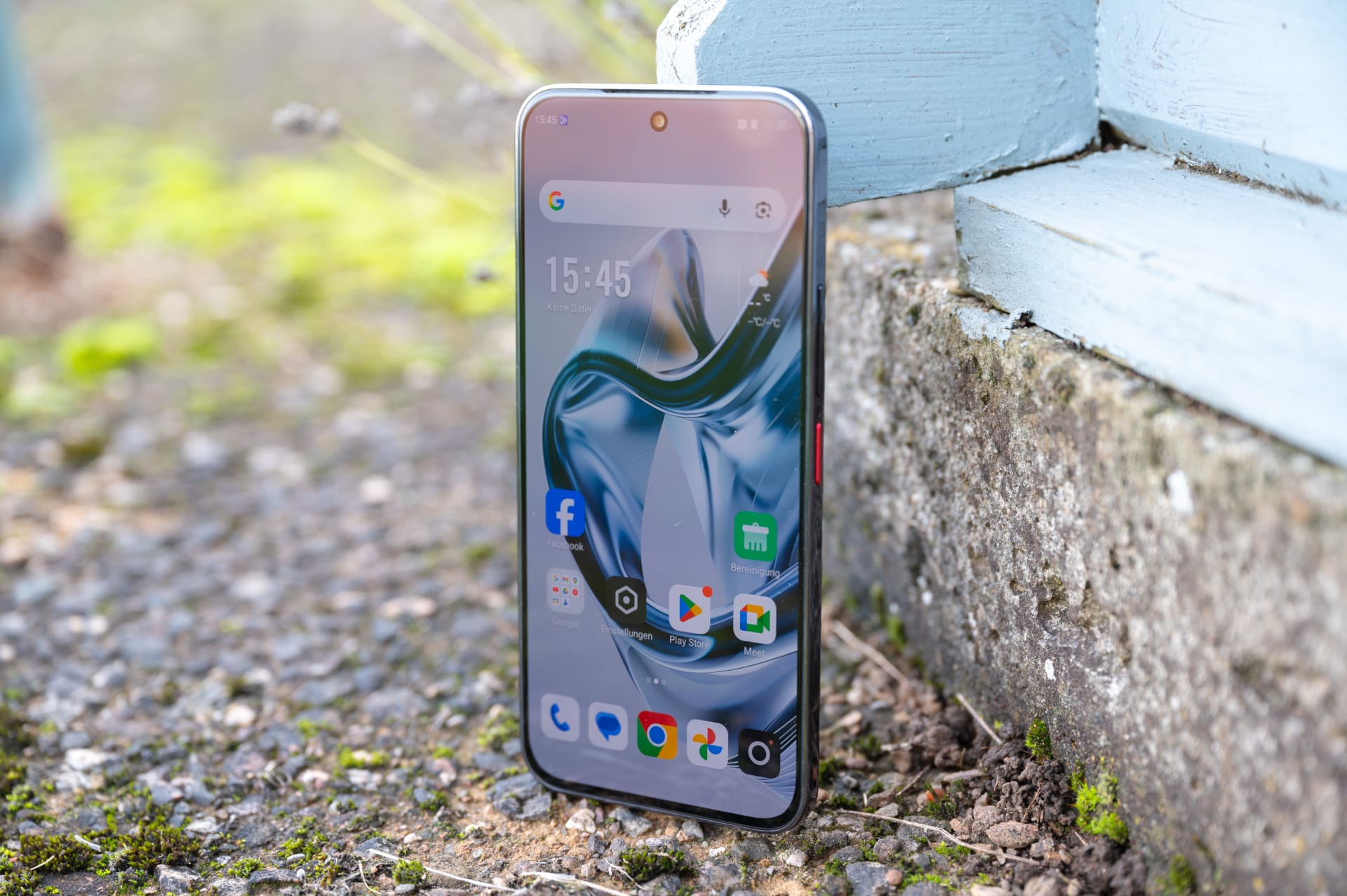
Even in direct sunlight, the display remains clear and high-contrast, although the color tuning of the 6.78" AMOLED display is a little too saturated for my taste.
However, nubia has overreached somewhat with the display resolution. The website-style “1.5K” designation suggests 1224p, but the device actually has a 1080p panel. Even so, the display is exceptionally good for this price, both in terms of sharpness and brightness and response time.
Durability: IP69K in continuous rain
Changeable weather also means rain from time to time. Sudden downpours are not uncommon in the Azores. But the nubia Air handles them very well.
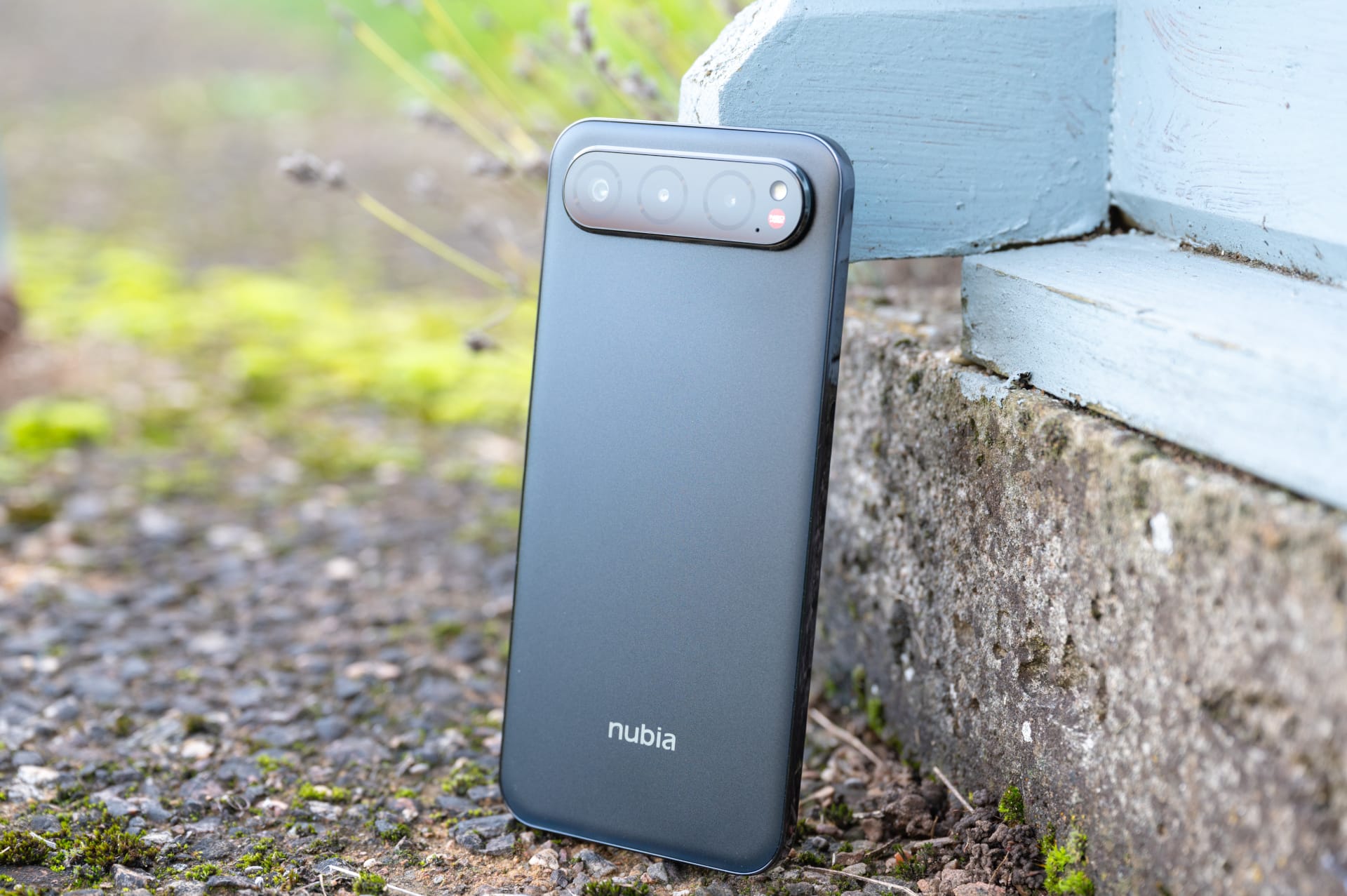
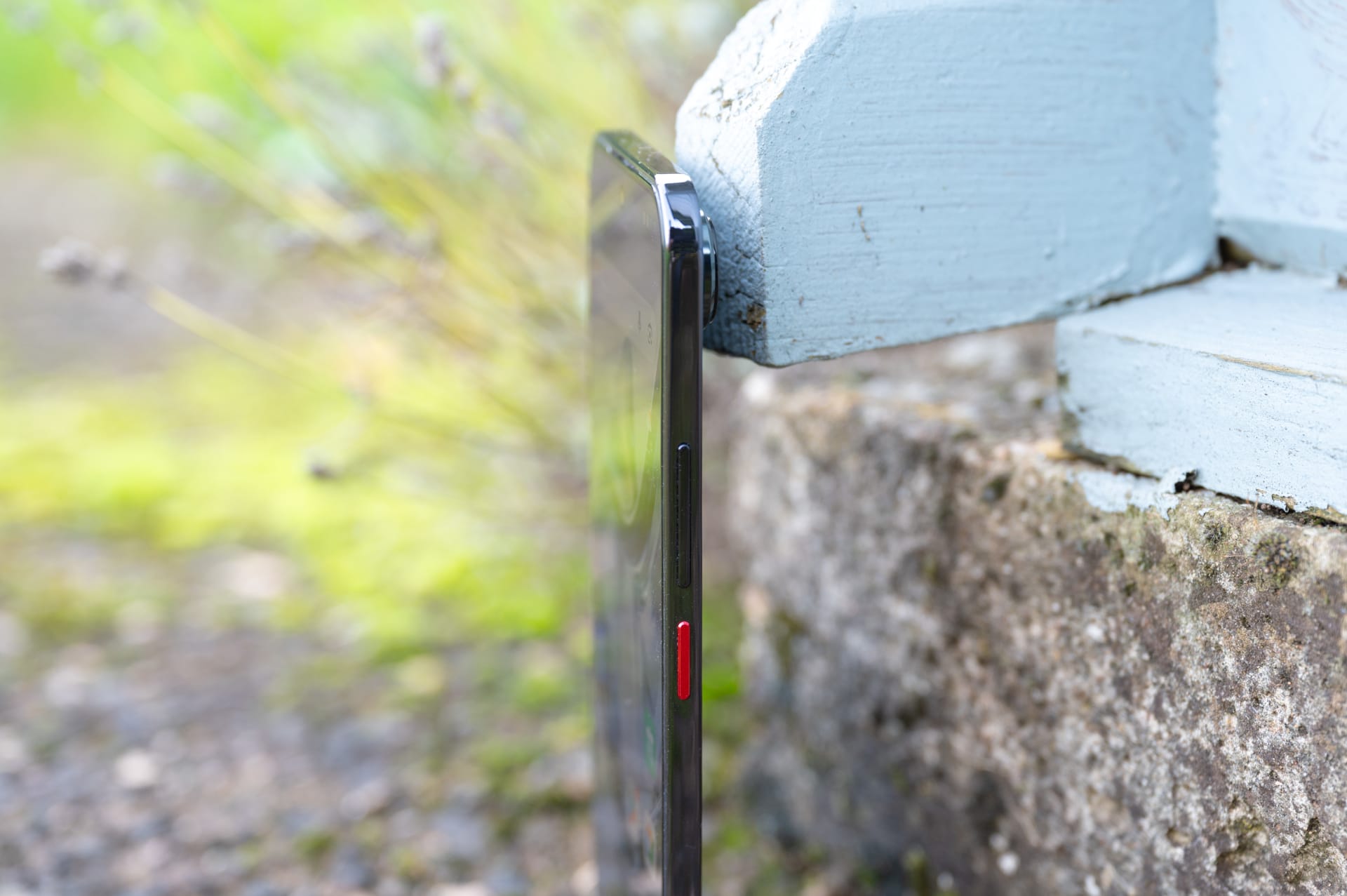
The IP69K certification protects not only against water, but also high-pressure jets. This is a rare feature at this price, and it was definitely worth its weight in gold while hiking in the rain. You would be reluctant to carry an iPhone Air in a soaked trouser pocket, but the nubia Air is unfazed.
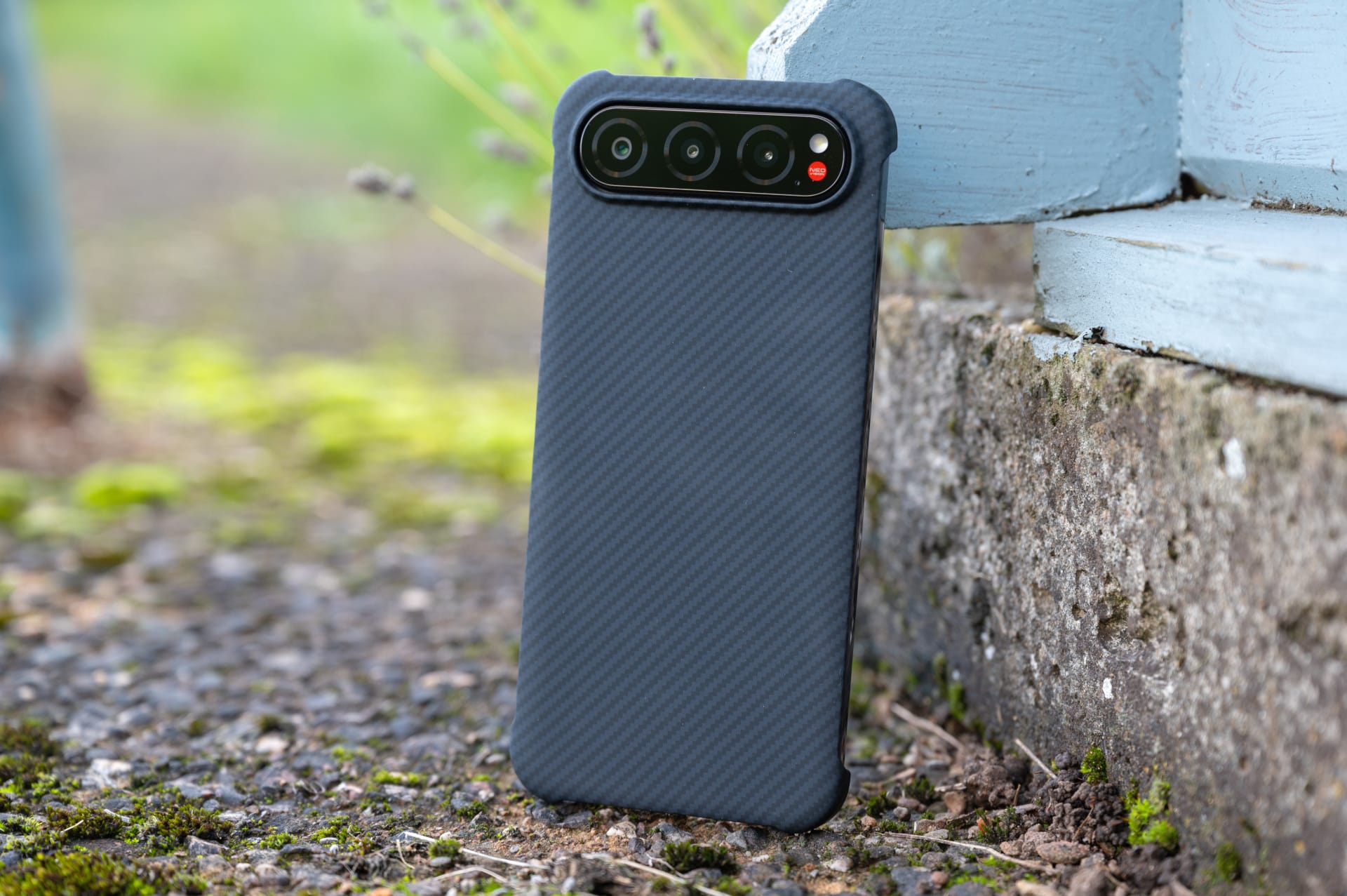
The plastic body may not feel particularly premium, but it is durable and, at 172 grams, the smartphone feels comfortably light. The included carbon-look bumper case provides a good grip and makes the device more practical for everyday use without adding unnecessary weight.
Camera: usable in daylight, limited flexibility otherwise
The Azores offer spectacular photo opportunities, but the so-called "AI Triple Camera" quickly turned out to be a sham. Only the 50 MP main camera is actually usable. The other two lenses (2 MP + 0.08 MP) are purely cosmetic—that is, no ultra-wide angle, no zoom, and no additional focal lengths. A shame, because landscape shots in particular often call for a wide-angle lens to capture expansive scenes.
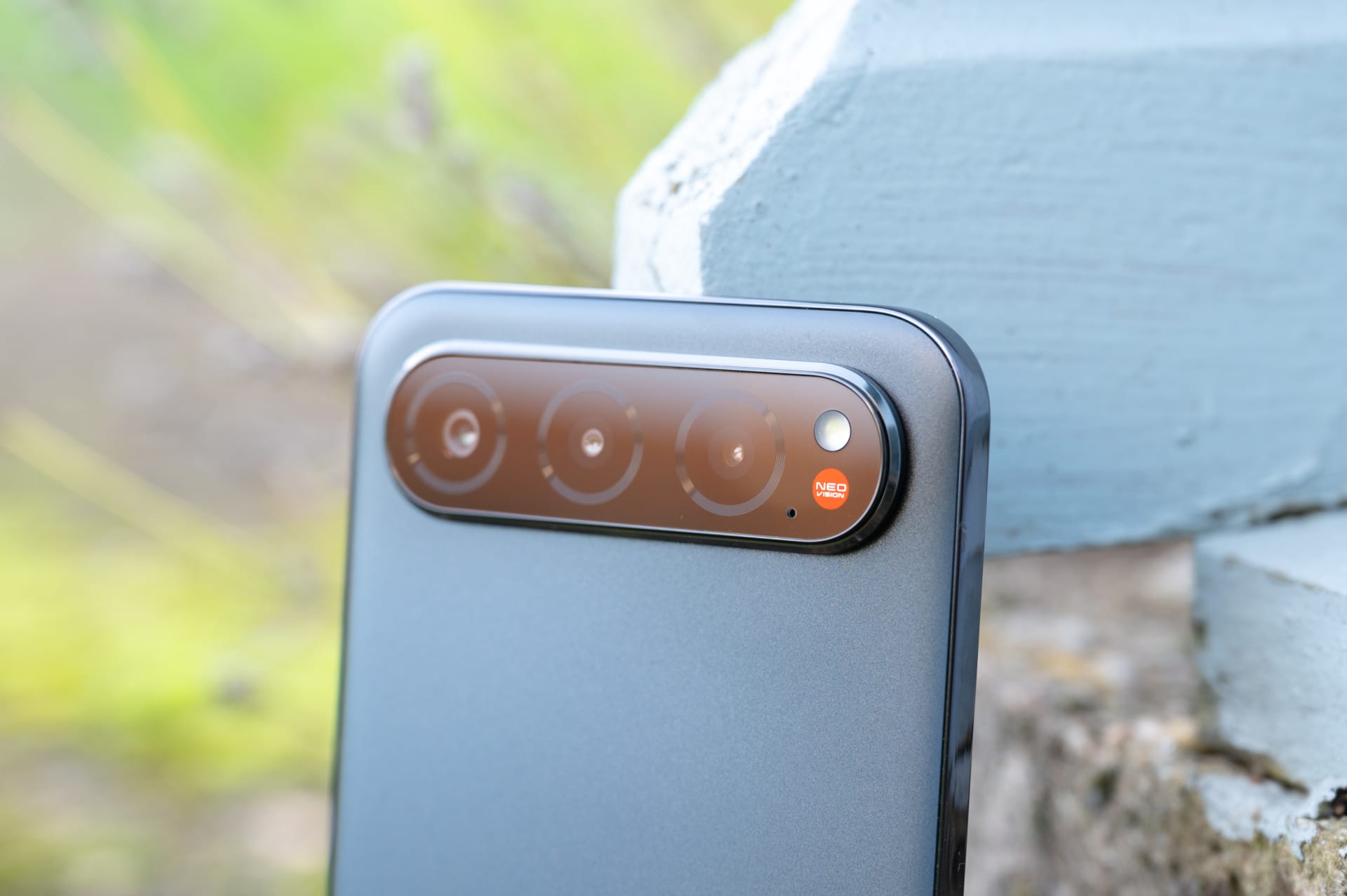
The main camera holds up reasonably well for the price in daylight, although it is a long way from flagship quality. In standard mode, however, the colours are sometimes very pale. Only with AI Photo Mode enabled do the images look more vivid and closer in colour to what you actually see, although they can occasionally look artificially exaggerated. It is more than good enough for everyday photos, WhatsApp and holiday greetings.



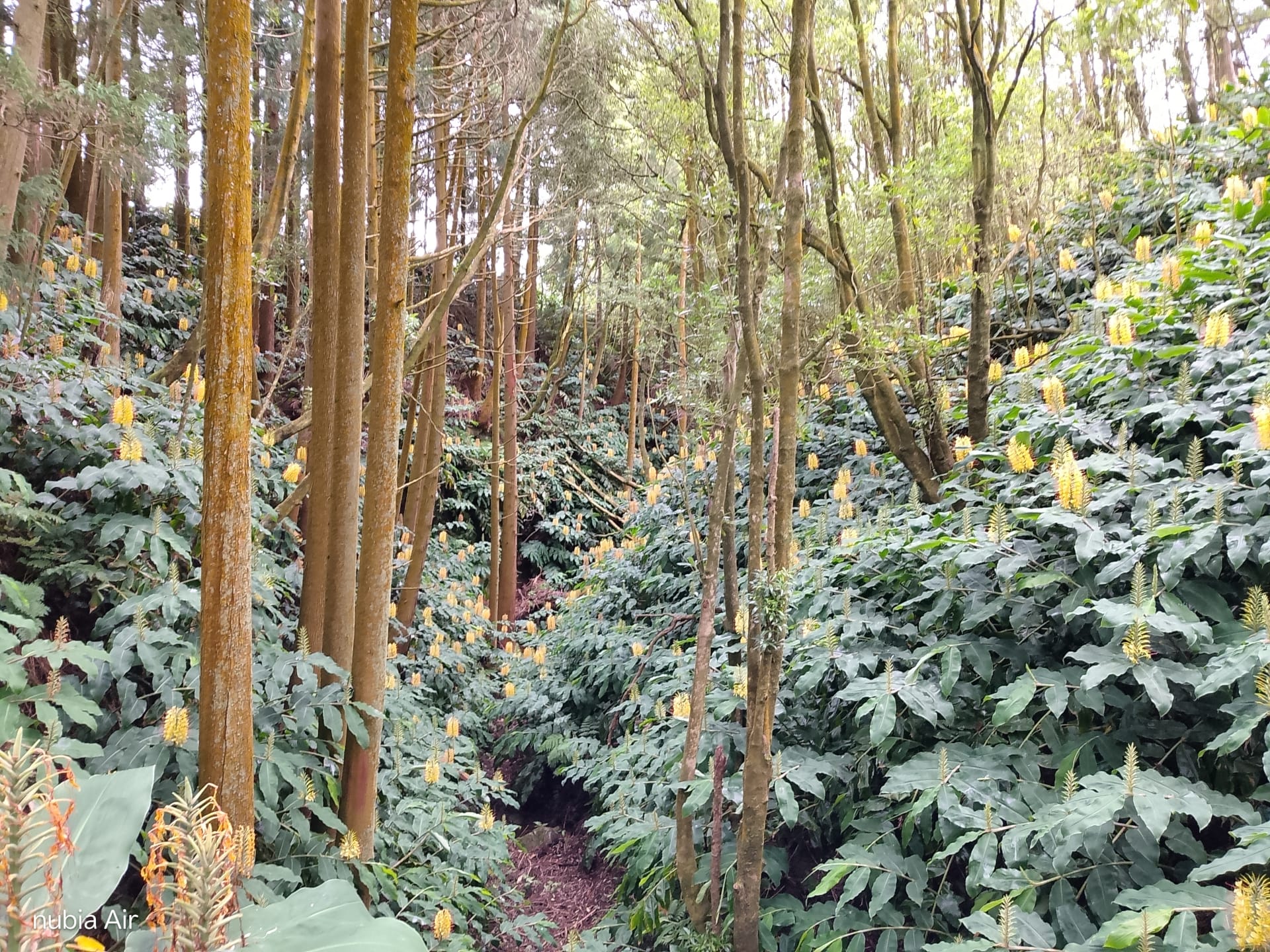




In low light or poor lighting conditions, noise increases. Colors then shift toward warmer tones, and fine details are increasingly lost. Video is limited to 1080p/30 fps and, without stabilization, is only usable with a very steady hand. Despite its nominal 20 MP resolution, the front camera can manage nothing more than soft, detail-poor selfies. Anyone buying the nubia Air should expect basic camera capabilities.


Performance: Unisoc T8300 as a bottleneck
The nubia Air is also rather underpowered when it comes to performance. This is less due to the software than to the Unisoc T8300 inside, an entry-level SoC that performs, at best, on a par with budget Android devices from 2020.
Performance is sufficient for basic tasks such as messaging, banking, or browsing, but even here you’ll notice occasional delays: apps take a noticeable second to open, animations aren’t consistently smooth, and switching between multiple apps causes brief pauses that you keep noticing in everyday use.
Android 15 itself is relatively lightweight, but does not seem to be optimally tuned for the Unisoc chip. Loading animations appear in the settings when entering search terms or scrolling through longer menus. Widgets and notifications respond reliably, but not particularly quickly.
Multitasking with several demanding apps quickly causes the phone to aggressively clear memory and reload apps. As for updates, nubia says there will be two major Android upgrades and five years of security patches.
The picture is even clearer when it comes to gaming. Simpler 2D titles work, but performance drops significantly as soon as you move on to 3D games such as PUBG Mobile or Asphalt 9. Even at the lowest detail settings, there is stuttering that makes playing barely enjoyable.
There are also minor technical glitches that become noticeable in everyday use. The Bluetooth connection to the car radio repeatedly dropped out during testing or routed calls directly through the smartphone speaker instead of the car speakers.
The in-display fingerprint sensor generally worked, but was so slow that it was often quicker to enter the PIN directly. Such issues do not seem serious in the overall picture, but occur often enough to leave the impression of an unfinished system.
Battery life: Despite 5,000 mAh, no marathon runner
The 5,000 mAh battery looks promising on paper, but in practice it is held back by the inefficient Unisoc platform. With mixed use including navigation, photography, social apps and music streaming, the battery was usually flat by early evening.
Light everyday use delivered exactly one day's battery life in the test, but not much more. 33W charging recharges the battery in just over an hour.
Our verdict
6,7 out of 10 pointsThe nubia Air is a smartphone with an unusual combination of a top-notch display and a surprisingly robust body, but weak performance and clear camera limitations. Its name and weight invite comparison with the iPhone Air, but that is where the similarities end. While Apple focuses on high-end materials, powerful chips and long update cycles, nubia prioritises brightness, a lightweight design and water resistance, accepting compromises in performance.
At around 220 euros, this device is not a bad buy, but it is not an all-rounder either. Anyone looking for an affordable smartphone that is thin, light, bright and surprisingly durable will find an intriguing niche model in the nubia Air. Those who prioritise performance, camera versatility or reliable software will be much better served by alternatives from Poco, Xiaomi or Nothing.
Specifications
Processor and memory
- CPU
- Unisoc T8300 (6 nm)
- – 2× Cortex-A78 @ 2.2 GHz
- – 6× Cortex-A55 @ 2.0 GHz
- GPU
- Mali-G57 MP2
- RAM
- 8 GB
- Internal storage
- 256 GB
- Storage expansion
- Not supported
Display
- Display size
- 6.78 inches
- Display resolution
- 1224 × 2720 pixels (~440 PPI)
- Display refresh rate
- 120 Hz
- Display brightness
- up to 4,500 nits (peak)
- Display type
- AMOLED
- Colour reproduction
- 1.07 billion colours (not explicitly confirmed by the manufacturer; typical of AMOLED)
- HDR support
- no
- Screen-to-body ratio
- approx. 88.2%
- Protection
- Corning Gorilla Glass 7i, Mohs level 5 scratch resistance
Cameras
- Main camera
- – 50 MP, f/1.6 (wide-angle), PDAF
- – Additional sensors
- 2 MP depth sensor + 0.08 MP auxiliary sensor (not a true triple camera)
- Features
- LED flash
- Video
- 1080p @ 30 fps
- Front camera
- – 20 MP
- Video
- 1080p
Mains
- Dual SIM
- Yes (Nano + Nano)
- Mobile network technologies
- GSM / HSPA / LTE / 5G
Wireless
- Wi-Fi
- 802.11 a/b/g/n/ac (Wi-Fi 5)
- Bluetooth
- 5.4 (A2DP, LE)
- GPS
- GPS, GLONASS, Galileo
- NFC
- Yes
- Radio
- No
- USB
- USB-C 2.0
Sensors
- – Fingerprint sensor (optical, under the display)
- – Proximity sensor
- – Ambient light sensor
- – Accelerometer
- – Compass
Battery
- Capacity
- 5,000 mAh
- Charging power
- 33W wired
- Qi charging
- No
- Lifespan
- approx. 1,000 charge cycles until 80% capacity (manufacturer's claim)
- Energy label
- EU Class B
Other
- Operating system
- Android 15
- Software updates
- 2 years of updates
- Audio
- Mono speaker, HiFi 4 DSP
- 3.5 mm jack
- No
- Protection rating
- IP68 / IP69K
- Size
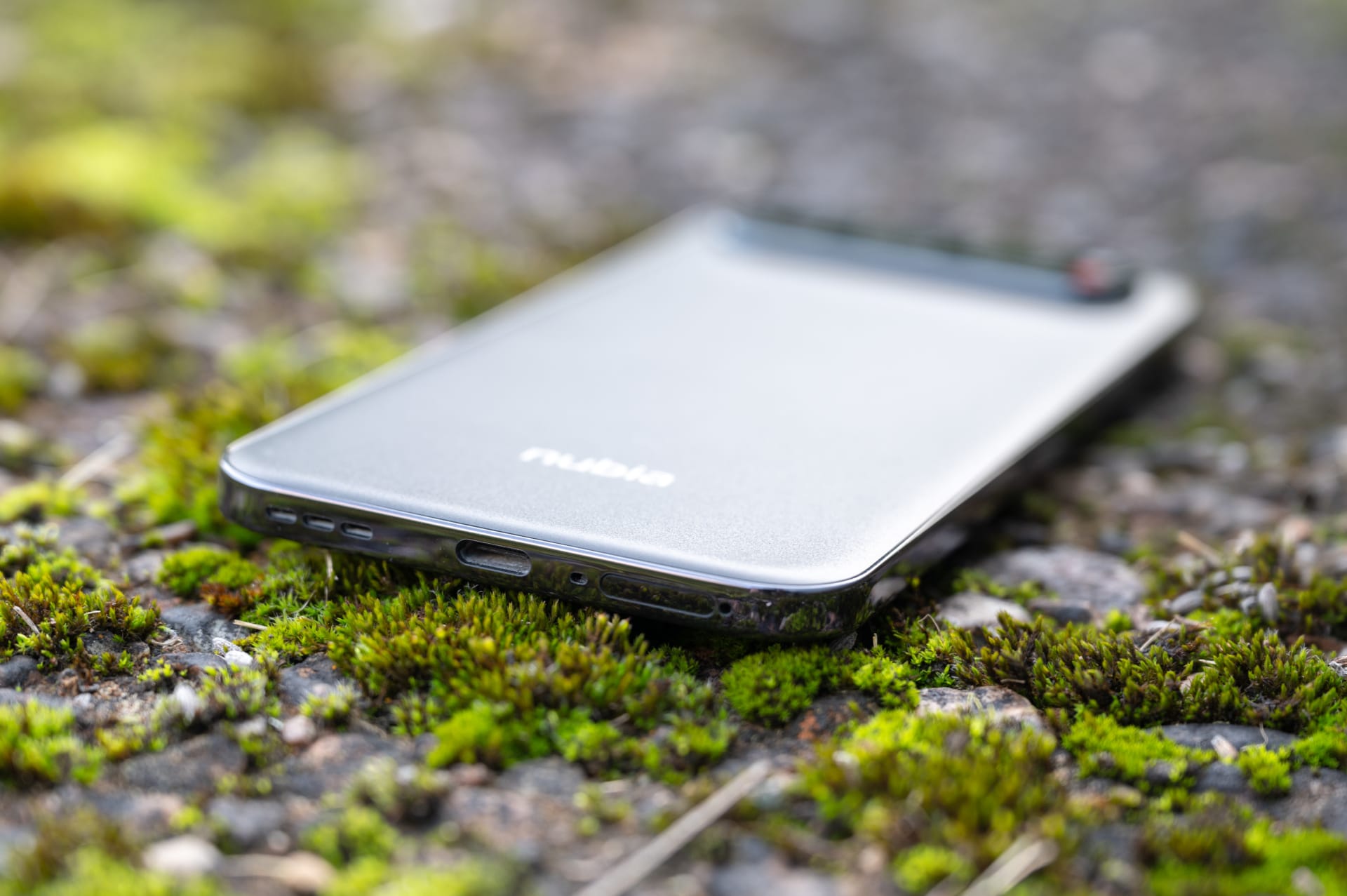
- 164.2 × 76.6 × 6.7 mm
- Weight
- 172 g
- Colors
- Titanium Black, Titanium Desert
What’s included
1x smartphone 1x protective case 1x SIM ejector tool 1x USB-C cable
Price comparison
| Store | Price | Link |
|---|
Comments