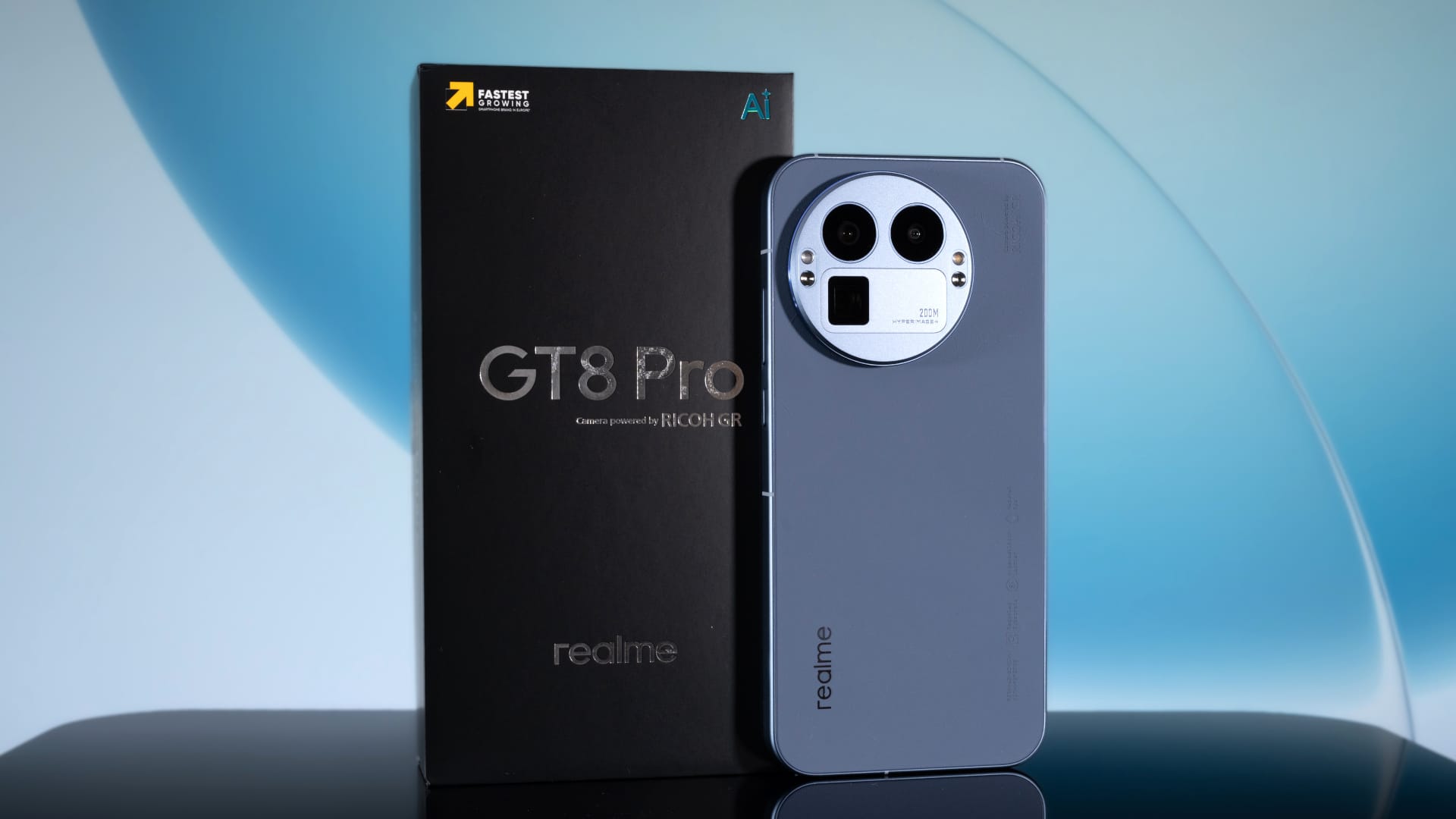
Contents
Design and build quality
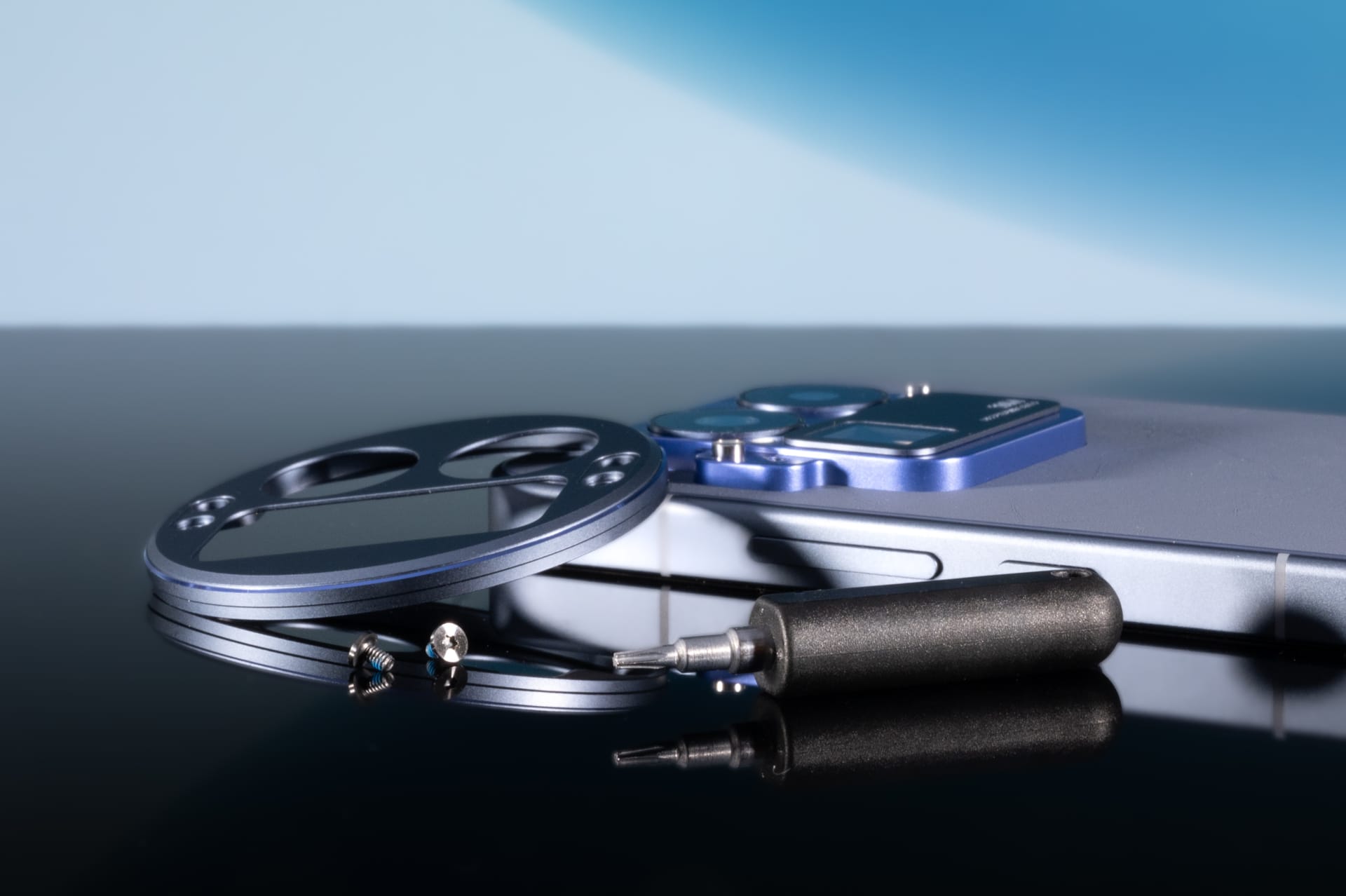
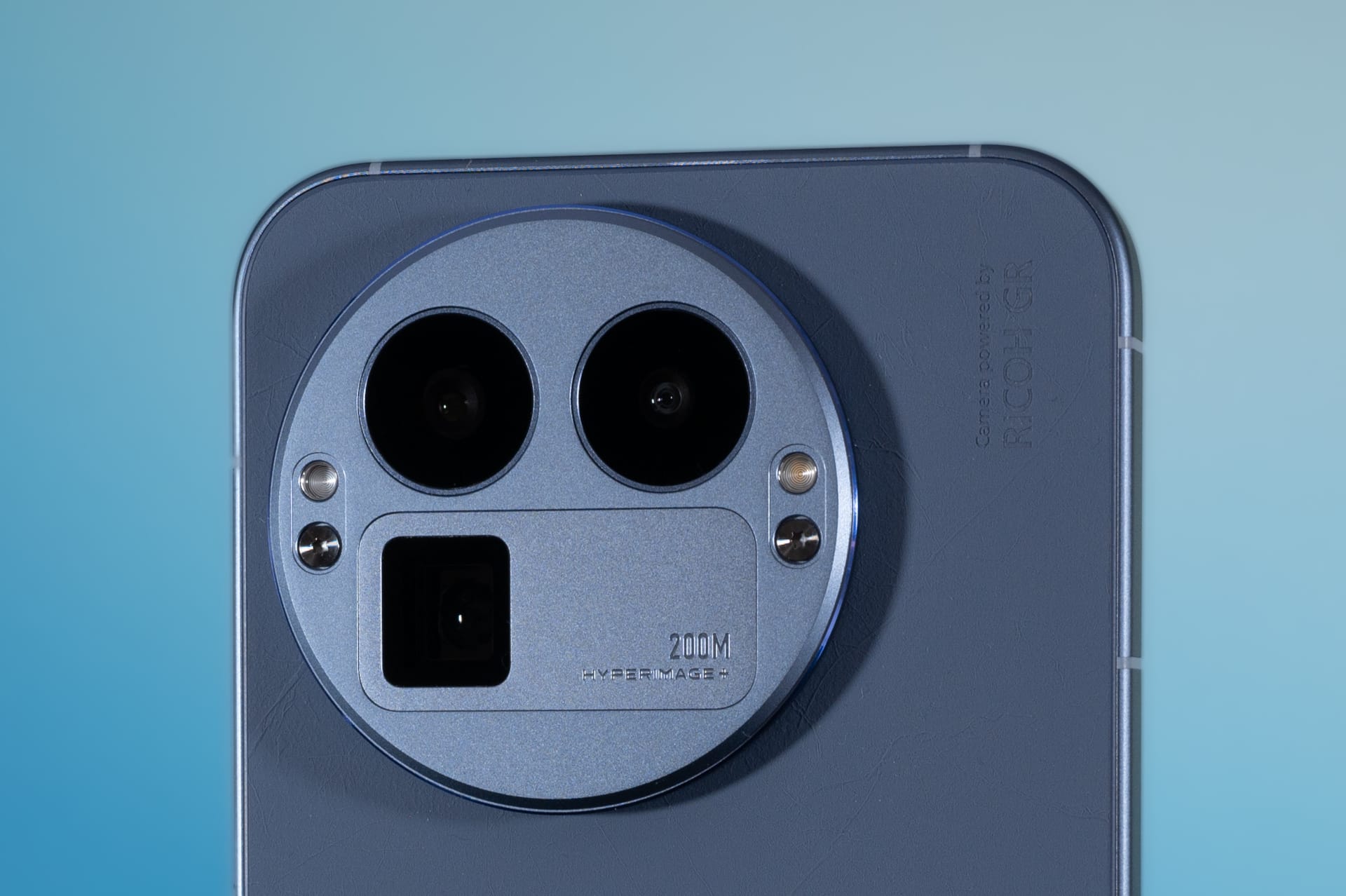
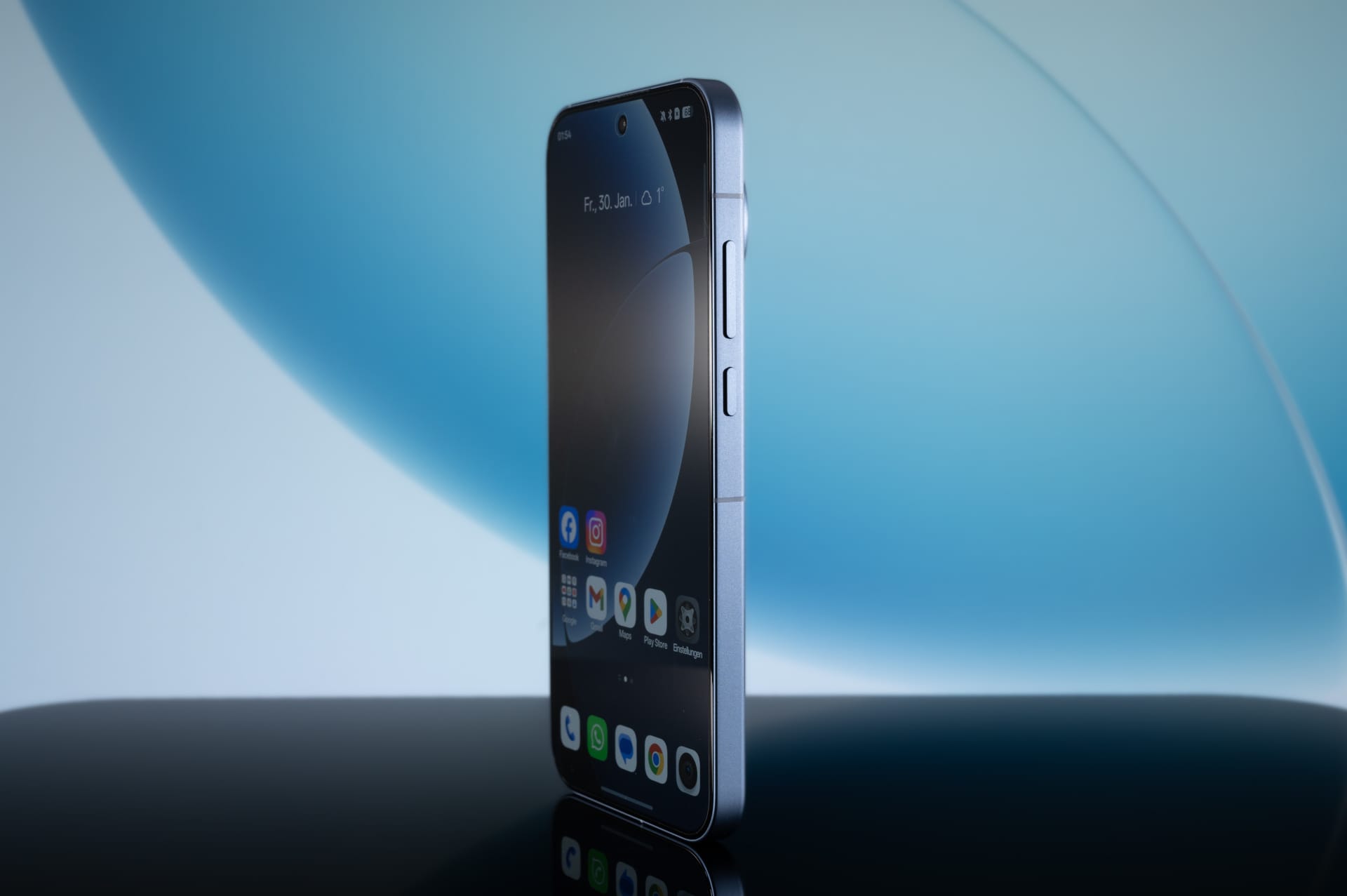
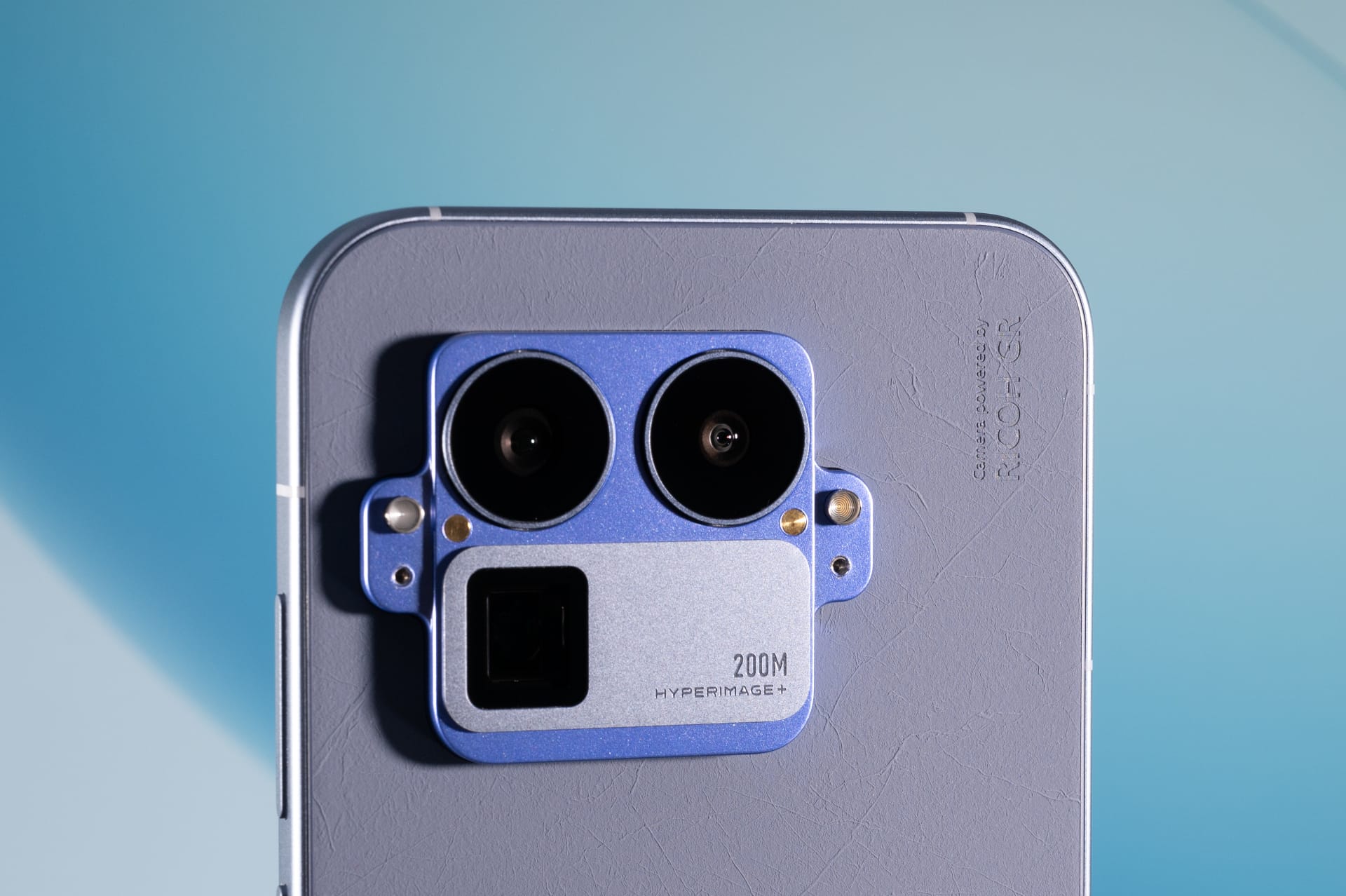
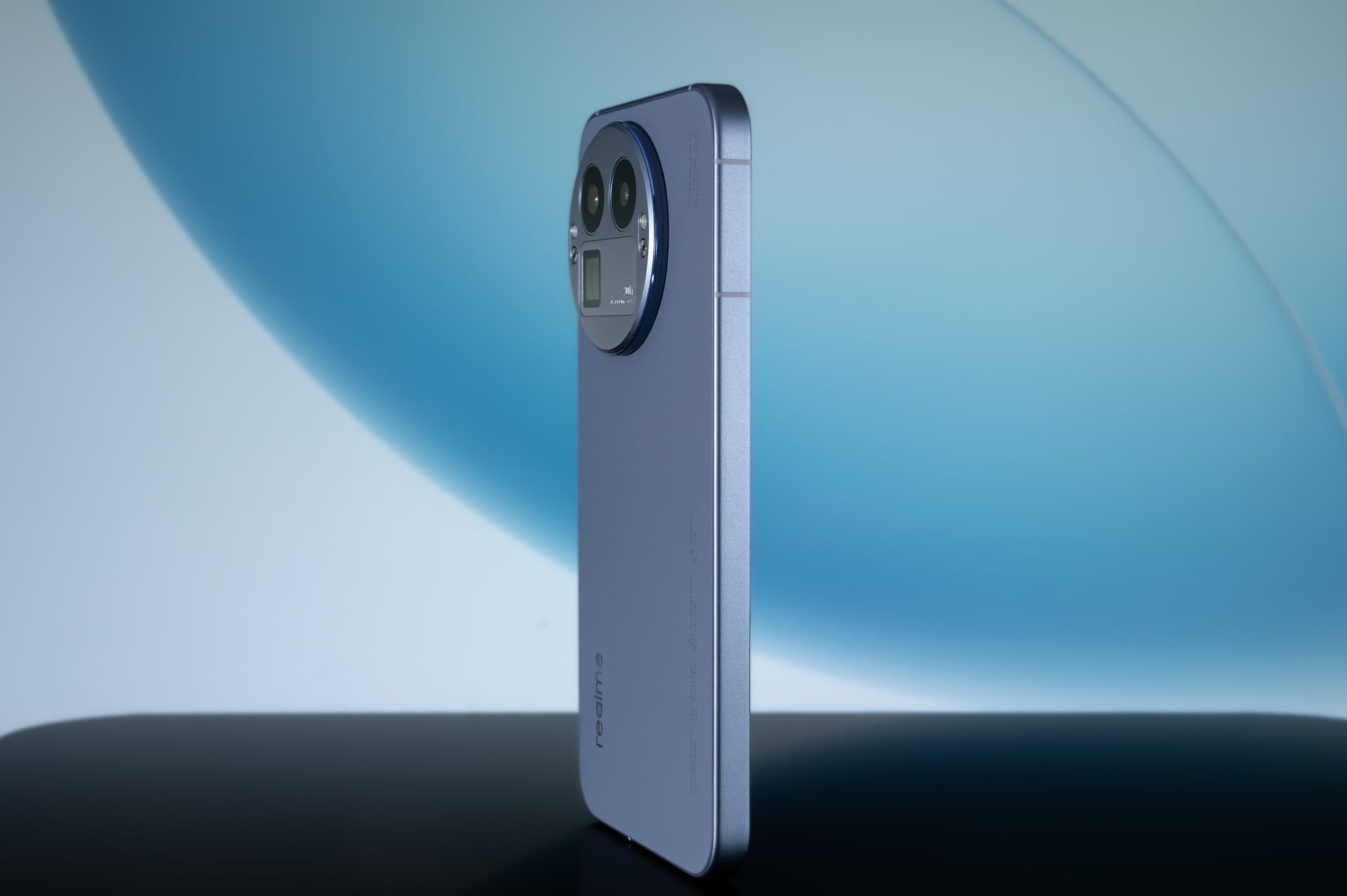
Perhaps the most unusual feature of the realme GT 8 Pro is its interchangeable camera island cover. It can be removed using two small screws and replaced with alternative designs. We last saw a modular approach of this kind on Nothing's CMF Phone, although it was implemented much more thoroughly there. On the GT 8 Pro, it remains more of a visual feature without any functional benefit.

Two versions are included, a round and a square cover. In addition, a small accessory scene seems to be developing around the concept, so alternative designs can easily be ordered through platforms such as AliExpress. If you like, you can give your smartphone a more individual look, even if the practical benefits are limited.

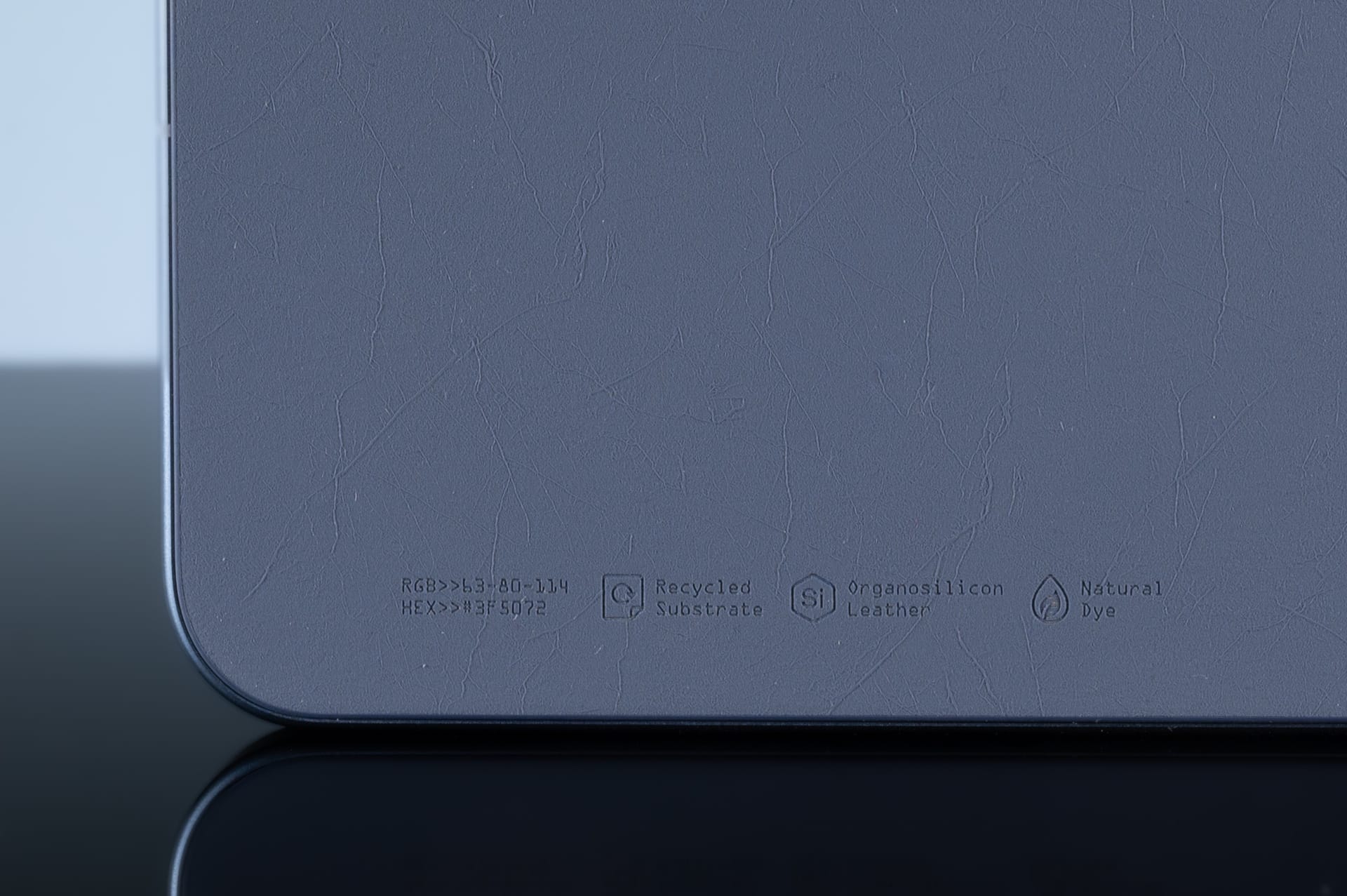
Apart from this gimmick, realme delivers solid flagship fare. The frame is made of aluminum, while the back is either made of fiber-reinforced plastic or has a leather-like coating, depending on the version. The latter in particular has a pleasantly grippy surface and is barely prone to fingerprints. The smoother versions look a little more classic, but are also more slippery.
At around 214 grams, however, the device is no lightweight. You can certainly feel it in everyday use, especially in a trouser pocket or during longer sessions. The large 7,000 mAh battery comes at a cost!
The front is dominated by a flat AMOLED display protected by Gorilla Glass, although realme does not specify the exact version. The integrated ultrasonic fingerprint sensor is one of the better ones of its kind. It is quick to set up and reliably unlocks the device. The comprehensive IP68/IP69 certification is another positive. The GT 8 Pro is therefore protected not only against dust and immersion, but also withstands high-pressure water jets.
Display
The 6.79-inch AMOLED panel has a resolution of 3,136 × 1,440 pixels, making it one of the sharper displays on the market. Content looks crisp, text is rendered cleanly, and photos and videos are equally impressive. Colours are vivid without being overdone, and viewing-angle stability is at the usual high level.
Content visibly benefits from support for HDR10, HDR10+ and Dolby Vision. The GT 8 Pro is particularly enjoyable for streaming on Netflix or YouTube.
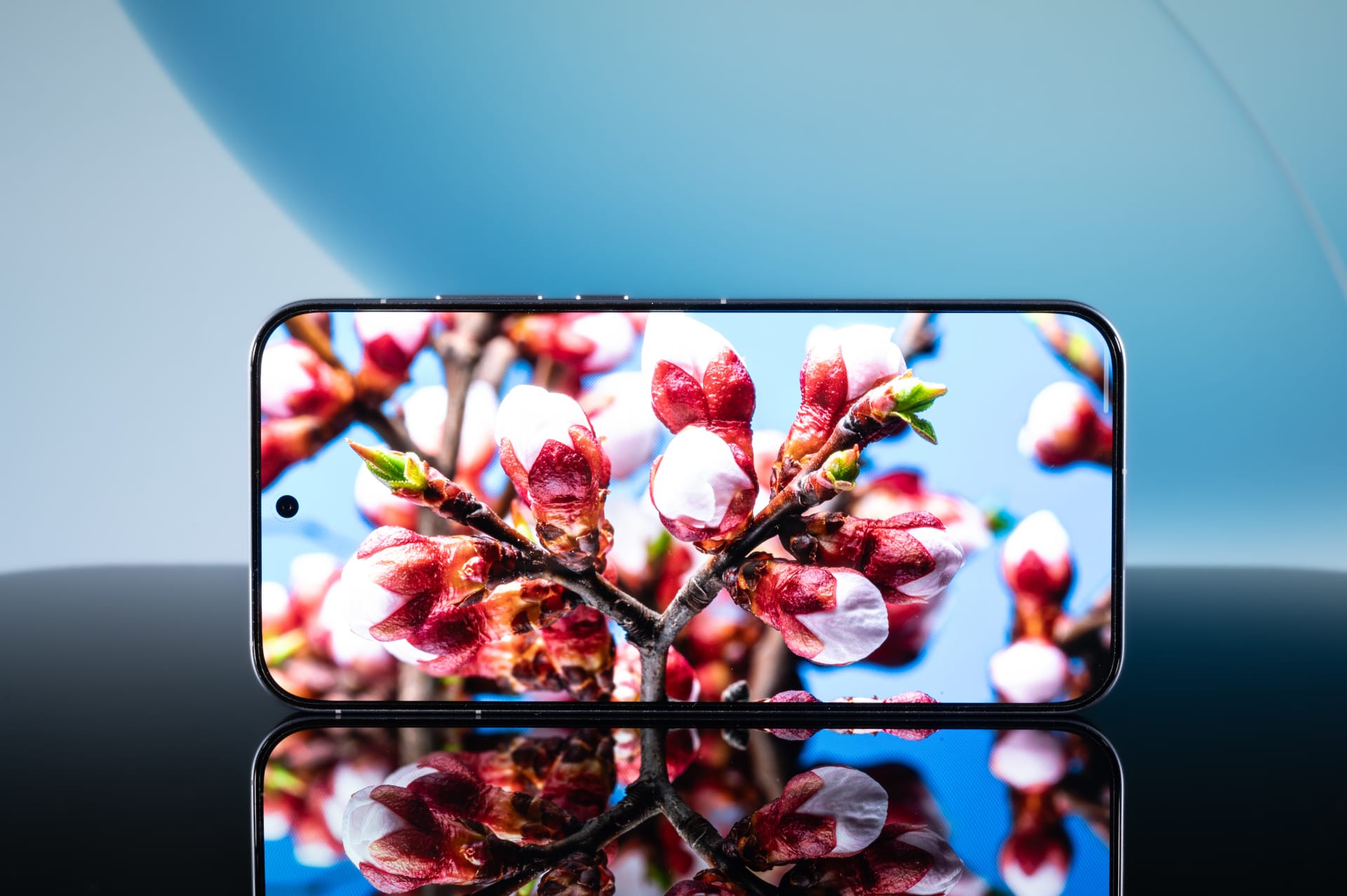
The greatest strength of the panel is its brightness. Realme claims up to 7,000 nits peak brightness, which in practice is naturally only achieved under certain conditions. Even so, the display is among the brightest we have seen so far. Everything remains easy to read in direct sunlight, while the display can also dim comfortably, making it much more pleasant to use in the evening.
The refresh rate is nominally up to 144 Hz, but this is only available in selected games, while the system otherwise mostly switches between 60, 90 and 120 Hz. Unfortunately, true LTPO technology, which can dynamically lower the rate to 1 Hz, is missing. This is one of the few areas where the realme GT 8 Pro doesn't quite measure up to the high-end competition.
Power and performance
The realme GT 8 Pro is powered by the Snapdragon 8 Elite Gen 5, currently the most powerful chip in the Android camp. Manufactured using a 3nm process and equipped with a new Oryon CPU and Adreno 840 GPU, the SoC delivers more than enough performance for every scenario. Our test device came with 12 GB RAM and 256 GB of fast UFS 4.1 storage. If you want more, the device is also available with 16 GB RAM and 512 GB UFS 4.1 storage.
In everyday use, the GT 8 Pro is correspondingly confident. Apps start with practically no delay, animations are consistently smooth, and even intensive multitasking or current mobile games cause no problems or stuttering. Realme UI 7, based on Android 16, feels well optimized overall and contributes to the system's smooth performance.
In synthetic benchmarks, the GT 8 Pro is, as expected, right at the top, but performs on a par with other devices that also use the Snapdragon 8 Elite Gen 5. There are no major outliers at the top end, which also shows just how closely matched the current top tier is.

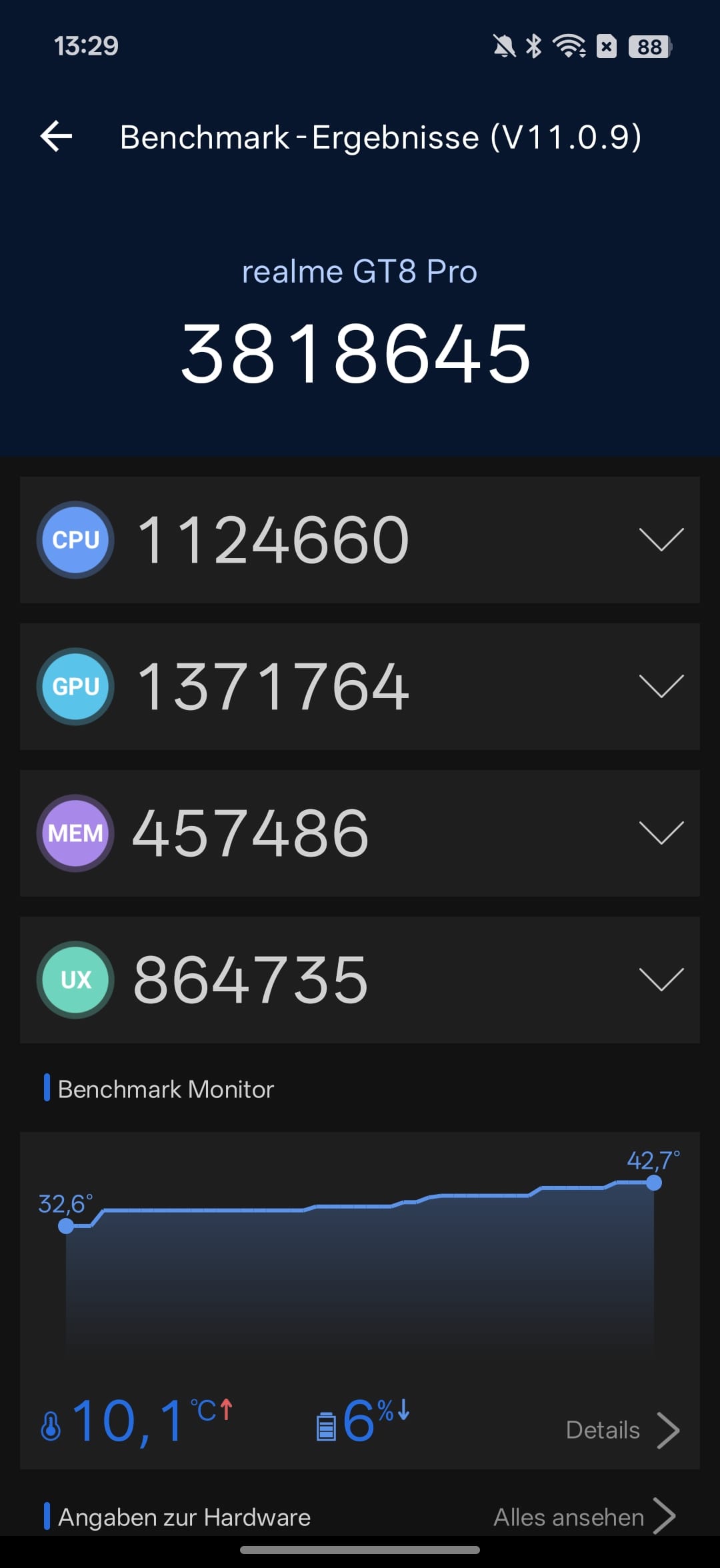
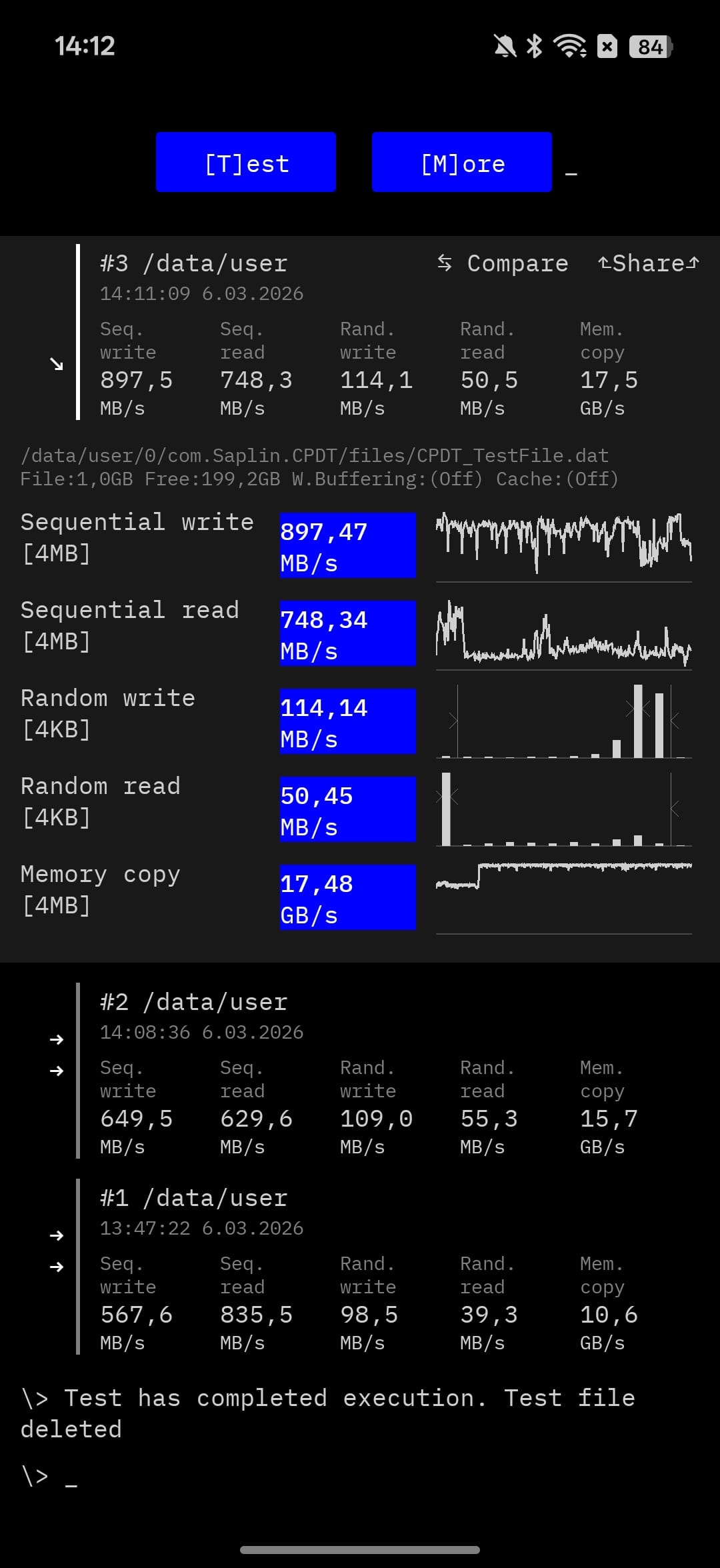
The picture is more nuanced when it comes to sustained load. Like many current high-end smartphones, the GT 8 Pro also struggles with thermal throttling. Under prolonged load, such as extended gaming sessions or stress tests, the device gets noticeably warm. As a result, the system reduces performance to control the temperature. This leads to a degree of performance drop, which is more pronounced than on some competitors.
One positive point is that CPU performance remains comparatively stable, while the GPU is more significantly affected. This also matches the real-world experience: performance remains consistently high with ordinary apps, while fluctuations can occur under graphically intensive loads.
Software
Realme UI 7.0 is heavily based on Oppo's ColorOS, which is apparent in many ways, both visually and functionally. This is not a bad starting point, as the system feels polished and stable and offers plenty of customization options.
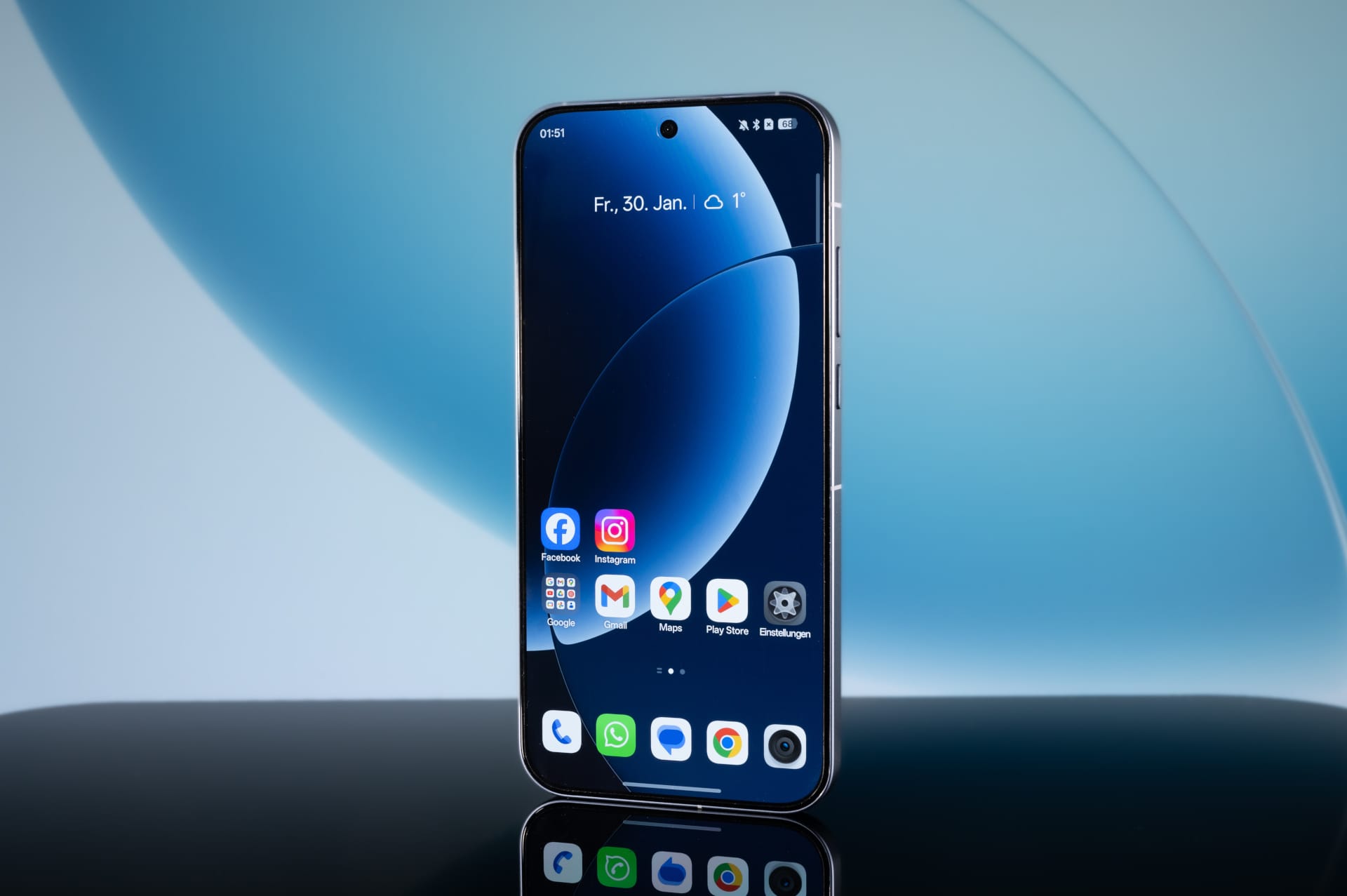
Menus are logically laid out, settings are easy to find, and even during extended use we encountered no major bugs or crashes. The interface looks uncluttered, although realme still includes some pre-installed apps. Most can be uninstalled or at least disabled, so they are no longer a nuisance in everyday use.
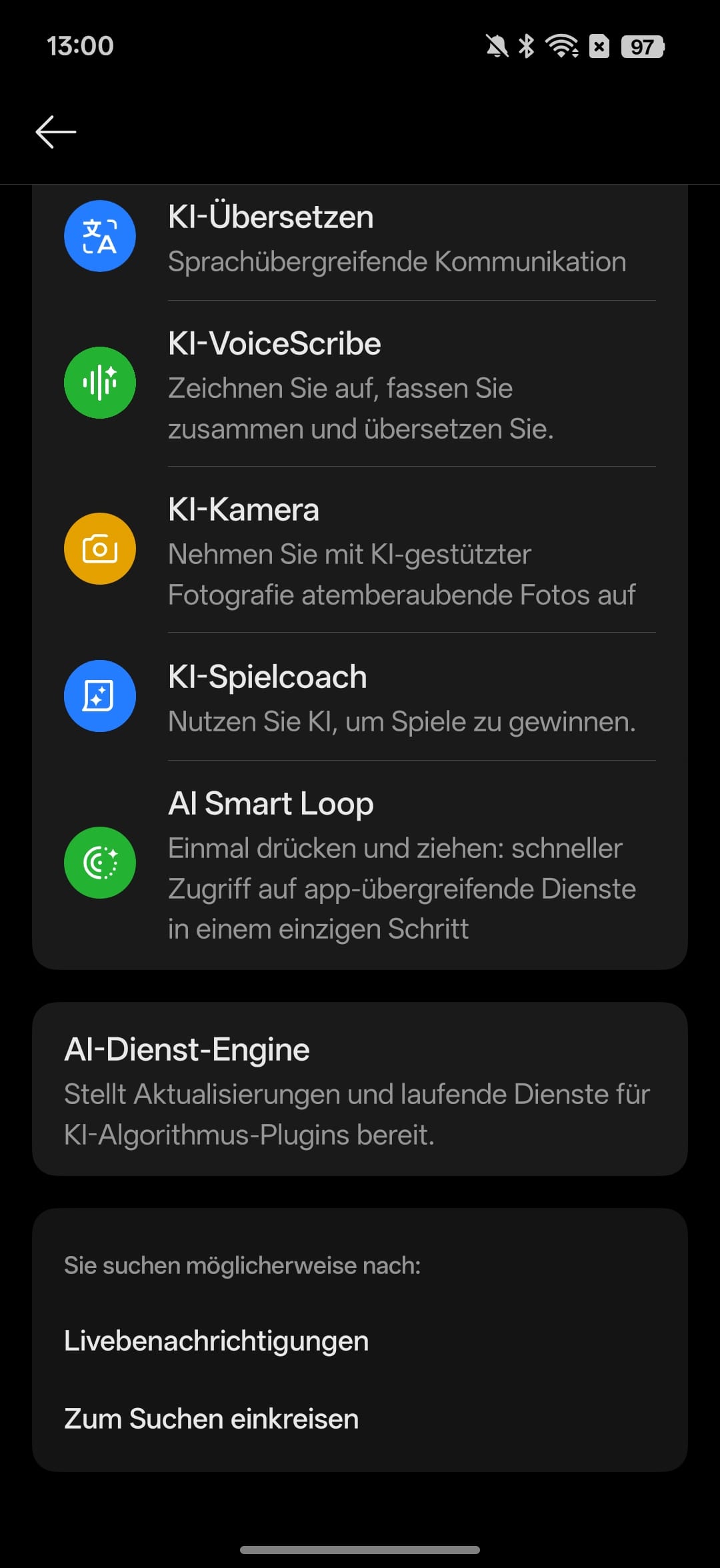
The main new feature is a stronger focus on AI features. It includes Google's Gemini integration, Circle to Search, and live translations directly on the screen. There are also proprietary features such as an AI photo editor (e.g. removing objects or sharpening images) and an app that creates content generated from photos.
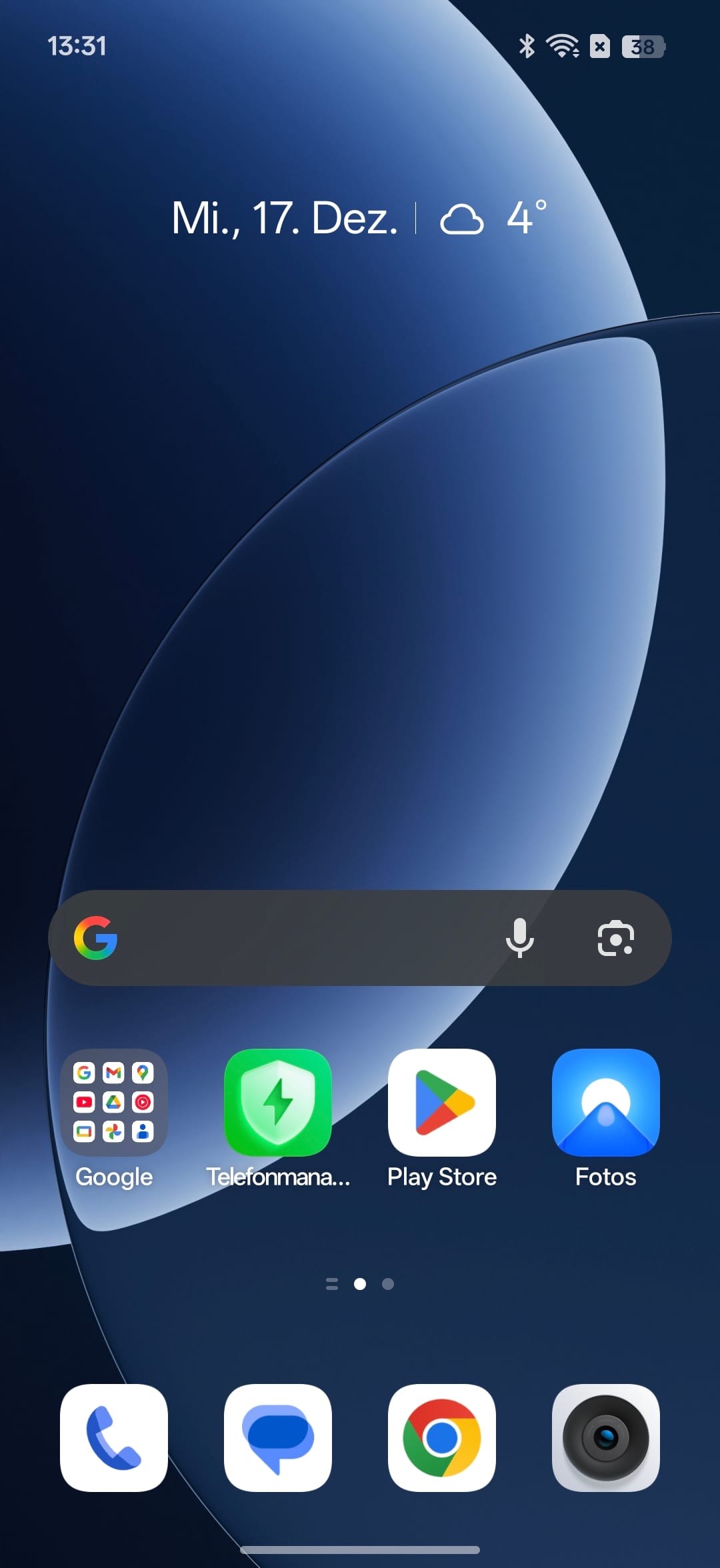

realme has also made a few visual tweaks. These include new lock-screen layouts with depth effects, various widget options, and flexible folder sizes on the home screen. Overall, however, the system remains true to its roots. Anyone who has used a realme or Oppo device before will feel right at home.
An important factor is the update policy. Realme promises four major Android updates and five years of security updates for the GT 8 Pro. This is a solid level of support, although some competitors in the high-end segment now offer longer support periods.
Connectivity
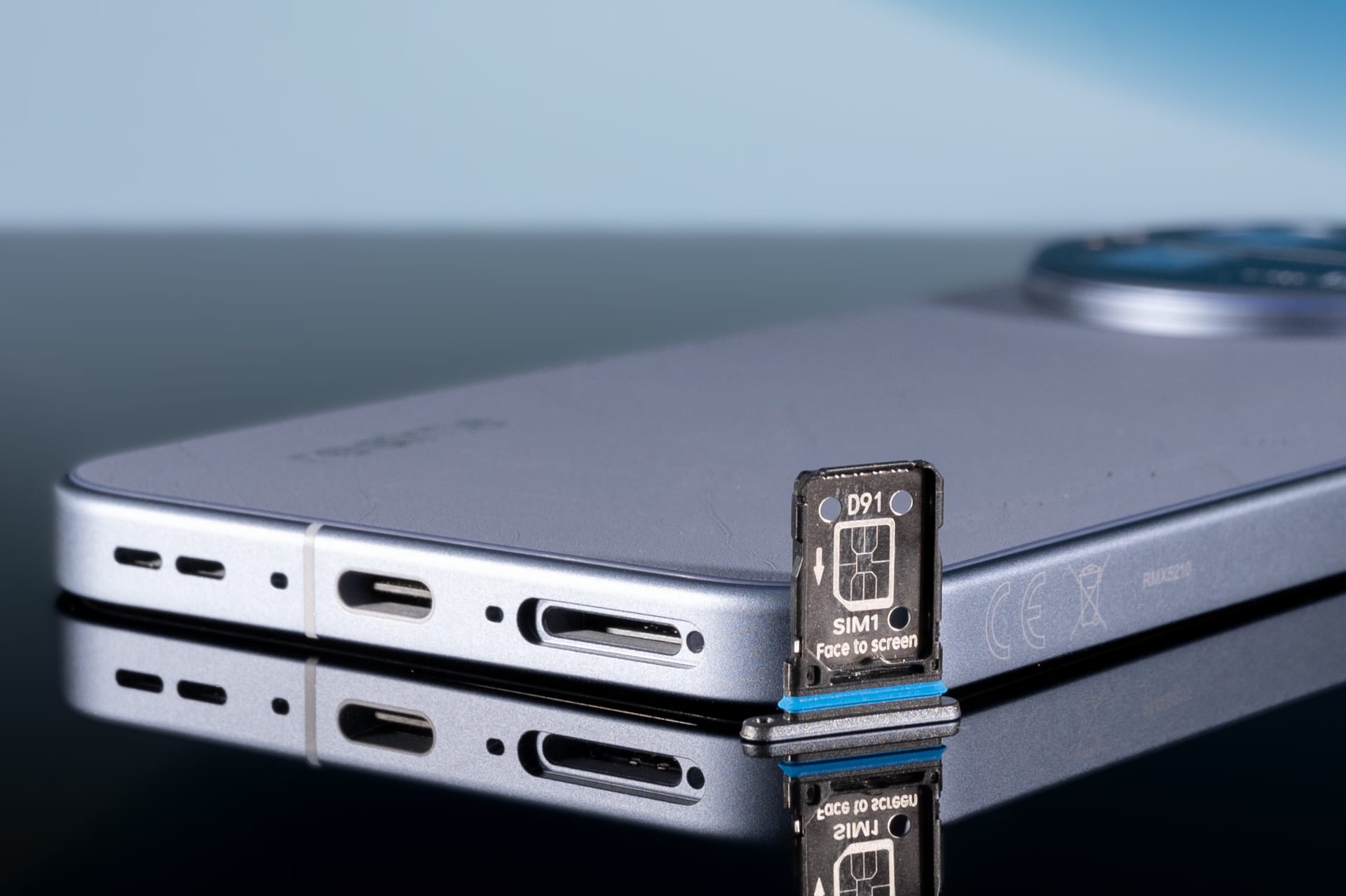
In terms of connectivity, the realme GT 8 Pro is at current flagship level and offers practically everything you could expect at this point. It comes with 5G (dual Nano-SIM and eSIM), including broad frequency support, Wi-Fi 7 and Bluetooth 6.0. Call quality is good, conversations are clear, and the GT 8 Pro makes excellent use of wireless connectivity standards, too.
Support for modern audio codecs such as aptX HD and LHDC is also a plus, which can make a difference, especially with high-quality Bluetooth headphones. NFC is also included and works reliably for contactless payments or quickly pairing devices.
The integrated infrared transmitter is rather uncommon, but very welcome. It lets you use the smartphone as a remote control for televisions, air conditioners or other devices. There is also little to criticise about the usual sensors. GPS is fast and precise, with support for multiple satellite systems via dual-band GNSS.
Camera
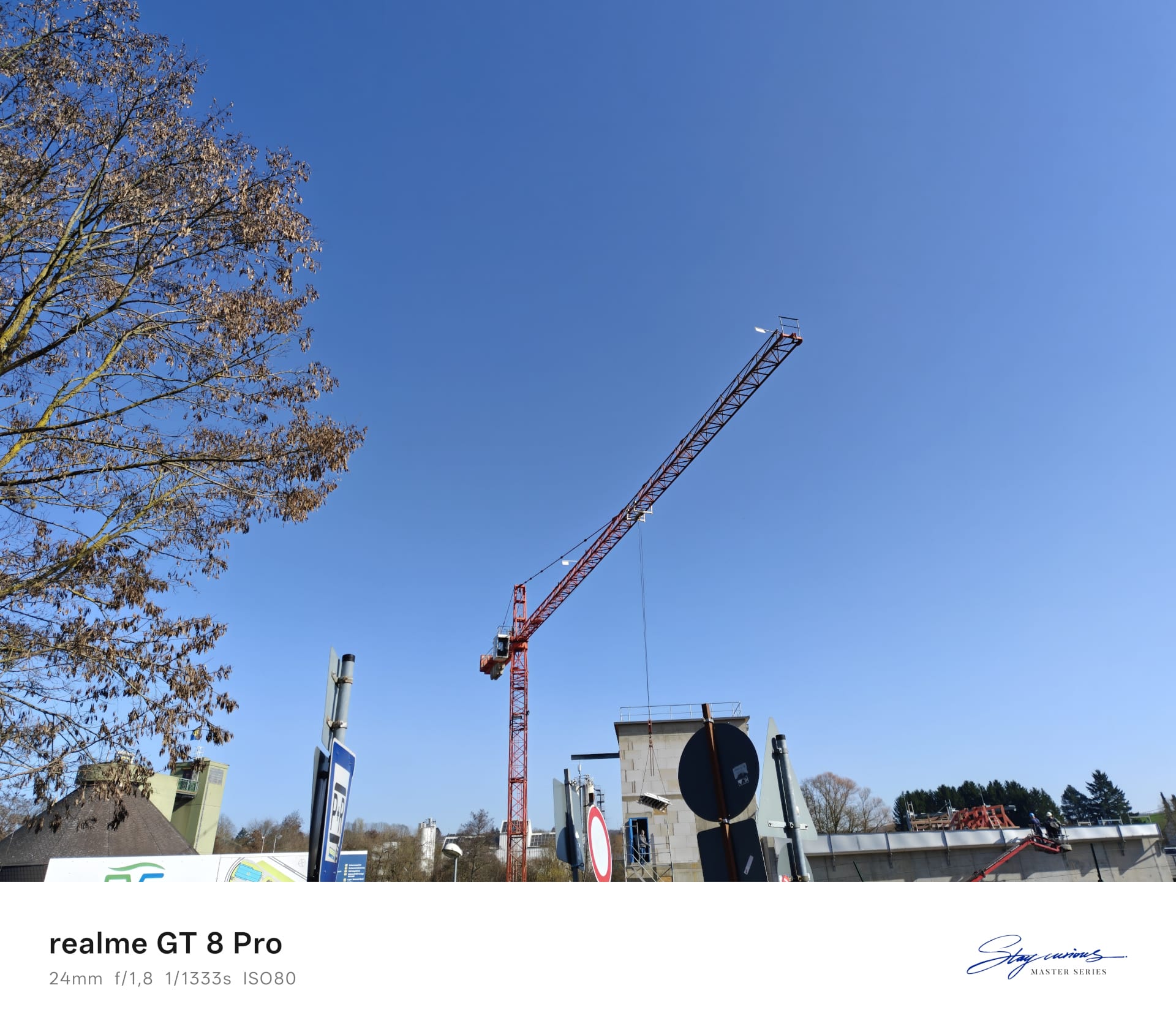
The camera system consists of a 50 MP main camera (1/1,56" sensor, f/1.8, OIS), a 200 MP periscope telephoto camera based on the Samsung ISOCELL HP5 (also 1/1,56", f/2.6, 3x zoom, OIS), and a 50 MP ultra-wide-angle camera with an OmniVision OV50D sensor (1/2,88", f/2.0).
The front camera has a 32 MP resolution, but, like the ultra-wide-angle camera, uses fixed focus.
Main camera
The main camera delivers very strong performance in everyday use. By default, it produces 12.5 MP pixel-binned images that impress with their high level of detail, natural textures and slightly warm but very pleasing colour balance. Fine structures such as vegetation and complex surfaces are rendered cleanly, without excessive sharpening.
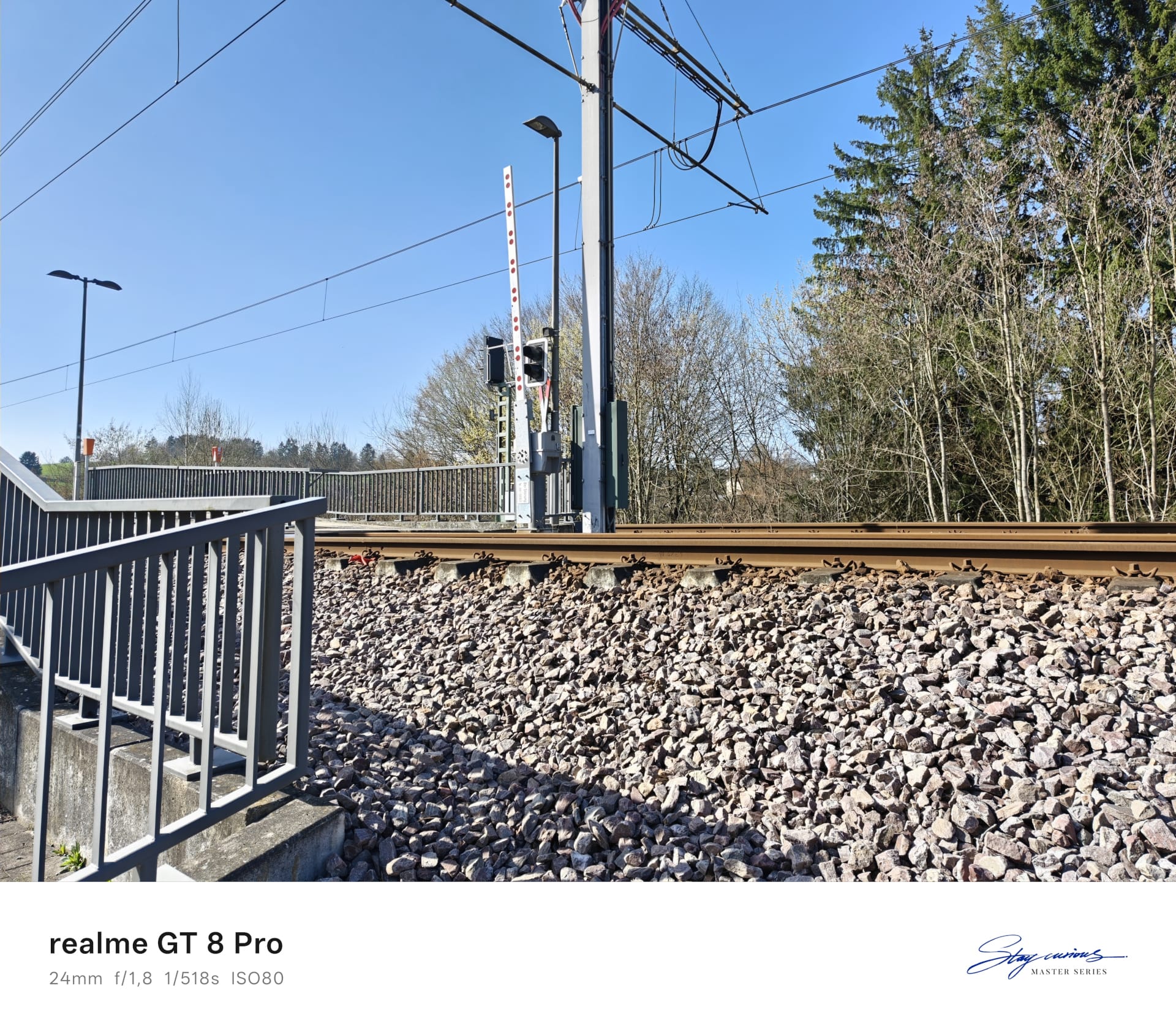
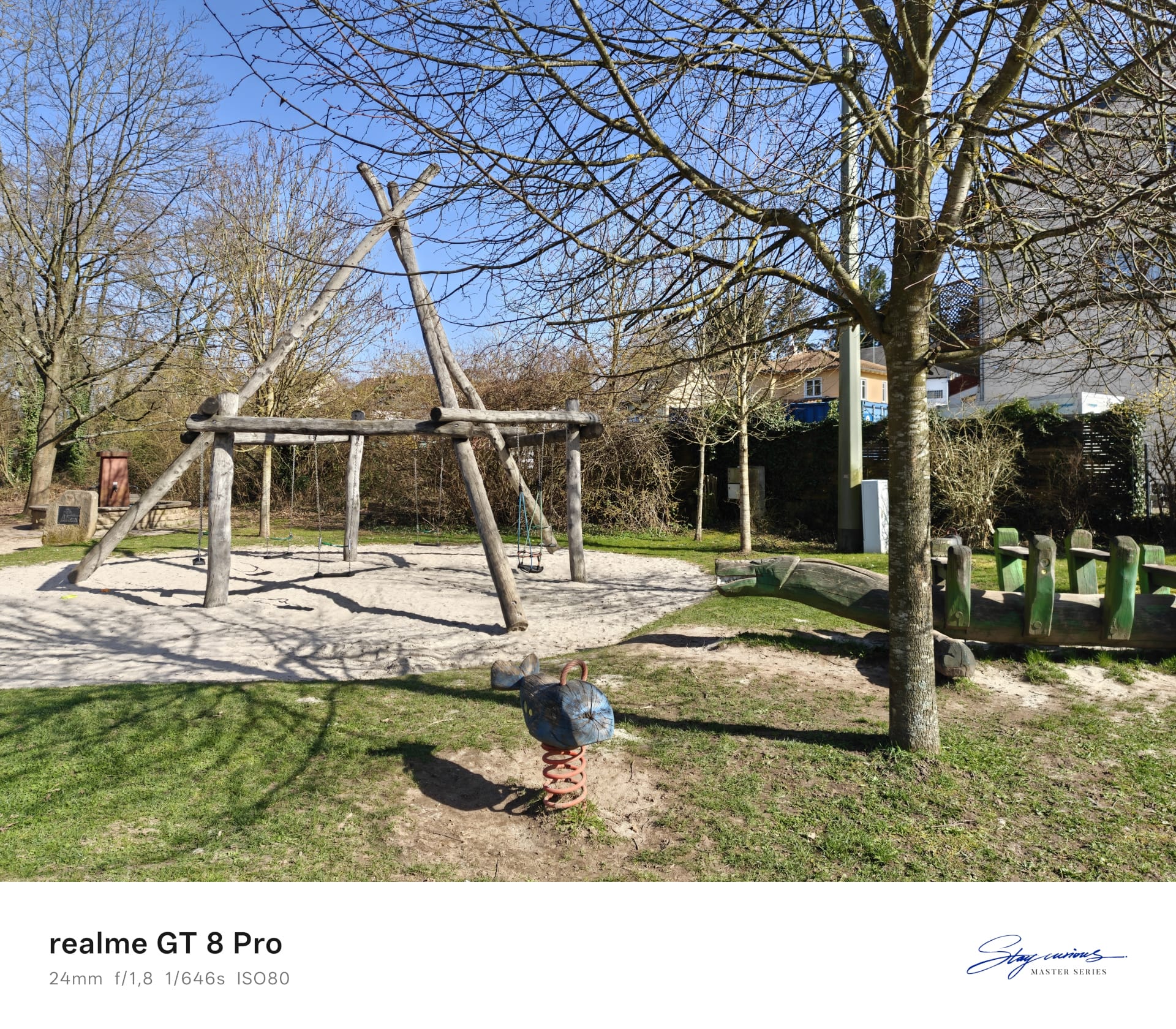
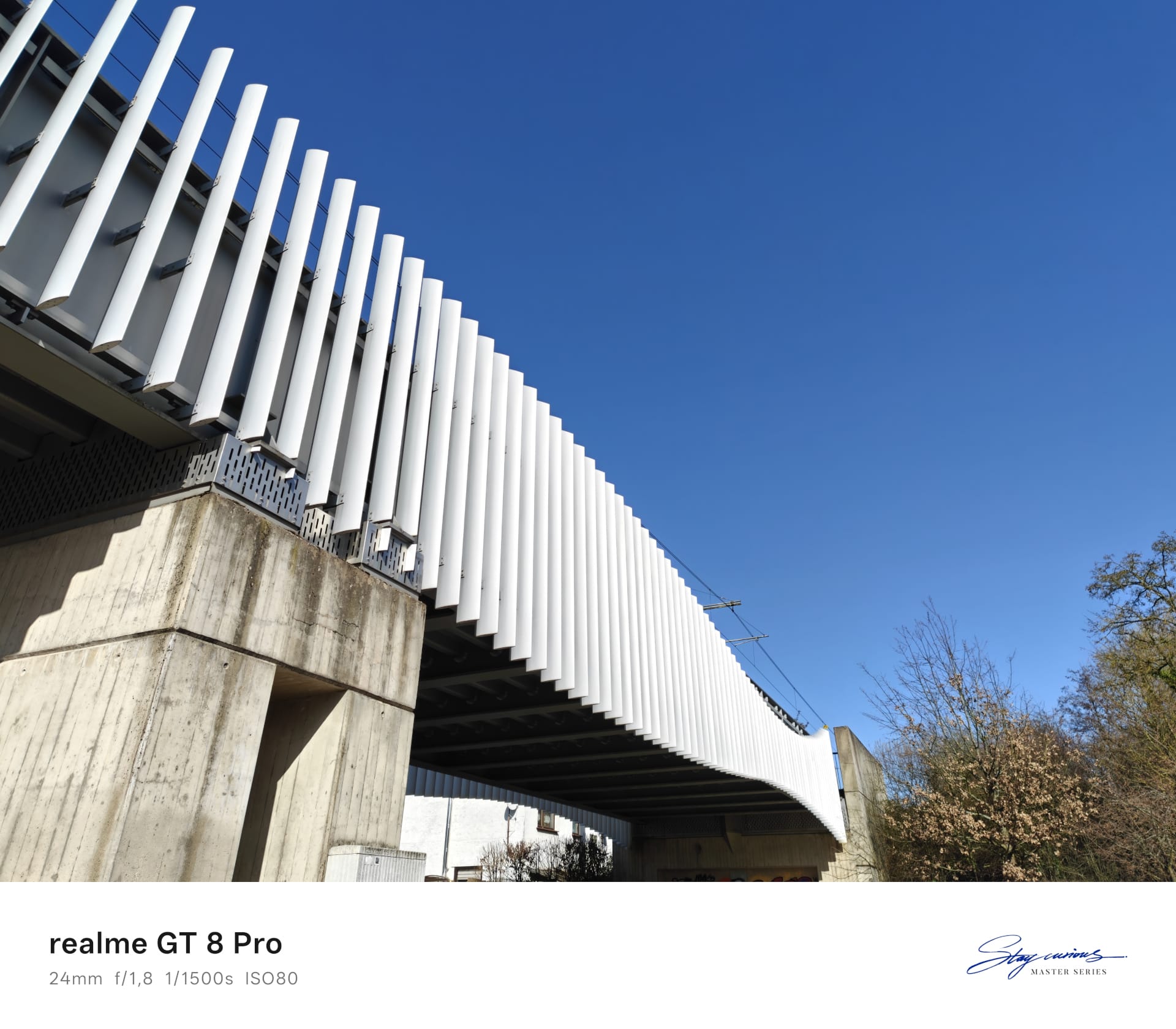
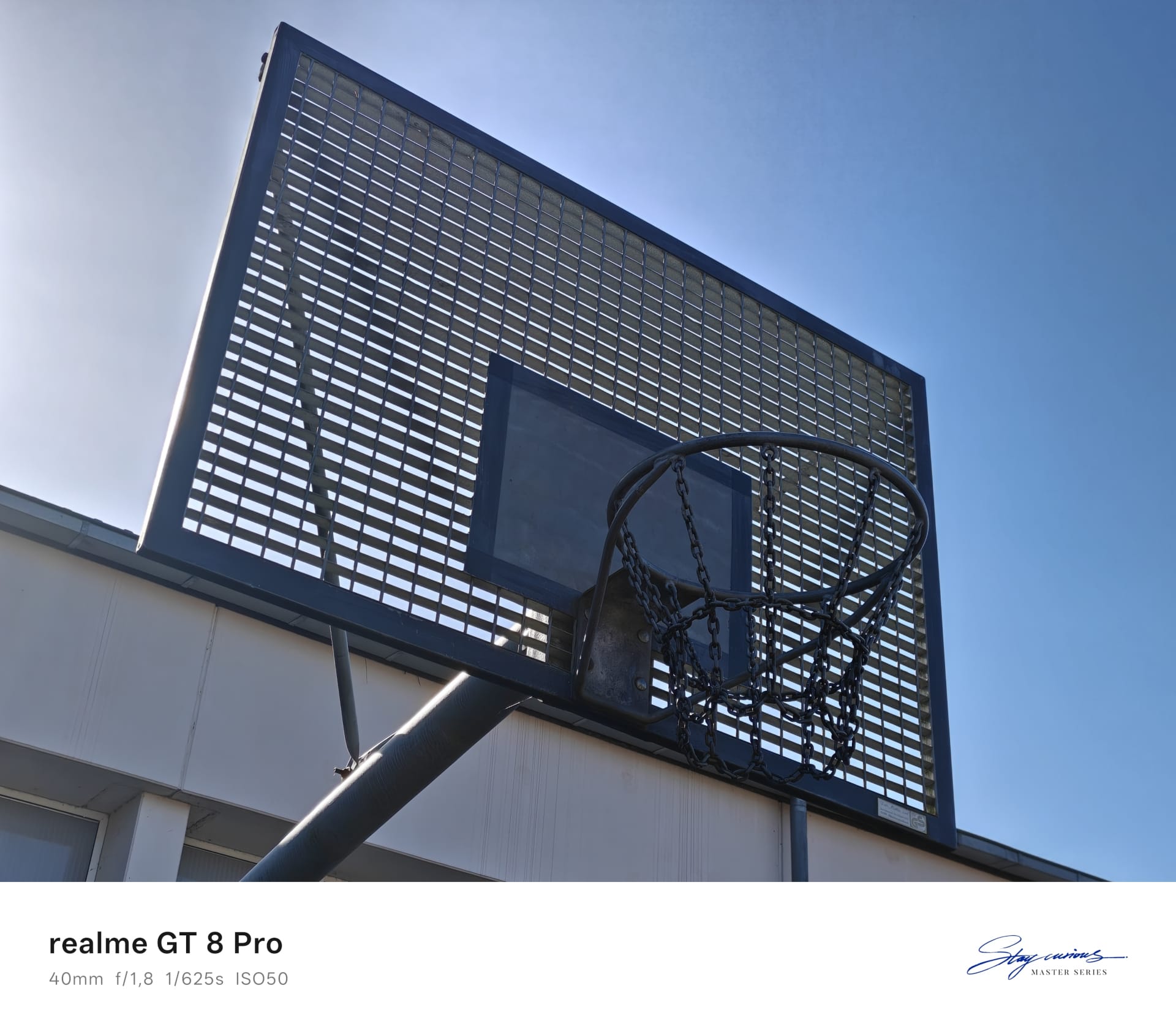
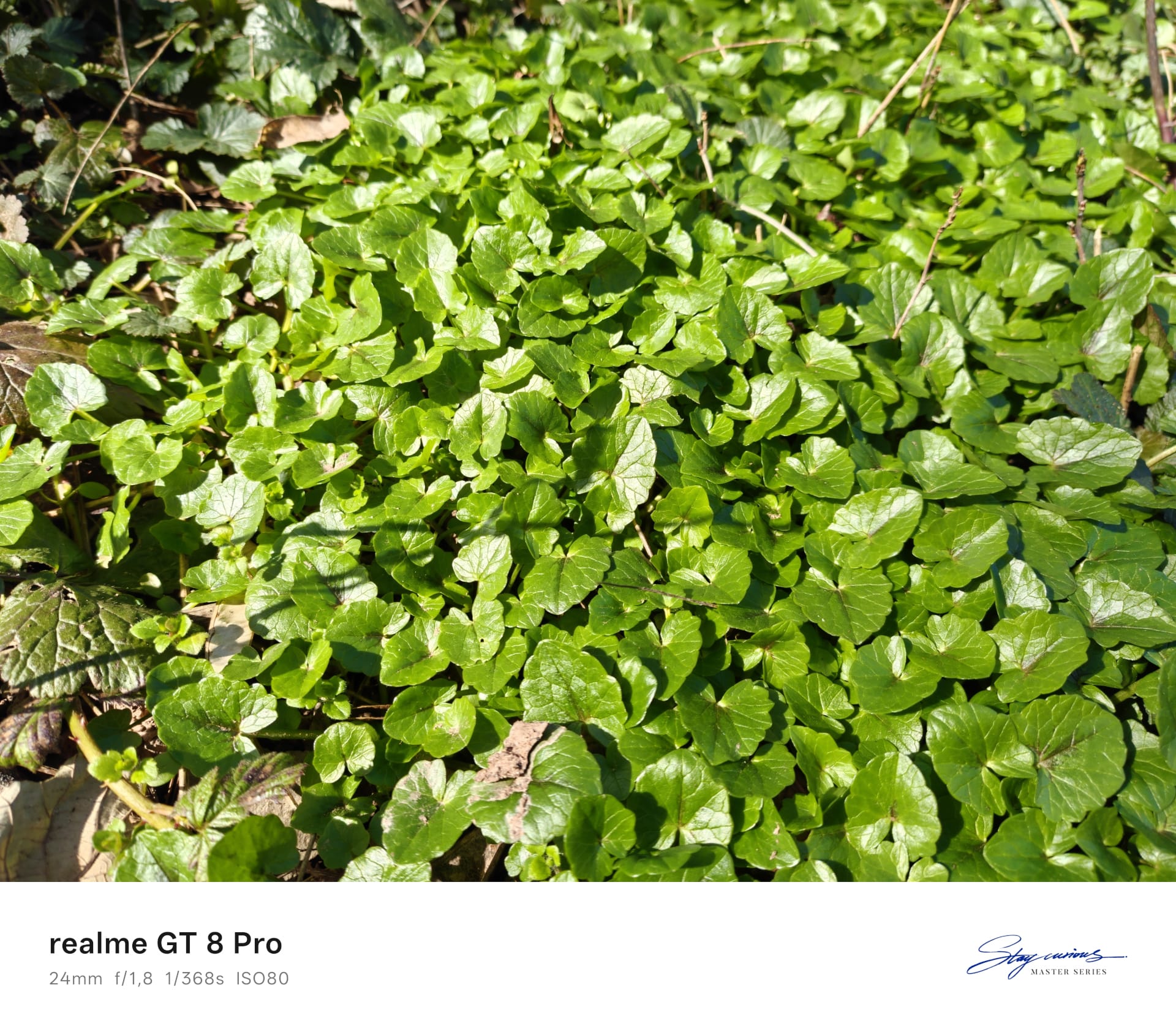
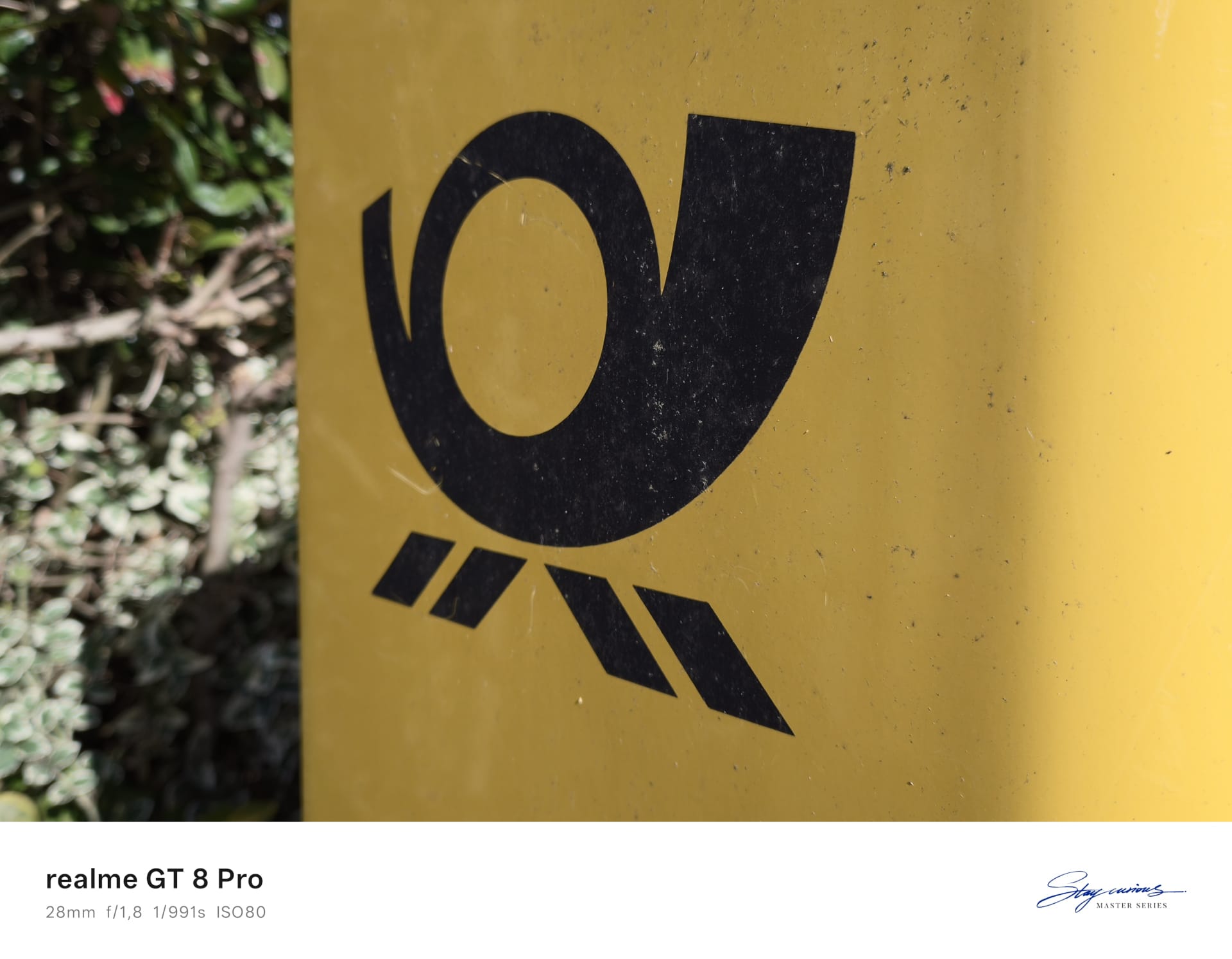
Dynamic range is another strength. Highlights are well controlled, while shadows retain their detail. The 26 MP High-Res mode brings out a little more detail, while the full 50 MP mode offers the maximum resolution in theory but can occasionally produce artefacts or uneven levels of detail in practice.
The main camera also remains convincing in more challenging lighting. Night shots are bright, but not artificially boosted. Shadows are rendered clearly, highlights are mostly kept under control and the white balance rarely makes any serious mistakes. However, detail quality drops off somewhat with the 2x zoom, which is cropped digitally from the main camera.


Telephoto camera
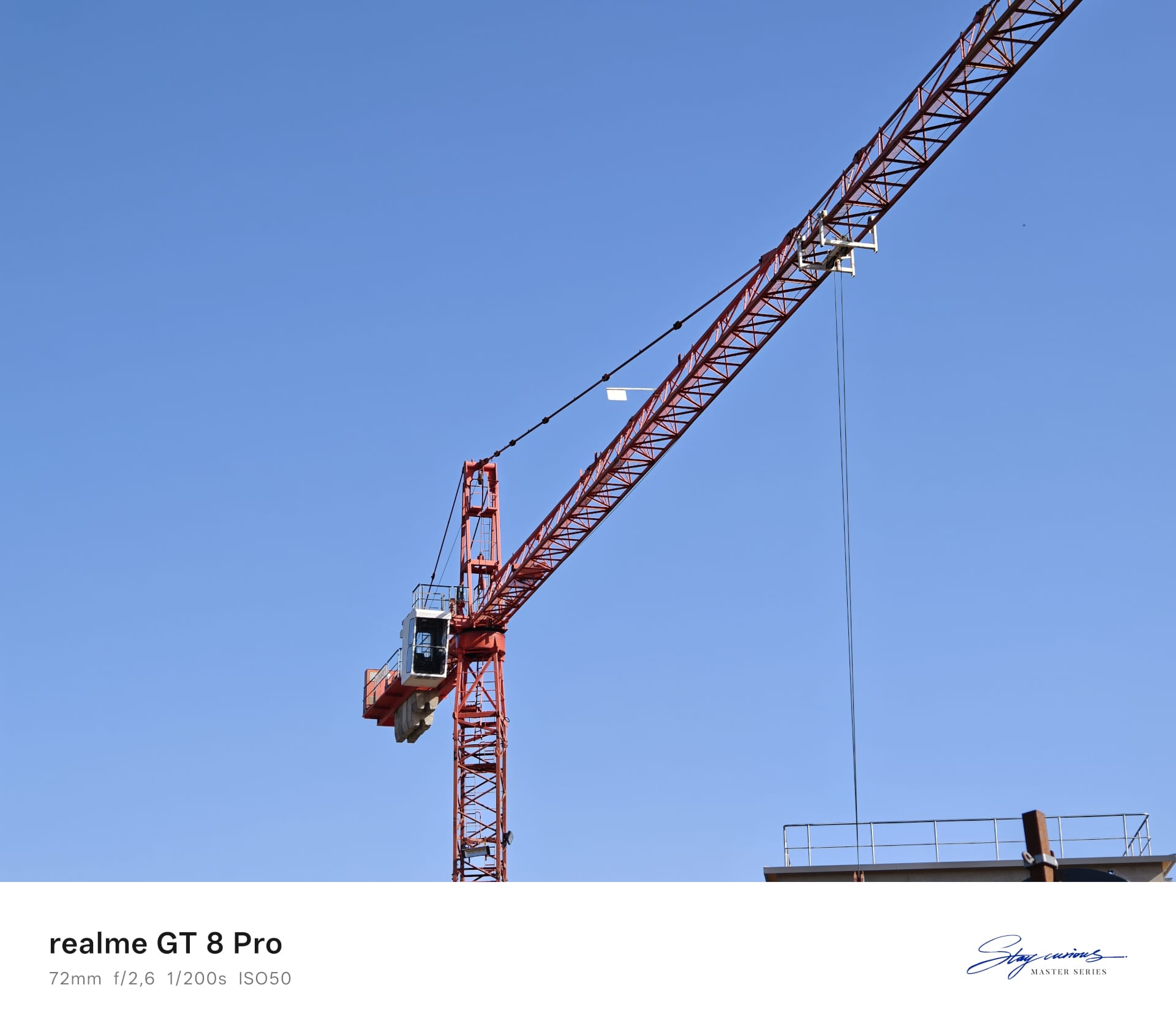
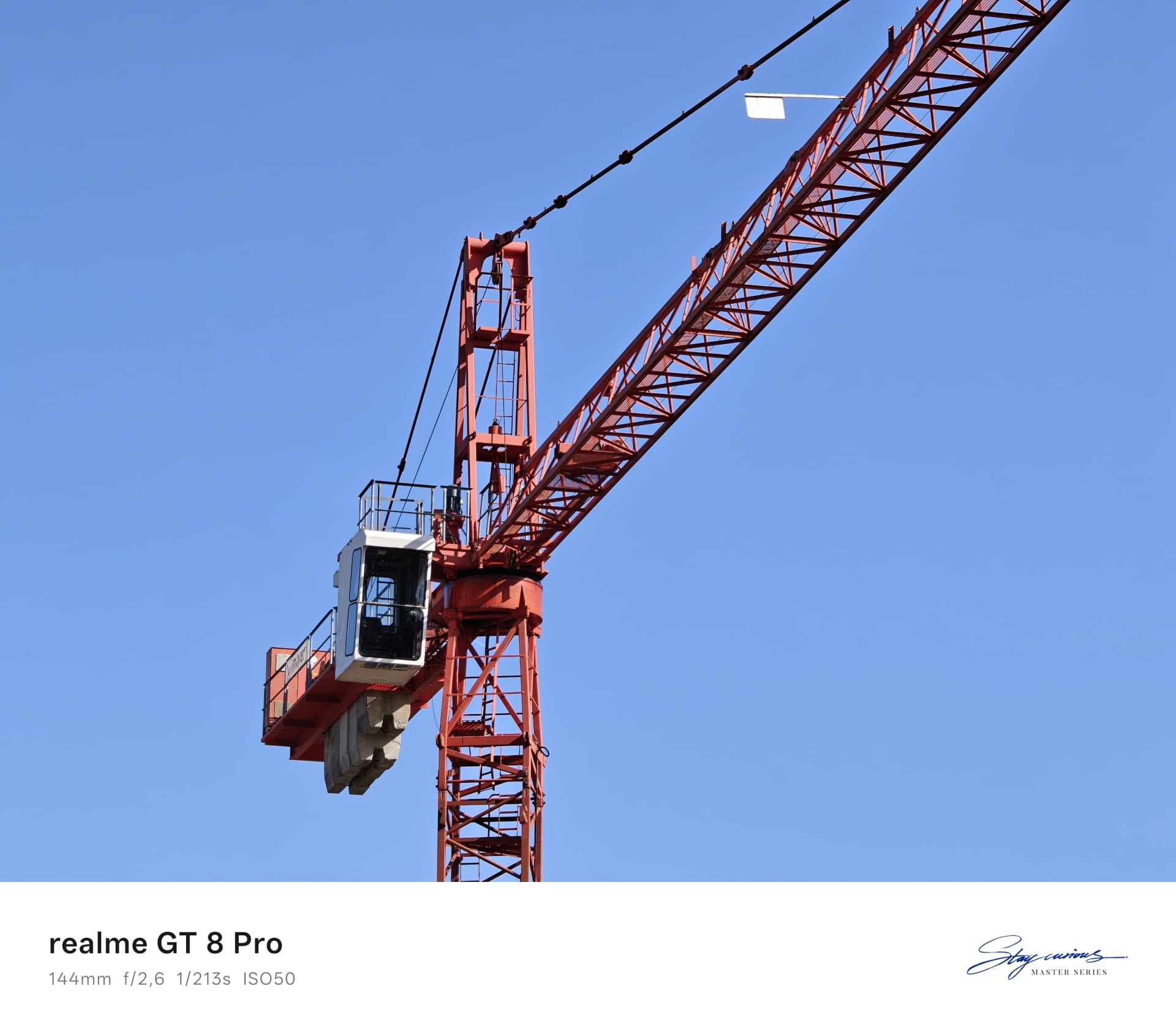
More exciting than the main camera is the 200 MP periscope camera. The large HP5 sensor ensures that even at 3x zoom, images are highly detailed. Colour, dynamic range and sharpness are all at a very high level. Portraits in particular benefit from the focal length (approx. 65 mm), which provides a natural perspective and pleasant background compression.

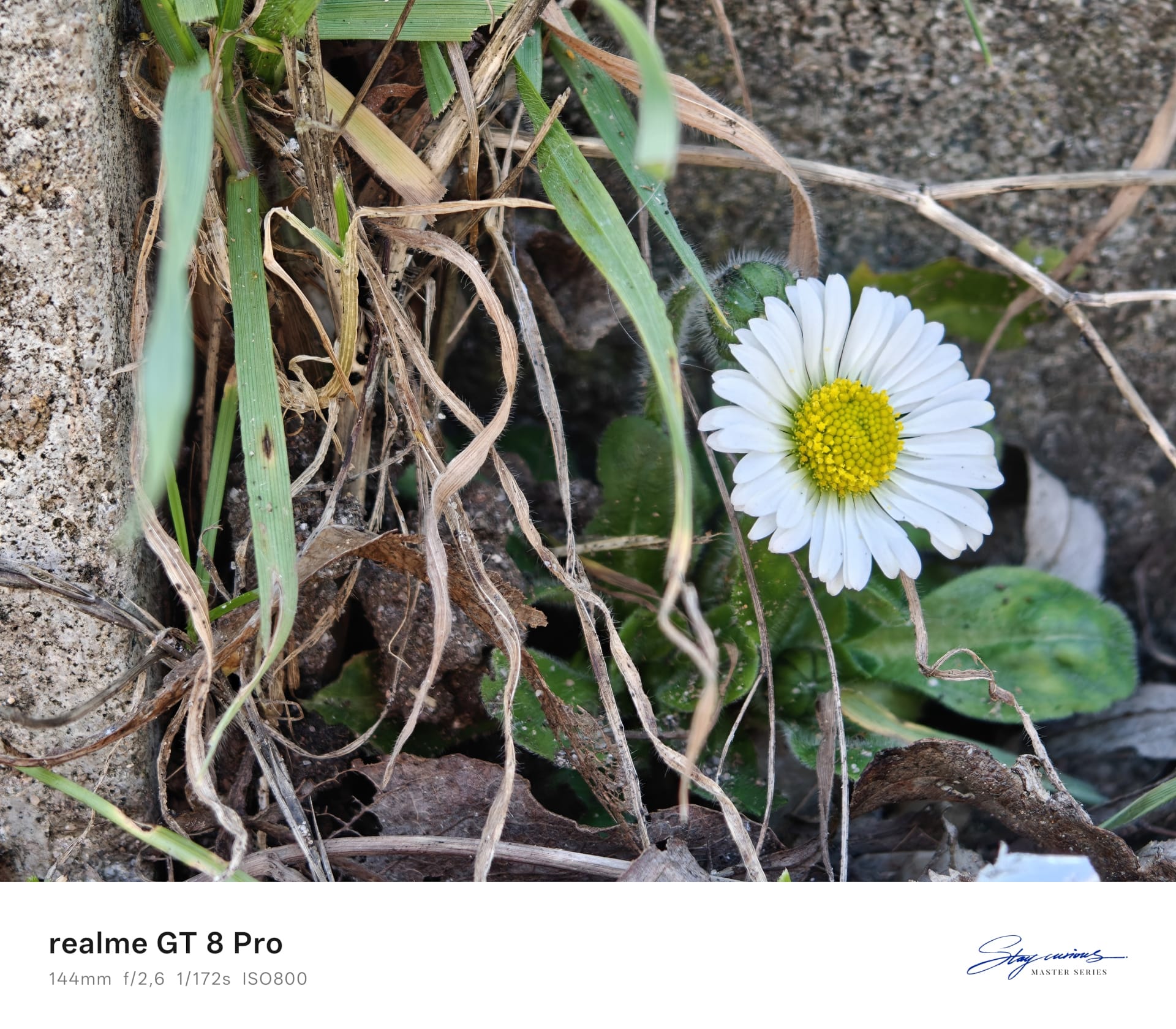


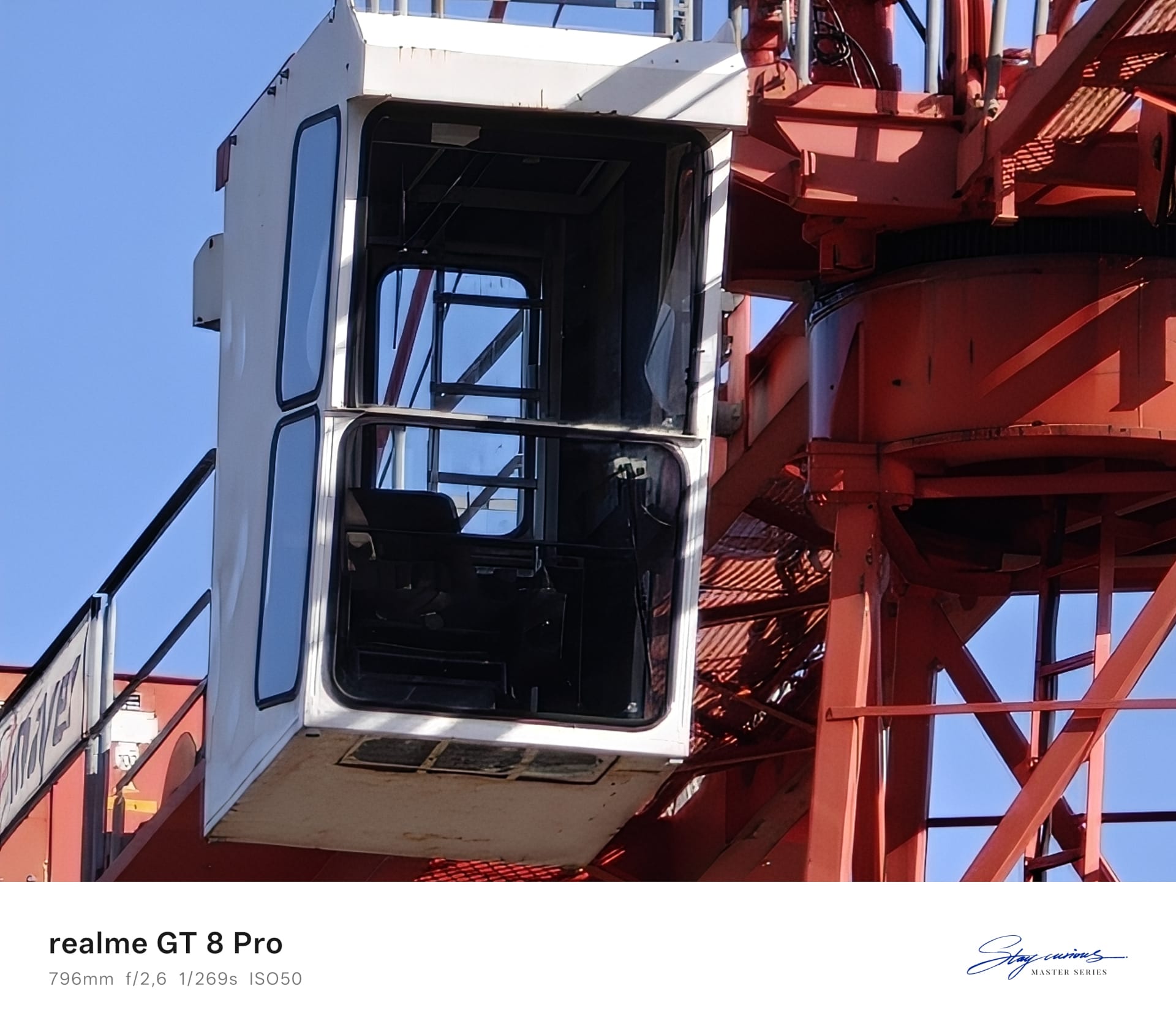
The telephoto camera also remains surprisingly versatile beyond that. Thanks to its high-resolution sensor, 6x zoom shots are far from blurry, and even at 10x the results are still decent, although the first visible artefacts appear in fine details.
Thanks to its short minimum focusing distance of around 19 cm, the telephoto camera is also suitable for close-ups and detailed shots.
Ultra-wide-angle
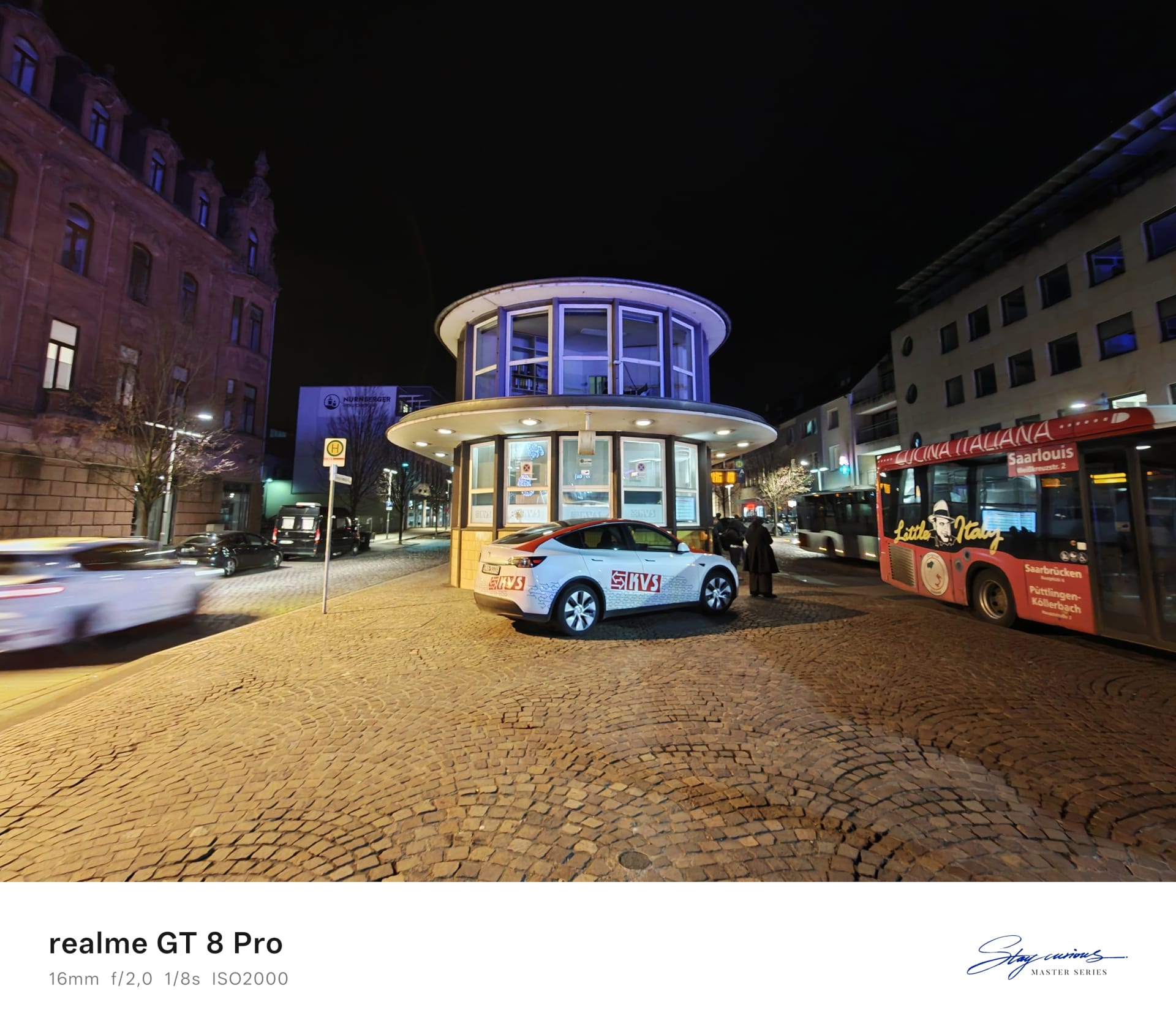
At 50 MP, the ultra-wide-angle camera captures detailed images in good lighting, with solid colour reproduction and very good dynamic range. That is more than enough for landscape and architectural photography.
One criticism is the lack of autofocus. Even with subjects that are only slightly closer, the image becomes blurred. This limitation is all the more noticeable because the rest of the camera system is so good.



Selfies
The 32 MP front camera delivers decent results, with good colours and solid dynamic range. Detail rendering is acceptable, but falls short of the expectations raised by the nominal resolution. Autofocus is also missing here, which is particularly noticeable when distances change or in group shots.
Ricoh mode
The Ricoh GR mode deserves a section of its own. Realme is trying to bring the look of classic Ricoh GR cameras to smartphones. The mode includes fixed focal lengths of 28 mm and 40 mm, as well as various colour and black-and-white profiles.
Anyone who likes to work with image aesthetics, contrast and fixed focal lengths will find a genuinely interesting approach here. At the same time, the added value depends heavily on personal taste. The Ricoh profiles have character, but they are not always more natural or better than the standard photo mode.


Video
The GT 8 Pro is also well equipped for video. The main and telephoto cameras support up to 8K at 30 fps and 4K at up to 120 fps. Dolby Vision, HDR and even a log mode for professional post-processing are also included.
Battery
With a capacity of 7,000 mAh, the built-in battery is one of the largest currently found in a flagship phone. realme uses modern silicon-carbon technology in a dual-cell design to fit such a high capacity into a reasonably slim body.
With intensive use involving plenty of screen-on time, streaming, social media and occasional gaming, you can easily get through the day and usually well beyond it. With moderate use, two days of battery life is realistic.
realme doesn't skimp on charging either. The device supports wired fast charging at up to 120 watts, reaching 50 per cent in around 15 minutes. A full charge takes just over 40 minutes. That's a very strong result given the battery capacity.
Charging is notably flexible. In addition to the proprietary SuperVOOC standard, the GT 8 Pro also supports USB-PD with PPS (up to around 55 watts). This means the smartphone can also be charged relatively quickly using third-party chargers, although not quite as fast as with the original charger.
Wireless charging is also included and supports up to 50 watts. This is rounded off by the usual software features for battery protection and charging optimisation. These include adaptive charging, adjustable charging limits (e.g. 80 to 100%) and options to deliberately reduce the charging speed to extend the battery's lifespan.
Our verdict
Realme wants to move out of the traditional "value-for-money corner" and into the true flagship class. The realme GT 8 Pro does an astonishingly good job of this in many areas. Its huge 7,000 mAh battery combined with extremely fast charging is currently almost unrivalled, the Snapdragon 8 Elite Gen 5 is at the top of the performance range, and its bright QHD+ display is also among the best on the market.
While the cameras on previous realme GT models were more in the upper mid-range, the GT 8 Pro takes a clear step forward. The 200 MP telephoto camera in particular adds versatility to photography, while the collaboration with Ricoh also offers an interesting creative approach, although its practical benefits remain largely limited to photographic style.
However, the GT 8 Pro still isn’t quite on a level with the top flagships. Minor shortcomings, such as the lack of LTPO technology in the display and the absence of autofocus on the ultra-wide and front cameras, show that there is still room for improvement. It still needs that final polish, but the gap to the competition has rarely been so small.
Specifications
Processor and memory
- CPU
- Qualcomm Snapdragon 8 Elite Gen 5 (3 nm)
- – Octa-core (2x 4.6 GHz + 6x 3.62 GHz, Oryon V3)
- GPU
- Adreno 840 @ 1200 MHz
- AI
- Hyper Vision+ AI Chip
- RAM
- 12 GB / 16 GB (LPDDR5X)
- Internal storage
- 256 GB / 512 GB / 1 TB (UFS 4.1)
- Storage expansion
- Not supported
Display
- Display size
- 6.79 inches
- Display resolution
- 3136 × 1440 pixels (QHD+)
- Display refresh rate
- up to 144 Hz
- Touch sampling rate
- 360 Hz (standard: 120 Hz)
- Display brightness
- up to 7,000 nits peak, 2,000 nits HBM, ~1,000 nits typical
- Display type
- AMOLED
- Colour reproduction
- 1.07 billion colours (10-bit), 100% DCI-P3
- HDR support
- HDR10, HDR10+, Dolby Vision
- Pixel density
- 508 ppi
- Screen-to-body ratio
- 94,2%
Cameras
- Camera branding
- Camera Powered by RICOH GR
- Main camera
- – 50 MP, f/1.8, 1/1.56", 7P lens, PDAF, OIS
- – 200 MP, f/2.6 (periscope telephoto, 3x zoom), 1/1.56", 5P lens, PDAF, OIS
- – 50 MP, f/2.0 (ultra-wide-angle), 116°, 6P lens, fixed focus
- Features
- HDR, panorama, night mode, AI modes, RICOH GR Mode, Pro mode, long exposure, tilt-shift, underwater
- Video (rear)
- – 8K@30fps
- – 4K@30/60/120fps
- – 1080p@30/60/120/240fps
- – Dolby Vision, HDR, 10-bit LOG
- – Slow motion up to 720p@480fps
- Front camera
- – 32 MP, f/2.4, 82°, 5P lens, fixed focus
- Features
- HDR, Beauty, Screen Fill Light
- Video
- 4K@30/60fps, 1080p
Mains
- Dual SIM
- Yes (Nano + Nano or Nano + eSIM)
- eSIM
- Yes
- Mobile network technologies
- GSM / WCDMA / LTE / 5G NR
- 5G bands
- Sub-6 GHz (broad global support)
- Frequencies
- Comprehensive support incl. bands 1/2/3/5/7/8/20/28/77/78/79 and many more
Wireless
- Wi-Fi
- Wi-Fi 7 (802.11be), Wi-Fi 6/5 compatible, 2×2 MIMO, dual-band
- Bluetooth
- 6.0 (A2DP, LE, aptX HD, LHDC 5)
- GPS
- Dual-band GNSS (GPS L1+L5, Galileo, GLONASS, BeiDou, QZSS, NavIC)
- NFC
- Yes (depending on the region)
- Infrared
- Yes
- Radio
- No
- USB
- USB Type-C, OTG
Sensors
- Fingerprint sensor (under-display, ultrasonic)
- Accelerometer
- Compass
- Gyroscope
- Proximity sensor
- Ambient light sensor
- Color temperature sensor
- Hall sensor
- Laser autofocus sensor
- Spectral sensor
- Infrared sensor
Battery
- Battery
- 7,000 mAh Titan Battery (dual-cell, silicon-carbon)
- Wired charging
- up to 120W (SuperVOOC 2.0)
- Charging protocols
- SuperVOOC, VOOC 3.0, PD, PPS, QC, UFCS
- Qi charging
- Yes, up to 50W wireless charging
- Reverse charging
- n/a
Other
- Operating system
- Android 16 with realme UI 7.0
- Software updates
- 4 Android versions, 5 years of security updates
- Audio
- Stereo speakers
- 3.5 mm jack
- No
- Connection
- USB-C
- Protection rating
- IP68 / IP69
- Size
- approx. 161.8 x 76.9 x 8.2 mm
- Weight
- approx. 214–218 g
- Colors
- Diary White, Urban Blue
Price comparison
| Store | Price | Link |
|---|---|---|
| Amazon | 753,77 € | Go to store |
Comments