Contents
Test: Redmi Note 9 Pro
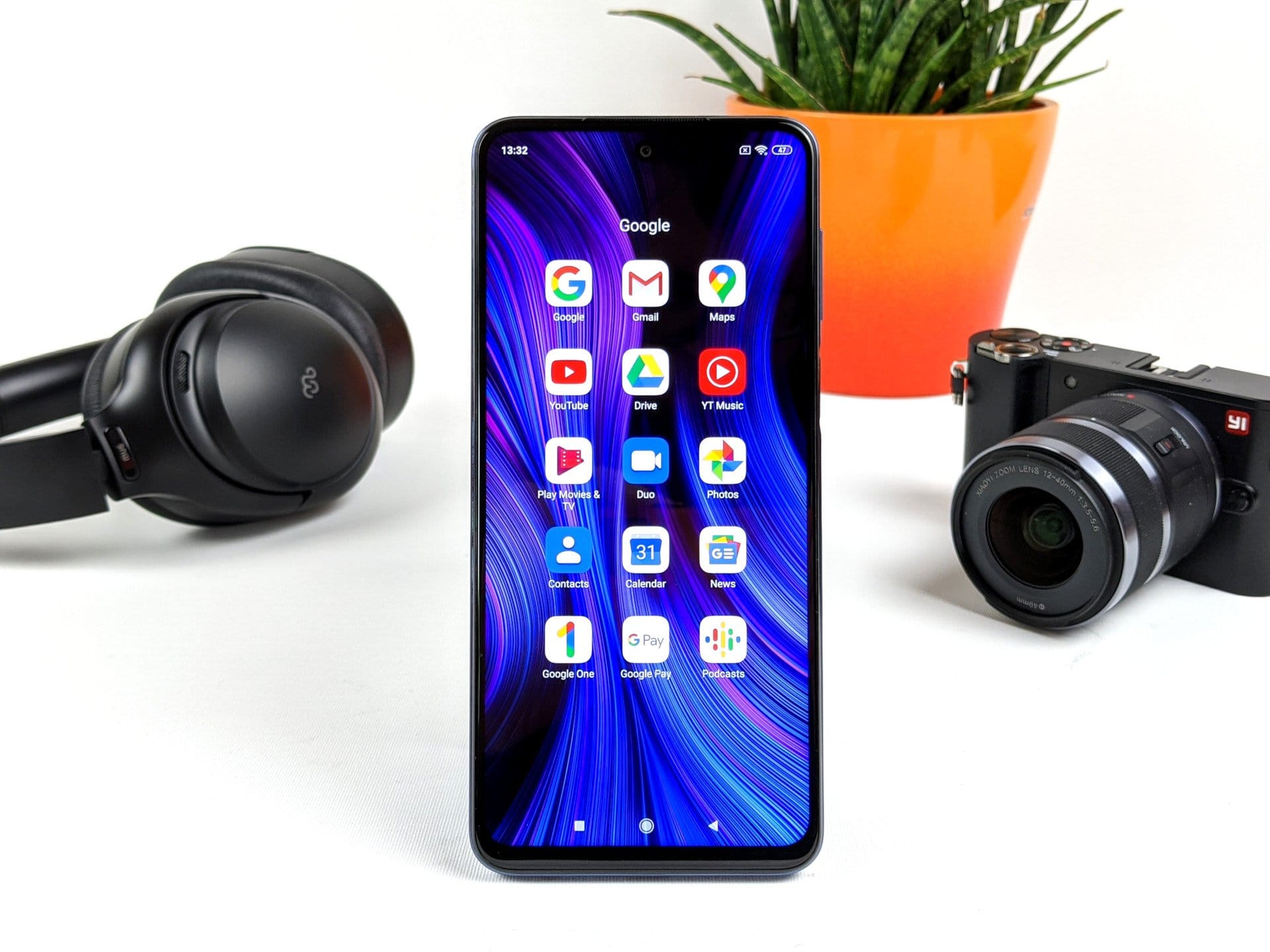
Only a few weeks ago, Xiaomi introduced the Redmi Note 9S. Now Xiaomi is sending the Redmi Note 9 Pro Global into the ring. The main differences are NFC support, a 64 MP main camera and fast 30W fast charging.

Design, build quality, and included accessories
For many users, the design of a smartphone is just as important as good hardware. Xiaomi’s young brand Redmi is focused on offering users the best possible design experience. Previous Redmi models already demonstrated this, presenting themselves in particularly colourful and impressive ways.
Redmi follows a similar strategy with the Note 9 Series. The Redmi Note 9 Pro is available in the colours “Glacier White”, “Interstellar Grey” and “Tropical Green”. These three colours give the smartphone a very special elegance. For testing, we have the smartphone in the colour “Aurora Blue”, which is not yet available.
The Redmi Note 9 Pro is structured as follows:
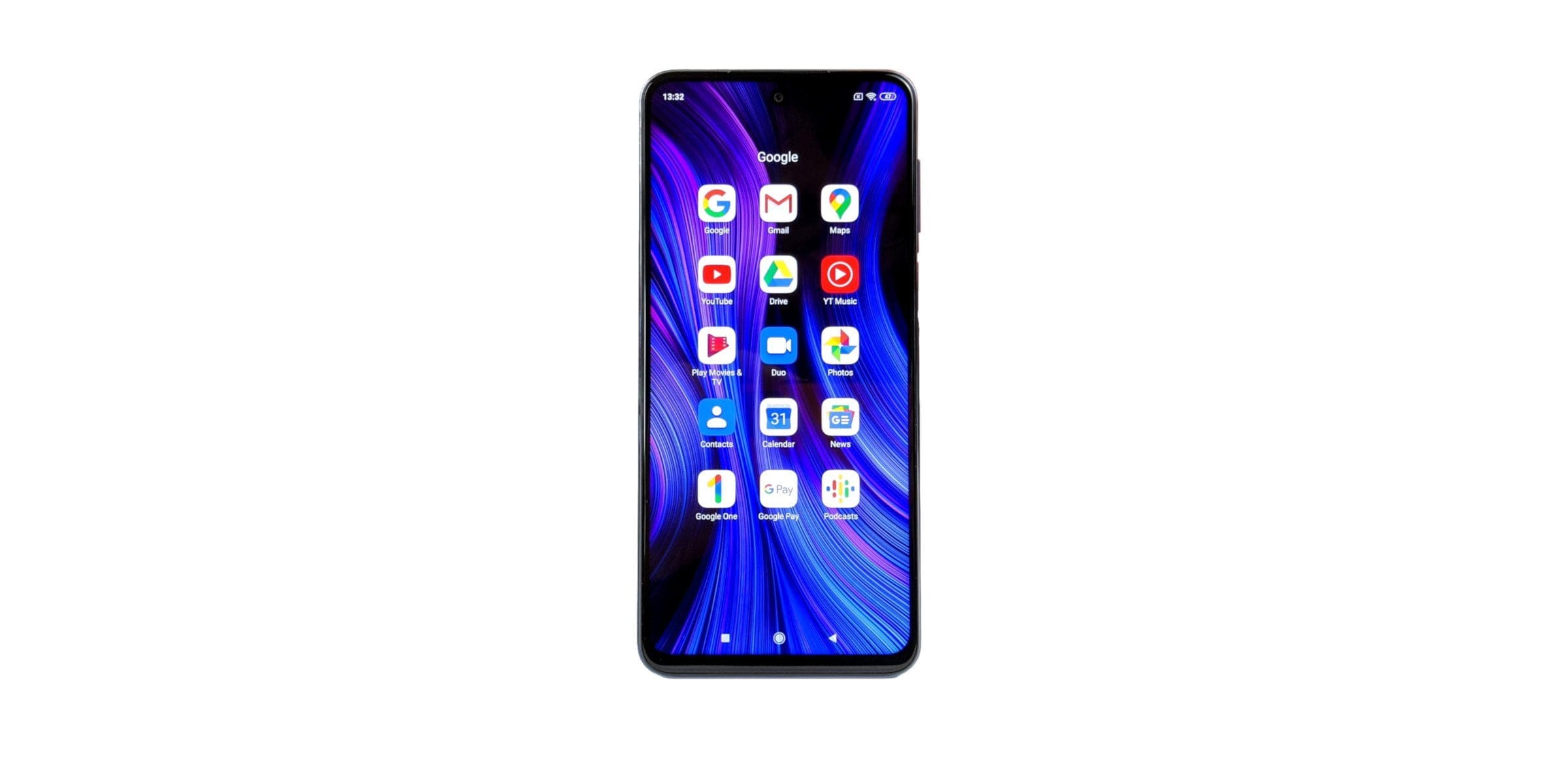
On the front, we have a 6.67-inch DotDisplay, which literally translates to "Dot Display". The name comes from the placement of the front camera. The camera is cut directly into the display. This solution, also known as a "punch-hole", is considered particularly space-saving.
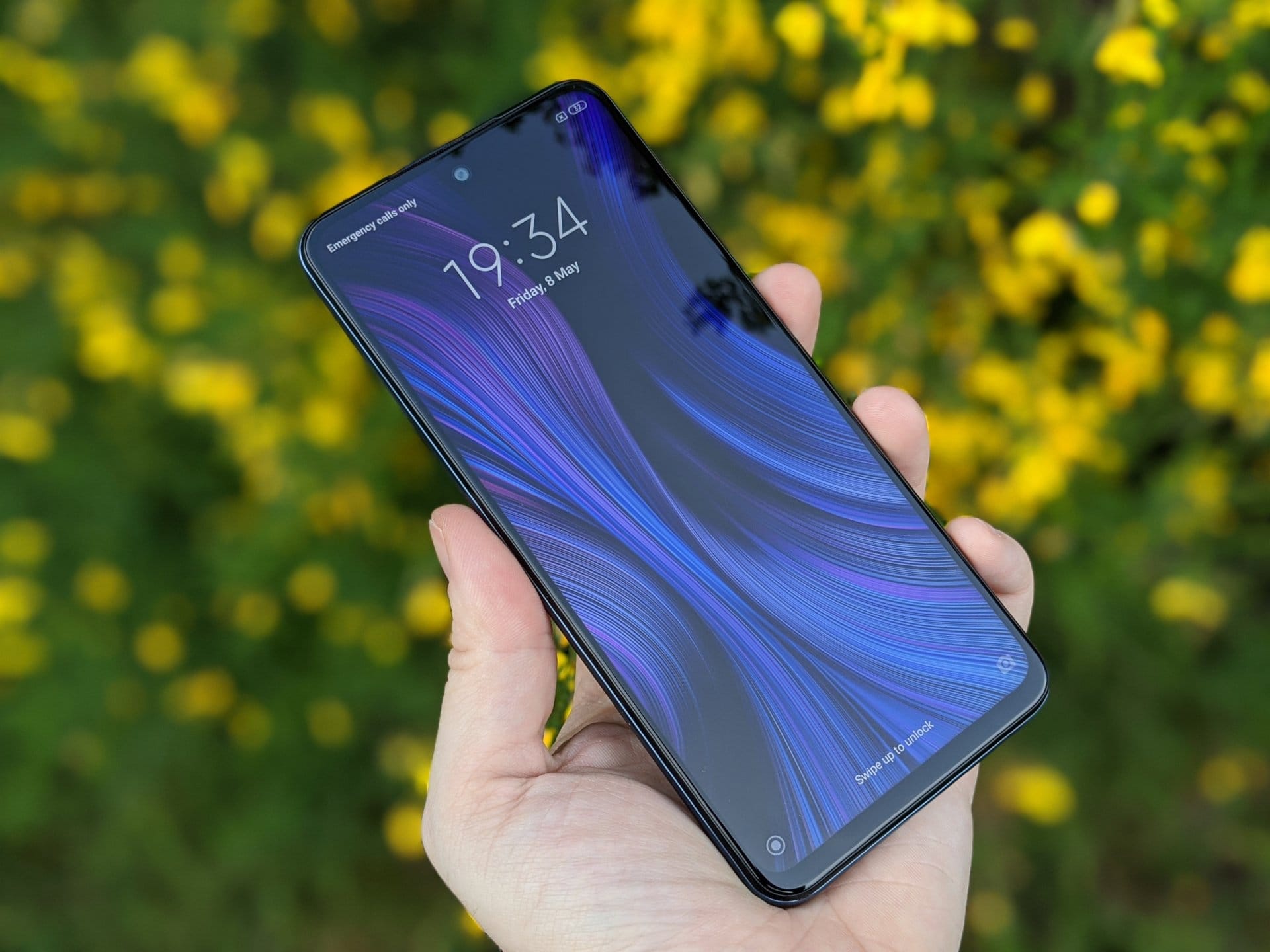
The side bezels surrounding the display are pleasantly narrow at 3 mm (left, right and top) and 5 mm (bottom). At the top section is the elongated and barely visible earpiece. A tiny notification LED (white) has been integrated directly into the earpiece. The display glass features a subtle curve (2.5D curved) at the edges.
Following the display, there is a transition to the matte plastic frame. The frame matches the colour of the back and does not immediately reveal that it is ‘only’ made of plastic. Numerous features are located around the frame.
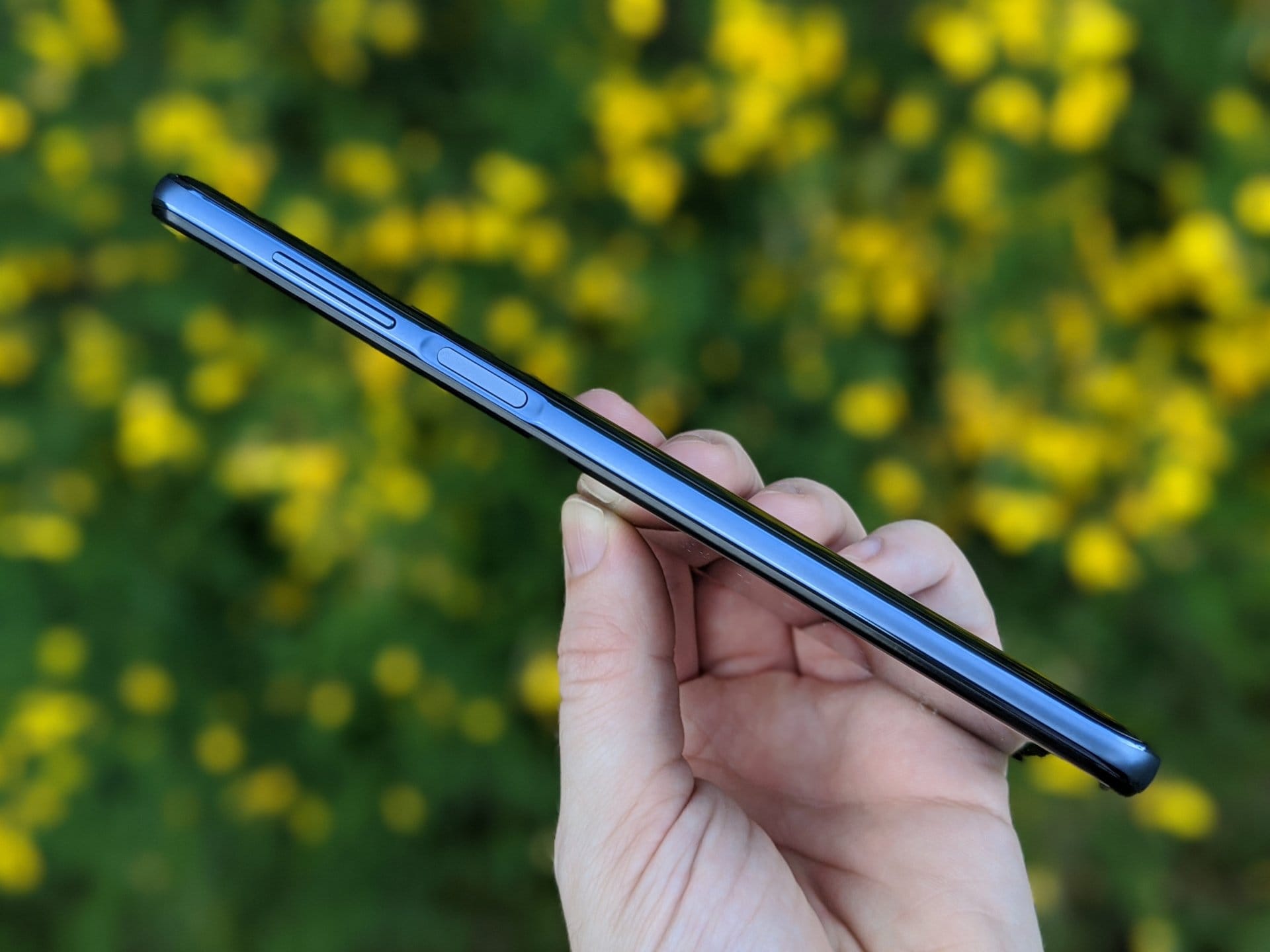
The physical control buttons are located on the right side of the frame and include a volume rocker and a power button. Both buttons are easily reachable with one hand. A notable feature is the fingerprint scanner, integrated into the power button. Opposite this is the SIM slot, which holds two nano-SIM cards and an additional microSD memory card.
At the top of the Redmi Note 9 Pro, there is an IR blaster. This allows you to control televisions. To its right is one of the two microphones in total. At the bottom edge, in the centre, is the USB-C port. Fans of wired headphones will be pleased with a 3.5 mm jack socket. To the right of the USB-C port is the second microphone. Next to that is the media loudspeaker.
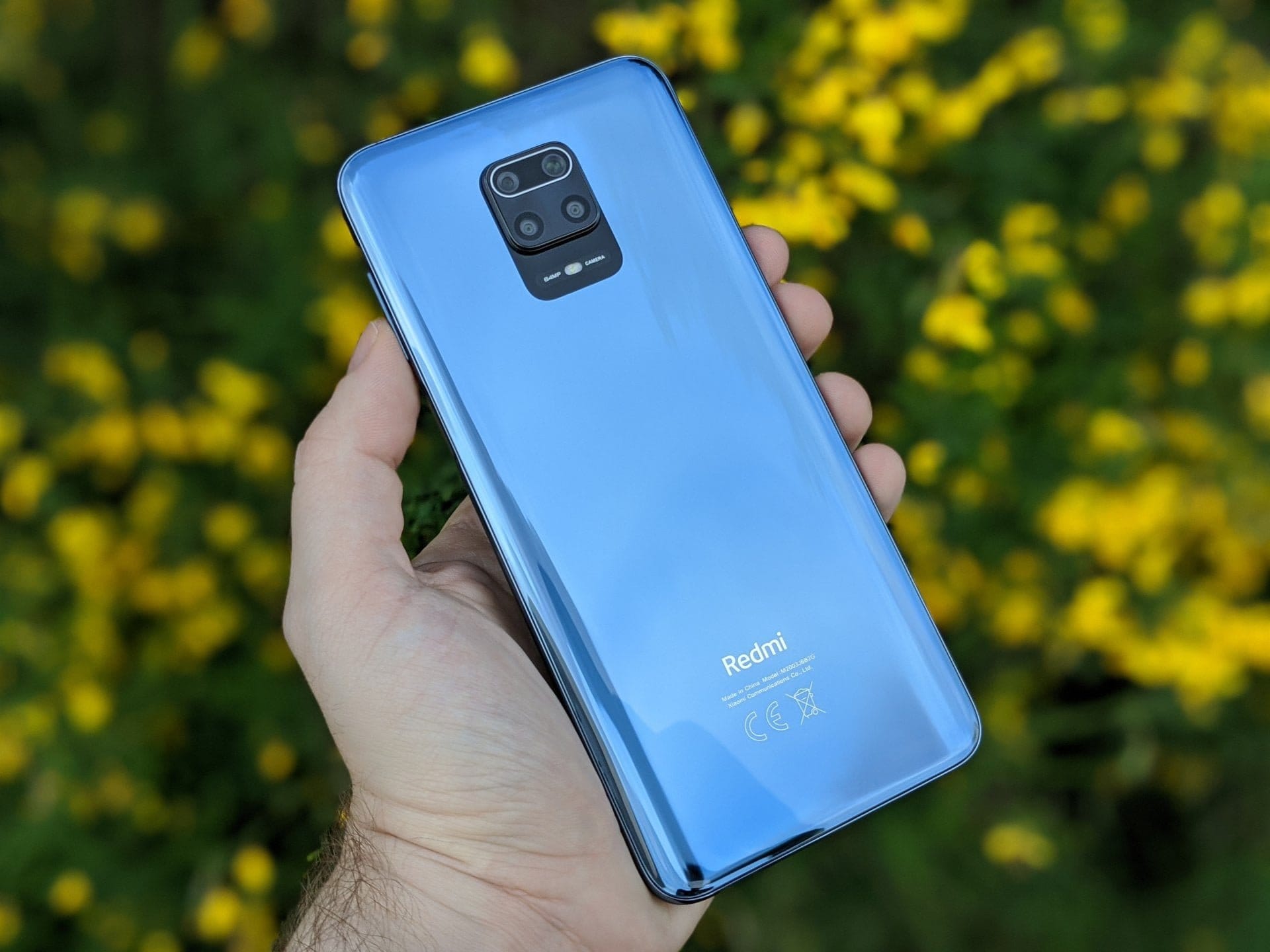
Let’s move on to the visual highlight of the Redmi Note 9 Pro. The front and back are made of particularly scratch-resistant Corning Gorilla Glass 5. The glossy back transitions smoothly from the matte housing frame. The smartphone appears elegant and avoids obtrusive colour gimmicks. However, the highly glossy back also has a disadvantage. Dirt and fingerprints are visible after the first touch.
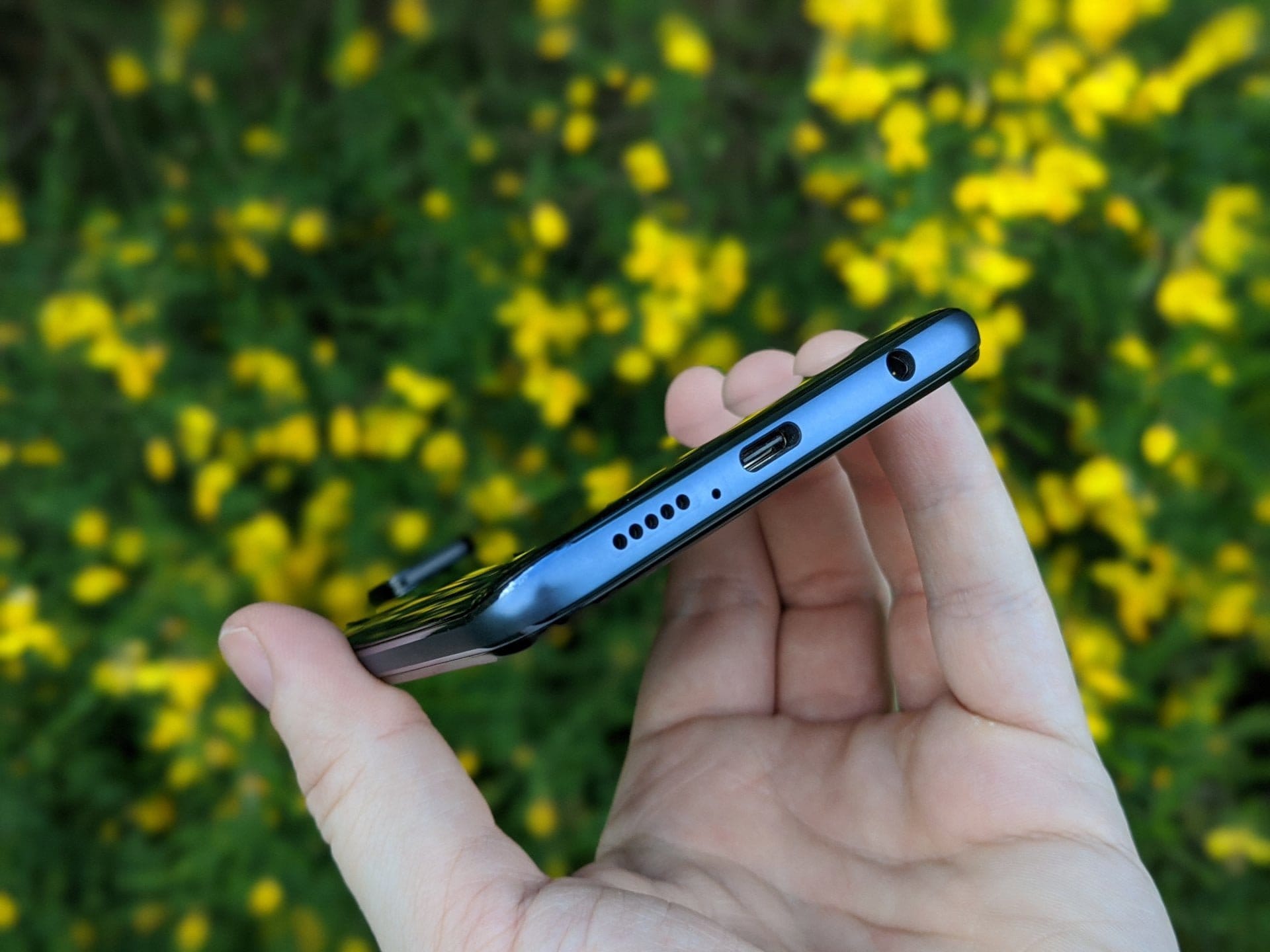
The 165.75 x 76.68 x 8.8 mm smartphone feels good in the hand. Although it is largely made of glass, it feels grippy. The comparatively high weight of 209g also contributes to a pleasantly premium feel. The so-called P2i nano-coating on the back appears water-repellent and allows for use even in the rain.
The build quality is excellent. The box contents include the Redmi Note 9 Pro, a USB-C cable, a SIM ejector tool, a protective case and a 33 W fast charger. Unfortunately, we cannot provide further details on this, as we received our test unit without the additional accessories.
Display
The Redmi Note 9 Pro features a 6.67-inch display with a 2400 x 1080 pixel resolution. At 395 DPI, the image is razor-sharp. The display type is IPS. This LCD technology is known for high colour accuracy, wide viewing angles and good contrast.
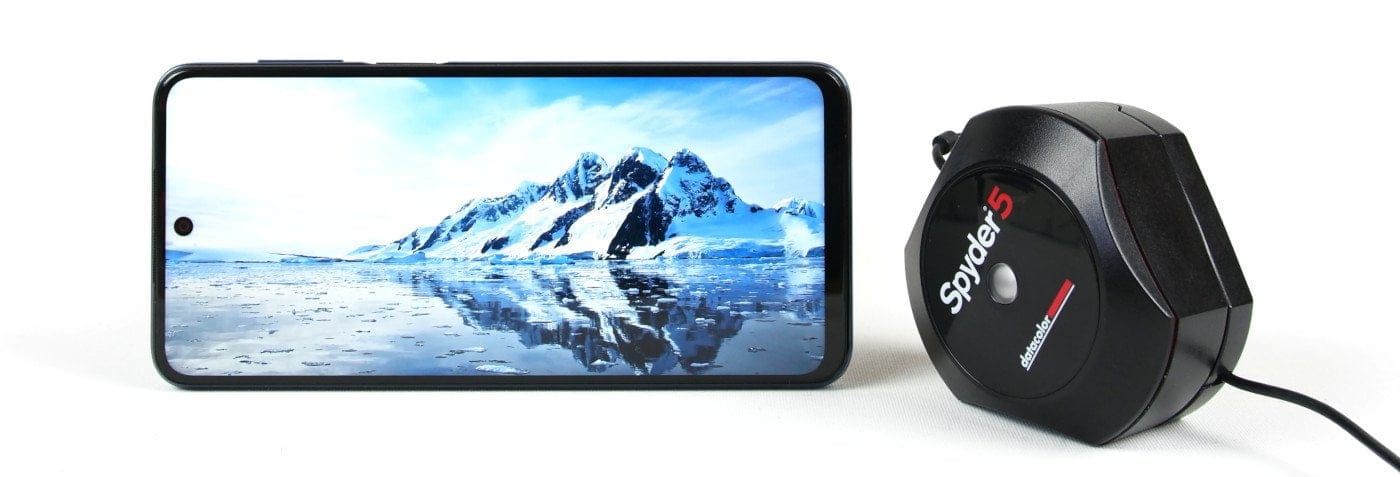
In the so-called cinema format (21:9 aspect ratio), the smartphone is a bit longer and narrower than other models. So if you like to watch movies on your smartphone, you can enjoy them in full width.
Xiaomi states the maximum display brightness as 450 cd/m². Further features of the IPS panel are a contrast ratio of 1500:1 and an NTSC colour gamut coverage of 84 per cent.
Display measurement
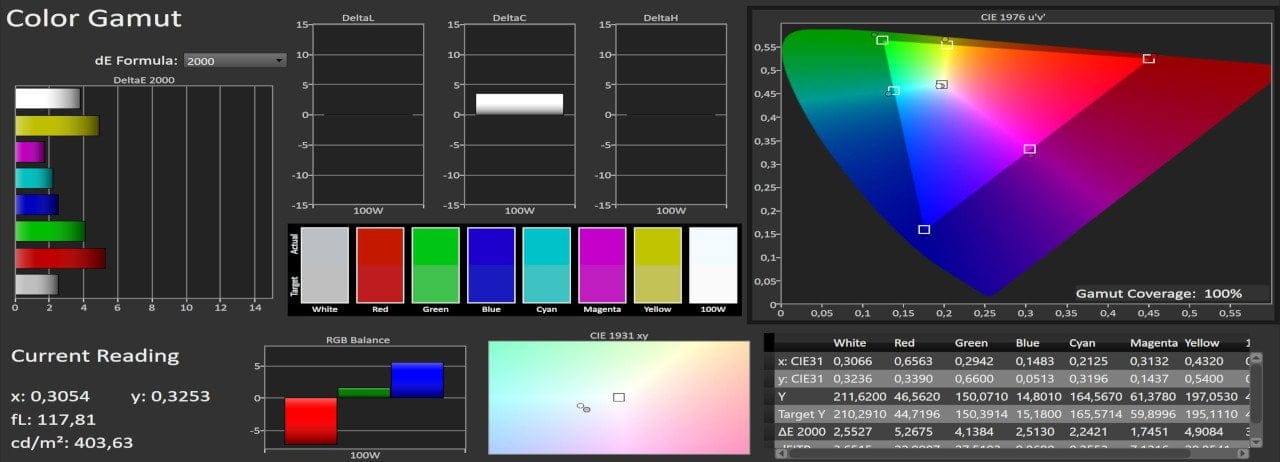
Measurements were initially taken at factory settings. The colour mode is set to "Automatic" and the colour temperature to "Standard". The following measurement results show that the white point deviates from D65 and has a slight blue cast. However, this is nothing to worry about, as a white point above D65 is intentional by many manufacturers. A slightly elevated blue component ensures brilliant whites and a brighter representation.
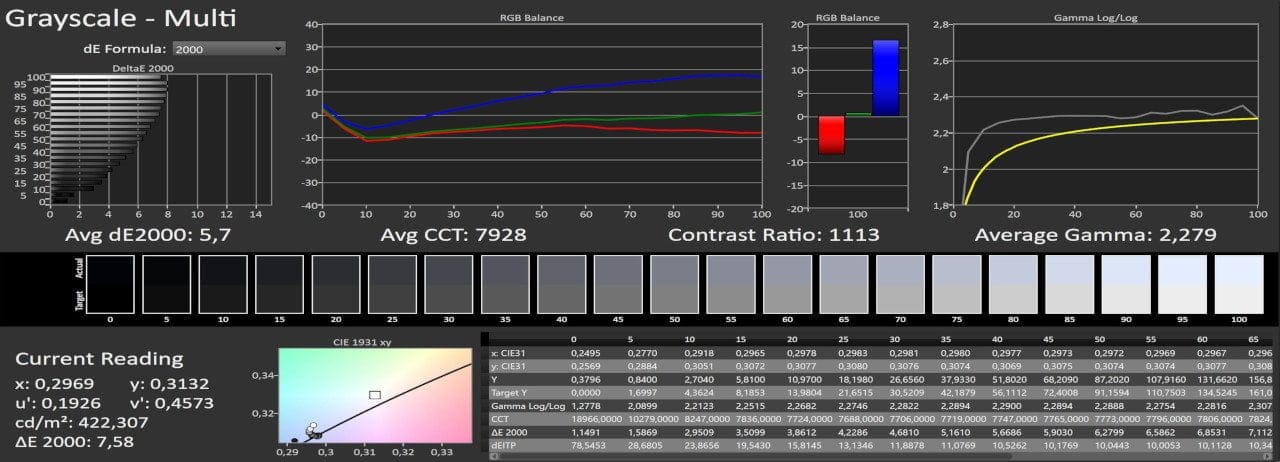
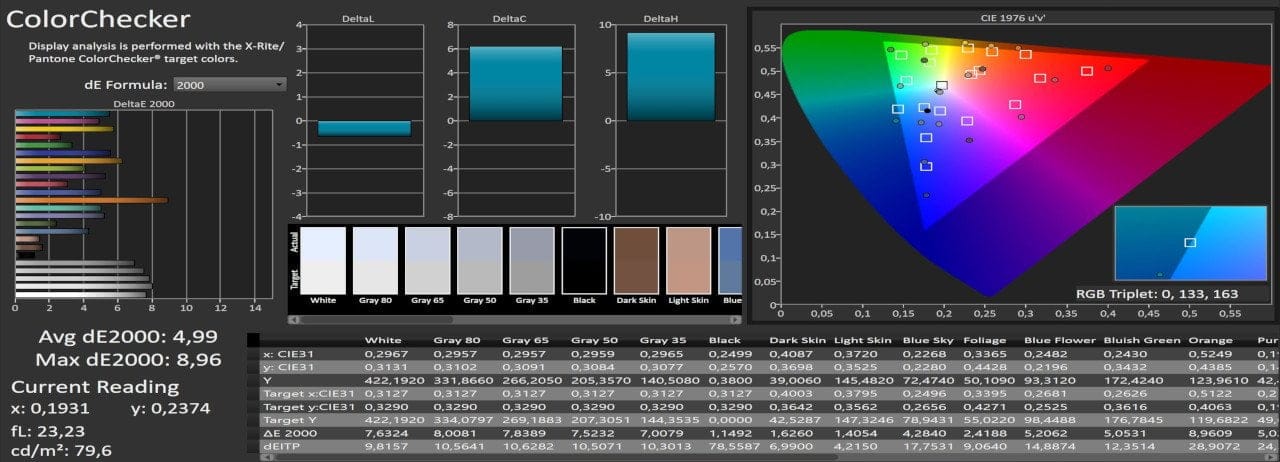
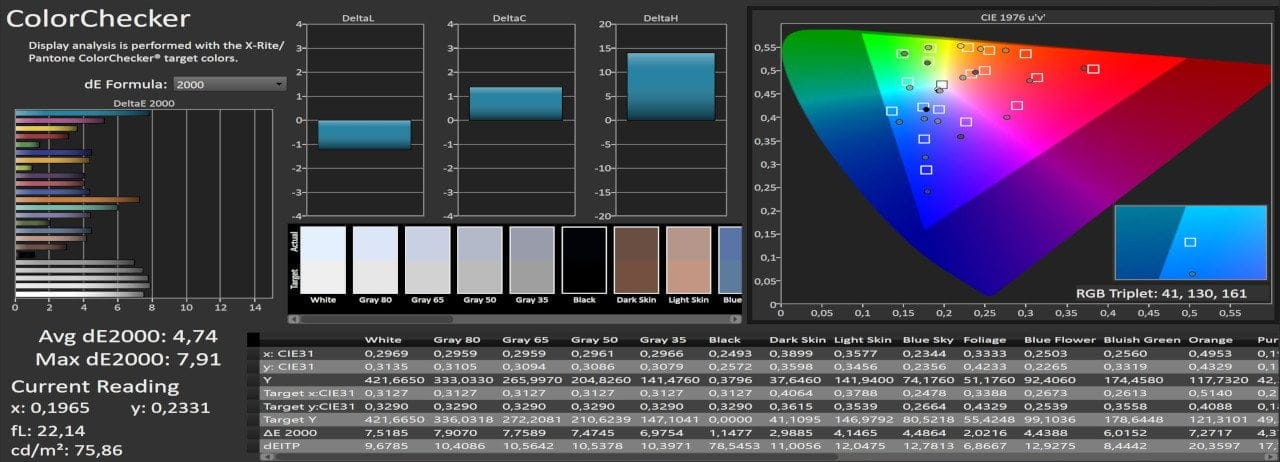
In this mode, we measured a maximum brightness of 420 cd/m². The black level is 0.38 cd/m². This results in an average contrast ratio of 1100:1. Colour measurements against sRGB and DCI-P3 reveal an average Delta E of 4.99 and 4.74, respectively. Delta E describes the colour deviation between two colours. An average Delta E between 4 and 5 is an acceptable value at factory settings. Many smartphones come with slightly oversaturated colours “out of the box”.
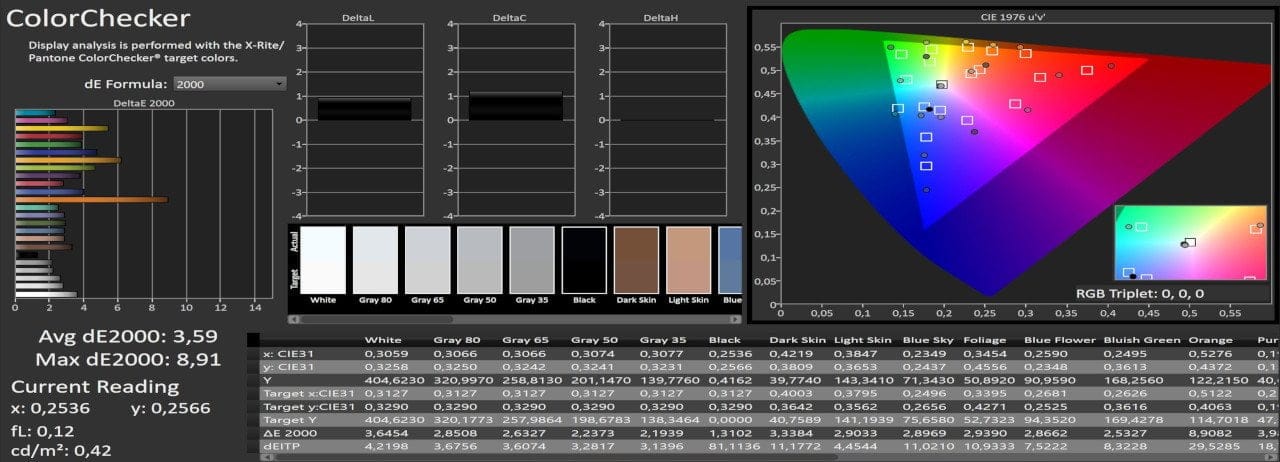
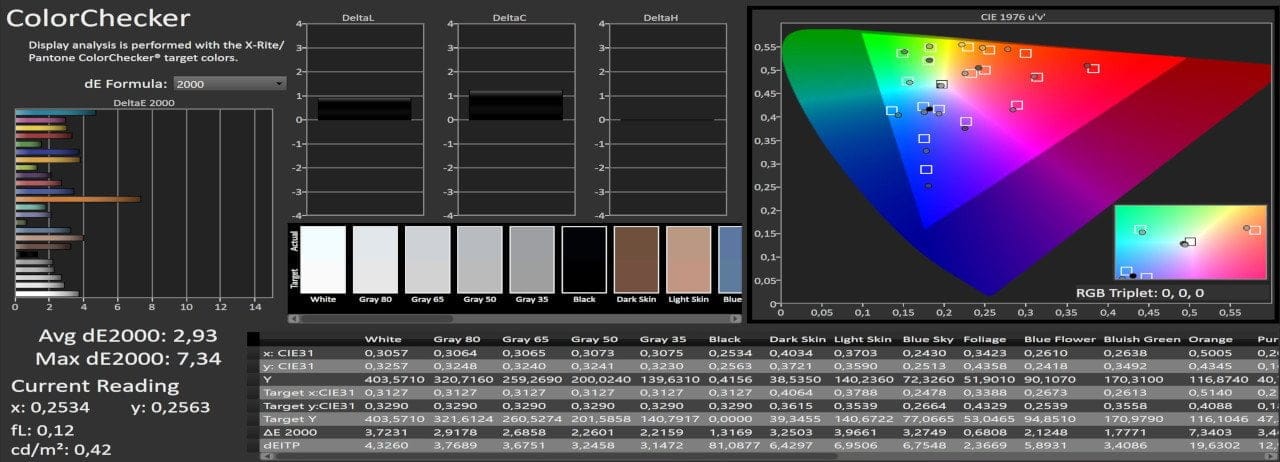
It gets interesting once we select "Warm" as the colour temperature of the Redmi Note 9. Colours appear noticeably warmer and we approach D65. Brightness reduces to 400 cd/m² in this mode. Measurements against sRGB and DCI-P3 result in a Delta E of 3.59 and 2.93 respectively. For a mid-range smartphone, these are excellent values!
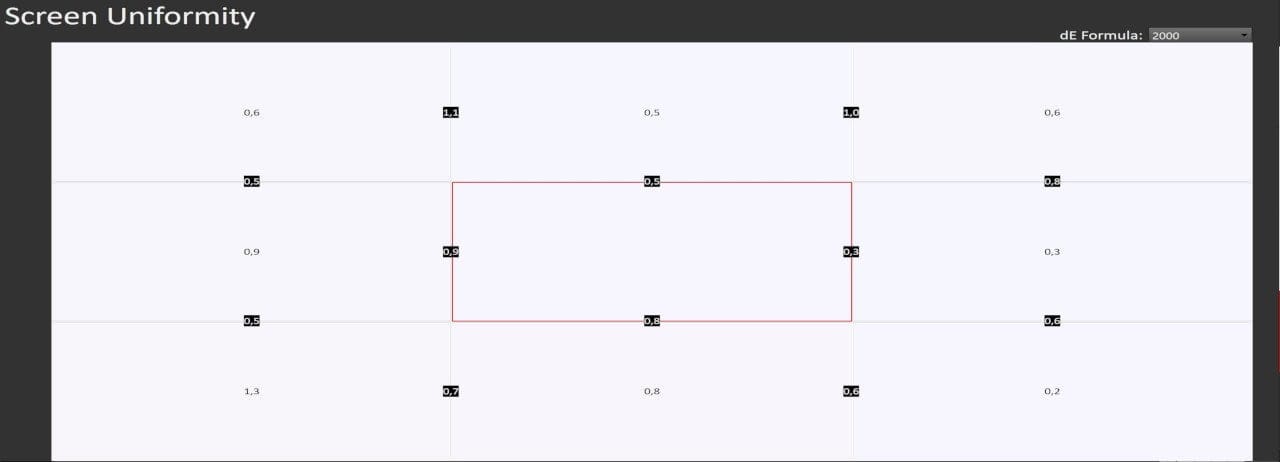
The illumination of the panel is uniform. Towards the edges, there are small (measurable) deviations, which however do not exceed the usual standards.
Display in everyday use
The display of the Redmi Note 9 Pro was convincing not only in our measurements, but also in everyday use. The maximum display brightness does not reach flagship level, but is sufficient to read the display even in sunlight. The viewing angle stability is good. Particularly shallow viewing angles do not lead to any visible changes in colour, brightness or contrast.
The only thing that bothered us was the slight shadow cast by the camera cutout. Depending on the viewing angle of the display, this becomes more or less noticeable.
Display settings and features
The display can be adjusted in many ways. An automatic brightness mode adjusts the display brightness to the ambient light. The ambient light sensor works quickly and accurately. For colour adjustment, 3 colour profiles, 3 temperature profiles and a colour wheel are available.
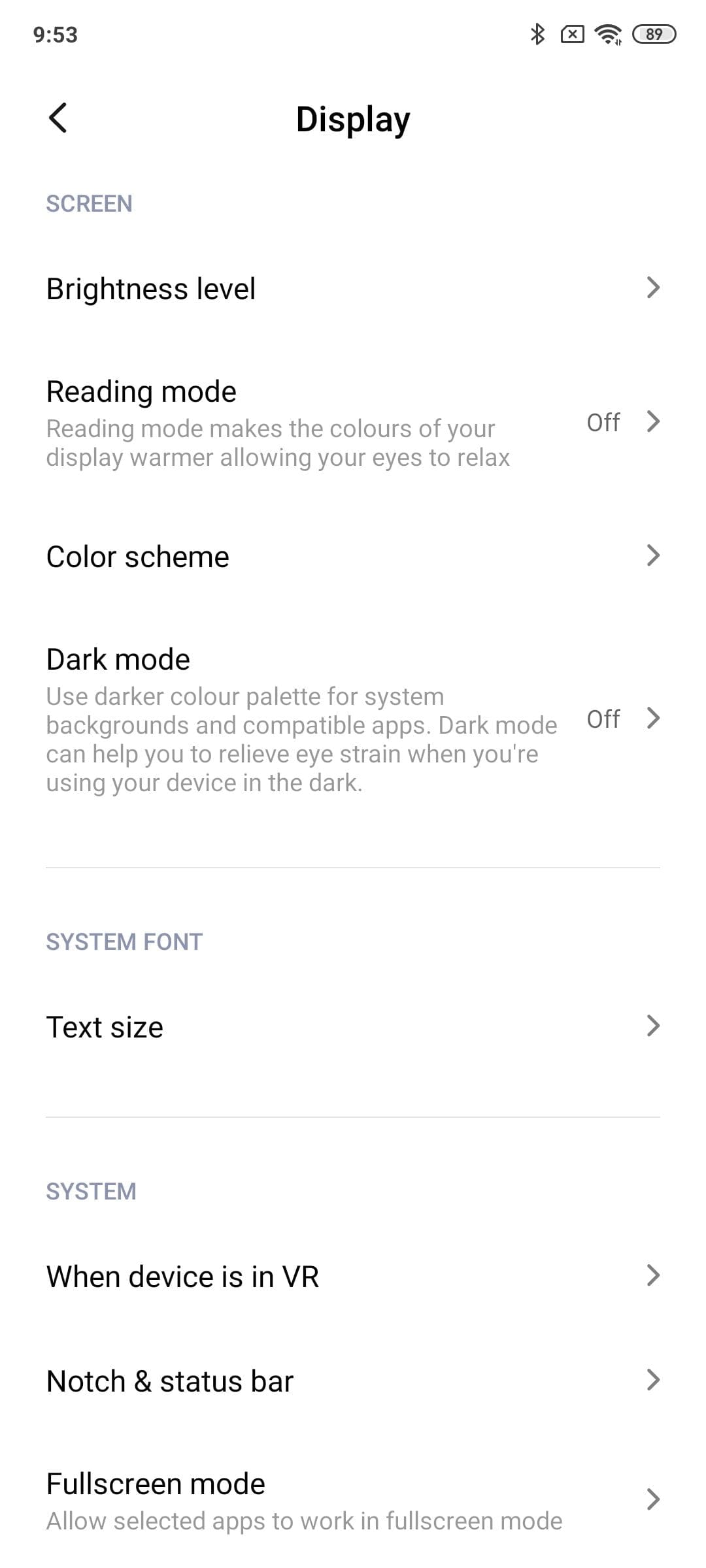
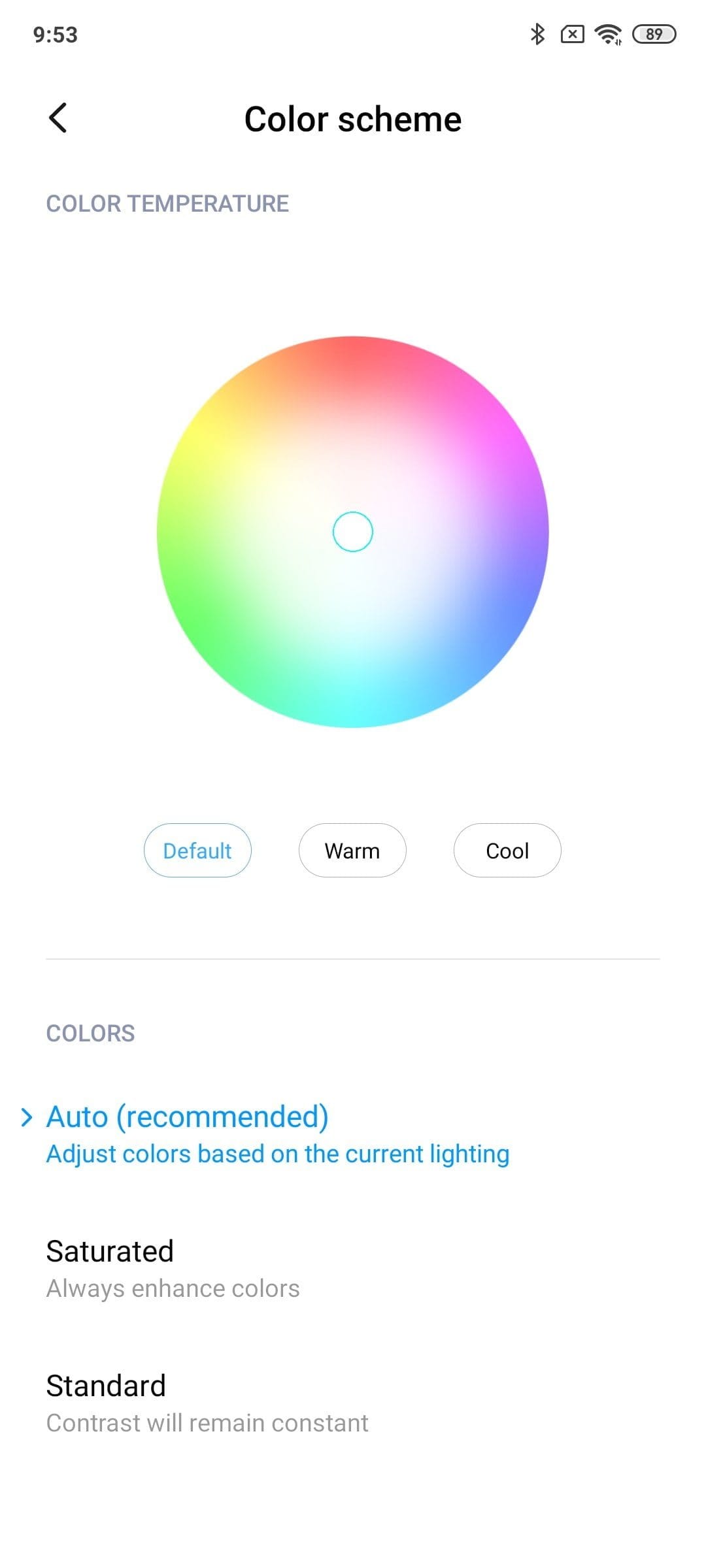
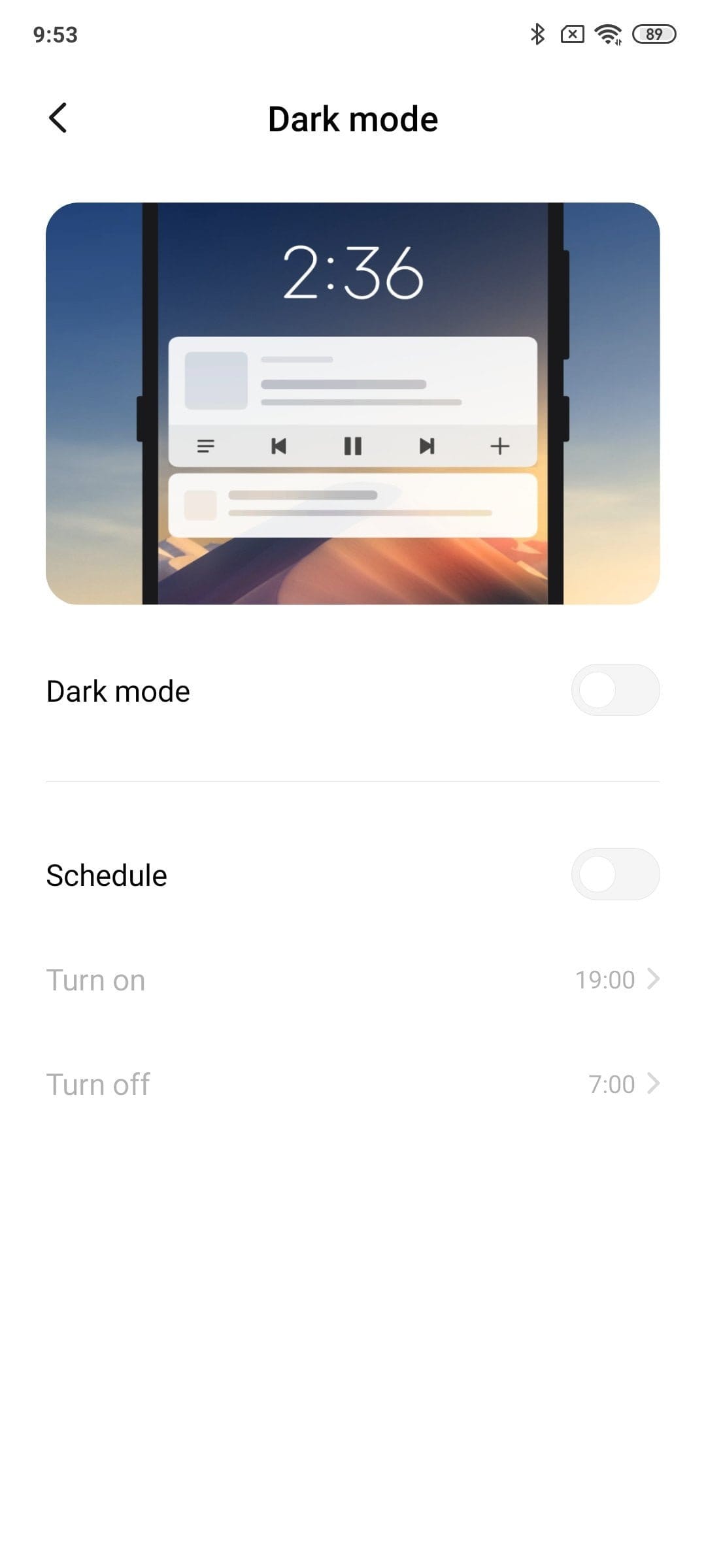
A battery-friendly dark mode is integrated into the system and can be enabled via the display settings. Also included is a reading or night mode that filters blue light. The display is even TÜV Rheinland certified and carries the corresponding Eyesafe label.
A rather unusual feature for a mid-range smartphone is the support for HDR10 content. YouTube or Netflix can be enjoyed in HDR, even if the maximum display brightness is the limiting factor here.
Touchscreen
The touchscreen responds quickly and recognises input precisely. The Gorilla Glass 5 also has a coating that ensures better glide resistance and reduces fingerprints.
Performance
Qualcomm Snapdragon 720G
Under the hood is one of the currently most recent mid-range mobile processors. The Qualcomm Snapdragon 720G is an 8-nm chip with two fast Cortex-A76 cores (2.3 GHz) and four power-efficient Cortex-A55 cores (1.8 GHz). The 'G' in the name stands for 'Gaming Performance'. In combination with the Adreno 618 GPU, even current mobile games are playable without stuttering.
The Redmi Note 9 Pro is available with 6GB LPDDR4X RAM and 64GB or 128GB UFS2.1 storage. The storage can be expanded by an additional 512GB with a MicroSD memory card.
Benchmark
With an AnTuTu score of over 278,000 points, the Redmi Note 9 Pro is one of the faster mid-range smartphones. The smartphone also achieves good results in other benchmark tests, which primarily stress the chip's Adreno 618 GPU.
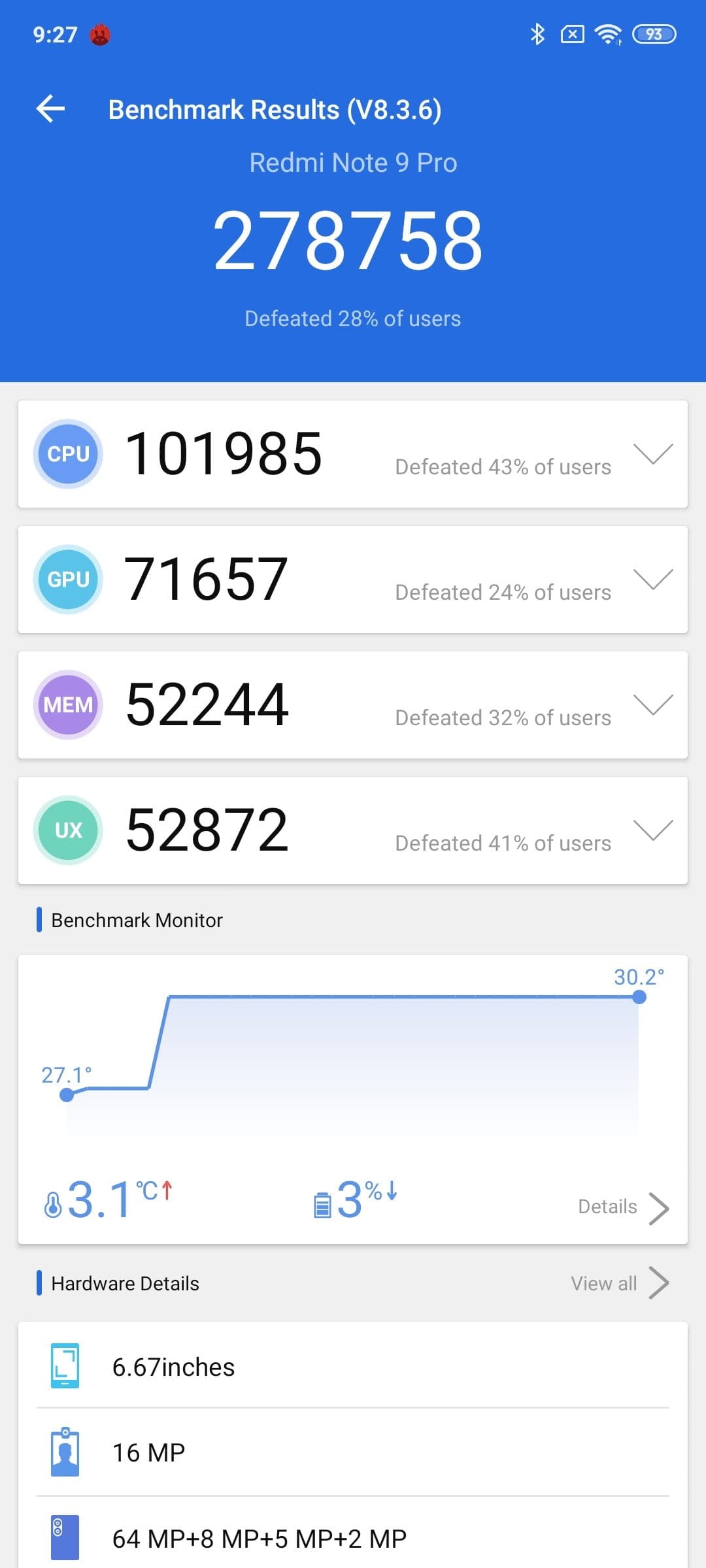
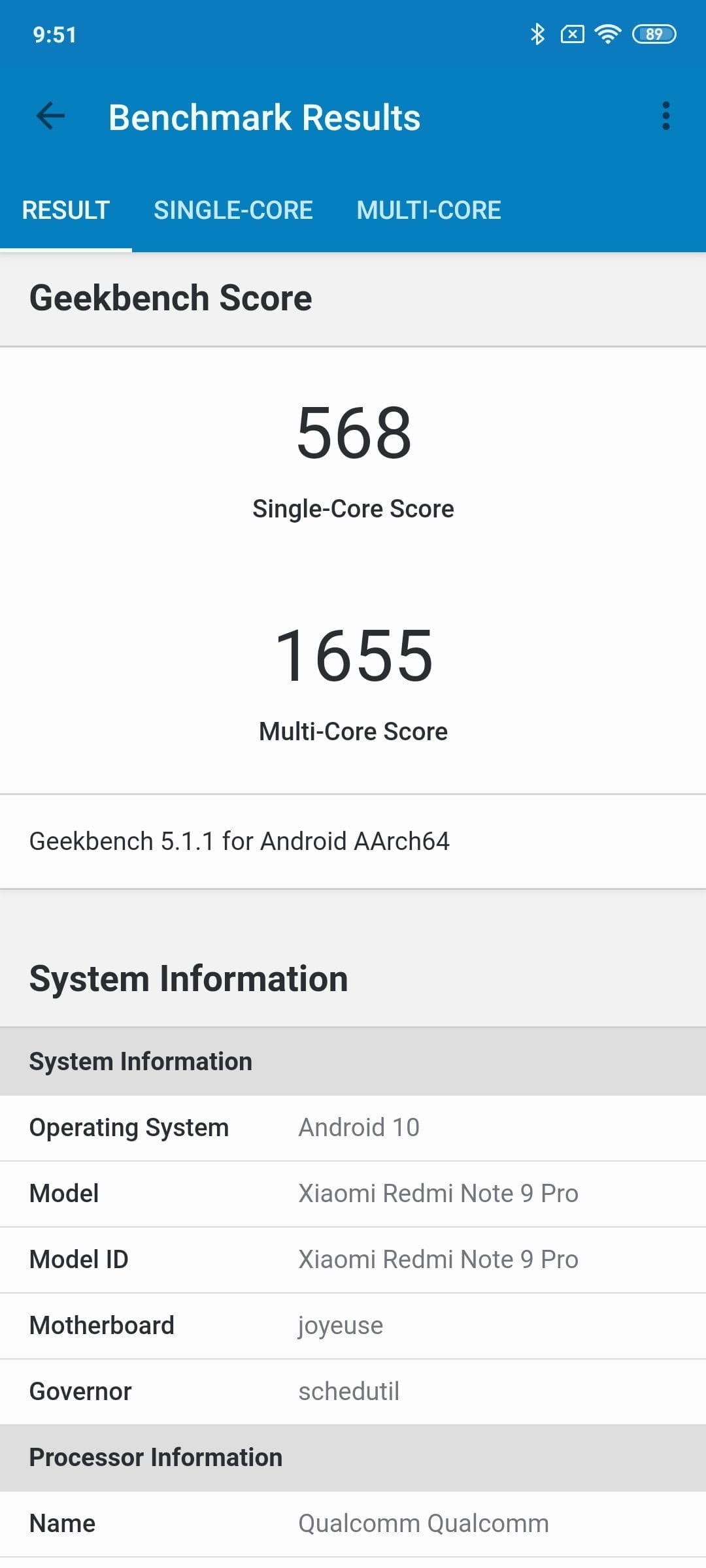
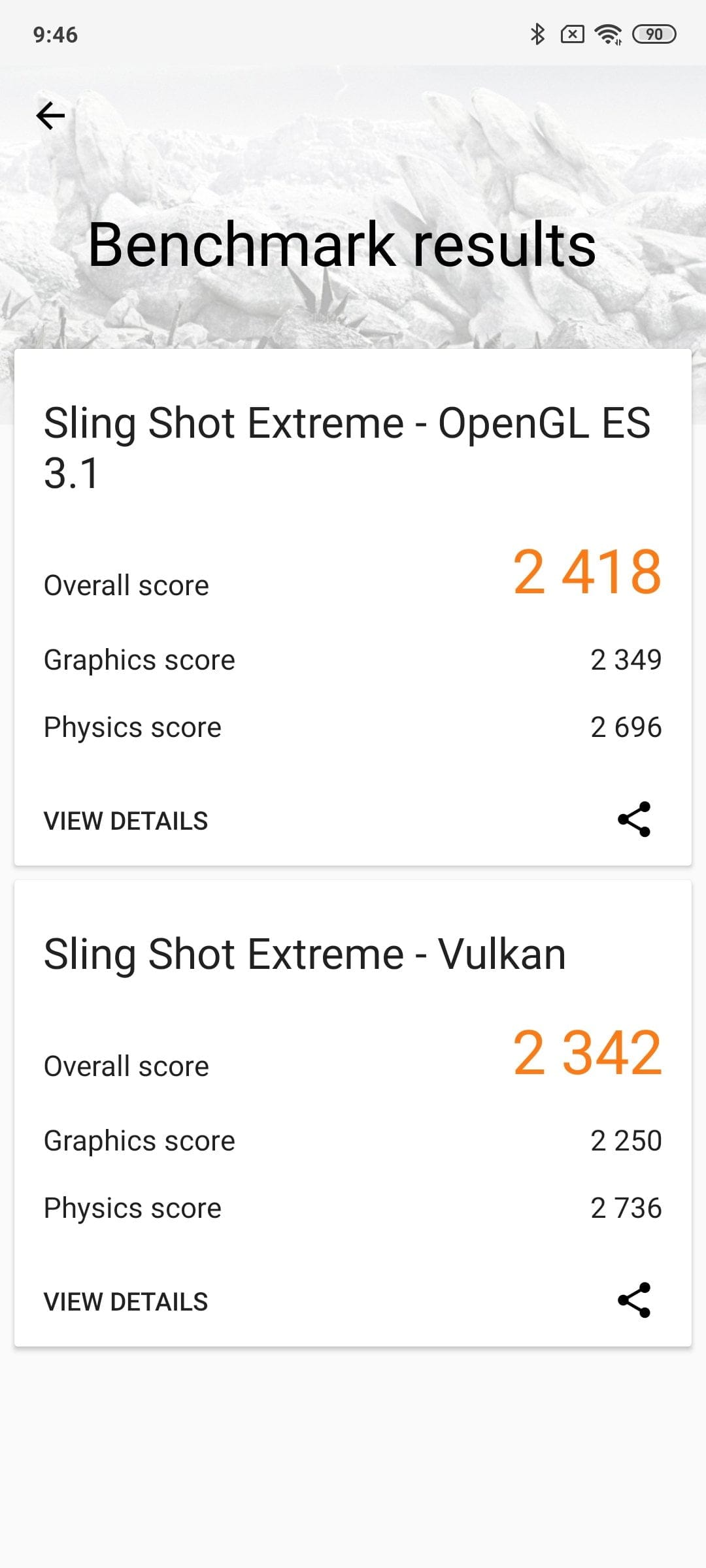
The memory speeds are also as expected. The LPDDR4X RAM is pleasantly fast at 20 GB/s. The UFS2.1 storage achieves an average read speed of 470 MB/s and a write speed of 200 MB/s.
Performance in everyday use
The Snapdragon 720G offers enough power to provide a smooth everyday experience. Performance reserves for upcoming Android generations are present, although they are slightly smaller compared to current high-end devices.
In our stress test, the smartphone met expectations. Apps open quickly and remain in memory for a long time thanks to the generous 6GB of RAM. Switching between apps is seamless. The user interface responds smoothly overall.
Gaming
The smartphone indeed lacks a display with a refresh rate of more than 90 Hz or stereo speakers, but those who enjoy playing mobile games will still enjoy the Redmi Note 9 Pro. As part of the Qualcomm Gaming series, the chip is optimised for gaming. Features such as HDR, aptX and FastConnect WiFi enhance the gaming experience.
The Adreno 618 GPU is performant and can cope with even resource-hungry titles. Graphically demanding games, such as PUBG or Call of Duty, are comfortably playable even at high texture settings. Thermal throttling does not affect the smartphone. The entire device remains pleasantly cool even under load.
User interface
We received our test unit with MIUI 11 based on Android 10. Xiaomi pursues a user-friendly update policy. The manufacturer regularly releases new system updates and security patches. The update to MIUI 12 has already been announced and is expected to be distributed in summer 2020.
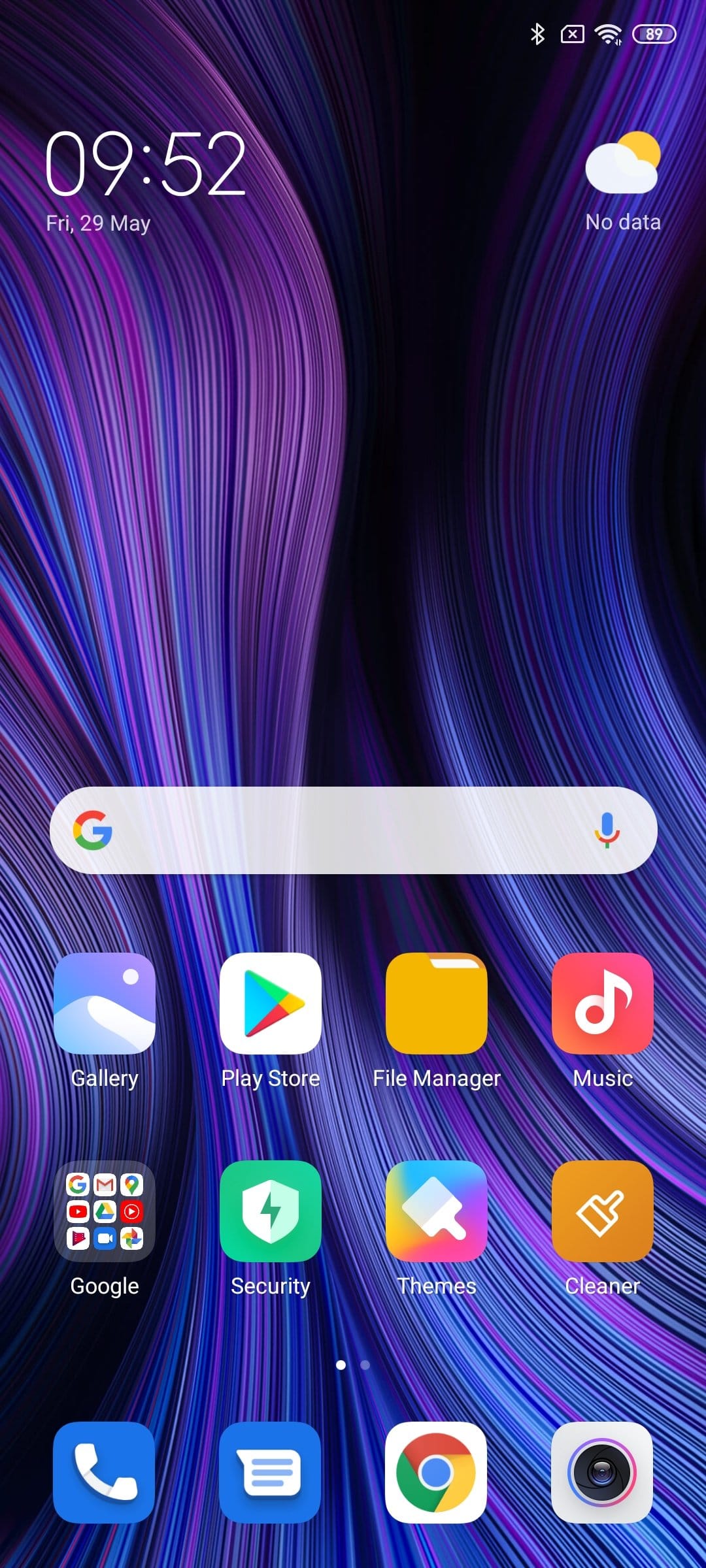
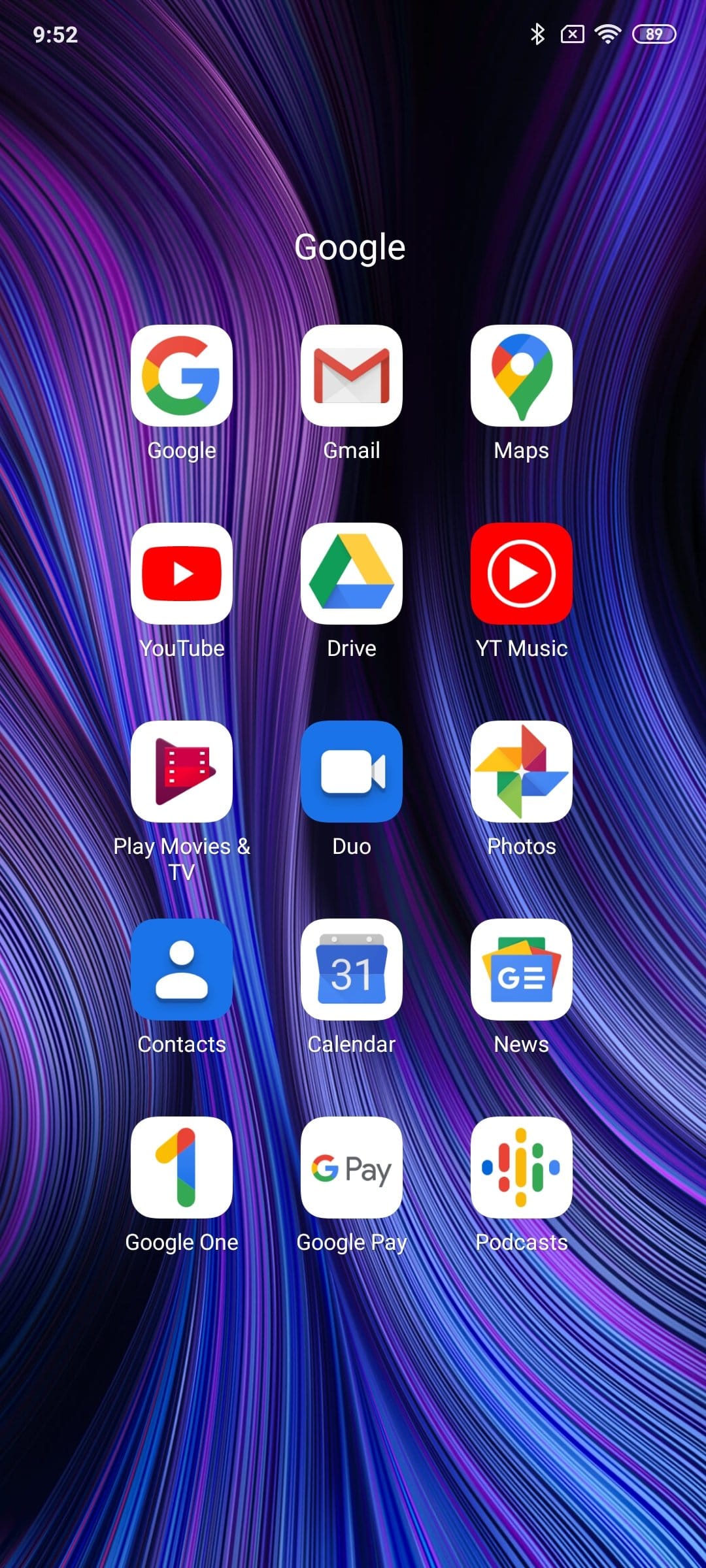
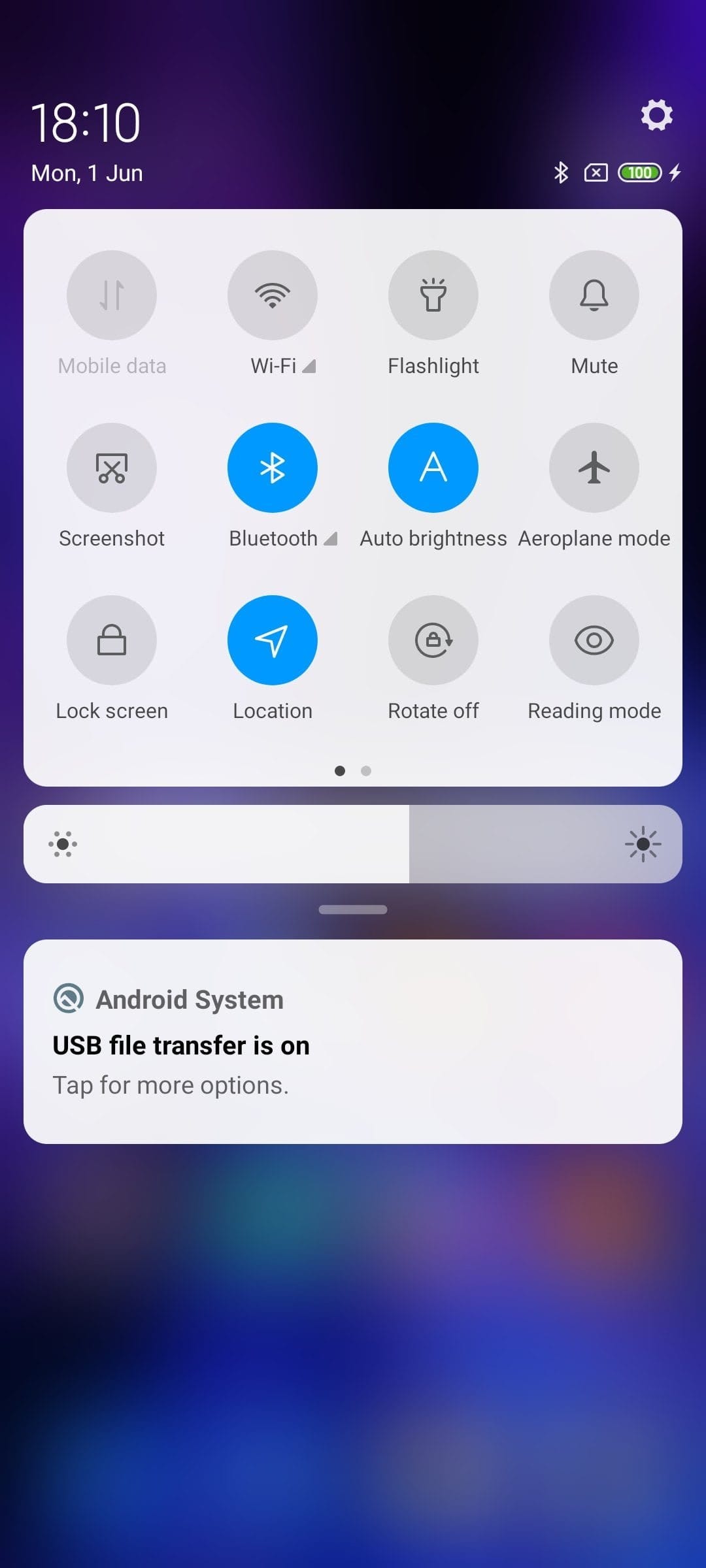
MIUI is the proprietary user interface used on all Xiaomi smartphones. The interface is clearly structured and can be operated quickly once you get used to it. The Google Play Store and other Google apps come preinstalled on the smartphone.
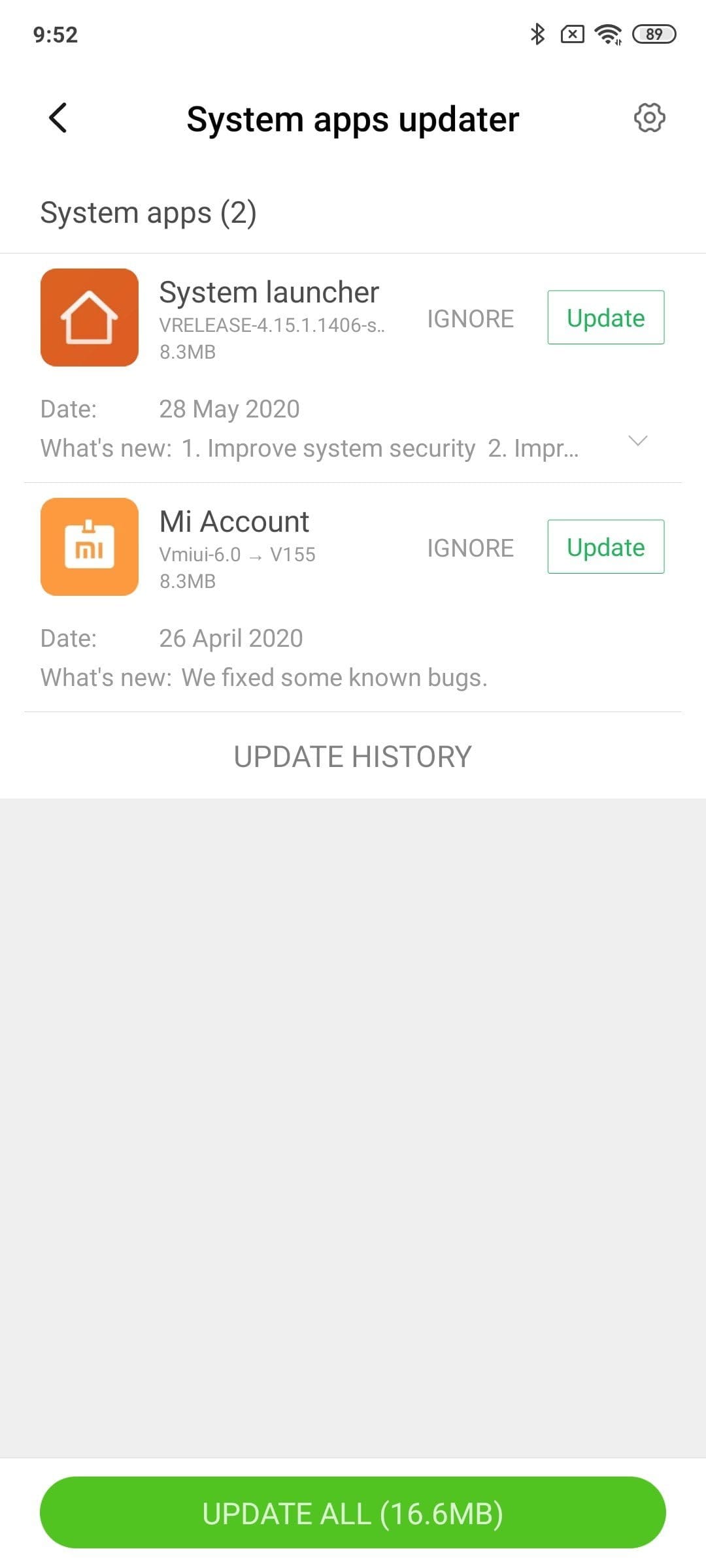
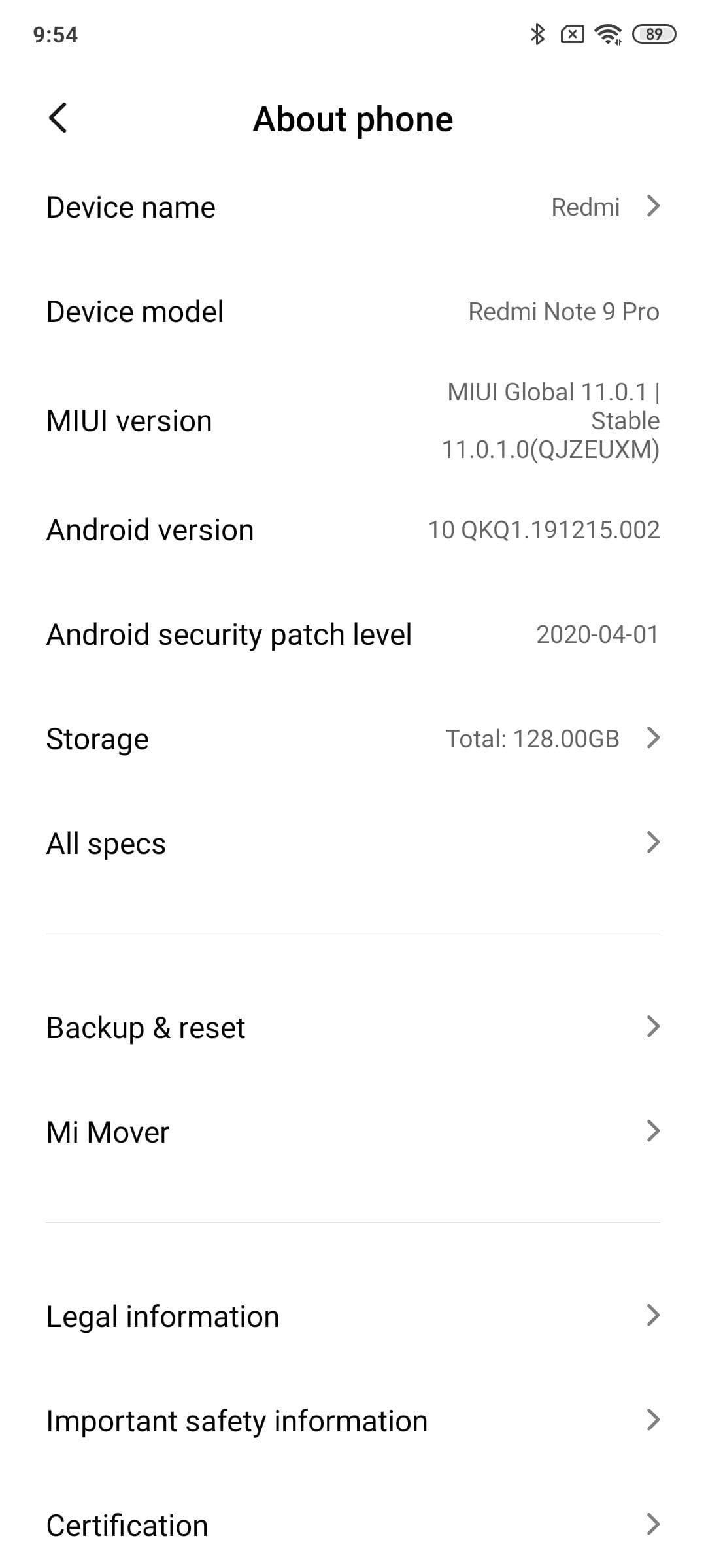
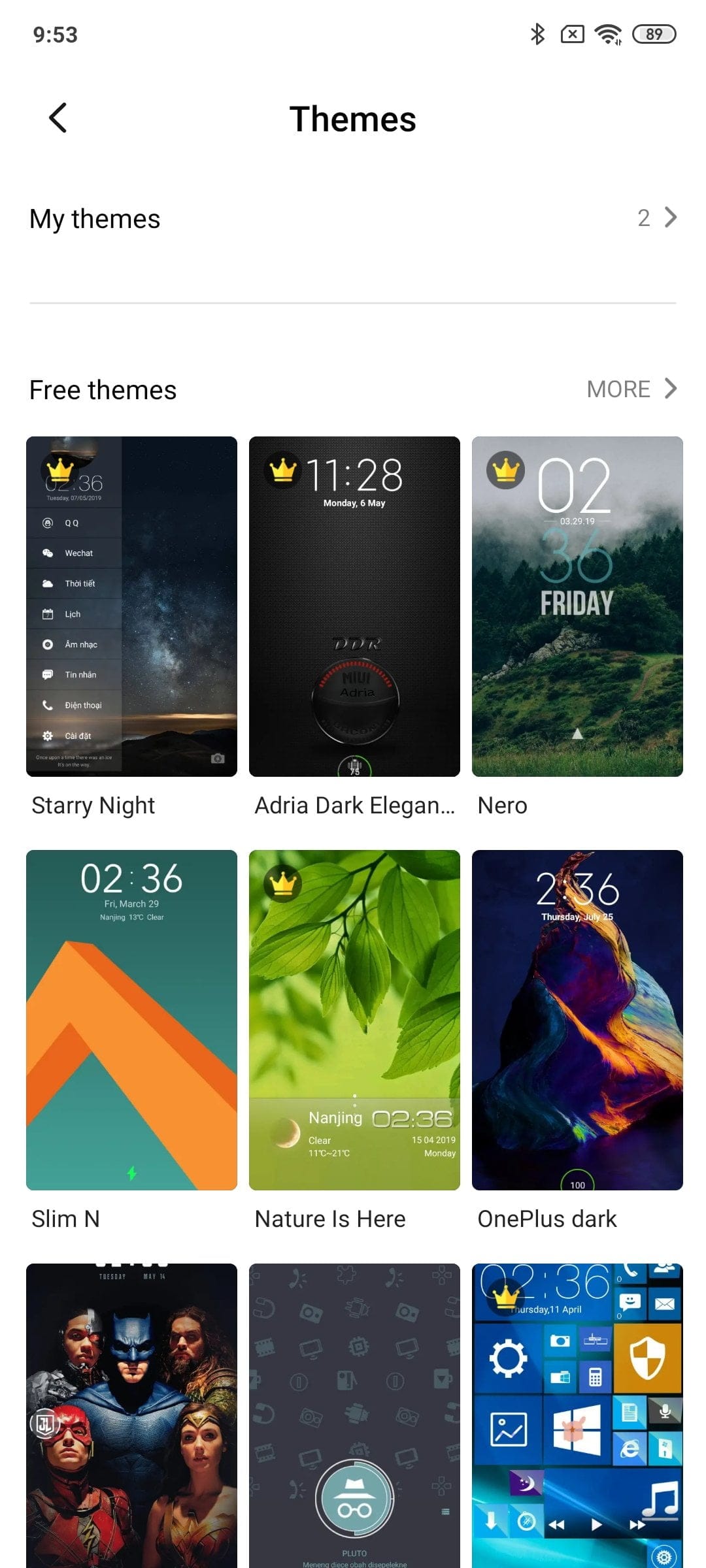
Via the integrated Theme Manager, the appearance of the user interface can be adjusted with just a few clicks. The Security Centre keeps an eye on the smartphone's security and manages, among other things, app permissions. In its delivery state, the smartphone comes with bloatware, which can, however, be uninstalled in no time. More annoying is the advertising displayed in some (Xiaomi) system apps. But this can also be disabled with a few tricks. Tutorials for this can be found online.
Camera
The back features a quad-camera system in a rectangular layout. The sensors include a 64 MP main sensor (f/1.89), an 8 MP wide-angle sensor (119°, f/2.2), a 5 MP macro sensor (f/2.4) and a 2 MP depth sensor (f/2.4).
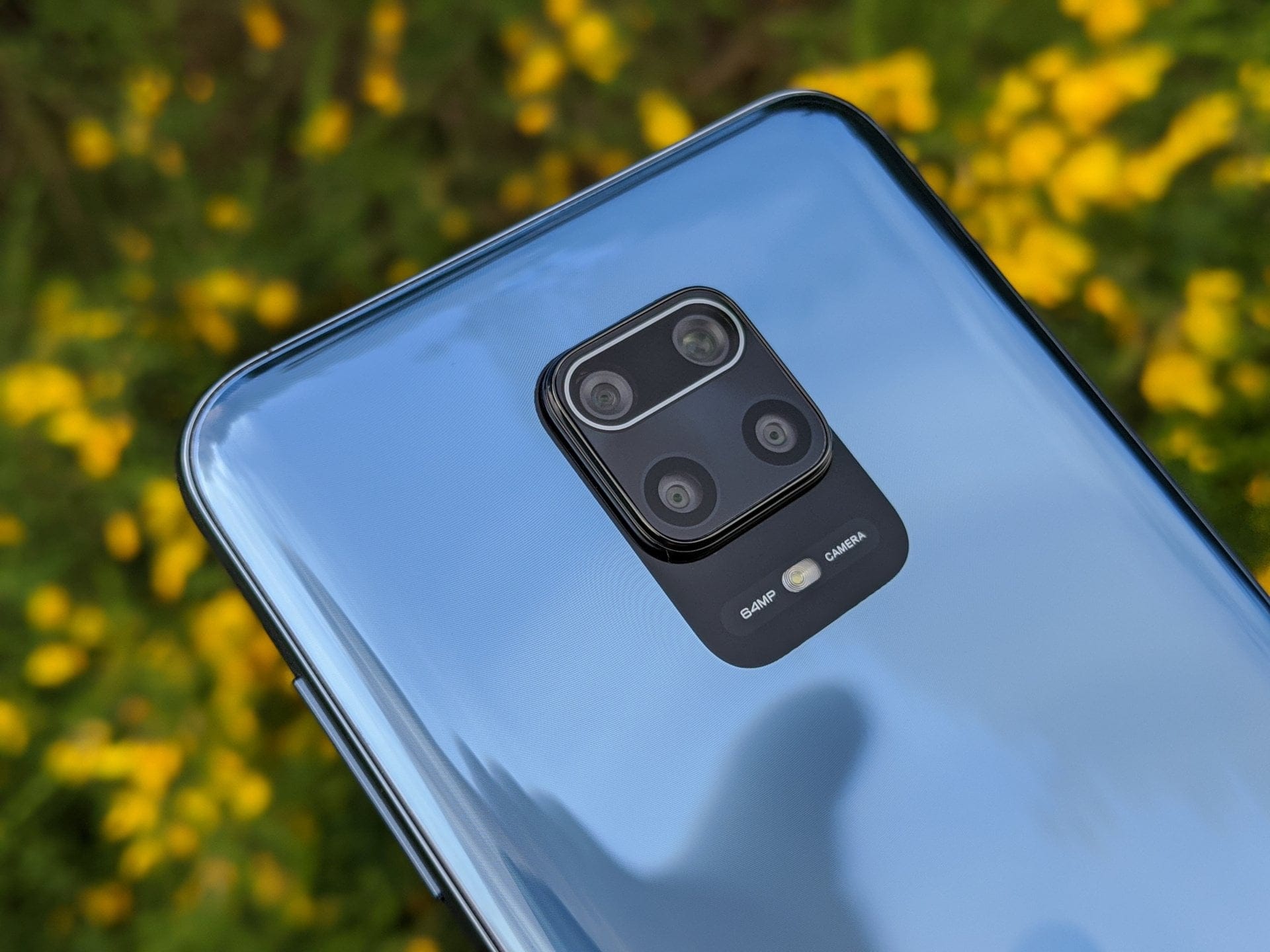
The main sensor is the 1/1.72 inch Samsung S5KGW1 with 0.8 µm pixel size. It belongs to the ISOCELL Bright series and utilises Tetracell technology. This combines pairs of same-coloured pixels (2x2 pixels) into a single pixel using pixel binning. This reduces the photo resolution to 16 MP. Theoretical advantages include higher light sensitivity with accompanying noise reduction, an extended dynamic range and increased image sharpness.
Main camera real-world test
16 MP photos
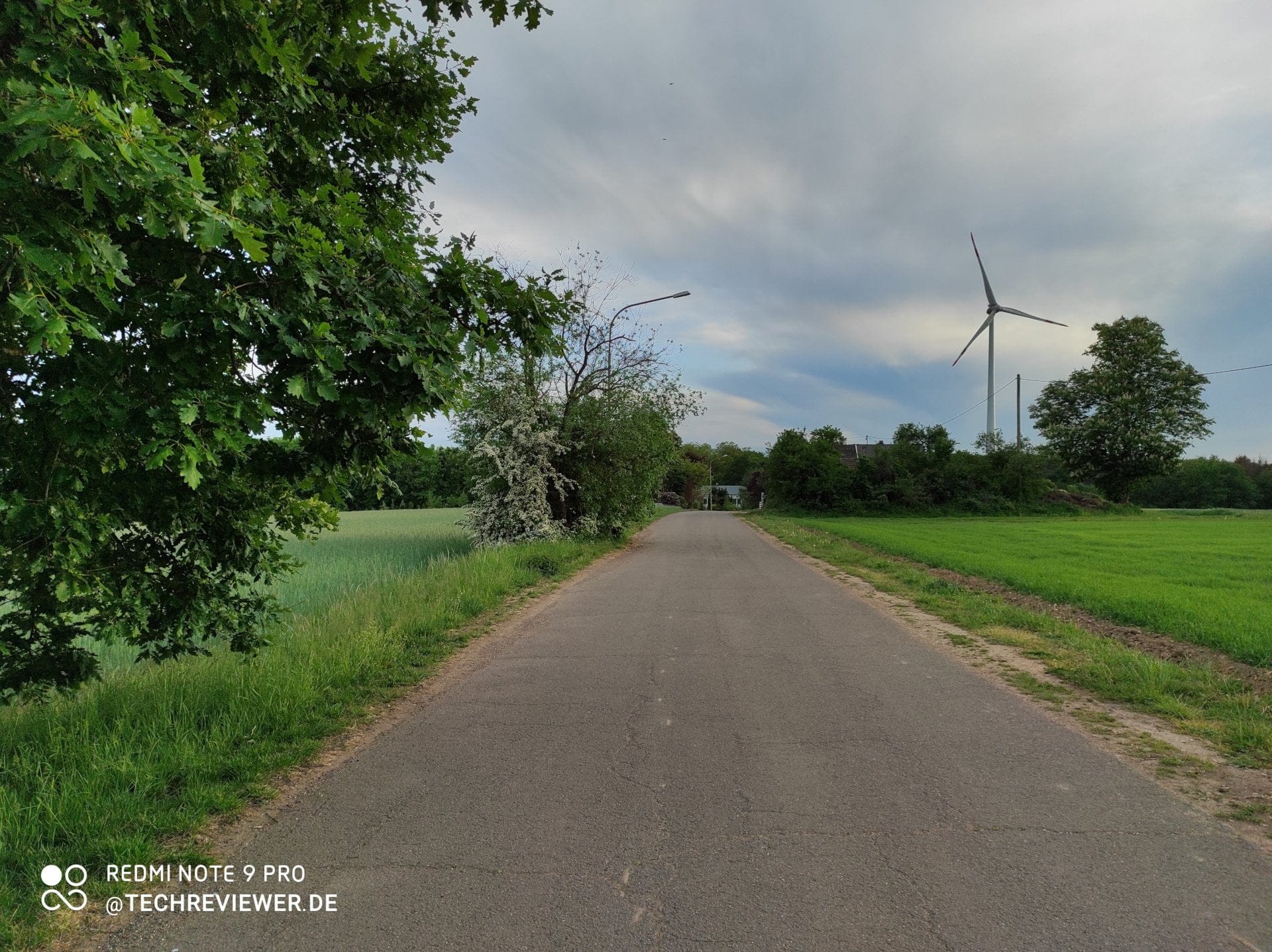
In normal photo mode, the smartphone takes pictures with a 16 MP resolution. This utilises the previously mentioned pixel binning. Photos taken in good lighting conditions are pleasantly sharp, highly detailed and have natural colours. The dynamic range is surprisingly large, so bright and dark areas of the image show detail equally well. The auto HDR mode rarely needs to intervene.









You can find these and other test shots in full resolution via this link.
64 MP photos
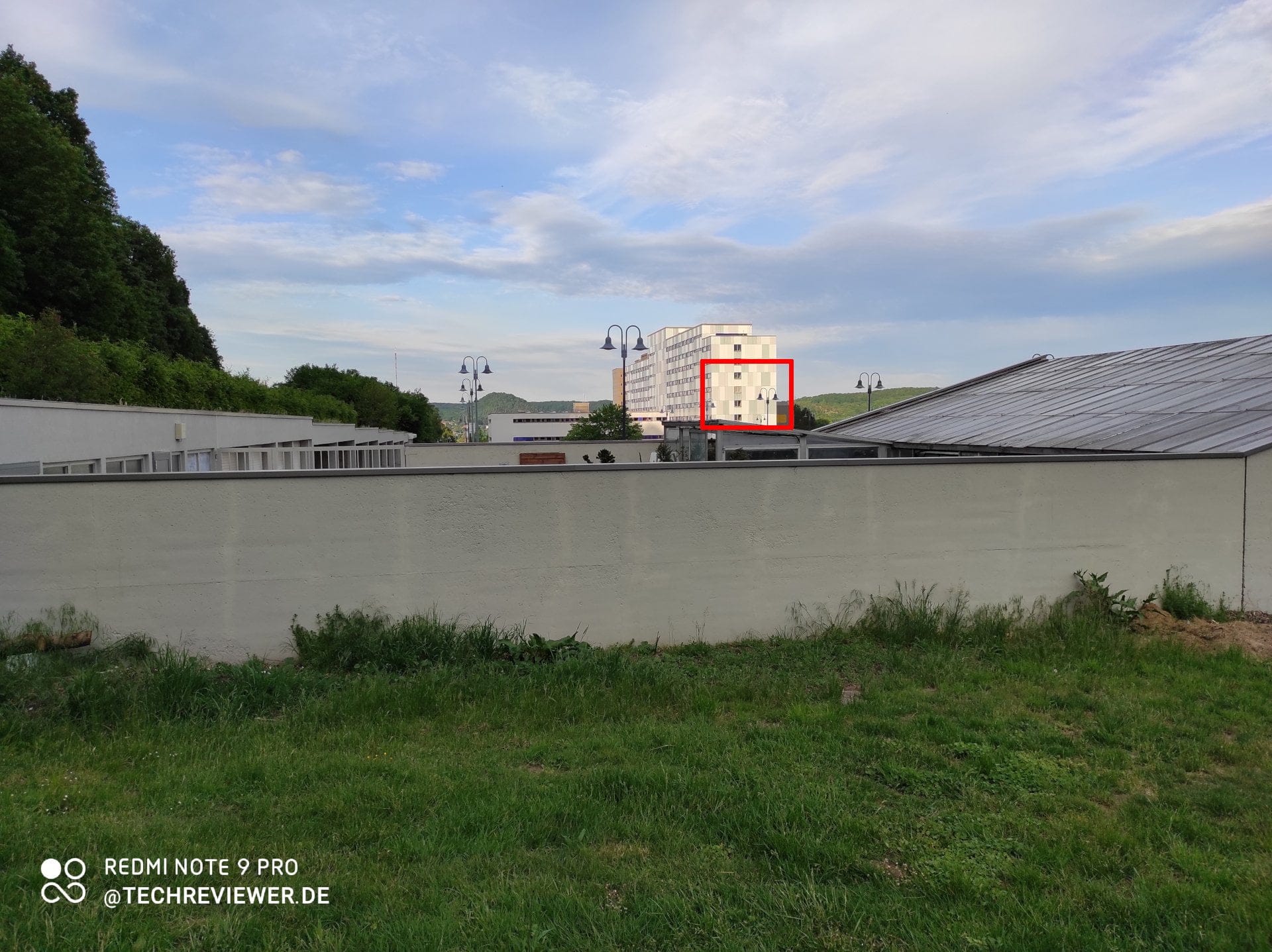
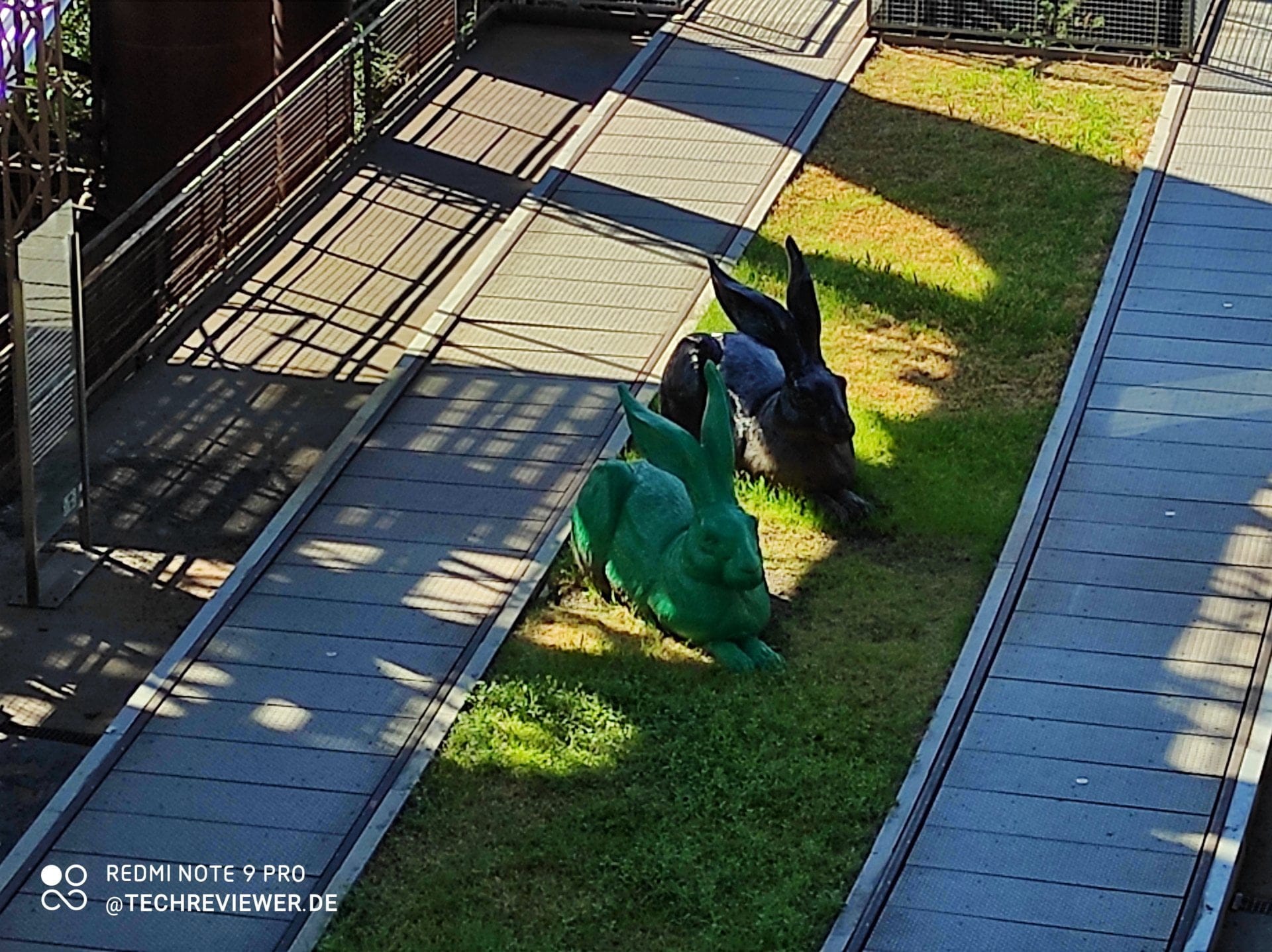
To take photos with the full 64 MP, the MIUI Camera app has a dedicated 64 MP mode. Photos taken in this mode hardly differ from 16 MP captures. See for yourself:


Zoom
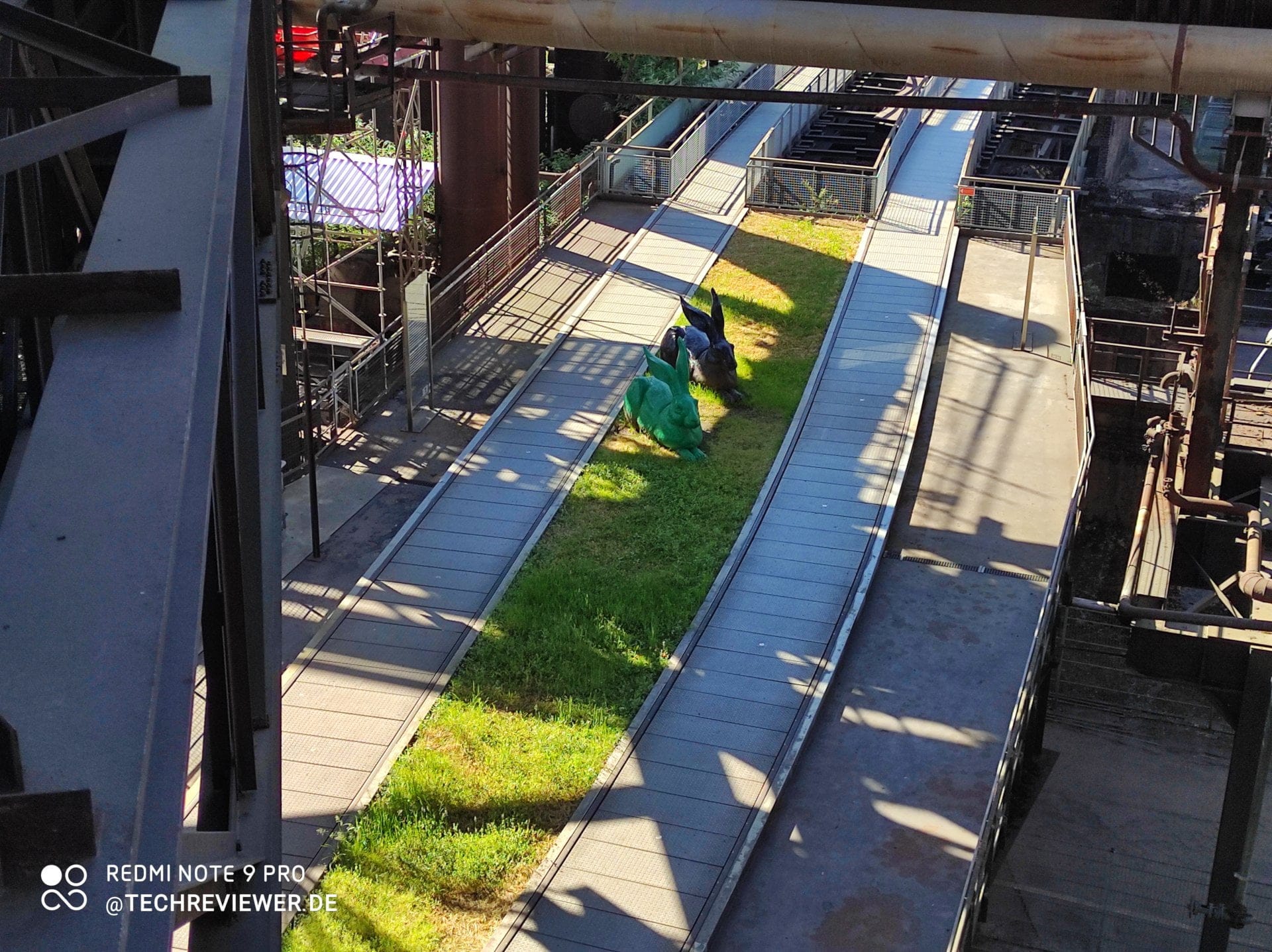
Instead of optical zoom, the lack of a telephoto camera means there is only a purely digital zoom. The magnification can be adjusted almost steplessly from 2x to 10x. As the magnification increases, the recording quality also declines rapidly.


Macro and portrait mode
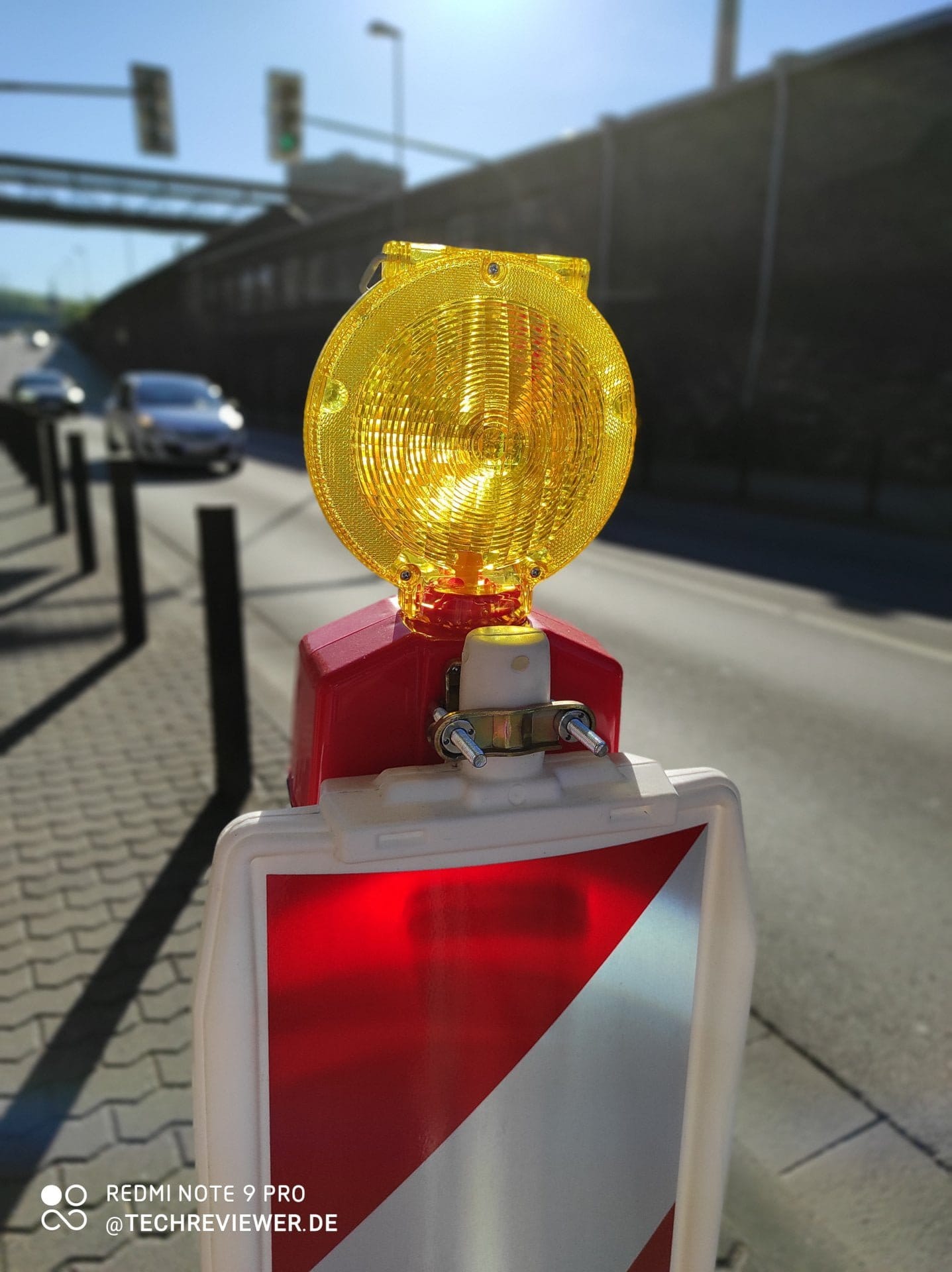
The 5 MP macro camera produces detailed, virtually noise-free photos. The colour tuning is slightly cooler than that of the standard photo mode. An advantage is the autofocus, which is also available in macro mode.


Portrait shots are also impressive. In most cases, the subject is cleanly separated from the background, and the blur effect appears pleasantly subtle. The degree of blur can be adjusted afterwards. As lighting conditions worsen, occasional extraction errors may occur. In portrait mode, various filters (beauty and effects) can be added.

Camera AI
The Camera AI is a nice gimmick for producing more vibrant shots. Depending on the subject, different settings are activated. The dynamic range increases and colours are displayed particularly saturated.
Night shots
Even in poor lighting conditions, the Redmi Note 9 Pro delivers acceptable shots. While the smartphone cannot compete with current flagship models here, measured against the price, the images are at an upper-mid-range level.
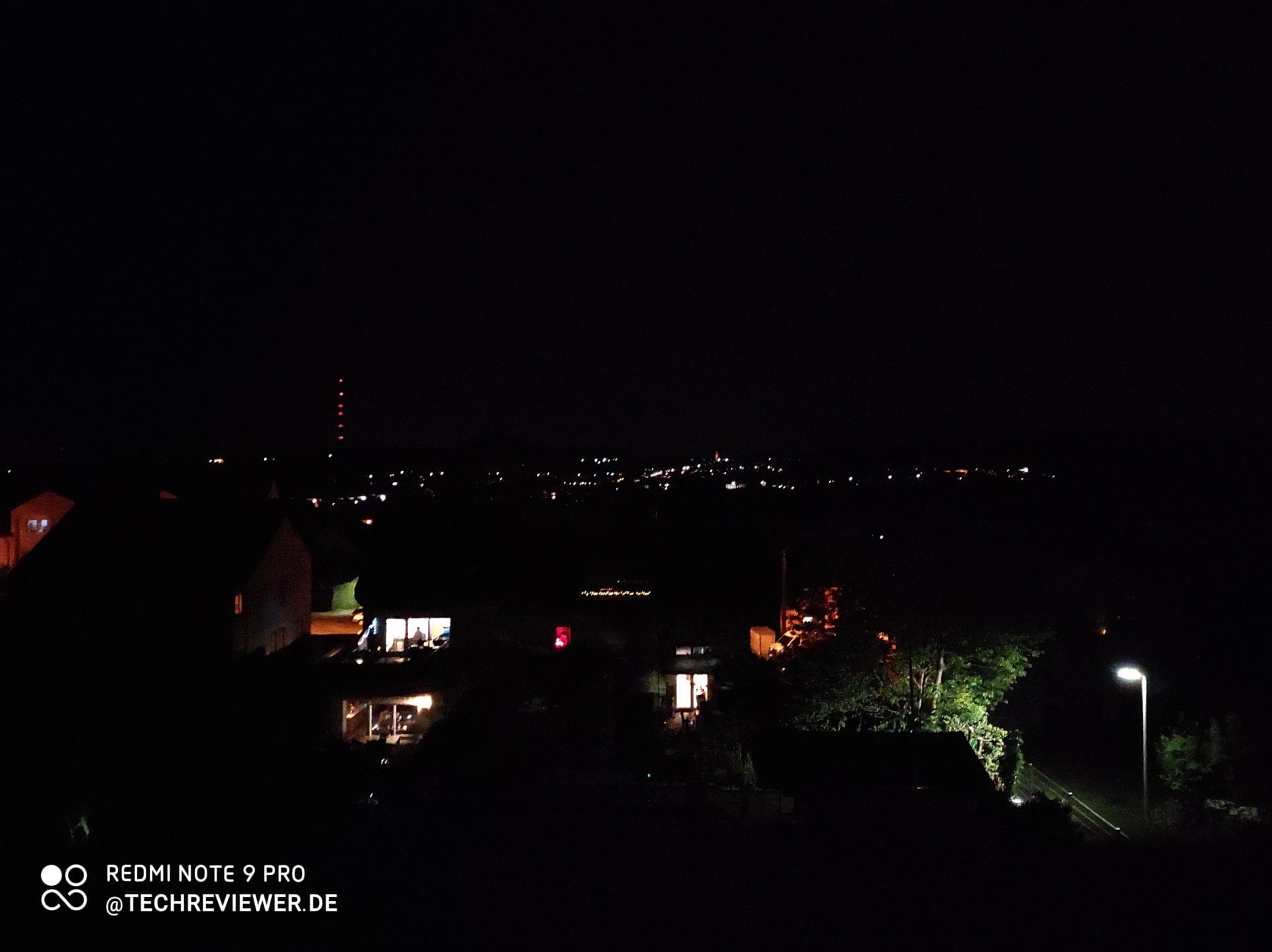
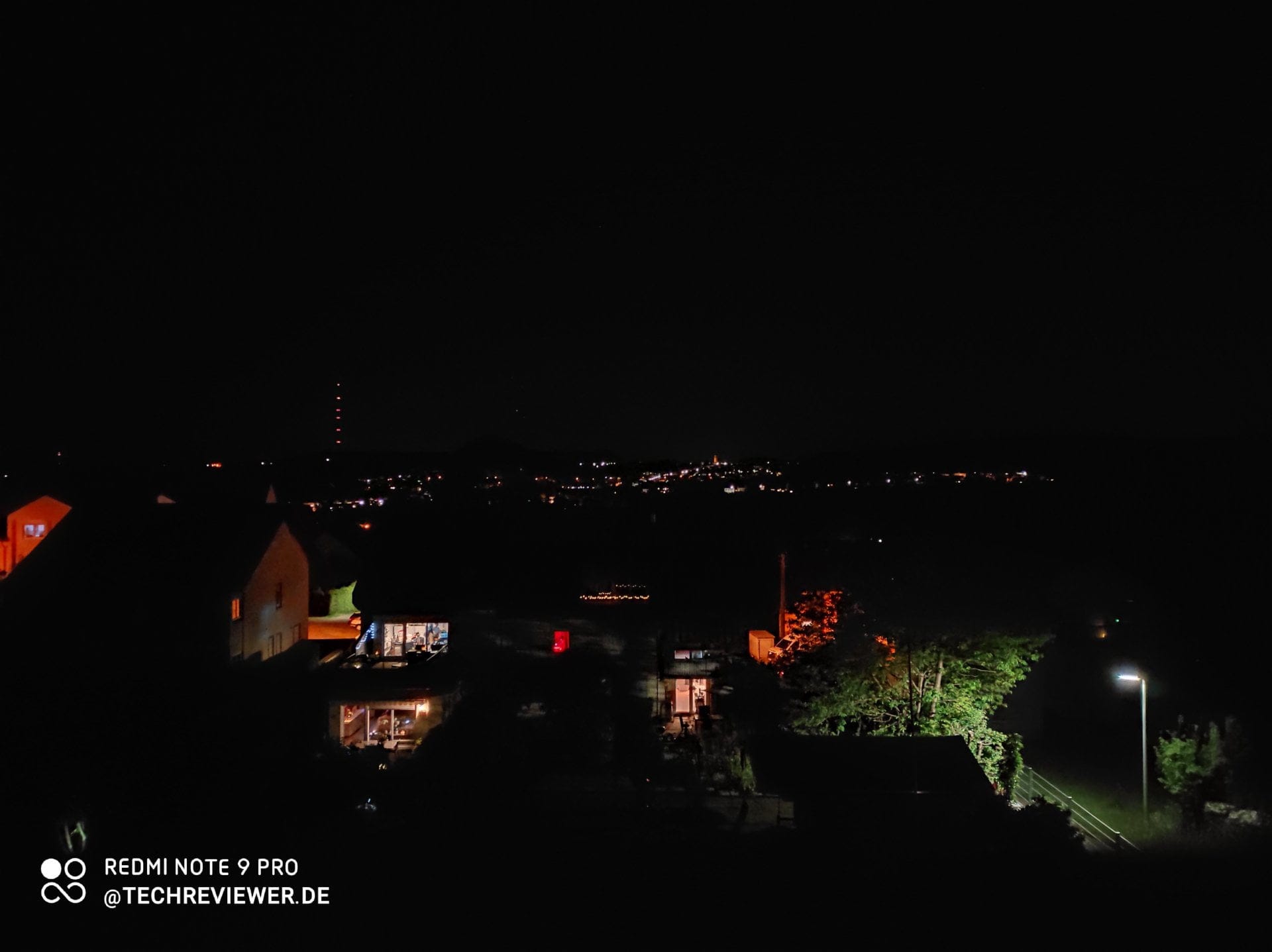
Colours, in particular, remain very well preserved. Details are also still clearly recognisable, although particularly fine details are lost in favour of noise reduction. A special night mode is available. In this mode, image dynamic range is increased, and colours appear even more vibrant.
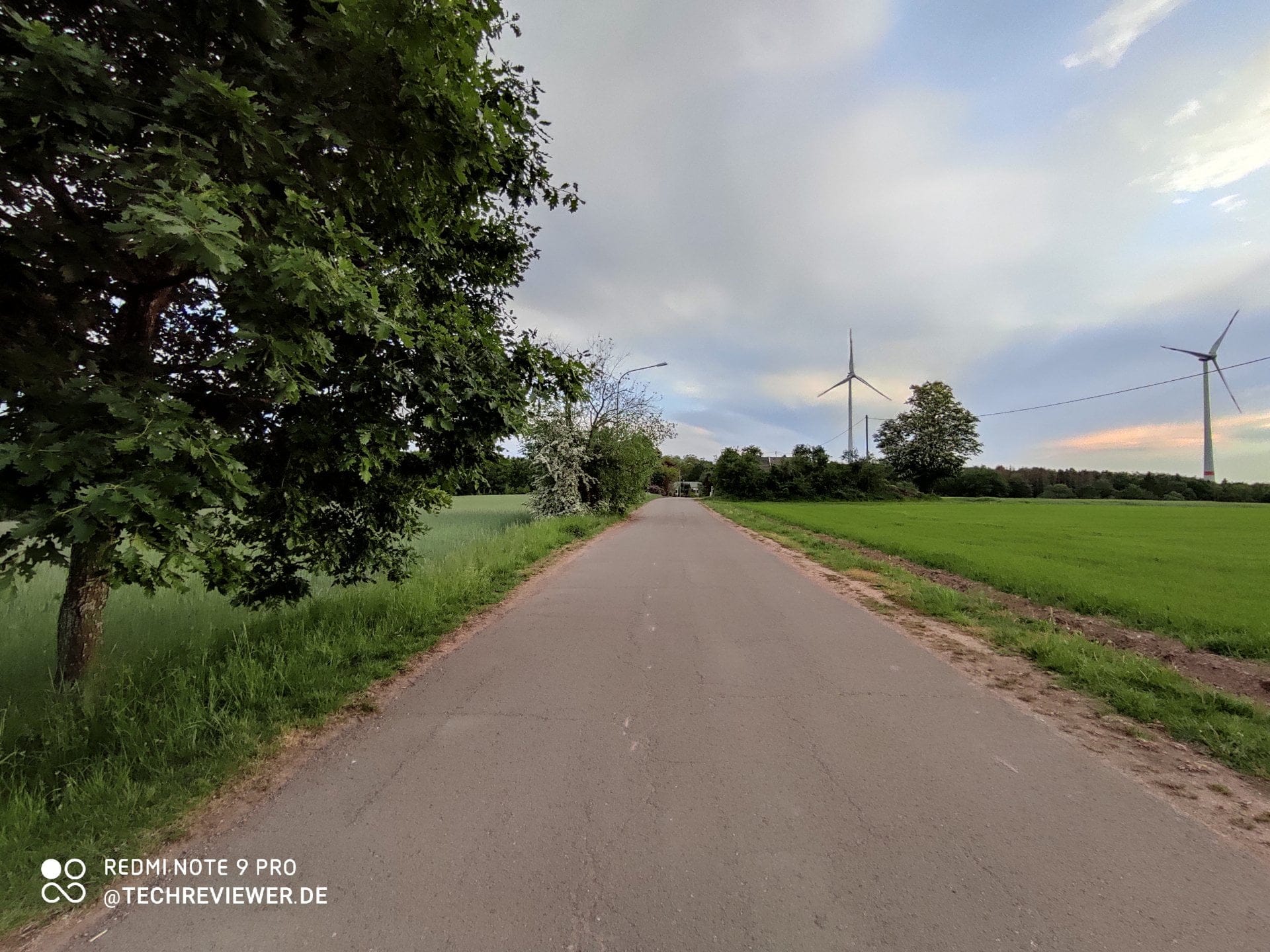
Ultra-wide-angle
The 8 MP ultra-wide-angle camera is acceptable. Unlike the main camera, the shots show slightly more image noise and a slightly reduced level of detail. The distortion correction does a good job. The blur at the edges of the image is limited.
Video mode
The Redmi Note 9 Pro is capable of recording videos in 4K at 30 frames per second. At reduced 1080p resolution, smooth 60 frames per second are even possible. The video encoder can be switched between H.264 and H.265. An electronic image stabilisation can be activated for 4K and 1080p@30.
Considering that this is a mid-range smartphone, the video quality is acceptable. Colours are reproduced accurately and the image is very sharp. There is no image noise. The recorded stereo sound is clear. Videos can also be recorded via the ultra-wide-angle camera and the macro camera, not just the main camera. The maximum resolution in these cases is reduced to 1080p@30.
Filters can be applied directly over the recording. However, this reduces the resolution to 720p. Special recording modes, such as a 960 FPS slow-motion mode or a short-video mode, are available in the MIUI camera app. A particularly cool effect is created with the kaleidoscope mode.
Front camera practical test
Our impression of the 16 MP front camera with f/2.48 aperture is rather mixed. Especially in high-contrast situations, where the dynamic range is exceeded, details are visibly lost and colours sometimes appear washed out. In poor light conditions, image noise visibly increases. Nevertheless, the Redmi Note 9 Pro's front camera is sufficient for the occasional selfie.


Features such as HDR mode, camera AI and various filters are available. The front camera records videos at a maximum resolution of 1080p@30.
Connectivity
Telephony
The Redmi Note 9 Pro is a dual-SIM smartphone that can operate with two nano-SIM cards. Both SIM slots are capable of establishing a connection to 4G LTE mobile networks. VoLTE, i.e. voice telephony over 4G, and VoWiFI (WiFi Calling), voice telephony over WLAN, are supported. Here is an overview of the bands on the Redmi Note 9 Pro Global:
GSM: B2/3/5/8
WCDMA: B1/2/4/5/8
TDD LTE: B38/40/41(2535-2655MHz)
FDD LTE: B1/2/3/4/5/7/8/20/28
The smartphone demonstrates strong reception in mobile networks. The voice quality is excellent in both directions. Speech arrives clearly at the recipient. The noise-cancelling microphone effectively filters out disturbing noises.
Wi-Fi and Bluetooth
For wireless connectivity, Dual-AC WiFi and Bluetooth 5.0 are supported. The WLAN data throughput is not inferior to that of significantly more expensive smartphones. The Redmi Note 9 Pro impresses with good transmission and reception performance.
There was a catch at the time of this test. In standby mode, the smartphone loses connection to the router. This particularly affects routers from AVM (FritzBox). The problem is known and Xiaomi has already announced a bug fix.
GPS and sensors
For positioning, the Redmi Note 9 Pro uses GPS, A-GPS, Galileo, GLONASS and Beidou. Location determination is fast and highly accurate. During a test drive through the city and in rural areas, there were no anomalies. Navigation was consistently precise, as one would expect from a good smartphone.
NFC is present. Mobile payments, e.g. with Google Pay, work. The fingerprint scanner is integrated directly into the side power button. The scanner is easily accessible and unlocks the smartphone quickly. The IR blaster enables control of televisions. With the Mi Remote app, the suitable application is already pre-installed on the smartphone. Other sensors include a proximity sensor, an accelerometer, an ambient light sensor, a gyroscope and an e-compass.
Audio
No acoustic wonders should be expected from the mono speaker of the Redmi Note 9 Pro. Bass is non-existent, and the overall sound is somewhat flat. Differentiation is good, and the maximum volume is pleasant.
This smartphone has not done without a 3.5 mm audio jack. Wireless Bluetooth headphones benefit from Qualcomm's aptX codec.
Battery
A highlight of the Redmi Note 9 Pro is clearly the 5020 mAh battery. It is hardly possible to drain it completely in just one day. In benchmarks, we measured a continuous screen-on time of 15 hours.
In everyday use, the battery lasts an average of 2-3 days before the smartphone needs to be plugged in. To get the large battery recharged as quickly as possible, the Redmi Note 9 Pro uses a 30 watt fast charging technology. A full charge therefore only takes 75 minutes.
Our verdict
The Redmi Note 9 Pro has good chances of becoming THE mid-range smartphone of 2020. Starting with the exterior, the smartphone offers a sleek design with high-quality Gorilla Glass 5 front and back. The display delivers a razor-sharp representation with precise colour reproduction. The touchscreen responds very accurately and quickly.
With the Snapdragon 720G processor, the Redmi Note 9 Pro is exceptionally well equipped. The chip masters even demanding tasks and enables an overall smooth user experience. At the same time, the Snapdragon 720G is particularly efficient in power consumption. In combination with the 5020 mAh battery, the smartphone only needs to be plugged into the outlet every 2-3 days.
The quad-camera delivers image quality at an upper mid-range level. In good lighting conditions, it achieves pleasant sharpness, little image noise and brilliant colours. The Xiaomi camera app is extensively equipped with functions and offers interesting features, such as the kaleidoscope mode.
In summary: Xiaomi has created a great overall package that convinces both technically and in terms of price.
Specifications
Processor and memory
- CPU
- Qualcomm Snapdragon 720G
- GPU
- Adreno 618
- RAM
- 6GB (LPDDR4x)
- Internal storage
- 64GB / 128GB (UFS2.1)
- Storage expansion
- Yes
Display
- Display size
- 6.67 inches
- Display resolution
- 2400 x 1080 pixels
- Display type
- IPS
- Screen protector
- Gorilla Glass 5
- Multitouch
- 10 fingers
Cameras
- Main camera
- 64 MP Sony IMX 586 (f/1.79 aperture)
- Ultra-wide angle
- 8 MP Hynix HI856 (119° ultra-wide lens and f/2.2 aperture)
- Macro sensor
- 2MP GalaxyCore GC2375
- Depth sensor
- 2 MP OmniVision OV02A1B
- *AI mode
- *PDAF (autofocus)
- *LED flash
- Front camera
- 16 MP Sony IMX471 (f/2.0 aperture)
Mains
- Dual SIM
- Yes
- SIM size
- Nano SIM
- eSIM
- No
- GSM
- B2/3/5/8
- WCDMA
- B1/2/4/5/8
- TDD LTE
- B38/40/41(2535-2655MHz)
- FDD LTE
- B1/2/3/4/5/7/8/20/28
Wireless
- Wi-Fi
- 802.11 a/b/g/n/ac
- Bluetooth
- 5.0
- GPS
- Yes
Sensors
- *Ambient light sensor
- *Accelerometer
- *Proximity sensor
- *Hall sensor
- *E-compass
- *Gyroscope
- *Fingerprint sensor
- *NFC
Battery
- Battery
- 5,020 mAh
- Fast charging function
- 30 watts
- Qi charging
- No
Other
- Operating system
- Android 10 (MIUI 11)
- Connection
- USB-C, 3.5 mm audio
- Size
- 165.75 x 76.68 x 8.8mm
- Weight
- 209g
What’s included
1x Smartphone 1x SIM tool 1x Charging cable 1x Charger (33 watt) 1x Protective case 1x User manual
Price comparison
| Store | Price | Link |
|---|---|---|
| Amazon | 172,80 € | Go to store |
| Amazon | 179,25 € | Go to store |
| MediaMarkt | 299,90 € | Go to store |
Comments (4)
Unfortunately, the discount code is no longer accepted at the linked EDWAYBUY shop.
Hi Micha, thanks for the tip. I have just replaced the codes. There is now even a slightly higher discount.
Your review really helped me. 🙂 I do have one question, though. Other reviews often mention that the back is made of plastic. You state it is made of glass. Which one is correct? Best regards
Hi Steven, the front and back are made of Gorilla Glass 5, the frame is made of plastic ;).