Contents
Design and build quality
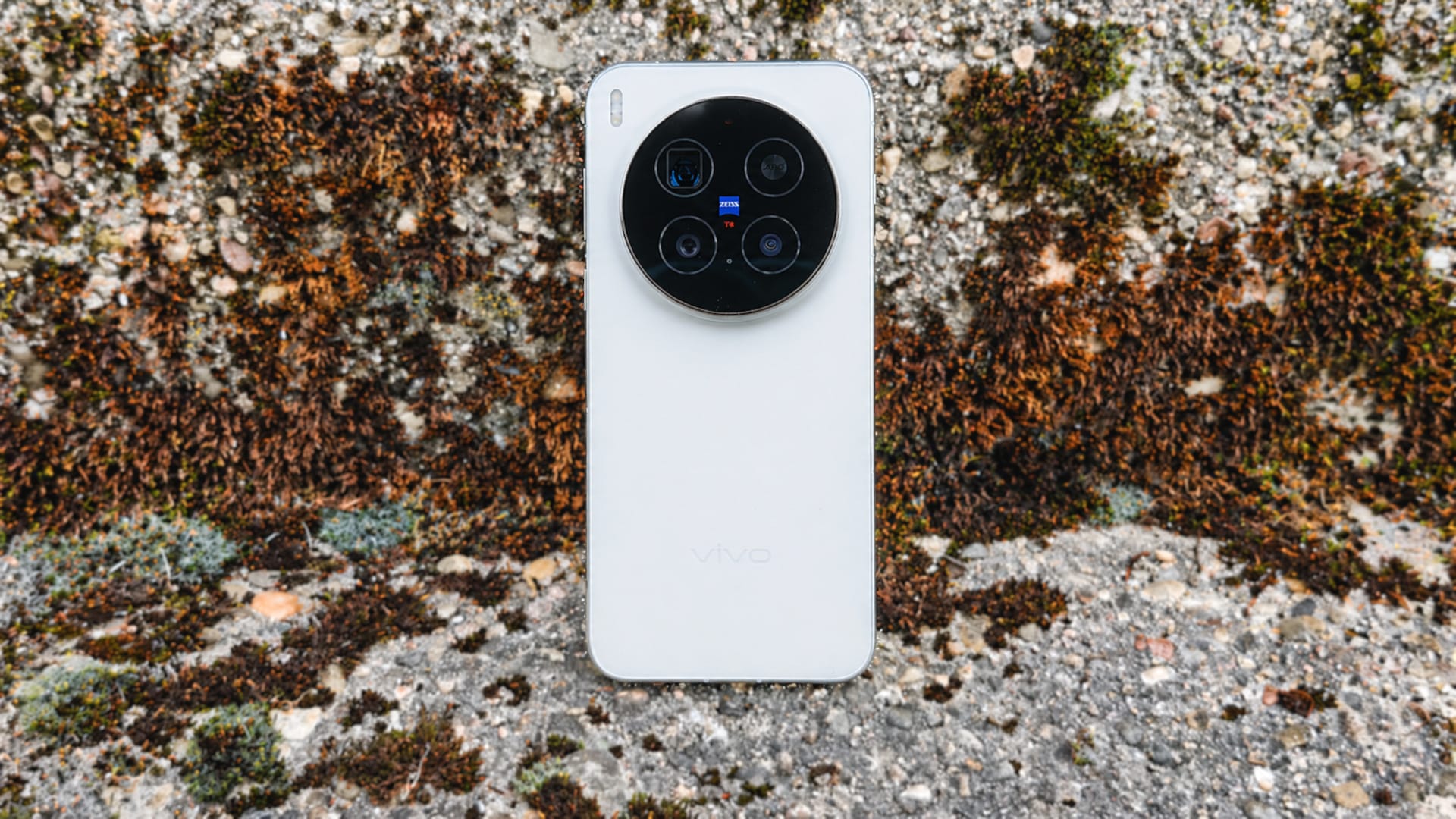
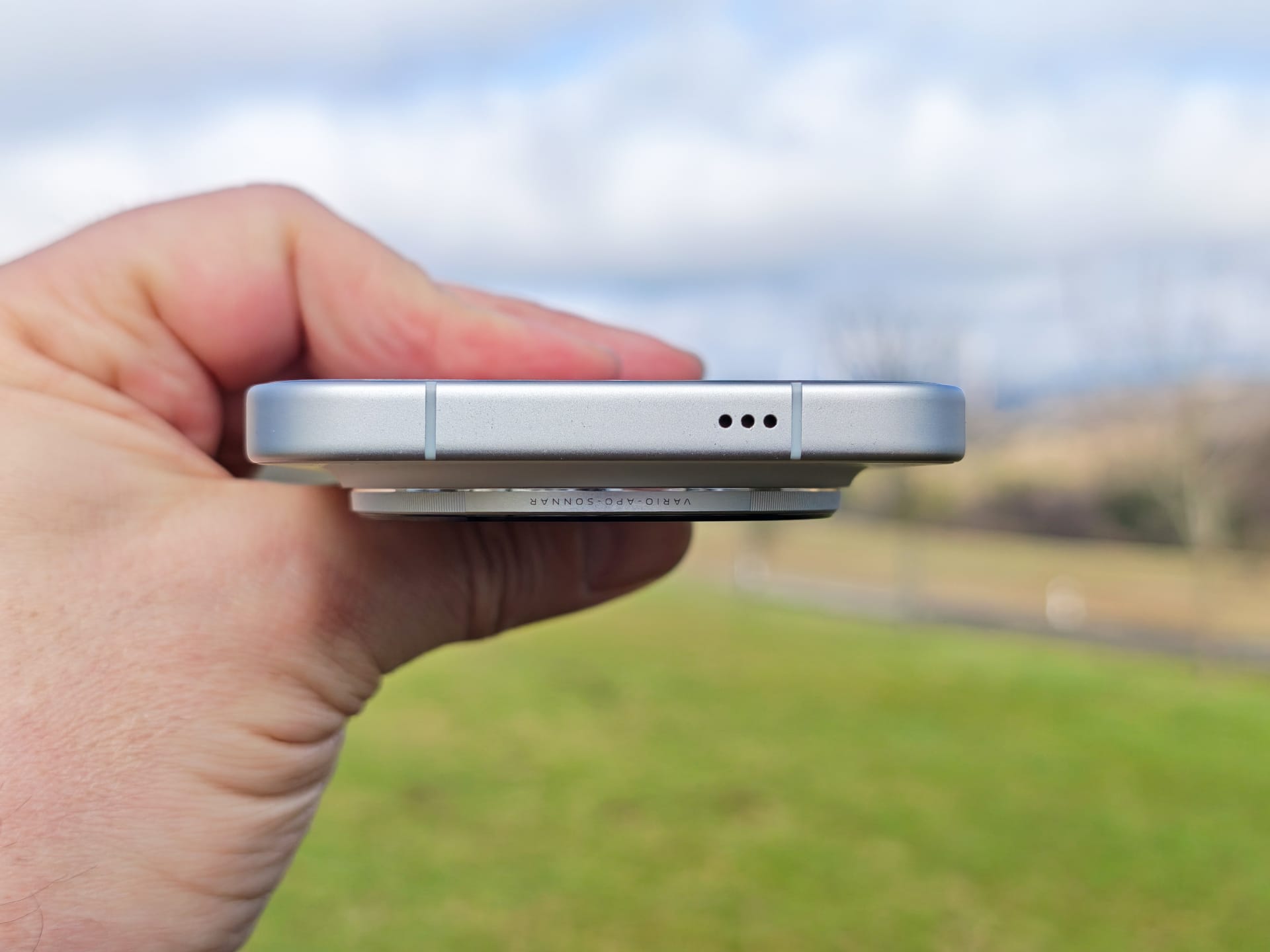
The design here also initially draws the eye to the large, round camera module with ZEISS branding. Huge camera modules have become standard on almost all high-end smartphones, and the vivo X300 Pro is no exception. In everyday use, it has the usual drawbacks. The smartphone does not sit completely flat on a table and wobbles slightly. This is less noticeable with a case, but cannot be avoided entirely.
Apart from that, the build quality leaves a very good impression. The aluminum frame feels sturdy, while the glass back is neatly finished and pleasantly matte, making fingerprints barely visible. At the same time, the surface can make the device somewhat slippery, so using a case in everyday life makes sense.

The frame is slim and curves gently into the front and back, creating a smooth transition and improving handling.
The front looks modern and uncluttered. The display bezels are uniformly slim, and the punch-hole for the front camera is centered and barely noticeable in everyday use. The display is set flat into the frame, with clean transitions between the frame and glass that feel pleasant to the touch.

The buttons sit firmly in the housing and offer a clear click. In addition to the power button and volume rocker, there is a customizable extra button that can be used, for example, to launch the camera. At 226 grams, the X300 Pro is fairly weighty, but the weight is distributed well across the body, so it feels less heavy in everyday use than you might initially expect.
There are no complaints when it comes to durability, either. The IP68 and IP69 certification ensures the device is well protected against dust, water and even heavier wear and tear.
Display
The 6.78-inch AMOLED panel with a resolution of 2800 x 1260 pixels delivers a sharp, high-contrast and very bright image with up to 4500 nits.
The display remains easy to read in direct sunlight, and colors look vivid without being overly saturated. Photos and videos look vibrant, while skin tones usually remain believable. If you prefer a more neutral look, you can easily adjust this; the options are there.

The refresh rate dynamically adjusts between 1 and 120 Hz without you noticing. Scrolling through social media or websites feels smooth, while the system apparently quickly throttles the rate in the background as soon as there is less movement. What stands out more is where performance isn't perfect. In some apps, especially the browser, the frame rate occasionally stays below the maximum. However, you only notice this if you pay attention.
The panel is also well suited to streaming and videos. HDR is supported, providing noticeably greater dynamism with compatible content. Streaming apps such as Netflix and YouTube deliver high-quality content, including HDR, as you would expect at this price point.
Software and operation
Instead of distinguishing between Funtouch OS and OriginOS as it did in the past, vivo now uses OriginOS across the board. Version 6 is installed here, based on Android 16. Compared with Funtouch OS, OriginOS feels somewhat more modern, largely thanks to effects such as slight delays, blurs, and physics-based animations. Animations respond directly to input and feel a touch more “lively” than those on many other Android interfaces.
There are plenty of features. These include a separate area for private content, dual apps for messaging services and a fairly comprehensive system for connecting the device to a PC or other smartphones. Some features, such as the so-called Origin Island, provide additional information around the front camera and expand on traditional notifications.


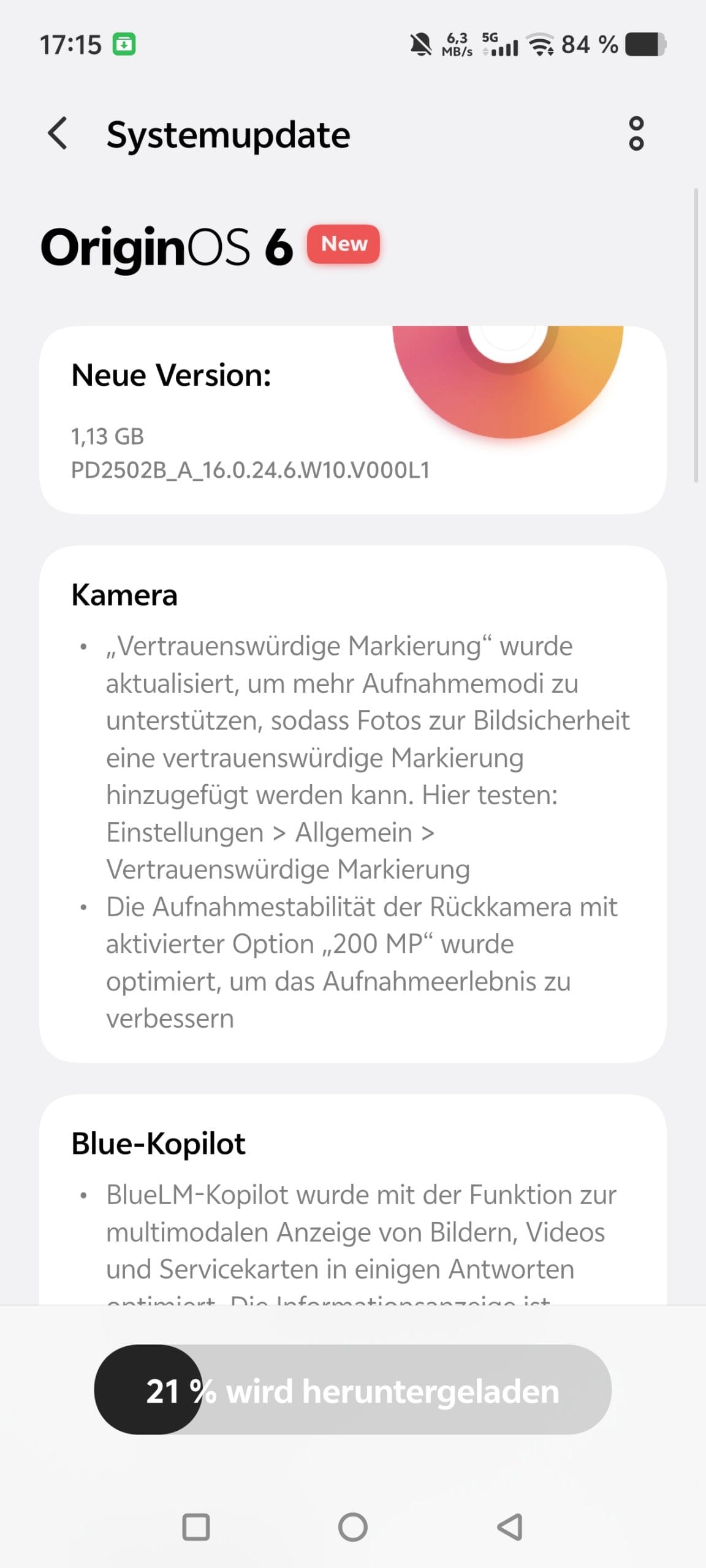
Everyday use also shows, however, that the system is designed with efficiency in mind. Power management kicks in early and closes background apps relatively aggressively. If you rely on push notifications, you will need to intervene manually and explicitly allow certain apps to run.
The user interface may come with slightly different features depending on the region. Despite being a China import, German is fully integrated as a system language, and the Google Play Store is already preinstalled. Banking apps and contactless payments work without any issues, and most Chinese system apps can be uninstalled or hidden in a folder.
Performance
The X300 Pro is powered by the MediaTek Dimensity 9500, which makes short work of everything you throw at it in everyday use. Apps open instantly, animations run smoothly, and even when quickly switching between the camera, browser, messaging app and photo editor, you never feel that performance is lacking.
In the version we tested, Vivo pairs the chip with 16 GB of RAM and 512 GB of fast UFS 4.1 storage. That is more than ample for everyday use and ensures that even larger apps, games or photo files load without delay. This is particularly important for a camera phone, as burst shots, 4K videos and large RAW files quickly demand storage and processing power.
The X300 Pro also performs well when gaming. Demanding titles run smoothly at high settings, and the GPU remains firmly in the top tier. So anyone who plays regularly will have plenty of performance in reserve. However, you shouldn't expect miracles when the device is under full load for an extended period. Like many current high-end smartphones, the X300 Pro noticeably throttles performance after a few minutes to keep temperatures and power consumption under control.
This is hardly a problem in everyday use, but it is measurable in benchmarks and longer gaming sessions. The device gets warm, but stays within a range that isn’t uncomfortable. The frame in particular absorbs a noticeable amount of heat, without the smartphone feeling hot.
Camera
Vivo once again uses a triple-camera system tuned in collaboration with Zeiss, combining a new main camera with a very large telephoto camera and an ultra-wide-angle camera with autofocus.

Main camera
The main camera uses the Sony Lytia LYT-828 with 50 MP. The sensor measures 1/1.28 inches and sits behind a fast lens with an f/1.57 aperture and optical stabilisation. The focal length is 24 mm, making it a little more conventional than that of some predecessors. This makes for a pleasing perspective in everyday use, as it feels neither too wide-angle nor too tight. Photos from the main camera show plenty of detail and a wide dynamic range, with colour tuning that is typically vivo: vivid, but not overdone.


The main camera gets very little wrong, especially in daylight. Fine textures are well preserved, skin tones look natural, and the white balance is usually reliable. Notably, vivo doesn't sharpen as aggressively as some competitors. This makes images look a little more natural, especially textures such as plants, brickwork, or fabrics. Even when you zoom right into an image, there are still plenty of details to see.
The 2x zoom using the main camera is also usable. It does not replace a genuine additional focal length, but delivers decent results in everyday use when you want to get a little closer to a subject. In good light, photos remain clean and detailed; in low light, quality declines more quickly, as expected.
At night, the main camera handles bright light sources well and renders shadows cleanly. However, colours can look a little oversaturated in scenes with warm light sources.


Telephoto camera
Vivo uses a 200 MP sensor here, identified as the Samsung Isocell HPB, with a 1/1.4-inch format. The optics have an 85 mm focal length and offer an f/2.67 aperture, optical stabilisation and 3.7x optical zoom.
The telephoto camera is particularly good for portraits. Faces look less distorted than when shot with the main camera, the background separates more naturally from the subject, and focus is reliable. The portrait mode can add extra blur if desired, but this is not always necessary because the optical separation is already quite good. Vivo also offers various Zeiss styles, allowing you to adjust the look a little. The Zeiss mode usually looks a little warmer and less harsh in contrast, which works particularly well for people.



Higher zoom levels are also available. At 7x, the X300 Pro still produces surprisingly good results, especially in sufficient light. 10x is also usable, although the software's intervention becomes more noticeable.
Ultra-wide-angle camera
The ultra-wide-angle camera also has 50 MP, but uses a smaller Samsung JN1 sensor in the 1/2.76-inch format. Its focal length is 15 mm, giving it a pleasantly wide field of view. It has autofocus, which is useful not only for group photos and landscapes but also adds flexibility for close-ups.


In daylight, the ultra-wide-angle camera delivers good colors and a decent dynamic range. It is visibly weaker than the main and telephoto cameras, but doesn't fall too far behind. In low light, the smaller sensor's limitations become more apparent. Details look softer, fine textures are lost more quickly, and noise becomes more visible.
Front camera
The front camera uses a 50 MP sensor with autofocus and a fairly wide 20 mm lens. Autofocus makes a difference in everyday use, as selfies come out sharply focused both at close range and at arm’s length. Skin tones look pleasing, dynamic range is good and group selfies are easier to take. Detail visibly drops in low light, but that is true of almost all front cameras in this class.

Videos
All cameras can record 4K at 30 and 60 frames per second, including the front camera. The main and telephoto cameras can also shoot 4K at 120 frames per second. The main camera additionally supports 8K at 30 frames per second. Those who want more control will find additional frame rates, Log recording, and a preview with LUT in Pro mode. Dolby Vision HDR is also supported, although not in every combination.
Connectivity
Despite being imported from China, the vivo X300 Pro works largely without issues on German networks. All the important LTE and 5G bands are supported, including Bands 20 and 28, which are particularly relevant outside cities. During testing, we noticed no issues with reception or data speeds on either the Vodafone or Telekom network.
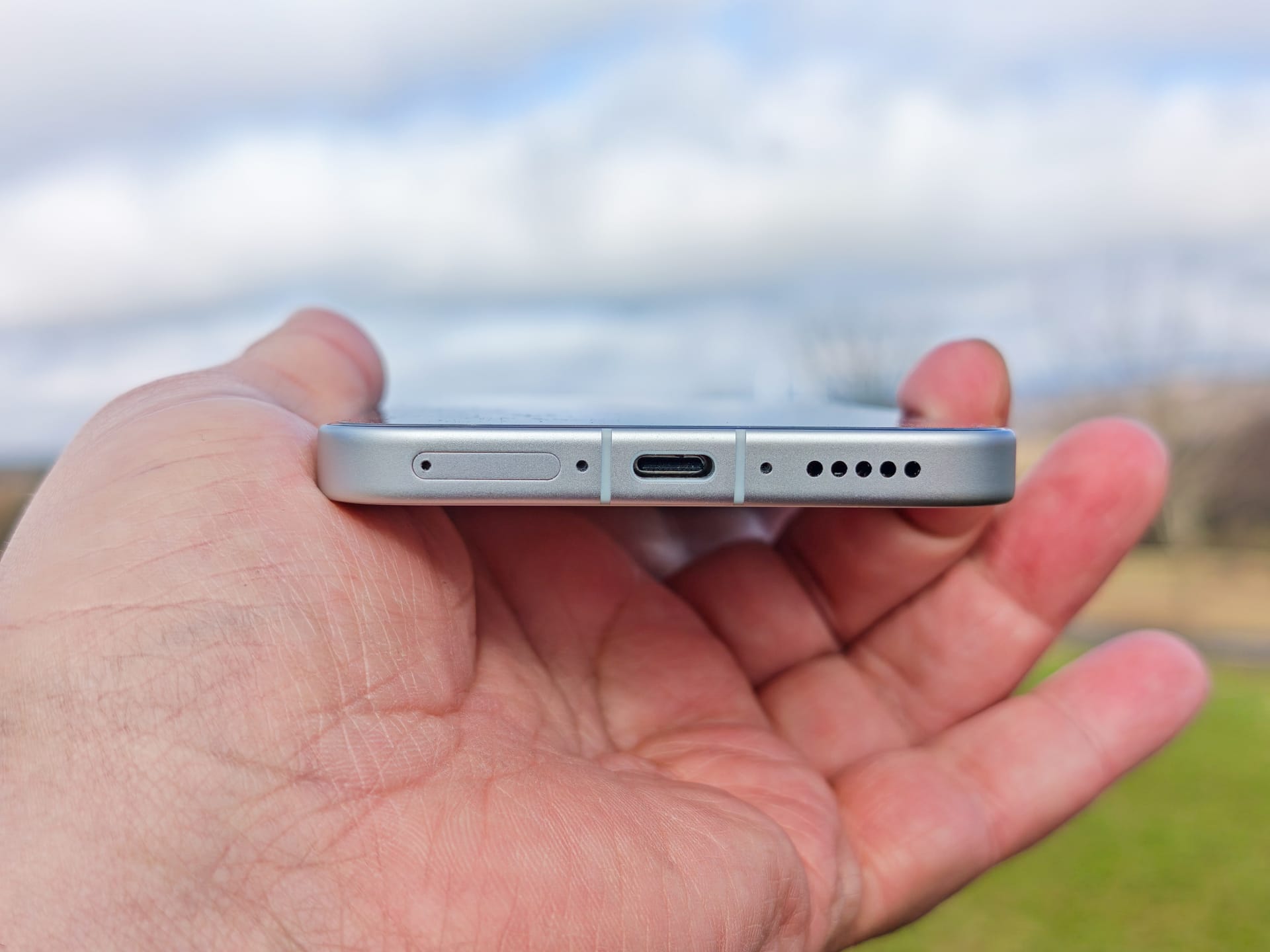
There is, however, an important difference between the China model and the global version when it comes to SIMs. The China model has two nano-SIM slots, but does not support eSIM. Anyone who needs eSIM must opt for the version officially available in Europe.
The device is also up to date when it comes to Wi-Fi. Wi-Fi 7 is supported, which is still more of a glimpse of the future for now, but already enables very high data transfer rates on compatible networks. Bluetooth 5.4 enables lossless audio transmission and a stable connection to wearables.
The features also include an ultrasonic fingerprint scanner, which unlocks the smartphone very quickly and reliably. Compared with optical solutions, it has the advantage of working well even with slightly damp fingers.
Battery and battery life
The X300 Pro's battery situation is somewhat contradictory. On paper, it looks like a clear advantage, at least with the 6510 mAh China version tested here. In Europe, however, capacity is significantly lower, at around 5440 mAh. Technically, it is likely the same battery, but in the EU it is operated with stricter charging limits.
In testing, mixed use easily lasted two days without having to keep an eye on the battery level. Even with intensive use involving plenty of camera use, streaming and navigation, there is often still enough charge left in the evening.
For wired charging, vivo uses FlashCharge at up to 90 watts. After around 15 minutes, the battery is a little over half full; a complete charge takes just under 30 minutes. Wireless charging is supported at up to 40 watts, provided a compatible charger is used. Reverse charging is also available, both wirelessly and via cable, to power devices such as headphones or other smartphones.
Our verdict
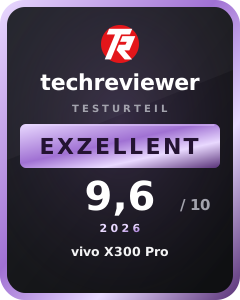
The Vivo X300 Pro remains a powerful flagship in 2026. The camera, display, and performance all deliver, the telephoto camera is still among the best on the market, and battery life is clearly above average in the China version.
The device gets really exciting when it comes to price. While vivo charges around 1,399 euros in Germany, the import version sometimes starts at under 700 euros. For less than half the price, you get practically the same hardware—and in areas such as the battery, even better hardware. The only real drawback of the China version is the lack of eSIM. If you can do without it, the Chinese X300 Pro gives you a flagship for half the price.
Specifications
General
- Model
- vivo X300 Pro (China import)
- Price
- 797.00 euros (as of 2026)
- Weight
- 226 grams
- Dimensions
- 161.98 x 75.48 x 7.99 mm
- Material
- Metal, glass
- Protection
- IP68 + IP69
Display
- Size
- 6.78 inches
- Technology
- 8T LTPO AMOLED
- Refresh rate
- 120 Hz
- Brightness
- 4500 nits (peak)
- Resolution
- 2800 x 1260 pixels
Processor
- CPU
- MediaTek Dimensity 9500 (max. 4.21 GHz)
- GPU
- ARM Mali G1-Ultra
- RAM
- 16 GB LPDDR5X
- Additional chips
- Vivo V3+, VS 1
Storage
- Internal
- 512 GB UFS 4.1
- Expansion
- No
Camera
- Main camera
- 50 MP (LYT-828, f/1.57, OIS)
- Telephoto camera
- 200 MP (Zeiss APO, 3.7x optical, f/2.67)
- Wide angle
- 50 MP (f/2.0)
- Front camera
- 50 MP (f/2.0, AF)
Battery
- Capacity
- 6510 mAh
- Charging (cable)
- 90W
- Charging (wireless)
- 40W
Connectivity
- Mobile network
- 5G / 4G (including bands 20 & 28)
- SIM
- Dual SIM
- Wi-Fi
- Wi-Fi 7
- Bluetooth
- 5.4
- NFC
- Yes
- USB
- Version 3.2
Other
- Operating system
- OriginOS 6 (Android 16)
- Languages
- Multilingual (including German)
- Google Play Store
- Preinstalled
- Sensor
- Ultrasonic fingerprint sensor
What’s included
1x vivo X300 Pro (retail packaging) 1x 90W power adapter (incl. EU adapter) 1x USB-C cable 1x protective case 1x screen protector (pre-installed)
Price comparison
| Store | Price | Link |
|---|---|---|
| Trading Shenzhen | 747,00 € | Go to store |
Comments