Contents
Xiaomi 15T: Design, build quality and contents of delivery
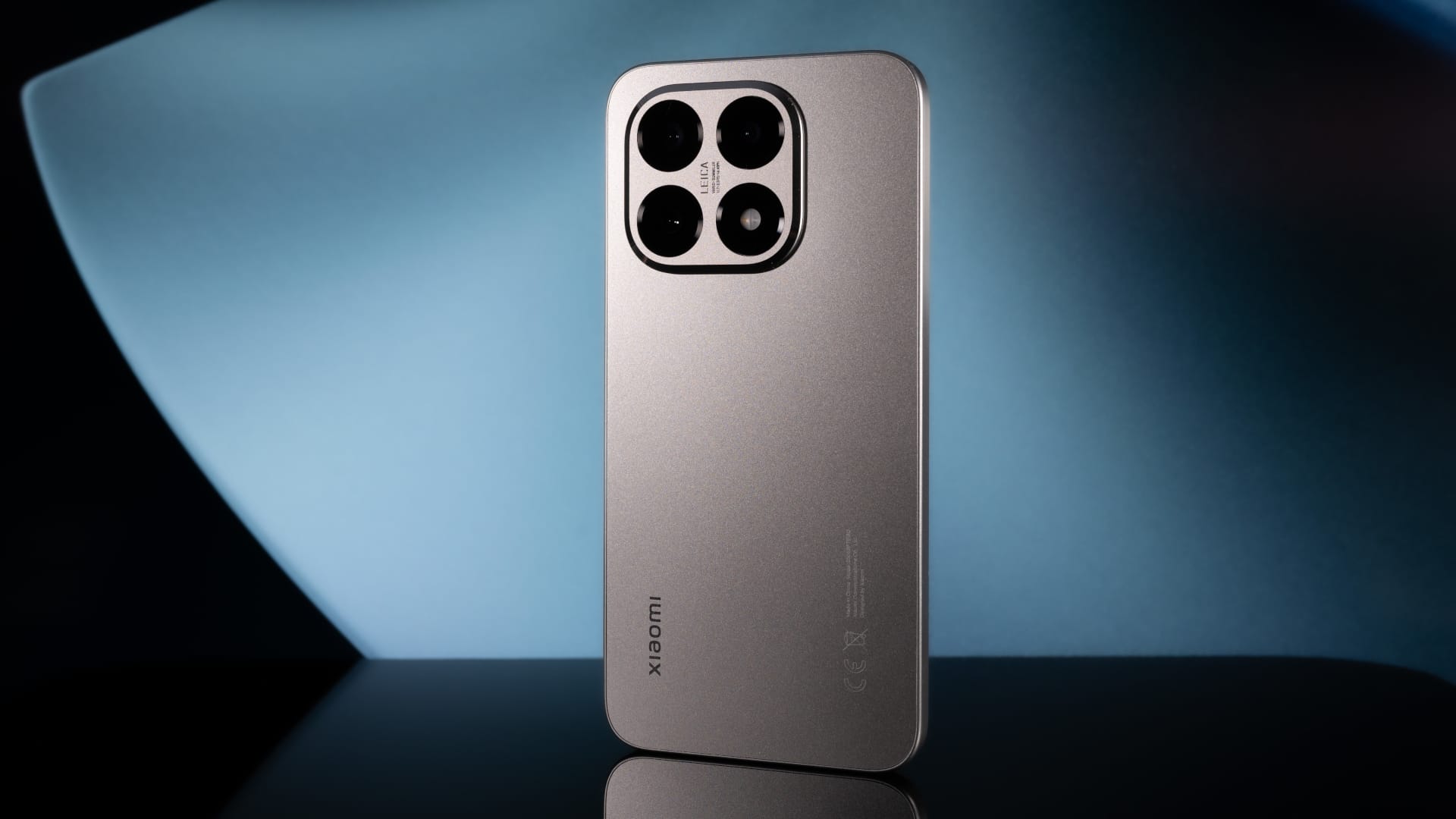
At 194 grams, the Xiaomi 15T is pleasantly light and sits slim in the hand at just 7.5 millimetres thick. The first impression is defined by the frame. Unlike the better-equipped Xiaomi 15T Pro, it is not made of aluminium but of plastic. While this makes it feel less “premium”, it proves to be pleasantly grippy and resistant in everyday use.
The flat sides of the casing give the device a clear profile. It appears neither playful nor over-designed, but rather sober and deliberately understated. The fibreglass back is pleasantly matt and proved in testing to be particularly resistant to fingerprints. After a long day, the device still looks as good as it did in the morning, without needing to be wiped constantly.
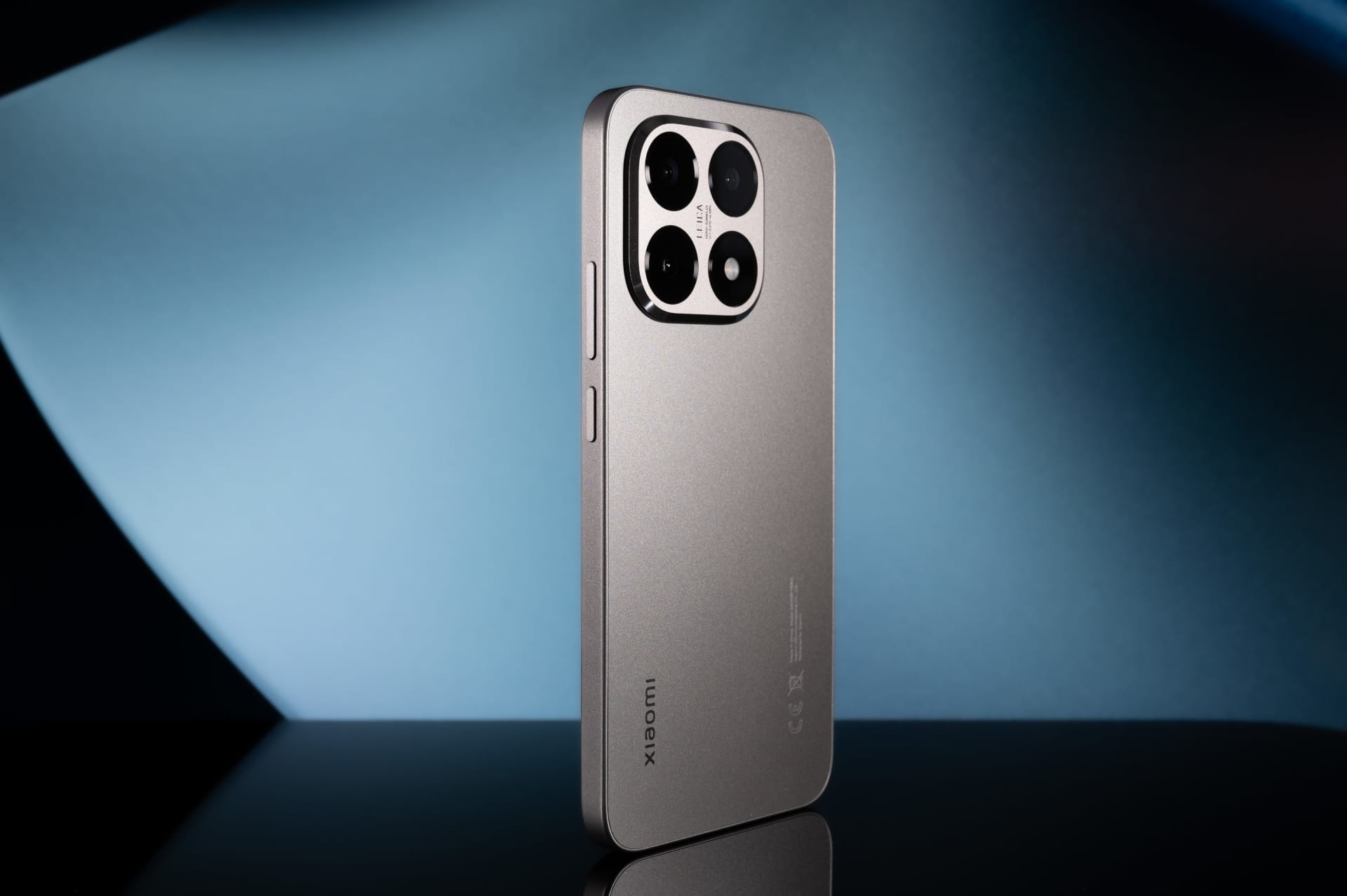
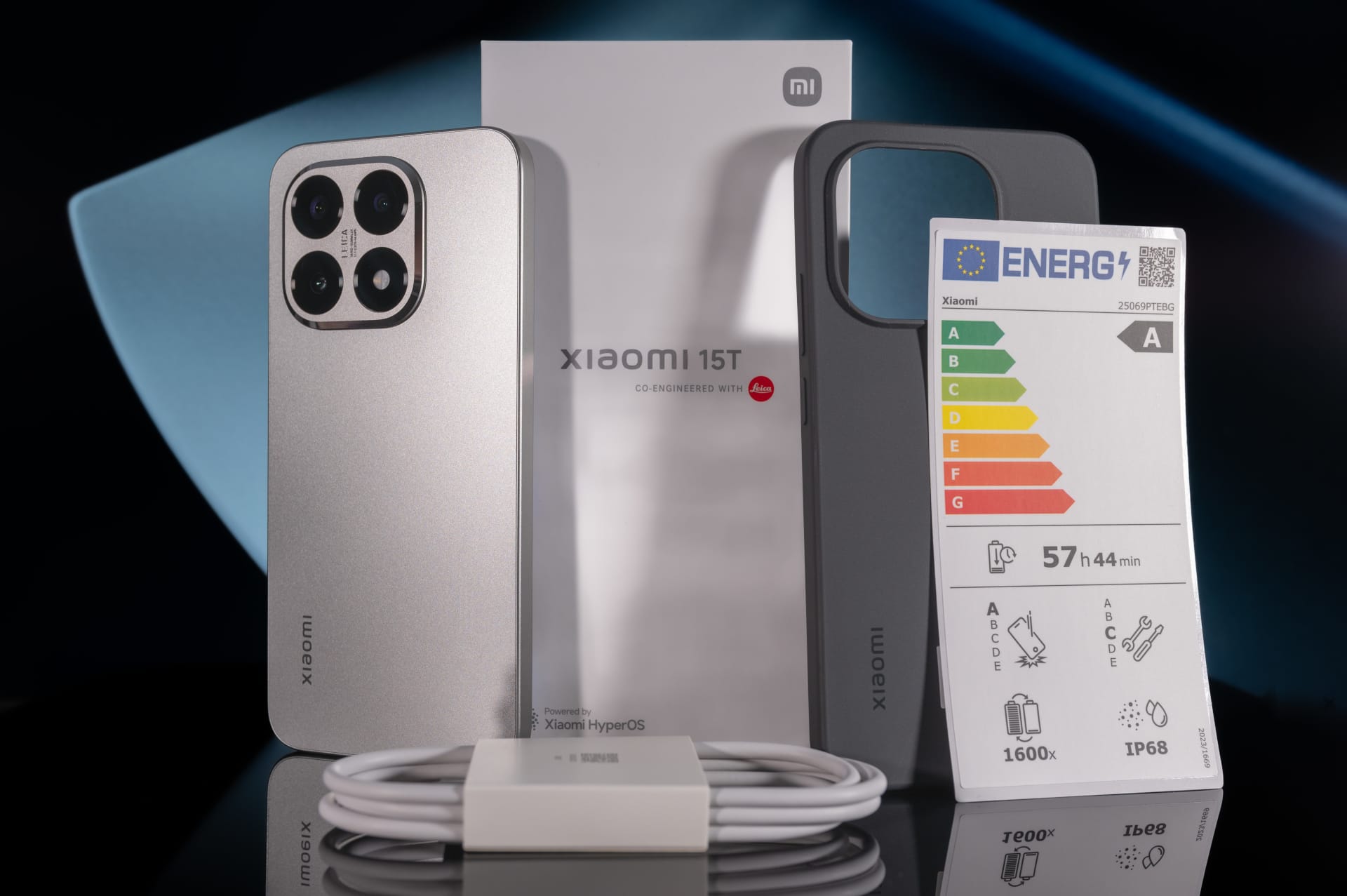
Unusually for this price range is the IP68 protection. A brief excursion into the sink would not be an issue.
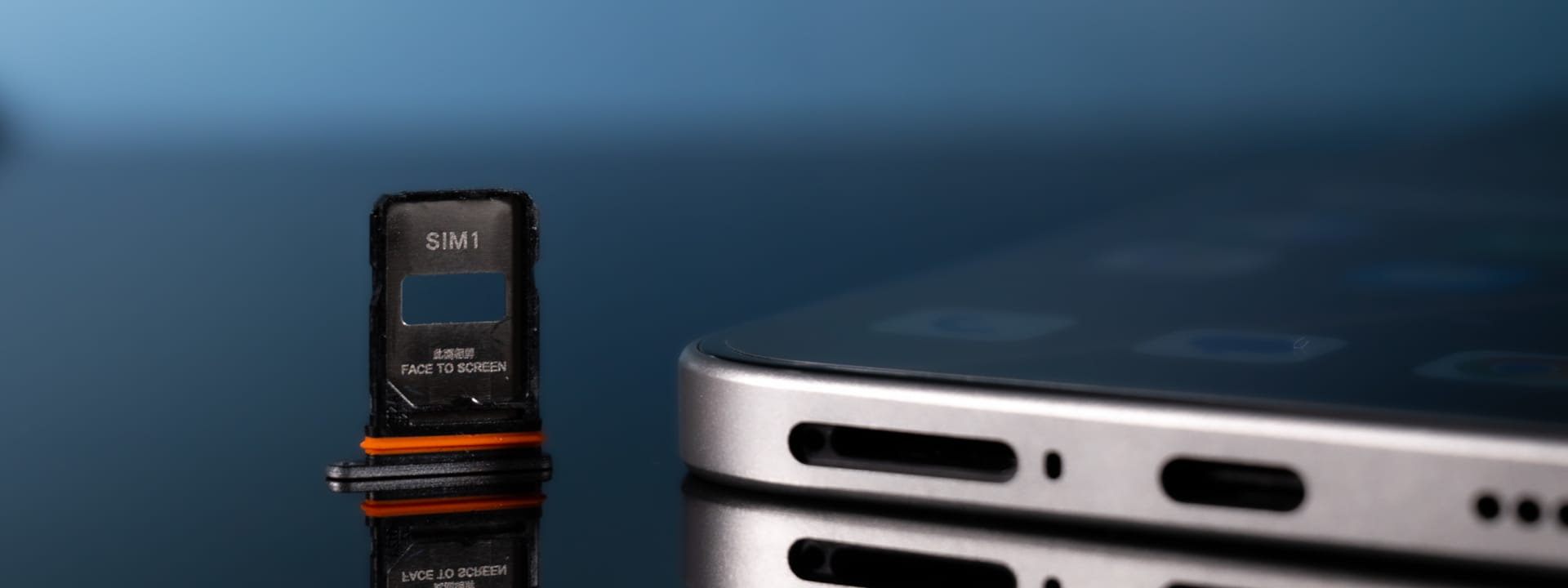
The build quality also seems consistent. The buttons are firm, click cleanly, and the casing remains stable even under slight pressure. At the bottom are the USB-C port, speakers, microphone, and SIM tray (dual-nano, no microSD). At the top, Xiaomi hides a small IR transmitter that can control televisions when the remote control is not to hand.
The scope of delivery includes, in addition to the USB-C charging cable, the SIM tool and some paperwork, a TPU case. Nothing exciting, but it does its job. A charger is missing, which has become almost standard nowadays.
Xiaomi 15T: Display
The Xiaomi 15T features a flat 6.83-inch display that covers almost the entire front panel and resolves in crisp 1280 × 2772 pixels (approx. 447 ppi). The panel used is an AMOLED from the LTPS category.
In contrast to the LTPO display in the Pro model, the refresh rate switches in fixed steps between 120 and 60 Hz, instead of gradually reducing to as low as 1 Hz. Scrolling is nevertheless butter-smooth, and when playing videos it cleanly switches down to 60 Hz to save power.
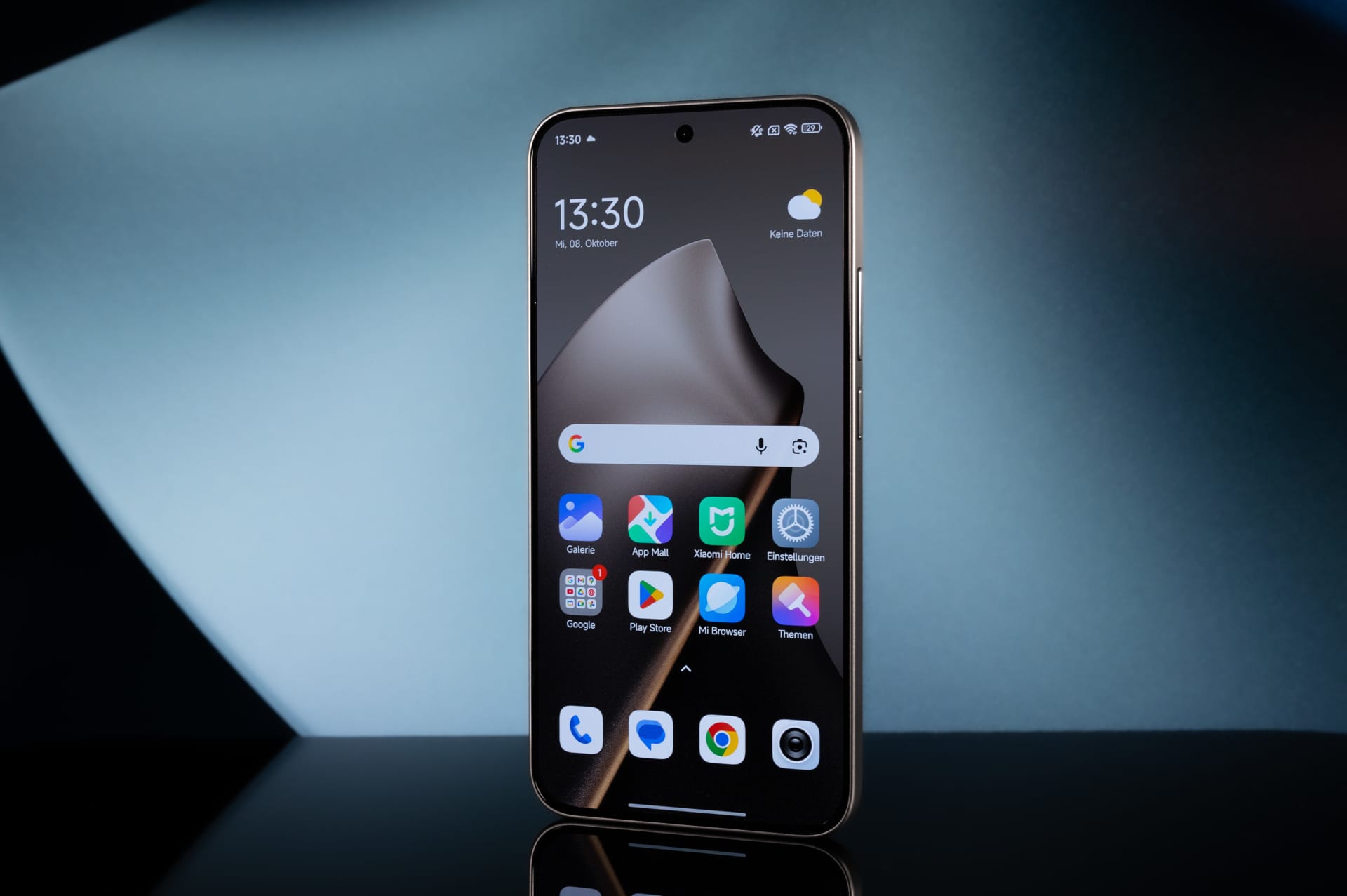
The overall display looks well-balanced. Content appears clear, text is pleasantly finely rendered, and colours can be well adjusted to personal taste via system settings. HDR10+ and Dolby Vision are supported, which ensures noticeably better contrast for streaming content.
The strength of the panel is particularly noticeable in terms of brightness. Xiaomi specifies a peak brightness of up to 3200 cd/m² (peak, HDR peak), but in real-world testing, the device achieves around 1500–1600 cd/m² in automatic mode under sunlight. This means it remains clearly readable even in direct sunlight. Navigating outdoors or reading messages works without having to shade the screen with your hand.
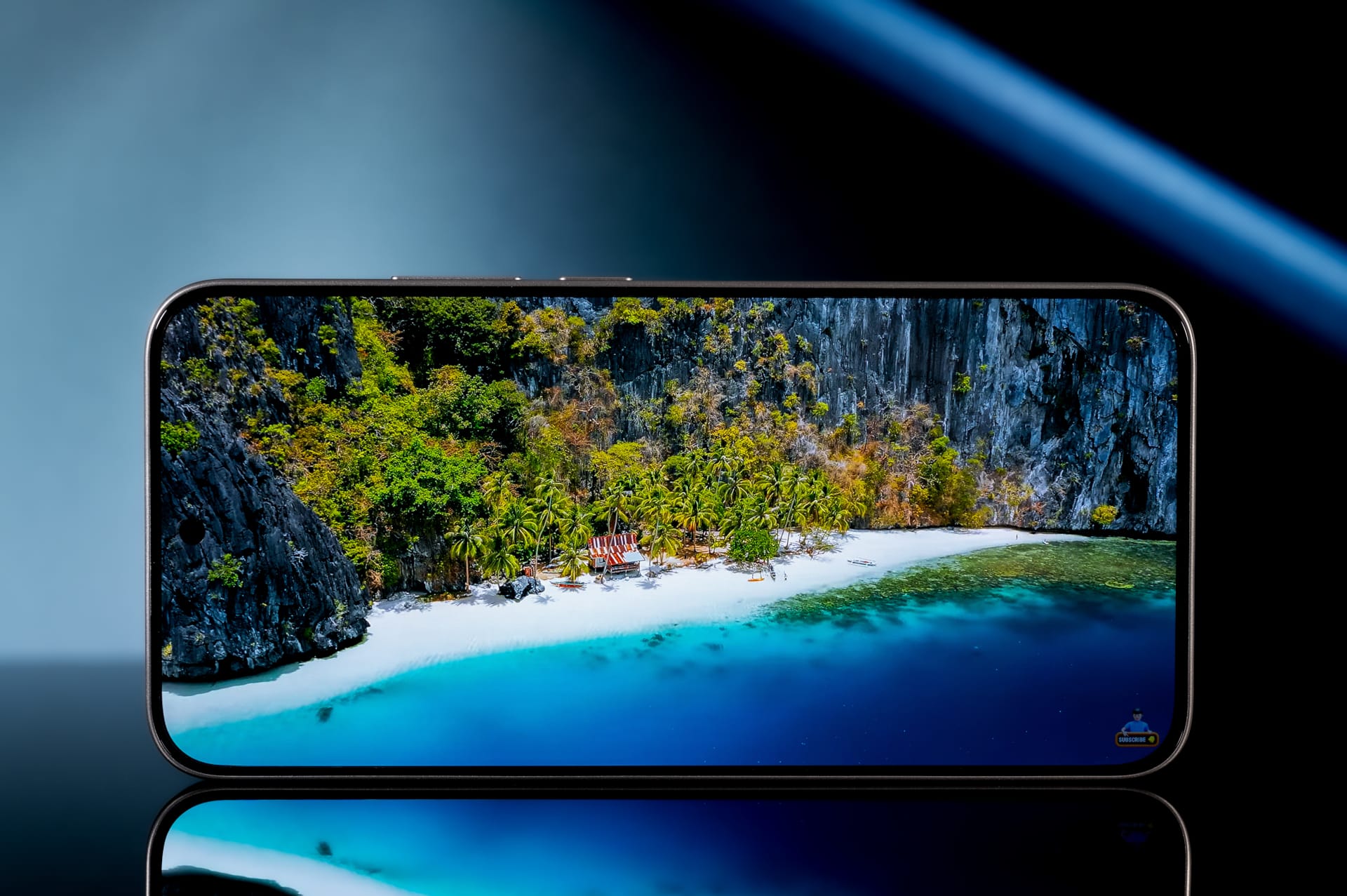
At low brightness, the display uses a PWM dimming frequency of 3840 Hz. This reduces perceivable flickering, particularly in the lower brightness range, and is easier on sensitive eyes when reading or scrolling in dark environments. Although DC dimming is not used here (unlike some LTPO panels), the high PWM value largely compensates for this.
As display protection, Xiaomi uses Gorilla Glass 7i by Corning, which proved to be insensitive to scratches and friction in a multi-week everyday test.
Xiaomi 15T: Performance
The Xiaomi 15T houses the MediaTek Dimensity 8400 Ultra, manufactured using the 4nm process (TSMC). The CPU relies on a 1+3+4 cluster with four performance-oriented Cortex-A725 cores and four efficiency cores for background loads.
Combined with 12 GB LPDDR5X RAM (high data rates, short latencies) and optionally 256 GB or 512 GB UFS 4.1 storage (high sequential and random read values), this results in very direct system behaviour in practice. Apps launch without delay, animations run smoothly, and more complex apps such as Lightroom, CapCut or Maps with live navigation benefit from the high memory bandwidth.
Under load, the device maintains its performance comparatively constant. Xiaomi uses an IceLoop cooling system, which distributes heat from the SoC over several layers. During use, the back does get noticeably warm, but does not overheat, so that clock speeds are only reduced moderately. Graphically demanding games such as Genshin Impact or Wuthering Waves run stably, but they only achieve their best frame rate with medium or adjusted graphics profiles.
Xiaomi 15T: Connectivity
In terms of connectivity, the Xiaomi 15T also leaves little to be desired. 5G is on board, as is eSIM as a second SIM option, fast Wi-Fi 6E, Bluetooth 6.0 and NFC for payments. Positioning via GPS with L1 and L5 as well as Galileo was consistently precise in testing. BDS, GLONASS and NavIC are also supported.
The USB-C port presented a bottleneck. It operates only at ancient USB 2.0 speeds, causing copying of larger files to take noticeably longer. Image output to external monitors is also not supported, in case you like to use your smartphone for presentations or as a mobile desktop.
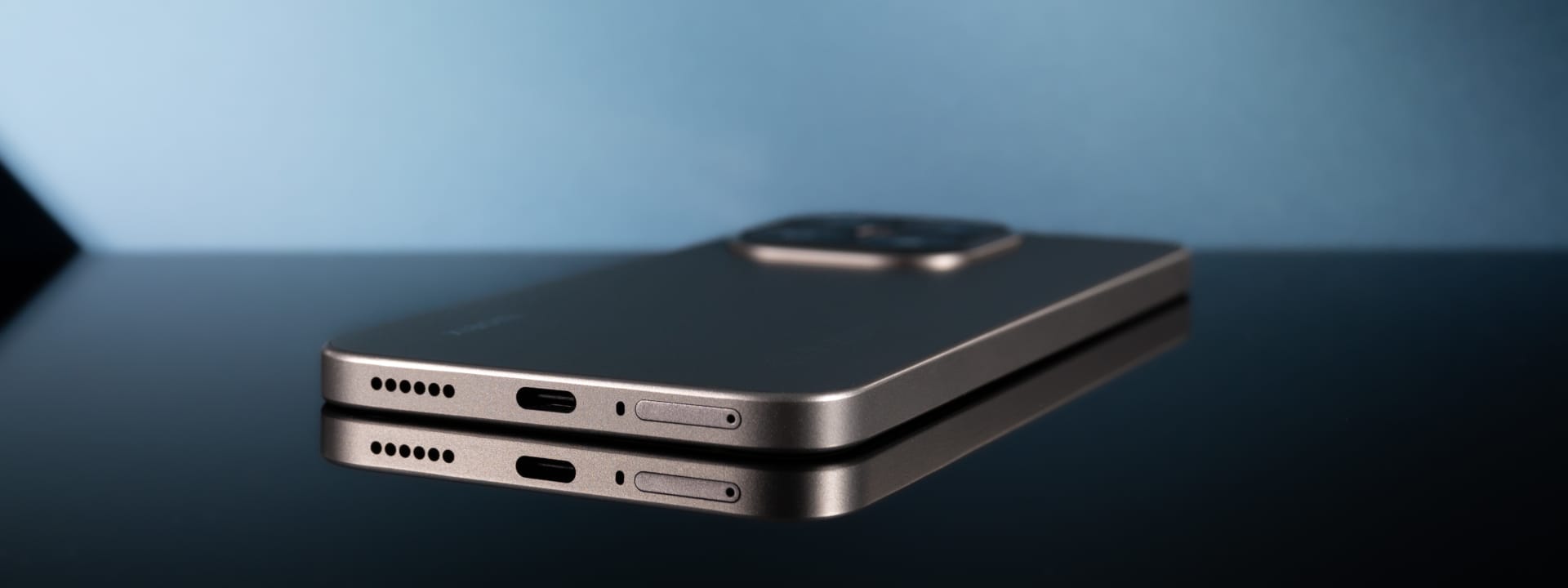
The speakers use a hybrid stereo setup, where the earpiece works in conjunction with the lower main speaker. It sounds balanced, gets sufficiently loud, and remains clear in the highs. The bass is fine, if not particularly deep. With voices, the sound sometimes seems a bit thin, such as with podcasts or dialogue scenes.
During phone calls, the 15T proved unobtrusive in the best sense of the word. Voices sound natural and are clearly intelligible. In noisier environments, noise suppression reliably kicks in. The other party receives your voice clearly, without any noticeable compression or metallic tone. VoLTE and VoWiFi worked without special configuration, provided the network operator supports them.
In terms of sensors, Xiaomi saves money in a place that can be noticeable in everyday use. Instead of a classic hardware proximity sensor, a software-based solution is used. Normally, switching off the display at the ear works reliably. In rare cases, such as when the device is held at an unusual angle, it reacts slightly delayed.
The fingerprint sensor is located under the display and operates optically. Recognition is fast and reliable as long as the finger is dry. With slightly moist or cold fingers, the system sometimes requires a second attempt. The position is easily reachable, neither too high nor too close to the edge. Alternatively, fast and stable face recognition is available via the front camera, albeit without additional hardware security.
Xiaomi 15T: Operating system
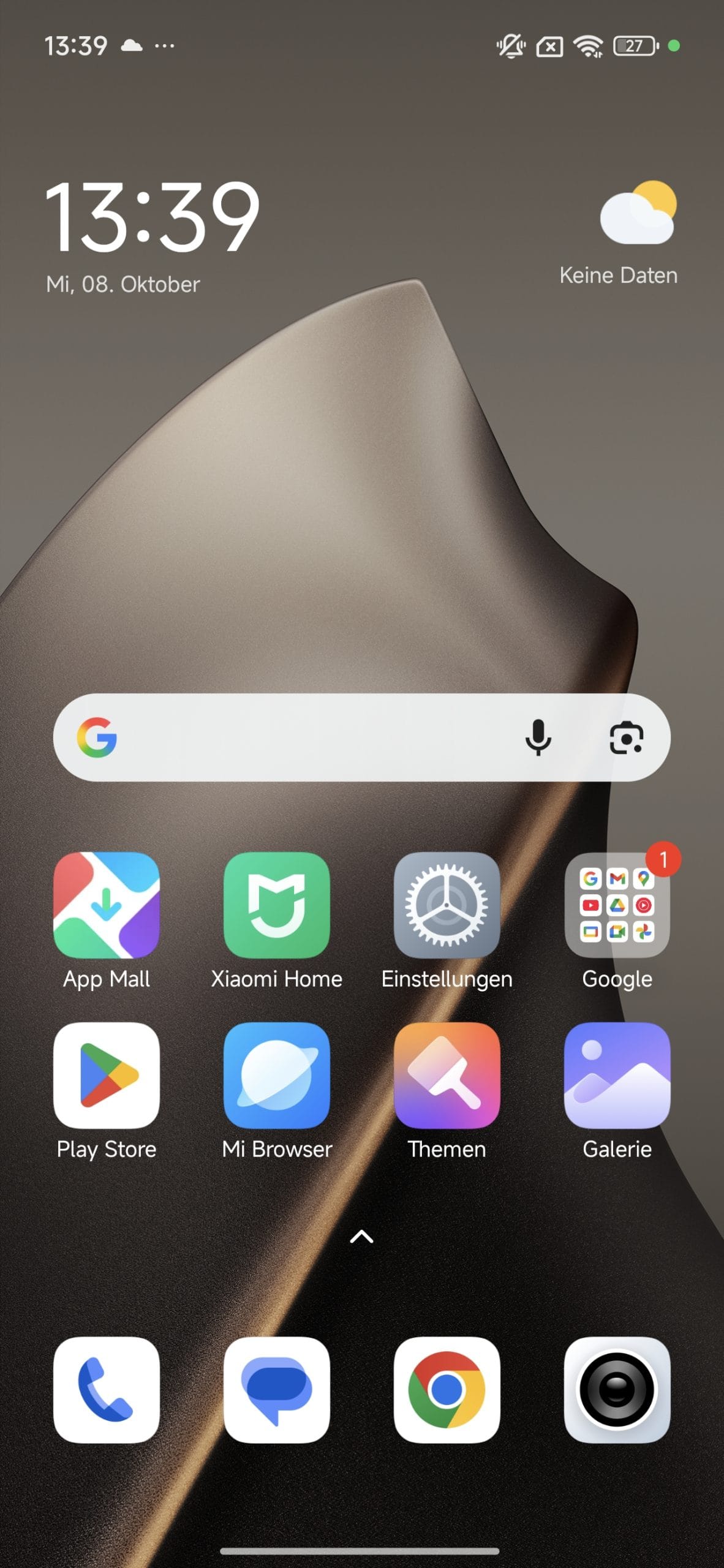
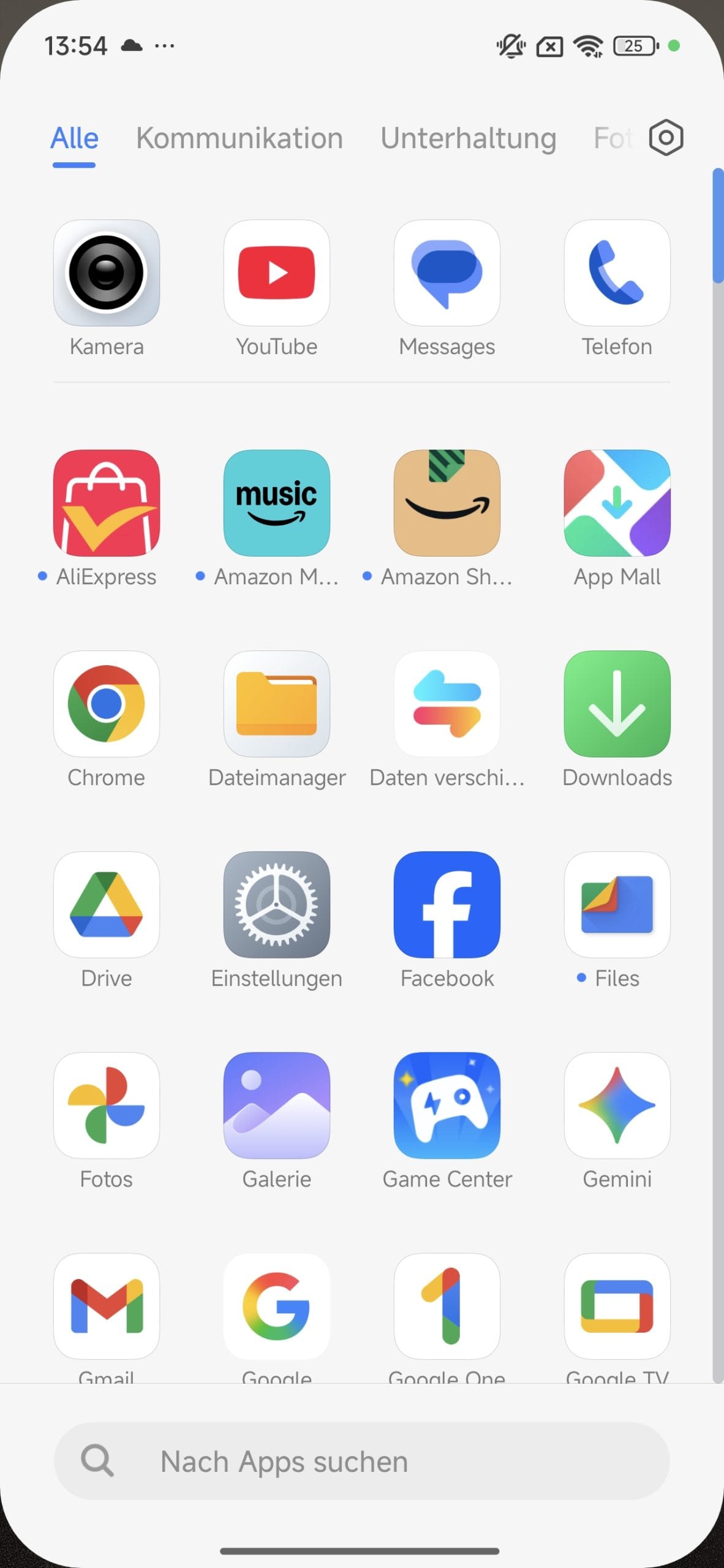
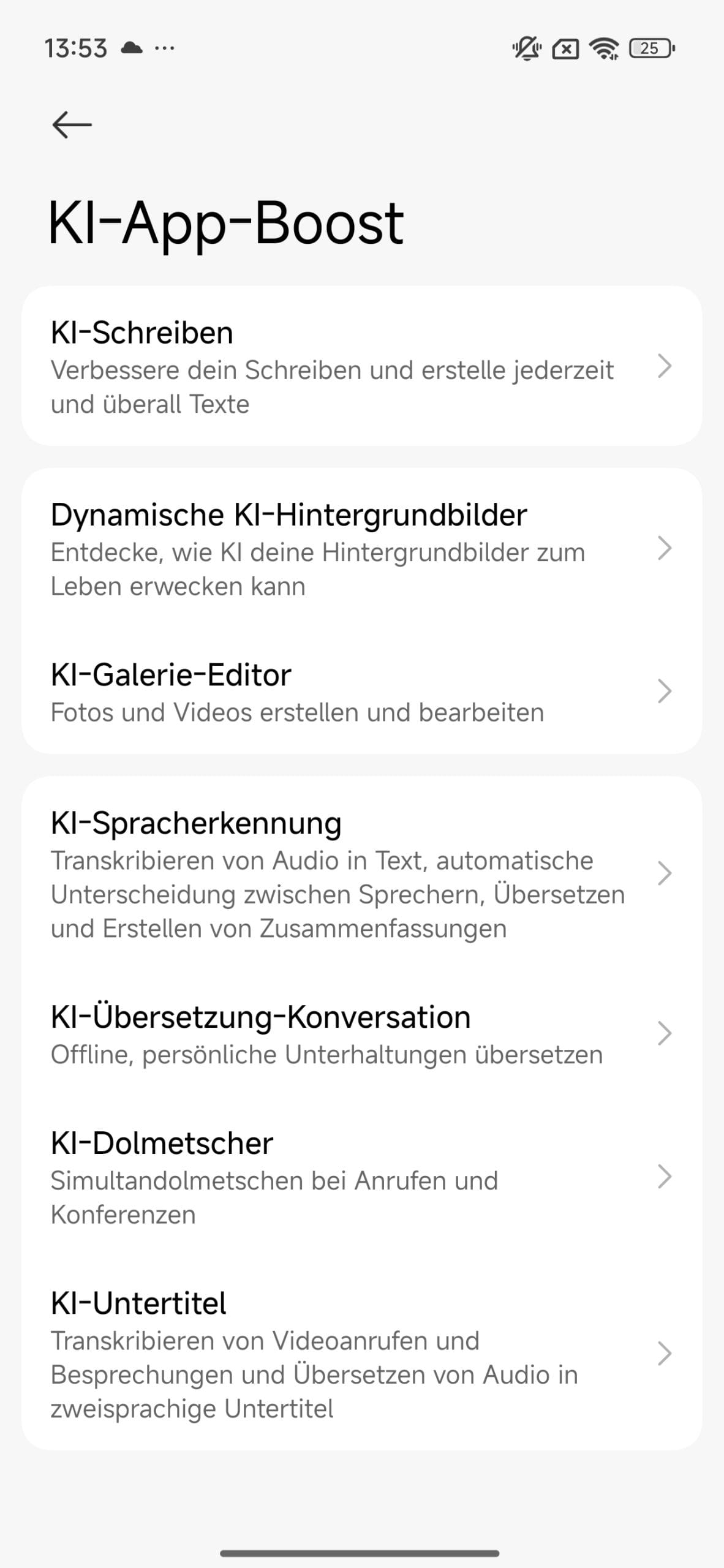
HyperOS 2 based on Android 15 is a noticeable improvement over the old MIUI era. It runs smoothly, stably and looks tidy. Google features like Circle to Search are cleanly integrated. Xiaomi also adds its own AI features. The Notes app summarises texts, the Gallery can remove objects and the Recorder creates transcripts with speaker recognition.
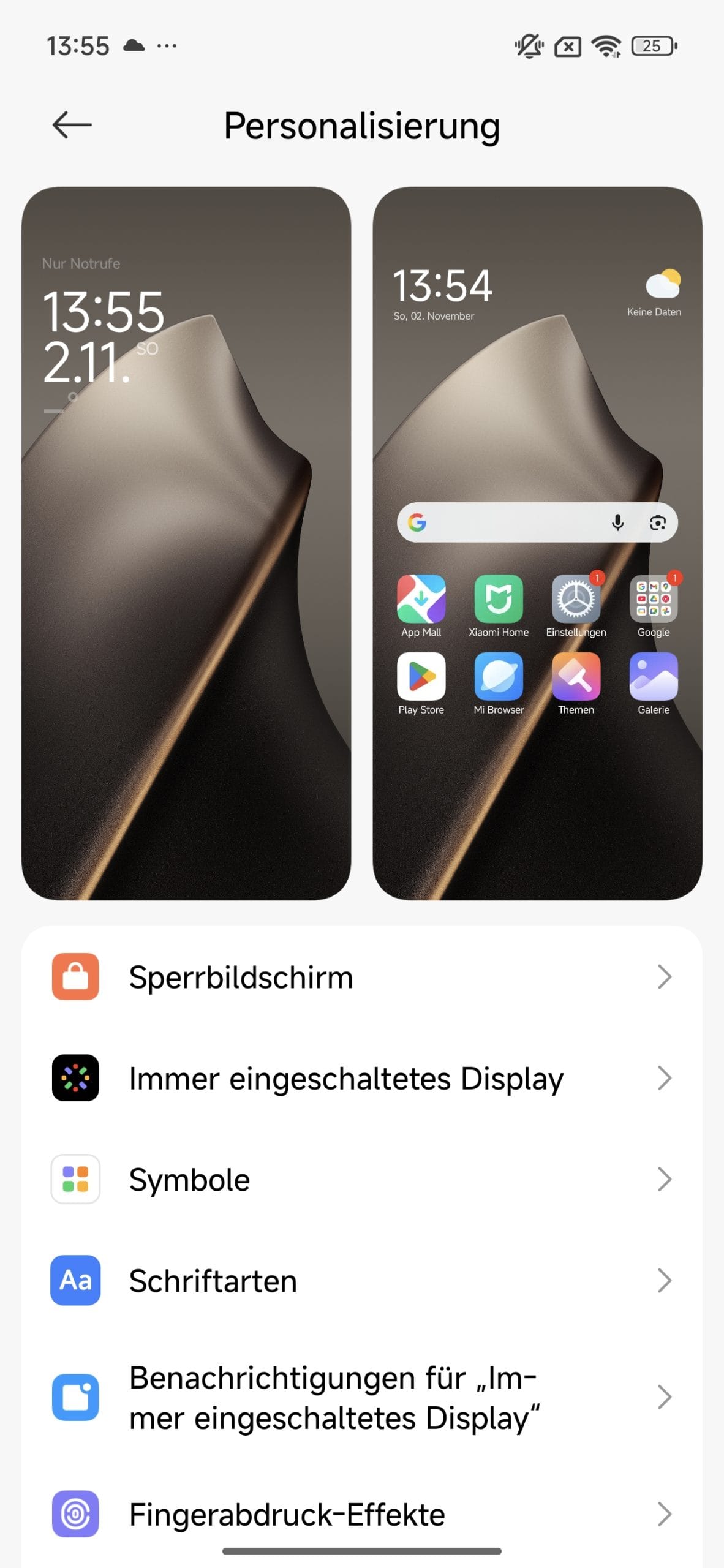
An exciting gimmick is "Astral Communication". This allows offline messaging between phones over a distance of 1.3 km. Currently, however, this only works between two 15T devices.
Why Xiaomi torpedoes this otherwise good software experience with a mountain of bloatware remains a mystery. After setup, users are initially occupied with deleting pre-installed games, shopping apps and annoying folder recommendations. This really should not happen in 2025.
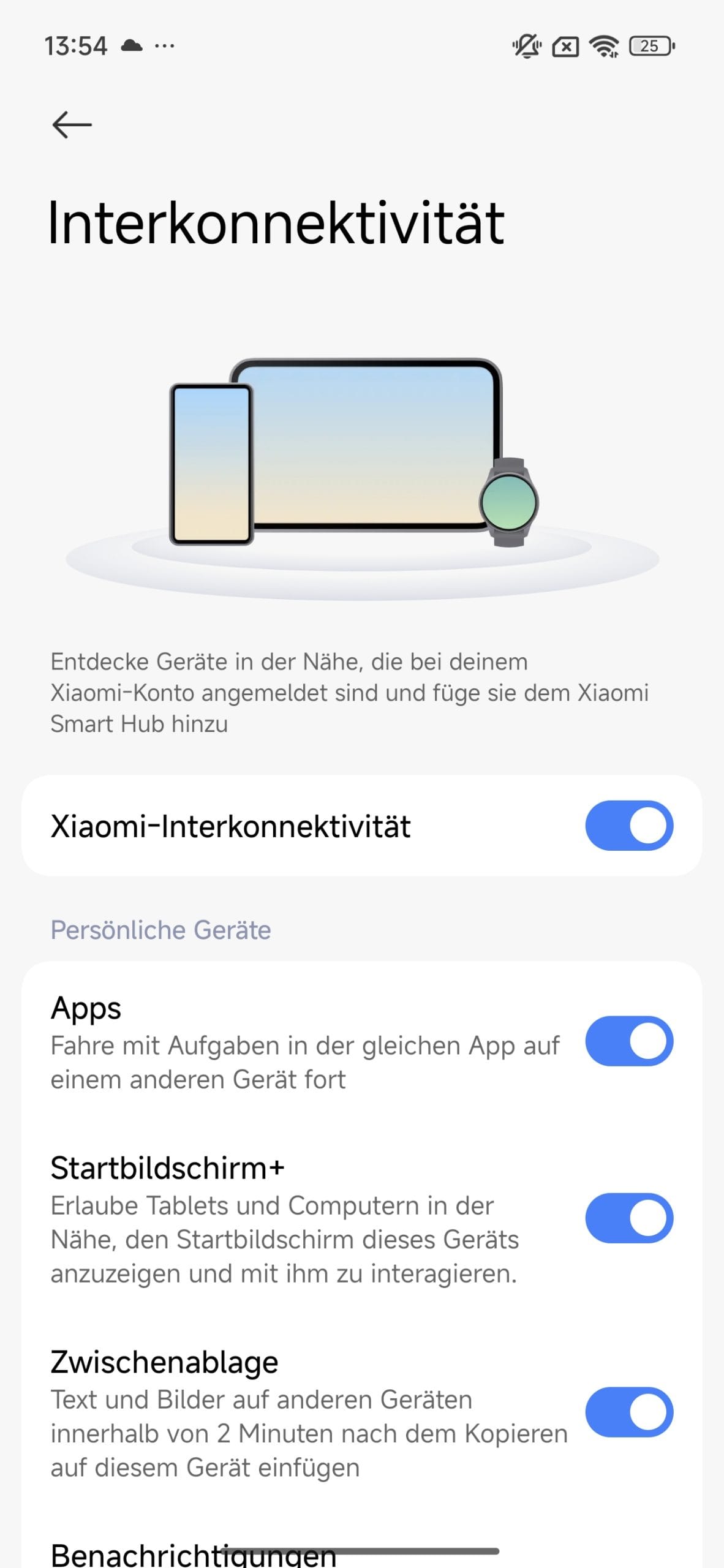
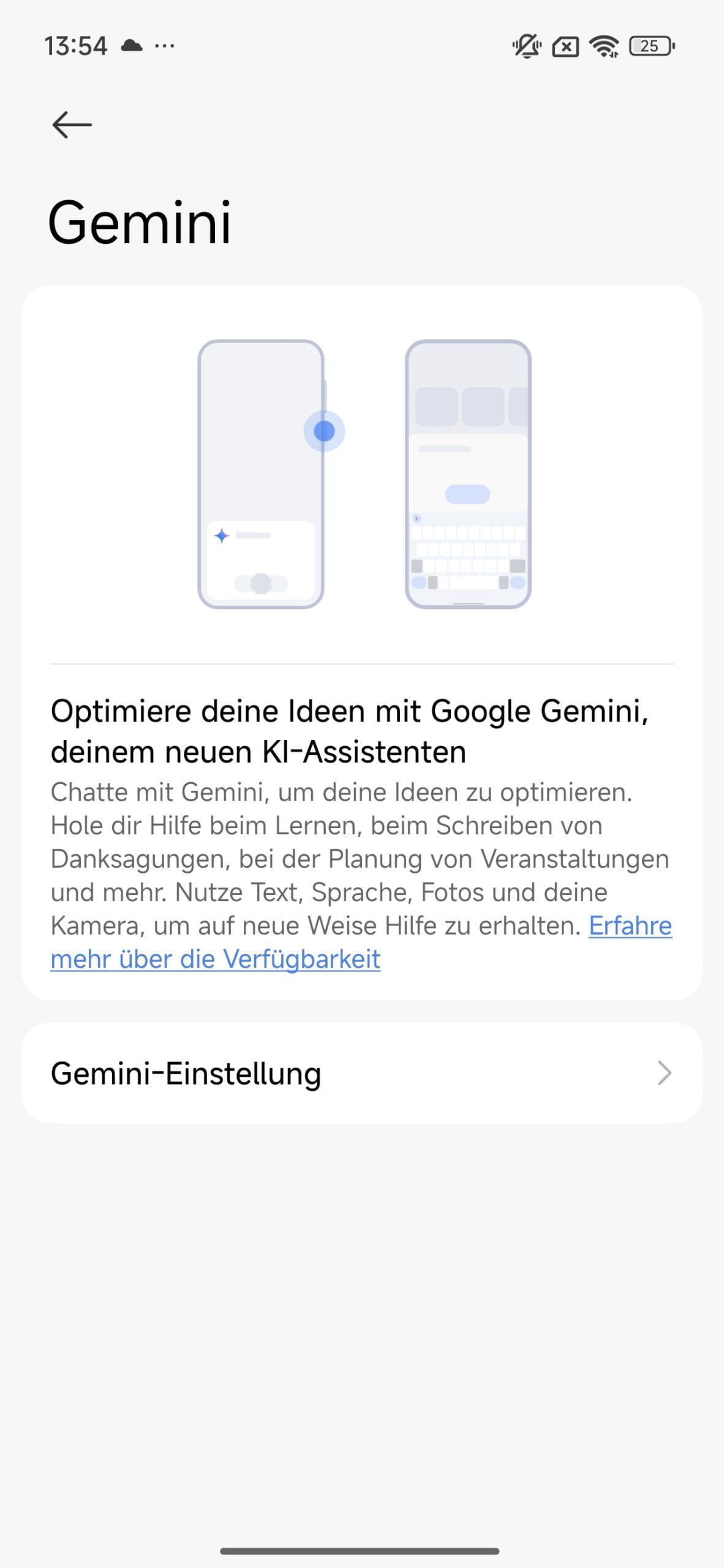
On the other hand, Xiaomi's update promise is promising, with four major Android versions and six years of security updates (until 24 September 2031).
Xiaomi 15T: Camera
The camera shows the biggest differences between the Xiaomi 15T and the 15T Pro. Only the main camera performs well, while the rest seems more like filler material.
Main camera
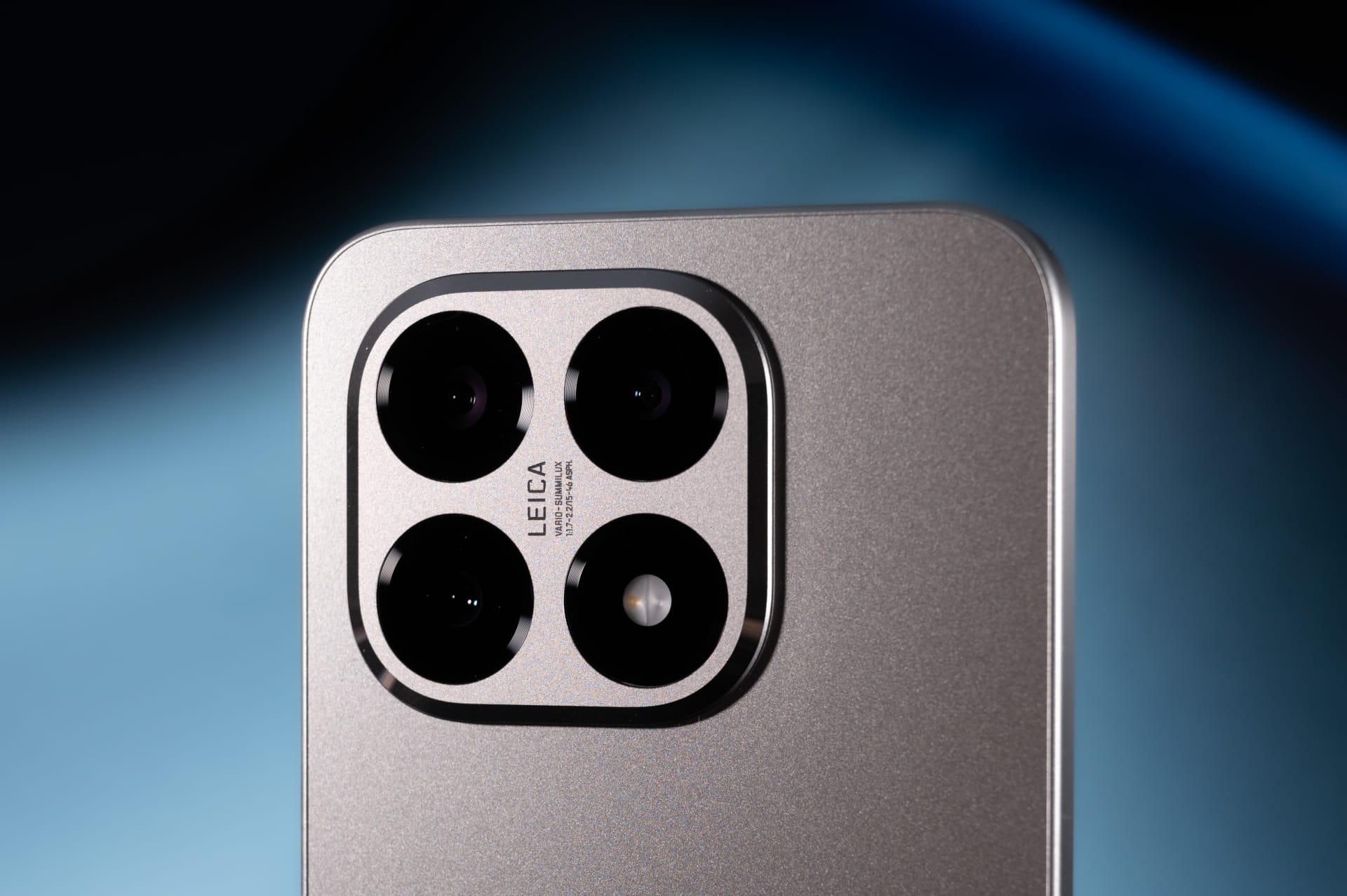
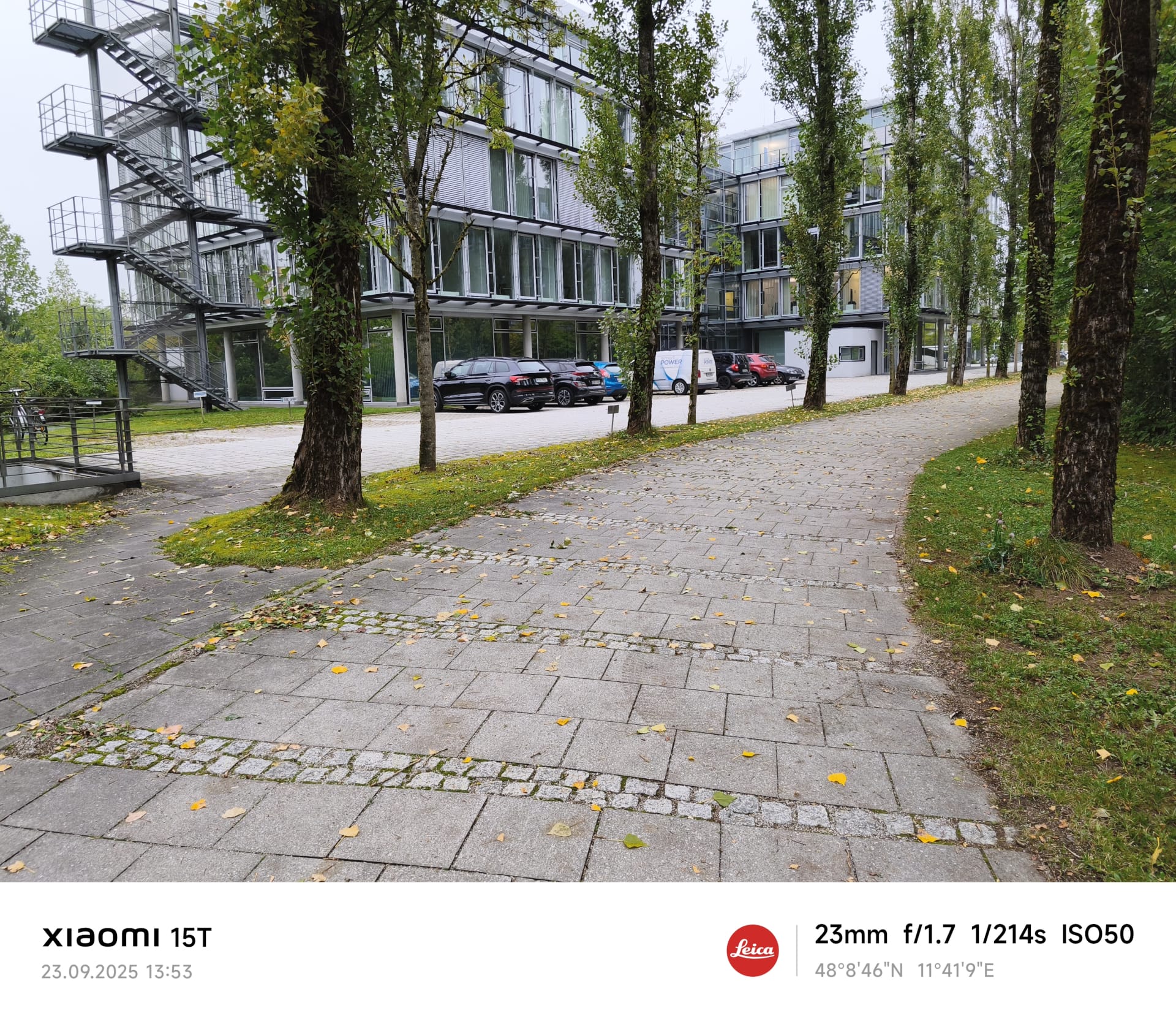
The 50 MP main camera is based on an Omnivision OV50, 1/1.55 inch sensor with optical image stabilization (OIS). In daylight, the sensor, also known as "Light Hunter 800", consistently delivers good to very good results. Details such as grass or leaves are displayed cleanly without appearing overly sharpened.
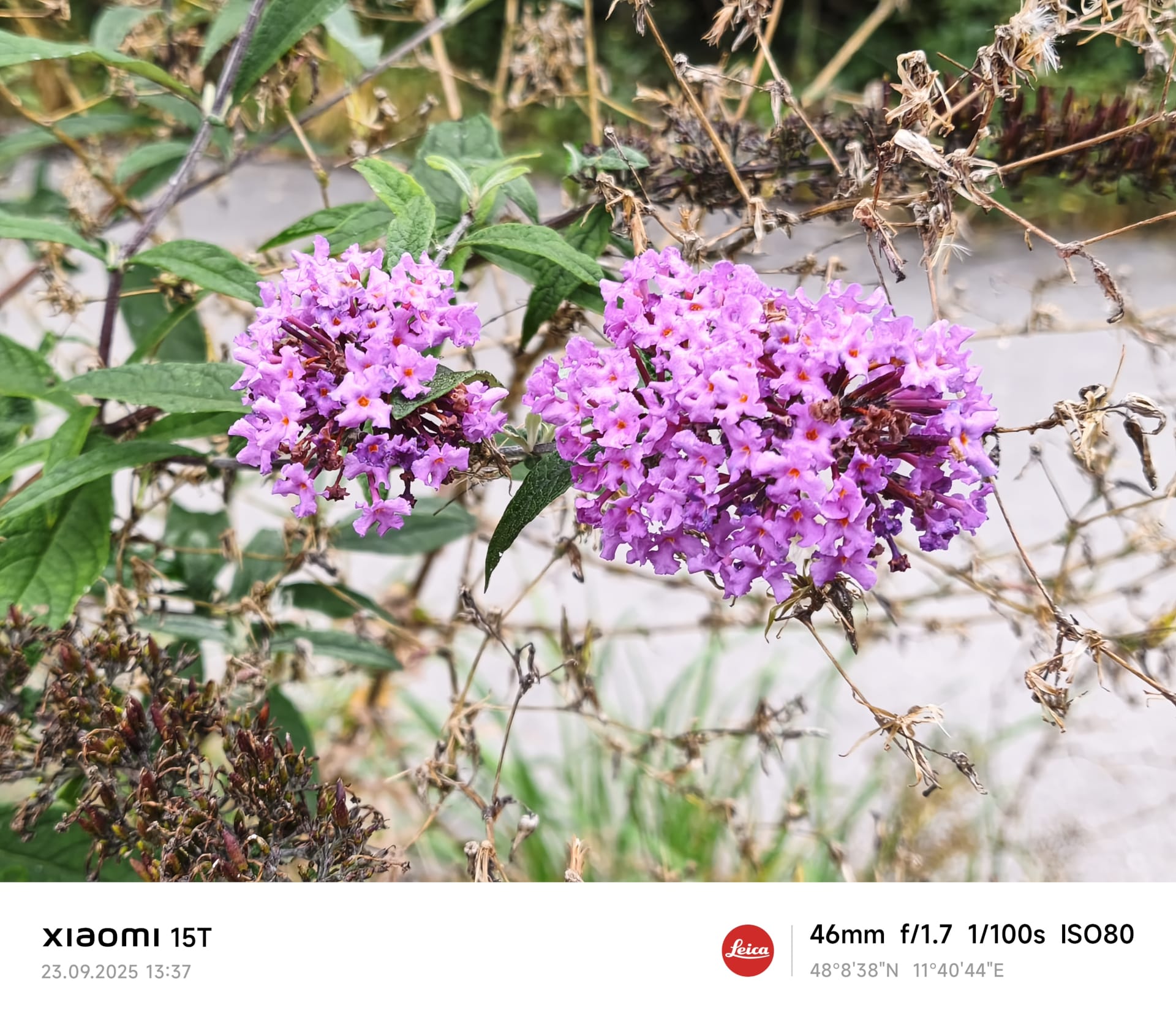
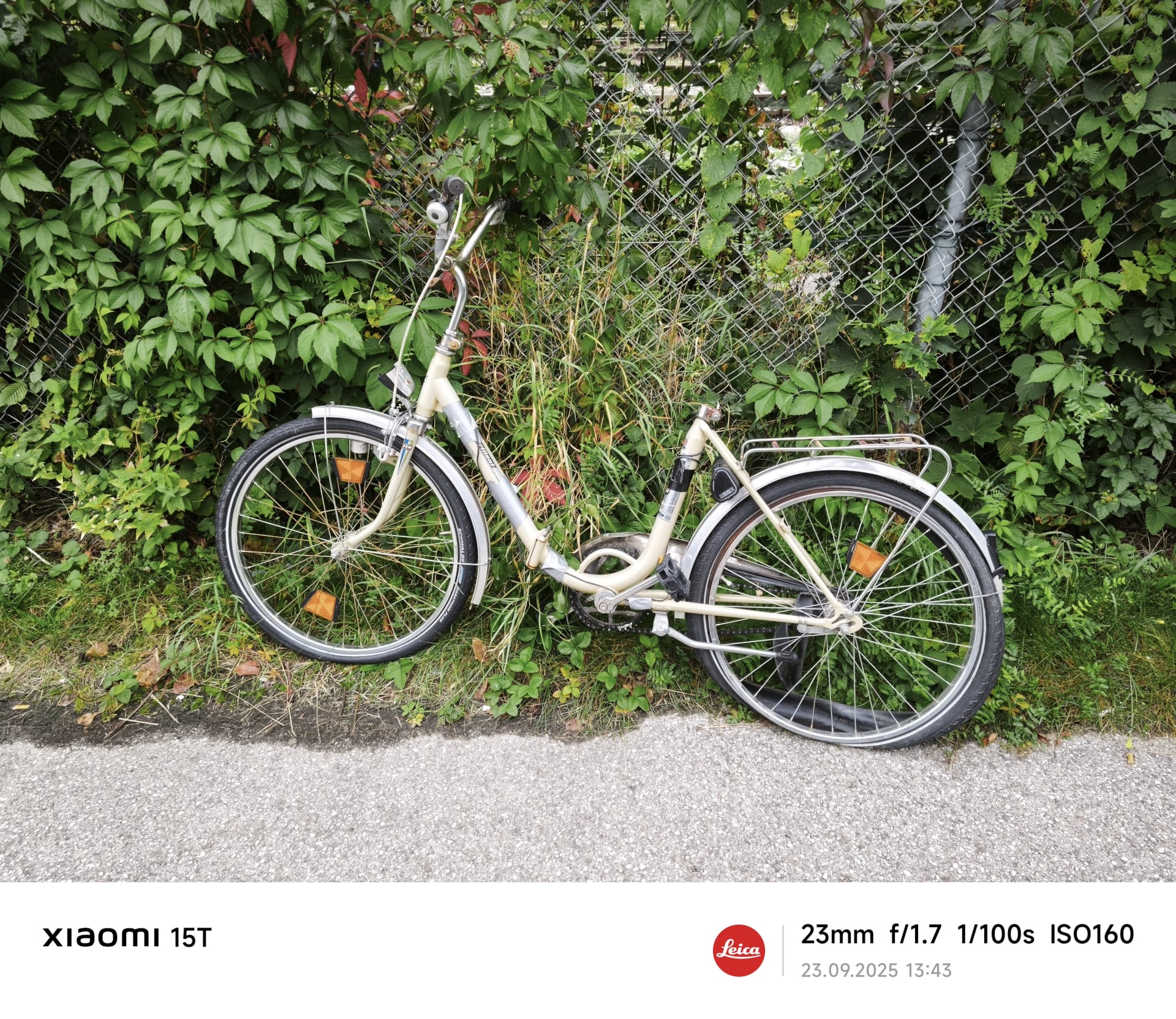
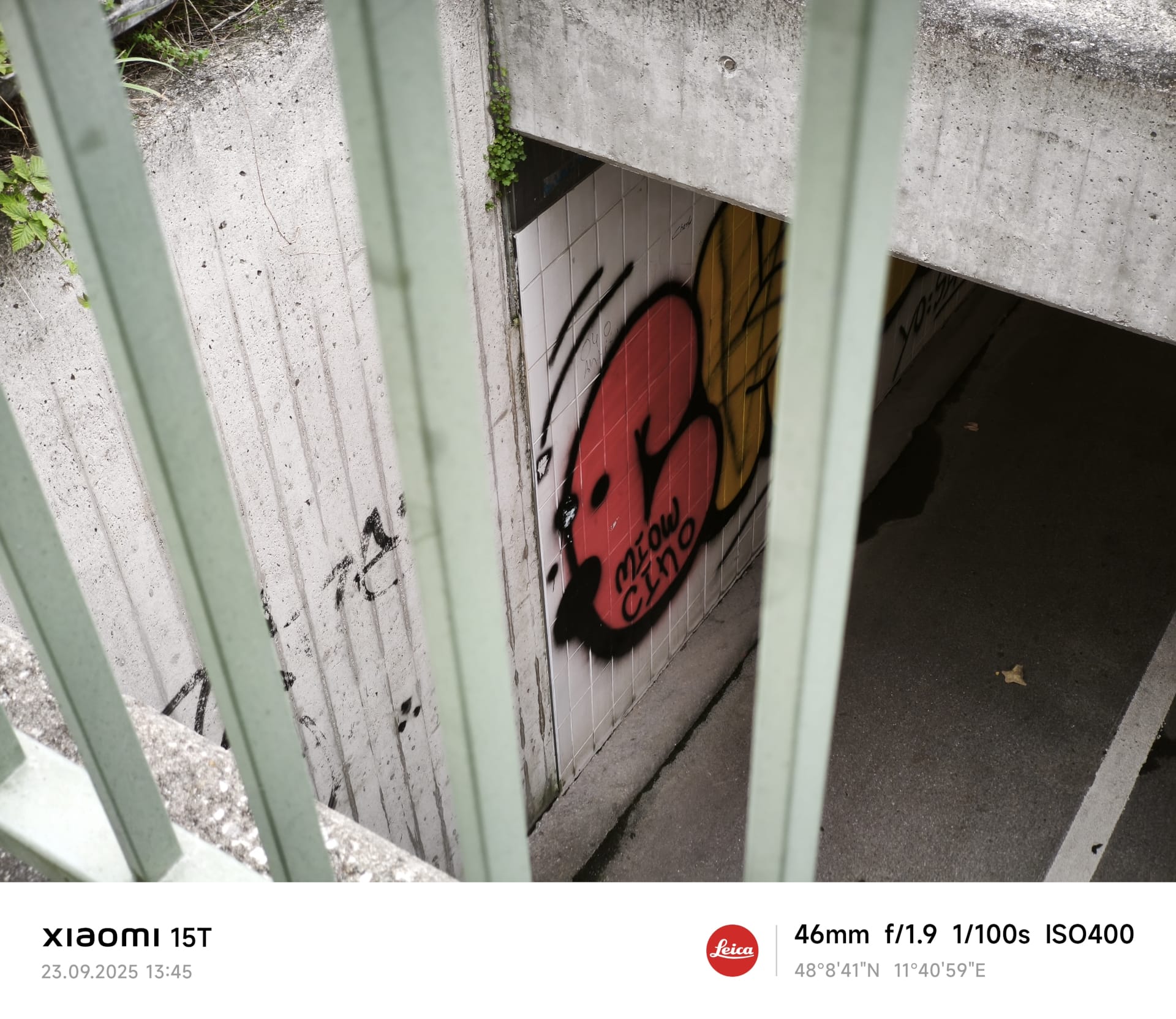
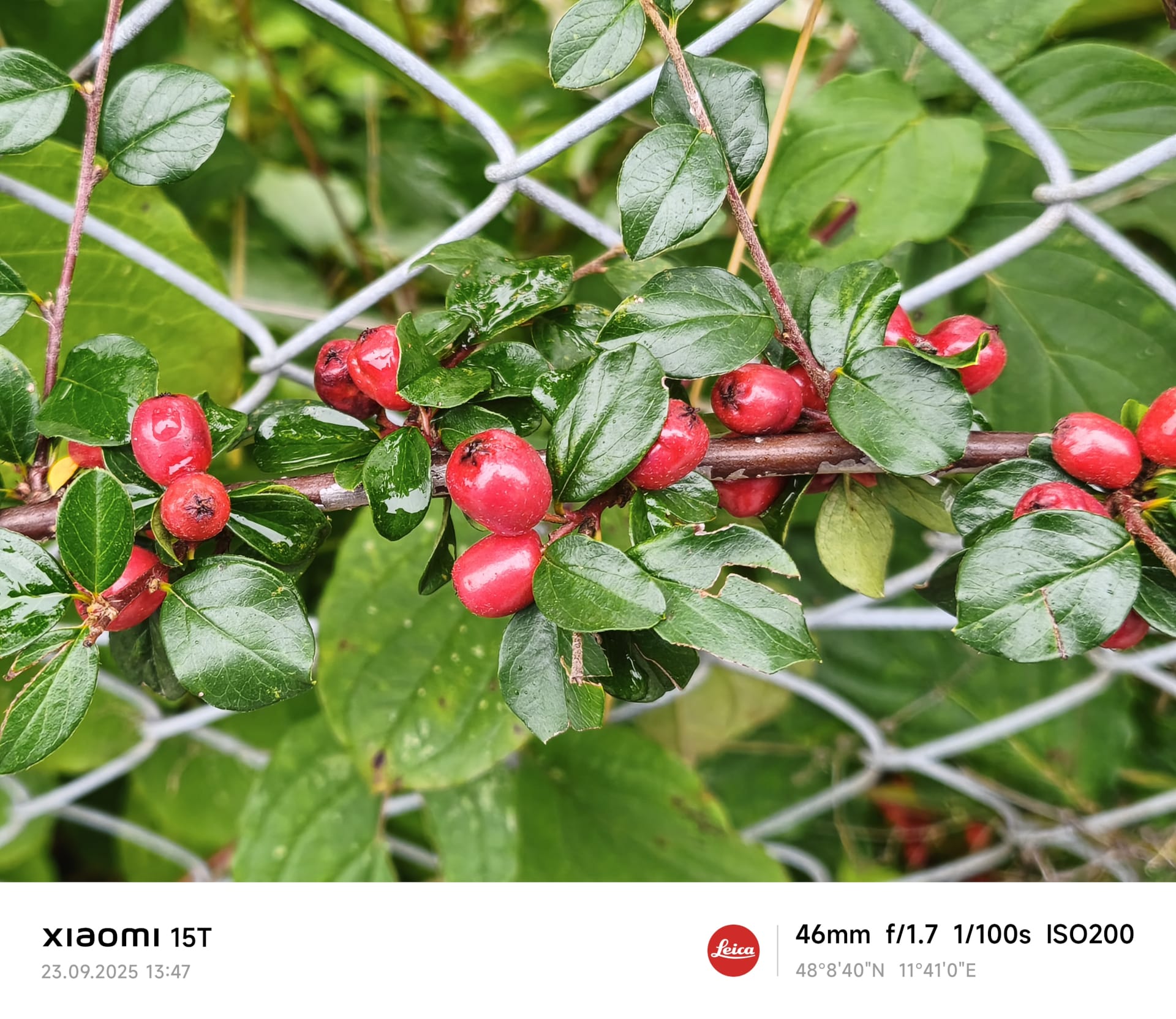
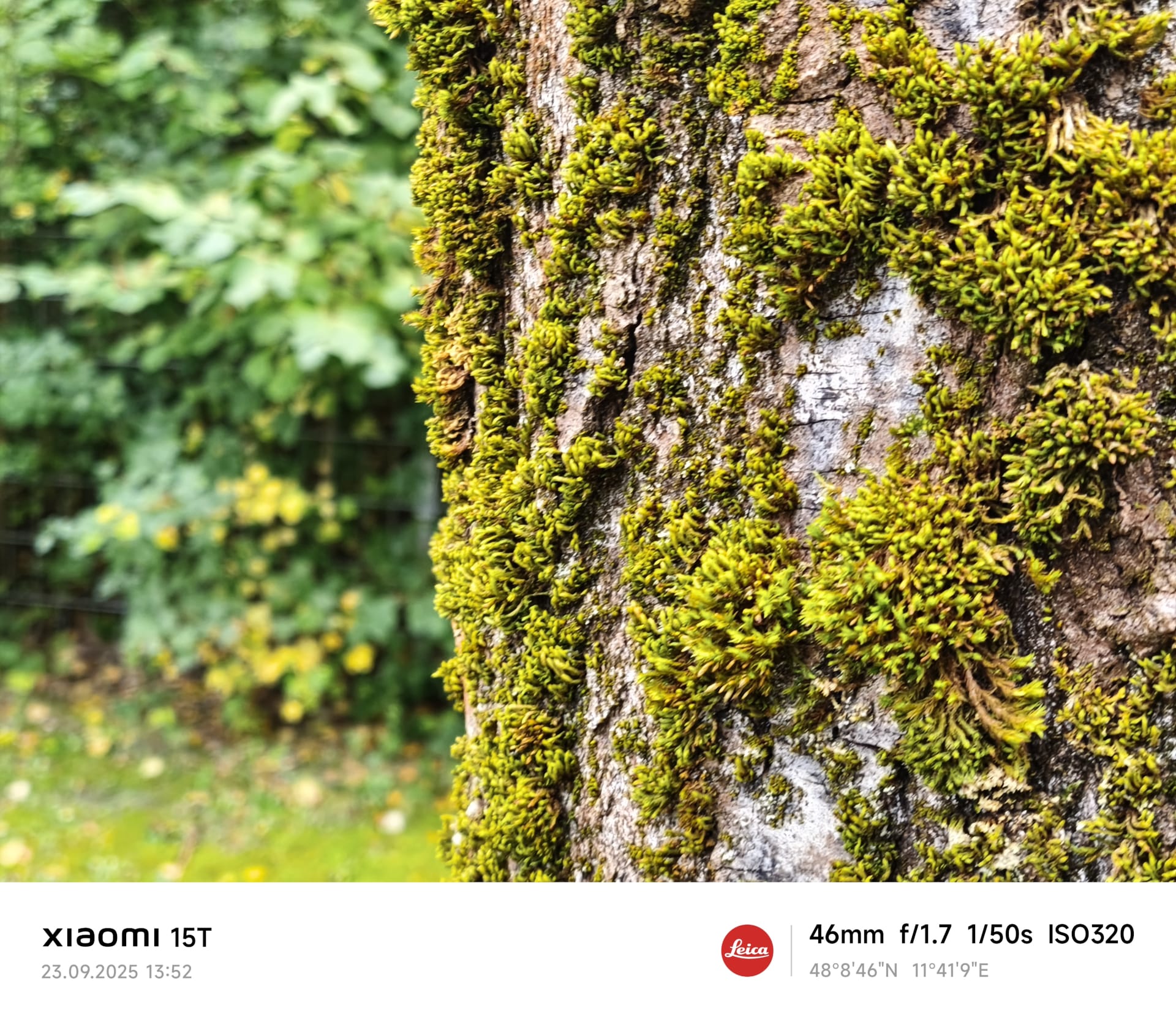
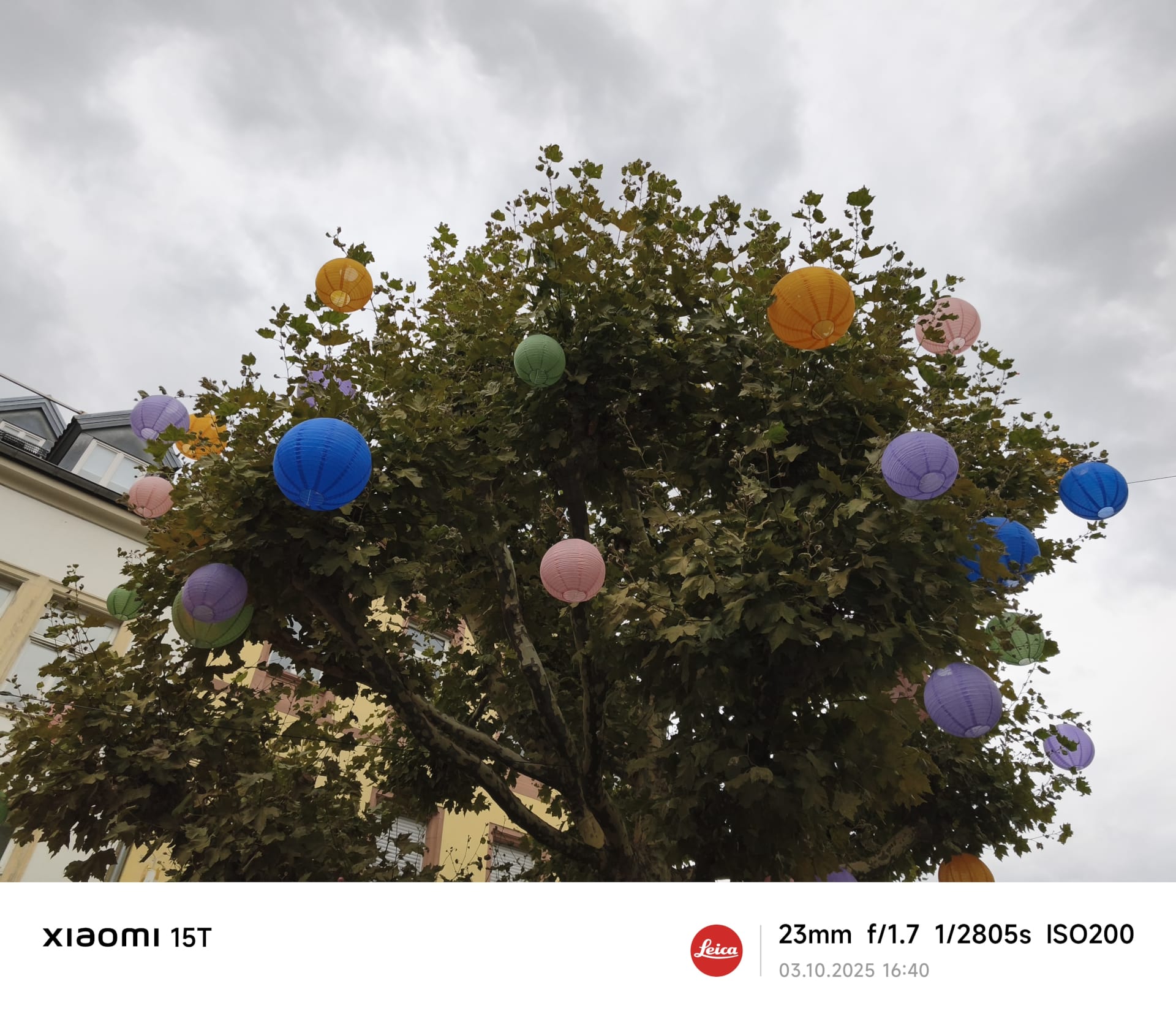
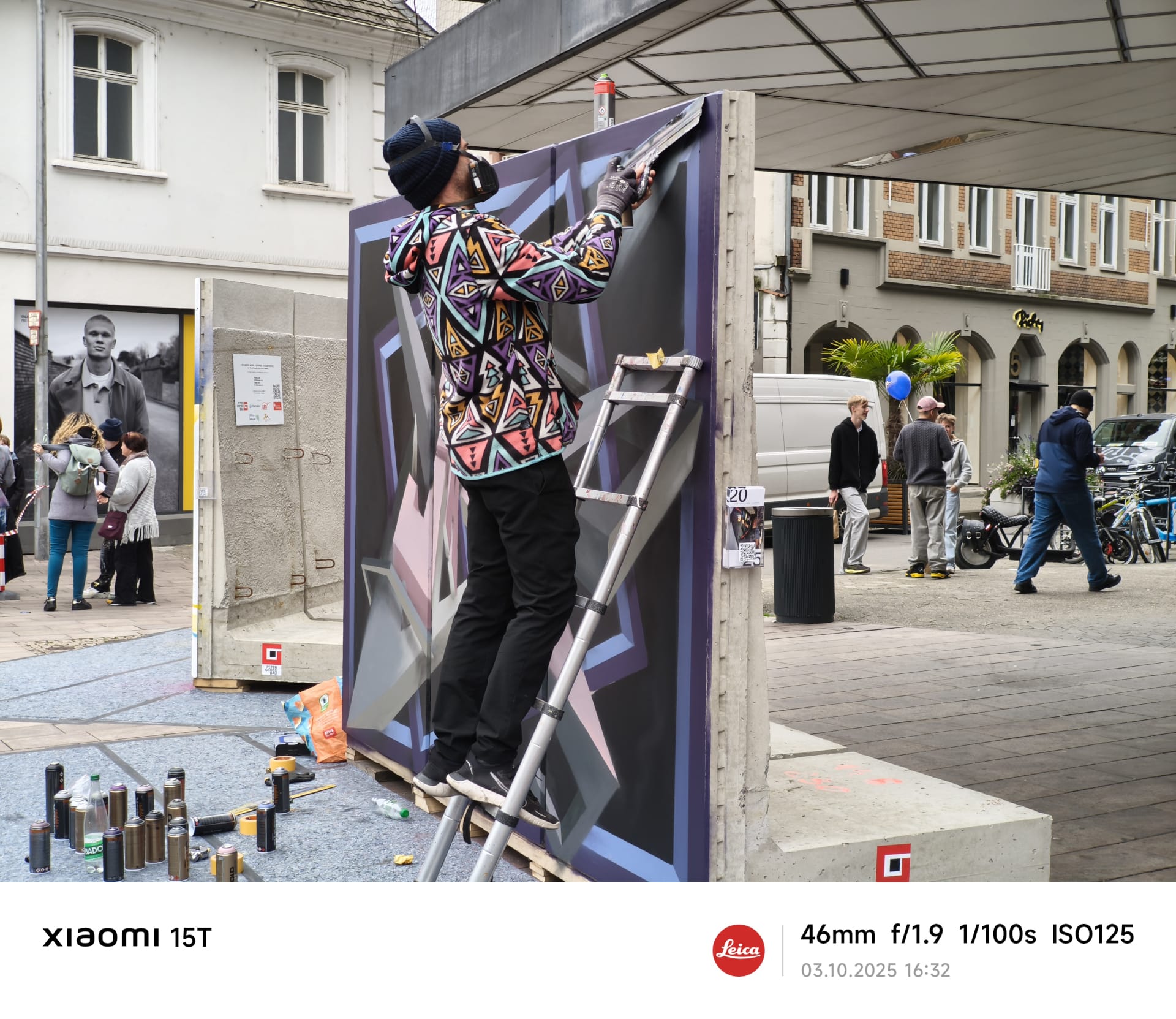
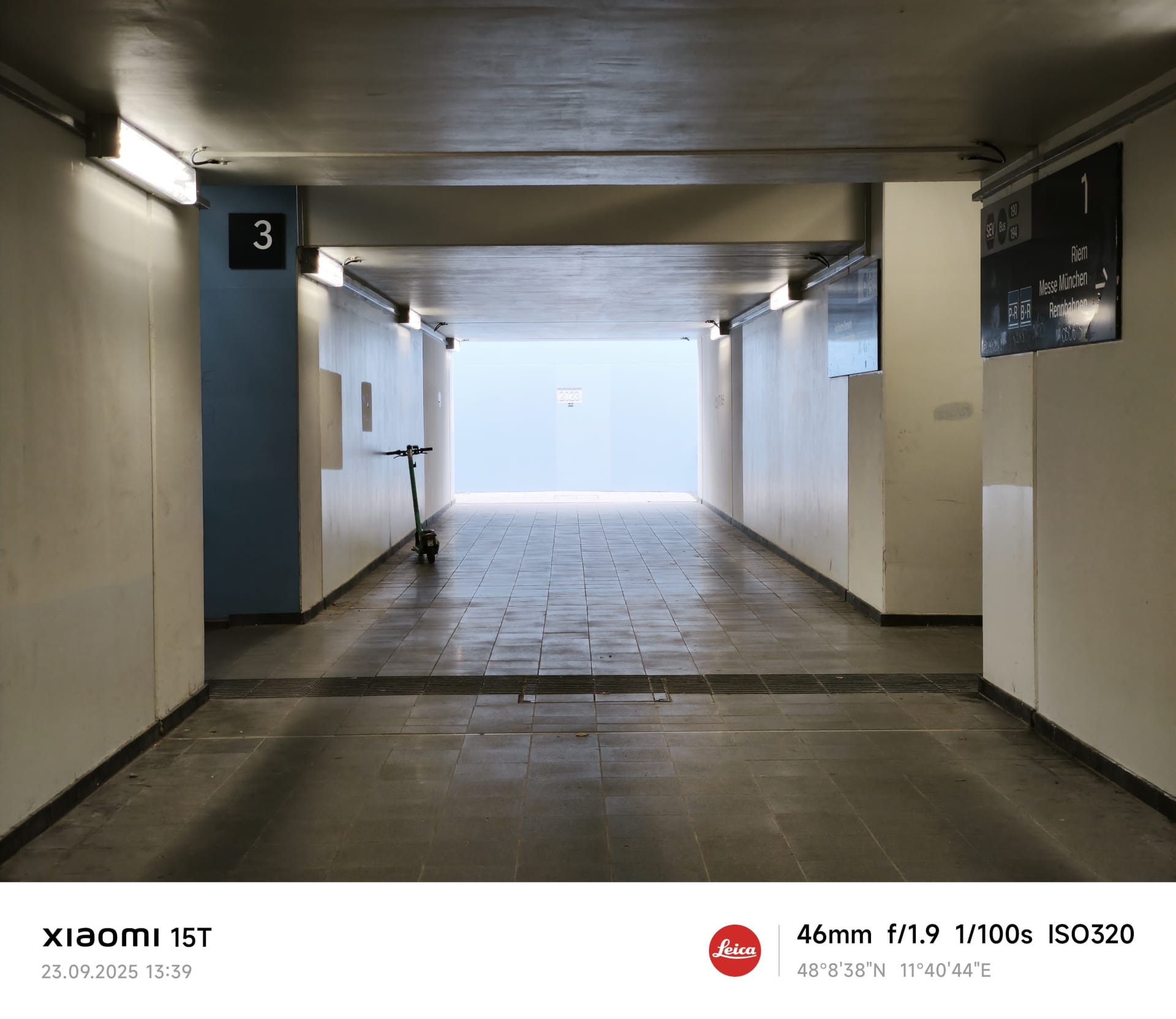
Two Leica colour profiles, "Vibrant" and "Authentic", are available for colour tuning. "Vibrant" delivers vivid but not unnatural colours. "Authentic" is more contrasty, slightly darker and reproduces reality more faithfully. In testing, it was noted that images in Vibrant mode had a slight "hazy" look, meaning they lacked some contrast. In addition, bright clouds in the sky occasionally blew out.


Thanks to OIS and a very well-functioning automatic night mode, the camera is also absolutely usable at dusk and at night. Light sources are well controlled without blowing out, and details and shadow rendering are retained even in dark areas. The portrait mode also works reliably, separating subjects cleanly from the background and producing pleasing skin tones.


Telephoto lens
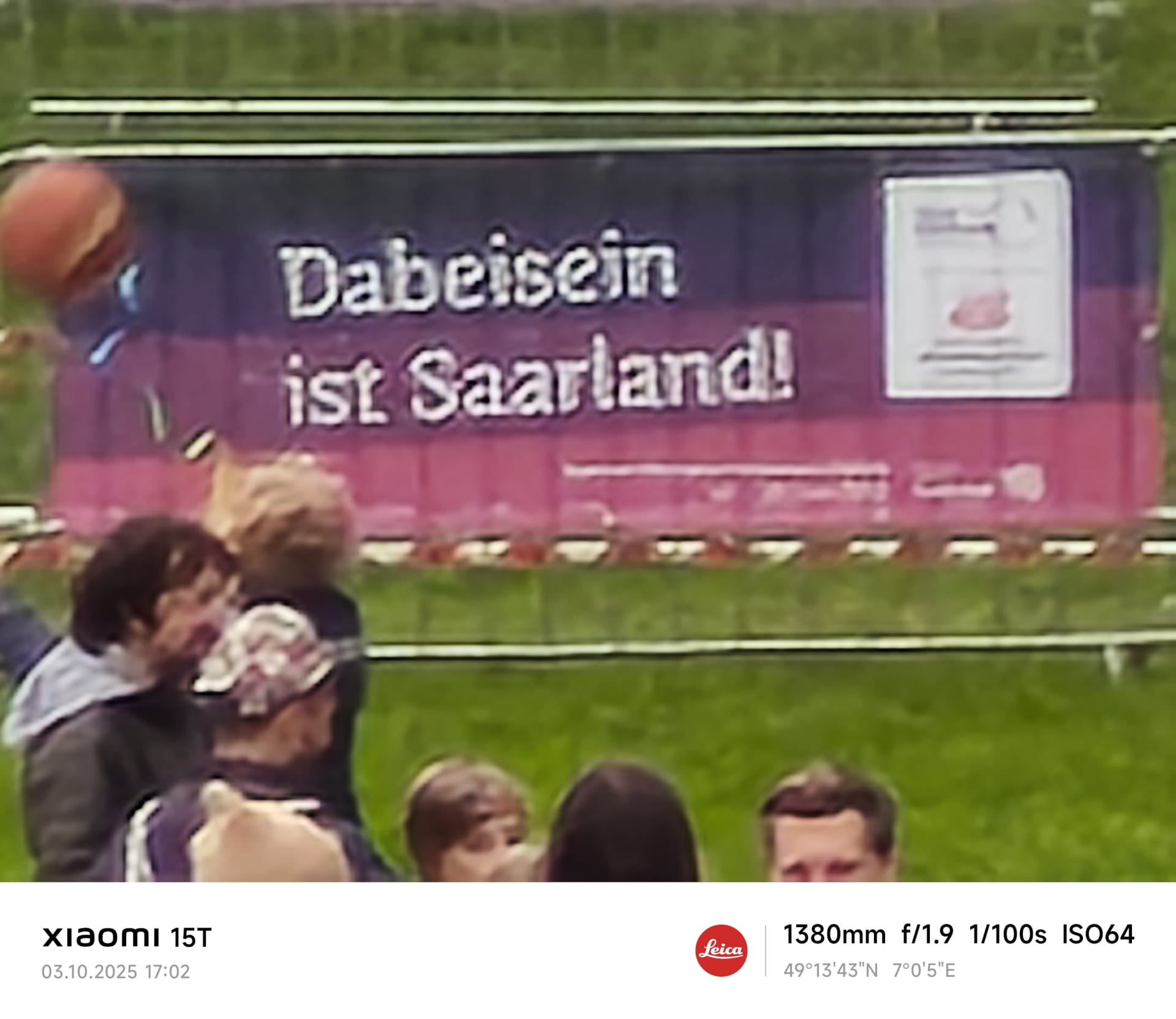
The first compromises begin with the telephoto lens. Xiaomi uses a 50 MP telephoto lens (Samsung JN5) with 2x optical zoom (46mm focal length). In perfect sunlight, the images are surprisingly good. They are "clean", detailed and offer excellent contrast, which is almost more suitable for portraits than the main camera.

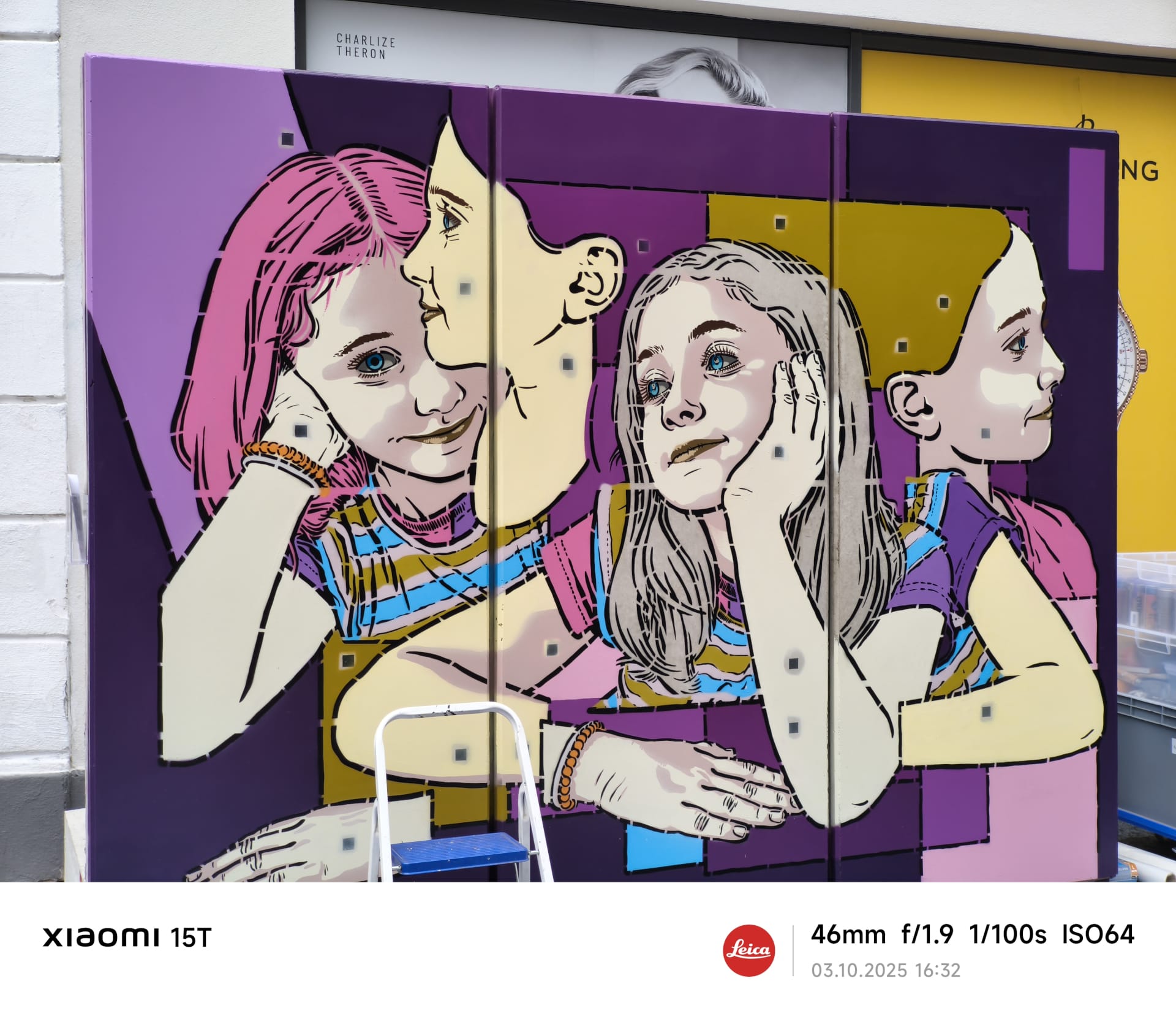
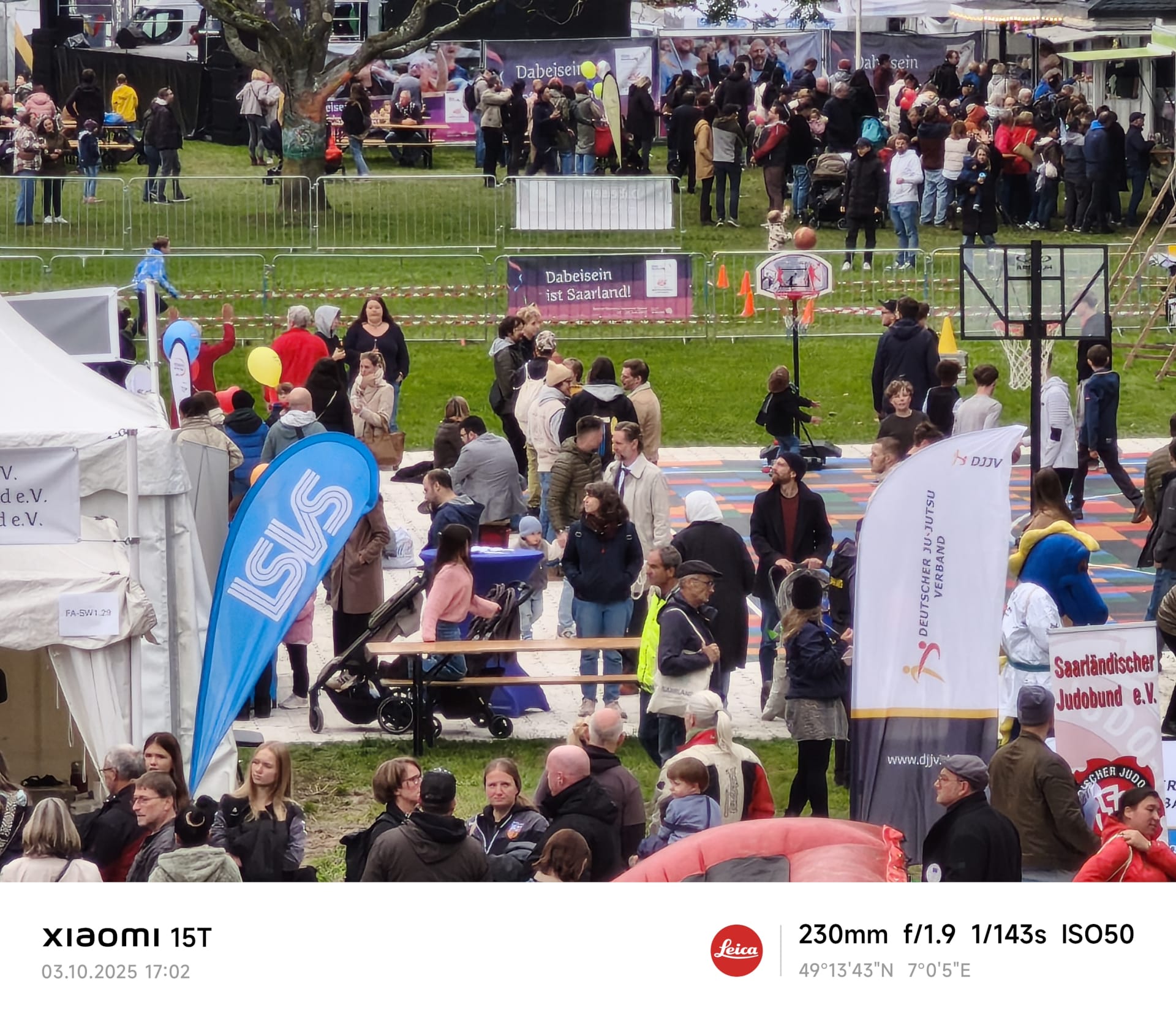
The "but" is a crucial one. Xiaomi has omitted optical image stabilisation (OIS) here. As soon as you are indoors or the light fades outside, this becomes a massive problem. The camera has to significantly increase the ISO values to avoid blur. The result is images with massive noise where fine details turn into mush. Digital zoom beyond 2x, such as 5x, only delivers soft and "mushy" results.


Ultra-wide-angle
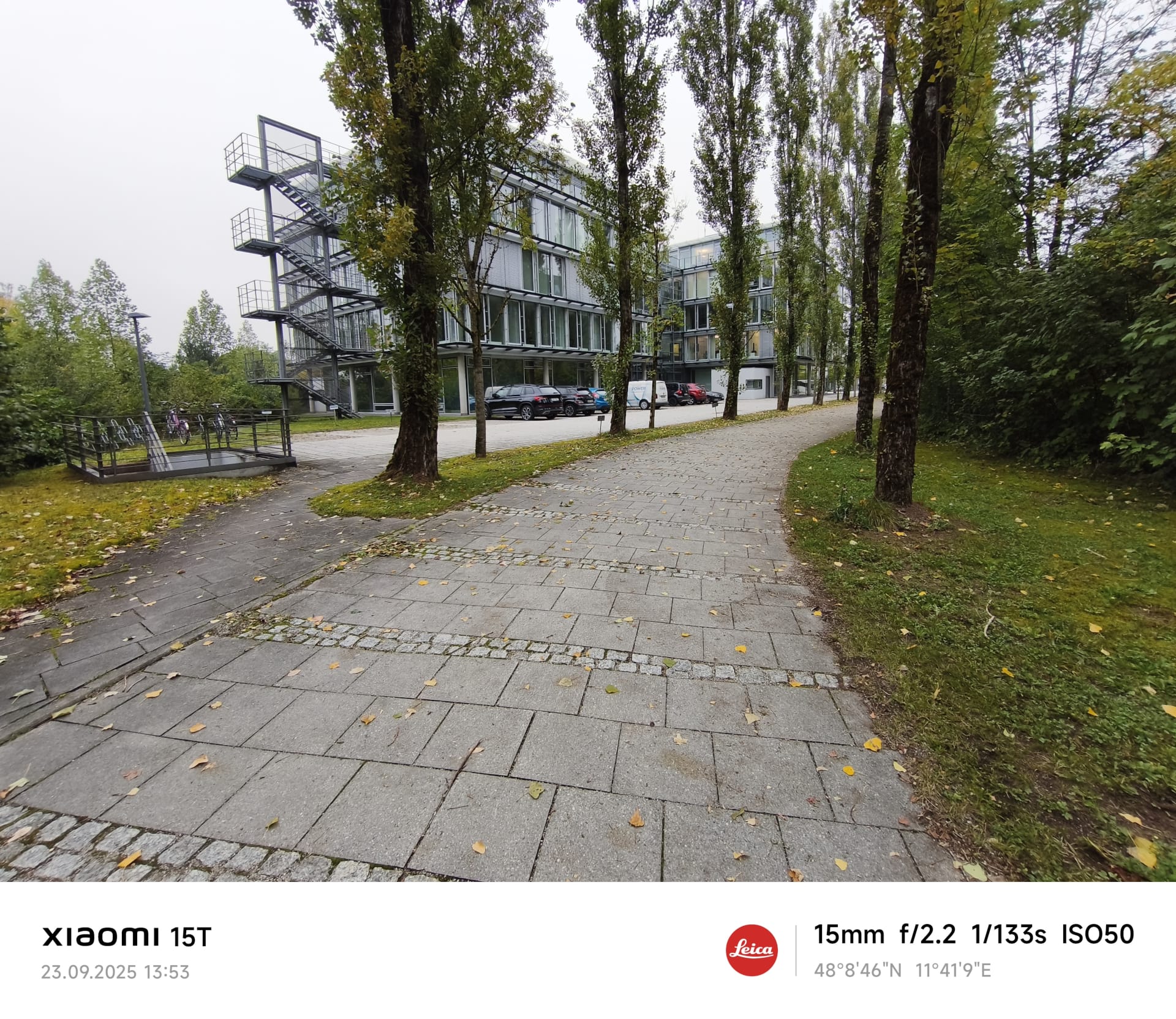
Much weaker and the weakest link in the chain is the 12 MP ultra-wide-angle lens (OmniVision OV13B, f/2.2). During the day, the results are just about usable. The colours are acceptable and the dynamic range is surprisingly solid. However, there is a clear lack of detail compared to the main camera and visible blurring towards the edges.
But the biggest drawback here is not purely image quality, but a missing component. The lens lacks autofocus. In plain terms: no macro photos. If you want to quickly photograph a flower, the small print on a package or an interesting texture, you are out of luck.
Front camera
The 32 MP front camera (presumably the same Samsung KD1 sensor as in the predecessor) is unfortunately nothing special either. Here, too, Xiaomi forgoes autofocus, so the correct distance is not always achieved in some situations. If you are too close or too far away, either you or the background are blurred.


Video function
Where the secondary photo cameras disappoint, the video function convinces. The main and telephoto cameras can record videos in 4K resolution at 60 frames per second (the ultra-wide achieves 4K at 30 fps). By default, files are saved in HEVC format.
The quality is very good in good lighting. The videos show plenty of fine details, vivid colours and good contrast. The electronic Gyro-EIS also does a good job, ensuring steady, smooth footage without shakes. There are also professional features such as 10-bit Log and HDR10+. In low light, the same applies as with the photos. The main and telephoto cameras remain good, while the ultrawide camera visibly struggles with the lack of light.
Xiaomi 15T: Battery
The battery is one of the Xiaomi 15T's greatest strengths. Inside works a 5,500 mAh cell, which delivers one to two days of runtime with typical usage involving messaging, social apps, camera, navigation and music streaming. Even on more intensive days, such as several hours of Google Maps and outdoor photography, a small reserve for the next day usually remained in the evening.
Charging is wired with up to 67 watts. In half an hour, you go from nearly empty to around seventy percent. The complete charging process takes about an hour. Short charging breaks are usually enough to make the device usable for several hours again. Compared to the Xiaomi 15T Pro, wireless charging is missing.
Our verdict
The Xiaomi 15T focuses on two things that really matter in everyday use: a display that doesn't fade in daylight and a battery that doesn't cause anxiety even on long days. Add to this a system that handles almost all apps and games, and a main camera that comes close to much more expensive devices for photos and videos.
Compromises exist with the telephoto and ultrawide cameras, which cannot keep up with the quality of the main camera. Both seem more like add-ons that you simply take along in certain situations. The USB-C port with USB 2.0 speed and the software-based proximity sensor also seem somewhat outdated. These don't fundamentally disturb everyday use, but they are restrictions you should be aware of.
Specifications
Processor and memory
- CPU
- MediaTek Dimensity 8400-Ultra (4 nm)
- – 1× Cortex-A725 up to 3.25 GHz
- – 3× Cortex-A725 up to 3.0 GHz
- – 4× Cortex-A520 up to 2.1 GHz
- GPU
- Mali-G720
- NPU
- MediaTek APU 880
- RAM
- 12 GB LPDDR5X (8533 Mbps)
- Internal storage
- 256 GB / 512 GB UFS 4.1
- Storage expansion
- Not supported
- Cooling system
- Xiaomi 3D IceLoop System
Display
- Display size
- 6.83 inches
- Display resolution
- 2772 × 1280 pixels (447 PPI)
- Display refresh rate
- Up to 120 Hz
- Touch sampling rate
- 480 Hz (2560 Hz Instant in Game Turbo Mode)
- Display brightness
- 3200 cd/m² (peak, 25% display area)
- Display type
- AMOLED (flat)
- Protective glass
- Corning Gorilla Glass 7i
- Other
- – DCI-P3 colour gamut
- – 68 billion colours (10-bit)
- – 3840 Hz PWM dimming
- – Original Color PRO, Pro HDR
- – Wet-touch technology
- – HDR10+, Dolby Vision
- – TÜV Rheinland certified (Low Blue Light, Flicker-Free, circadian-friendly)
Cameras
- Rear (Leica triple camera)
- – Main camera
- 50 MP (Light Fusion 800, f/1.7, OIS, 23 mm)
- – Telephoto lens
- 50 MP (f/1.9, OIS, 46 mm, 2x optical)
- – ultra-wide-angle
- 12 MP (f/2.2, 120°, 15 mm)
- Photo modes
- Leica Authentic / Vibrant, Pro Mode, Night Mode, HDR, Panorama, Documents, Long Exposure, Lightning Burst, Lens System (23/35/46/75 mm), RAW (DNG, HEIF, JPEG), LUT Parameters
- Video recording (rear camera)
- – 4K at 30 / 60 fps
- – 1080p at 30 / 60 fps
- – 720p at 30 fps
- – Slow motion
- 720p / 1080p at 120 / 240 / 960 fps
- – LOG video, Shoot Steady, Night Video, Pro video mode
- Front camera
- 32 MP (f/2.2, 21 mm, under-display camera)
- – 4K at 30 fps
- – 1080p at 30 / 60 fps
- – HDR10+, timelapse, slow-motion, video teleprompter, screen fill light
Mains
- Dual SIM (Nano-SIM + Nano-SIM / Nano-SIM + eSIM / eSIM + eSIM)
- eSIM support
- Yes
- 5G SA
- n1/2/3/5/7/8/12/20/26/28/
- 38/40/41/48/66/71/75/77/78
- 5G NSA
- n1/3/5/7/8/20/28/38/40/
- 41/66/71/75/77/78
- 4G LTE
- FDD B1/2/3/4/5/7/8/12/13/
- 17/18/19/20/26/28/32/66/71
- TDD B38/40/41/42/48
- 3G
- B1/2/4/5/6/8/19
- 2G
- B2/3/5/8
Wireless
- Wi-Fi
- 6E (2×2 MIMO, Wi-Fi Direct)
- Bluetooth
- 6.0
- NFC
- Yes
- Infrared
- Yes
- Audio
- Stereo speakers with Dolby Atmos, Hi-Res & Hi-Res Wireless
- Supported audio formats
- MP3, FLAC, AAC, OGG, WAV, AMR
- Supported video formats
- MP4, MKV, WEBM, 3GP
- HDR video output
- HDR10, HDR10+, Dolby Vision
Navigation and positioning
- GPS (L1 + L5)
- Galileo (E1 + E5a)
- GLONASS (G1)
- BeiDou
- QZSS (L1 + L5)
- NavIC (L5)
- Additionally
- A-GPS, electronic compass, WLAN and network positioning
Sensors
- Fingerprint sensor (in display)
- AI Face Unlock
- Proximity sensor
- Ambient light sensor
- Accelerometer
- Gyroscope
- Electronic compass
- IR blaster
- Flicker sensor
- Color temperature sensor
- Linear X-axis vibration motor
Battery
- Capacity
- 5500 mAh (Xiaomi Surge battery)
- Charging
- – 67 W HyperCharge (wired)
- – PD 3.0 / PD 2.0 supported
- USB
- USB-C (OTG, digital only)
Other
- OS
- Xiaomi HyperOS 2 (Android 15)
- Colors
- Black | Grey | Rose Gold
- Protection rating
- IP68
- Size
- 163.2 × 78.0 × 7.50 mm
- Weight
- 194 g
What’s included
1x Xiaomi 15T 1x USB-C cable 1x SIM eject tool 1x TPU protective case 1x Quick guide & warranty note (charger not included)
Price comparison
| Store | Price | Link |
|---|---|---|
| Amazon | 489,00 € | Go to store |
Comments (2)
Hello, I am currently wavering between the 15T and the 15T Pro and am not sure if the surcharge is worth it.
Hi Serf, in short, it depends on what is important to you. Technically, both are very similar, but the 15T Pro has some clear advantages in the processor, which is slightly faster and supports WiFi 7, wireless charging, the better telephoto lens, and 1 year more updates.