Contents
Xiaomi 17: Small, lightweight, and travel-friendly
The Xiaomi 17 still sticks with a form factor that has become almost rare in the high-end segment. At 6.3 inches, it remains pleasantly compact, feels light in the hand, and is comfortable to use even one-handed. Compared with the Xiaomi 15 (read our review here), the body has even shrunk slightly.
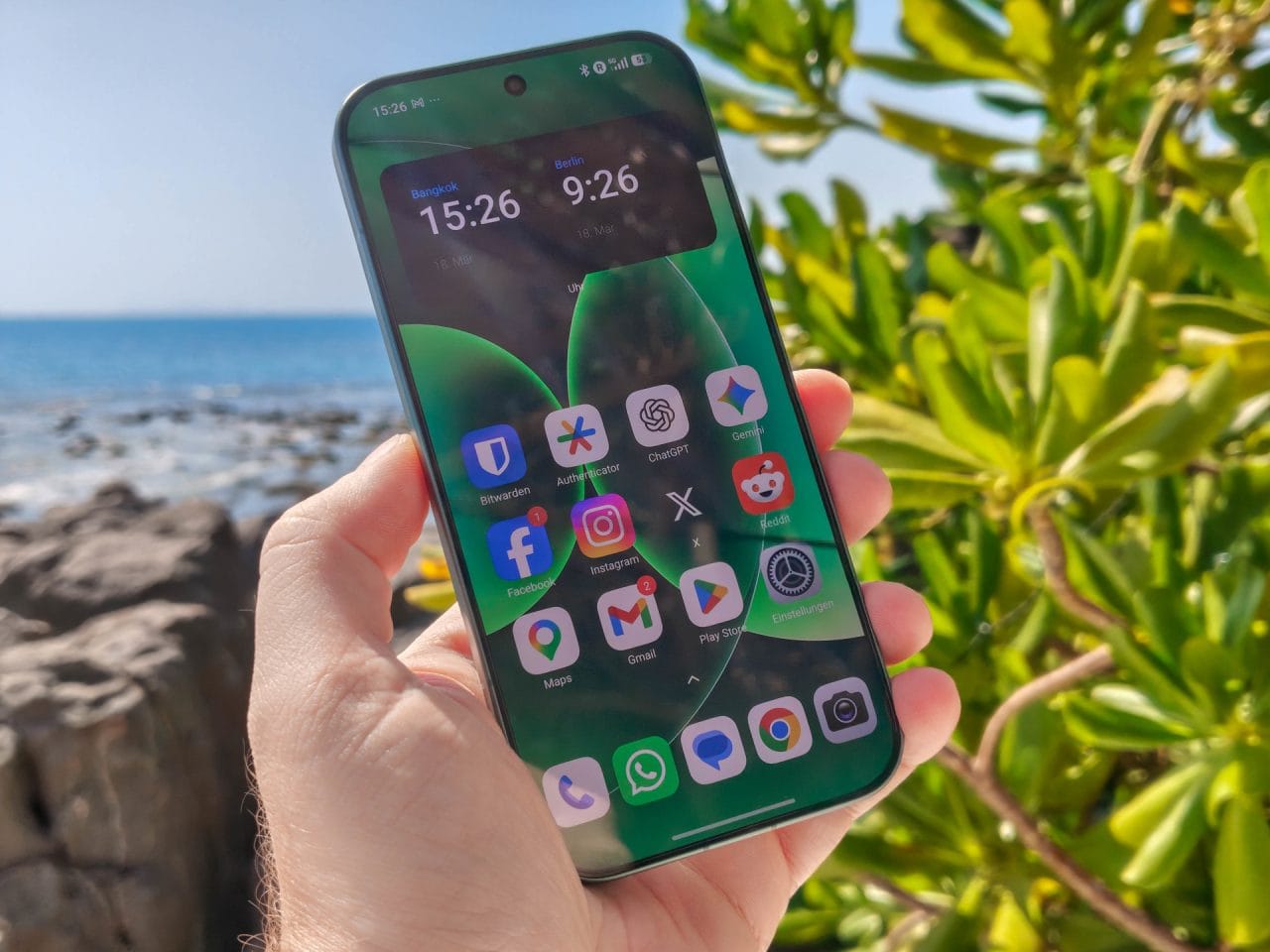
At around 191 grams, its weight remains practically unchanged, but it is distributed so well that the smartphone feels even lighter than it actually is. It doesn't pull on your pocket, get in the way on long walks, and almost disappears into everyday life. However, you only come to appreciate that after several weeks of travel, not during a brief hands-on in an air-conditioned press room.
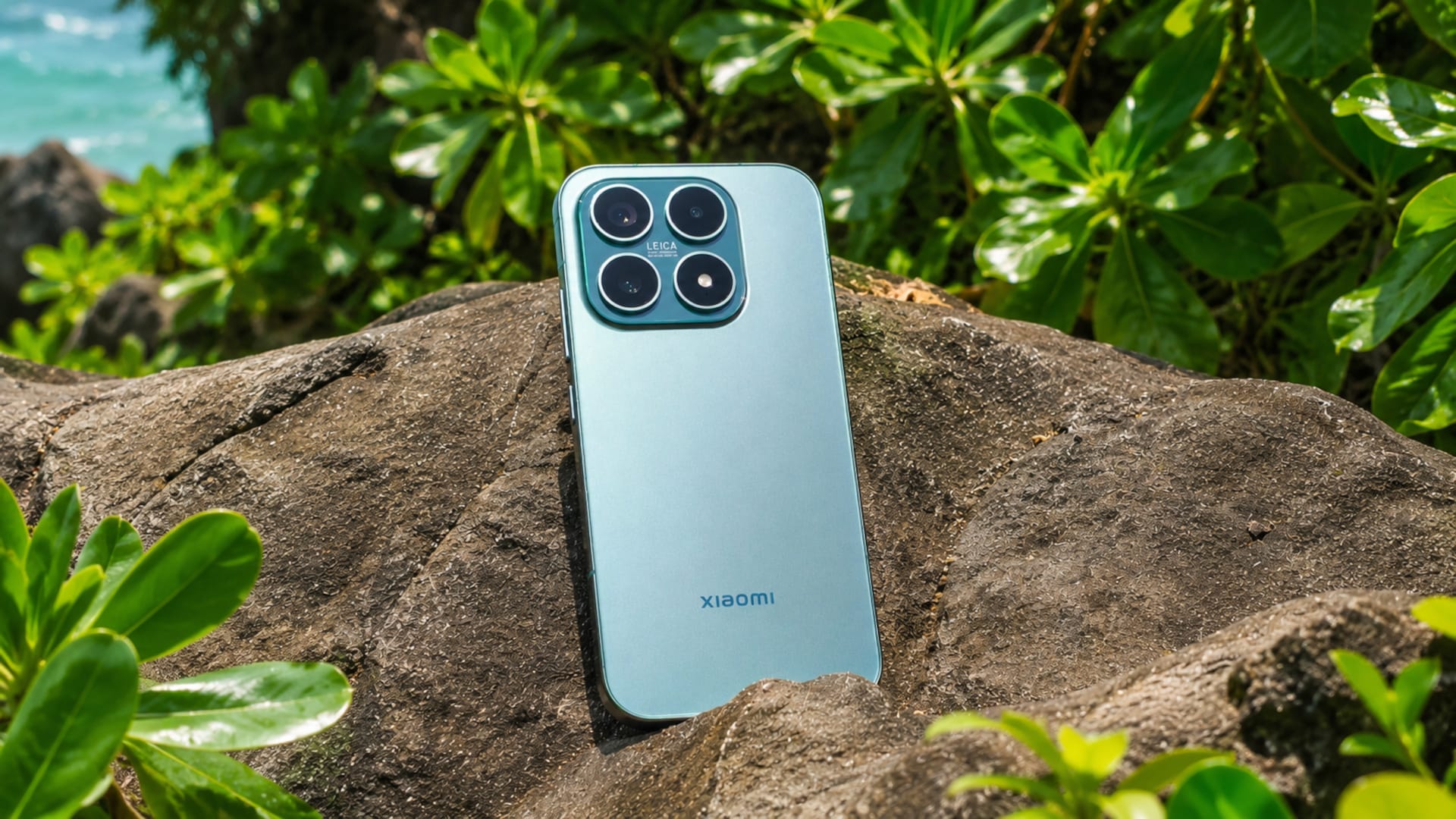
My review unit came in Venture Green, probably the series' best-looking color. Depending on the light, the green looks dark and elegant at times, and almost tropically bright at others. Especially outdoors in the sun or beneath Bangkok's neon lights, the smartphone is constantly changing its look. It also features a neatly finished aluminum frame and a matte glass back that looks premium and rarely collects fingerprints.
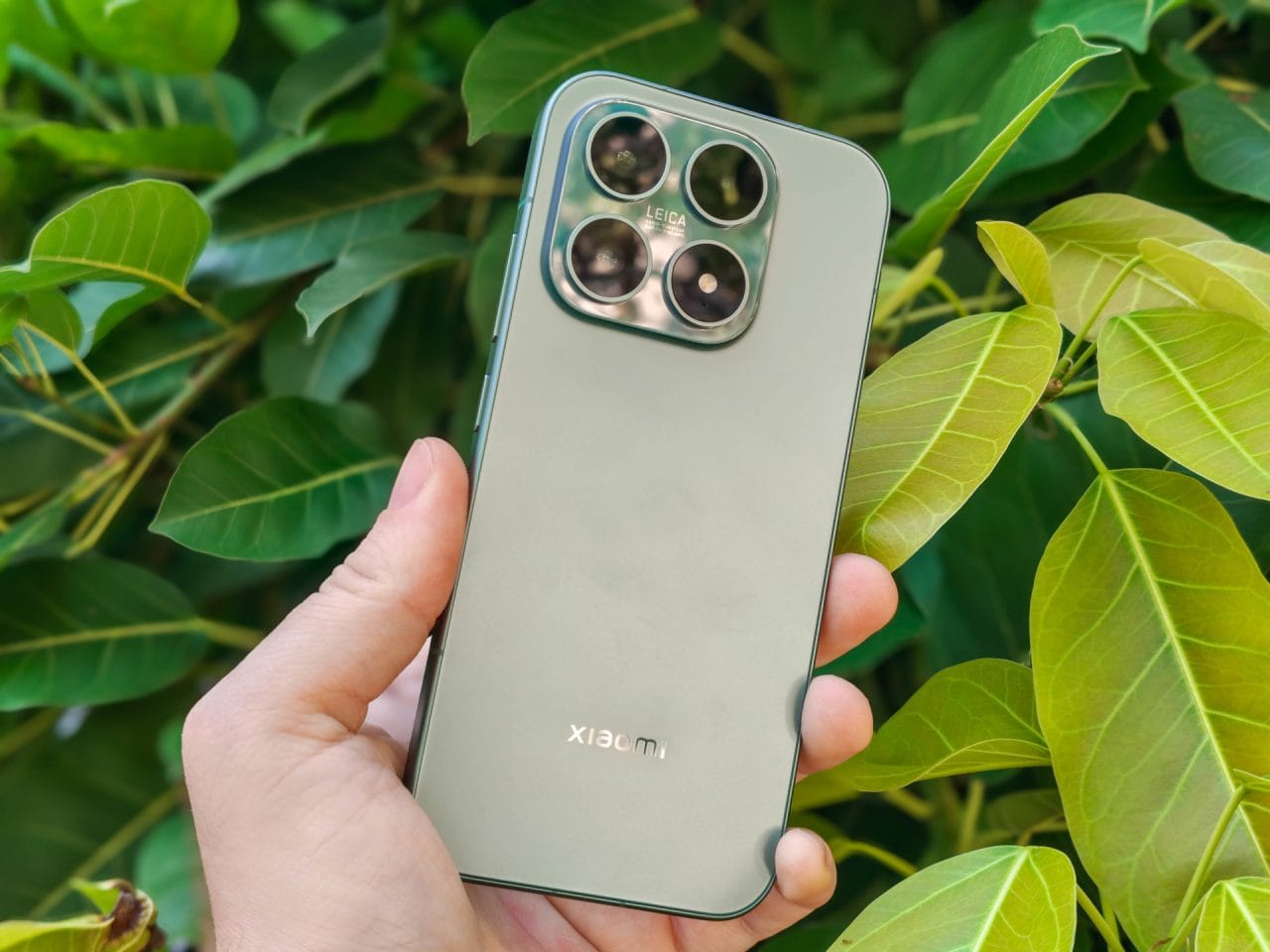
Instead of a floppy TPU case, Xiaomi includes a transparent hard-plastic case that feels sturdy but also looks a little cheap. Thailand also quickly revealed the downside of this kind of case. Fine sand tends to collect around the camera and leaves the first small scratches on the case after a few days. The smartphone itself, on the other hand, came through unscathed. Thanks to its IP68 certification, rain, humid air, boat trips and plenty of sand proved surprisingly unproblematic.

Then there are the small details that you only notice in everyday use. Xiaomi has hidden the IR blaster directly in the camera module, keeping the top frame clean. The ultrasonic fingerprint sensor is hidden behind the display and is one of the best in the Android world. Even with slightly wet hands after a dip in the pool or sea, or in tropical heat, the Xiaomi 17 unlocked almost instantly every time.
Xiaomi 17 display: Made for Thailand
Bangkok can be a surprisingly tough test for smartphone displays. During the day, the sun beats down on the streets; at night, countless neon signs compete for attention. In between are boat trips, beaches and impromptu Google Maps sessions outdoors. The Xiaomi 17 never felt out of place in any of these situations.
With peak brightness of up to 3,500 nits, the OLED panel is one of the brightest displays currently available in a smartphone. The screen remains readable even when the sun is beating down mercilessly on the deck of a ferry to Koh Phi Phi. Where other displays start reflecting light or visibly lose contrast, the Xiaomi 17 remains impressively composed.

The image quality is also impressive. Colours look vibrant without appearing artificial, blacks are typically deep for OLED, and HDR content benefits from Dolby Vision and HDR10+. The slim, flat display bezels also make the Xiaomi 17 look more modern than its compact dimensions might suggest.
It also features an adaptive refresh rate of 1 to 120 Hz, which works discreetly in the background and ensures that scrolling always feels smooth. One small detail that has often proved useful in Thailand is "WetTouch". After a rain shower in Bangkok, or with wet hands after a dip in the sea, the display responded just as well as it did with dry hands.
Xiaomi 17 performance: Hardly anything is faster right now
During the trip to Thailand, there was never a moment when the Xiaomi 17 was the bottleneck. Google Maps navigated reliably through Bangkok's traffic chaos, the camera launched without any noticeable delay, and even larger photo libraries with several thousand images could be searched and edited quickly. That's exactly how a modern flagship should feel.
Snapdragon 8 Elite Gen 5
At its heart is the Snapdragon 8 Elite Gen 5, currently one of the most powerful smartphone chips available. It is backed by 12 GB LPDDR5X RAM and a choice of 256 or 512 GB of fast UFS 4.1 storage. With this combination, apps launch almost instantly and multitasking runs without delays. USB 3.2 Gen 1 also makes it quick to transfer even large photo and video collections to a computer.
What is particularly impressive is how much performance Xiaomi packs into this comparatively small body. On the long flights to Thailand and back, this meant that some more demanding games also helped pass the time. Genshin Impact, Call of Duty Mobile or Diablo Immortal ran smoothly, even at high graphics settings, with no distracting frame drops. If you like, you can easily use the Xiaomi 17 as a gaming phone, although its screen is smaller than those of other flagship devices.
Heat generation
That does come with some compromises, though. Heat is the natural enemy of every compact high-end smartphone, and the Xiaomi 17 is no exception.
This became very clear during a scooter ride on Koh Lanta. The smartphone navigated with Google Maps in a wireless charging mount, used mobile data and ran at high display brightness in the blazing sun. After a few minutes, the device first disabled wireless charging, and shortly afterwards a temperature warning appeared. It remained usable, but its thermal headroom was quickly exhausted under these conditions.
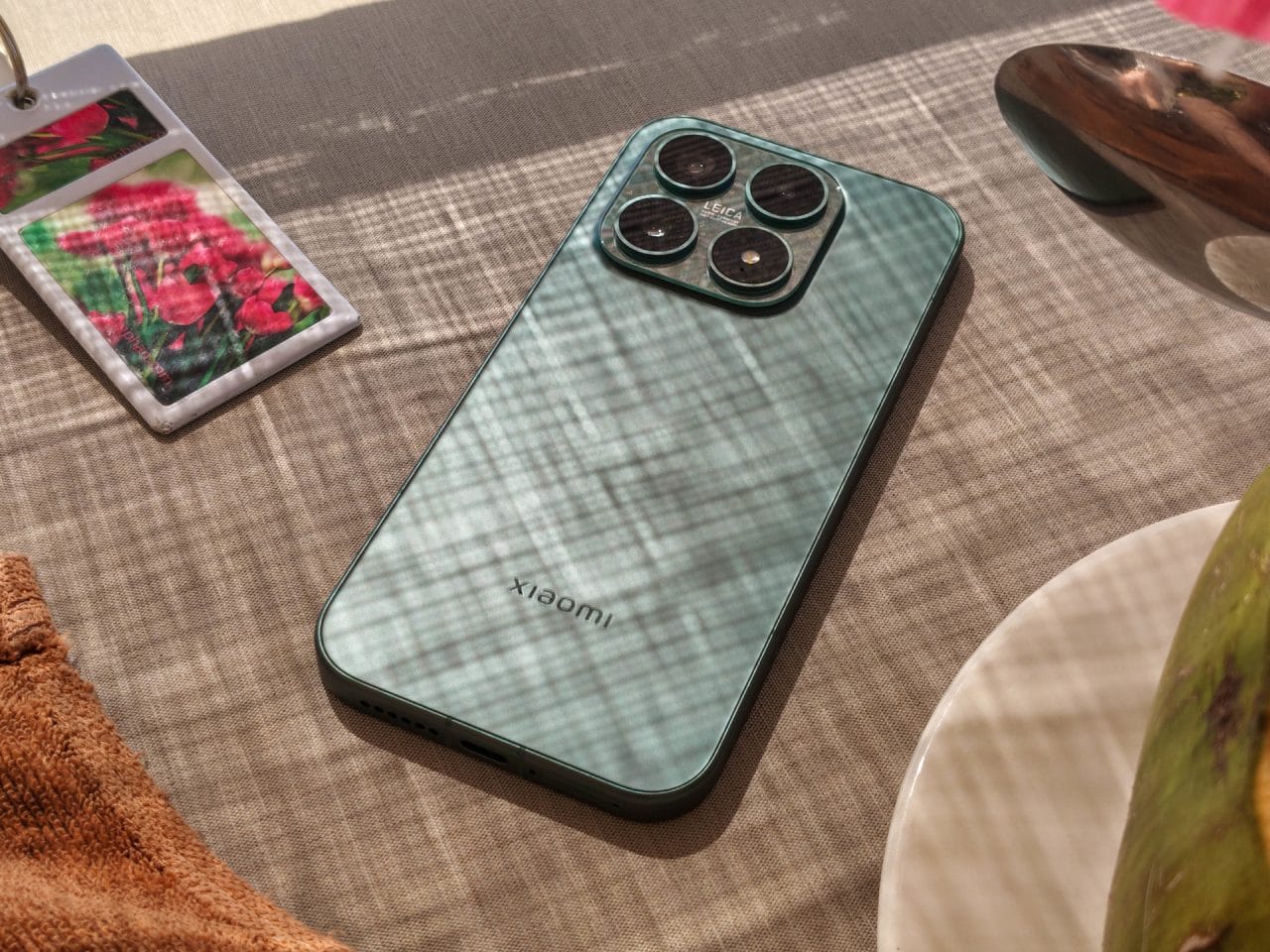
This behaviour did not occur when taking photos, filming or gaming, however. The casing did get noticeably warm, especially around the camera module, but never uncomfortably hot. Only the combination of direct sunlight, navigation, mobile connectivity and wireless charging pushes the cooling system to its limits. Larger smartphones simply have a physical advantage here thanks to the extra space inside.
In Germany, this is likely to be relevant only on really hot summer days. However, with temperatures exceeding 38 degrees in Thailand, it became clear that the compact size of the Xiaomi 17 comes at a cost under extreme conditions.
Connectivity
The Xiaomi 17 also has no shortcomings when it comes to connectivity. The smartphone supports practically all relevant mobile network standards and frequency bands worldwide, so it can be used without problems both in Germany and while traveling. In Thailand, the local eSIM worked straight away and often delivered faster, more stable connections than we're used to in Germany right now.
At the same time, the German SIM card remained active for banking apps, messaging and SMS TANs. This is complemented by modern standards such as Wi-Fi 7 and Bluetooth 6.0, so connectivity was never restricted at any point during the trip.
Xiaomi 17 software: HyperOS 3
HyperOS 3 is based on Android 16 and feels more polished than many Xiaomi interfaces of previous years. The days when MIUI stood out for its countless menus, duplicate apps and questionable design choices seem to be well and truly over. Xiaomi is now aligning itself more closely with the major platforms without completely abandoning its own identity.
In everyday use, HyperOS feels fairly understated. The interface responds quickly, animations are smooth, and even after several weeks of intensive use, there were no crashes or major software issues.
In many ways, you can tell Xiaomi wants to better integrate its own ecosystem. Integration with tablets, Windows PCs, and other Xiaomi devices now works better than it did a few years ago. Those who already own other Xiaomi products benefit the most. For everyone else, HyperOS is also easy to use as a standalone system.
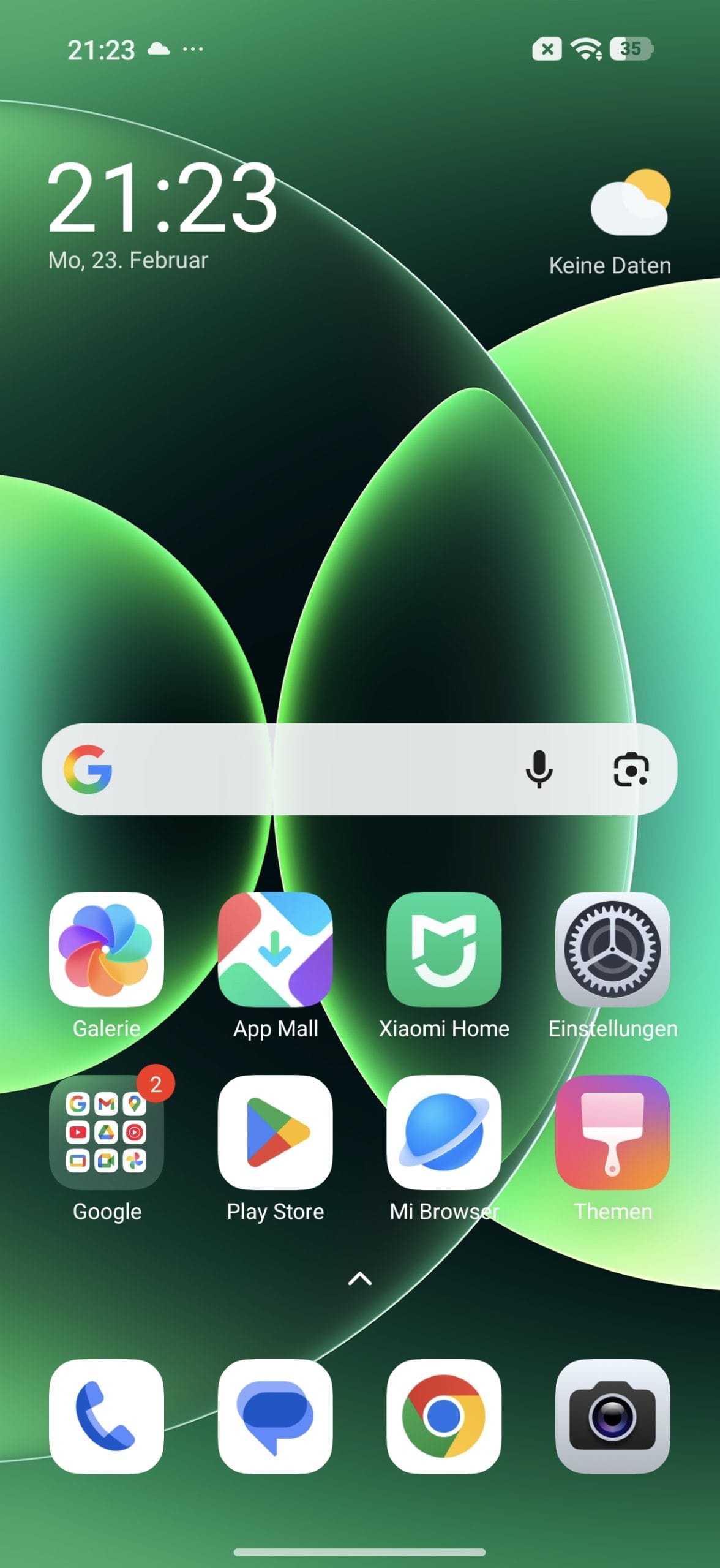
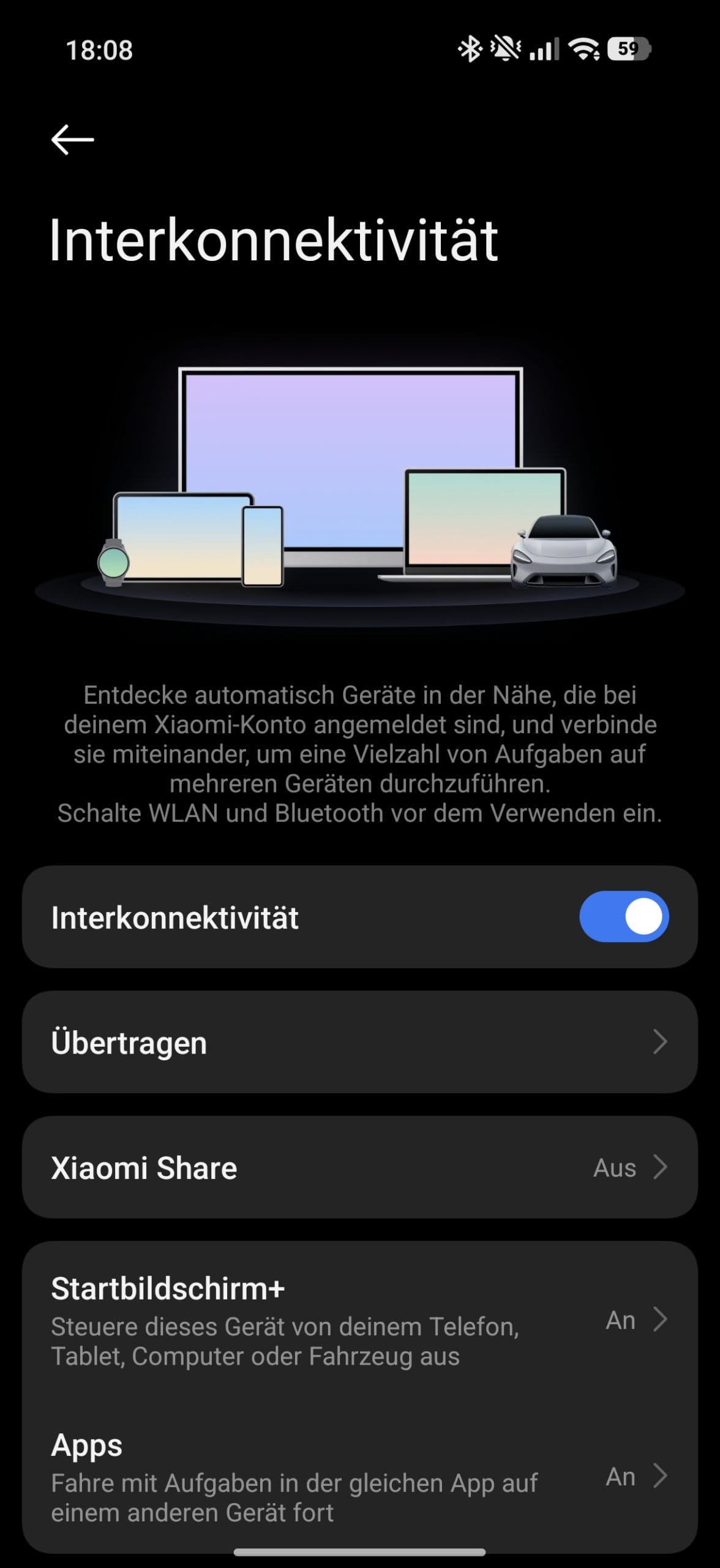

However, HyperOS isn't entirely free of old Xiaomi habits. Alongside the Google Play Store, Xiaomi still includes its own Mi Store. This means two app stores coexist on the device, sometimes leading to overlap. Google's services and Xiaomi's own offerings sometimes blur together, so it's not always immediately clear which platform is providing an app or recommendation.
There is also a little pre-installed bloatware, which really should not be necessary on a flagship in this price range. Most applications can be removed, but they still leave a somewhat unnecessary aftertaste.
AI features
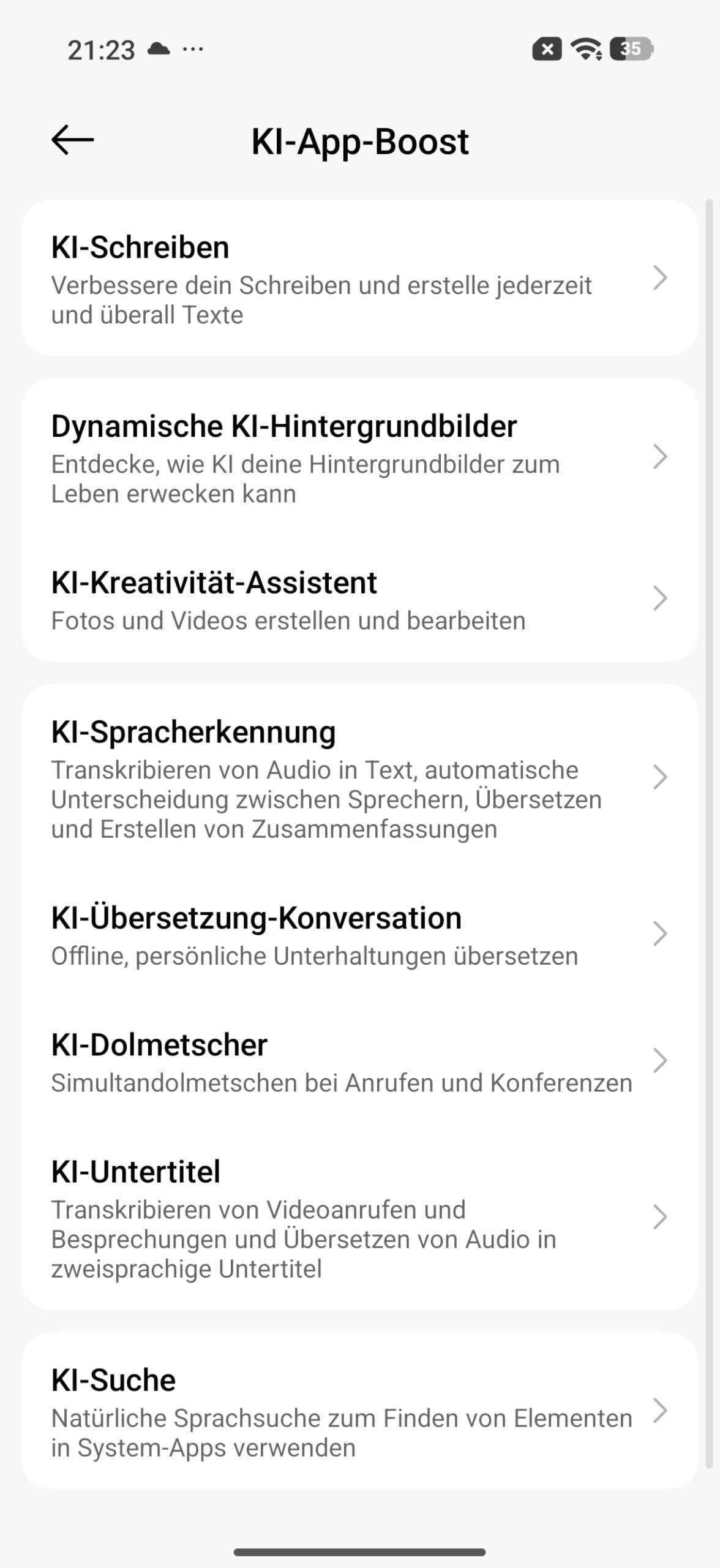
Of course, Xiaomi is no longer without AI either. HyperAI brings together numerous features, including writing assistants, summaries, translations, image editing and Google's now almost obligatory Gemini integration.
I often used the AI translator integrated directly into HyperOS. Instead of having to open an additional app first, spoken conversations and text can be translated directly using the system functions. It works quite well, but is not yet perfect. To capture menus, signs or other text with the camera, you still have to rely on solutions such as Google Translate or Google Lens.


Update policy
When it comes to its update policy, Xiaomi still lags a little behind other major players like Google and Samsung. It promises four major Android updates and six years of security updates. That's a significant improvement over just a few years ago and more than enough for most users, but it doesn't match the seven years of software support that Google and Samsung now offer in the high-end segment.
Xiaomi 17 camera: Built for exactly this kind of trip
Thailand is a great but unforgiving test environment for smartphone cameras. Sunrise on the beach in the morning, glaring sun over the sea at midday, shady temple grounds in the afternoon, and Bangkok's neon lights in the evening. Few places offer so many different lighting and subject conditions in such a short time.
That's exactly why the camera was one of the most exciting aspects of the Xiaomi 17 for me. During the trip, I took several thousand photos and videos, from street photography in Bangkok and landscape shots on Koh Phi Phi to spontaneous snapshots at night markets or during boat rides along the Andaman Sea.

On paper, Xiaomi still relies on three 50 MP cameras with Leica support. Many smartphones often have a powerful main camera and two others that serve mostly to pad out the spec sheet. With the Xiaomi 17, by contrast, I rarely felt I had to avoid a particular focal length.
There is also an advantage that is difficult to quantify. Because of its compact body, I picked up the smartphone more often than many larger flagships. It did not disappear into my bag or have to be put away awkwardly all the time. As a result, many of my best photos were taken not because I had deliberately set out to take pictures, but because the Xiaomi 17 happened to be in my hand at just the right moment.
Main camera
Xiaomi uses a 50 MP Light-Fusion 950 sensor in a 1/1.31-inch format here. That's a remarkable amount of sensor area for a smartphone of this size. The camera is paired with a bright f/1.67 aperture and optical image stabilization.
The first shots in Bangkok already made it clear that Xiaomi has further refined its image tuning compared with its predecessor. Photos look sharp without appearing artificially over-sharpened. Fine details in temple facades, market stalls, and the city's countless power lines are preserved, without the software trying to bring out every detail aggressively.
I was impressed by the dynamic range. Thailand is full of extreme contrasts. At midday, dazzlingly bright facades and almost black shadows alternate within just a few metres. The Xiaomi 17 handles such situations remarkably well. Bright clouds are rarely blown out, while dark areas of the image still retain enough detail.
Here are some daytime shots, taken at both a focal length of 23 millimetres (1x zoom) and 46 millimetres (2x zoom):


Leica’s colour characteristics are also typical. If you like, you can switch between Leica Vibrant and Leica Authentic. While Vibrant renders colours a little more vividly, Authentic quickly became my default mode. This produces pleasantly natural-looking images, especially when shooting street photography in Bangkok or sunsets on Koh Lanta. The water stays turquoise and the neon lights remain colourful, but never look overdone.
At night, the main camera is among the best smartphone cameras I have used so far in this size class. The Xiaomi 17 keeps light sources well under control, effectively reduces image noise and still preserves the atmosphere of a scene. On Bangkok's night markets in particular, it produced shots that looked remarkably close to what I actually saw, rather than an excessively brightened HDR version of reality.
Here are a few shots taken at dusk or at night:


It's also interesting to see how restrained Xiaomi has become with image processing. Earlier Xiaomi generations occasionally tended to oversaturate colors or artificially brighten shadows. That happens much less often with the Xiaomi 17. The photos look more mature and consistent, and closer to what you otherwise expect from the best camera systems on the market.
Telephoto camera
The camera I used most often was the 50 MP Samsung JN5 telephoto camera, with optical image stabilisation and an equivalent focal length of 60 millimetres. While the main camera shows where you are, the telephoto camera, with its long, natural focal length, often tells more interesting stories.
At Bangkok's markets, I could isolate individual vendors or details without holding my smartphone right in people's faces. On Koh Lanta, I captured more natural-looking portraits than with the main camera, and even for landscape shots I used the telephoto camera more often than expected to single out boats, rock formations, or palm trees from the scene.
The 60 mm focal length produces a perspective closer to that of traditional cameras than the often rather wide-angle main camera on a smartphone. Faces look more natural, backgrounds are compressed more pleasingly and subjects automatically have more presence.
A mix of shots taken with the telephoto camera at different focal lengths:
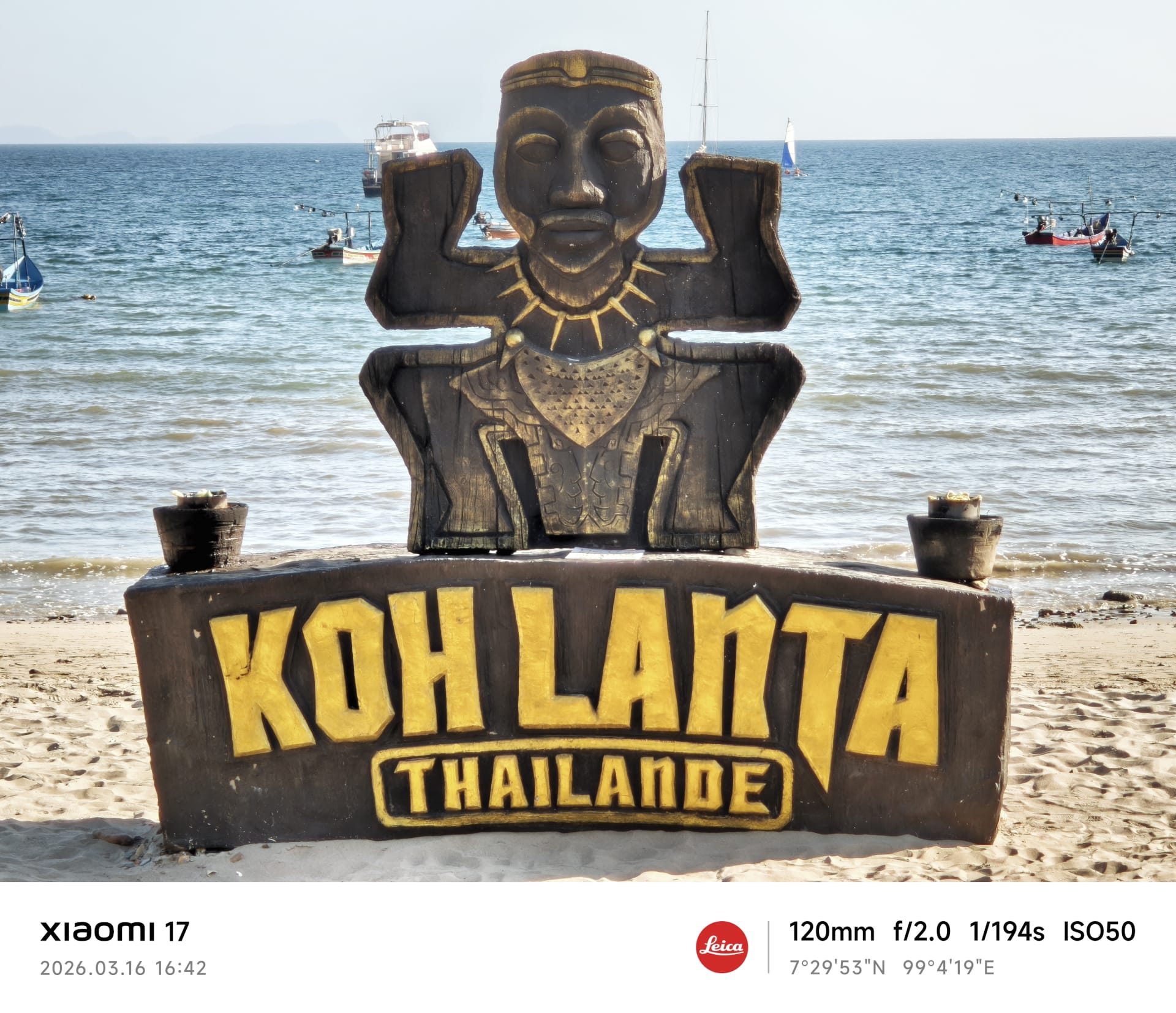

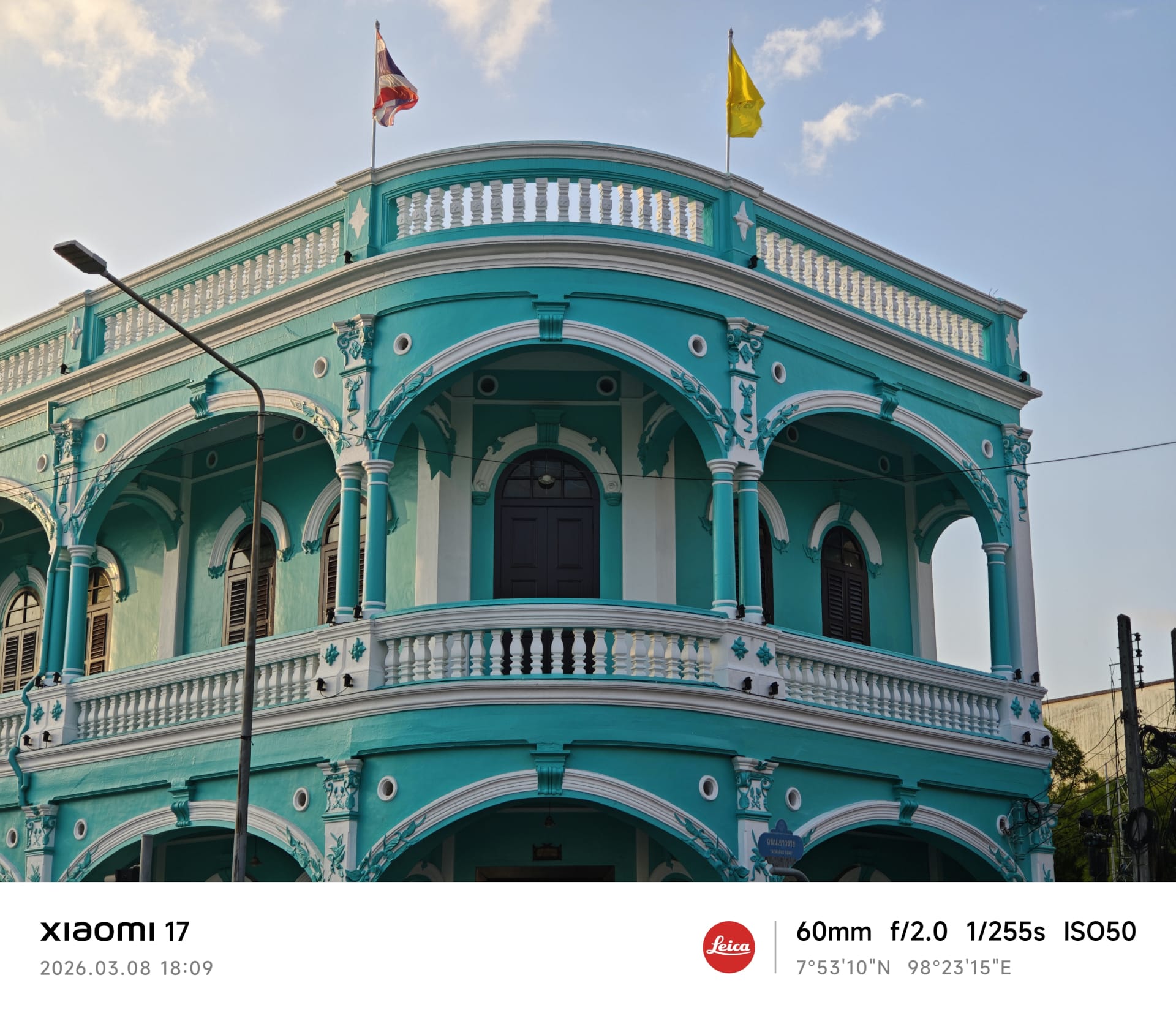


It's particularly impressive how well the image quality matches that of the main camera. Colors, contrast, and dynamic range barely differ. Many smartphones have a good main camera, but their secondary cameras noticeably change the overall look. Fortunately, that doesn't happen with the Xiaomi 17. Even when switching directly between the main and telephoto cameras, the look remains largely consistent.
Another strength is the floating lens design. It enables not only telephoto shots, but also impressively good macro photos. During a walk through the tropical gardens of a resort on Koh Lanta, I captured some of my favorite pictures of the trip. Flowers, insects, and small details on temple decorations can be photographed with a level of sharpness that, just a few years ago, you would have expected from a dedicated camera.
The telephoto camera also performs very well at night. Naturally, it doesn't quite match the quality of the main camera, which is unsurprising given its smaller sensor. But for a compact flagship, its low-light performance is definitely top-tier. Even on Bangkok's illuminated streets or at night markets, many shots remained surprisingly detailed and usable.
Here are some night shots:


Ultra-wide-angle
On paper, the ultra-wide-angle camera initially looks just as impressive as the other two cameras. In practice, however, it quickly becomes clear that this is where Xiaomi has had to make the most compromises. That is not to say the camera is bad; it is simply the first time that the quality gap compared with the excellent main and telephoto cameras becomes noticeable.
While the main camera puts individual subjects in the spotlight, the ultrawide-angle camera captures the entire scene. This often made for more impressive shots, especially of dramatic stretches of coastline or temple complexes.
A comparison of the main camera and ultra-wide-angle camera:

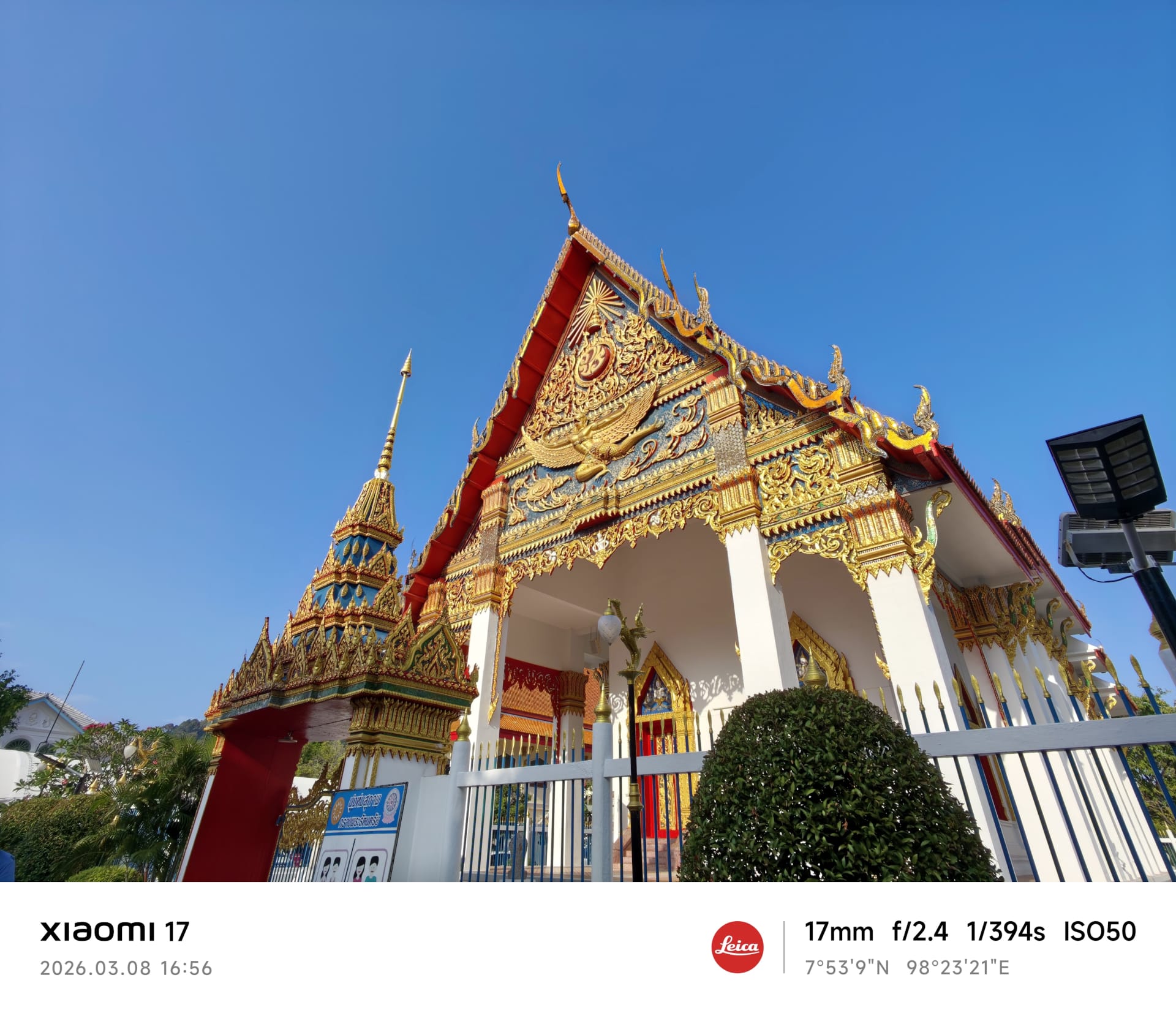
One positive point is that Xiaomi has very well matched the colour tuning to the other cameras. Switching between the main camera and ultra-wide-angle camera is usually seamless. Colours, contrast and white balance remain consistent, making the entire camera system feel cohesive.
However, the difference compared to the main camera becomes apparent in the details. When you zoom in on the shots, fine textures look a little softer and less precise. This is barely noticeable on the phone's display, but becomes visible on a larger monitor.
The difference is even more pronounced in challenging lighting conditions. While the main camera performs impressively well even at night, the ultra-wide-angle camera loses detail and dynamic range. The shots remain perfectly usable, but do not match the impressive quality of the other two cameras.
Here is the shot at night. Lights blow out more quickly with the ultrawide-angle camera:


It's also a shame that Xiaomi has omitted autofocus. As a result, the ultrawide-angle camera isn't suitable for macro shots, which are instead handled by the telephoto camera. For such an ambitious camera system, that's a missed opportunity.
Front camera
Xiaomi has fitted a new 50 MP front camera with autofocus. Incidentally, the sensor here is the same as for the ultra-wide-angle camera, namely an OmniVision OV50M, which performs particularly well in daylight. Skin tones look natural, sharpness is high, and Xiaomi largely avoids the excessive skin smoothing that Asian manufacturers used to enable by default. Beauty filters are still available for those who want them, but they no longer constantly demand attention.
The front camera also holds its own in challenging lighting conditions. During a nighttime stroll through Bangkok's Chinatown, we took selfies with more dynamic range and detail than you would expect from many front cameras. Of course, it doesn't quite match the main camera, but the quality is more than good enough for social media, video calls, or quick snapshots.
Video quality is at least as important. The front camera records video in up to 4K at 60 frames per second and even supports Dolby Vision. If you regularly shoot Stories, Reels, or vlogs, you'll get one of the better selfie cameras in the current generation of smartphones.
Video
The main camera records video at up to 8K and 30 frames per second, although you will mostly stick to 4K, where the smartphone delivers its best results. Colours look natural, the dynamic range is high, and Leica's tuning ensures that videos do not immediately have the typical smartphone look. Xiaomi also offers more ambitious videographers Log recording in 4K at up to 60 frames per second.
In changing lighting conditions, the Xiaomi 17 performs more smoothly than some other flagship smartphones. Even when moving between shady alleys and brightly lit streets, the exposure remained pleasantly stable.
The combination of optical and electronic stabilisation also works reliably, without making videos look unnaturally smoothed out. Of course, the Xiaomi 17 is no substitute for an action camera, but footage captured while walking through Bangkok, on boat jetties or exploring small alleyways was surprisingly steady.
The recorded audio also deserves praise. The four microphones capture ambient sounds clearly and effectively reduce wind noise. Even on the often windy boat trips between the islands, voice recordings generally remained intelligible.
As with photos, however, its greatest strength lies in consistency. Xiaomi has done a very good job of matching the colour balance between the main camera, telephoto camera and ultra-wide camera. As a result, clips look somewhat more consistent when switching focal lengths than those from many competitors. At night, the main camera remains the best choice, while the telephoto and ultra-wide cameras lose some detail and dynamic range.
Other
Beyond image quality alone, the Xiaomi 17 offers a comprehensive toolkit for ambitious photographers. In addition to the physical focal lengths, it provides additional virtual Leica focal lengths such as 28, 35 and 75 millimetres, which open up interesting perspectives, particularly for street photography.
Anyone who wants more control will find a fully fledged Pro mode with manual settings for ISO, exposure time, focus and white balance. Photos can also be saved in RAW format, providing more headroom for post-processing. The Lightning-Burst mode also proved useful: it takes several shots in quick succession, increasing the chances of capturing the perfect moment.
Xiaomi 17 battery: More endurance than its size suggests
Despite its comparatively small body, Xiaomi has fitted a 6,330 mAh silicon-carbon battery. I used the smartphone intensively in Thailand, so it had to be plugged in by the evening at the latest. It is therefore worth carrying a power bank on long days or topping up the charge briefly during the day. However, the battery level never became a real concern.
Those who use their smartphone less intensively may even get around a day and a half of battery life. The larger battery is particularly noticeable in everyday use compared with the Xiaomi 15 (5240 mAh).

Charging is available at up to 100 watts via cable and 50 watts wirelessly. During breakfast at the hotel, a short break in a café or while packing for the next trip, the smartphone can quickly gather enough energy for many more hours of use.
In our test, the Xiaomi 17 took just under 40 minutes to charge fully. After about 15 minutes, it had already reached around 50 per cent, and after half an hour it was usually over 80 per cent.
Our verdict
Xiaomi does a remarkable job of balancing a compact form factor with true flagship specs. The Snapdragon 8 Elite Gen 5 delivers performance in abundance, the 6.3-inch display impresses with its high quality, and battery life is exceptionally strong for a device of this size. Add to that a versatile Leica camera system that delivers great shots in almost any everyday situation.
The downside of the compact form factor is cooling, which offers less headroom than larger flagship devices. This was particularly evident in our test under the Thai sun, when navigation, high display brightness and wireless charging pushed the cooling system to its limits. The update promise of four Android updates and six years of security patches is solid, but falls short of the seven years of software support that Google and Samsung now offer for their high-end devices.
Overall, however, the weaknesses are fairly minor. Anyone looking for a compact smartphone will currently find few devices that offer a similarly well-rounded package.
Specifications
Processor and memory
- CPU
- Qualcomm Snapdragon 8 Elite Gen 5 (3nm)
- – 2x Prime cores up to 4.6 GHz
- – 6x performance cores up to 3.62 GHz
- GPU
- Adreno GPU
- AI
- Qualcomm AI Engine
- RAM
- 12 GB LPDDR5X
- Internal storage
- 256 GB / 512 GB UFS 4.1
- Storage expansion
- Not supported
Display
- Display size
- 6.3 inches
- Display resolution
- 2656 x 1220 pixels (460 PPI)
- Display refresh rate
- 1–120 Hz (LTPO)
- Touch sampling rate
- Up to 300 Hz
- Display brightness
- 3500 cd/m² (peak)
- Display type
- CrystalRes OLED
- Protective glass
- Xiaomi Shield Glass
- Other
- – 12-bit color depth
- – DCI-P3
- – Always-on display
- – DC dimming
- – Wet-touch technology
- – HDR10+, Dolby Vision
- – TÜV Rheinland certified (Low Blue Light, Flicker-Free, circadian-friendly)
Cameras
- Rear (Leica triple camera)
- – Main camera
- 50 MP (Light Fusion 950, 1/1.31", f/1.67, OIS, 23 mm)
- – Telephoto lens
- 50 MP (Samsung JN5, Floating Lens, f/2.0, OIS, 60 mm)
- – ultra-wide-angle
- 50 MP (OV50M, f/2.4, 102°, 17 mm)
- Photo modes
- Leica Authentic / Vibrant, Leica filters, HDR, Dynamic Shots, portrait mode, Lightning Burst, Super Macro, panorama, long exposure, document mode, Supermoon, Pro mode, RAW (JPG, HEIF, RAW), Master Lens System (23/28/35/60/75 mm)
- Video recording (rear camera)
- – 8K at 30 fps
- – 4K at 30/60 fps (Dolby Vision)
- – 1080p at 30/60 fps
- – 720p slow motion up to 1920 fps
- – 1080p slow motion up to 960 fps
- – LOG video up to 4K 60 fps
- – Night video up to 4K 24 fps
- – ShootSteady up to 2.8K 30 fps
- Front camera
- 50 MP autofocus camera (f/2.2, 21 mm, 90° FOV)
- – 4K at 30/60 fps
- – Dolby Vision video
- – HDR
- – Slow-motion selfie
- – Time-lapse
- – teleprompter mode
Mains
- Dual SIM (Nano-SIM + Nano-SIM / Nano-SIM + eSIM / eSIM + eSIM)
- eSIM support
- Yes
- 5G SA/NSA
- n1/ n2/ n3/ n5/ n7/ n8/ n12/ n20/ n25/ n26/ n28/ n38/ n40/ n41/ n48/ n66/ n71/ n75/ n77/ n78
- 4G LTE
- FDD + TDD incl. B1–B48
- 3G
- B1/2/4/5/6/8/19
- 2G
- B2/3/5/8
- Supports 4x4 MIMO
Wireless
- Wi-Fi
- Wi-Fi 7 (2x2 MIMO, 8x8 MU-MIMO, Wi-Fi Direct, Miracast, simultaneous dual-band)
- Bluetooth
- 6.0, dual Bluetooth
- NFC
- Yes
- Infrared
- Yes
- Audio
- Stereo speakers, Dolby Atmos, 4-microphone array, Hi-Res Audio (including wireless)
- Supported audio formats
- MP3, FLAC, APE, AAC, OGG, WAV, AMR, AWB
- Supported Bluetooth codecs
- SBC, AAC, aptX, aptX HD, aptX Adaptive, LDAC, LHDC 5.0, LC3, MIHC
Navigation and positioning
- GPS (L1 + L5)
- Galileo (E1 + E5a)
- GLONASS (G1)
- BeiDou
- QZSS (L1 + L5)
- NavIC (L5)
- A-GPS, electronic compass, Wi-Fi and network-based positioning, SAP
Sensors
- Ultrasonic fingerprint sensor (in-display)
- AI Face Unlock
- Proximity sensor
- Ambient light sensor
- Accelerometer
- Gyroscope
- E-compass
- Barometer
- Laser focus sensor
- Flicker sensor
- Hall sensor
- Linear X-axis vibration motor
Cooling system
- Xiaomi 3D IceLoop System
Battery
- Capacity
- 6330 mAh (Xiaomi Surge battery)
- Charging
- – 100W wired (HyperCharge)
- – 50W wireless
- USB
- USB-C (PD3.0, PD2.0, QC3+/QC3.0/QC2.0)
Operating system
- Xiaomi HyperOS 3
Artificial intelligence
- Xiaomi HyperAI
- – AI writing
- – AI voice recognition
- – AI interpreter
- – AI search
- – Dynamic AI wallpapers
- – AI creativity assistant
- – Circle to Search
- – Google Gemini integration
Protection rating
- IP68 (water- and dust-resistant)
Dimensions and weight
- – 151.1 x 71.8 x 8.06 mm
- – 191 g
What’s included
1x Xiaomi 17 1x USB-C cable 1x SIM eject tool 1x hard plastic protective case 1x quick start guide & warranty information (charger not included)
Price comparison
| Store | Price | Link |
|---|---|---|
| Amazon | 799,00 € | Go to store |
| MediaMarkt | 799,00 € | Go to store |
Comments