Contents
HONOR 600: design and build quality
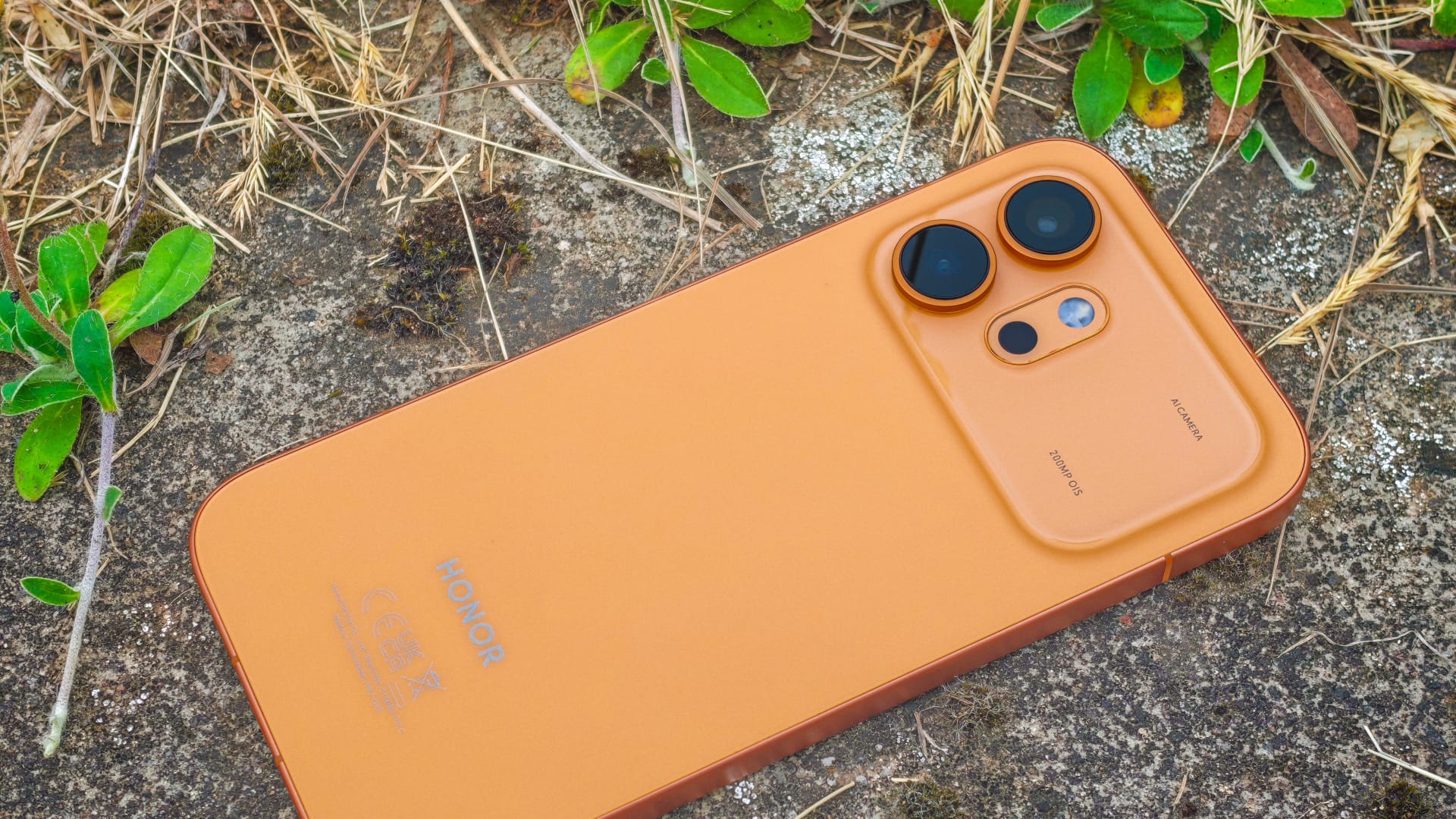
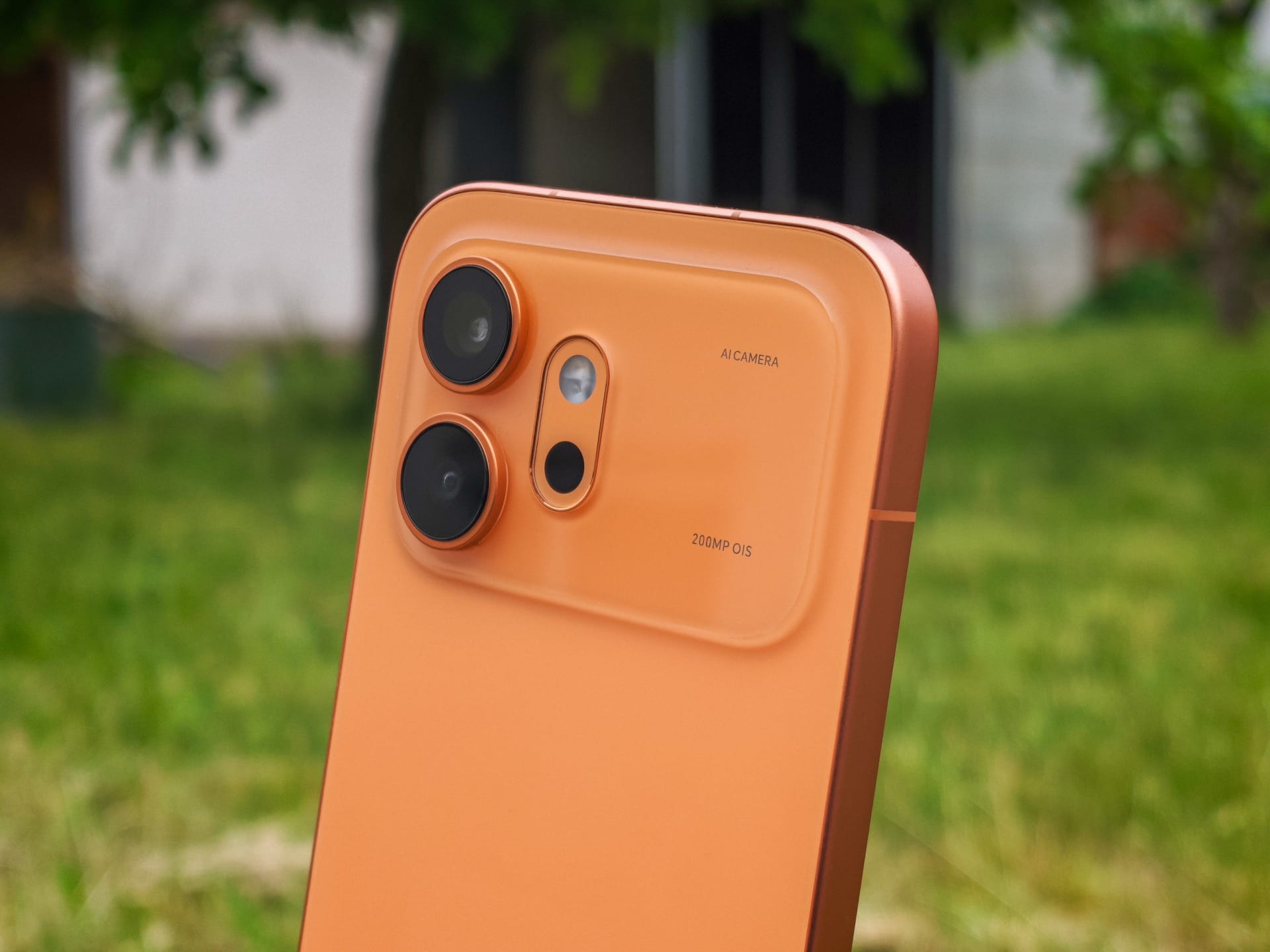
Does HONOR really need to do this? That question almost automatically comes to mind with the HONOR 600. Copying Apple so blatantly seems pretty audacious. I would have expected more originality in the design from HONOR in particular. At the same time, it is hard to deny that the overall package works well and performs well in everyday use.
The vibrant orange adds exactly the touch of character the device might otherwise lack. It stands out without looking cheap and makes you not want to hide the smartphone in a case right away. The last time I had this feeling was a few years ago with the orange Google Pixel 4. If you’re not a fan of such a bold color, the HONOR 600 is also available in much more subdued options like black or gold-white.
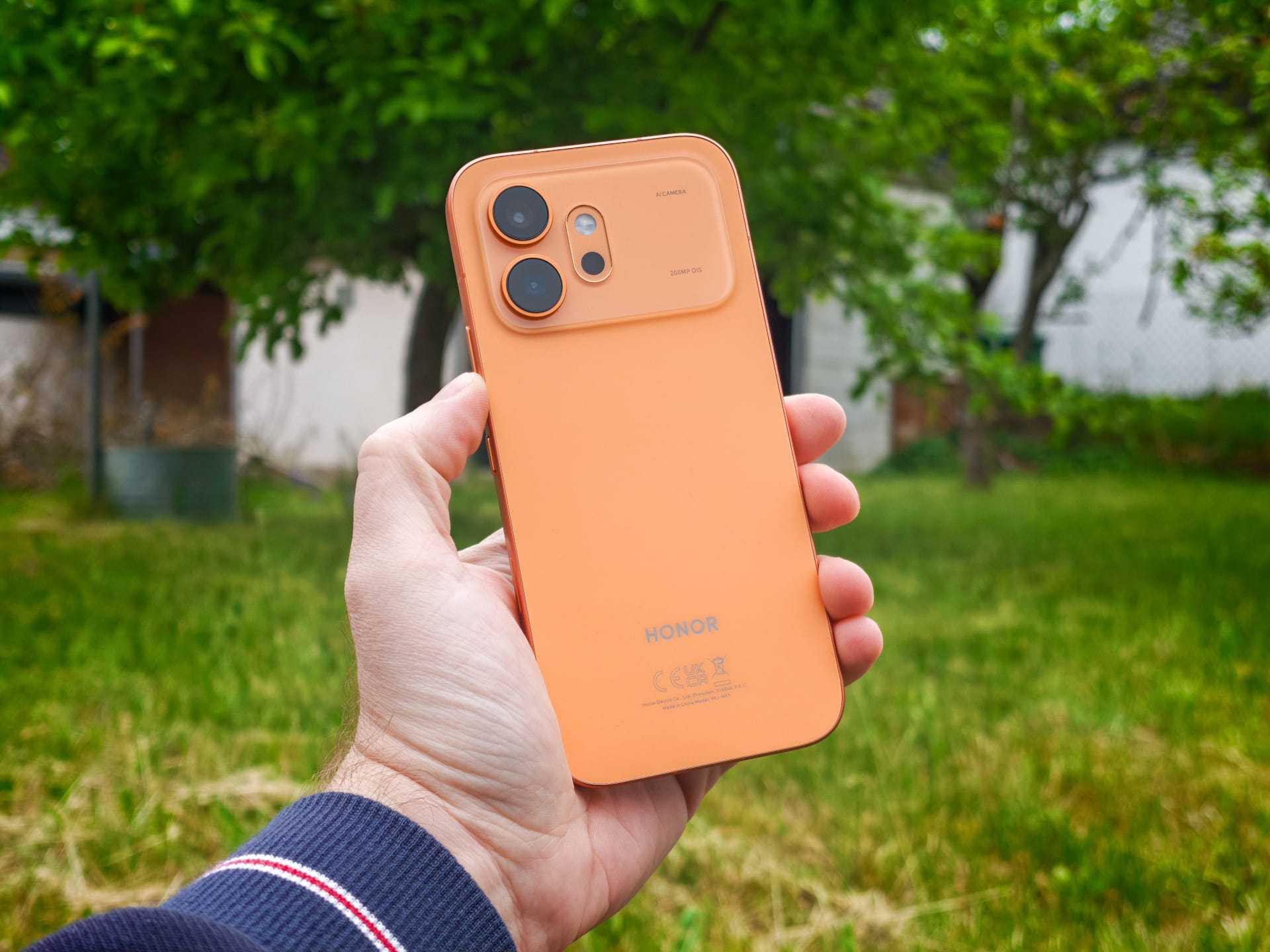
With a case thickness of 7.8 mm, the HONOR 600 remains pleasingly slim and does not look bulky despite its angular design. Combined with the 6.57-inch display, this makes for a compact device that sits comfortably in the hand while still leaving enough room for media and apps. The HONOR 400 was similar in this respect, but the 600 feels a little more balanced overall.
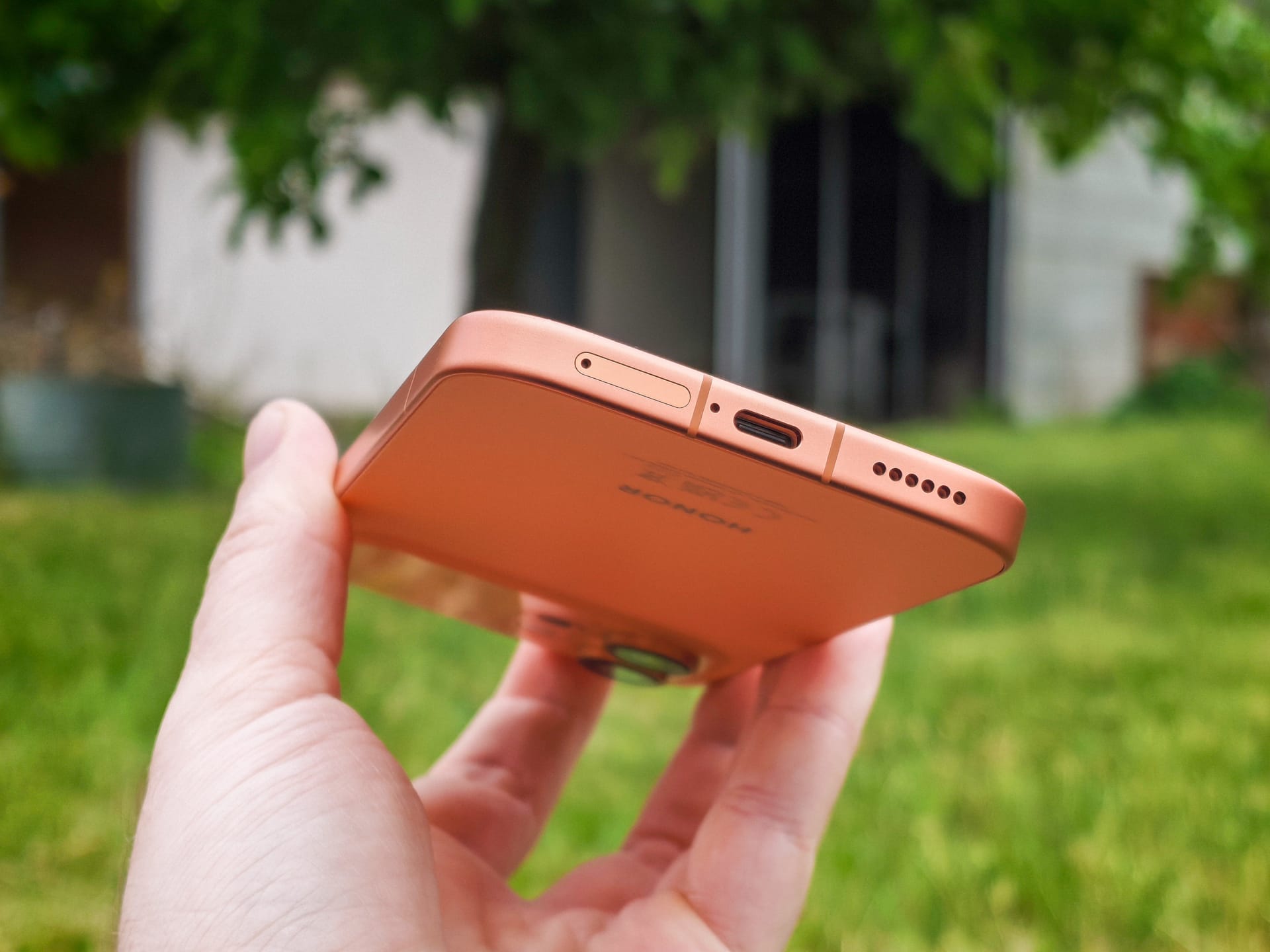
Compared directly with the HONOR 400, you can also see that HONOR has improved its choice of materials. This is primarily thanks to the metal frame, which makes the device feel considerably more premium and sturdy than its predecessor's plastic frame. The build quality is good: nothing creaks, the joins are neat and the buttons have a clear click.
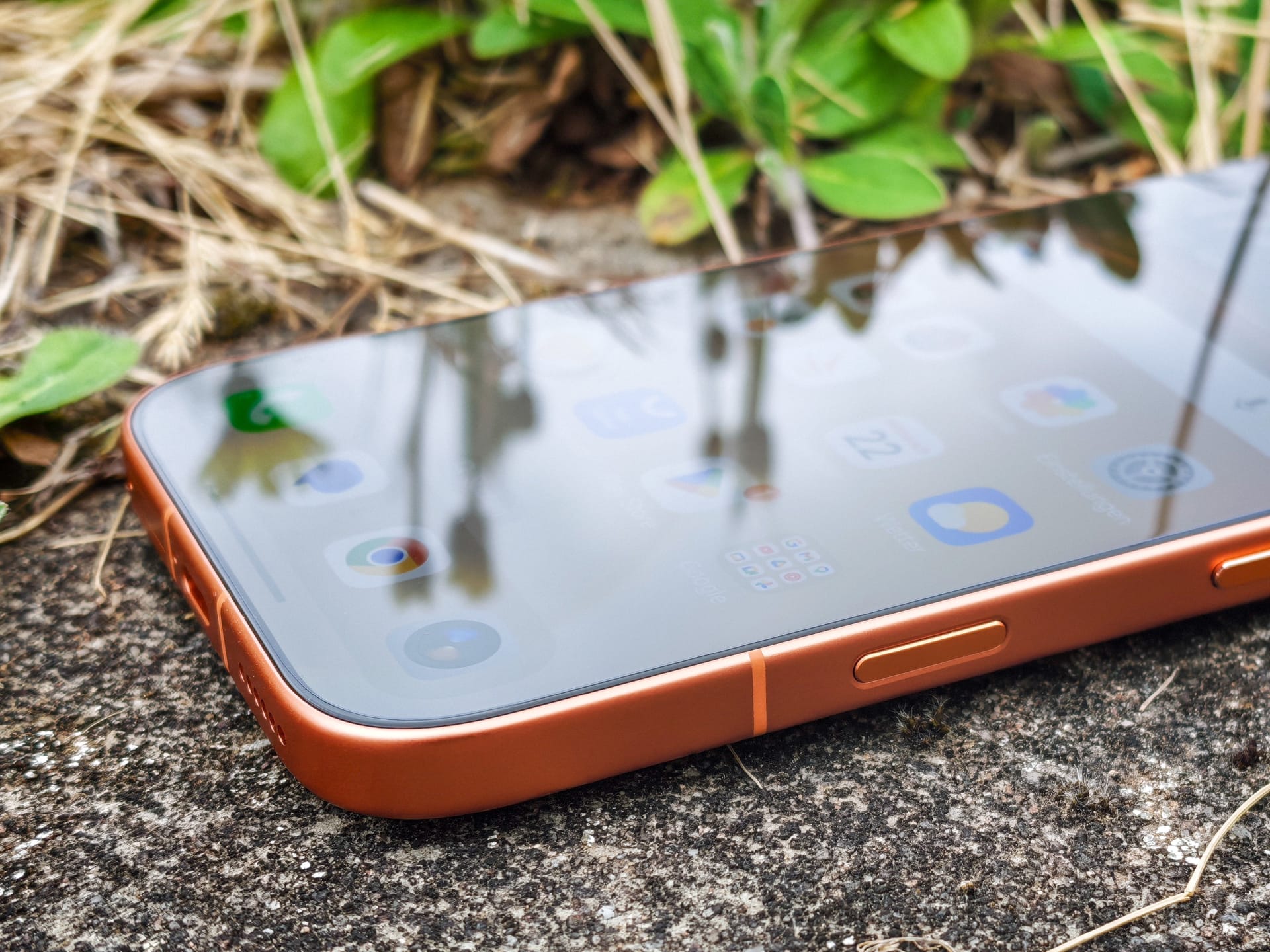
The new addition is an AI button on the side. As with many other manufacturers, the button cannot be fully customised and is limited to a small number of functions. These include the camera, various AI features and Google Lens. You can at least choose what happens when you press it briefly, press it twice or hold it down, allowing you to set up a small selection of shortcuts. If you have no use for it, you can also disable the button completely.
HONOR has also improved durability. Instead of the basic splash protection offered by the HONOR 400, the HONOR 600 comes with comprehensive IP68 and IP69 certification. This means the device is not only better protected against dust and water, but also more resilient in everyday use, whether at the beach, in the rain or by the pool.
HONOR 600: Display
As with the HONOR 400, HONOR uses a flat AMOLED panel and continues to avoid curved edges, making accidental touches at the edges practically nonexistent.
At 6.57 inches, the display is slightly larger than the HONOR 400’s, but remains easy to handle. Much more noticeable are the very slim display bezels, which are even all the way around and give the device a modern, almost bezel-less look.
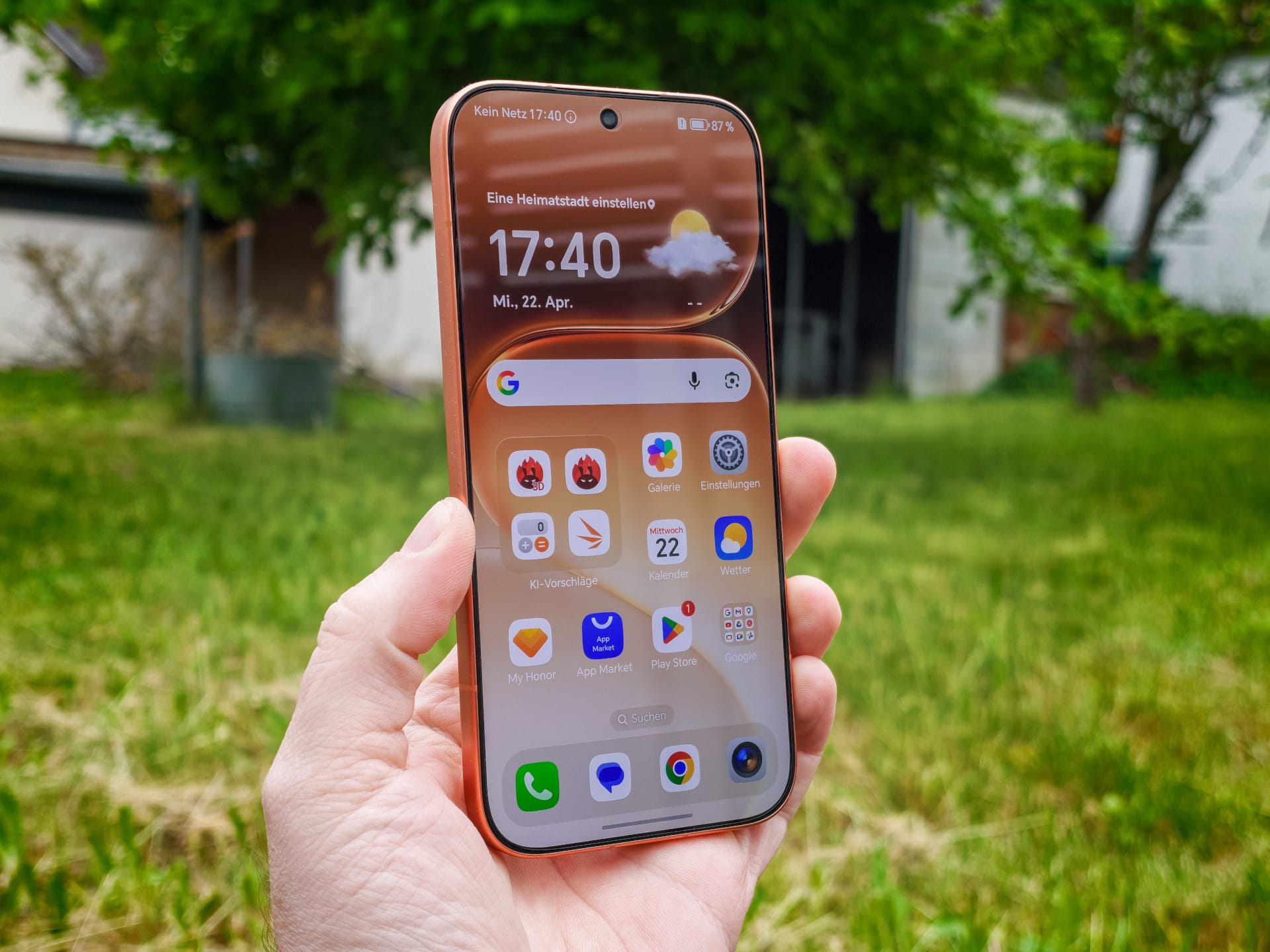
The resolution is 2728 x 1264 pixels, resulting in a sharp image. Content looks clear, text is crisp, and even on closer inspection there are no distracting pixel patterns. The panel displays colors vividly without looking overdone. Compared to the HONOR 400, the tuning is a touch more vibrant, but remains pleasantly natural.
Brightness is typical of modern smartphones. Although the extreme figures advertised by HONOR are not sustained in everyday use, the display can reach well over 1,500 nits in automatic mode. This keeps it easy to read even in direct sunlight. Indoors, the panel can also dim sufficiently to avoid being uncomfortably bright in dark surroundings. Automatic brightness control works reliably, but occasionally responds a little cautiously.
With a 120 Hz refresh rate, everything runs smoothly. Scrolling, swiping, and animations all feel consistently fluid. The display uses fixed refresh-rate steps, switching between 60, 90, and 120 Hz depending on the app. This is rarely noticeable in everyday use, but means that not every app runs constantly at 120 Hz. Overall, though, you won’t notice a major difference from the HONOR 400.
The display is also well equipped for media playback. HDR content is supported, and streaming services such as Netflix deliver high-resolution content through Widevine L1.
To help protect your eyes, HONOR continues to use a PWM dimming frequency of 3840 Hz. This reduces visible flicker at low brightness and is especially noticeable when reading in the evening. This is complemented by features such as a blue-light filter and an e-book mode.
One minor criticism is the implementation of the always-on display. Despite its name, it is not permanently active and must first be woken by tapping or movement. This feels somewhat half-hearted, especially as the panel itself could easily support a genuine always-on display.
HONOR 600: Performance
The HONOR 600 is powered by the Snapdragon 7 Gen 4, the direct successor to the Snapdragon 7 Gen 3 in the HONOR 400. The performance boost is therefore moderate, as expected, but performance is more than sufficient.
Apps launch quickly, the system responds reliably, and there is hardly any delay when switching between multiple applications. With 8 or 12 GB RAM, there is plenty of room for multitasking, and the system feels marginally smoother than the HONOR 400. But, as mentioned, you should not expect major differences.
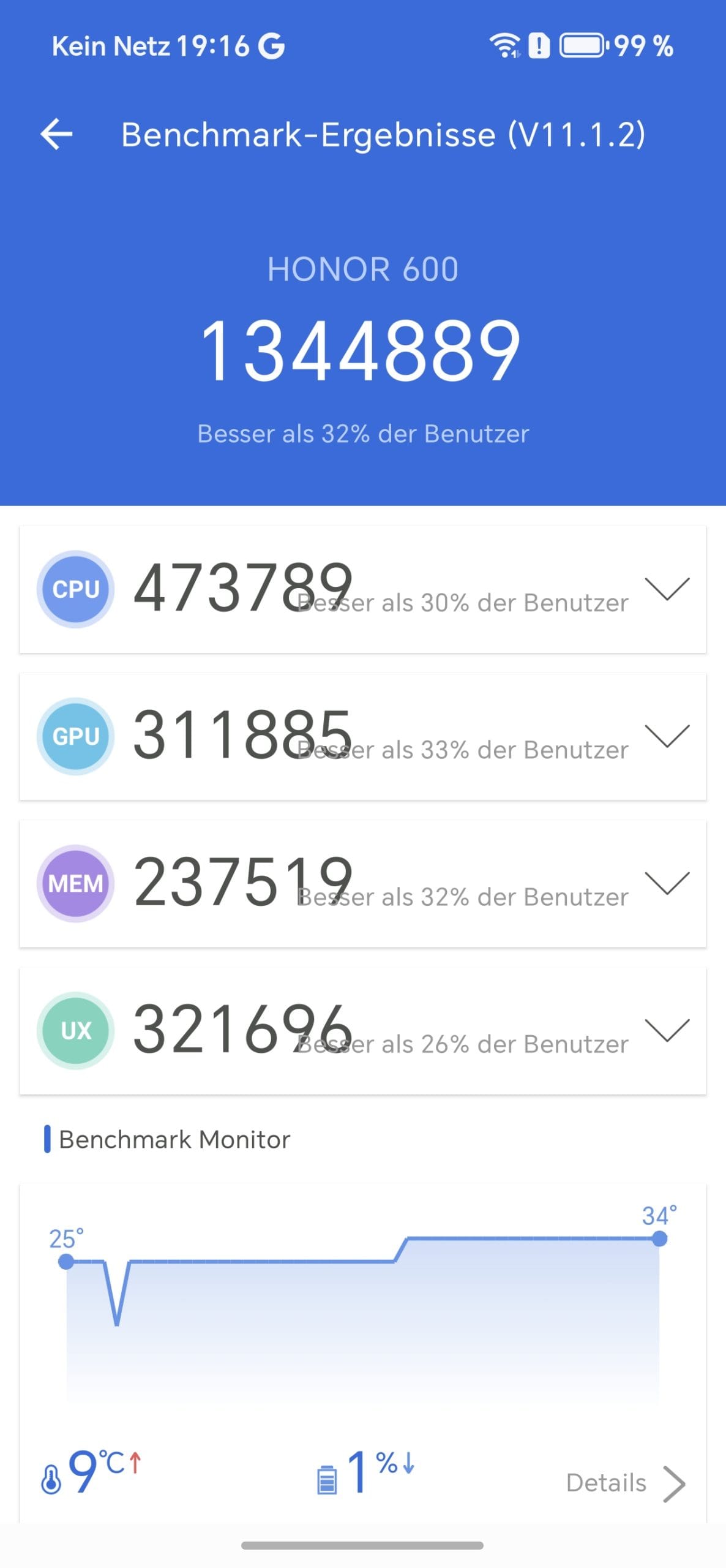
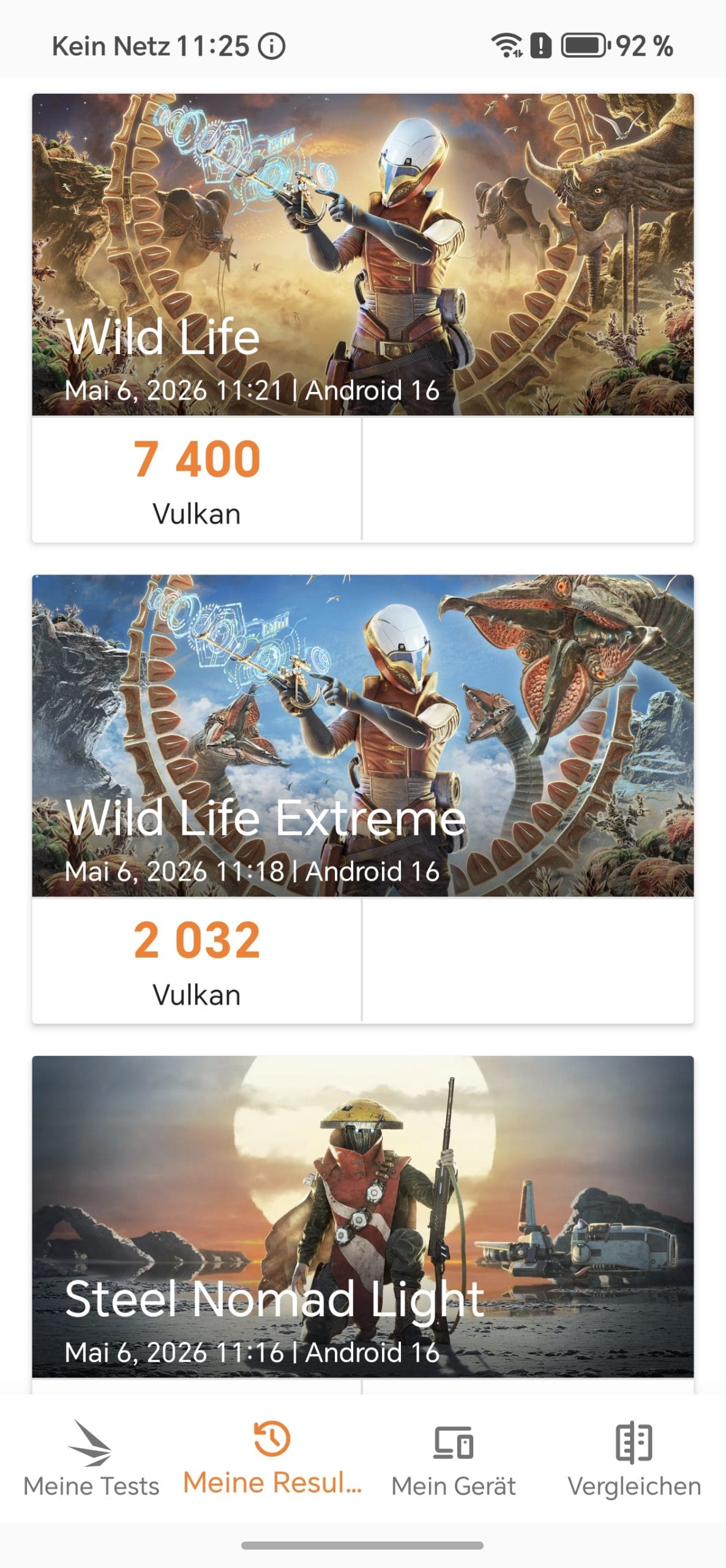
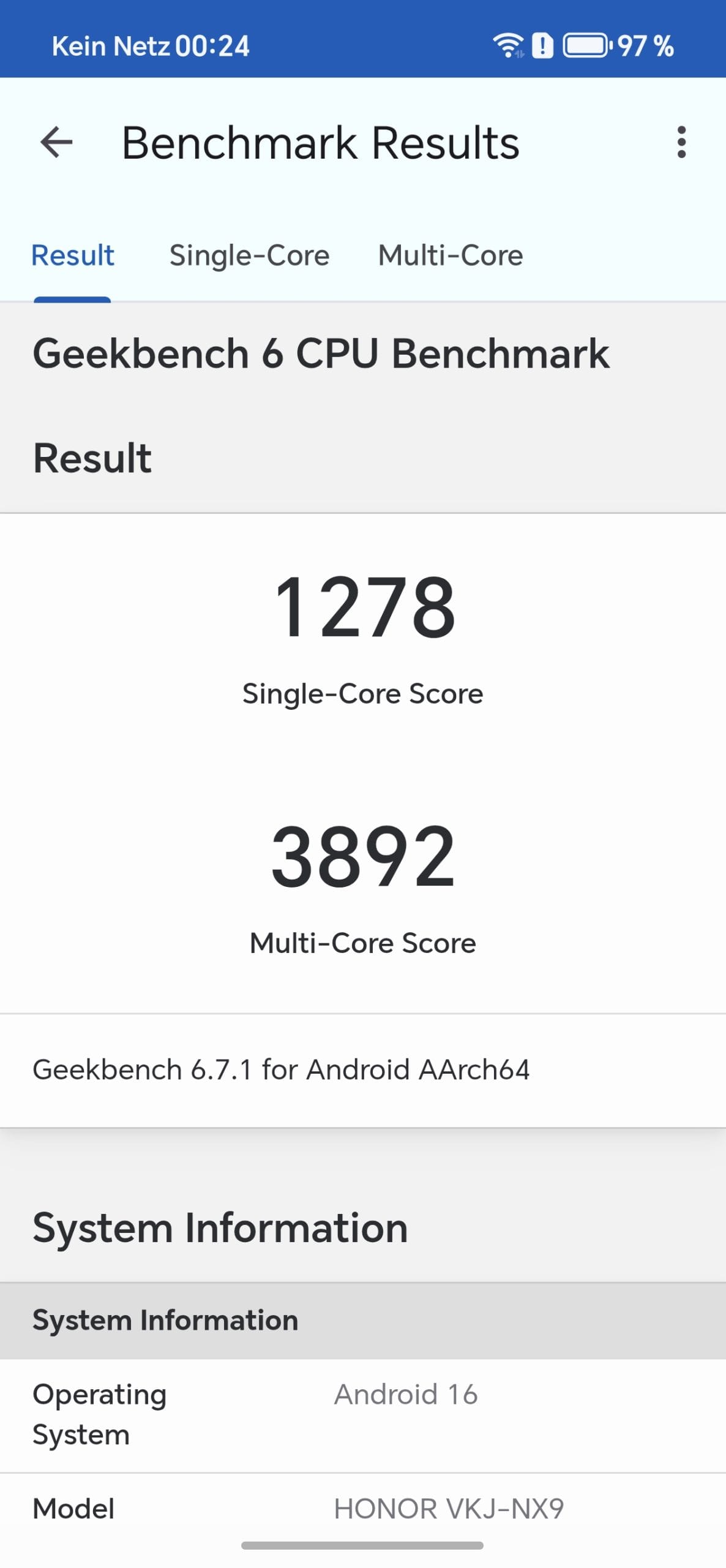
Mobile games show the typical performance of an upper mid-range device. Titles such as Call of Duty Mobile and PUBG run smoothly as long as you don't set the graphics too high. More demanding games such as Genshin Impact are playable, but require reduced detail settings for stable frame rates. Ambitious gamers will sooner or later hit their limits.
Thermal performance is a positive. Even under load, the device remains well controlled and does not get uncomfortably hot. As a result, performance stays relatively stable over longer periods without dropping off significantly.
HONOR 600: software
The HONOR 600 runs MagicOS 10, based on Android 16. This puts it up to date on the software front, and it closely follows what HONOR has already introduced in its high-end range.
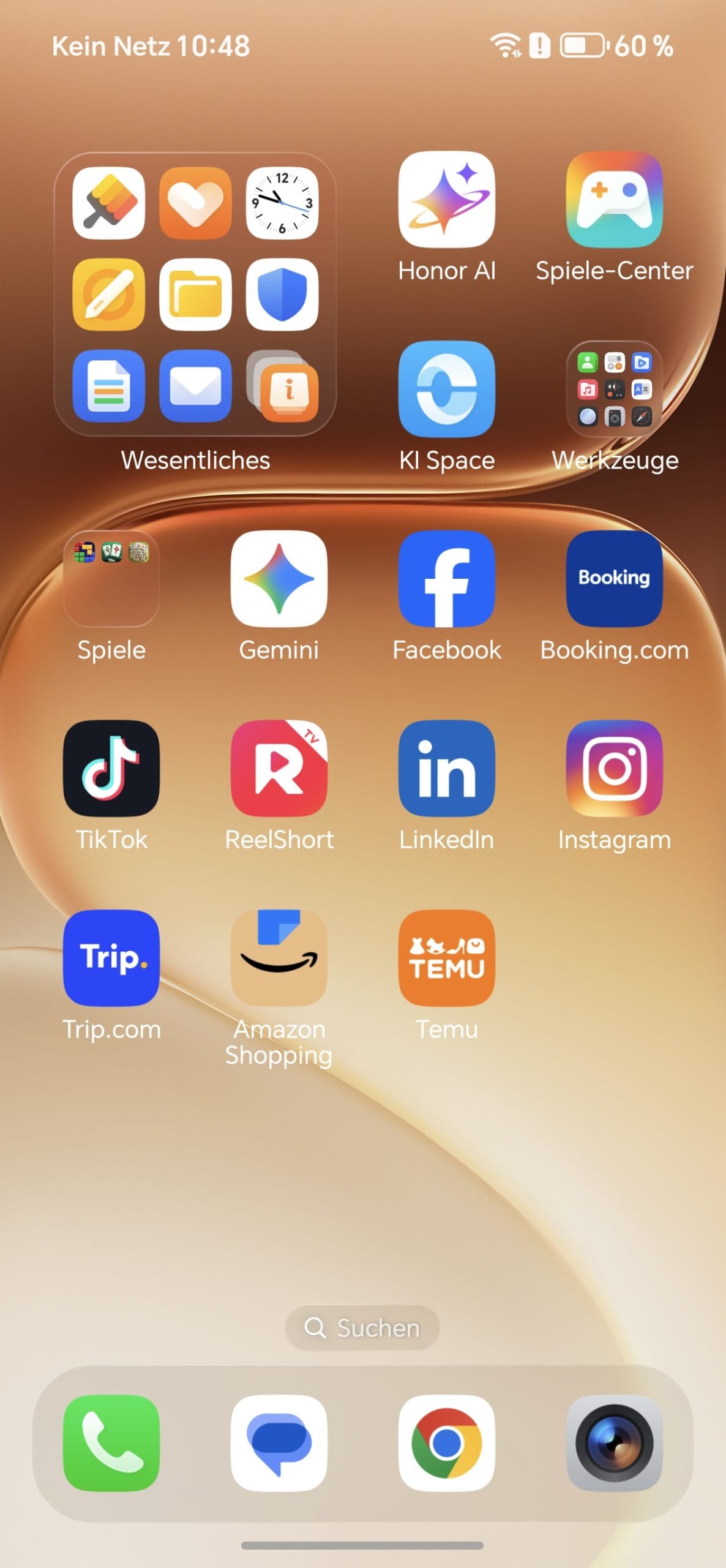
The interface continues to combine classic Android with clear iOS influences. Transparency effects, smooth transitions and the familiar “Magic Capsule” for notifications visibly recall Apple’s approach, but fit harmoniously into the overall design. If you’re coming from another Android device, it takes a little time to adjust, but you’ll soon find your way around.
The update commitment is a plus. HONOR promises six years of system and security updates, meaning up to Android 22. That’s decent for a device in this class.
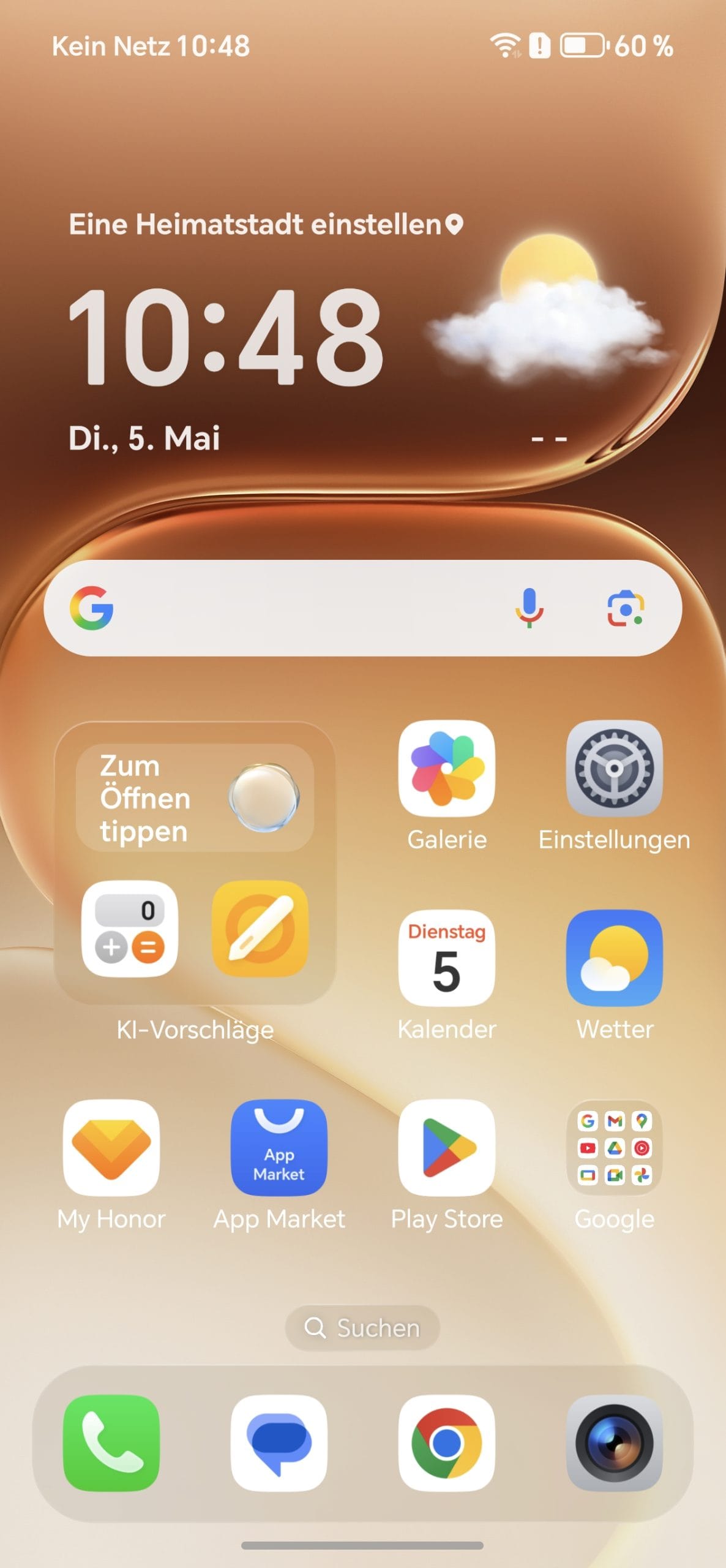
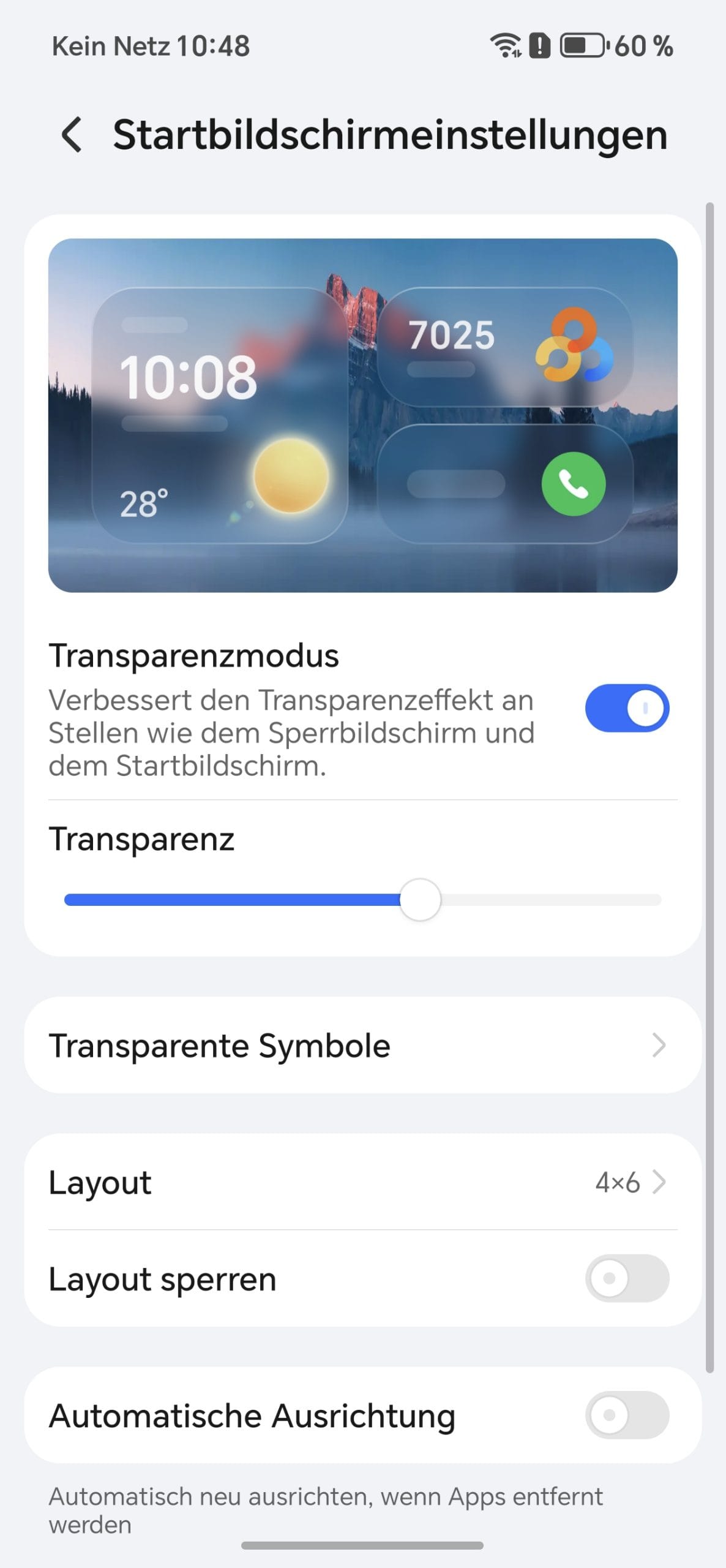
In terms of software, HONOR makes extensive use of artificial intelligence. Many features are not new, but have been expanded and better integrated into the system. These include Magic Portal, a kind of context-sensitive clipboard. You can select content with a gesture and send it directly to suitable apps. It works surprisingly well in everyday use, for example when sharing images, addresses or text.
Features such as Magic Text, which recognises text in images, as well as AI subtitles and live translations, are also back. These are genuinely useful features, especially for foreign-language content or in noisy environments. The package is rounded out by smaller tools such as deepfake detection in video calls and a kind of “AI reminders” feature that automatically sorts content.
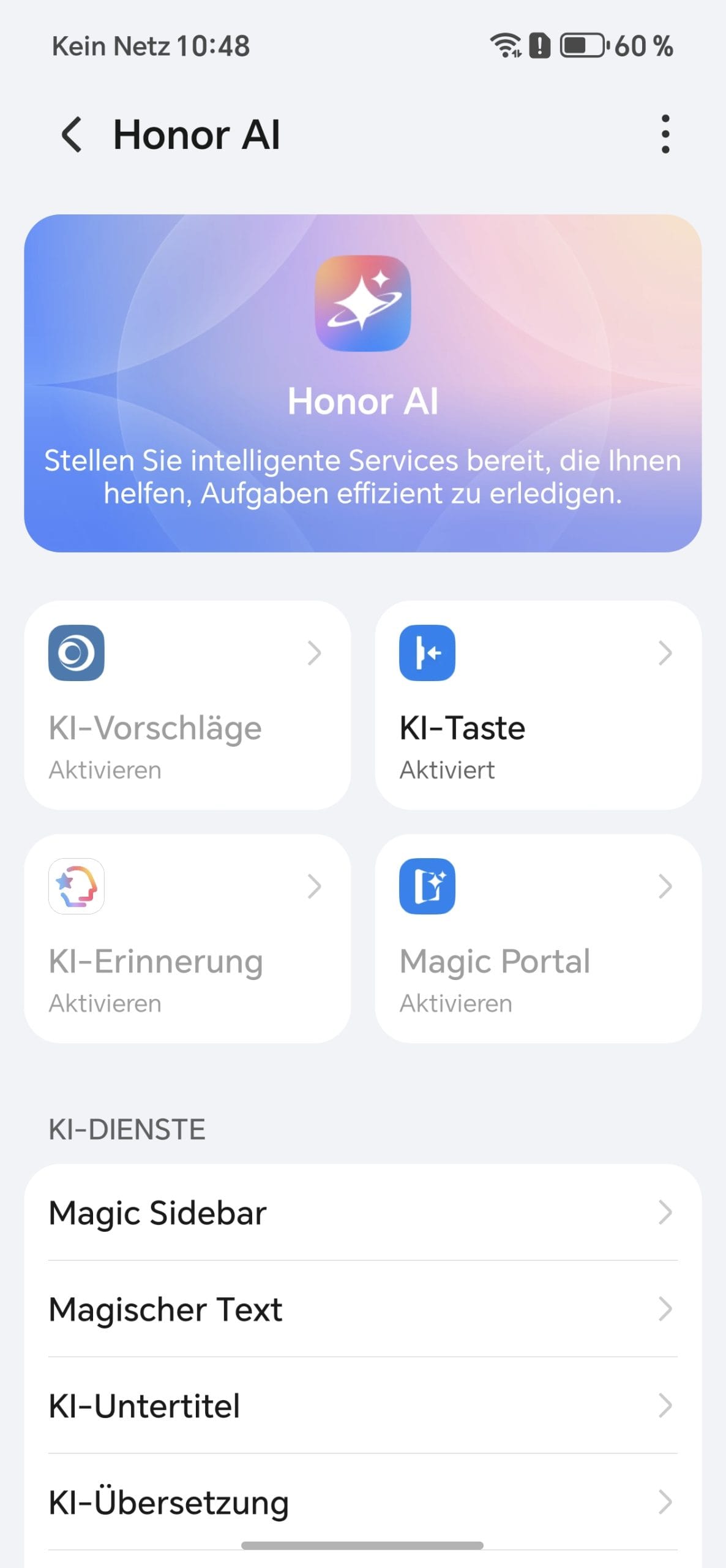
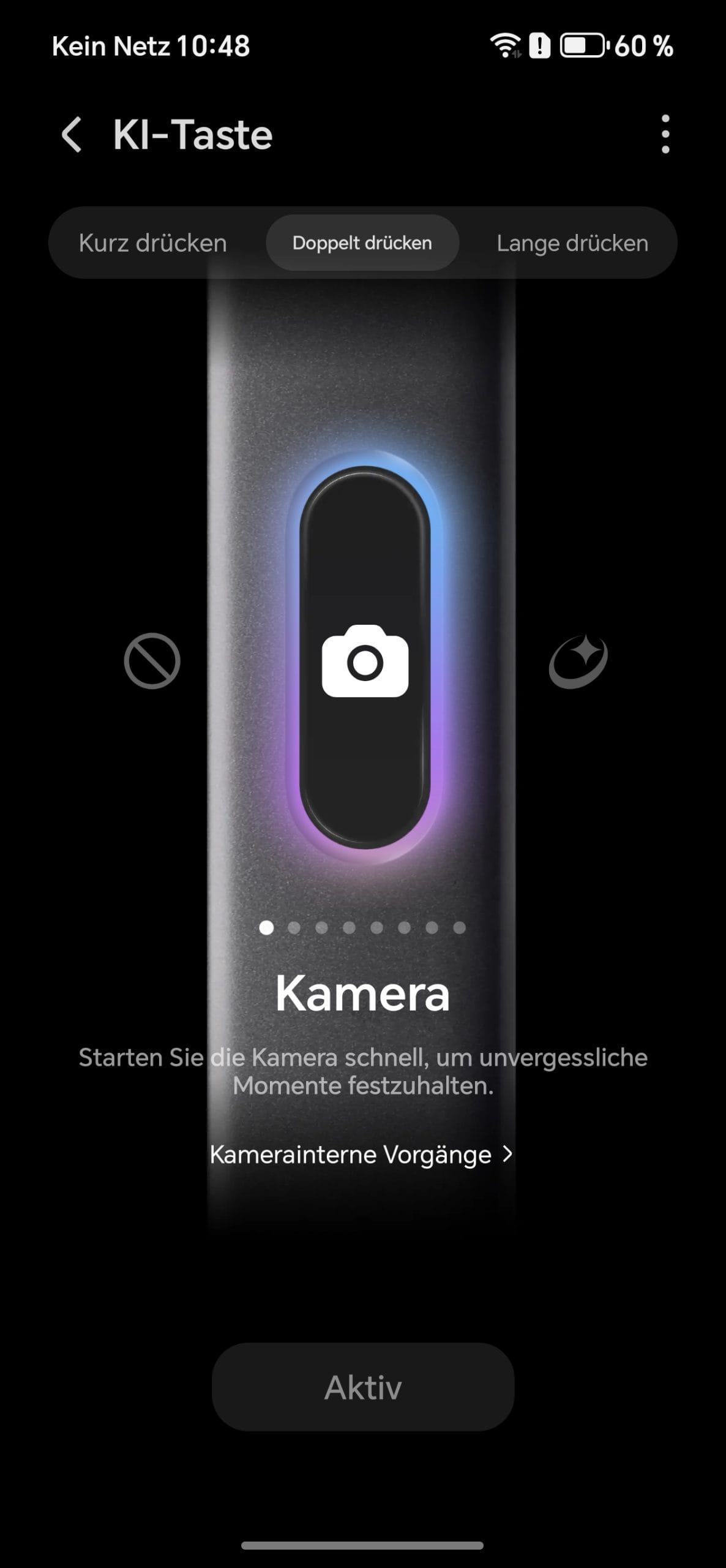

The Gallery app plays a central role, bringing together many of the AI features. In addition to familiar features such as removing objects and adjusting images, the image-to-video feature is back. In the current version, you can combine multiple images and use text prompts to turn them into short 3–8-second clips. The technology is impressive, but in everyday use this remains more of a creative extra than a feature you’ll use regularly. It also requires an internet connection, and its use may eventually become a paid service. The AI button mentioned earlier provides direct access to many of these features.
Not everything runs perfectly. The test revealed occasional minor inconsistencies in the system, such as with notifications or certain workflows. Nothing dramatic, but it shows that MagicOS has yet to match the best-polished Android interfaces.
HONOR 600: Camera
The main camera uses a 200 MP sensor with an f/1.9 aperture and optical image stabilization, supported by a 12 MP ultra-wide-angle camera. There’s still no telephoto camera; that’s reserved for the HONOR 600 Pro.
Main camera
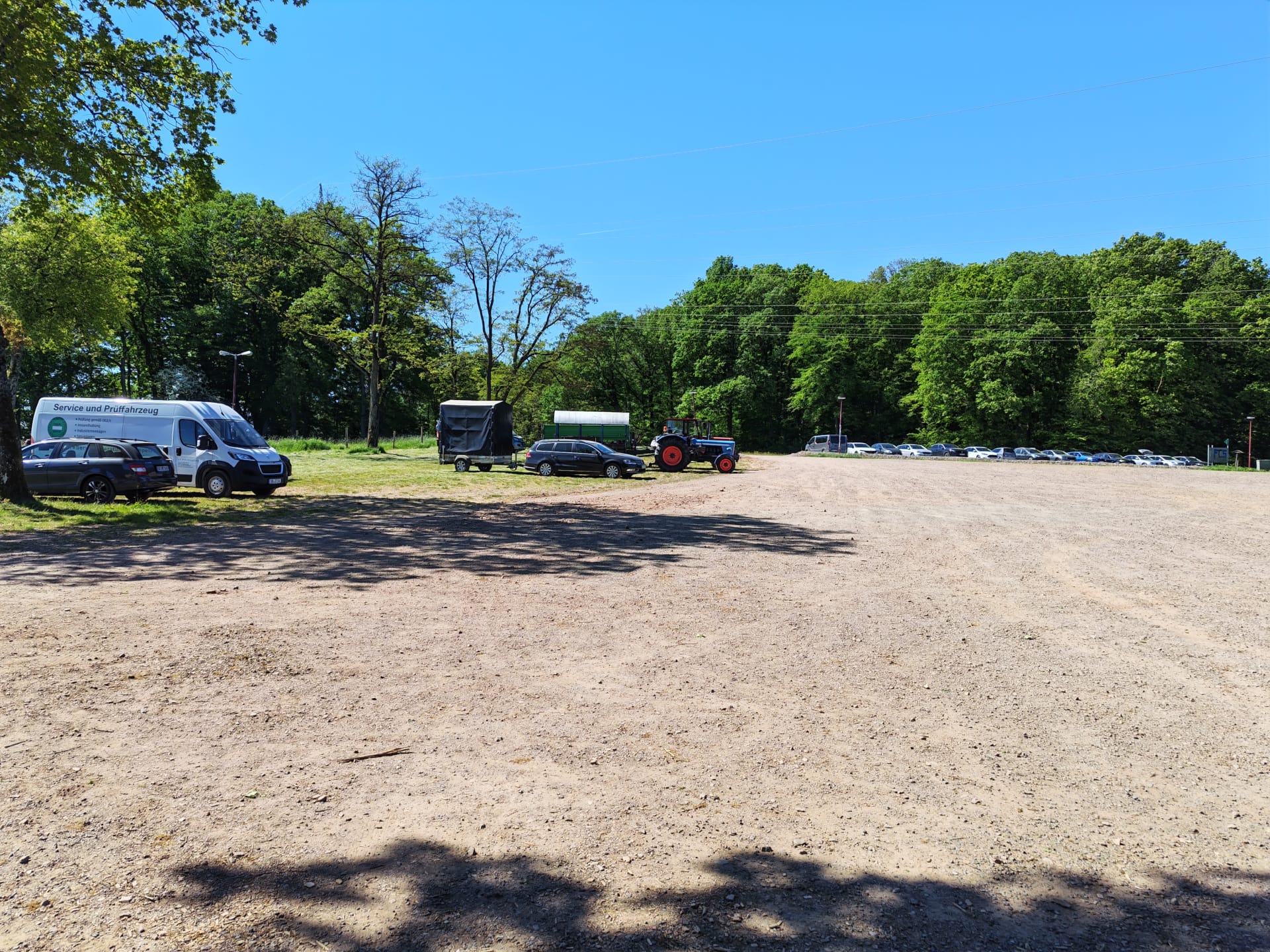
In everyday use, the main camera proves reliable. In daylight, it takes sharp, detailed photos with vivid colours and solid dynamic range. The tuning is typical of HONOR, with results geared towards being ready to use straight away. Contrast is a little stronger, without being overdone. In most situations, the camera simply delivers.
However, not everything is perfect. In very bright scenes, the camera occasionally tends to blow out areas slightly or capture lens flares when the sun is at an unfavorable angle. It doesn’t happen all the time, but it can be noticeable depending on the subject.










The biggest limitation becomes apparent with zoom. A 2x zoom still works surprisingly well thanks to the high sensor resolution, producing usable results with decent sharpness. Beyond that, however, quality quickly drops off. Details are lost and the software intervenes more heavily. HONOR tries to compensate with AI-assisted post-processing, with mixed results. But it can’t replace a dedicated telephoto camera.
The main camera performs well in night shots. The sensor captures enough light from the scene without going overboard. Colours generally remain consistent, and image noise is kept to a minimum. Night mode can bring out additional details, but takes a little time and a steady hand.


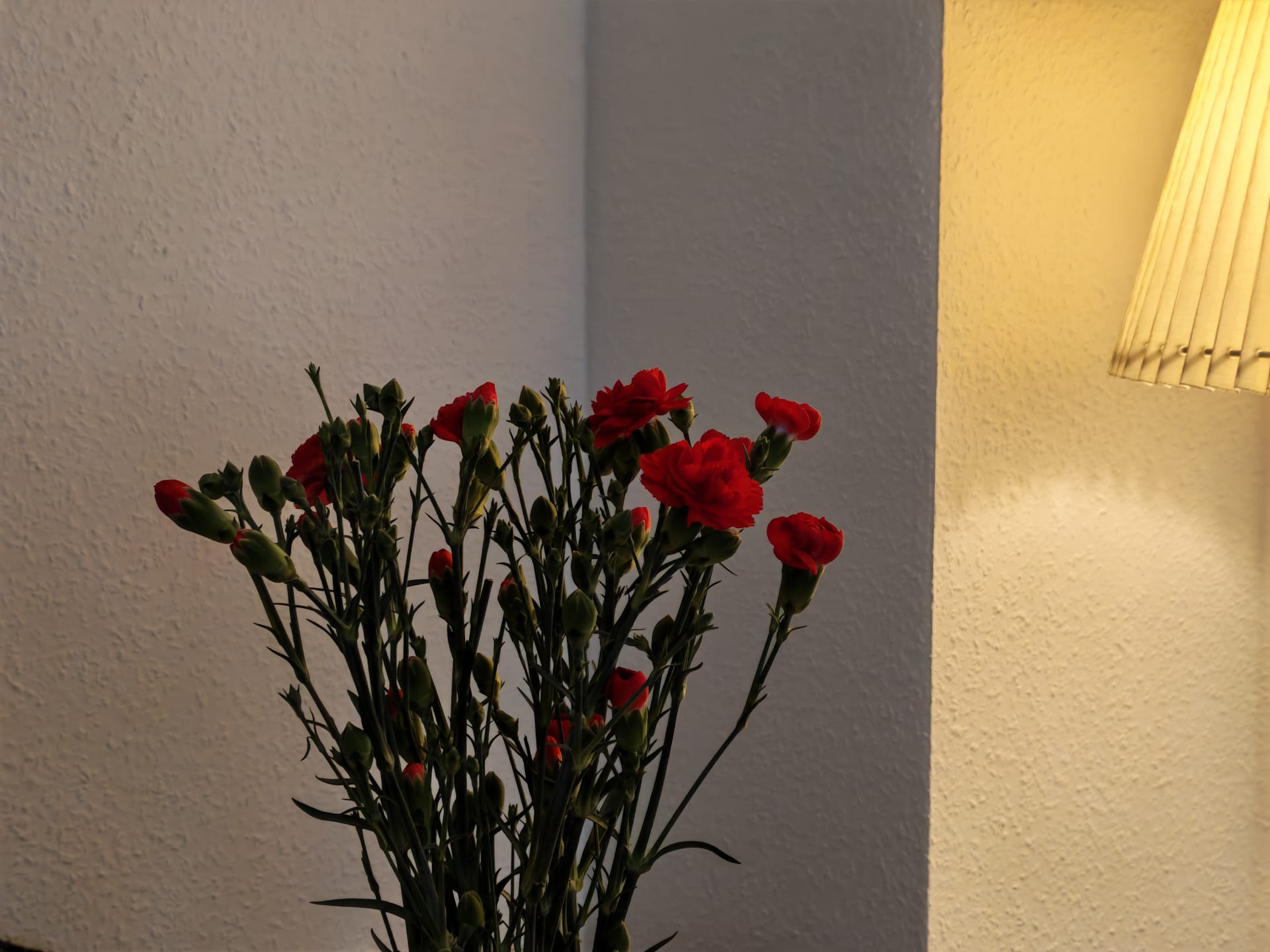

Ultra-wide-angle camera
The ultra-wide-angle camera is solid, but clearly the weaker of the two. It is sufficient for landscapes or group photos, but shows typical weaknesses such as softer details towards the edges and lower overall light sensitivity. It performs well in good lighting, but its limitations quickly become apparent in low light.



Front camera and video
The 50 MP selfie camera is one of the better ones in this class. It takes sharp shots with good exposure and natural skin tones. Video is another strong point, as both the front and main cameras support 4K recording. Videos look stable, autofocus works reliably, and the quality is more than good enough for social media and clips.


HONOR 600: Connectivity
For mobile connectivity, the device supports 5G on both SIM slots. HONOR combines dual nano-SIM and eSIM, offering flexibility in everyday use. In our test, the connection remained stable, whether on a 5G network in the city or falling back to LTE in the countryside. Call quality is also generally good, although minor software inconsistencies can occasionally occur, for example when answering calls from the lock screen.
For Wi-Fi, it comes with Wi-Fi 6. This is no longer quite state of the art, but is perfectly adequate for everyday use. Data rates are high enough for streaming, downloads and cloud backups, and network stability at home is also good.
Bluetooth 5.4 provides stable connections to headphones, smartwatches, and other devices. The usual audio codecs, such as SBC and AAC, as well as higher-quality standards like aptX and LDAC, are supported.
For navigation, the HONOR 600 uses the major satellite systems, including GPS, Galileo, GLONASS, and BeiDou. Positioning works reliably, and the location remains stable even in densely built-up areas.
NFC is also on board and works without issue for contactless payments or quickly pairing compatible devices.
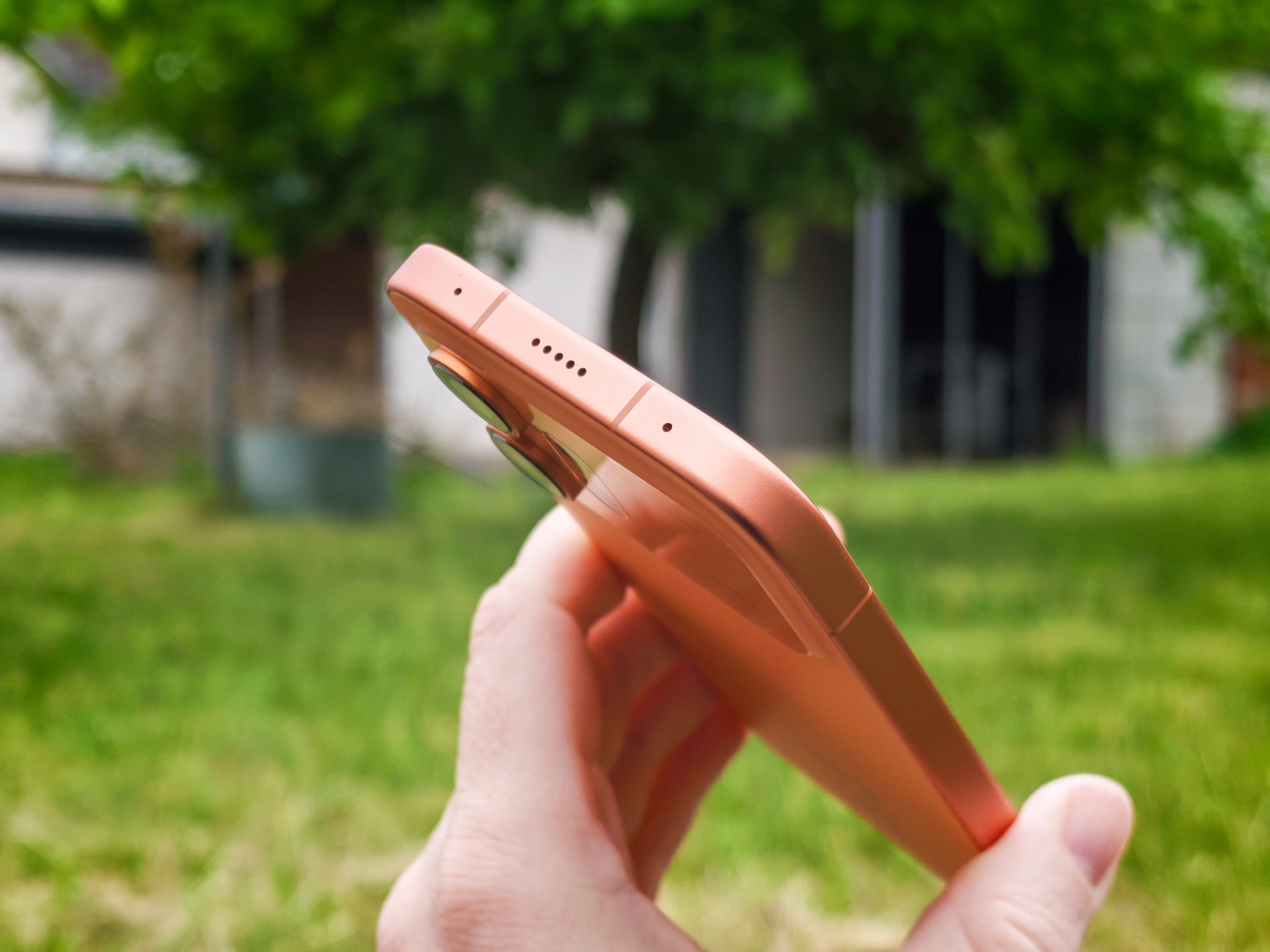
Audio performance is mixed. The smartphone has stereo speakers that get loud enough for videos or podcasts. However, the sound lacks a little depth and punch, especially with music.
The in-display fingerprint sensor is fast and reliable. Facial recognition is also available; it works well in good lighting, but reaches its limits in the dark.
HONOR 600: Battery
While the HONOR 400 had to make do with a 5,300 mAh battery, the new model packs a 6,400 mAh battery. With moderate use, you can get two days out of it, and even longer if you’re a little careful. Even with intensive use involving lots of screen time, streaming, and social media, you can generally get through a day without constantly checking the battery level. That’s another improvement over the HONOR 400, although the old model already had solid battery life.
Wired charging is available at up to 80 watts. However, HONOR no longer includes a compatible fast charger, which has become standard practice. With a compatible charger, it reaches around 50 percent in about 20 to 25 minutes; a full charge takes roughly an hour.
HONOR 600 does without wireless charging. Reverse wireless charging is also missing; only wired reverse charging is supported.
Our verdict
The HONOR 600 isn’t particularly original in its design, but HONOR delivers a well-rounded package overall. The display is bright and sharp, and its slim bezels give it a pleasantly modern look. Performance is more than enough for everyday apps and occasional gaming, and the camera takes reliable shots, although fans of zoom will still have to make do without a telephoto lens.
The device is particularly impressive when it comes to battery life. Two days is above average, and at 80 W, the battery also recharges quickly. If you can live with the iPhone-inspired design and are not expecting an absolute high-end device, you can’t go wrong with the HONOR 600.
Specifications
Processor and memory
- CPU
- Qualcomm Snapdragon 7 Gen 4 (4 nm)
- – Octa-core (exact clock speed not specified)
- GPU
- Adreno 722
- RAM
- 8 GB / 12 GB
- Internal storage
- 256 GB / 512 GB
- Storage expansion
- Not supported
Display
- Display size
- 6.57 inches
- Display resolution
- 2728 x 1264 pixels
- Display refresh rate
- 120 Hz (typical for the series, not explicitly specified)
- Display brightness
- n/a
- Display type
- AMOLED
- Colour reproduction
- 1.07 billion colors
- HDR support
- Yes (not explicitly stated, but usual)
- Screen-to-body ratio
- n/a
Cameras
- Main camera
- – 200 MP, f/1.9 (wide-angle), AF, OIS
- – 12 MP (ultra-wide-angle), AF
- Features
- HDR, panorama, AI modes, night mode, macro, and more
- Video
- 4K (3840 × 2160), 1080p
- Front camera
- – 50 MP, f/2.0 (wide-angle)
- Features
- HDR, facial recognition
- Video
- 4K, 1080p
Mains
- Dual SIM
- Yes (Nano + Nano or Nano + eSIM)
- eSIM
- Yes
- Mobile network technologies
- GSM / WCDMA / LTE / 5G NR
- 5G modes
- n/a
- Model
- n/a
Wireless
- Wi-Fi
- 802.11 a/b/g/n/ac/ax (Wi-Fi 6), 2x2 MIMO, dual-band, Wi-Fi Direct
- Bluetooth
- 5.4 (A2DP, LE, aptX, aptX HD, aptX Adaptive, aptX Lossless, LDAC, LHDC)
- GPS
- GPS, A-GPS, GLONASS, Galileo, QZSS, BeiDou, NavIC
- NFC
- n/a
- Infrared
- Yes
- Radio
- No
- USB
- USB Type-C 2.0, OTG
Sensors
- Fingerprint sensor (under the display)
- Accelerometer
- Compass
- Gyroscope
- Ultrasonic proximity sensor
- Ambient light sensor
- Color temperature sensor
- Infrared sensor
Battery
- Battery
- 6,400 mAh (lithium polymer)
- Wired charging
- up to 80W (20V / 4A)
- Reverse charging
- n/a
- Qi charging
- No
Other
- Operating system
- Android 16 with MagicOS 10
- Software updates
- n/a
- Audio
- Stereo speakers (HONOR Sound)
- 3.5 mm jack
- No
- Connection
- USB-C (2.0)
- Protection rating
- IP68 / IP69 / IP69K
- Size
- 156.0 x 74.7 x 7.8 mm
- Weight
- approx. 185 g
- Colors
- Orange, Black, Gold and White
Price comparison
| Store | Price | Link |
|---|---|---|
| Honor | 649,90 € | Go to store |
Comments (2)
Honestly, do you think it's worth switching from the 400?
Hi Rene, I’d say probably not, unless there’s something specific you’re really missing on the Honor 400.