Contents
Design and build quality
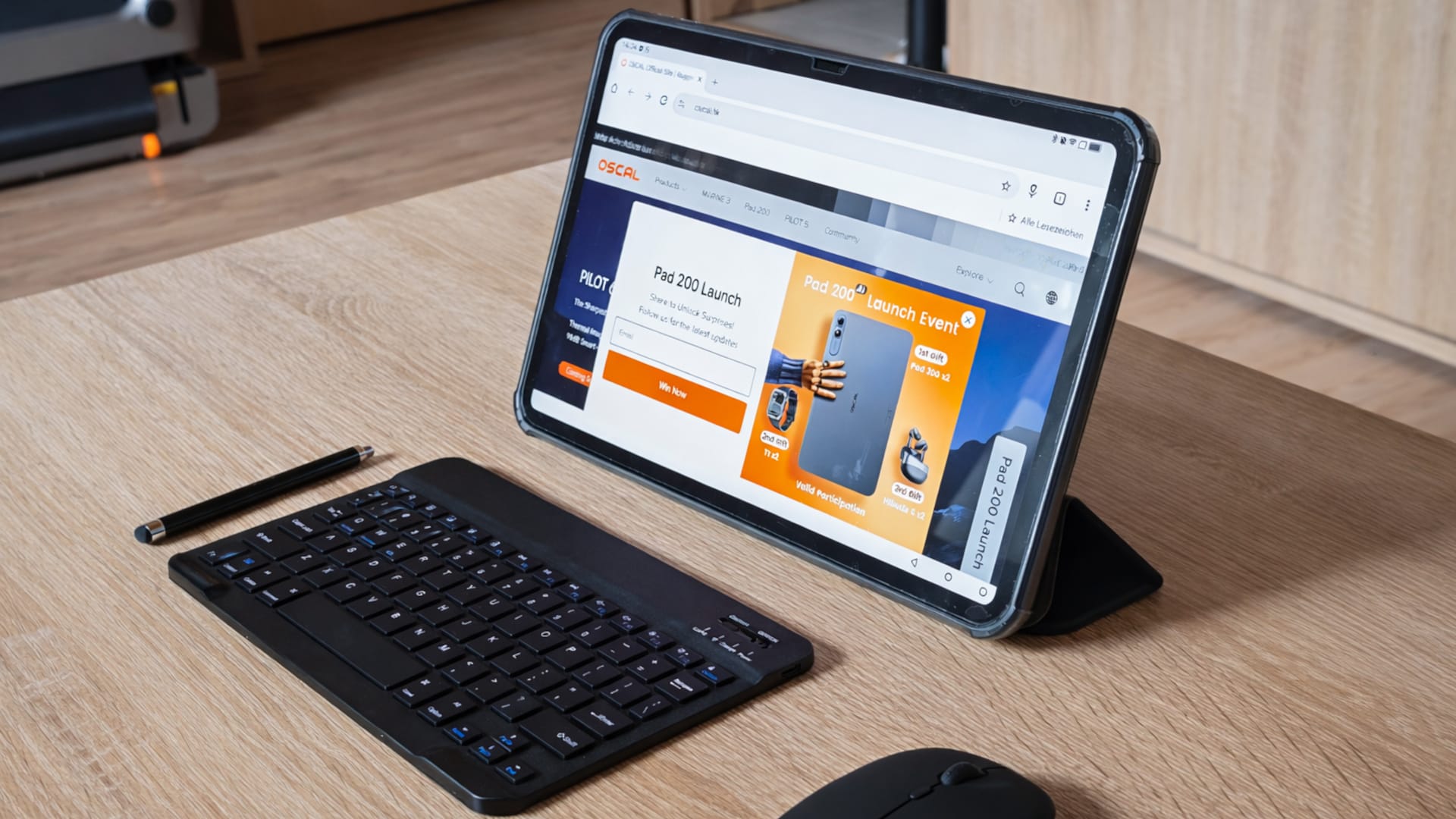
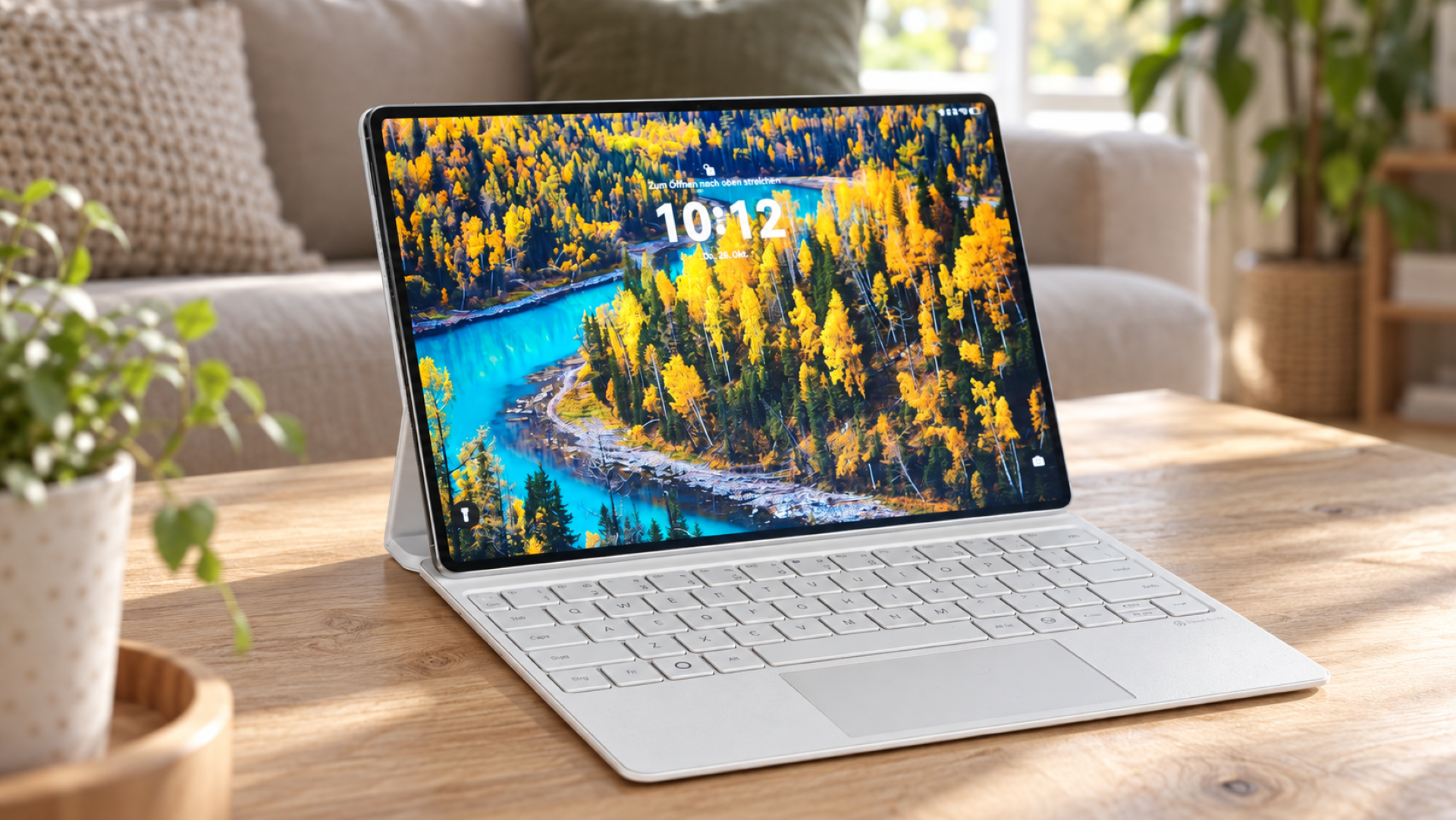
Measuring 309.41 × 201.49 × 7.9 mm and weighing around 750 grams, the OSCAL Pad 200 is surprisingly slim for its display size. It feels less bulky in the hand than the bare figures might suggest, particularly compared with conventional 12- or 13-inch Windows tablets.
The metal housing features clean lines and straight edges. The design is functional and understated, without visual frills. The Space Grey and Glacier Blue colour options reinforce its no-nonsense character. Considering the price, the build quality and transitions between materials are acceptable. There were no pressure points or creaking noises during the test.
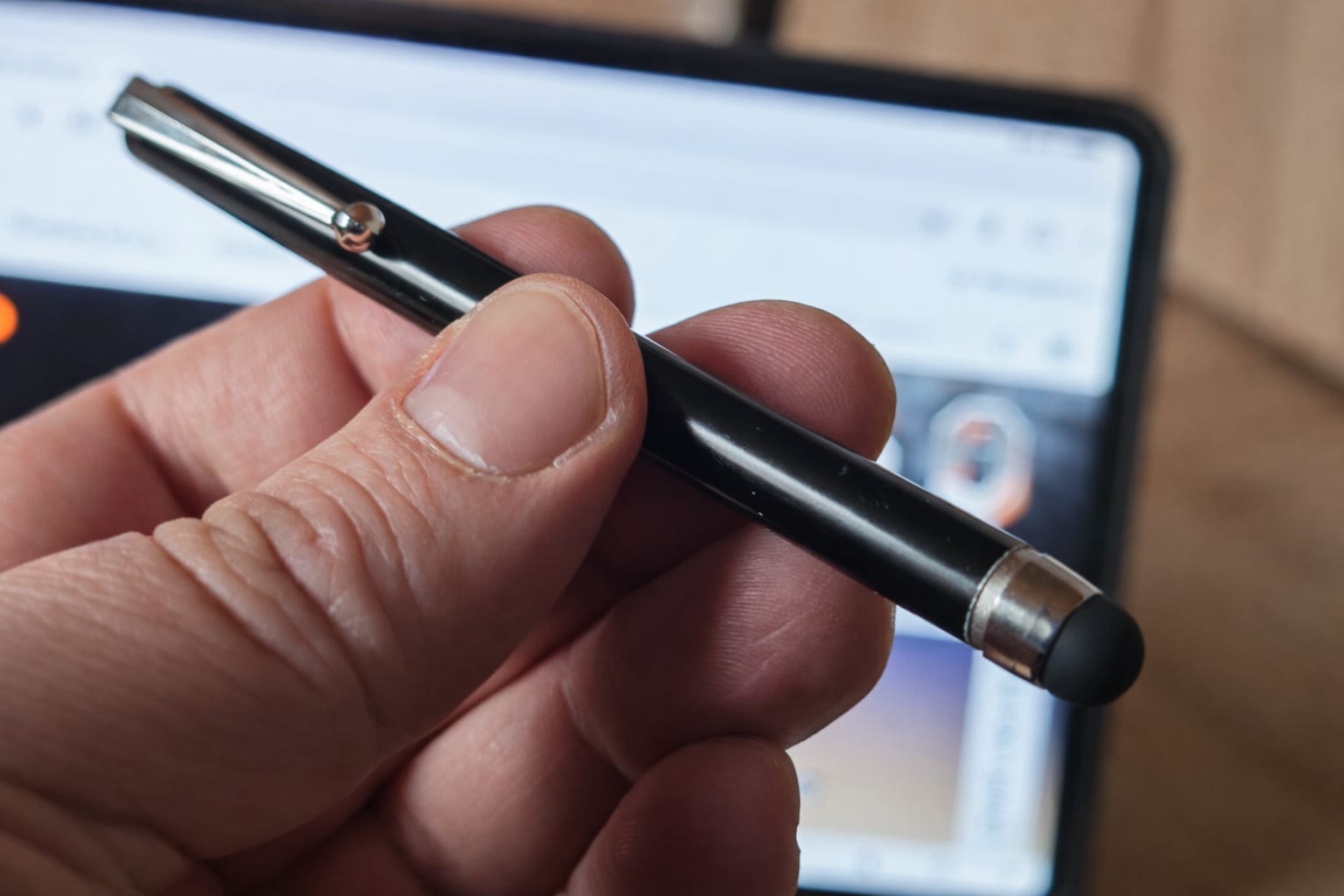
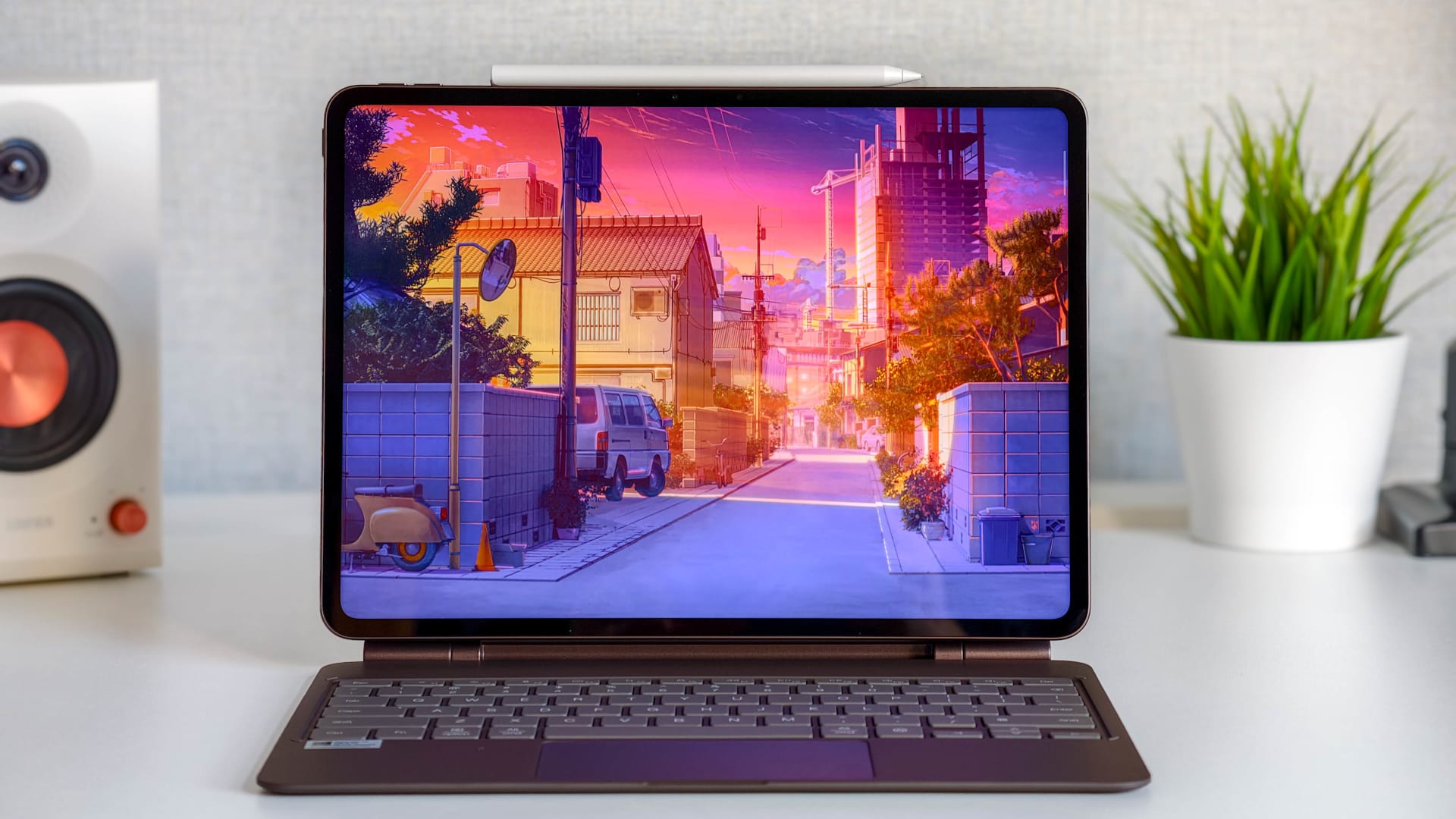
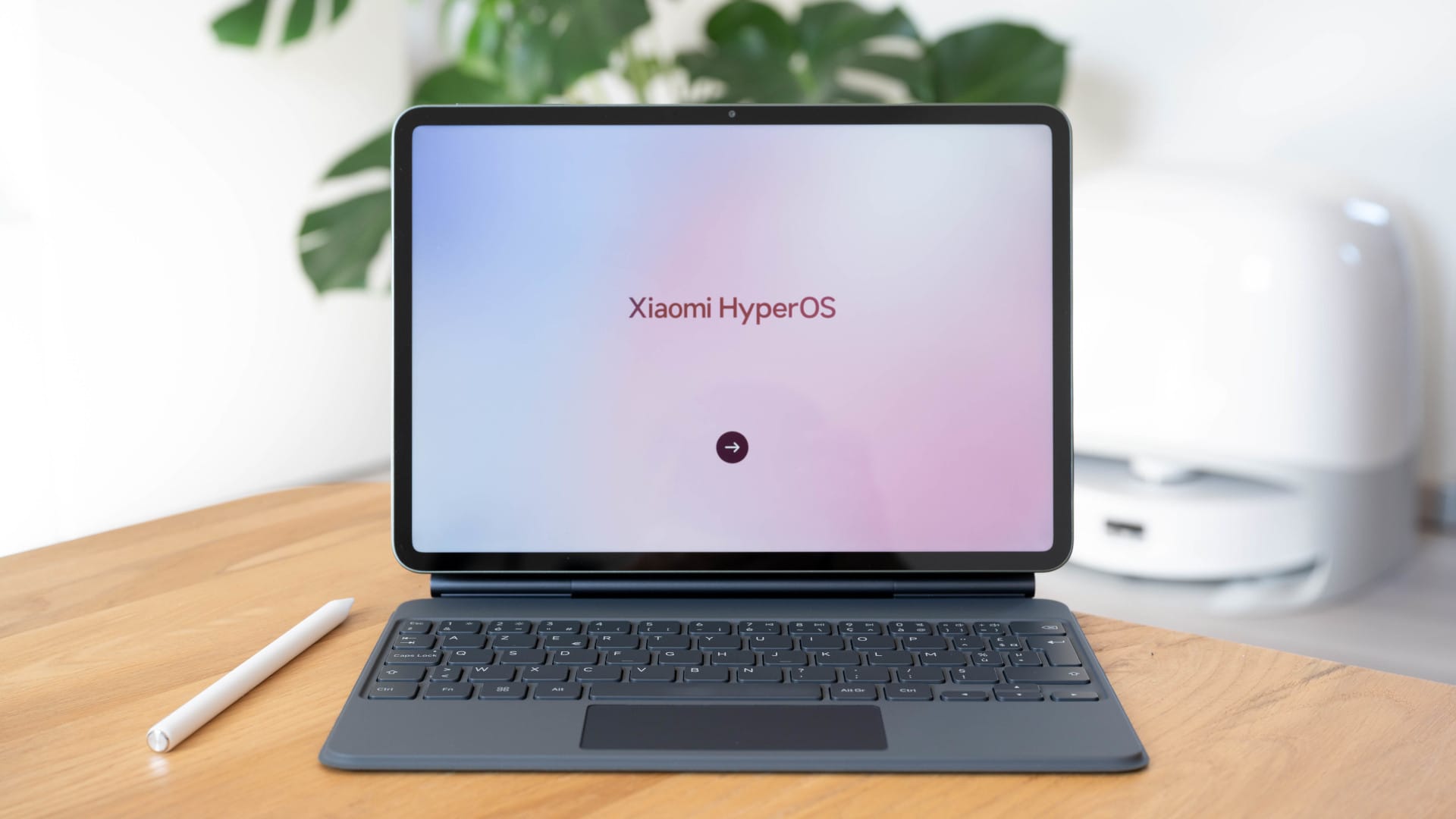
The optional accessories are a different story. The keyboard, stylus and mouse are made mostly of cheap plastic and feel noticeably less well made. The keyboard in particular offers neither the stability nor the typing feel of higher-quality alternatives, and therefore does not quite match the solid impression made by the tablet itself. The stylus is also just a passive stylus with a rubber tip and no functionality whatsoever.
Despite its size, the tablet remains easy to transport and is perfectly suitable for mobile use. However, its weight becomes noticeable when holding it for extended periods. The Pad 200 really comes into its own in landscape orientation on a desk or paired with a keyboard and mouse, where it feels more like a compact laptop replacement.

Display
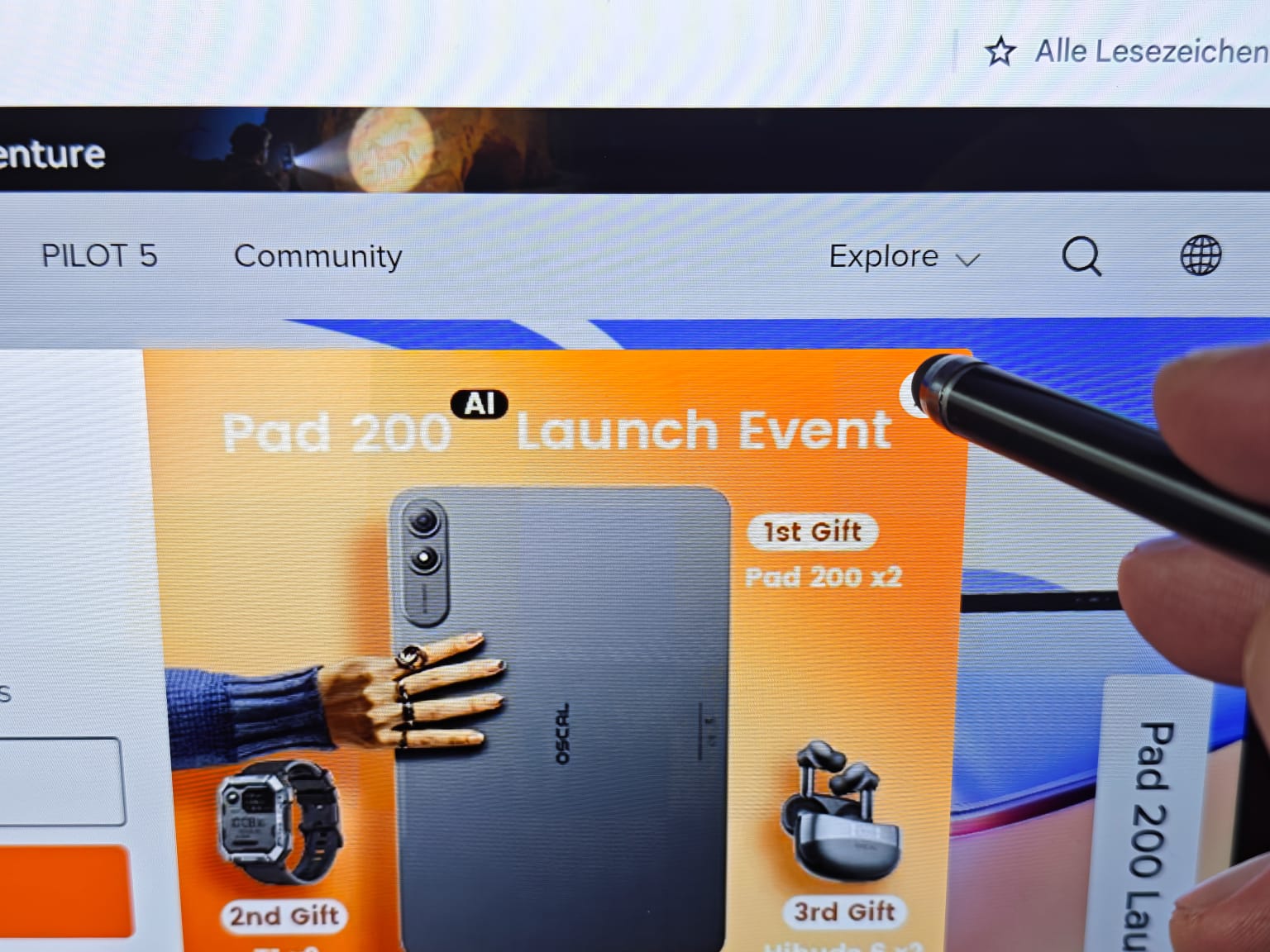
The Pad 200's key feature is its 13.4-inch IPS display with a resolution of 1200 × 1920 pixels. Its pixel density is lower than that of high-end premium tablets, but proves more than adequate for everyday use. Text is sharp, UI elements look clean, and even extended work sessions remain comfortable. Colours lean towards the cool side, and brightness could be better.
One of its positive features is the 120 Hz refresh rate, which, combined with 240 Hz touch sampling and the fully laminated TDDI panel, delivers a noticeably smoother user experience. Scrolling, multitasking and animations feel significantly smoother than on conventional 60 Hz tablets in this price range.
The display is also well suited to extended use. TÜV SÜD certification for reduced blue light, along with various eye comfort modes, helps reduce eye strain. Even after several hours, the image remains comfortable to view and easy on the eyes.
Compared with a typical 10-inch tablet, the Pad 200 offers around 76 percent more usable display area, which is particularly noticeable in split-screen scenarios, document editing and research.

Multimedia and audio
Thanks to Widevine L1 certification, the Pad 200 supports 1080p streaming on Netflix, Prime Video and Disney+. Picture quality remains stable, with no automatic downscaling.
The speakers deliver balanced sound. Voices are clear, the treble is clean and the bass is naturally limited, but sufficient for TV series, videos and occasional gaming. The audio performance is average for a tablet in this price range.
Cameras
The camera setup is functional. There is a 16 MP sensor on the back and an 8 MP camera on the front, both capable of recording 1080p video.
The quality is sufficient for video calls, online lessons, document scans and the occasional photo. Colours look natural and detail is rendered well; sharpness falls off as expected in low light. Features such as Face Unlock and Google Lens make it more useful in everyday life.
Performance and everyday use
At its heart is the Unisoc Tiger T7280, an octa-core SoC with two Cortex-A75 cores and six Cortex-A55 cores, paired with a Mali-G57 GPU. Its performance places it in the lower mid-range.
In everyday use, the system feels stable and smooth. Apps launch quickly, multitasking remains controlled, and simple games run smoothly with reduced detail settings. The 120 Hz display makes a noticeable contribution to the perceived speed.
The 6 GB of RAM can be expanded virtually, which improves system performance, particularly when many apps are running at the same time. The internal storage of 128 or 256 GB can be expanded by up to 2 TB using a microSD card, which is by no means a given in this device class.
Connectivity includes Wi-Fi 5, Bluetooth 5.0 and dual-SIM support, as well as full 4-in-1 navigation with GPS, GLONASS, Galileo and BeiDou, making the Pad 200 versatile on the go.

Software: DokeOS 5.0
DokeOS 5.0 is based on Android 16 and is one of the Pad 200's strongest selling points. The interface is uncluttered, stable and functional.
There is a PC Mode 3.0, which offers freely resizable windows, a dock, simultaneous app use and fast switching between tablet and desktop views. Paired with a keyboard and mouse, it creates a surprisingly productive working environment for office tasks, research and email management.
Split-Screen 2.0, a revamped control center and context-based notifications round out the positive impression. Privacy features such as Private Space and app locks are also sensibly integrated. OSCAL has not said how long it will provide Android updates!
AI features
OSCAL also integrates an extensive AI platform with Doke AI 2.0. The combination of DeepSeek-R1, ChatGPT-4o mini and Gemini enables voice assistants, text and image generation, summaries, translations and creative tools.
Apps such as Hi Doki, ImageX, VidGen and Soundle are less aimed at professionals, but offer real added value for school, university and creative applications without pushing themselves intrusively into the foreground. You can use them, but you don't have to. All the apps mentioned require a subscription to access their full range of features.
Battery and battery life
The 8300 mAh battery provides solid battery life, making it easy to get through a full working day with mixed use (office work, streaming and web browsing). Screen-on time is around 7 hours. Smart power-saving modes help optimise standby time.
Charging is at 18 watts. That is adequate, but not particularly fast, and takes around 4 hours. Charged overnight, the tablet is ready to use again the next day.
Price and variants
The OSCAL Pad 200 is available in two storage variants, which are otherwise technically identical. Both models feature the same 13.4-inch 120 Hz display, Unisoc Tiger T7280 processor, 6 GB of RAM, DokeOS 5.0 based on Android 16, and identical contents in the box.
The only difference is the internal storage. Both models support storage expansion up to 2 TB via microSD card.
- OSCAL Pad 200 (128 GB storage)
Suitable for users with moderate app and media needs, or those who mainly use cloud storage.
Amazon link: OSCAL Pad 200 128 GB version - OSCAL Pad 200 (256 GB storage)
Suitable for users who want to keep lots of apps, offline content or larger media files directly on the device.
Amazon link: OSCAL Pad 200 256 GB version
Our verdict
The OSCAL Pad 200 stands out above all for its unusually large display and a well-rounded package clearly designed for productivity and media consumption. The 13.4-inch 120 Hz panel offers noticeably more workspace than conventional tablets and, together with PC Mode 3.0, makes for a surprisingly productive user experience. Especially when paired with a keyboard and mouse, the tablet can be put to good use in everyday life as a laptop replacement for office tasks, research and communication.
The system also makes a stable impression in everyday use. Apps launch quickly, multitasking remains manageable and storage expansion via a microSD card adds further flexibility. Battery life is easily enough for a full working day, while Widevine L1 and solid speakers also make the tablet appealing for streaming and entertainment.
Users will have to accept compromises primarily in display brightness, raw system performance and the build quality of the accessories. The keyboard, stylus and mouse feel less well made and do not quite live up to the otherwise solid tablet. Charging speed and the unclear update policy also somewhat detract from the overall impression.
Despite this, the OSCAL Pad 200 offers strong value for money given its price. If you are looking for a large tablet for productive work, study or media consumption and can do without high-end performance, this is a versatile, practical everyday device that stands out from smaller and often more expensive alternatives.
Specifications
General
- Model
- OSCAL Pad 200
- Colors
- Space Grey, Glacier Blue
- Price (current)
- 269,99 €
- Dimensions
- 309.41 × 201.49 × 7.9 mm
- Weight
- approx. 750 g
Display
- Panel
- 13.4-inch FHD IPS
- Resolution
- 1200 × 1920 pixels
- Refresh rate
- 120 Hz
- Touch sampling rate
- 240 Hz
- Screen-to-body ratio
- approx. 90%
- Eye protection
- TÜV SÜD Low Blue Light (according to the manufacturer)
Performance
- SoC
- Unisoc Tiger T7280 (octa-core)
- CPU layout
- 2× Cortex-A75 up to 2.2 GHz + 6× Cortex-A55 up to 1.8 GHz
- GPU
- Mali-G57 (up to 850 MHz, according to the manufacturer)
Storage
- RAM
- 6 GB (virtual expansion possible, according to the manufacturer)
- Internal storage
- 128 GB or 256 GB (depending on model)
- Expansion
- microSD/TF up to 2 TB
Software
- System
- DokeOS 5.0 (based on Android 16)
- Features (excerpt)
- PC Mode 3.0, Split Screen 2.0, Notebook 2.0 (according to the manufacturer)
Cameras
- Main camera
- 16 MP
- Front camera
- 8 MP
- Video
- 1080p (according to the manufacturer)
Audio
- Speakers
- Dual BOX Speaker with Smart-K (according to the manufacturer)
- DRM/streaming
- Widevine L1, 1080p streaming (according to the manufacturer)
Battery & charging
- Battery capacity
- 8300 mAh
- Charging
- 18 W
Connectivity
- Wi-Fi
- Wi-Fi 5
- Bluetooth
- 5.0
Mobile network & SIM
- Slot
- Dual (2× SIM or 1× SIM + 1× TF)
- 2G
- 850/900/1800/1900
- 3G
- B1/B8
- 4G
- B1/B3/B7/B8/B19/B20/B28A/B28B/B40/B41
Navigation
- GPS, GLONASS, Galileo, BeiDou
What’s included
1x OSCAL Pad 200 1x protective case 1x keyboard 1x mouse 1x passive stylus 1x screen protector 1x charger 1x USB data cable 1x wired headphones 1x SIM eject tool 1x user manual
Price comparison
| Store | Price | Link |
|---|
Comments