Contents
REDMAGIC 10 Pro: Design and Build Quality
Gaming first is the motto of the REDMAGIC 10 Pro, without falling into typical gamer clichés in terms of design. With 163.4 x 76.1 x 8.9 mm and 229 grams, it feels substantial in the hand, but that gives it the necessary stability for gaming. If you are looking for an ultra-light smartphone, this is not for you. But if you value a robust build that feels high-quality, this is exactly your thing.
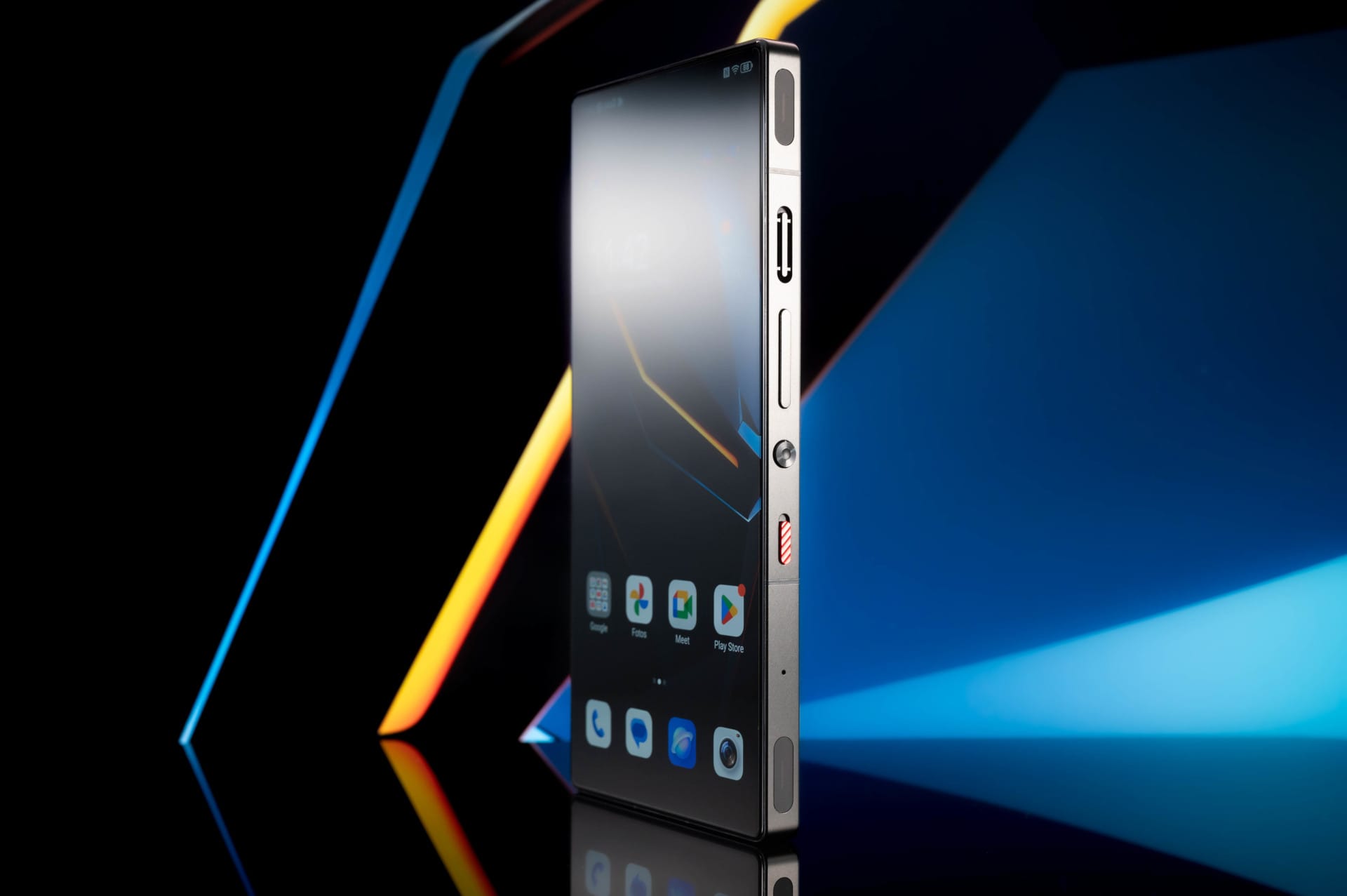
The front is almost entirely taken up by the display, surrounded by bezels just 1.25 mm thin, without a notch or punch-hole. The under-display camera remains invisible, so nothing disturbs the view. The bezel-less view is particularly beneficial for gaming; no distractions, just pure display.
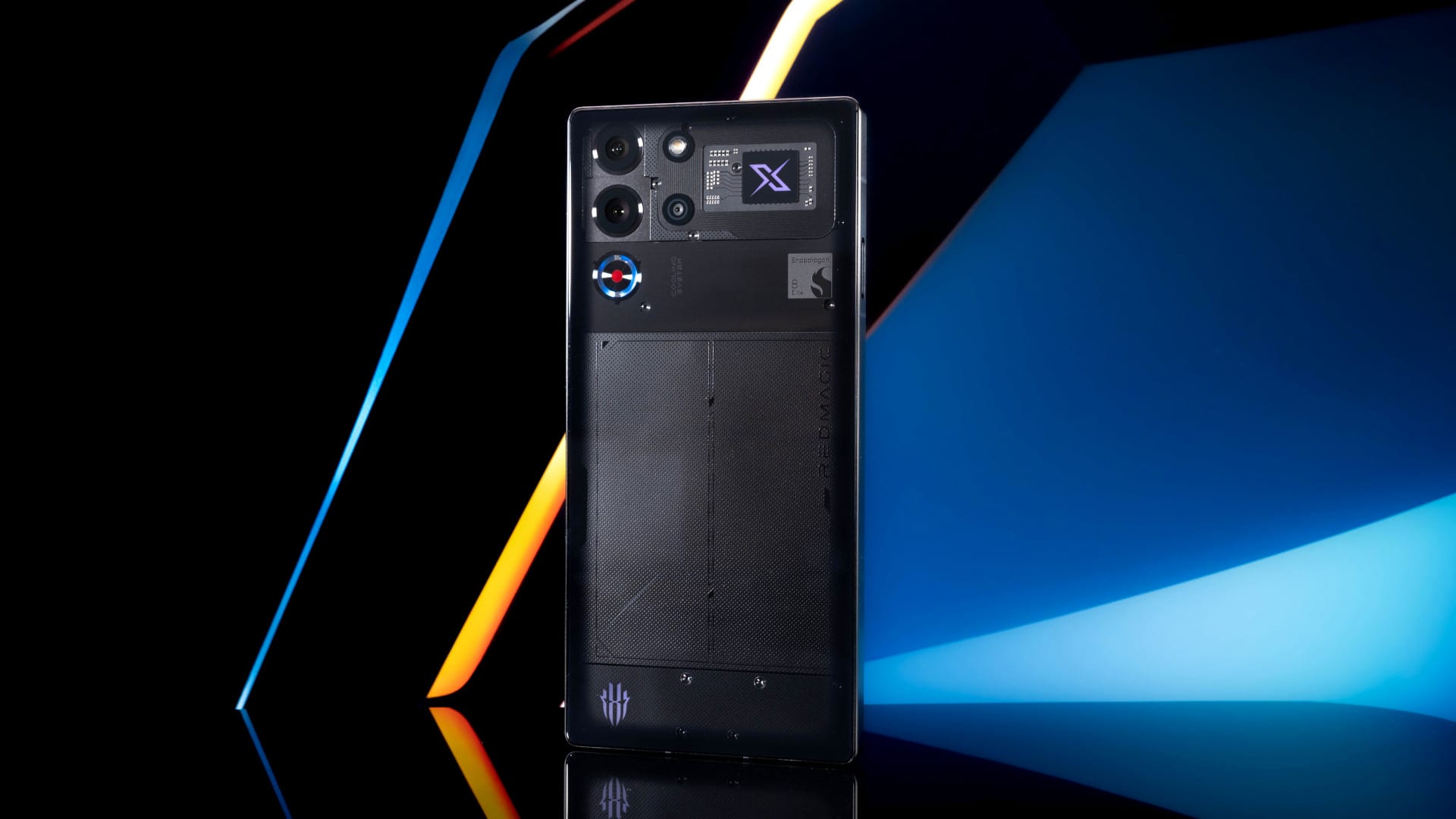
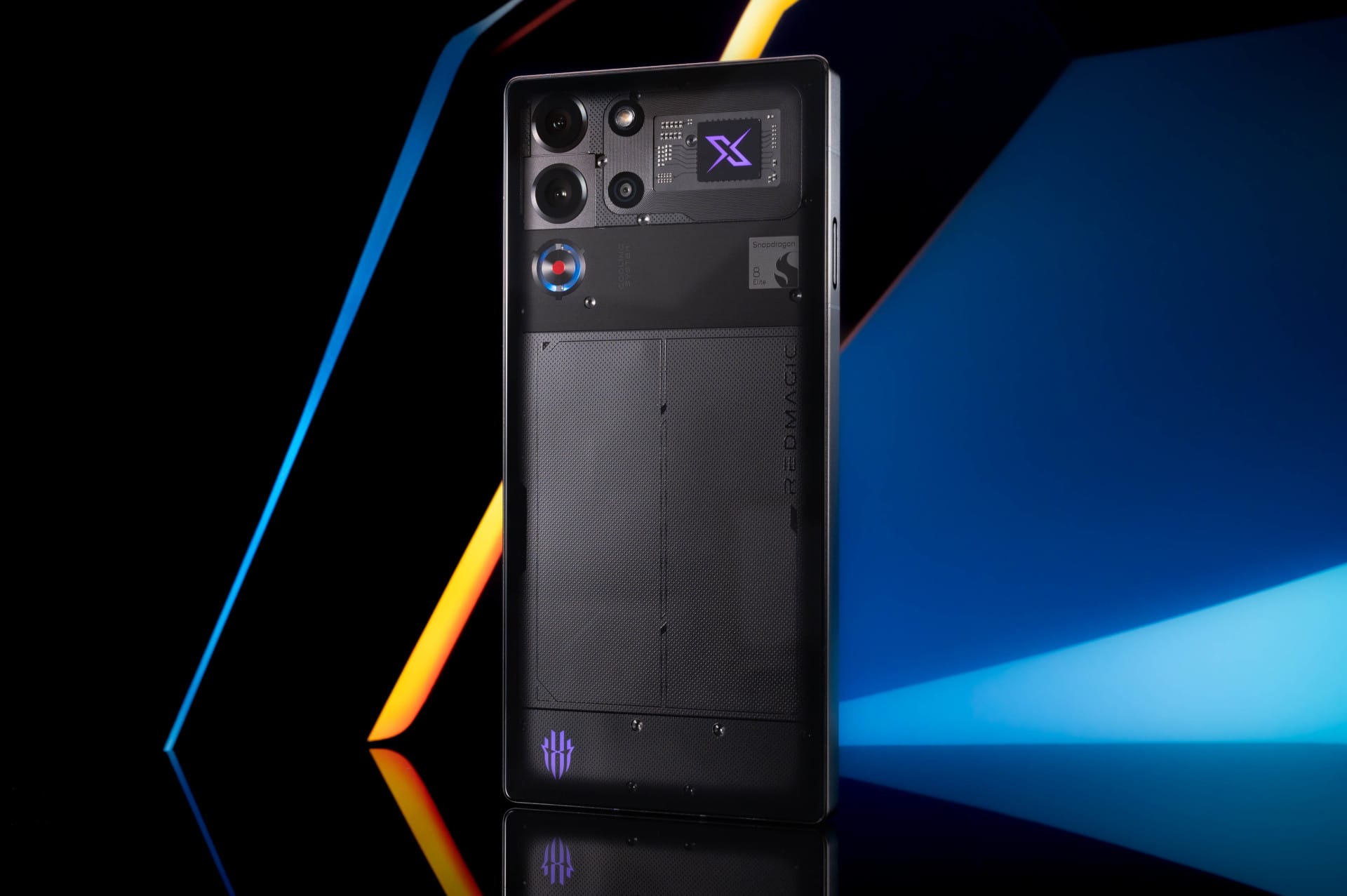
The back of our test device in the colour "Dusk" is more playful than the front. The transparent glass surface shows enough to make the design appear exciting without going overboard. Screws, metal accents, and the illuminated REDMAGIC logo are subtle but effective.
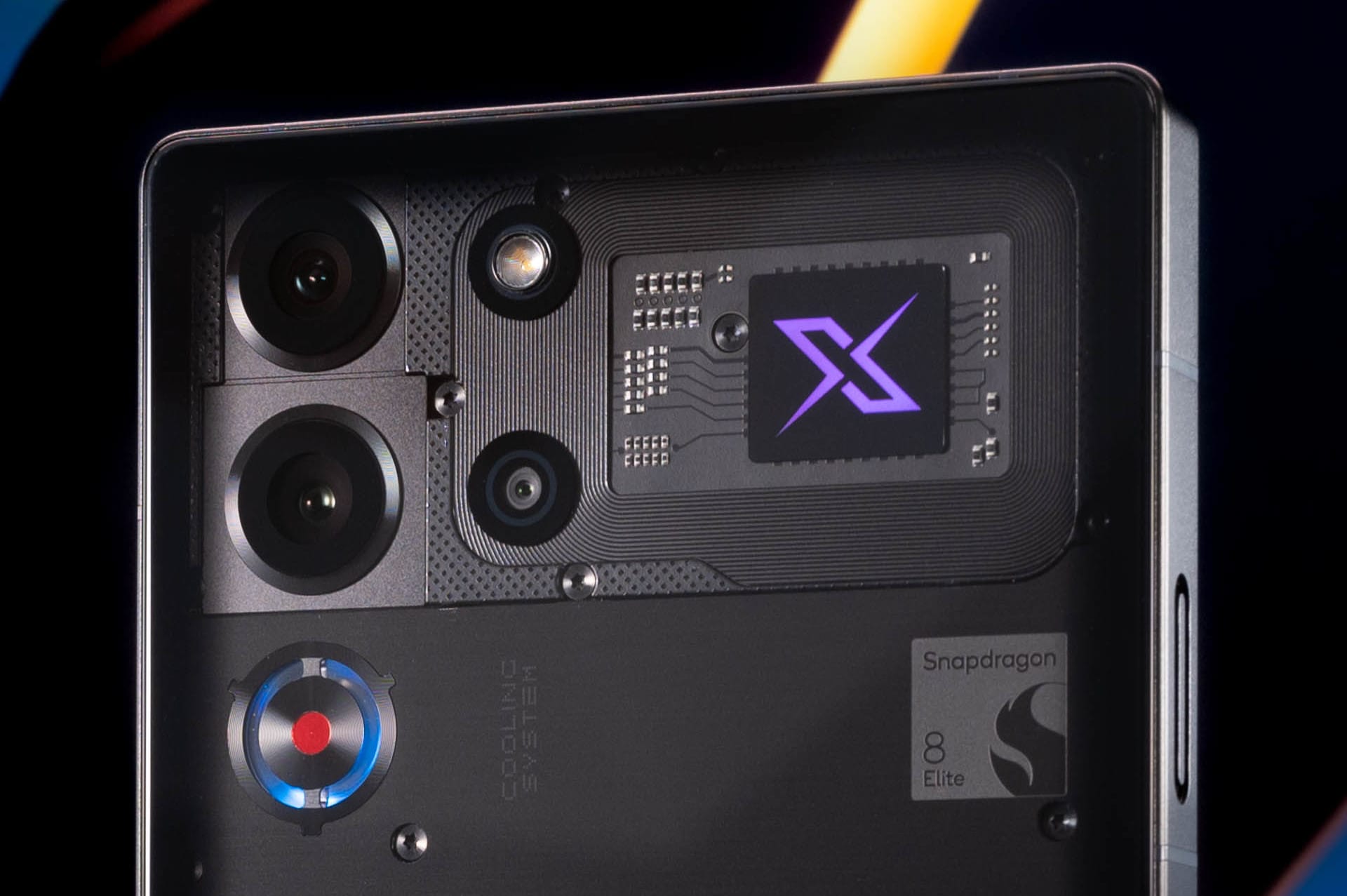
A softly glowing fan and an illuminated X in the top right provide just the right dose of gaming aesthetics without slipping into clichés. However, the open fan design comes at a price. There is no official IP certification, so be careful if the Energy is standing on your desk.
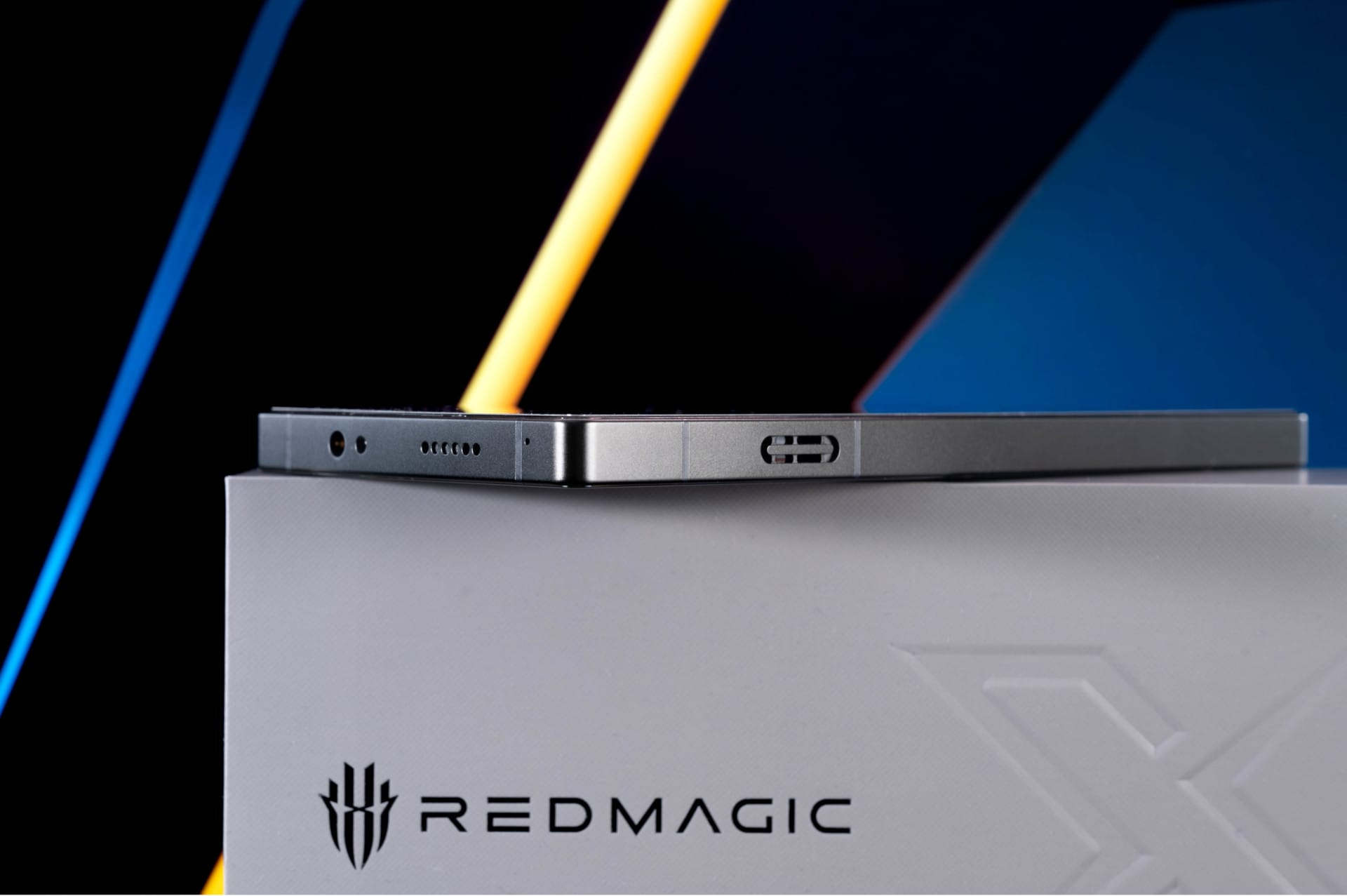
The programmable capacitive triggers on the edge of the housing are a genuine gaming feature. They operate with a fast sampling rate of 520 Hz and are conveniently placed. REDMAGIC remains consistent with the 3.5 mm jack port as well, offering a welcome option for those who prefer wired headsets.
REDMAGIC 10 Pro: Display
The 6.85-inch AMOLED display of the REDMAGIC 10 Pro provides crisp sharpness with 2688 x 1216 pixels and a pixel density of 430 ppi. Content is displayed razor-sharp, and colours appear vivid and rich.
With up to 2000 nits in automatic mode, the display ensures that everything remains clearly visible even in bright sunlight. I tested the device outdoors on a sunny winter day, and the readability was excellent, without distracting reflections or guesswork with dark content. Manually, it manages at least 1060 nits, which is more than enough for most indoor scenarios.
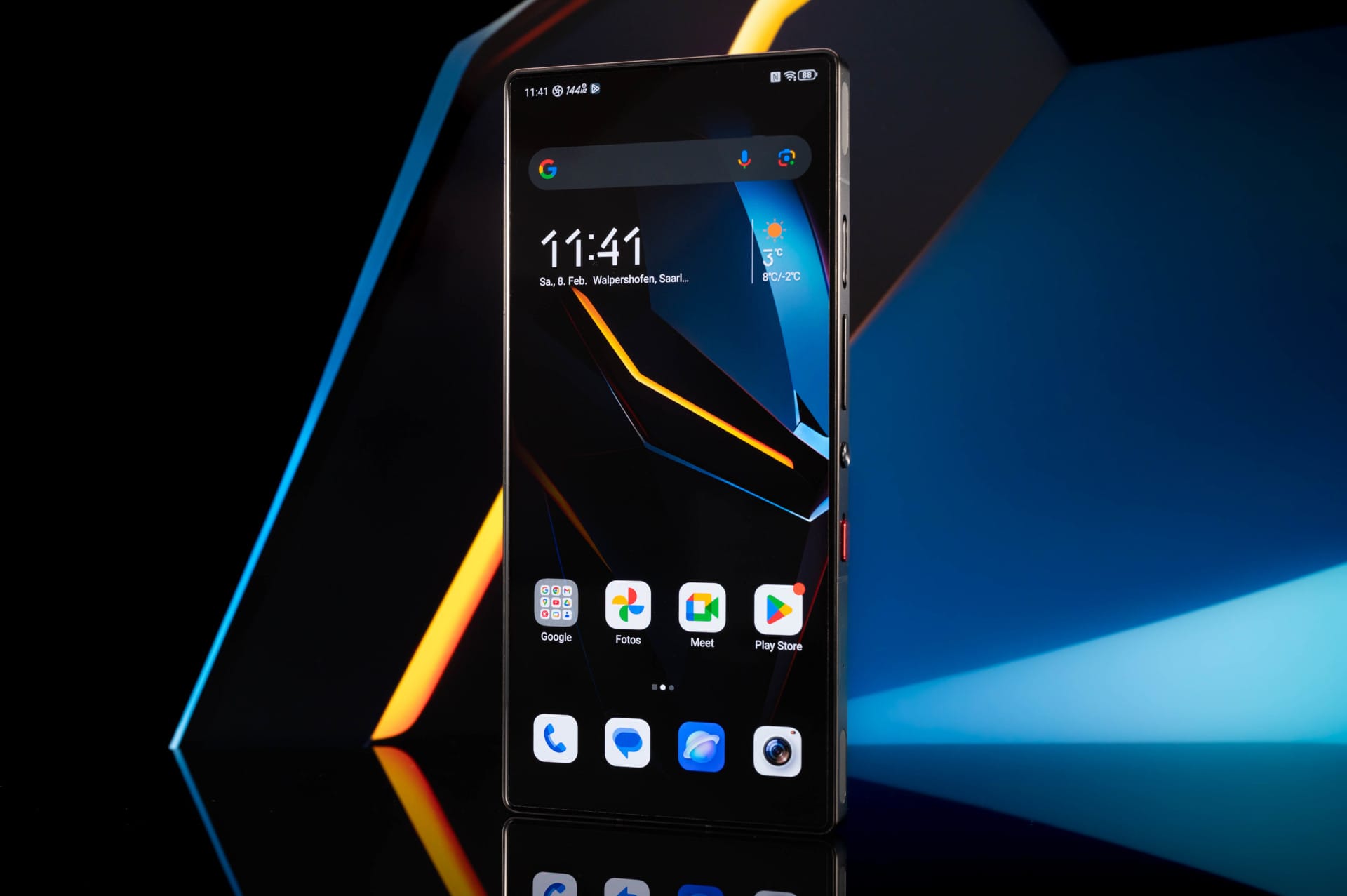
Animations are buttery smooth thanks to the 144 Hz refresh rate, and fast movements – whether in Genshin Impact or PUBG – look absolutely fluid. Those who want to save energy can set the frequency to 60 Hz, 90 Hz or 120 Hz or activate auto mode, which dynamically adjusts the frequency. The 960 Hz touch sampling rate also ensures lightning-fast input, which is a noticeable advantage especially in competitive matches.
Of course, the display is also optimised for multimedia fans. Thanks to HDR10+ and a 10-bit colour depth, series and films come into their own with vivid colours and rich contrast. HDR support ensures that dark scenes remain truly dark and bright highlights really shine.
A minor drawback: Netflix currently streams in SD quality only, even though Widevine L1 is available according to the DRM info! Let's hope for an update, as the display deserves better.
The Under-Display Camera (UDC) is at least invisible most of the time. Sometimes you can see it against certain colours (for example blue), but this barely bothers you. The full screen area without a distracting notch or punch hole is a real bonus, especially when gaming or streaming.
Another plus point are the eye-friendly modes such as dark mode, night light and reading mode. Those who read or game on the display for long periods in the evening will appreciate this.
REDMAGIC 10 Pro: Performance and software
Powered by Qualcomm's Snapdragon 8 Elite and combined with up to 24 GB LPDDR5x RAM as well as UFS 4.1 storage, the REDMAGIC 10 Pro offers enormous power.
In benchmarks such as Geekbench 6 (3,173 points single-core), the smartphone shows what it is made of, and there is nothing to complain about graphically either. Games like Genshin Impact run smoothly at the highest settings with a constant 60 fps, and the device remains remarkably cool even during extended gaming sessions. The installed ICE-X cooling system with a 23,000 RPM fan is audible but not disturbing.
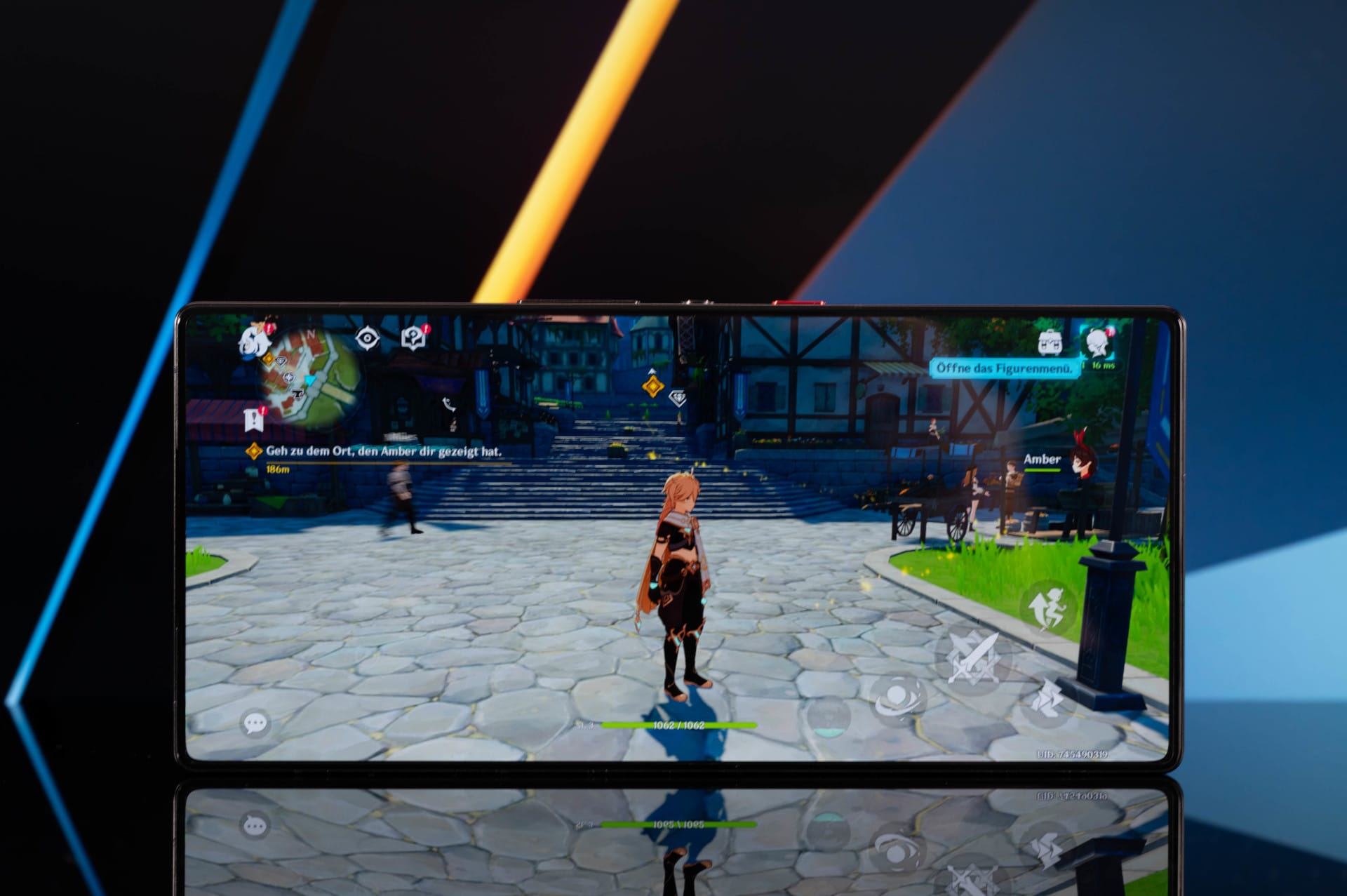
The storage options also leave nothing to be desired. From 12 GB RAM with 256 GB storage to impressive 24 GB RAM and 1 TB storage, there is plenty of space for games, videos, apps and more. In tests, the storage reached up to 4,120 MB/s read speed and 3,660 MB/s write speed, so apps load in no time.
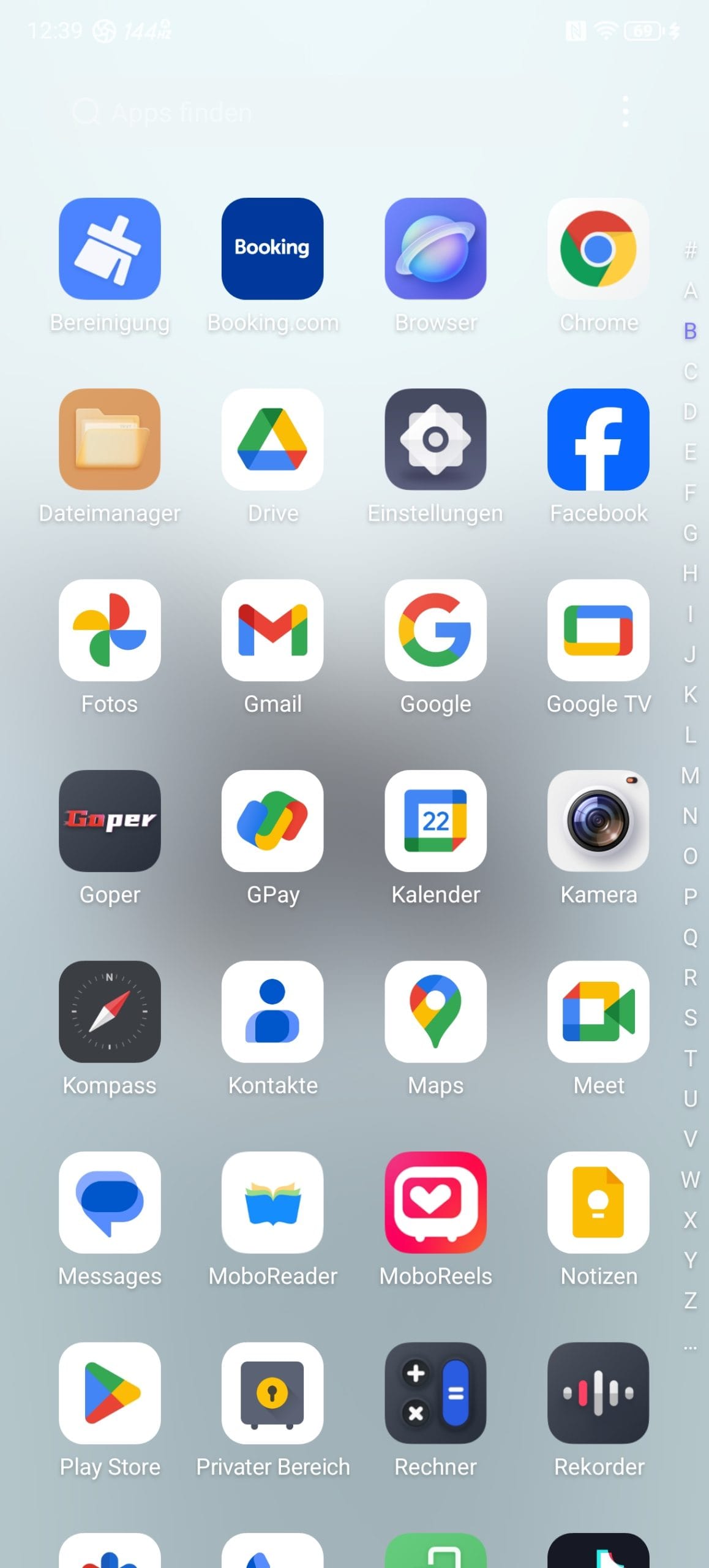
The software is based on Android 15 and comes with REDMAGIC OS 10, a heavily customised user interface. This is also the biggest difference to conventional flagship smartphones, as the system is clearly tailored for gamers.
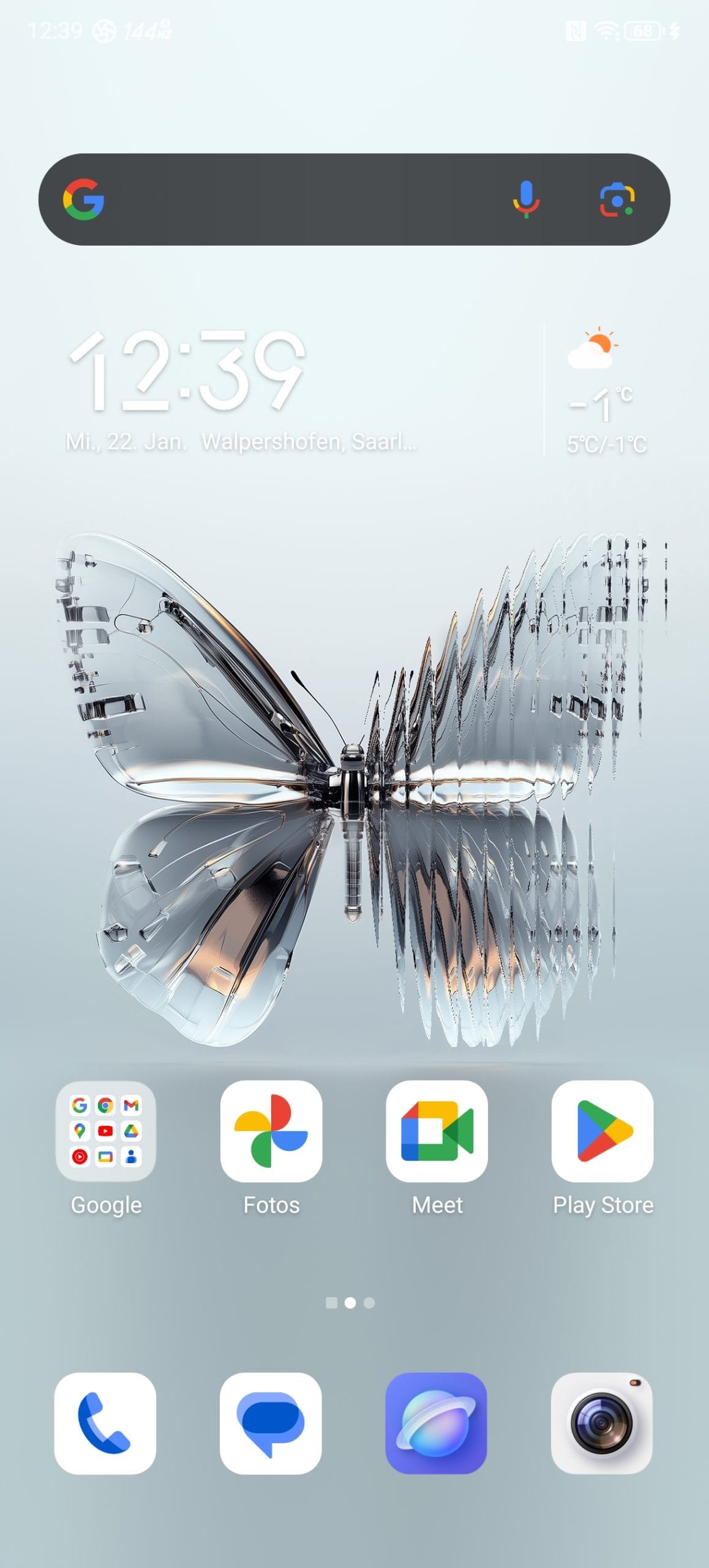
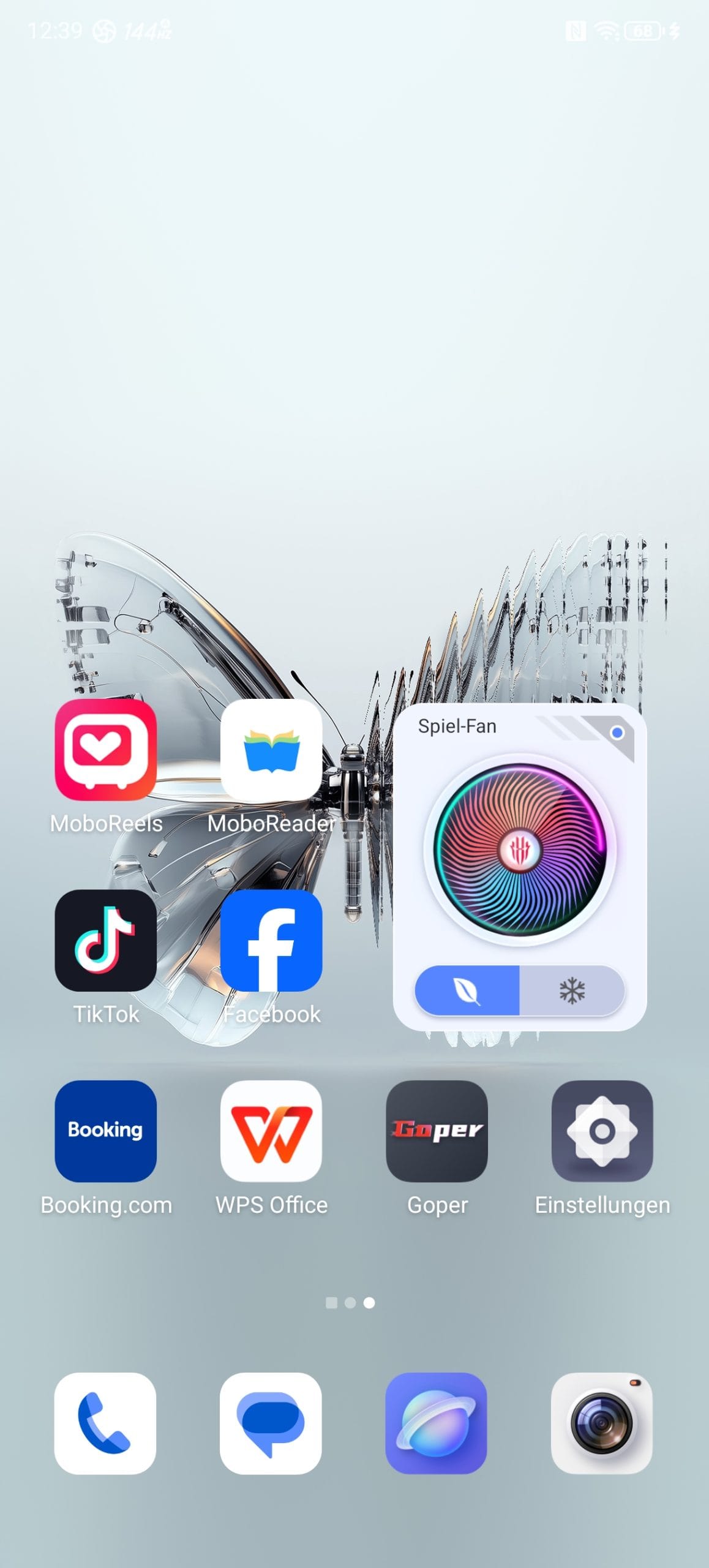
Via the Game Space, which is activated by a slider on the side, performance, FPS limits and touch settings can be individually adjusted for each game. Gaming plugins such as a crosshair for shooters, the hunt mode for better enemy visibility, or the X Gravity-Mode for mouse and joystick support provide clear advantages – almost at cheat level.
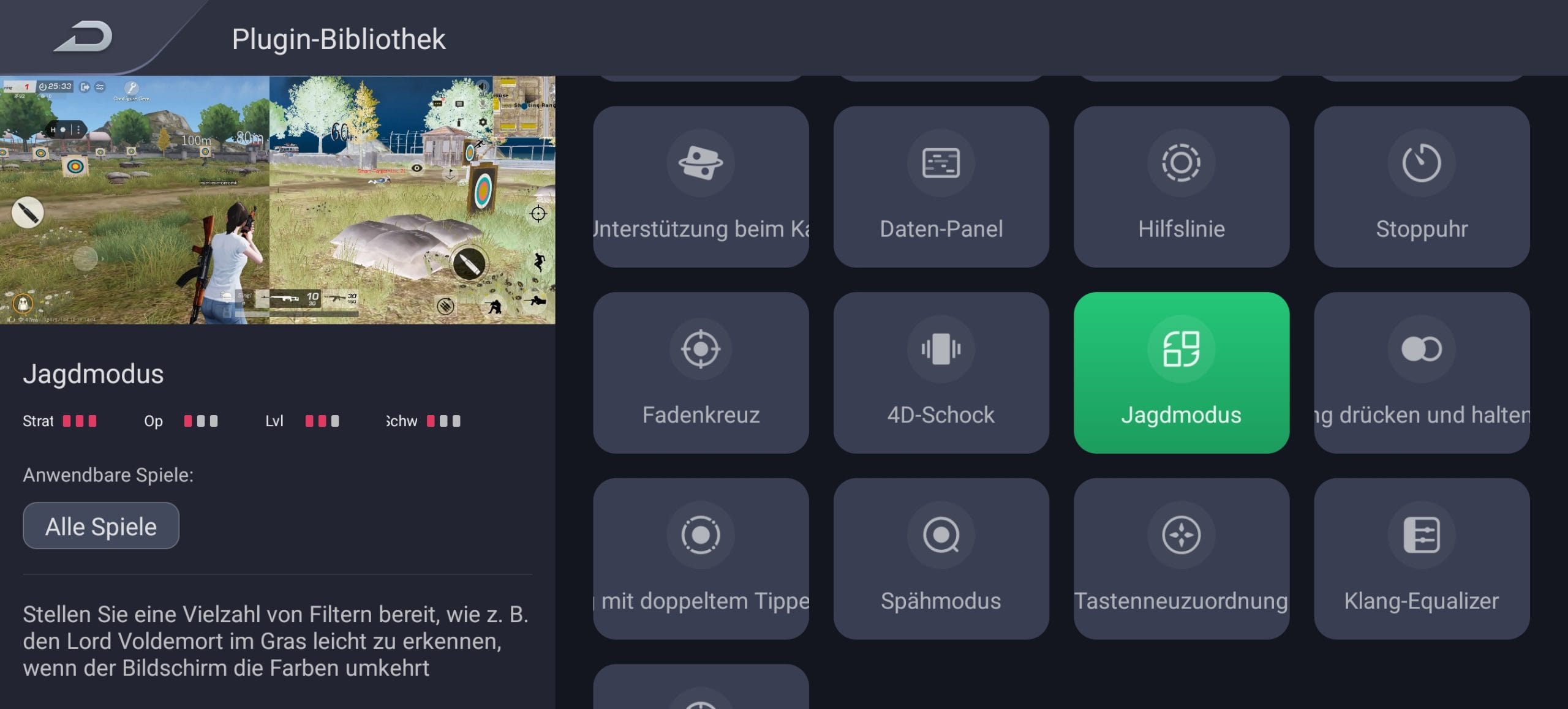
The integrated gaming hub also displays live data on CPU and GPU utilisation as well as FPS, which is particularly exciting for ambitious mobile gamers.
But not everything is perfect. Translation errors and an occasionally chaotic menu structure mar the impression. Additionally, there is a considerable amount of bloatware, i.e. many pre-installed apps that can mostly be moved directly to the digital trash bin.
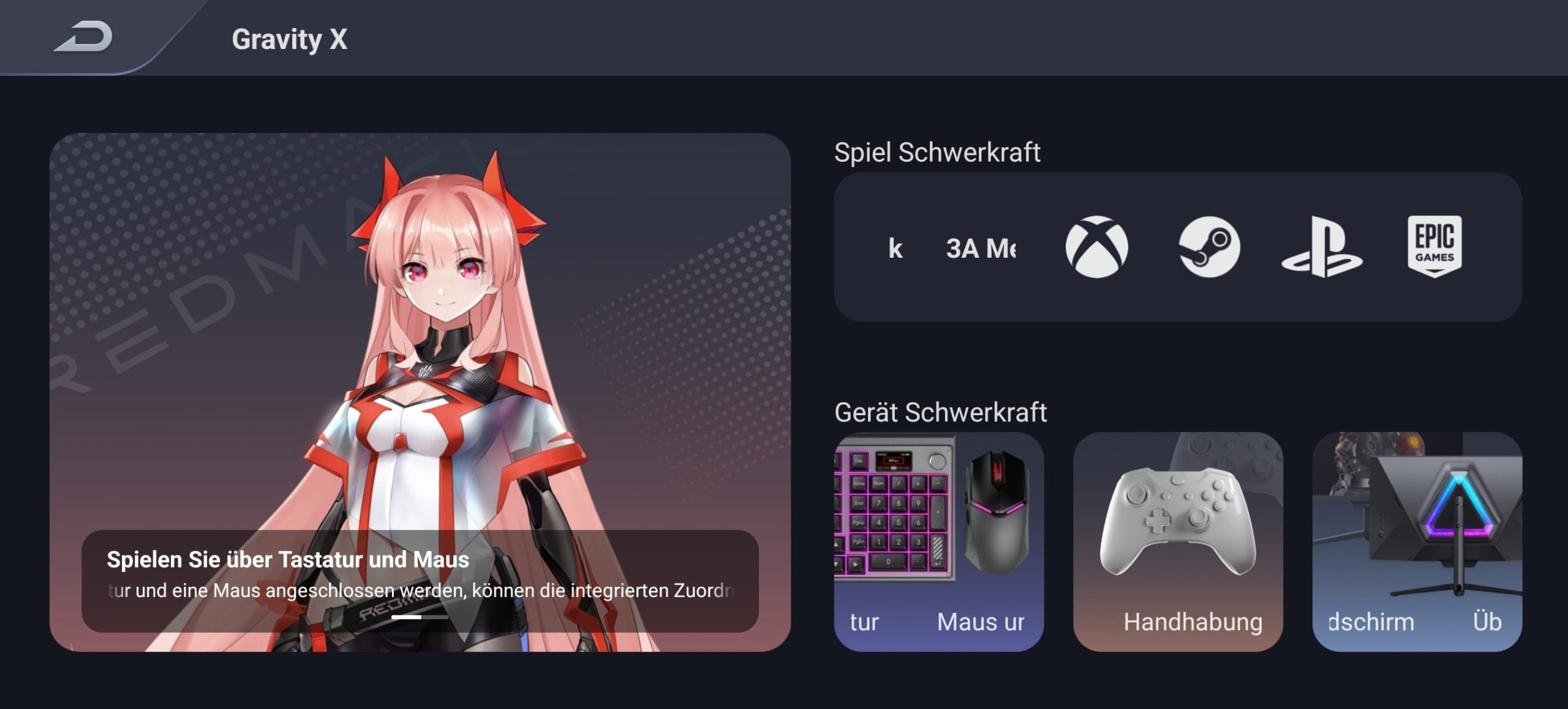
A major weak point is the update policy. The REDMAGIC 10 Pro only receives one Android upgrade (to Android 16) and three years of security updates. For a smartphone at this price point and performance level, this is disappointing. By comparison, a Google Pixel 9 offers seven years of update support!
REDMAGIC 10 Pro: Camera
The REDMAGIC 10 Pro is clearly positioned as a gaming smartphone, and this is evident in the camera. While the hardware with 50 MP sensors sounds promising on paper, in practice, the camera does not enjoy the same priority as the gaming features. Here is a brief overview of the technical specifications:
- Main camera: 50 MP, f/1.9, 1/1.5", 1.0µm, PDAF, OIS
- Ultra-wide-angle camera: 50 MP, f/2.2, 1/2.88", 0.61µm
- Macro camera: 2 MP, f/2.4
- Front camera: 16 MP, f/2.0, 1.12µm, Under-Display
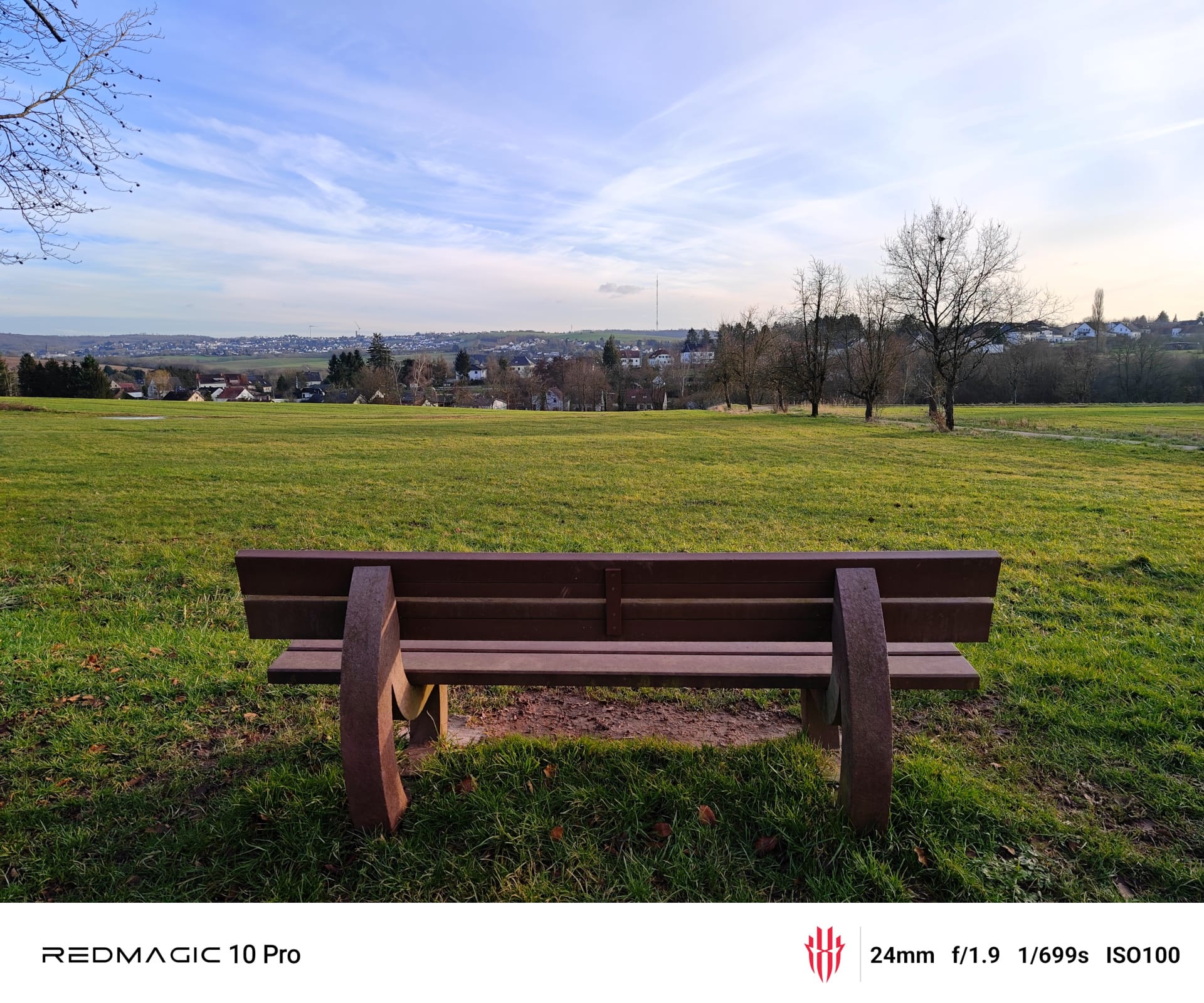
The 50 MP main camera with optical image stabilisation (OIS) delivers decent results in good light. Details are sharp, colours look vivid (sometimes perhaps a bit too vivid), and the dynamic range is sufficient. The camera is particularly convincing in static scenes, such as landscape shots. However, there are problems with high-contrast subjects. Highlights tend to blow out, and shadows swallow details.
In night mode, the main camera delivers better results than one might expect. Details are enhanced and brightness is noticeably improved. However, the naturalness of the photos suffers, as colours occasionally appear unnatural and light sources often blow out.
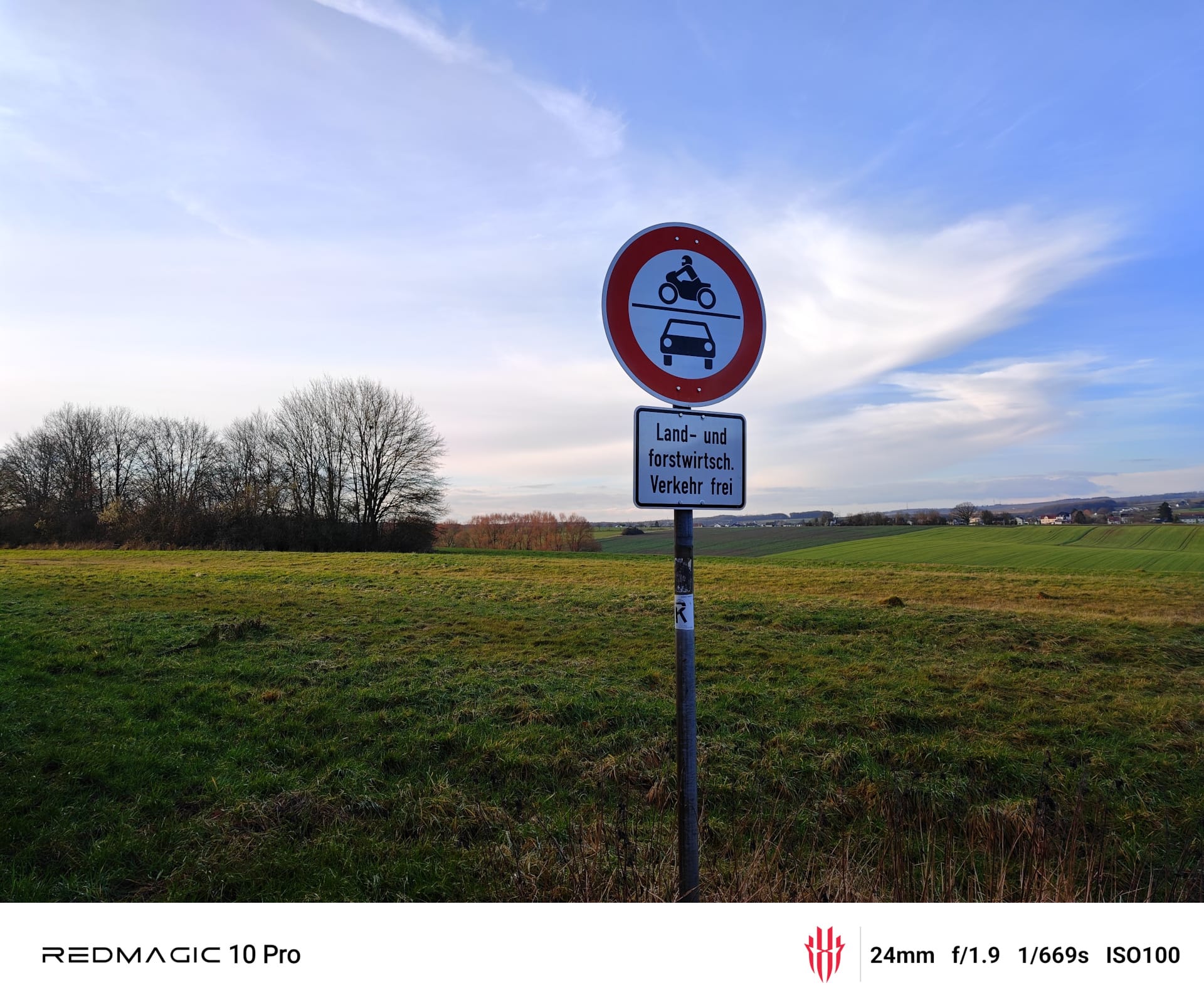
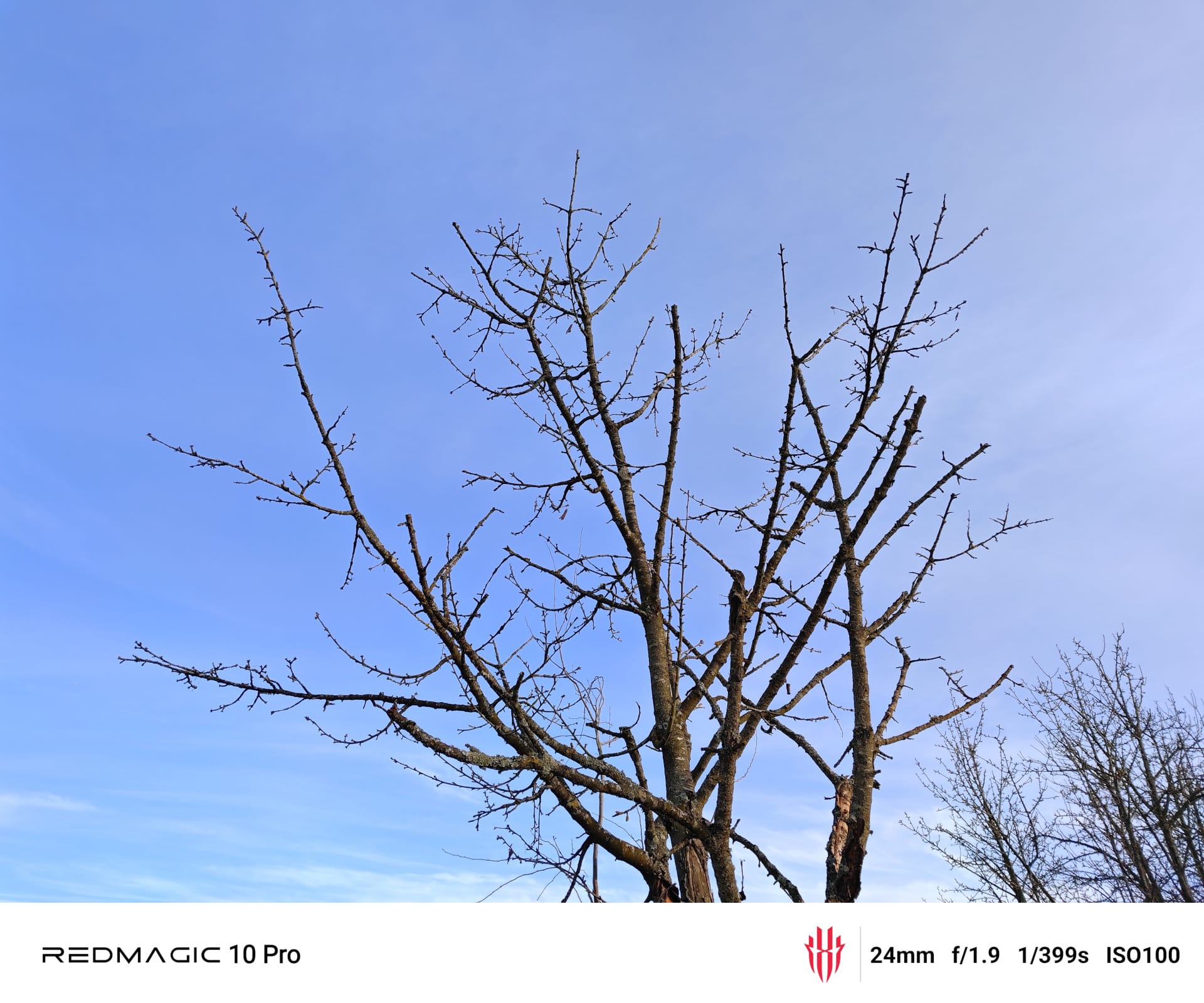
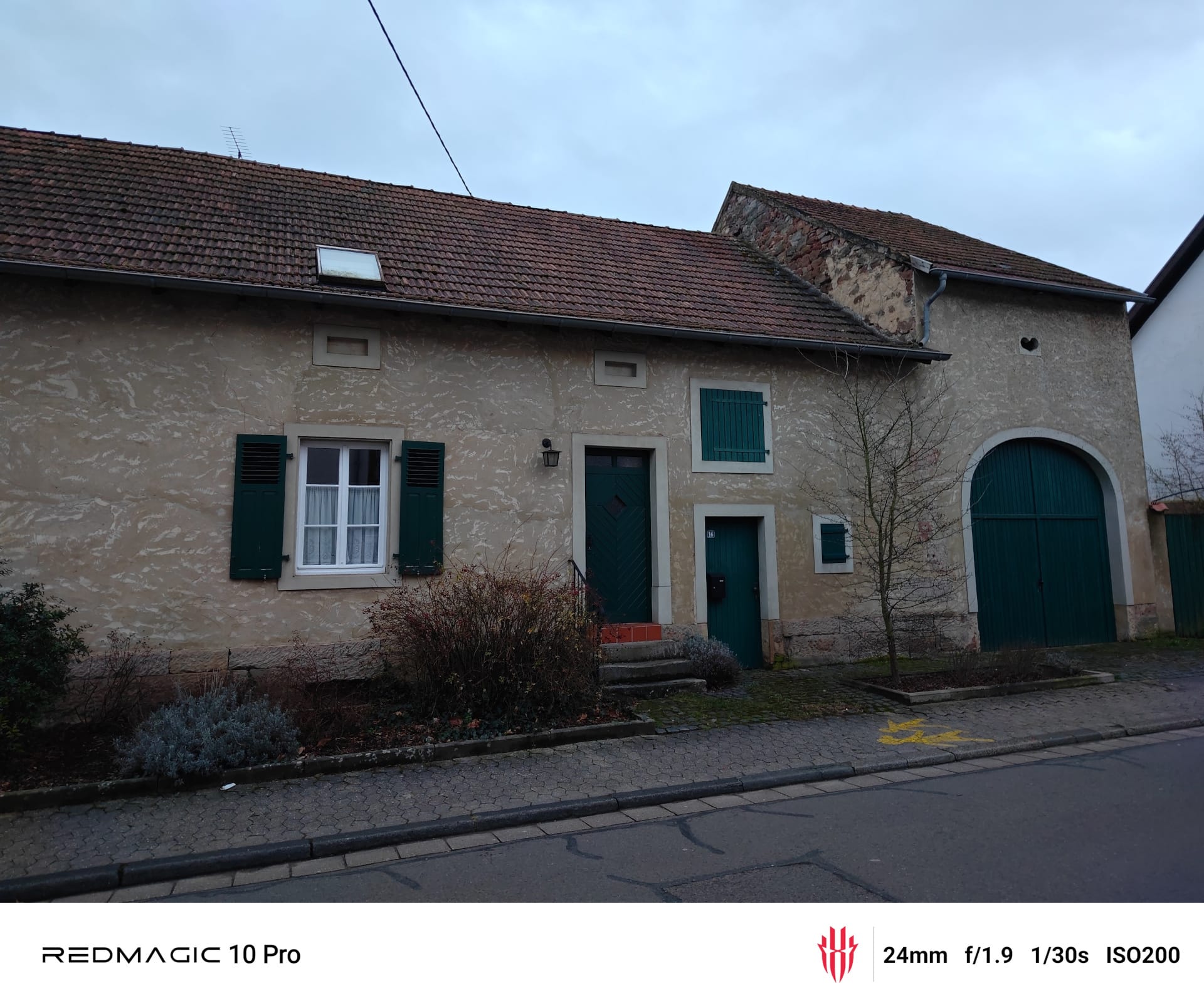
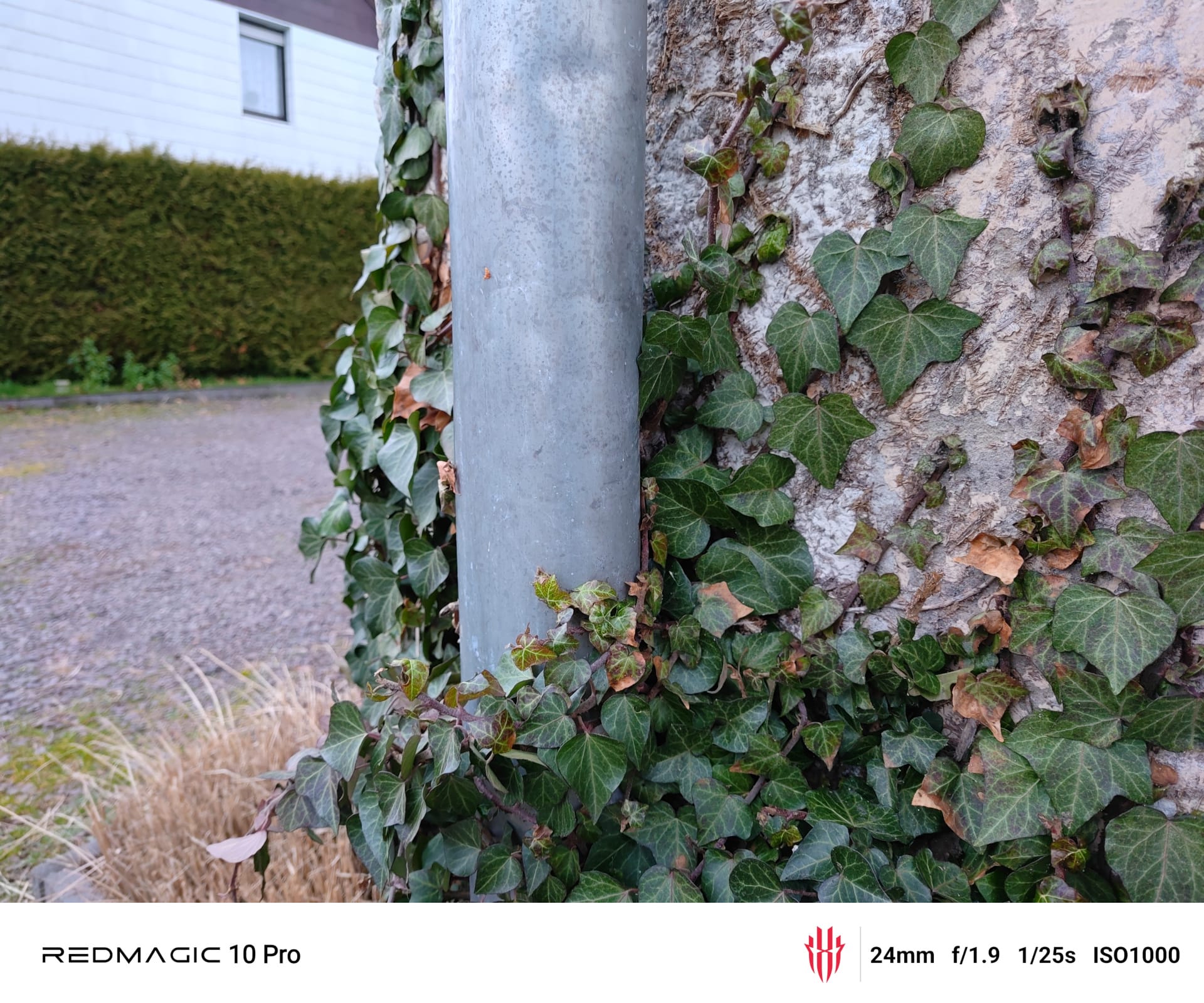
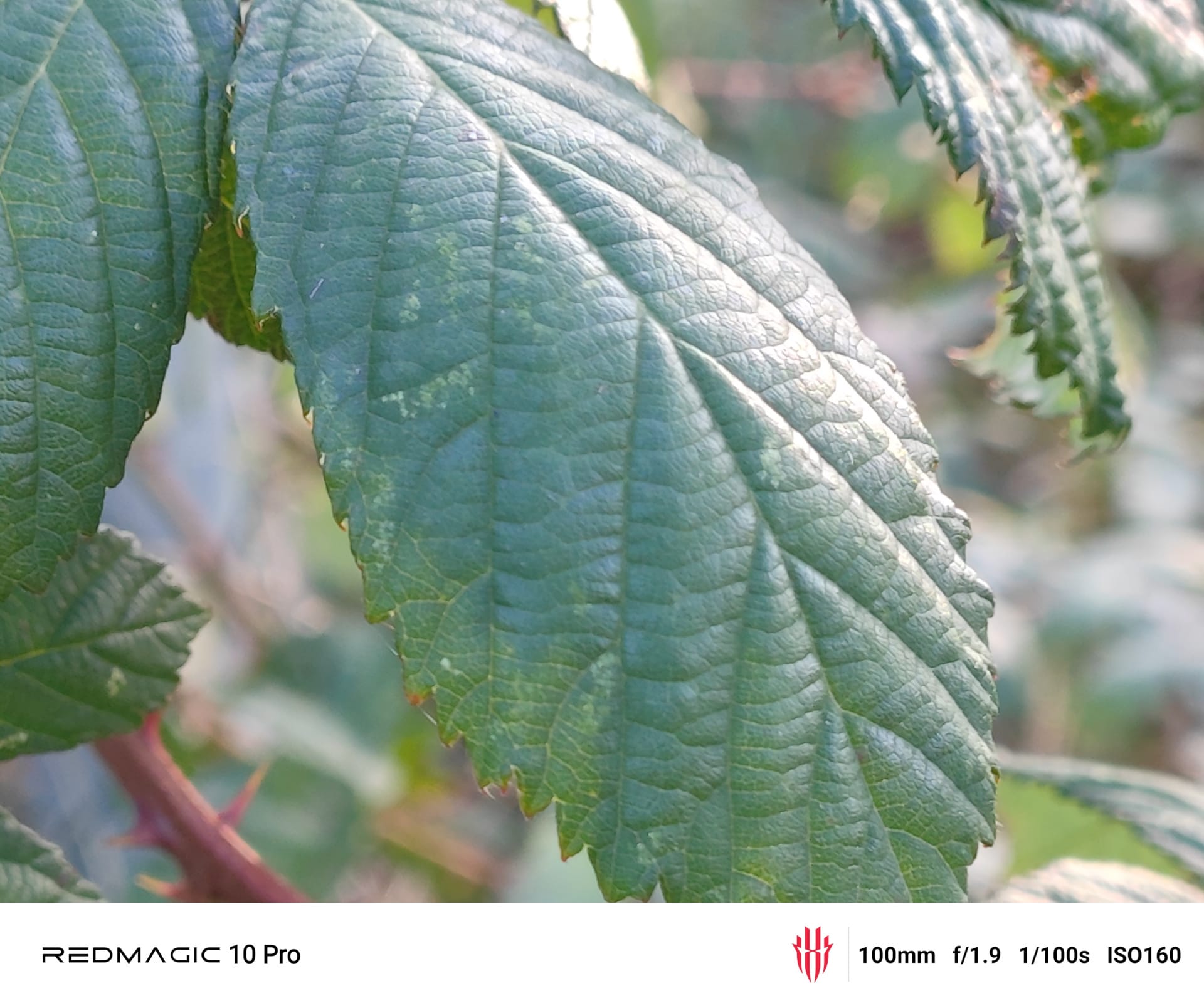
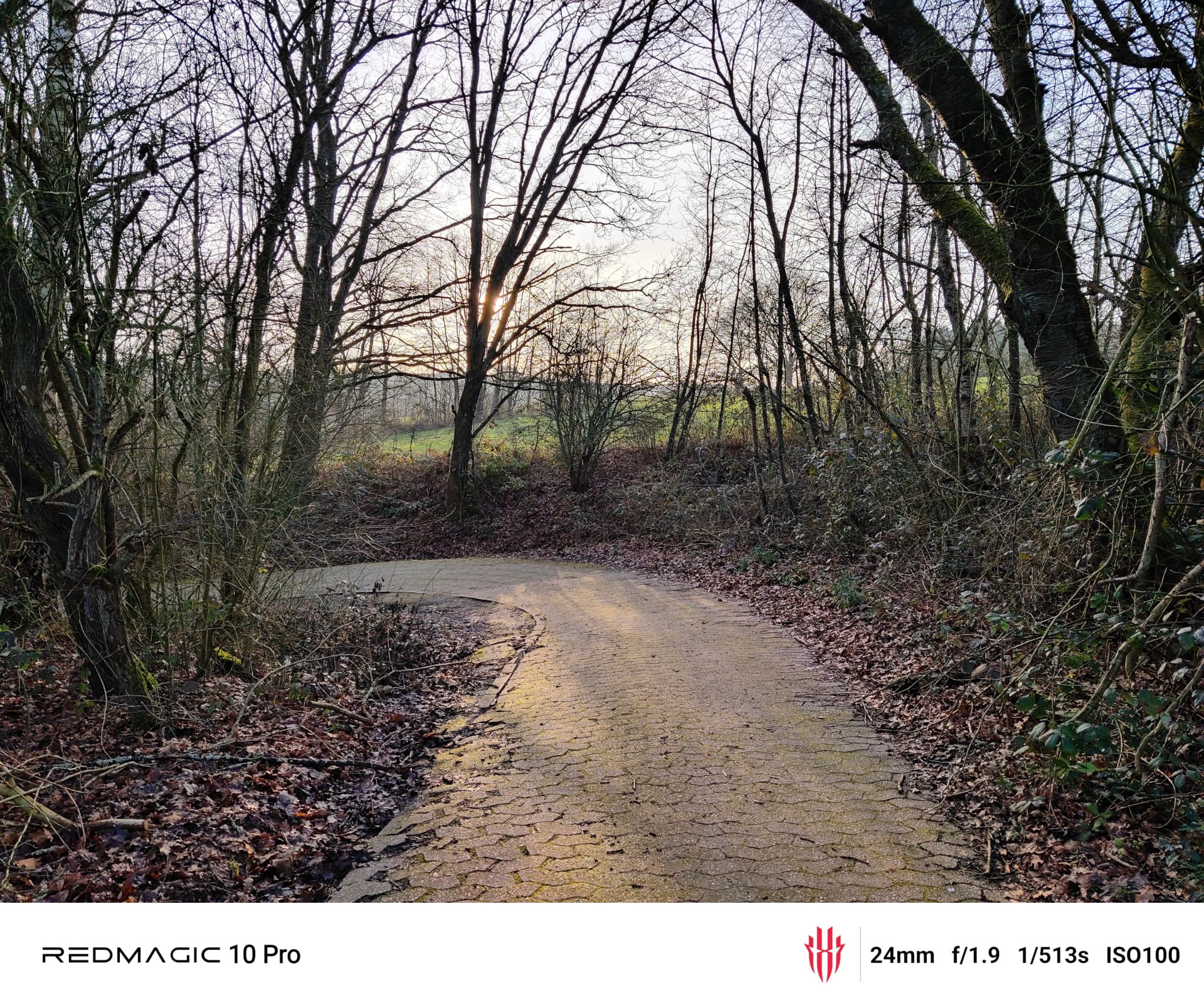

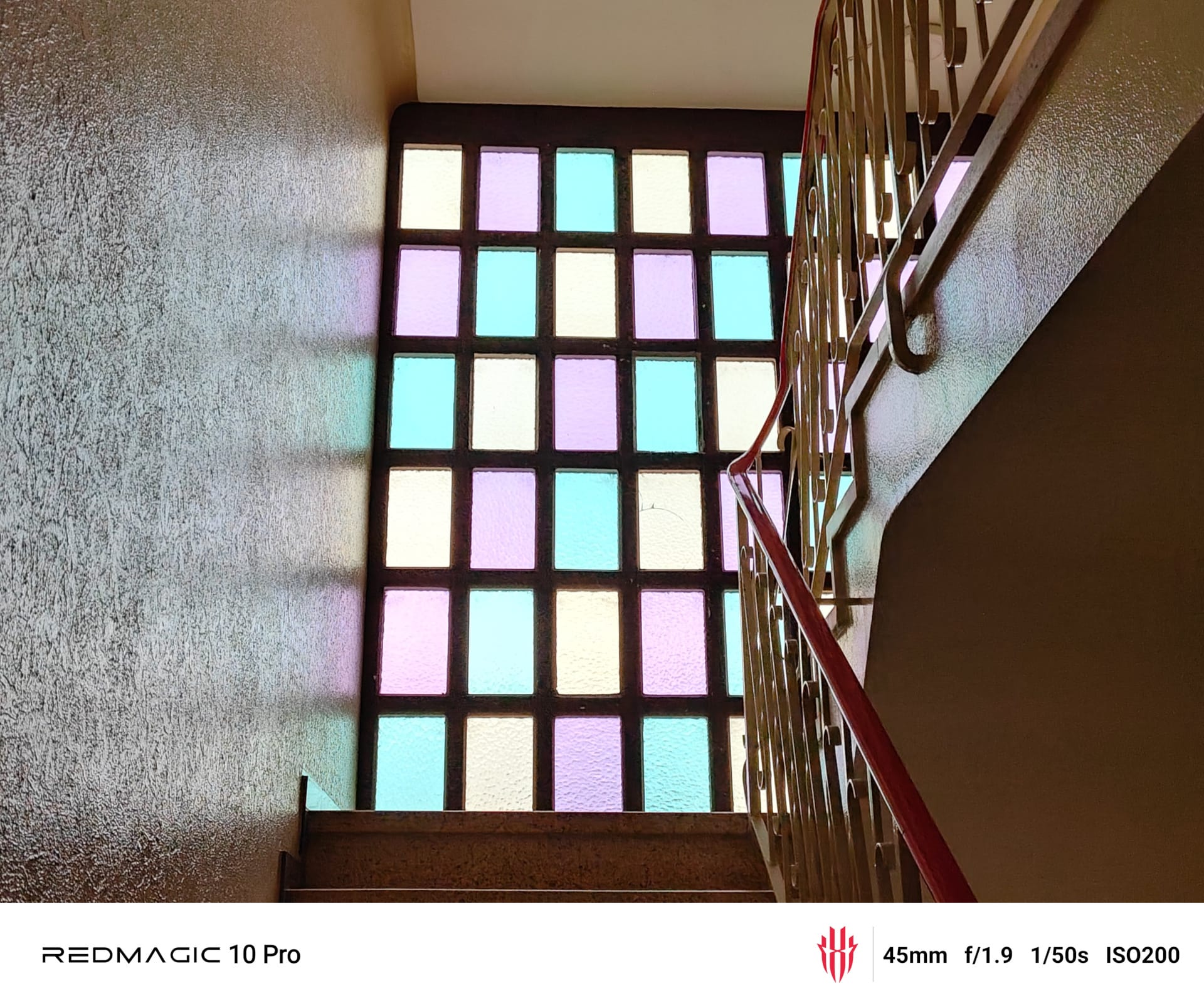

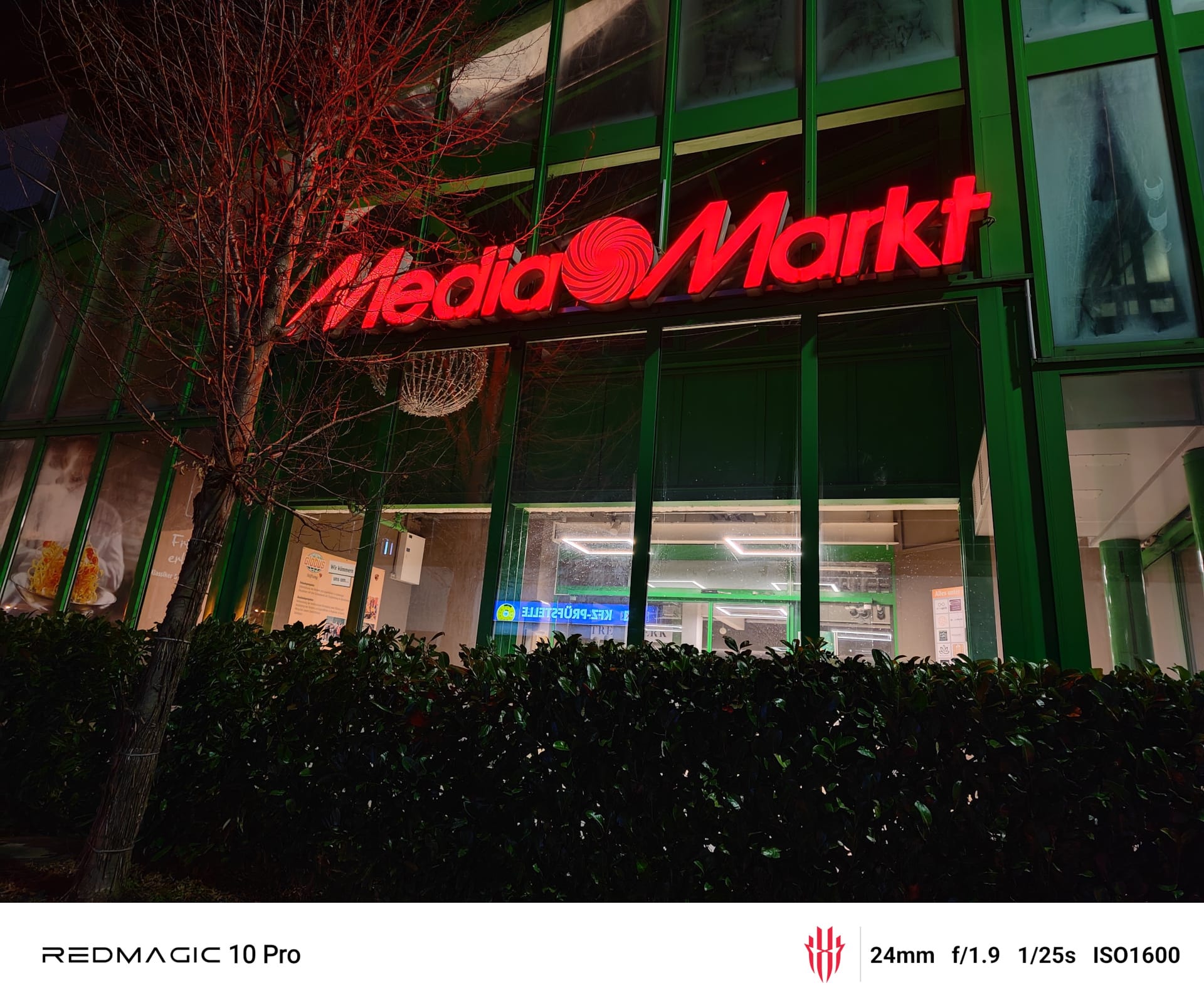

If you activate the 50 MP mode, you can extract more details from the photos, but at the expense of larger files and longer processing times. By default, the camera relies on pixel binning, which improves light sensitivity but slightly reduces image sharpness.
Videos are captured with the main camera in 8K at 30 fps or stabilised in 4K at 60 fps. The recordings are clear and smooth, particularly in 4K, where the optical image stabilisation does its work.
Unfortunately, the 50 MP ultra-wide-angle camera does not match the main camera. Details appear soft and there is visible distortion at the edges, despite correction algorithms. Colours are more realistic in some situations, but sometimes somewhat pale. These weaknesses become even more pronounced at night. There is a lack of sharpness and dynamic range and the images quickly look noisy.

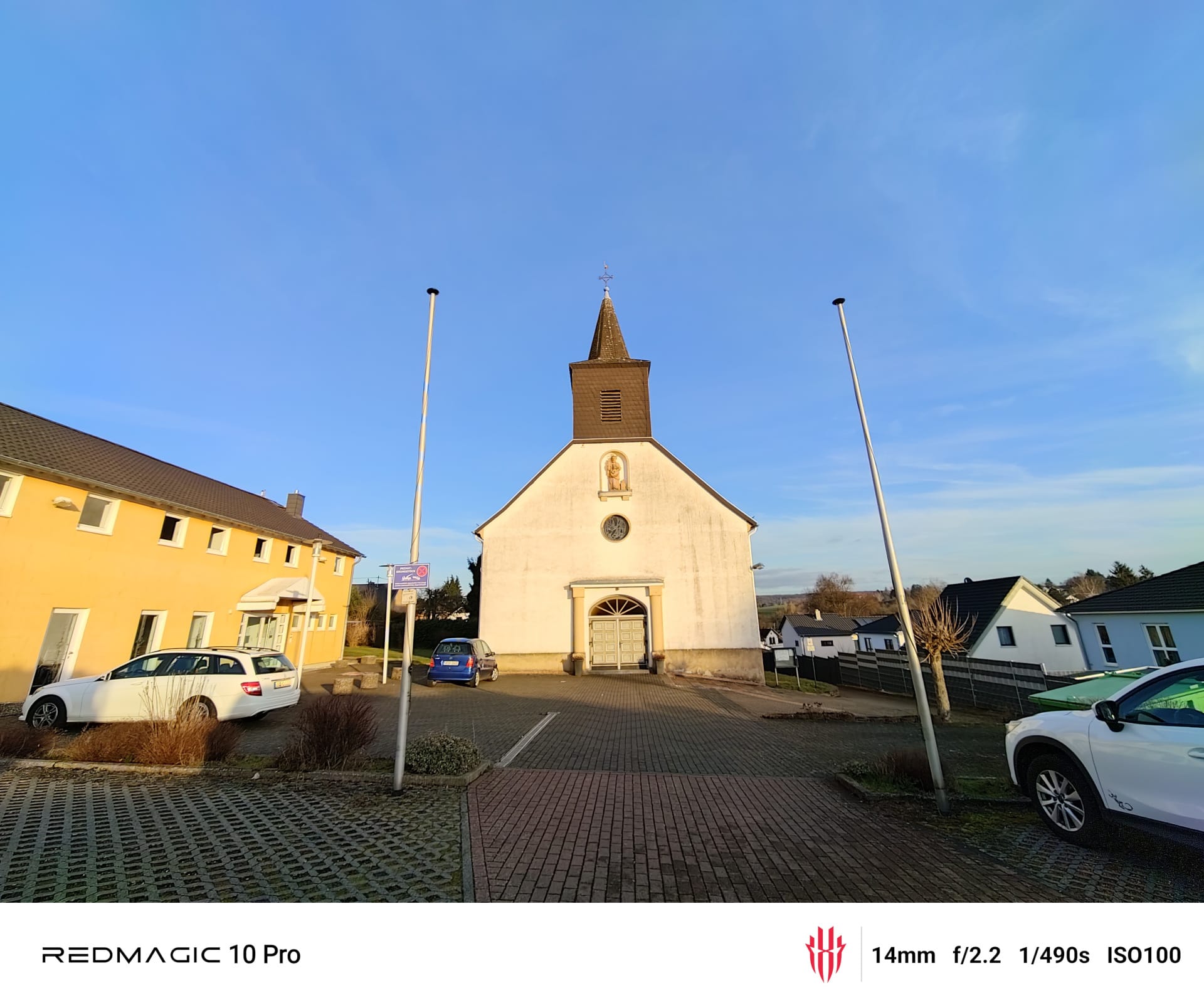
The 2 MP macro camera is what you expect from a low-end sensor, namely more marketing than real added value. The resolution is so low that details are quickly lost and the usefulness remains questionable. Even close-ups often appear blurry and unimpressive.
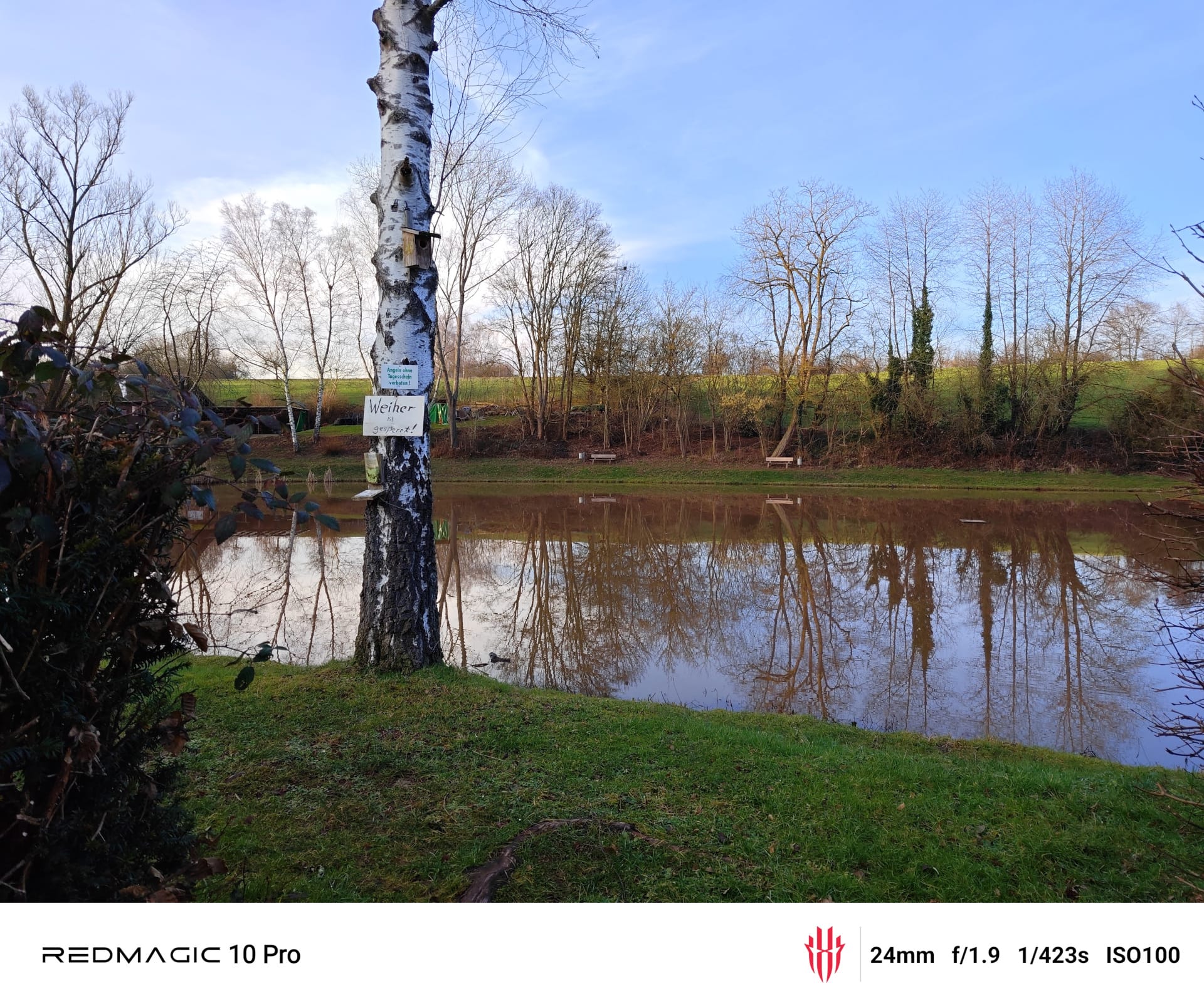


The 16 MP under-display camera is undoubtedly a nice feature, yet the design takes its toll. While it keeps the display looking clean and unobstructed, image quality suffers significantly. Selfies often appear soft, details are hardly recognisable, and colours look washed out.
In direct sunlight, lens flare effects also occur, which impair the image. It is sufficient for occasional video calls, but selfie enthusiasts should not expect too much.
REDMAGIC 10 Pro: Connectivity
With dual nano-SIM support and a wide range of 5G and LTE bands, the REDMAGIC 10 Pro is well prepared for international use. The supported 5G bands cover both NSA and SA, including the key frequencies n1, n7, n28, n38, n40, n41, n71, n77 and n78. This is solid but not complete, as mmWave, which is becoming increasingly relevant in some regions like the US, is unfortunately missing. There is also no eSIM option.
Wi-Fi 7 ensures fast data transfers on the REDMAGIC 10 Pro. In tests, the connection remained stable and impressed with its long range. For navigation and positioning, the device relies on dual-band GPS as well as support for Galileo, BeiDou, GLONASS and QZSS. Within a few seconds, the location is determined with an accuracy of up to three metres, whether navigating through the city or using AR games.
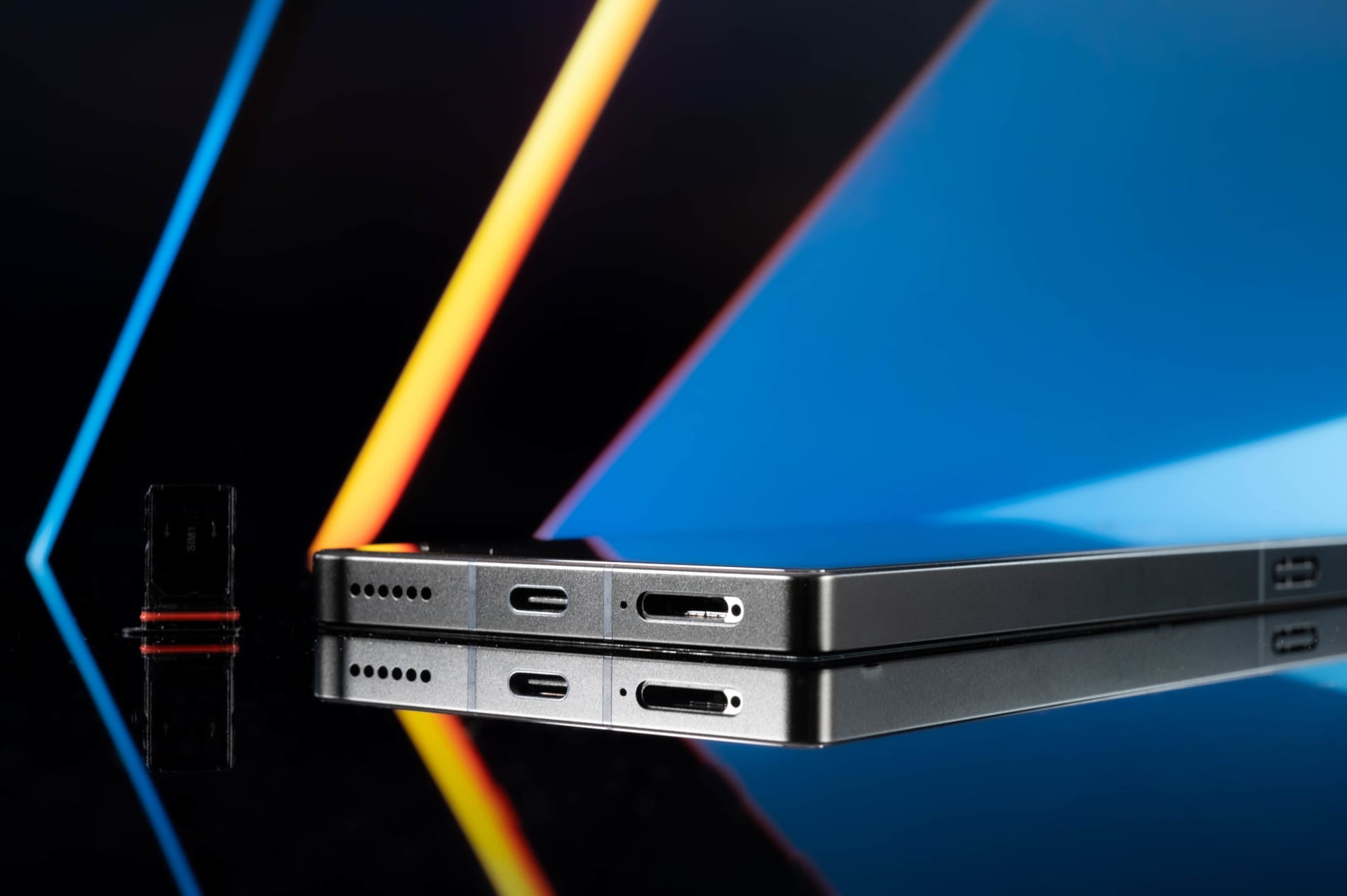
There is also NFC for contactless payments and an infrared transmitter to use the smartphone as a universal remote control. An optical fingerprint scanner is located invisibly under the display. It reacts quickly and unlocks the device reliably in most cases.
Bluetooth 5.4 includes all important audio codecs such as aptX HD and LDAC, allowing wireless headphones and speakers to be operated in the best quality. The audio performance of the REDMAGIC 10 Pro is decent. The symmetrical stereo speakers, placed on the top and bottom of the frame, ensure a balanced sound, whether the device is held horizontally or vertically.
The speakers can effortlessly fill a small room and remain surprisingly clear. The bass is present but not overpowering, and the DTS function makes the sound even more dynamic by emphasising the highs and mids.
REDMAGIC 10 Pro: Battery
The battery is one of the strengths of the REDMAGIC 10 Pro. With a capacity of 7,050 mAh, it provides an above-average runtime, keeping the smartphone going through intensive gaming sessions and everyday use.
With normal use, the REDMAGIC 10 Pro easily lasts two full days. Even with more intensive use, such as hours of gaming or streaming, it delivers impressive results. The screen-on time for normal use is around 10 hours.
It charges quickly with the 80-watt GaN charger included in the box. It takes just 35 minutes to fully charge the battery. It even supports charging up to 100 watts, which can further reduce the charging time by a few minutes.
During gaming, battery charging can be disabled. The power is fed directly to the hardware, which reduces heat generation and increases battery longevity. During intensive charging processes, the integrated fan switches on automatically to prevent overheating and keep the charging speed constant.
Despite its strong battery performance, the REDMAGIC 10 Pro lacks some comfort features, such as wireless charging and reverse charging.
Our verdict
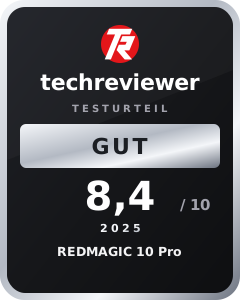
The REDMAGIC 10 Pro is a no-compromise gaming smartphone with little competition in its price class. With the Snapdragon 8 Elite, a 144Hz AMOLED display and targeted gaming extras such as capacitive shoulder buttons and an active cooling system, it delivers exactly what mobile gamers want. The huge 7,050 mAh battery ensures above-average battery life, and thanks to 100W fast charging, the smartphone is recharged in no time.
However, the REDMAGIC 10 Pro also has weaknesses. Software support is very limited, with only one major Android update, and the camera setup remains mid-range, especially compared to conventional flagships. Furthermore, wireless charging and IP certification are missing. Anyone looking for a well-rounded package for everyday use will be better served by other brands. However, for hardcore gamers who prioritise performance, cooling and controls above all else, the REDMAGIC 10 Pro is a hidden gem.
Specifications
Processor and memory
- CPU
- Qualcomm Snapdragon 8 Elite (3 nm)
- GPU
- Adreno 830
- RAM
- 12GB / 16GB / 24GB LPDDR5X
- Internal storage
- 256GB / 512GB / 1TB UFS 4.1
- Storage expansion
- No
Display
- Display size
- 6.85 inches
- Display resolution
- 2688 × 1216 pixels
- Display refresh rate
- 144 Hz
- Touch sampling rate
- 960 Hz (max. 2500 Hz peak)
- Display brightness
- 2000 nits (peak)
- Display type
- AMOLED
- Screen protector
- Corning Gorilla Glass 7i
- Other
- - HDR10
- - 10-bit colour depth
- - 1.07 billion colours
- - Under-display front camera
Cameras
- Main camera (wide-angle)
- 50 MP (f/1.88, OIS, 1/1.55")
- Ultra-wide-angle camera
- 50 MP (f/2.2, 122°)
- Macro camera
- 2 MP (f/2.4)
- Features
- AI enhancement, night mode, HDR, panorama
- Video
- 8K@30fps, 4K@60fps, 1080p@240fps, gyro-EIS
- Front camera
- 16 MP (Under-Display, f/2.0)
- Video
- 1080p@30fps
Mains
- Dual SIM
- Yes
- SIM size
- Nano-SIM
- GSM
- Yes
- HSPA
- Yes
- LTE
- Yes
- 5G NSA/SA
- Yes
Wireless
- Wi-Fi
- Wi-Fi 802.11 a/b/g/n/ac/ax/be (Wi-Fi 7), dual-band, Wi-Fi Direct
- Bluetooth
- 5.4, aptX HD, aptX Adaptive
- GPS
- Yes (L1+L5, GLONASS, BeiDou, GALILEO, QZSS)
- NFC
- Yes
Sensors
- - Fingerprint sensor (in-display)
- - Face recognition
- - Accelerometer
- - Proximity sensor
- - E-Compass
- - Gyroscope
- - Ambient light sensor
- - Vibration motor with haptic feedback
Battery
- Battery
- 7,050 mAh (silicon-carbon)
- Fast charging
- 100W wired (80W charger included)
- Wireless charging
- No
- Reverse charging
- No
Other
- Operating system
- Android 15 (REDMAGIC OS 10)
- Audio
- Stereo speakers with DTS:X Ultra
- Connection
- USB-C 3.2, OTG
- Gaming features
- Capacitive shoulder buttons (520Hz), Game Space, Cooling Fan (23,000 RPM)
- Size
- 163.4 x 76.1 x 8.9 mm
- Weight
- 229 g
Price comparison
| Store | Price | Link |
|---|
Comments