
Contents
Redmi Note 9 Pro vs. Redmi Note 9S
1. Difference: NFC
Let us move on to the first difference. The Redmi Note 9 Pro includes NFC, while the Redmi Note 9S lacks NFC. The so-called "Near Field Communication" (NFC) is a useful radio standard that we encounter more frequently in everyday life. Its most common use is for contactless payment. Instead of a bank card, the smartphone is simply held against the payment terminal. One of the best-known mobile payment systems is Google Pay.

In addition to contactless payment, NFC offers further advantages. Many smart home devices now support the wireless transmission technology. The focus is on an especially simple and secure data exchange. Whether you want to connect your Bluetooth headphones by simply touching them, or invite friends to your Wi-Fi without the tedious entry of the network key, NFC makes it possible.
2. Difference: Cameras
There is another difference in the camera system. Both smartphones feature a quad-camera setup. However, the main sensor of the Redmi Note 9 Pro has a resolution of 64 MP, while the Redmi Note 9S has 48 MP. The following sensors are used:
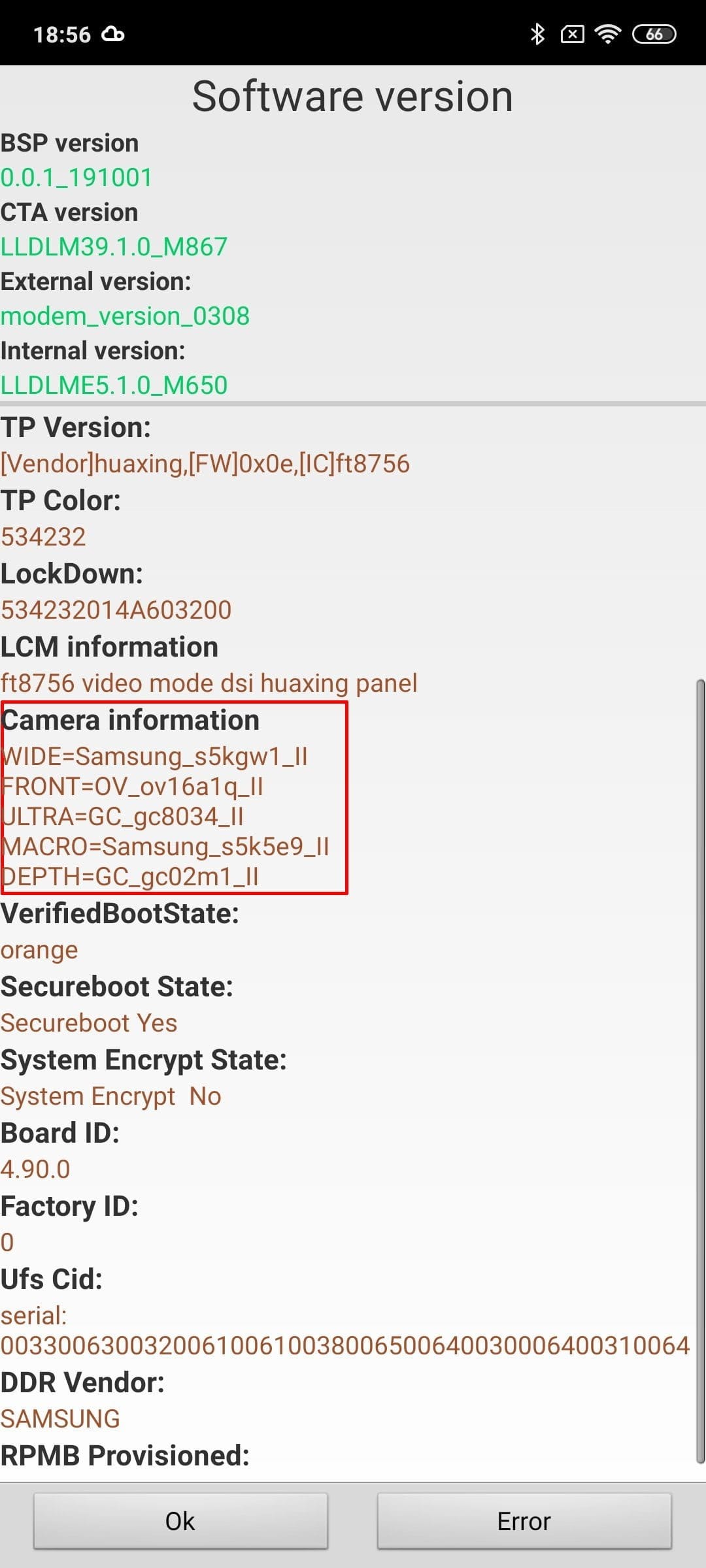
64 MP Samsung S5KGW1
This is the main sensor of the Redmi Note 9 Pro. Its qualities have already been proven by the Samsung S5KGW1 (1/1.72 inch - 0.8 μm) in the Realme X50 Pro. The sensor belongs to the ISOCELL Bright series and makes use of Tetracell technology. Two pairs of pixels (2x2) each are provided with the same colour filter and are combined into one pixel through so-called pixel binning. This reduces the image resolution to 16MP. Theoretical advantages are higher light sensitivity with accompanying noise reduction, an extended dynamic range and increased image sharpness.
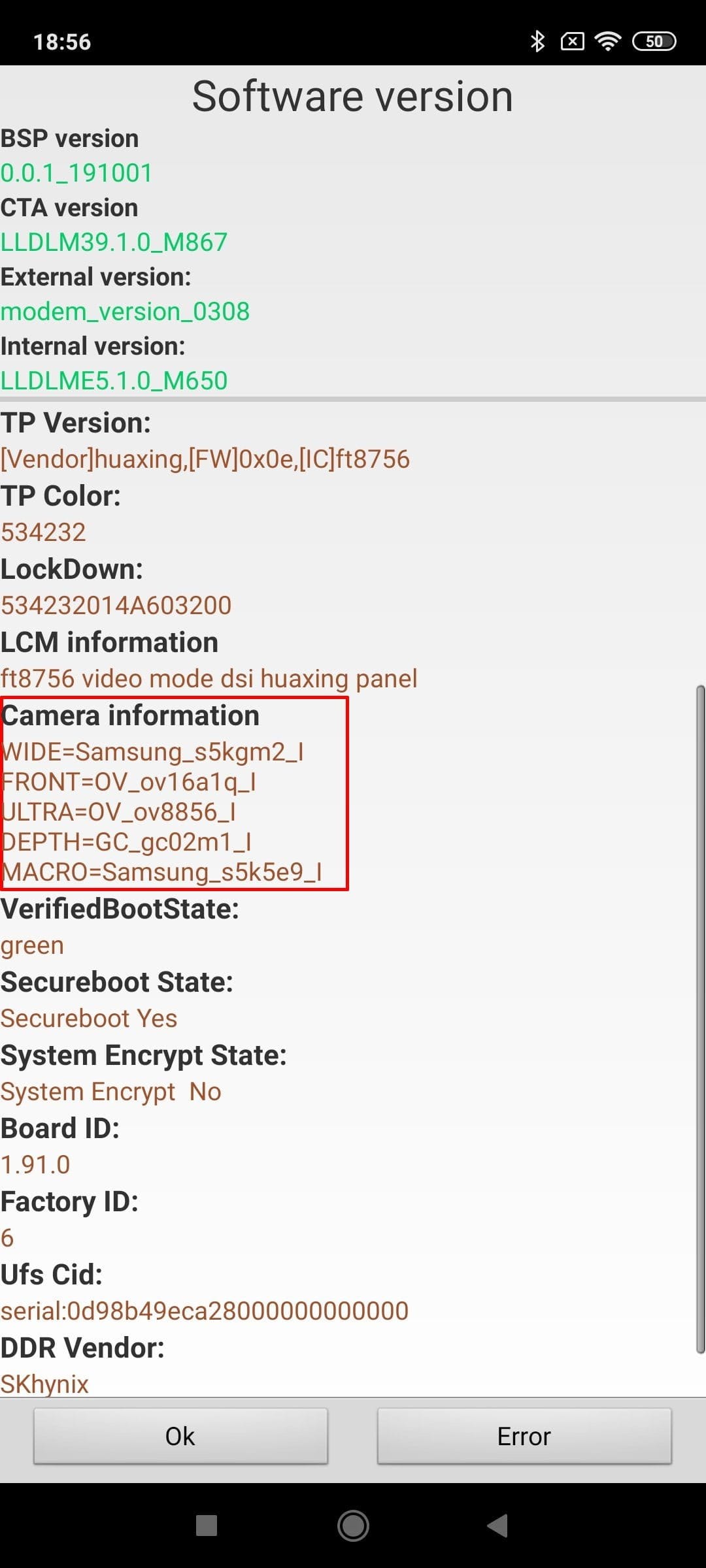
48 MP Samsung S5KGM2
The Redmi Note 9S uses the slightly smaller Samsung S5KGM2 sensor (1/2 inch - 0.8 μm). This also belongs to the ISOCELL Bright series with Tetracell technology. Pixel binning reduces the resolution to 12 MP.
Besides the main camera, the sensors in the ultra-wide-angle camera also differ. The difference is not immediately apparent, as both cameras use an 8MP sensor with 1.12μm pixel size. Sensor size (1/4 inch), aperture (f/2.2) and wide angle (119°) are also identical. The hidden CIT test menu (Settings - My Device - All Specifications - Tap Kernel 4 times) reveals more about the sensor technology. Accordingly, the Redmi Note 9 Pro features an 8MP GalaxyCore GC8034. The sensor in the Redmi Note 9S is an 8MP OmniVision OV8856. The remaining sensor technology (macro and depth camera) is the same.
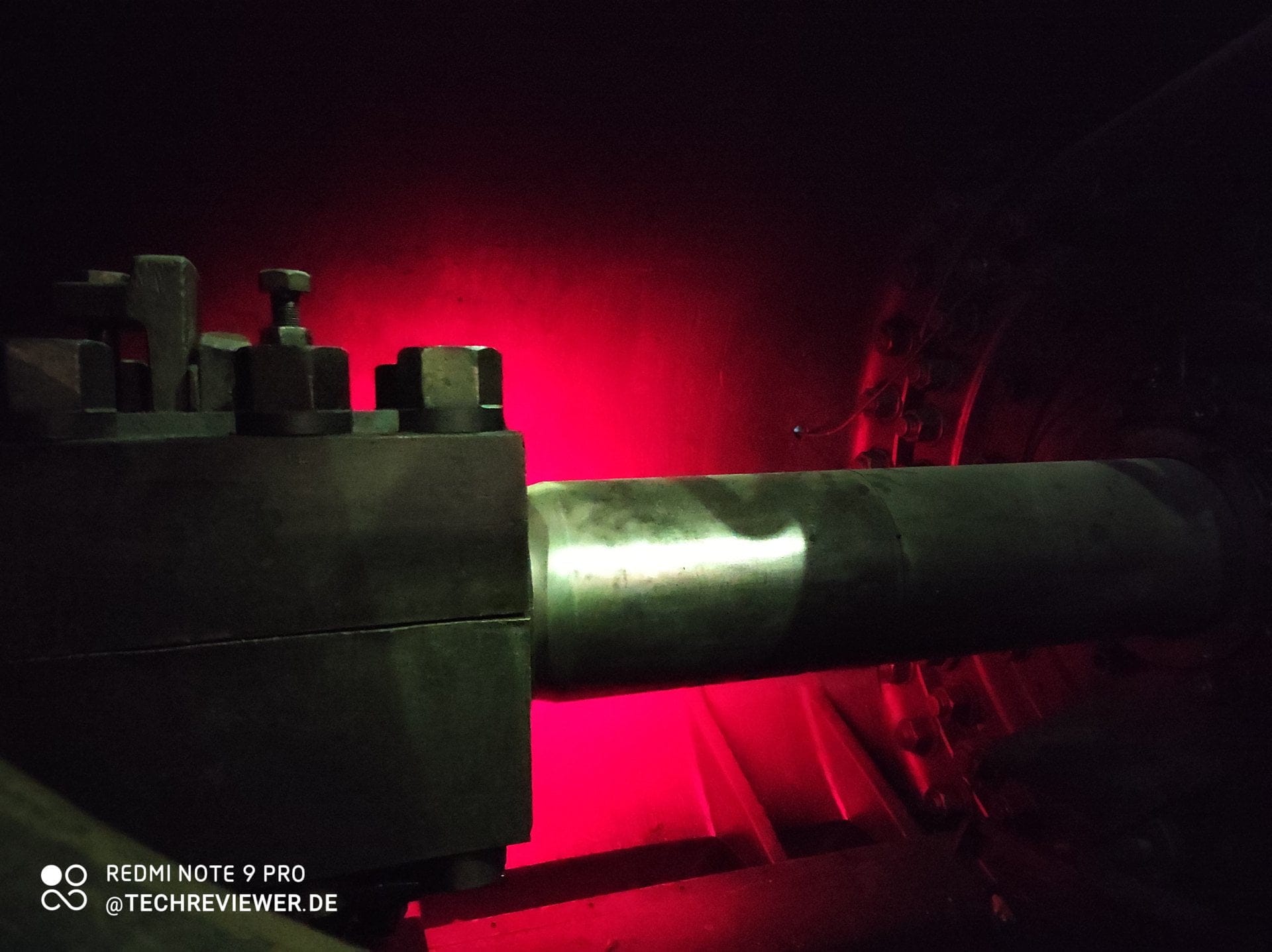
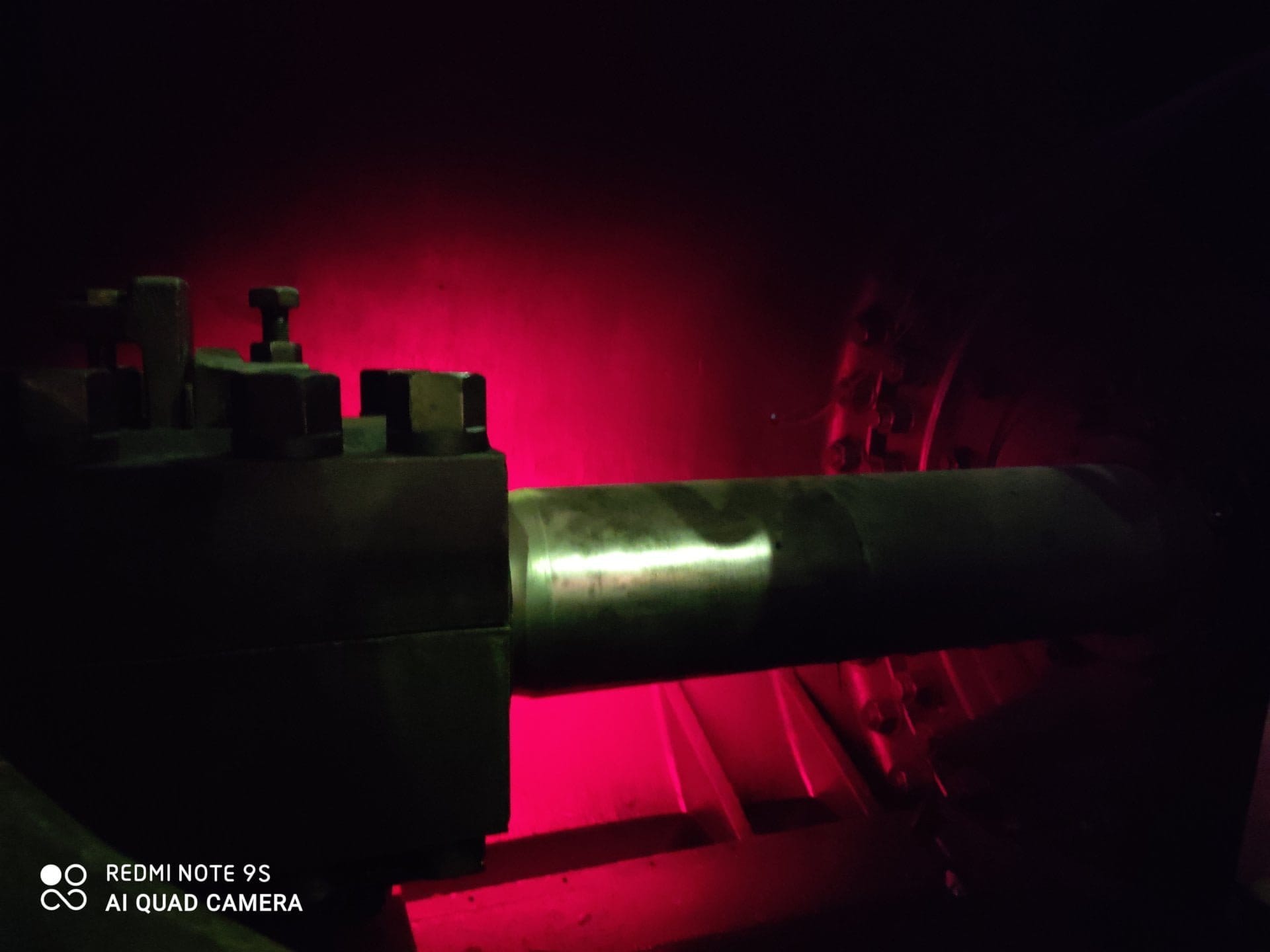
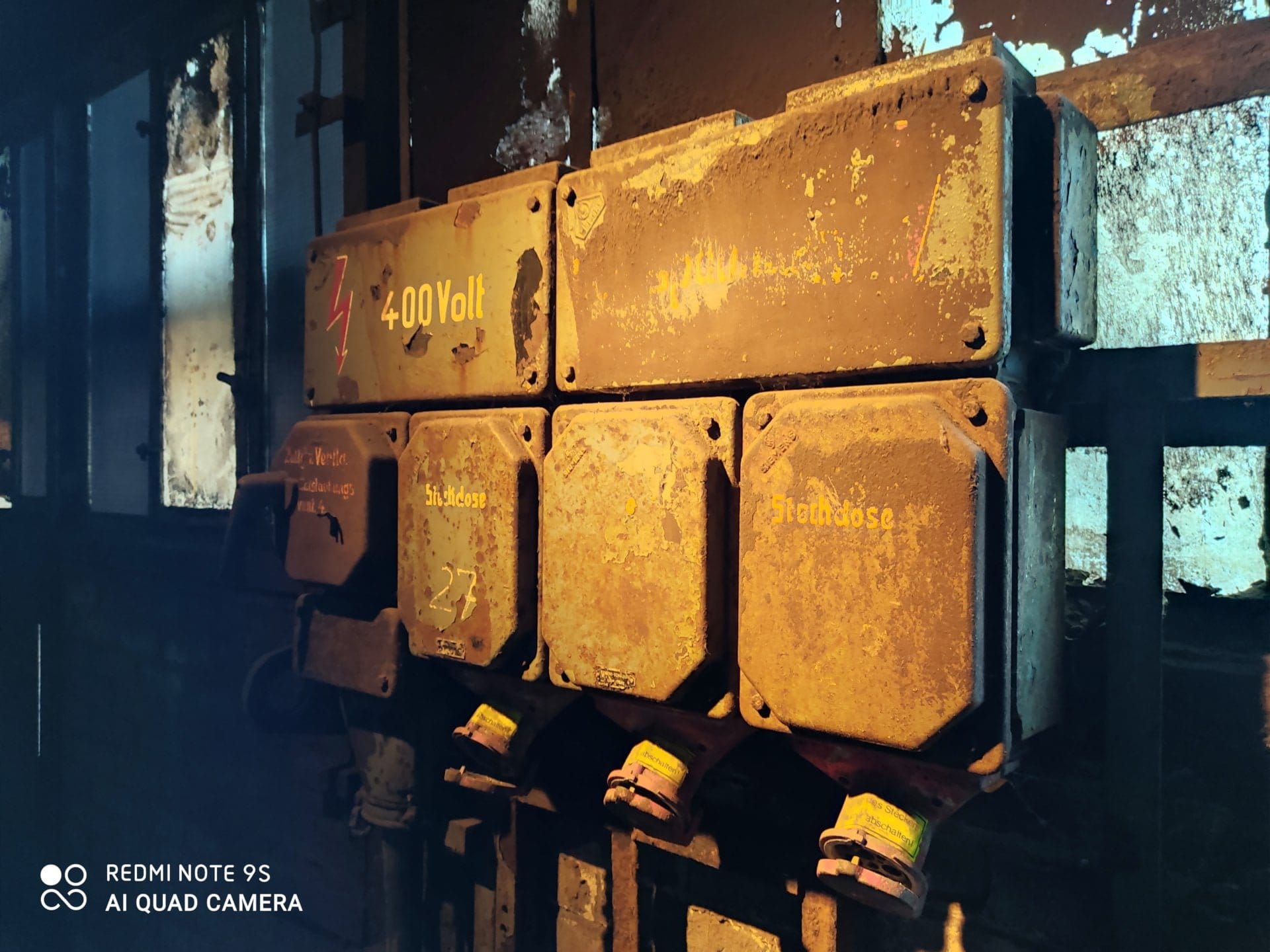
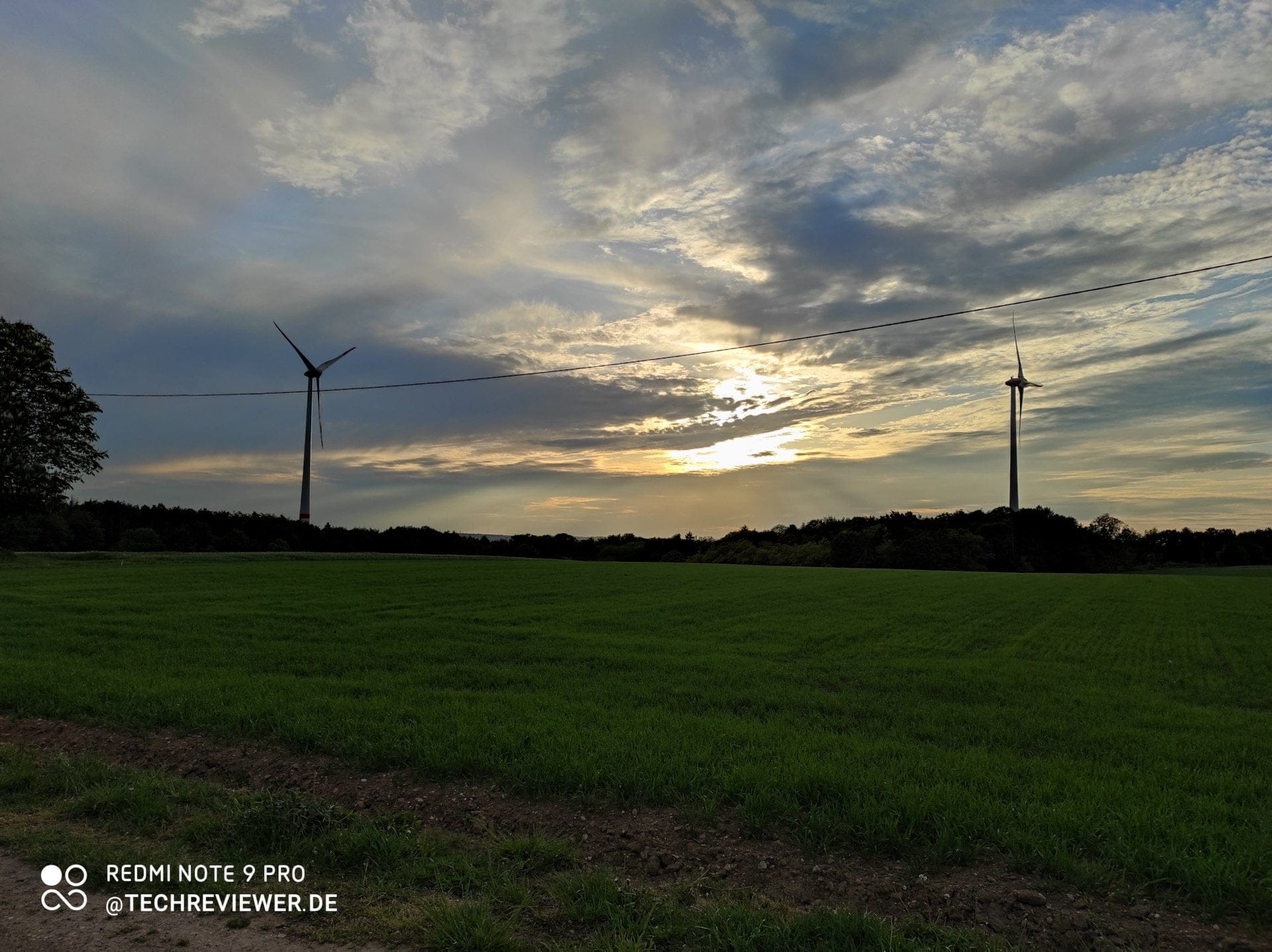
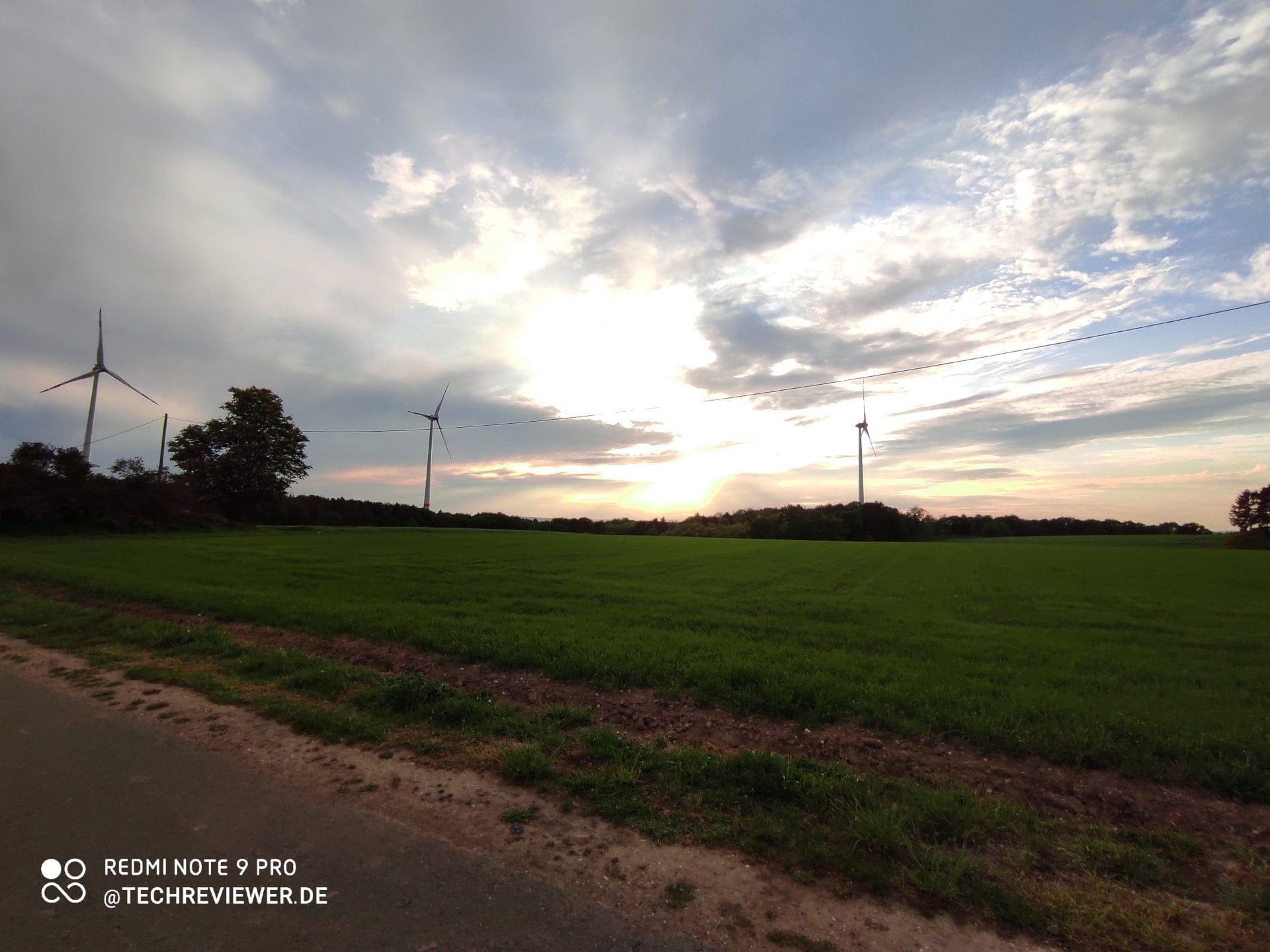
Camera comparison: How the different sensors affect image quality can be seen in the following images.
Good lighting conditions










Low-light conditions

Portrait




Macro


Wide angle


Zoom








All images are available in full resolution via our Dropbox (link).
3. Difference: Fast charging function
Both smartphones have a 5020 mAh battery built in. The difference lies in the fast-charging function. The Redmi Note 9 Pro can be charged at up to 30 watts, the Redmi Note 9S at a maximum of 18 watts.
A suitable fast charger is included with both smartphones. A full charge of the Redmi Note 9 Pro takes approximately 75 minutes. The Redmi Note 9S is fully charged after approximately 105 minutes.
Comments