Contents
Vivo Y20s: Sleek design with glass back
Although the vivo Y20s is not a high-end smartphone, neither the design nor the build quality has suffered. The back is made of 2.5D glass, which is not overly smooth but rather provides a pleasant tactile feel. Depending on the light, the back of the vivo Y20s, available in Obsidian Black and Nebula Blue, reflects a subtly chic pattern.
In the top left corner is the vertically arranged triple camera, protruding about 2 mm from the casing. This is still within normal limits. Gently curved transitions from the back to the plastic frame give the design the finishing touch.
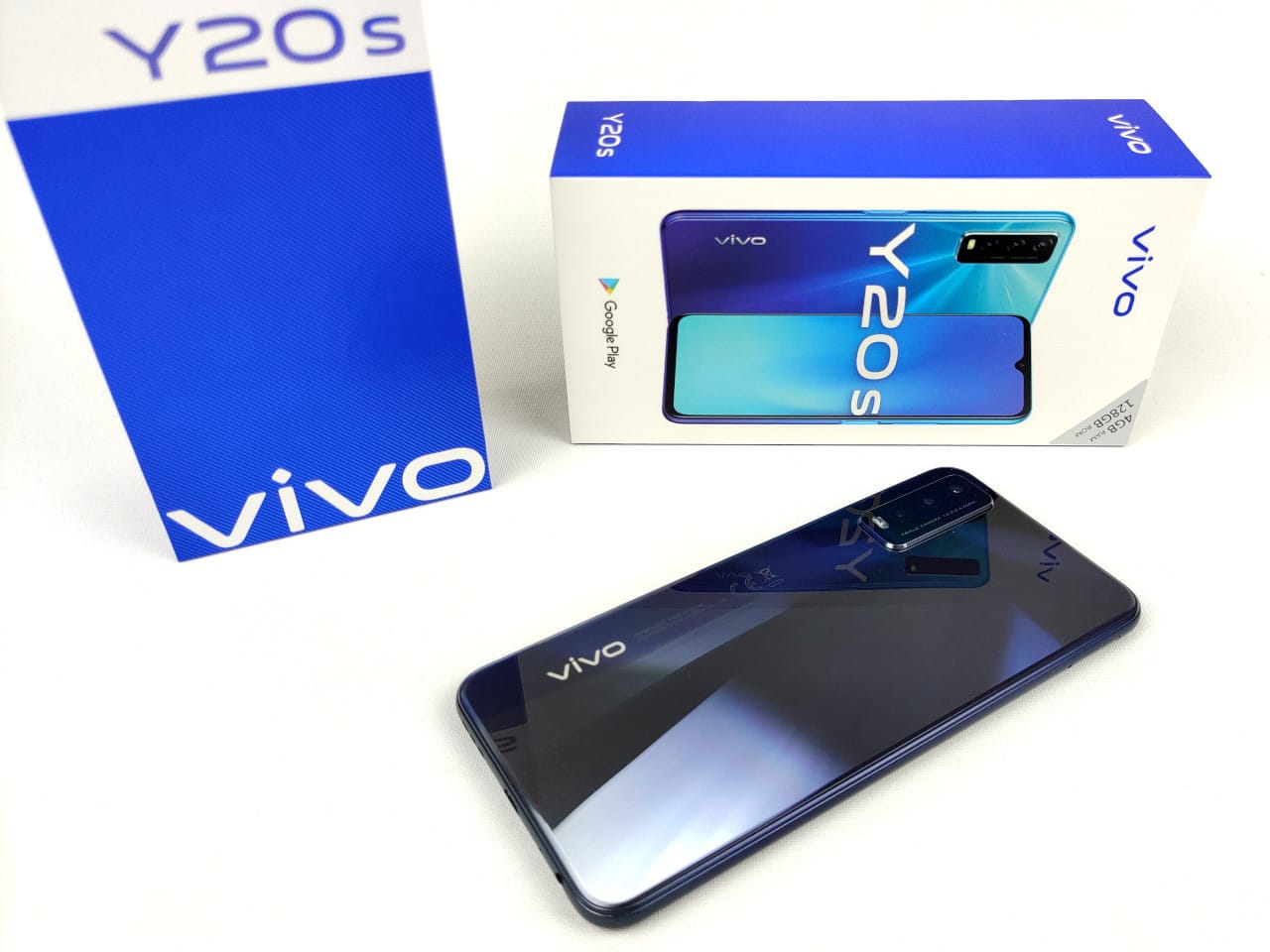
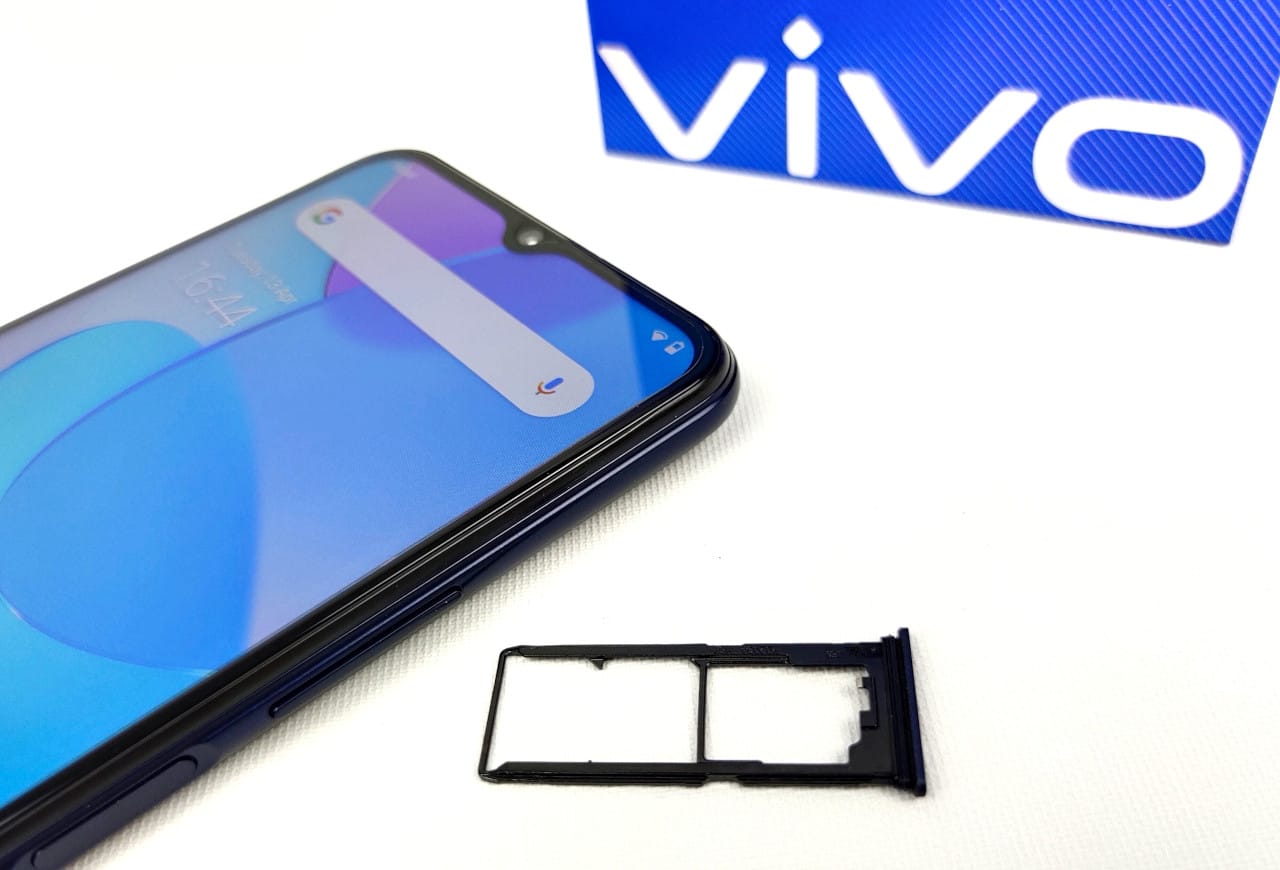
The plastic frame is colour-matched to the overall design. The power button on the right is embedded in the frame and simultaneously acts as a fingerprint scanner. Above it is the volume rocker. Both buttons sit firmly in the housing with a good pressure point. In the middle of the lower section of the frame is the USB port. Unfortunately, vivo decided on outdated microUSB. One can be pleased about a headphone jack, which vivo has not done away with, unlike many other manufacturers. Also located at the bottom are a microphone and a mono speaker. On the left side of the frame, in the upper area, is the SIM card slot, which can be equipped with two nano SIM cards (dual SIM) and a microSD memory card (storage expansion).
Moving to the front, we find the HD display with a classic drop notch surrounding the 8-megapixel front camera. With a screen-to-body ratio of 81.6 per cent, the display covers most of the front. The display borders are not particularly narrow, but for this price range they are not too wide either. You will not find a notification LED.
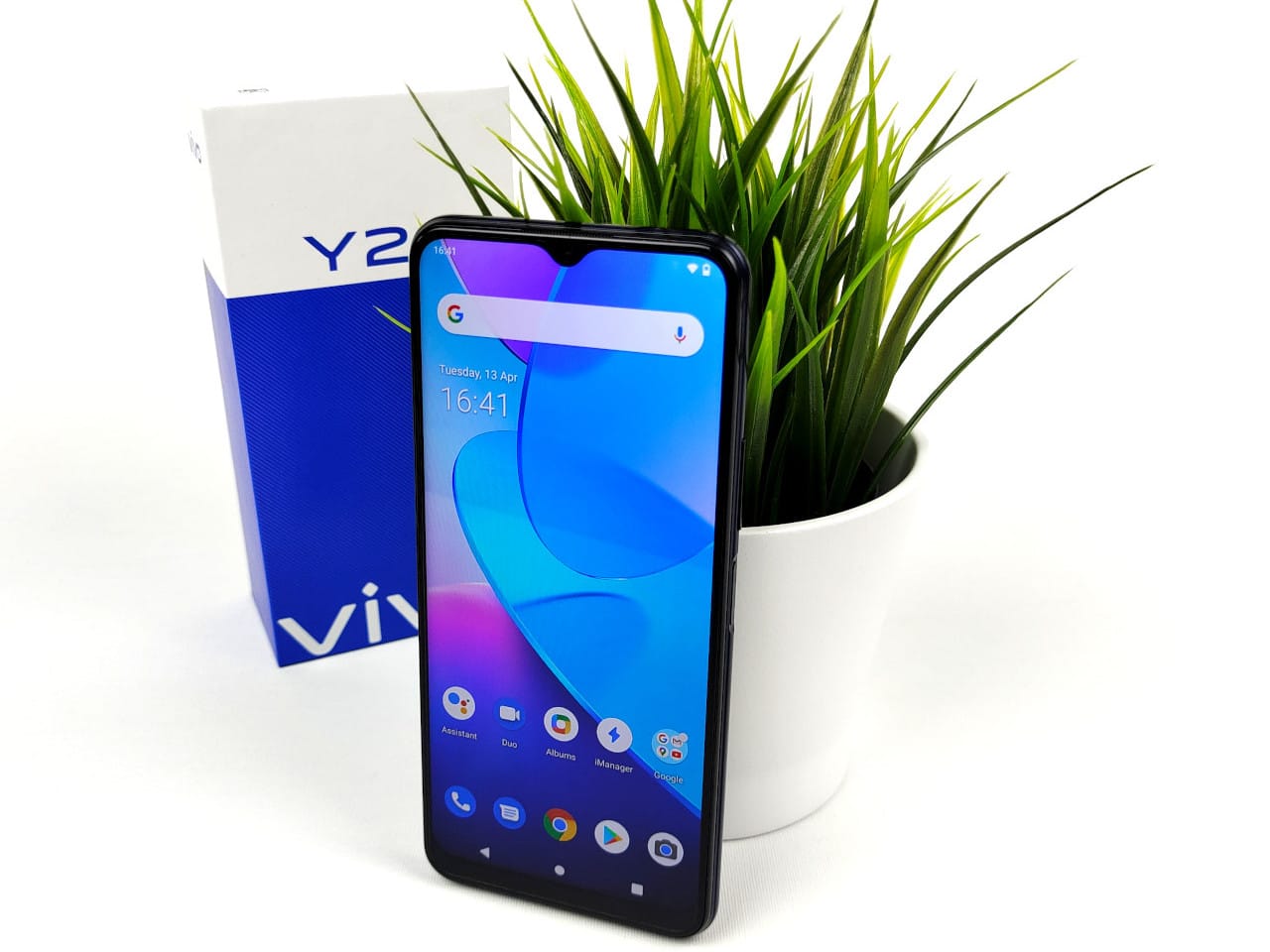
Regarding build quality and the scope of delivery, vivo did not make any missteps. The build quality is very good for a smartphone in the sub-200 Euro price range. The glass back certainly conveys a premium feel. The scope of delivery goes beyond the usual. In addition to the smartphone, power adapter and USB cable, additional headphones are included. A screen protector is also already applied to the display from the factory.
Vivo Y20s: Display with room for improvement
The IPS display fitted in the vivo Y20s has only HD (1600 x 720 pixels) resolution on a 6.51-inch diagonal. Thanks to the slim 20:9 aspect ratio, the display is easy to operate with one hand.
With a pixel density of 270 PPI, the smartphone is, however, below the magic Retina threshold of 300 PPI. Sharp eyes will notice the lower display sharpness. The same applies to the 60 Hz refresh rate, which users of higher refresh rates will perceive as a trailing effect when scrolling.
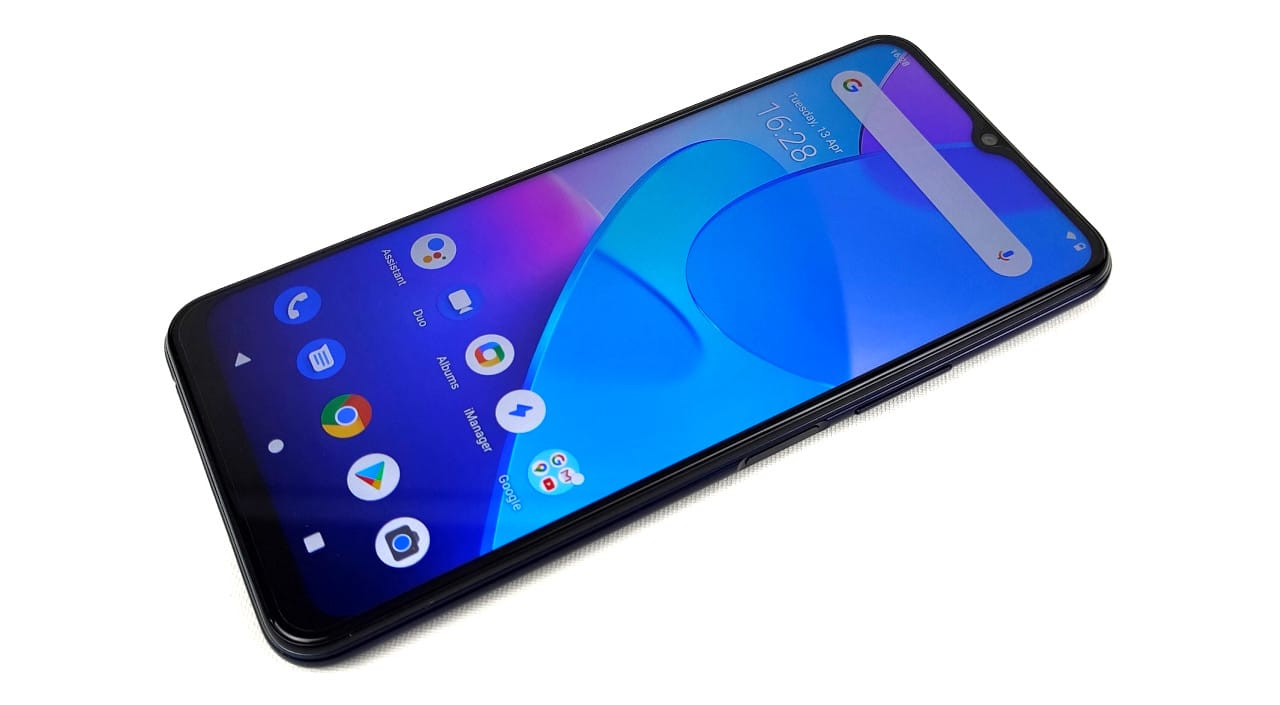
When it comes to colours, contrast and screen brightness, there are no standout highlights to expect. While the IPS panel's display is largely viewing-angle stable, colour reproduction is somewhat washed out and contrast is lacking. The display settings offer no improvement, only allowing adjustment of the colour temperature. The screen brightness is average. Under bright light conditions, the display becomes difficult to read. However, the adaptive brightness adjustment responds quickly.
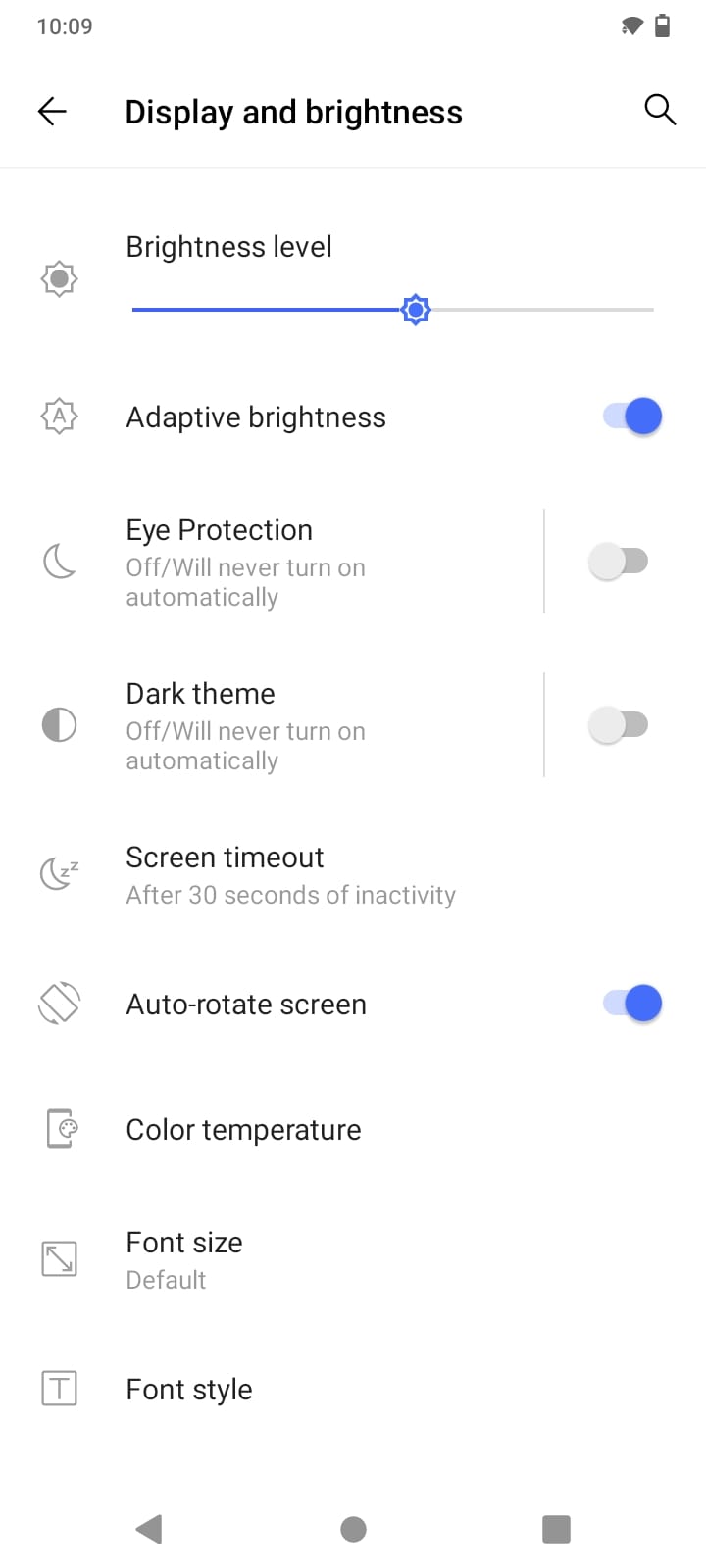
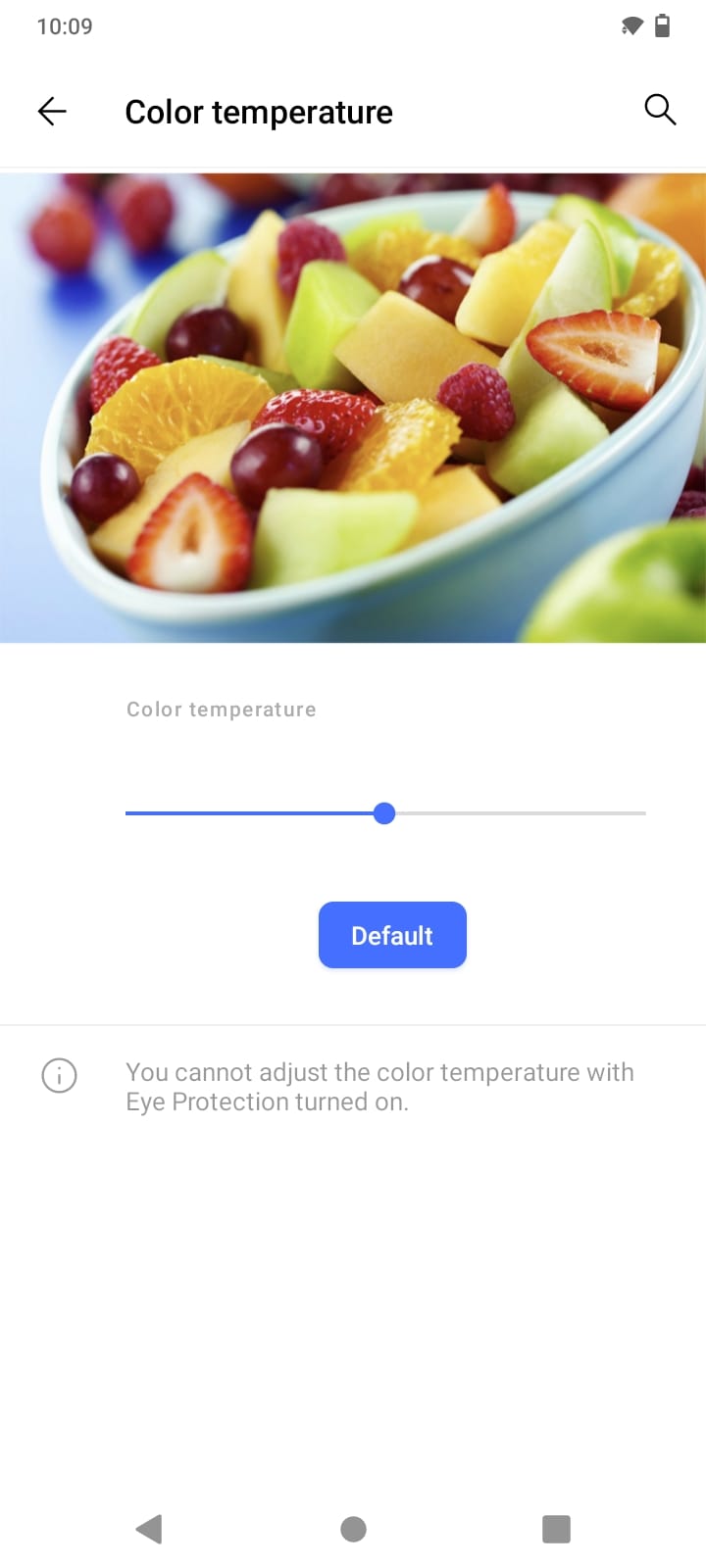
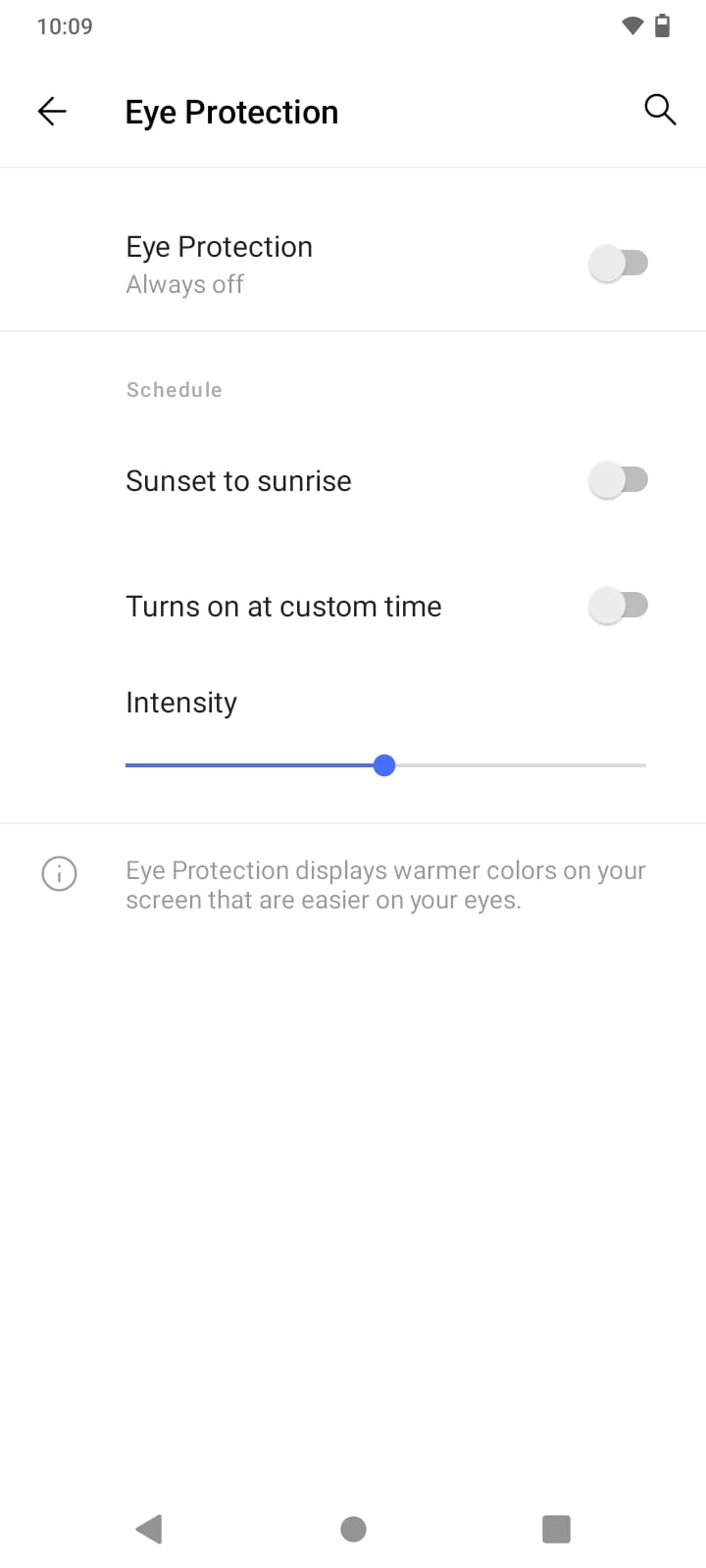
Other display settings include the Eye-Protection Mode, which acts as an automatic blue light filter, and the Dark Theme. An always-on function is not supported. With the lack of a notification LED, this is quite a disadvantage, as new notifications are not immediately recognisable.
Vivo Y20s: Good performance
Under the hood, the vivo Y20s houses a Qualcomm Snapdragon 460 system-on-chip. The octa-core CPU consists of four fast Cortex-A73 processor cores, clocking at up to 1.61 GHz, as well as four Cortex-A53 cores, also clocked at 1.80 GHz. The storage is divided into 4GB RAM and a generous 128GB data storage, which can be additionally expanded with a microSD card. Here are the performance figures based on various benchmark apps:
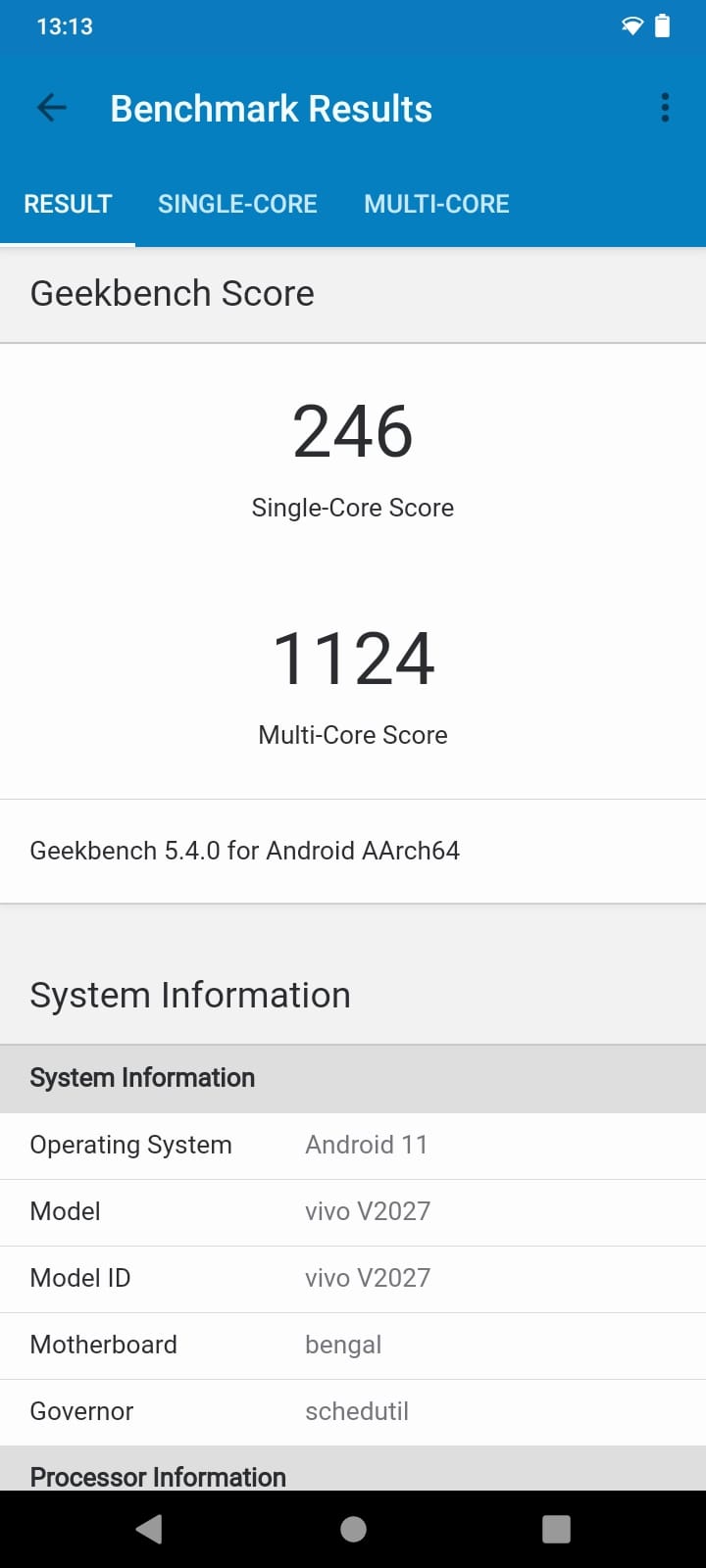
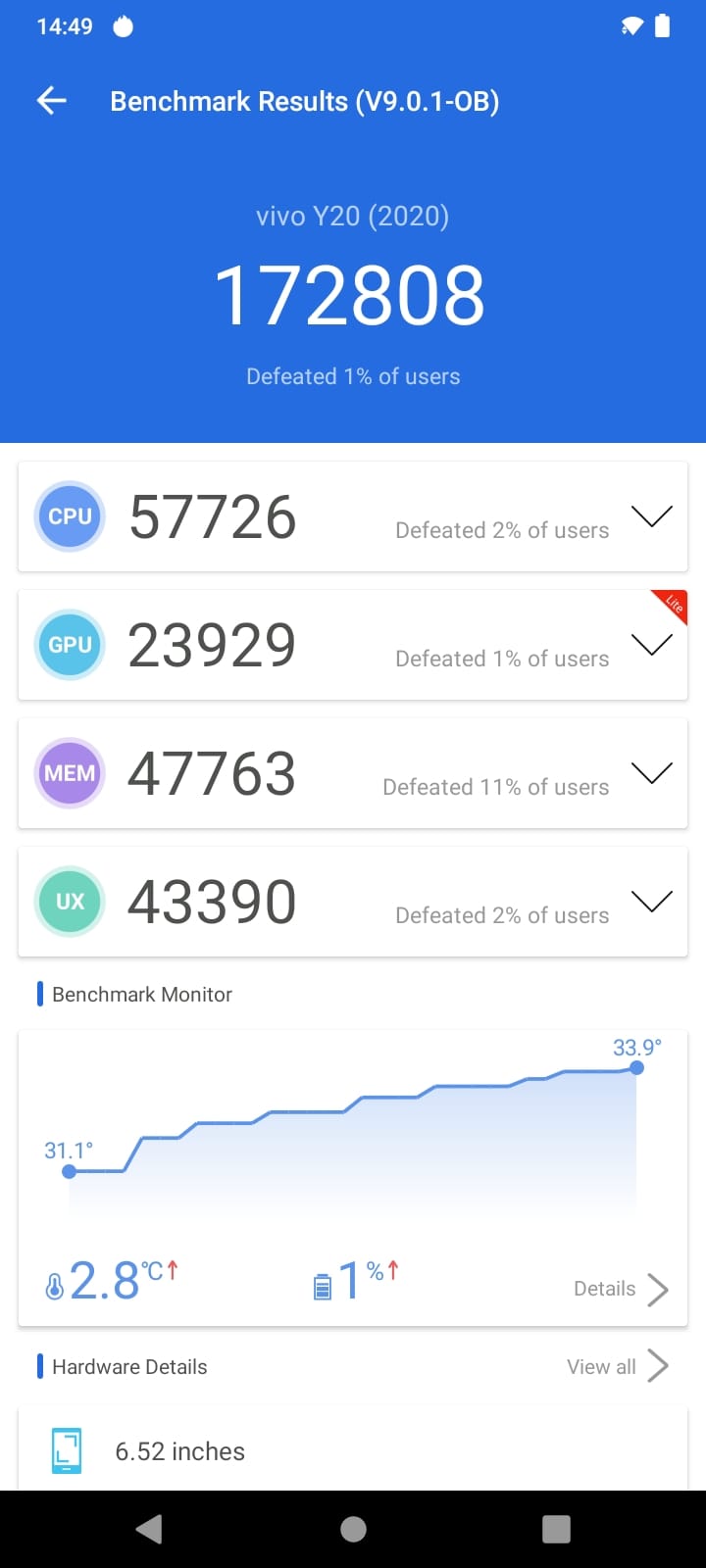
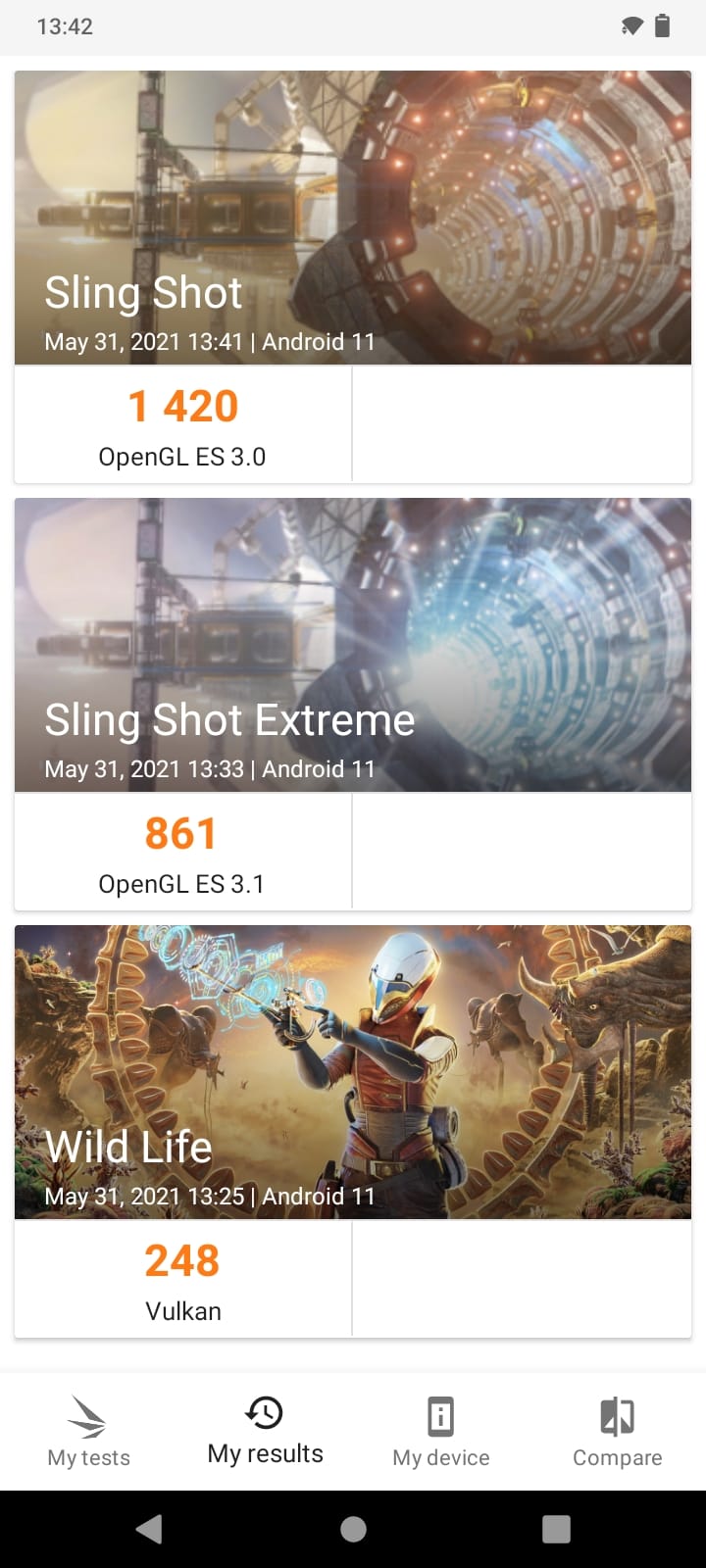
In everyday use, the smartphone performs well in terms of power. The FuntouchOS user interface is largely smooth to operate. Animations can occasionally appear somewhat jerky. Apps are kept in memory for a long time and data transfers are fast.
When it comes to mobile gaming, the Adreno 610 GPU quickly reaches its limits. Demanding games like PUBG are barely playable at low resolution. There is no noticeable heat development or thermal throttling.
Vivo Y20s: Current Android 11
On the software side, the vivo Y20s is well equipped. The FuntouchOS 11 user interface is based on the current Android 11. Compared to stock Android, vivo has not made any profound changes to the user interface, but has merely slightly expanded its feature set.
For example, the Ultra Game Mode was added to the settings, offering gamers a better experience through simple management of performance and notifications. The iManager app warns of risks, cleans storage, clones apps, and helps manage app permissions. Aside from apps like Facebook, Instagram and TikTok, no other third-party apps are pre-installed.


The smartphone usually receives security updates two months after release. It is not known how long the vivo Y20s will receive system updates. The recently announced three-year update policy from vivo applies only to the company's flagship devices.
Vivo Y20s: Convincing triple camera
Let's move to the back of the smartphone, where the triple main camera is located. The following sensors are used:
- 13-megapixel main camera (f/2.2 aperture)
- 2 MP Bokeh (f/2.4 aperture)
- 2 Megapixel super-macro (f/2.4 aperture)
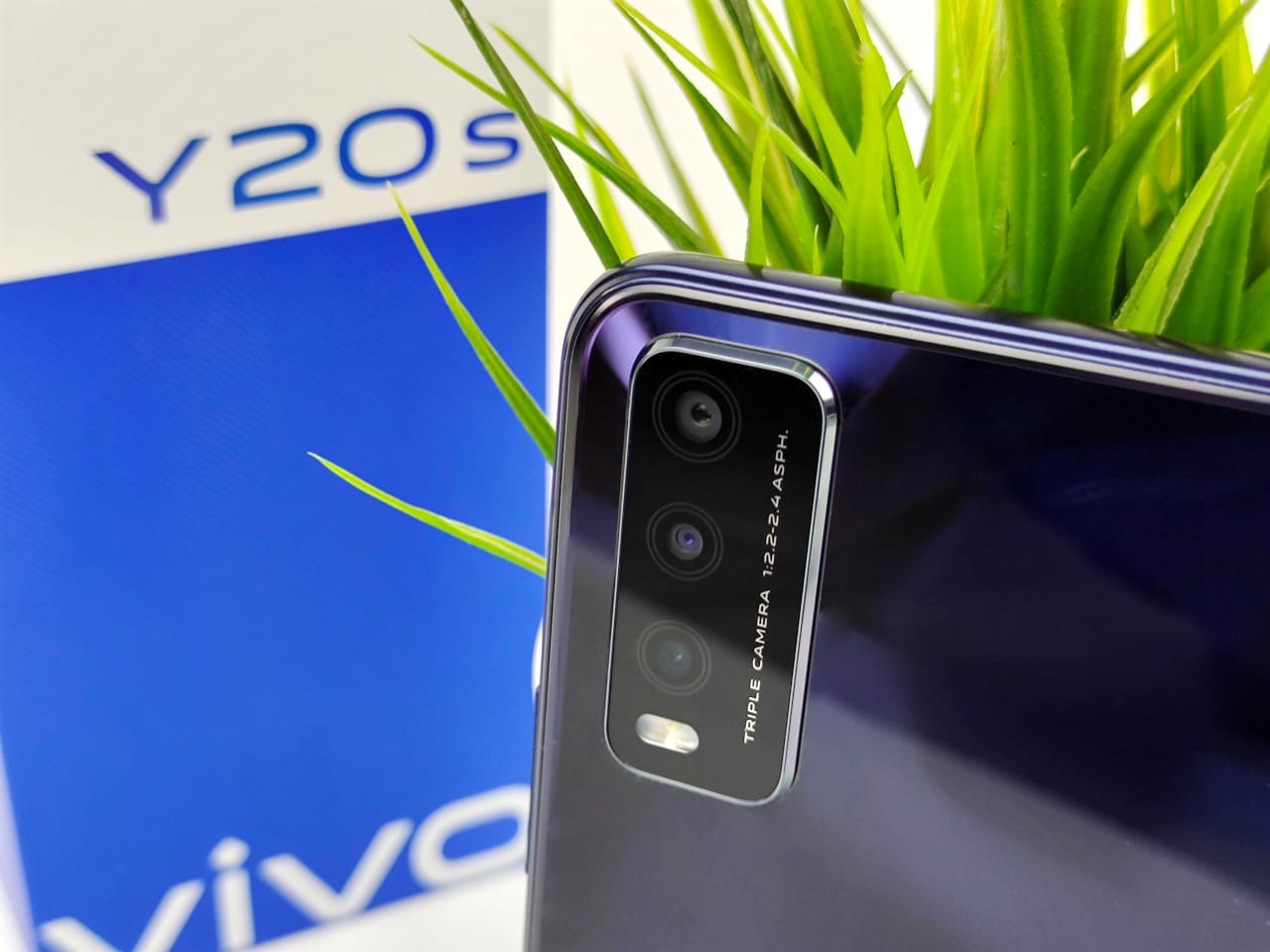
Main camera
One should not be misled by the low megapixel count of the main camera, as the main camera does have its strengths.






In good lighting conditions, the main camera shoots colour-accurate photos with pleasant dynamic range and very low noise. The sharpness distribution is good, although slightly reduced towards the edges of the image.
Excessive contrasts, especially backlighting, cause the camera to struggle, resulting in partly under- and overexposed photo sections. While an HDR mode is available, it does not work automatically and must be enabled manually. Zooming is supported purely digitally with a maximum 4x magnification.


With increasingly poor lighting conditions, image details are lost and image sharpness decreases. However, colour accuracy is maintained surprisingly well, although colours fade slightly. The lack of a night mode that adapts the exposure time to the surroundings is particularly noticeable at night. As a result, photos are sometimes very dark. If you want to increase the exposure time, you must switch to the manual Pro mode.






Portrait camera
The portrait mode initially caused some confusion. When selected, the blur effect does not activate immediately. The blur only switches on when the Bokeh lens is selected.
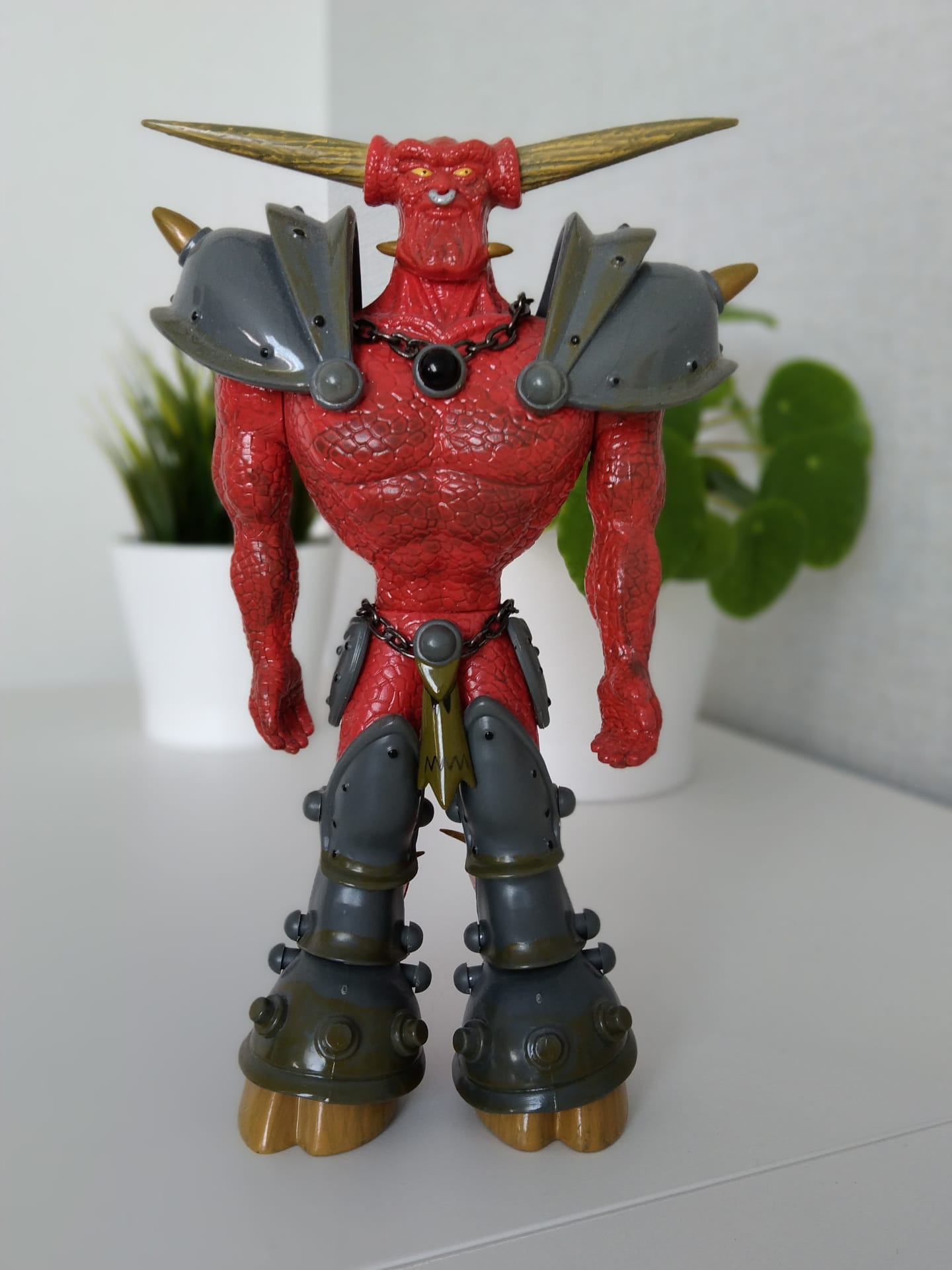
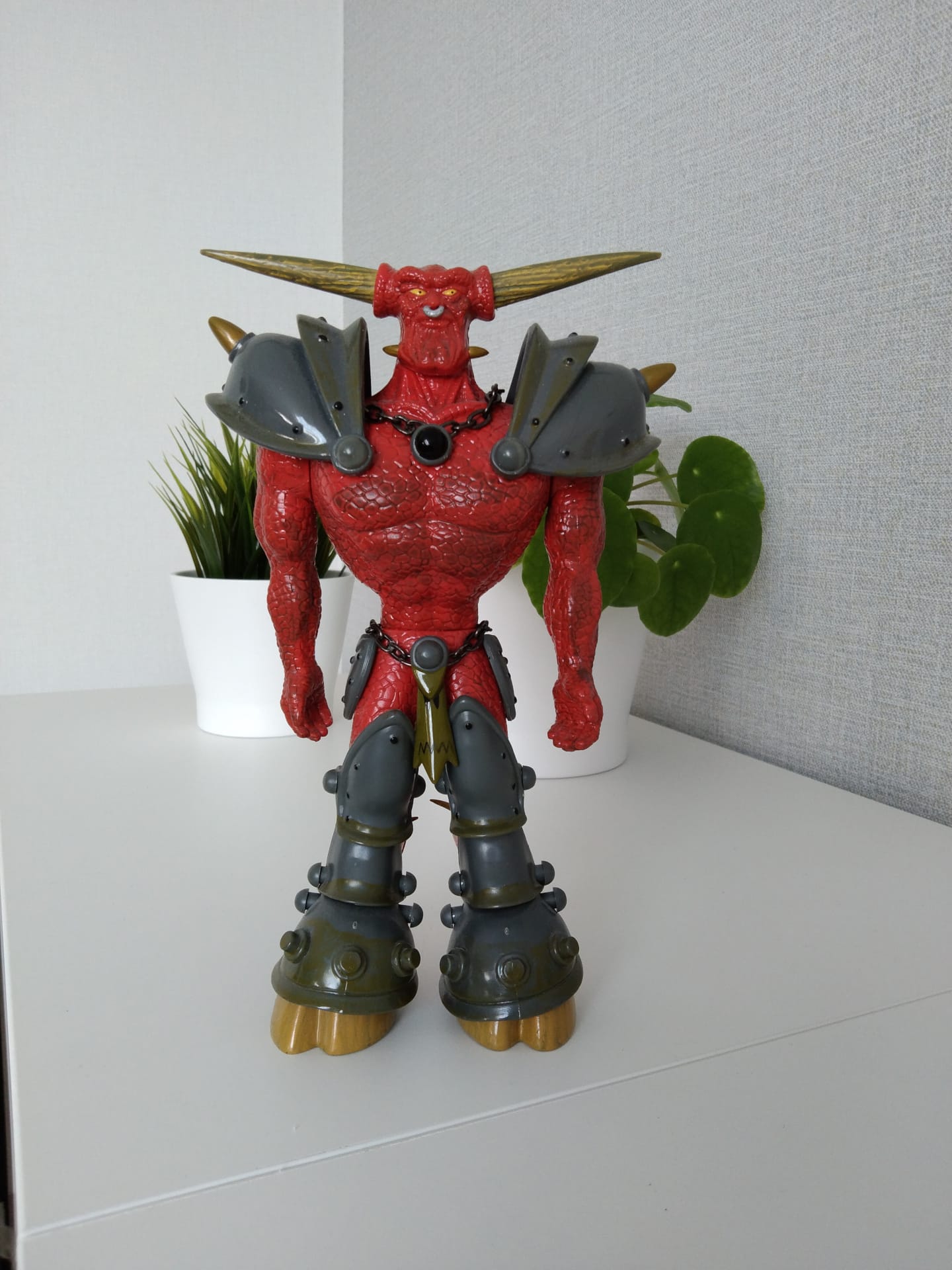
If you stay in the standard photo mode, you can also activate the bokeh lens there, which makes the additional portrait mode somewhat redundant. There are no differences between the images, and in both modes, the blur level (aperture) can be adjusted retrospectively.
Macro camera
The macro camera is a nice-to-have. The macro shots taken with it are good for the vivo Y20s's price range.


Video mode
The vivo Y20s records videos at a maximum of 1080p at 30 frames per second. Recording quality largely matches that of the photo mode. Image stabilization cannot be enabled. The autofocus responds very quickly, and the camera adjusts rapidly to changes in lighting. The recorded audio is somewhat flat but acceptable.
Vivo Y20s: Connectivity
Telephony, Wi-Fi and Bluetooth
The vivo Y20s supports the 4G mobile frequency bands common in this region. The full-size dual SIM slot allows the simultaneous use of two nano SIM cards. Here is an overview of the bands:
GSM: B2/B3/B5/B8
WCDMA: B1/B2/B4/B5/B8
LTE FDD: B1/B2/B3/B4/B5/B7/B8/B20/B28
LTE TDD:B38/B40/B41
Telephony and mobile browsing work smoothly with the vivo Y20s. Network reception and voice quality are still good even in more remote areas. Features such as VoLTE and VoWiFi (WiFi-Calling) are available.
Bluetooth is supported in version 5.0. Over Wi-Fi, the smartphone connects to dual-AC networks (2.4GHz and 5GHz) and achieves solid transfer rates.
GPS and sensors
Position determination shows no irregularities. The smartphone finds the satellites (GPS, Beidou, GLONASS and Galileo) required for precise navigation within a few seconds.
The remaining sensors include an accelerometer, an ambient light sensor, a proximity sensor, a digital compass and a gyroscope (virtual). NFC is not available, so contactless payments are not possible.
The fingerprint scanner integrated into the side power button unlocks the smartphone quickly and reliably. In addition to the classic unlocking methods (PIN, pattern and password), unlocking the smartphone via facial recognition is supported.
Audio
The mono loudspeaker on the underside reaches a high volume level but tends to distort. The speaker is sufficient for quickly playing a video or making a phone call. If headphones are connected, the smartphone's FM radio function can be used.
Vivo Y20s: Powerful 5,000 mAh battery
It's not so easy to drain the 5,000 mAh battery of the vivo Y20s. The built-in system-on-chip is extremely efficient, and vivo has also optimised consumption very well on the software side.
With normal use, achieving more than 2 days of battery life is no problem. In standby or overnight, the battery loses barely any percentage points. The 18W fast charging charges the battery to 70 percent in just 69 minutes. A full charge takes approximately 135 minutes. Fortunately, a suitable fast charger is included in the scope of delivery.
A small special feature is the “reverse charging” function, which turns the smartphone into a power bank. This allows devices to be charged in reverse direction using the vivo Y20s.
Our verdict
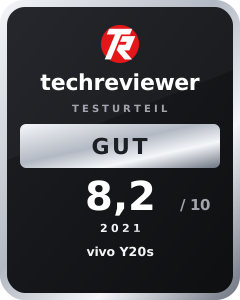
Looking at the vivo Y20s evokes a bit of nostalgia, as microUSB and an HD display are no longer modern, even in this price range. Nevertheless, the vivo Y20s does a lot of things right, as the smartphone charms with its design, current Android 11, good cellular connectivity and a long-lasting battery.
However, this only applies if the price is right. At an initial price of 200 euros, the vivo Y20s was simply too expensive and offered unbeatable competition. As the price drops, however, the situation changes, which makes it worth taking a look at the vivo Y20s!
Specifications
Processor and memory
- CPU
- Qualcomm Snapdragon 460
- GPU
- Adreno 610
- RAM
- 4 GB
- Internal storage
- 128GB
- Storage expansion
- Yes, up to 256GB
Display
- Display size
- 6.51 inches
- Display resolution
- 1600 x 720 pixels
- Display refresh rate
- 60 Hz
- Display type
- IPS
- Screen protector
- Unbekannt
- Multitouch
- 10 fingers
Cameras
- Main camera
- 13 MP (f/2.2 aperture )
- Front camera
- 2 MP (f/2.4 aperture)
- Macro camera
- 2 MP (f/2.4 aperture)
- Front camera
- 8 MP (f/1.8 aperture)
Mains
- Dual SIM
- Yes
- SIM size
- Nano SIM
- eSIM
- No
- GSM
- B2/3/5/8
- WCDMA
- B1/2/4/5/8
- FDD LTE
- B1/2/3/4/5/7/8/ 20/28
- TDD LTE
- B38/40/41
Wireless
- Wi-Fi
- 802.11 a/b/g/n/ac
- Bluetooth
- 5.0
- GPS
- Yes
Sensors
- *Ambient light sensor
- *Accelerometer
- *Proximity sensor
- *E-compass
- *Gyroscope (virtual)
- *Fingerprint sensor
Battery
- Battery
- 5,000 mAh
- Fast charging function
- 18 watts
- Qi charging
- No
Other
- Operating system
- Android 11 (FuntouchOS 11)
- Audio
- 3.5 mm headphone jack / mono speaker
- Connection
- microUSB
- Size
- 164.41 × 76.32 × 8.41 mm
- Weight
- 192,3g
What’s included
1x Smartphone 1x SIM tool 1x Headphones 1x Charging cable 1x Charger (18 watts) 1x User manual
Comments