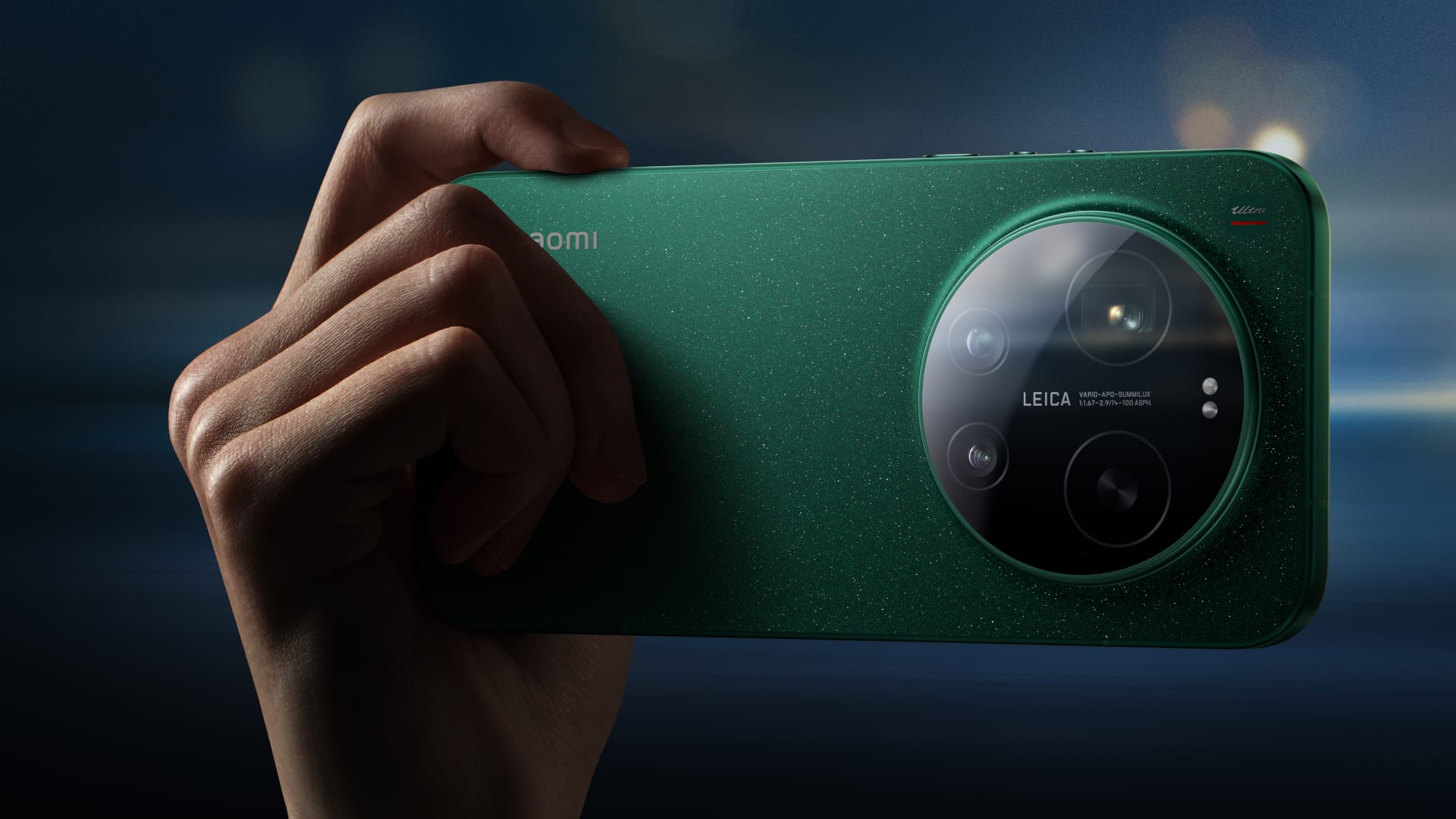
Contents
Camera: New sensor architecture instead of more cameras
The Xiaomi 15 Ultra already used a 1-inch sensor (LYT-900) with 50 MP and 3.2 µm 4-in-1 superpixels. The Xiaomi 17 Ultra retains the 50 MP resolution but switches to the new Light Fusion 1050L with LOFIC HDR technology. This integrates additional capacitor structures into the sensor to increase its full-well capacity, which in practice provides more dynamic range when dealing with high contrast.
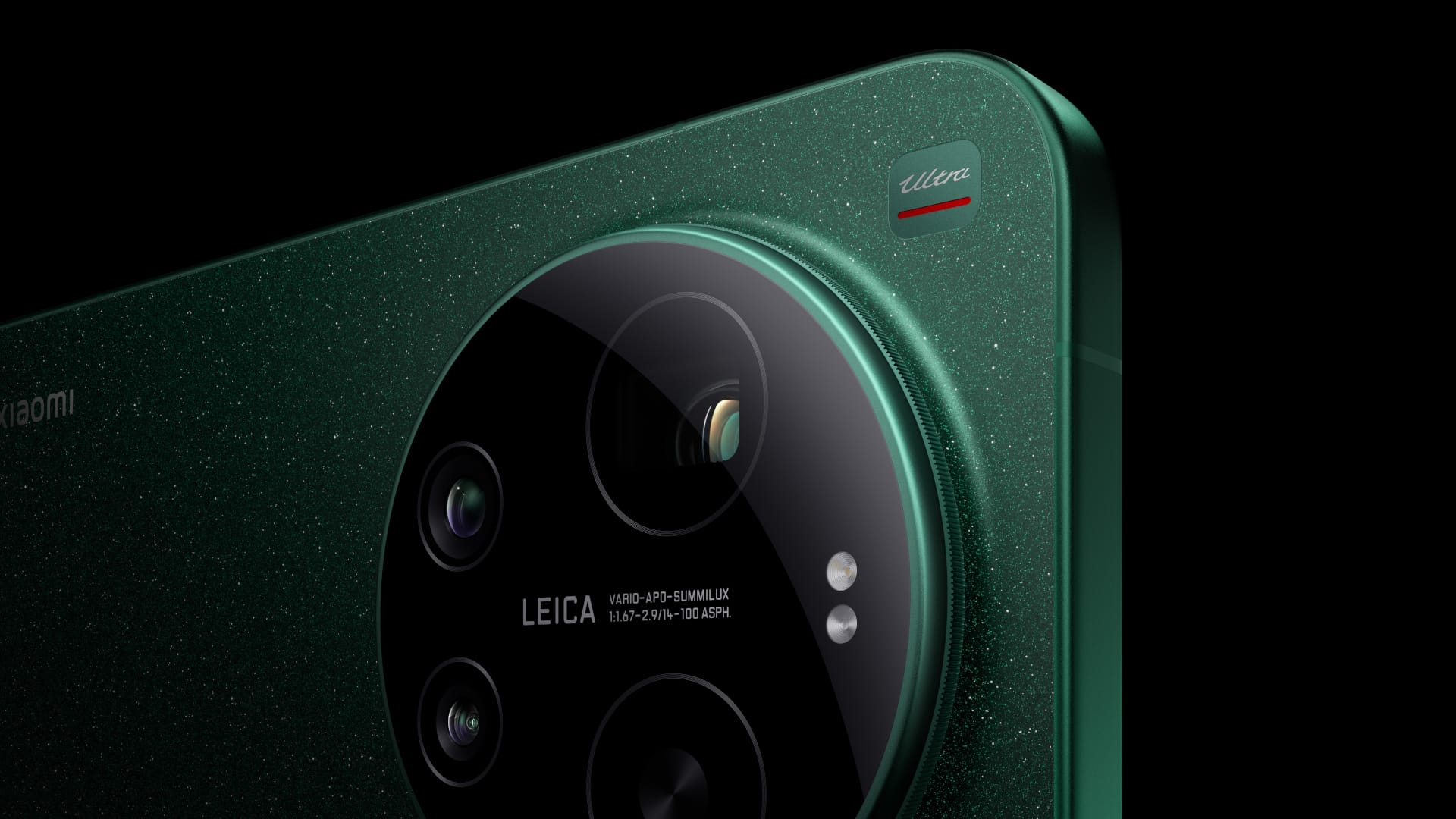
The nominal focal length remains 23 mm, as does optical image stabilisation. The telephoto setup has changed significantly. While the Xiaomi 15 Ultra had a 200 MP periscope lens at 100 mm as well as a 70 mm floating telephoto lens, Xiaomi has opted for a 200 MP telephoto camera with a mechanical 75–100 mm zoom on the Xiaomi 17 Ultra.
This covers the native zoom range between 75 and 100 mm without a sensor crop, which is intended to preserve more detail, particularly in portraits and at medium distances. An extended focal length of up to 400 mm (17.2x) is also possible. The ultra-wide-angle camera remains at 50 MP with a 14 mm equivalent focal length.
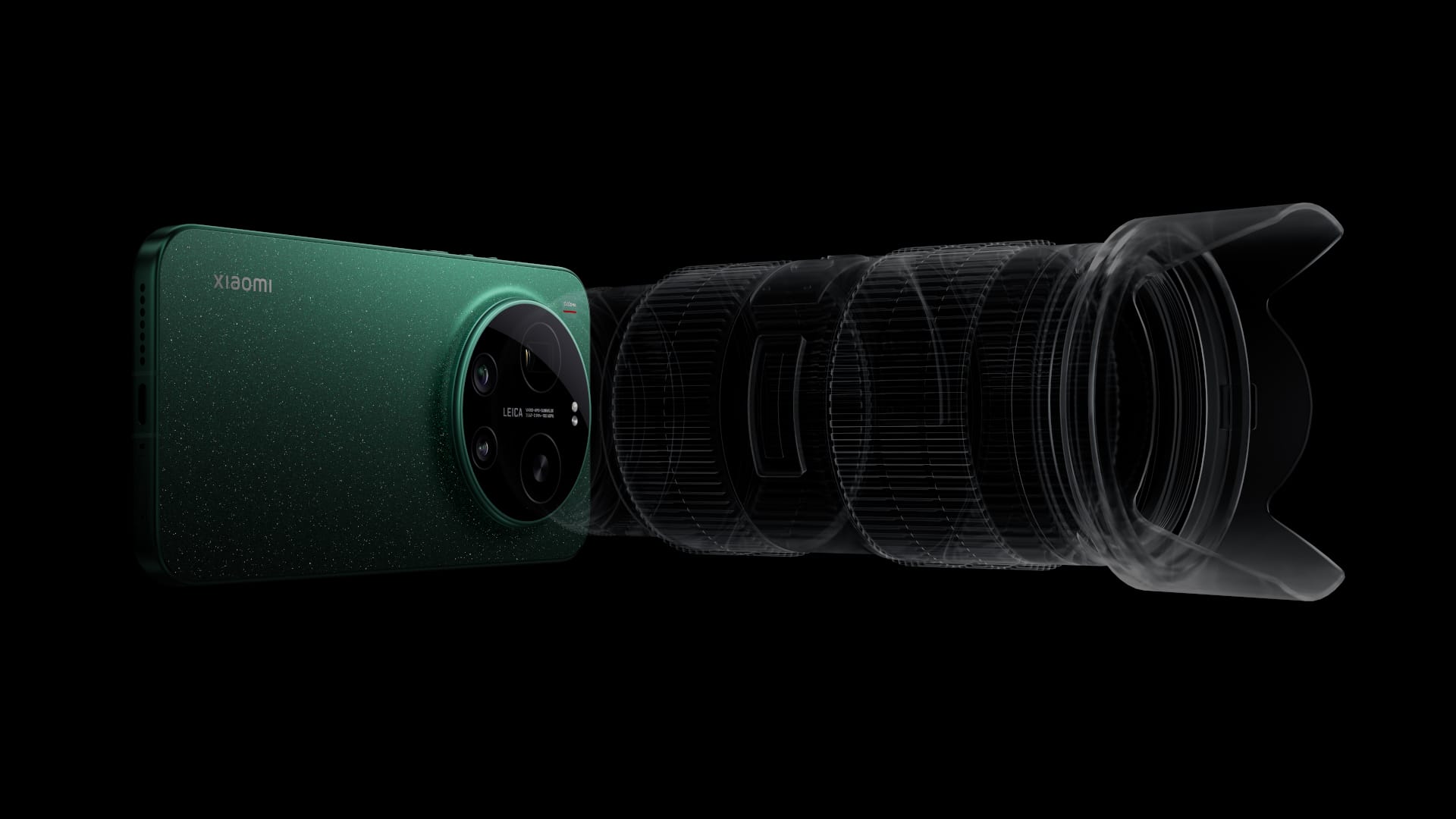
The Xiaomi 17 Ultra takes another step forward in video, now adding 4K 120 fps Dolby Vision and 4K 120 fps Log with ACES color space for professional color-grading workflows. Also new is the use of a Leica APO lens, which reduces chromatic aberrations optically—a feature previously found mainly in traditional cameras.
Design: Slim construction
Despite its larger sensors and still substantial camera assembly, the Xiaomi 17 Ultra is considerably thinner at 8.29 mm than the Xiaomi 15 Ultra, which measured 9.3 mm. Its weight has also dropped from up to 229 g to around 218 g. The camera module has been moved slightly higher, which is intended to make the device more stable in the hand when taking photos.
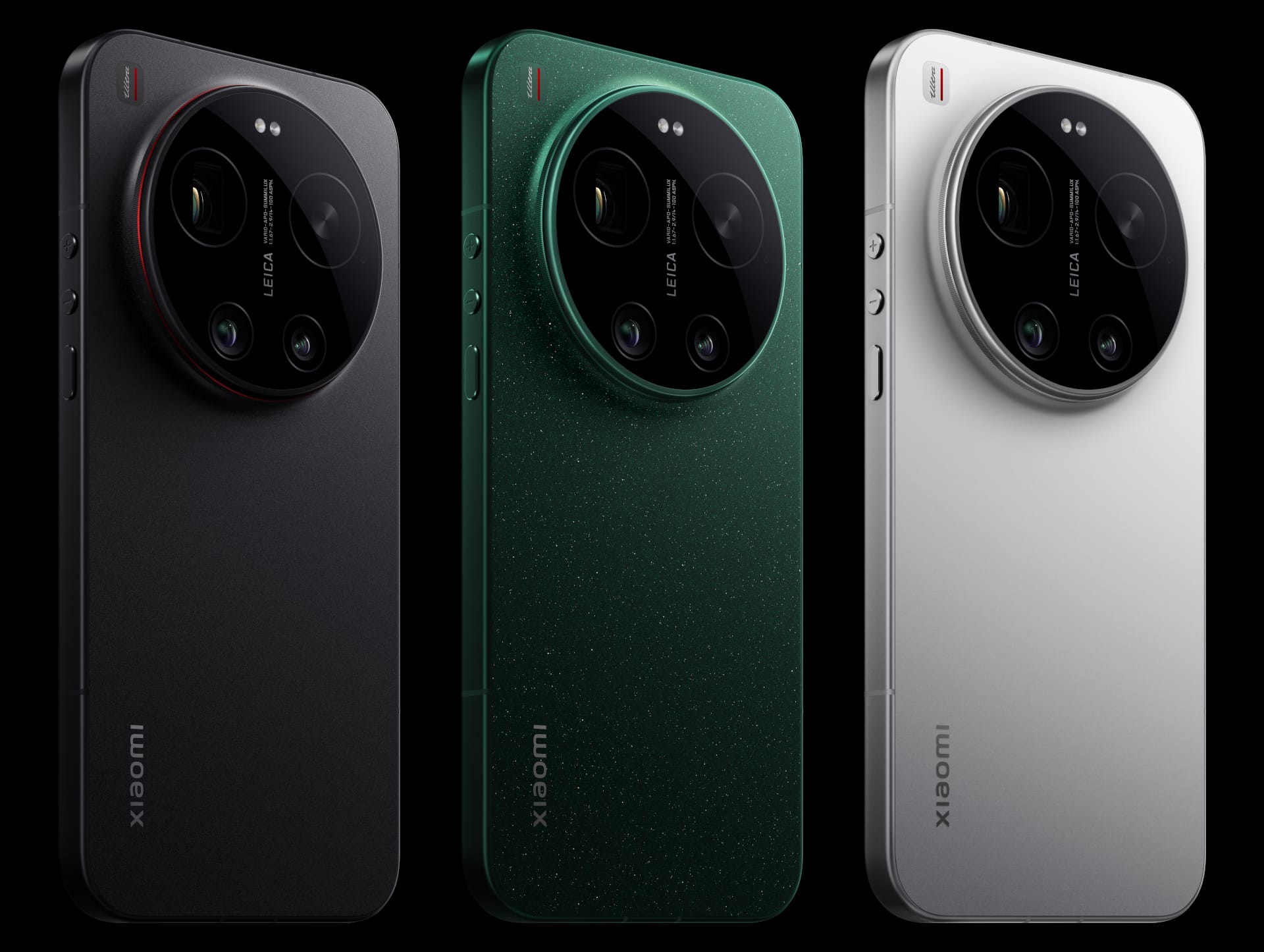
The device also features Xiaomi Shield Glass 3.0 for the first time, which the manufacturer says offers greater drop resistance than the second-generation glass used in the Xiaomi 15 Ultra. The Xiaomi 17 Ultra comes in Black, White and Starlit Green.
Display: HyperRGB instead of WQHD+
The display grows slightly to 6.9 inches, while the Xiaomi 15 Ultra used a 6.73-inch panel. Resolution drops moderately from WQHD+ (3200 × 1440) to 2608 × 1200 pixels, a trade-off Xiaomi makes in favor of energy efficiency.
New is the so-called HyperRGB OLED panel with a dedicated RGB subpixel layout, which is intended to deliver perceived sharpness comparable to its predecessor despite the lower resolution. Peak brightness increases to 3,500 nits, while the adaptive refresh rate remains at 1-120 Hz (LTPO).
Battery and performance: More capacity, with a focus on efficiency
While the Xiaomi 15 Ultra had a 5,410 mAh battery, capacity in the Xiaomi 17 Ultra increases to 6,000 mAh. That's an increase of around 11 percent, despite the slimmer body. This is made possible by advanced silicon-carbon technology with higher energy density and, according to Xiaomi, a 16 percent silicon content.
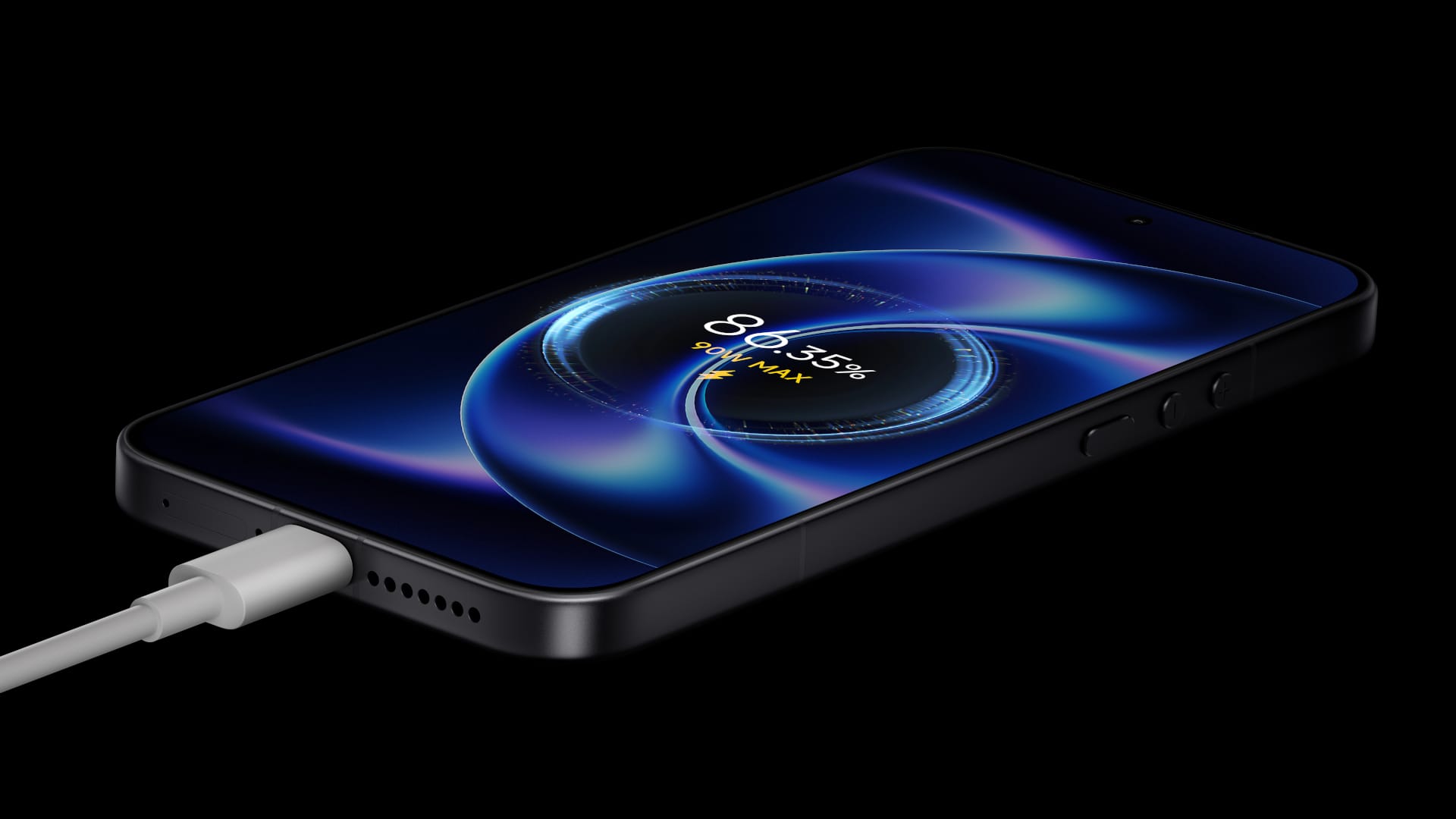
The Xiaomi 17 Ultra will continue to charge via cable at 90 W. However, there are changes to wireless charging. Xiaomi has reduced the maximum power here from 80 W previously to 50 W, presumably to reduce heat generation and improve long-term battery stability.
In terms of performance, Xiaomi is moving from the Snapdragon 8 Elite in the Xiaomi 15 Ultra to the Snapdragon 8 Elite Gen 5, made using a 3-nm process. The architecture remains in the high-end segment, but according to the manufacturer, it brings efficiency gains under CPU and GPU load, as well as a more powerful AI NPU for image processing and on-device AI features.
In terms of memory, it remains at LPDDR5X RAM (16 GB) and either UFS 4.1 (512 GB or 1 TB ), already the fast standard used by its predecessor. A clear performance leap is less likely here than improved power management under sustained load, particularly with 4K-120fps video or burst shooting with the 1-inch sensor.
Leica Leitzphone powered by Xiaomi
Alongside the Xiaomi 17 Ultra, Xiaomi and Leica are launching their first fully co-developed smartphone. Technically, the Leica Leitzphone powered by Xiaomi is largely based on the Xiaomi 17 Ultra and uses the same camera hardware, including a 1-inch sensor and 200 MP telephoto camera. The main differences lie in its controls and design approach.
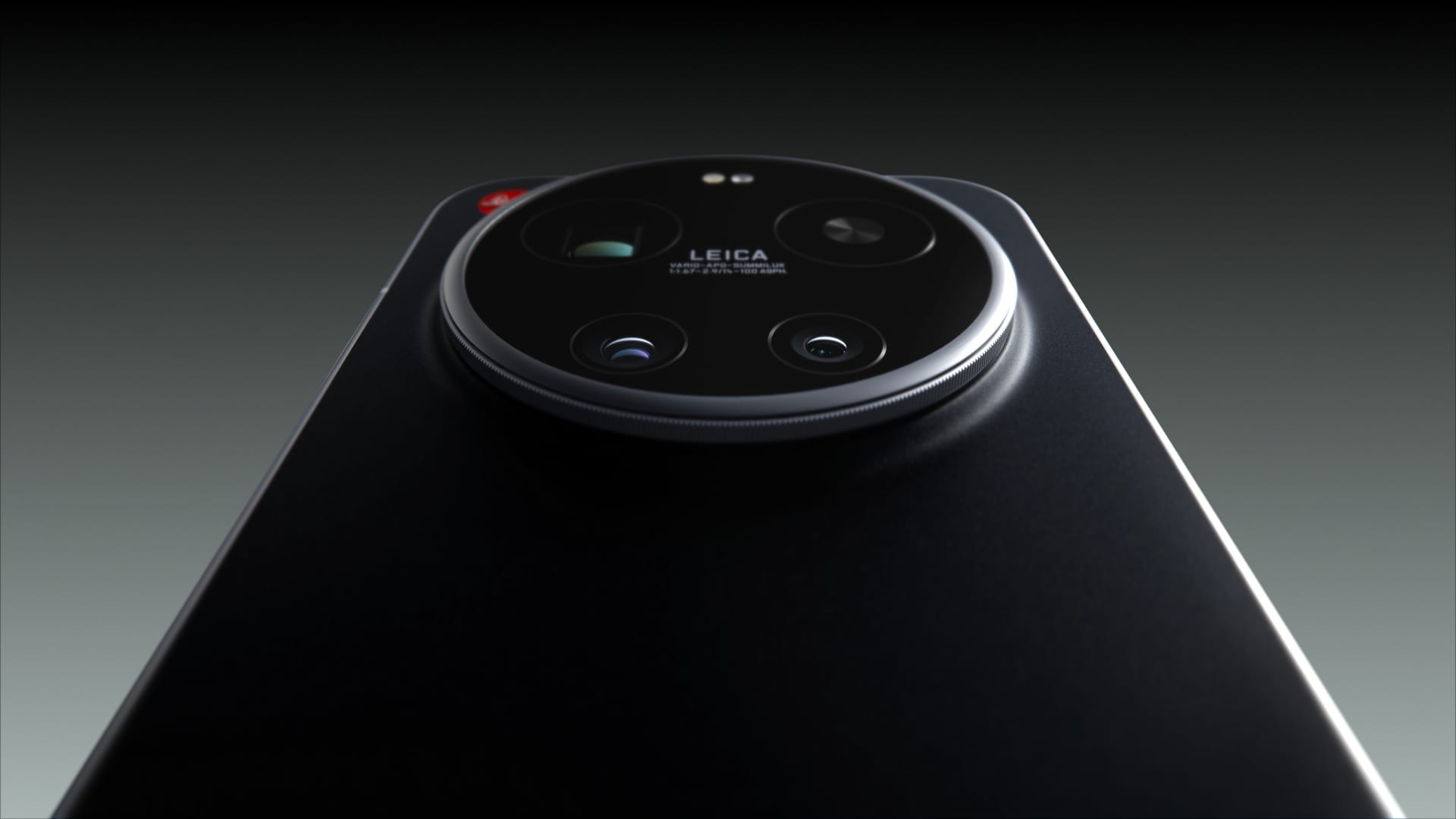
The central feature is a physical Leica Camera Ring, which performs functions similar to those of classic camera control dials. It is complemented by a customised Leica user interface and the new Leica Essential Mode, which simulates the image characteristics of historic cameras such as the Leica M9 or M3.
The casing is also different. Its nickel-anodised aluminium construction and deliberately pared-back software design are more reminiscent of classic Leica cameras than typical Android flagships. Xiaomi is positioning the Leitzphone clearly as a niche model for photography enthusiasts, while the Xiaomi 17 Ultra remains the more broadly targeted premium flagship.
Xiaomi 17 Ultra specifications at a glance
| Feature | Xiaomi 17 Ultra |
| Display | 6.9" LTPO AMOLED, 2608 × 1200 pixels, 1–120 Hz, up to 3,500 nits, Dolby Vision, HDR10+, HyperRGB panel |
| Processor | Snapdragon® 8 Elite Gen 5 Mobile Platform (3 nm) |
| RAM / storage | 16 GB LPDDR5X RAM; 512 GB or 1 TB UFS 4.1 storage |
| Main camera | 50 MP, 1" Light Fusion 1050L sensor, 23 mm, f/1.6x, OIS, LOFIC HDR |
| Telephoto camera | 200 MP Leica APO telephoto, mechanical 75–100 mm optical zoom, up to 400 mm (17.2x) |
| Ultra-wide-angle camera | 50 MP, 14 mm equivalent focal length |
| Front camera | 50 MP with autofocus |
| Video | Up to 4K 120 fps, Dolby Vision, Log recording, ACES color space |
| Battery | 6,000 mAh Xiaomi Surge Battery (silicon-carbon technology) |
| Charging | 90 W wired HyperCharge, 50 W wireless HyperCharge |
| Connectivity | 5G, Wi-Fi 7, Bluetooth 6.0, NFC, Dual SIM / eSIM |
| Protection rating | IP68 (dust and water resistance) |
| Case | Aluminium frame, Xiaomi Shield Glass 3.0, approx. 8.29 mm thick, 218 g |
| Operating system | Xiaomi HyperOS 3 (Android-based) |
| Special features | Leica Imaging System, APO optics, compatible with Photography Kit and Photography Kit Pro |
Price and availability
The Xiaomi 17 Ultra launches in Germany at the following prices:
- 16 GB + 512 GB: €1,499.90
- 16 GB + 1 TB: 1,699.90 euros
The Leica Leitzphone powered by Xiaomi is available in Black with 1 TB of storage for an RRP of 1,999.90 euros. It is sold through Xiaomi's and Leica's official sales channels. In Germany, Telekom has exclusive marketing rights for the device. Sales are scheduled to begin in Telekom stores and online on March 2.
Source: Press release
Comments