Contents
First impressions of the Xiaomi Mi Max 2
The Xiaomi Mi Max 2 is a so-called phablet, a term derived from smartphone and tablet that describes mobile devices with a display diagonal beyond 5.7 inches. Due to its great popularity in Asia, Xiaomi has offered a phablet line under the designation "Max" since 2016, which is also gaining increasing popularity here.
Design, build quality and contents of delivery
The metal unibody chassis of the Xiaomi Mi Max 2 measures a substantial 17.41 x 8.87 x 0.76 cm, resulting in an impressive weight of 211g. The term “unibody” means that the back and the frame form a single unit, so there are no visible transitions and the smartphone appears more rounded overall.
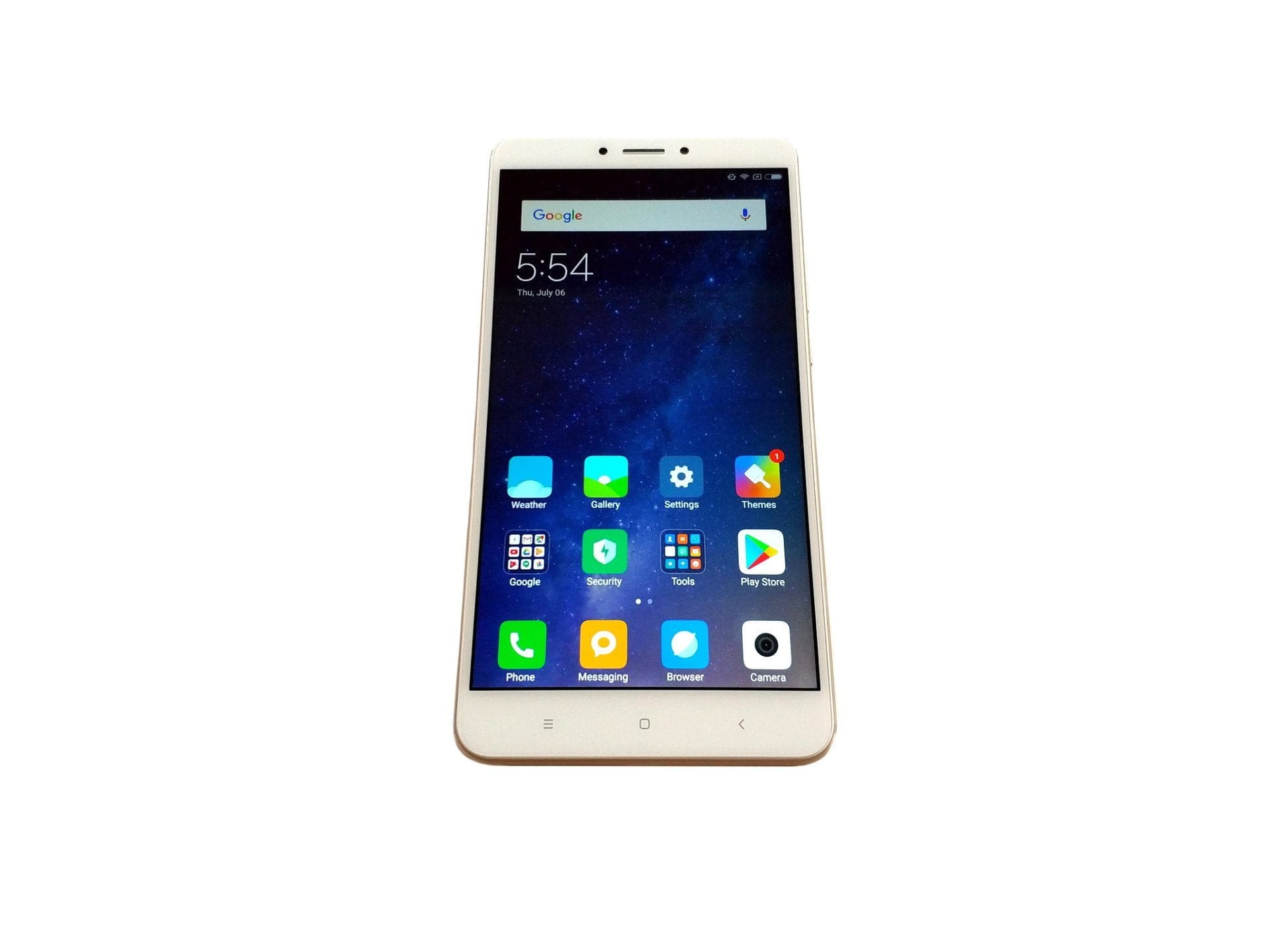
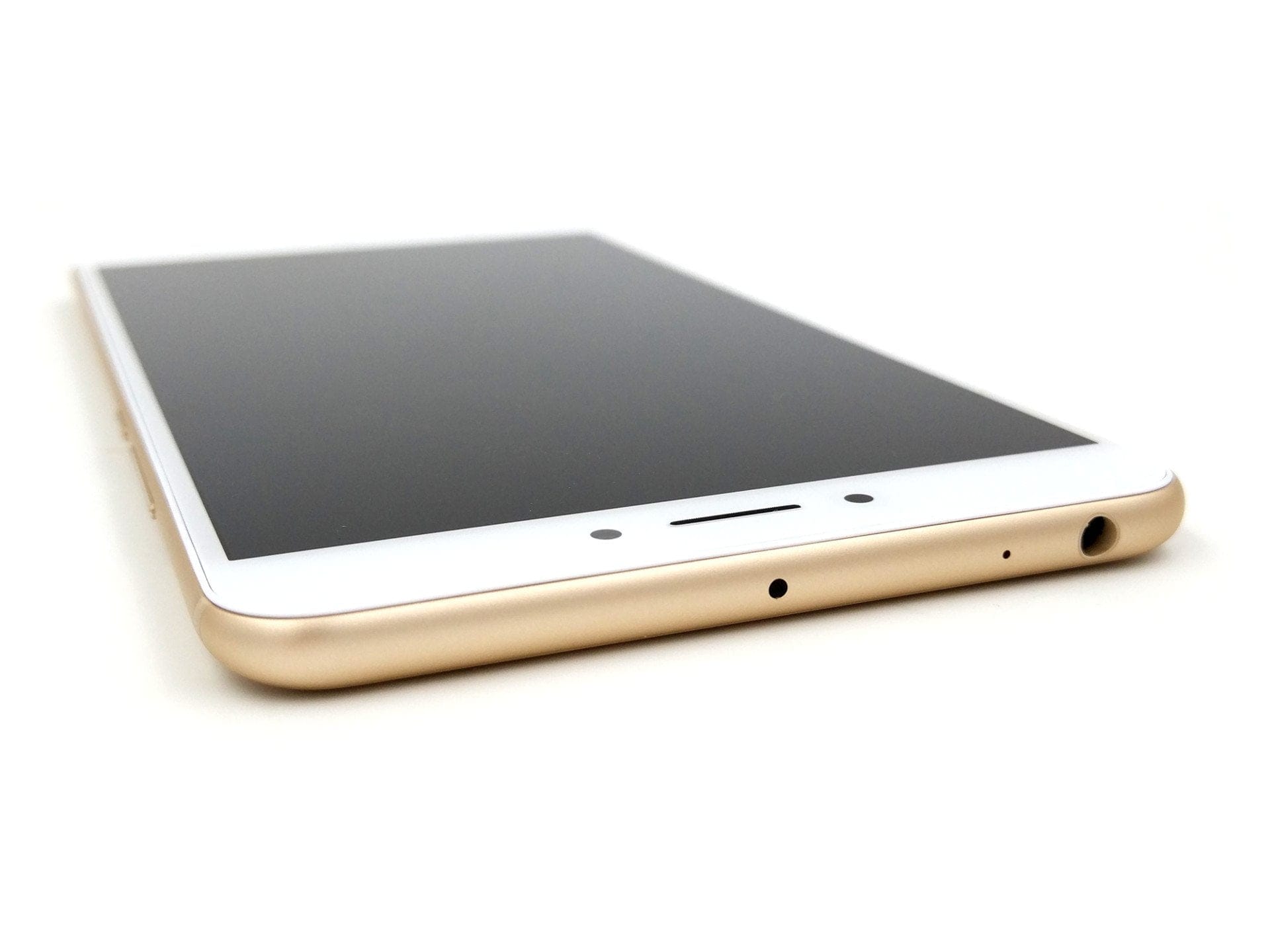
The smartphone is constructed as follows: On the front is the 6.44-inch display with a distinctive 3.5 mm bezel. Below the display are three capacitive and white-illuminated control buttons. Above the display is the earpiece, with the proximity sensor to its left and the 5-megapixel front camera to its right, along with a single-colour notification LED.
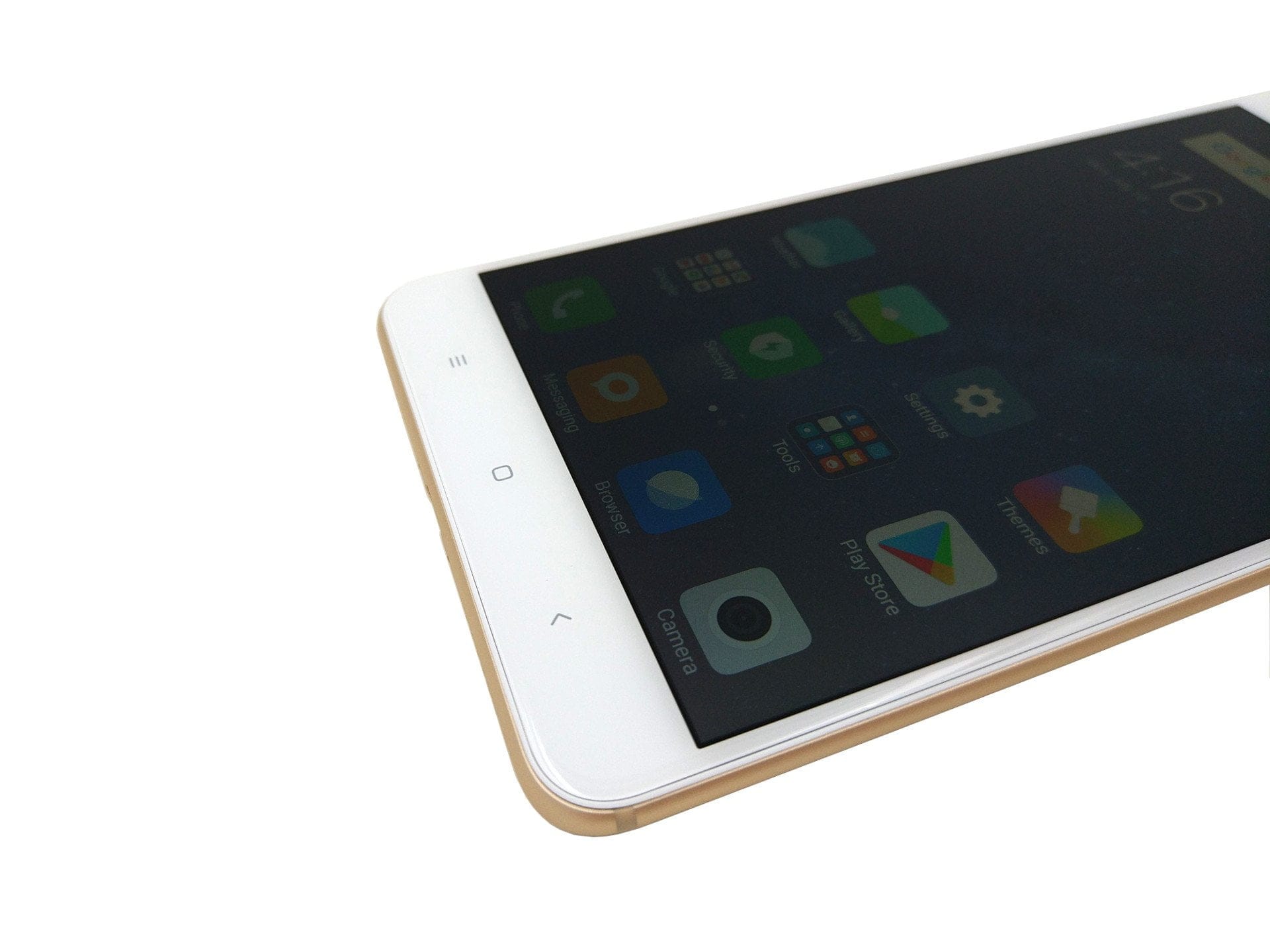
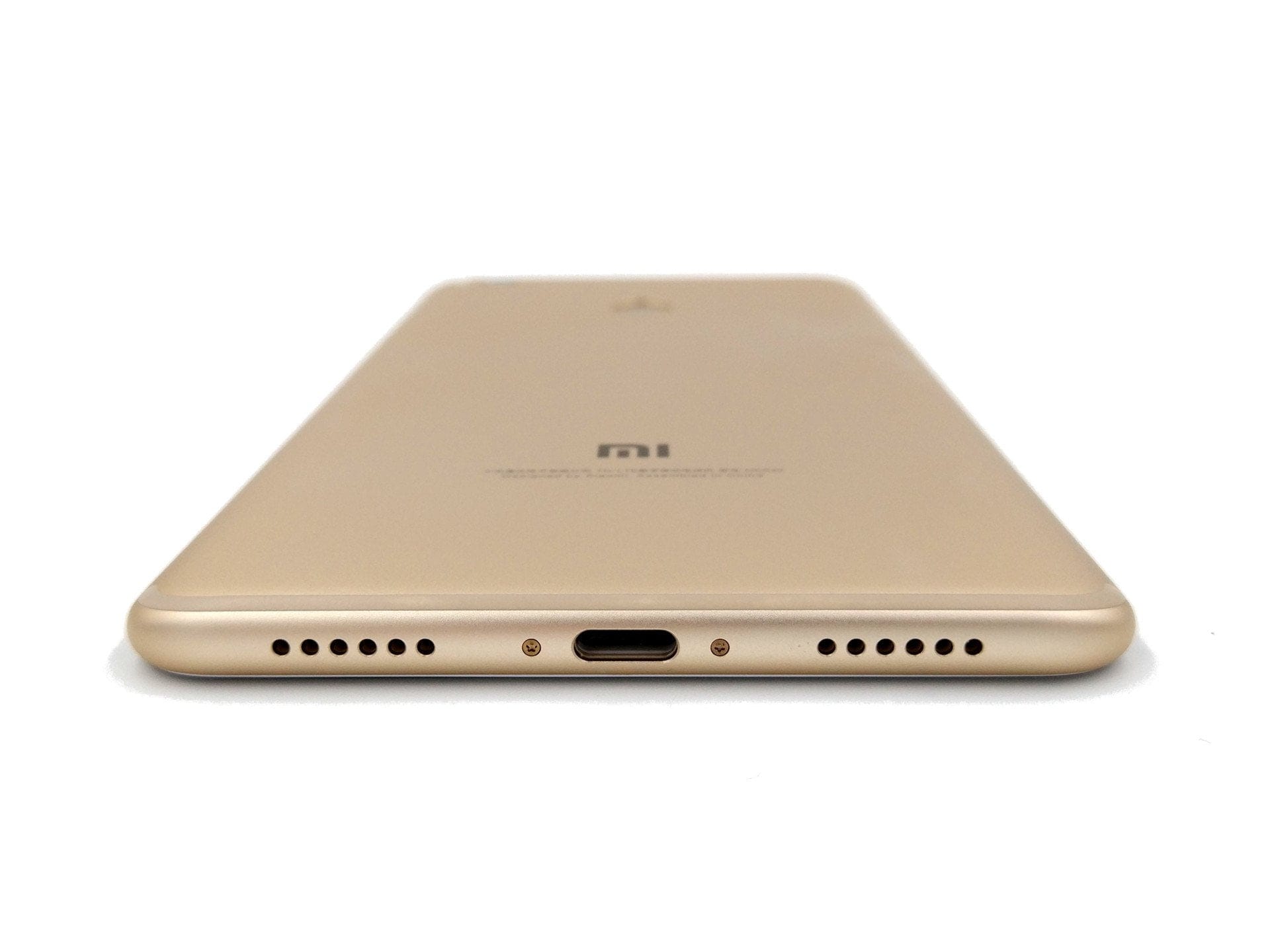
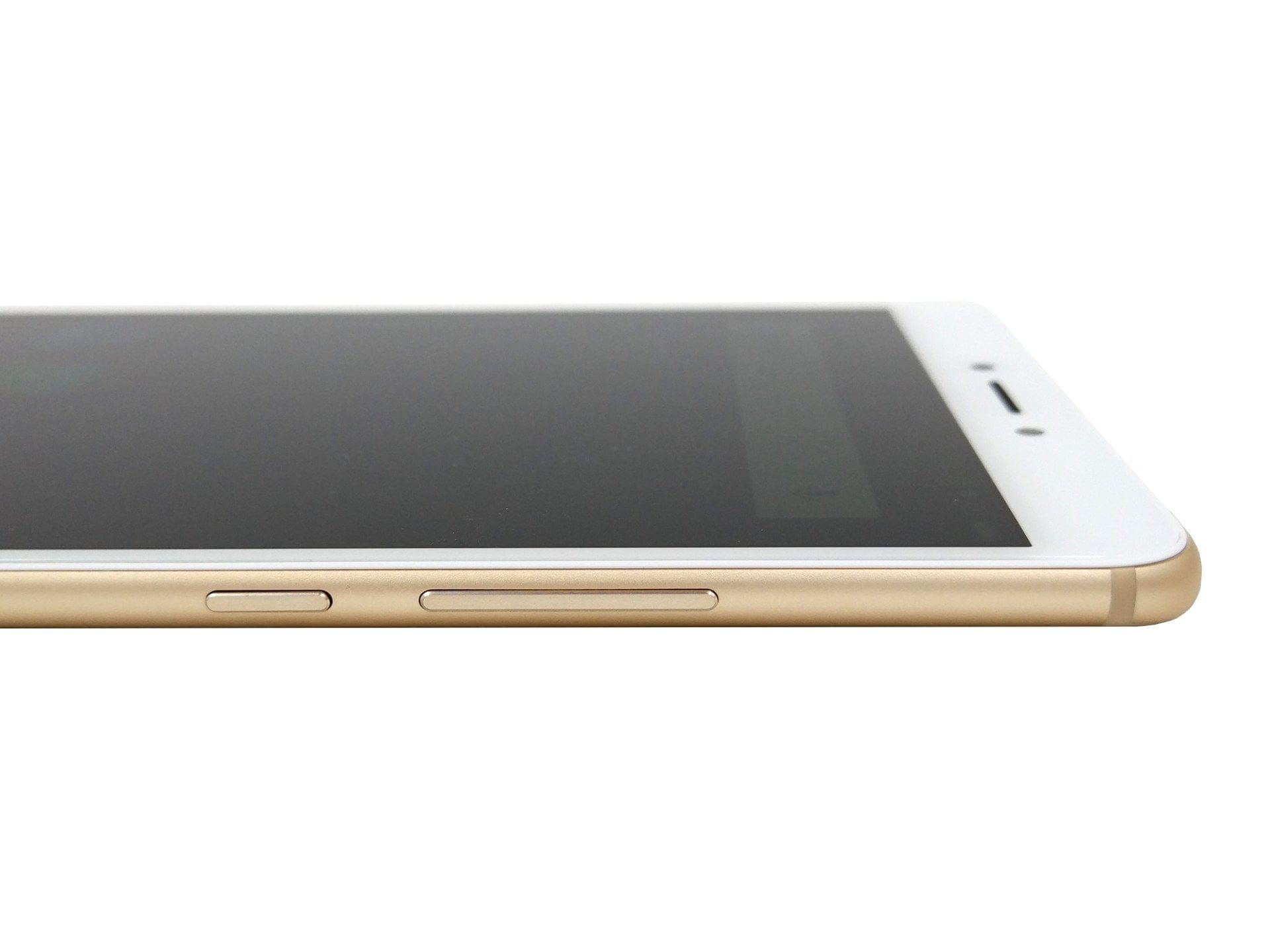
The chassis frame houses the volume rocker and the power button on the right side. The SIM tray is located on the left side of the frame. The dual-SIM slot holds two SIM cards in the sizes “nano” and “micro”, and it is also possible to use the second slot for storage expansion via a micro-SD memory card instead of using the dual-SIM function. The top and bottom of the frame are typically equipped with microphones, the loudspeaker, the USB-C port, the 3.5 mm jack audio port, and even an infrared transmitter.
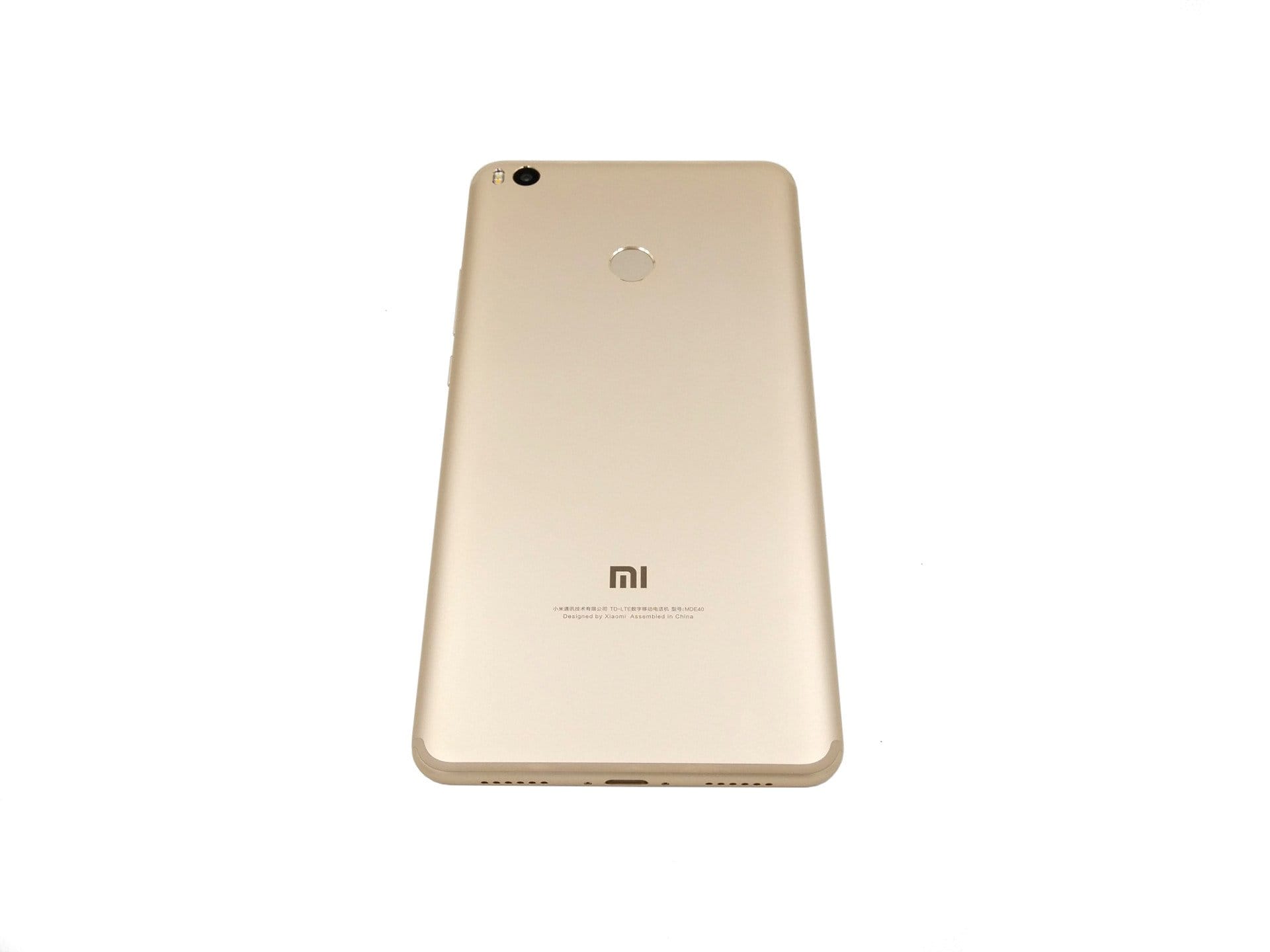
The back of the Xiaomi Mi Max 2 includes the 12-megapixel main camera with dual-tone LED flash, as well as the round fingerprint scanner located in the upper third. Due to the unibody design, the back is not removable, which means the battery cannot be replaced! In addition to its successful design, the smartphone is also flawlessly crafted.
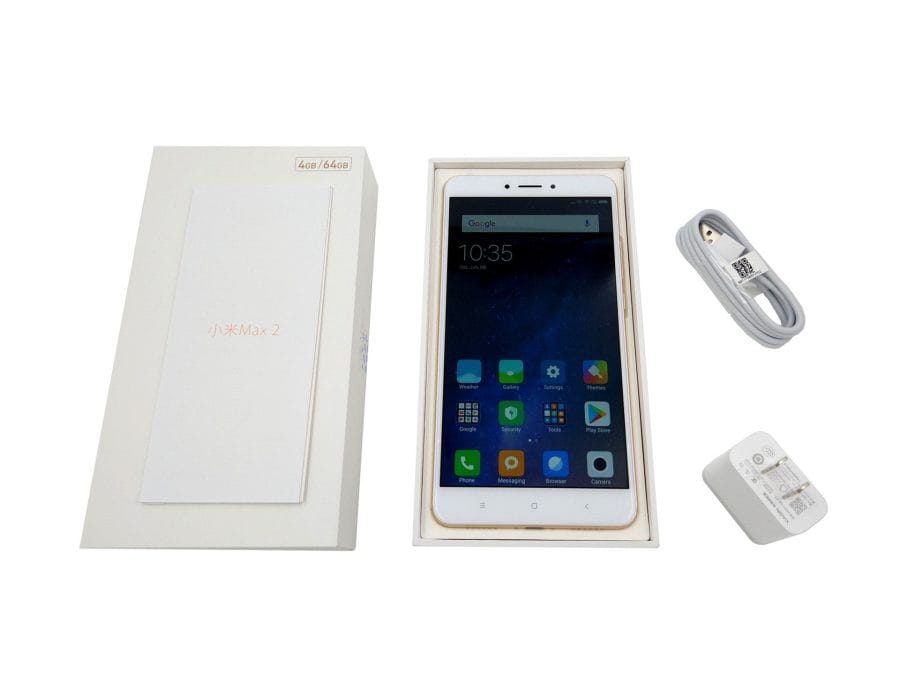
The contents of the Mi Max 2 box are as minimalist as usual. Included are the smartphone, a USB-C cable, a charger with a NEMA-1 plug connection, and a Chinese user manual. No protective case or screen protector is included.
Display
As a phablet, the Xiaomi Mi Max 2 has a generous screen diagonal of 6.44 inches. The IPS display offers crisp Full HD resolution at 1920 x 1080 pixels and achieves a pixel density of 342 PPI. Despite the large display, individual pixels are not visible to the naked eye.
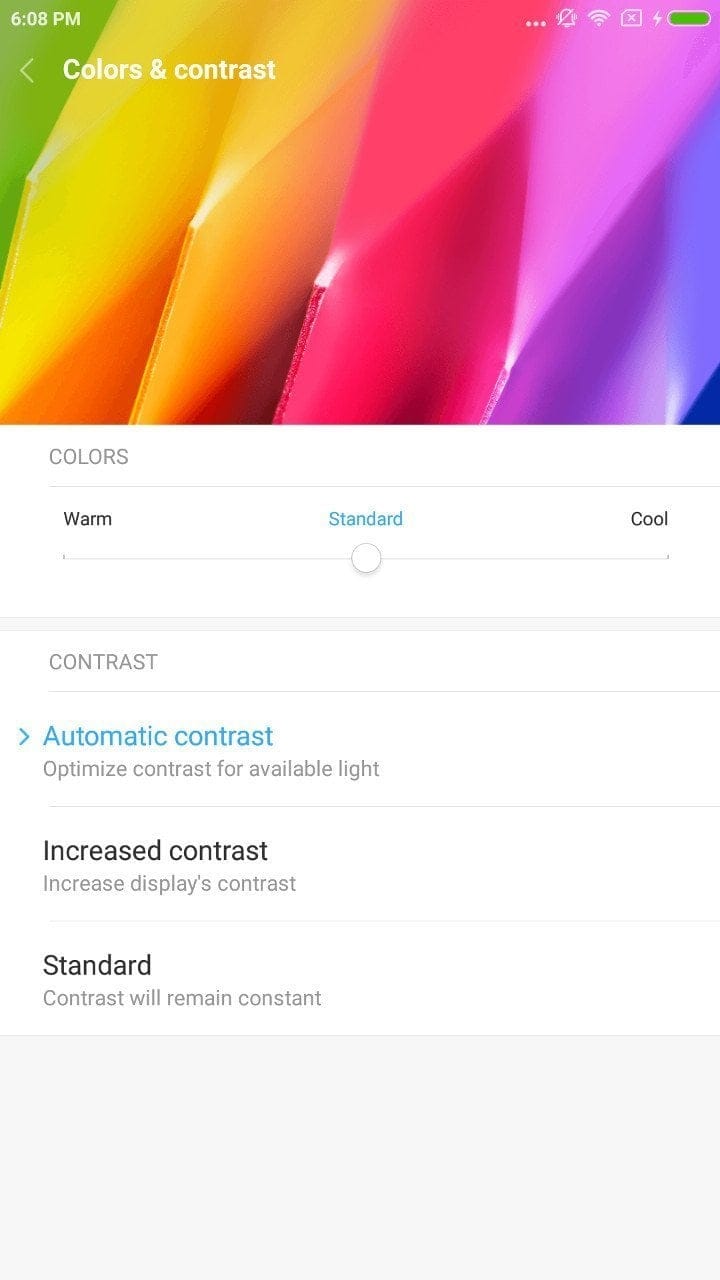
By default, the display presents colours particularly vividly and strikes a good balance between warm and cool colour tones. Additionally, the colour profile can be individually adjusted within the display settings. This includes the colour profiles ‘Warm’, ‘Standard’ and ‘Cool’. The display brightness can be automatically adjusted based on ambient light. There is also a automatic contrast adjustment feature that also uses the ambient light sensor. Despite the rather average brightness of 450 nits, the display is excellently readable even in stronger ambient light. The automatic contrast adjustment is particularly convincing here. For those who want to use the phablet for reading, there is a special reading mode that reduces the proportion of blue light, thereby protecting the eyes. The viewing angle stability is also beyond criticism. Even from extreme viewing angles, colour representation and display sharpness remain intact.
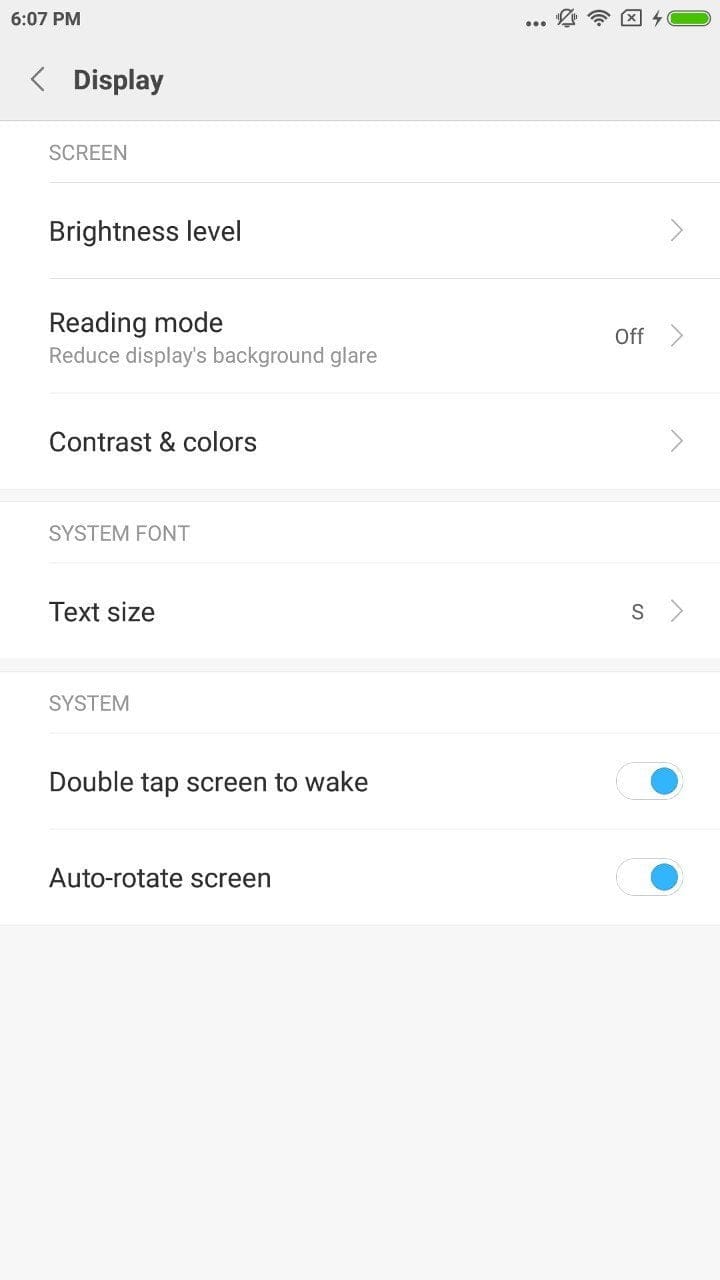
The touchscreen recognises a maximum of 10 simultaneous inputs. So-called ghost touches or other recognition errors did not occur during the test phase. The touch panel works without delay and inputs are recognised precisely. With the “double tap screen to wake” function, the smartphone can be woken from standby by tapping the display twice. Which display glass Xiaomi uses for this smartphone is not known.
Performance
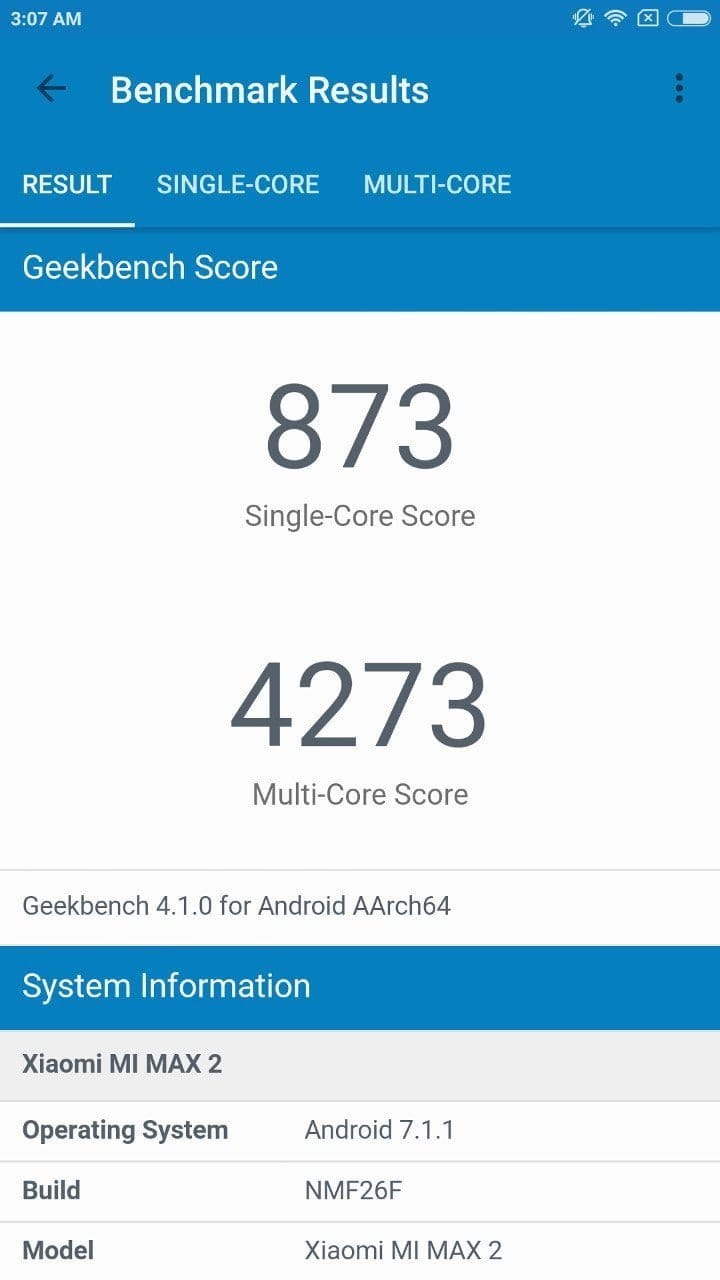
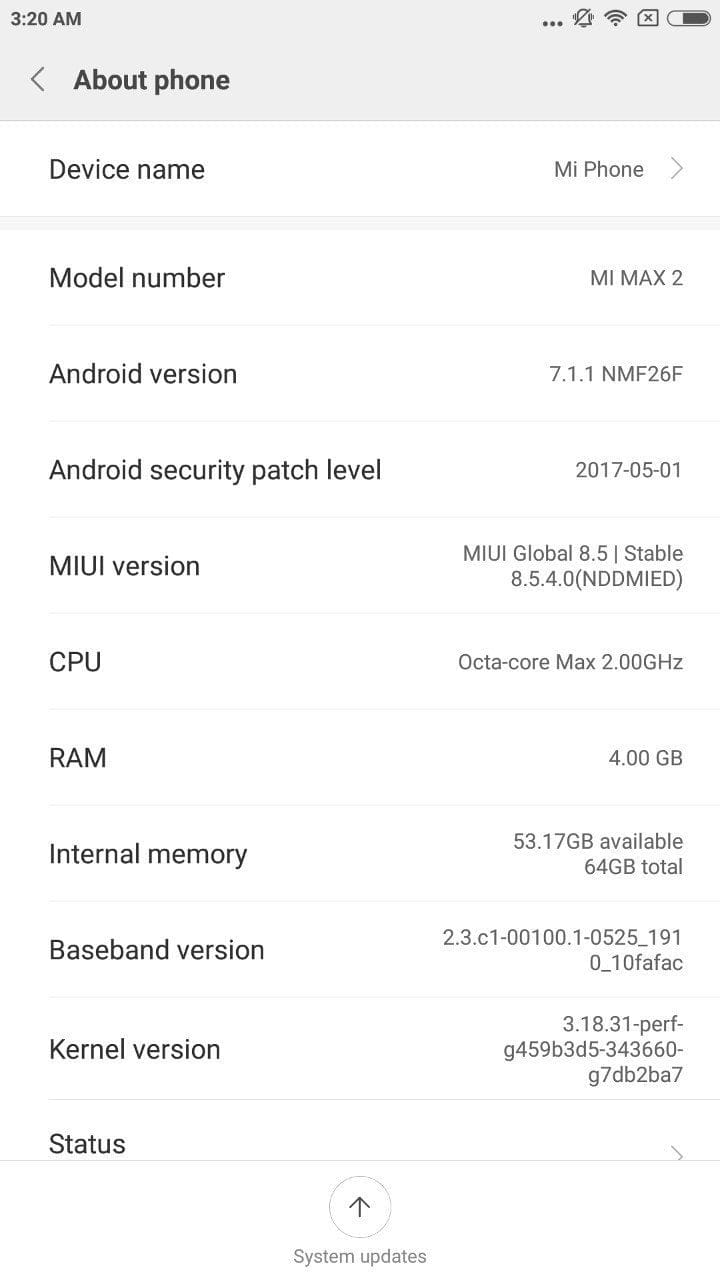
The processor fitted is a Qualcomm Snapdragon 625, a mid-range processor with a total of eight ARM Cortex-A53 processor cores clocking at up to 2 GHz. Compared to the Xiaomi Mi Max released last year, which was equipped with a Snapdragon 650 or 652 (Prime Edition), the Snapdragon 625 represents a slight performance downgrade. Instead, thanks to its 14nm architecture, the Snapdragon 625 offers improved energy efficiency and supports the USB 3.0 standard. The memory configuration comprises 4GB LPDDR3 RAM and 64GB, or optionally 128GB, of eMMC 5.1 flash storage.
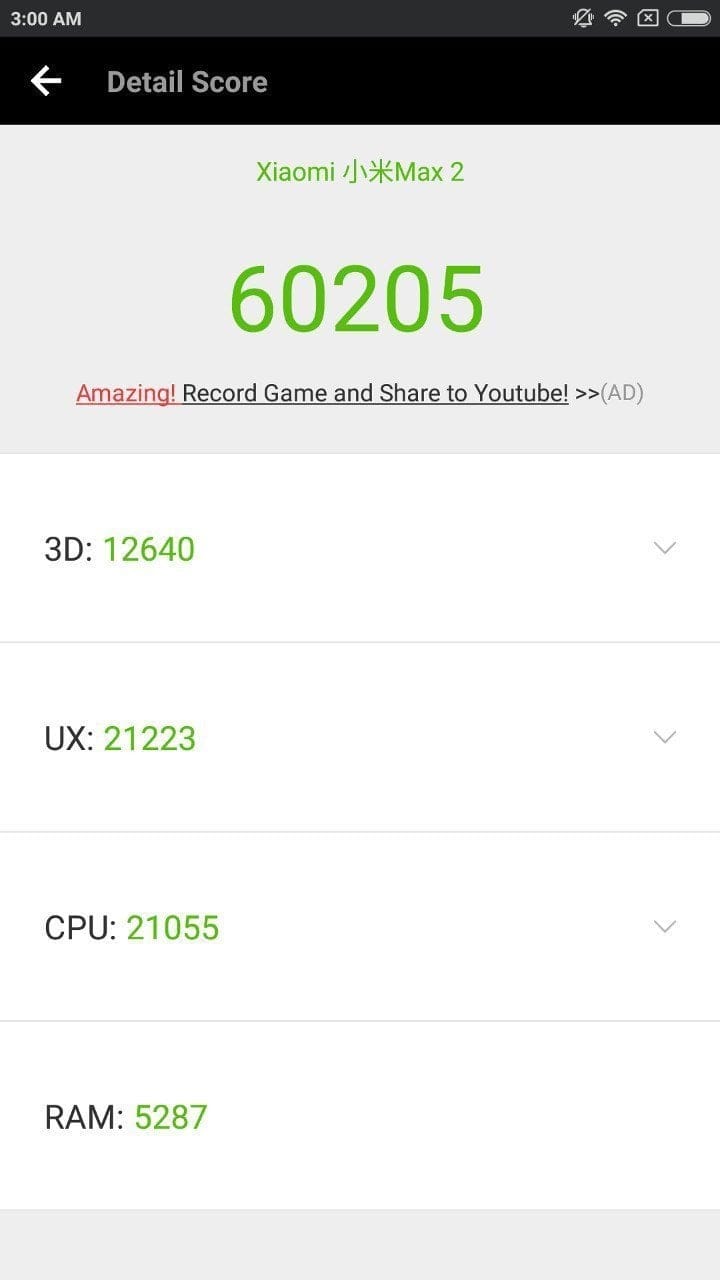
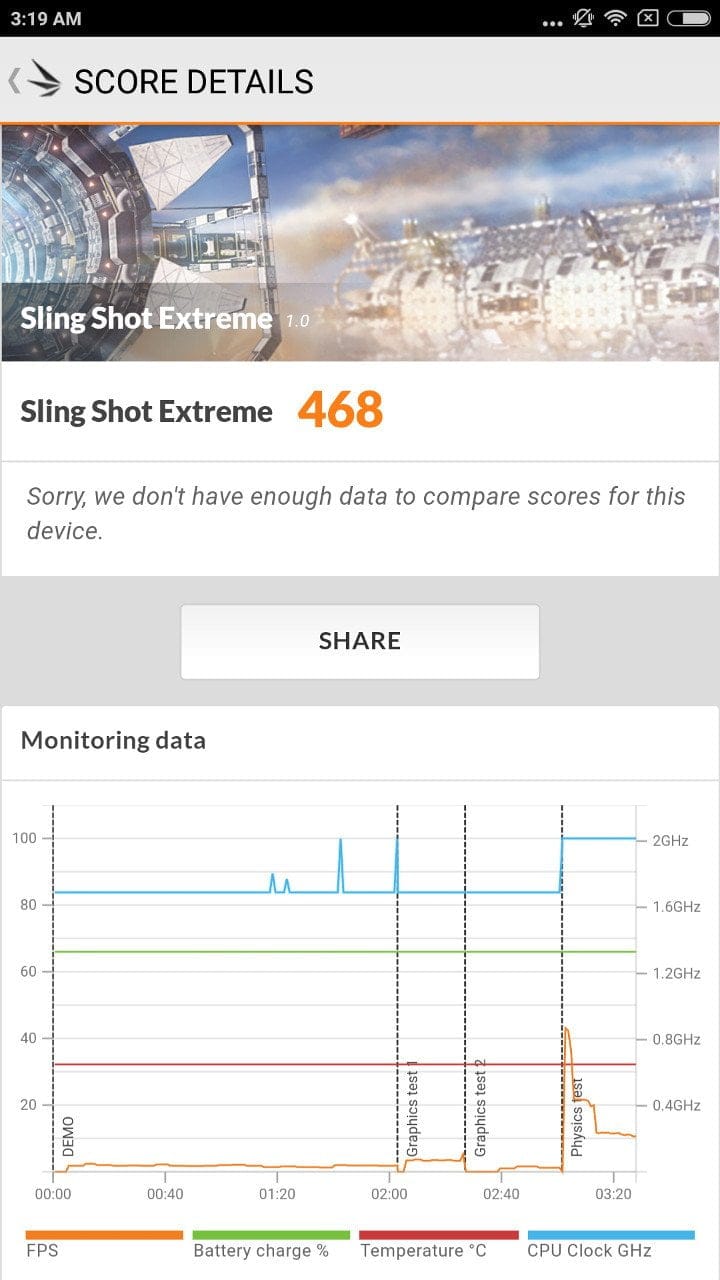
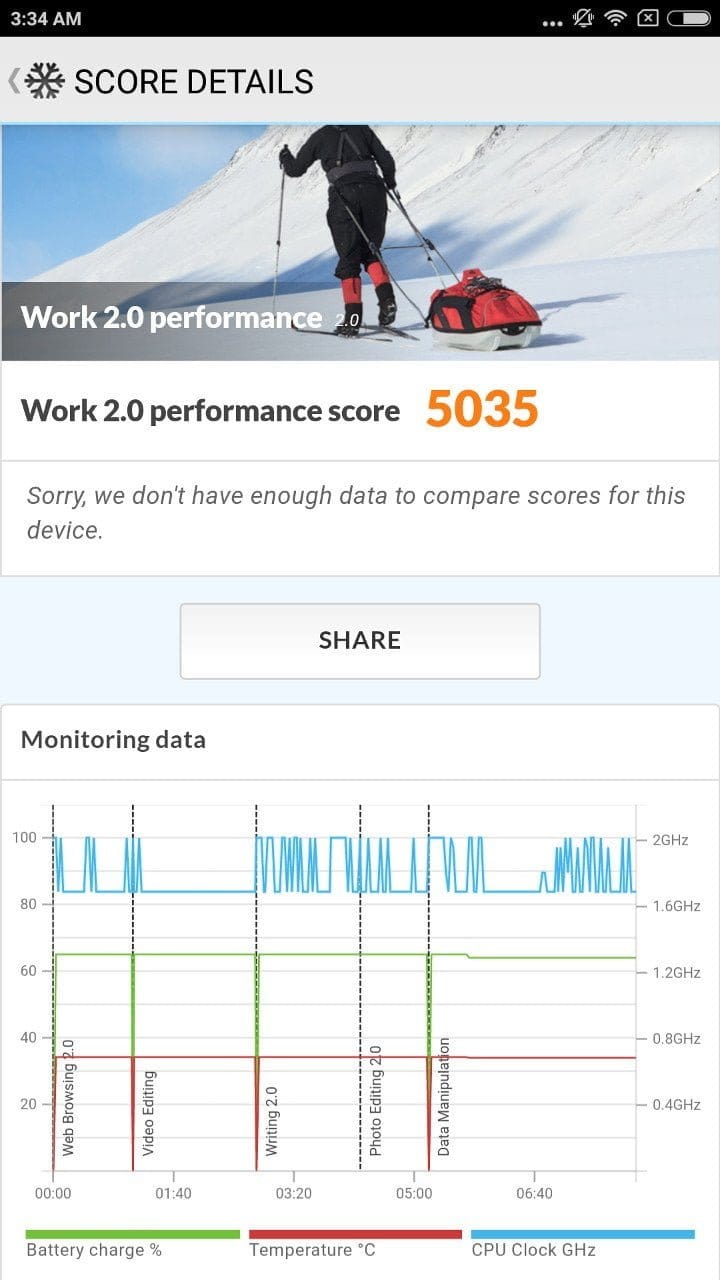
Everyday performance is surprisingly good. In direct comparison to a significantly more powerful Xiaomi Mi6, the Xiaomi Mi Max 2 opens apps with only a fraction of a delay. Even after numerous apps are opened in the background, performance does not noticeably diminish. The user interface can generally be operated smoothly and without delays.
The smartphone, however, shows performance drops when gaming. The predecessor model, the Xiaomi Mi Max, is clearly superior in this regard. Games like Asphalt 8 are playable, but depending on the situation, slight frame drops can be felt. On the positive side, however, is the low temperature rise. Even after prolonged full load, the back of the case does not become uncomfortably hot.
User interface
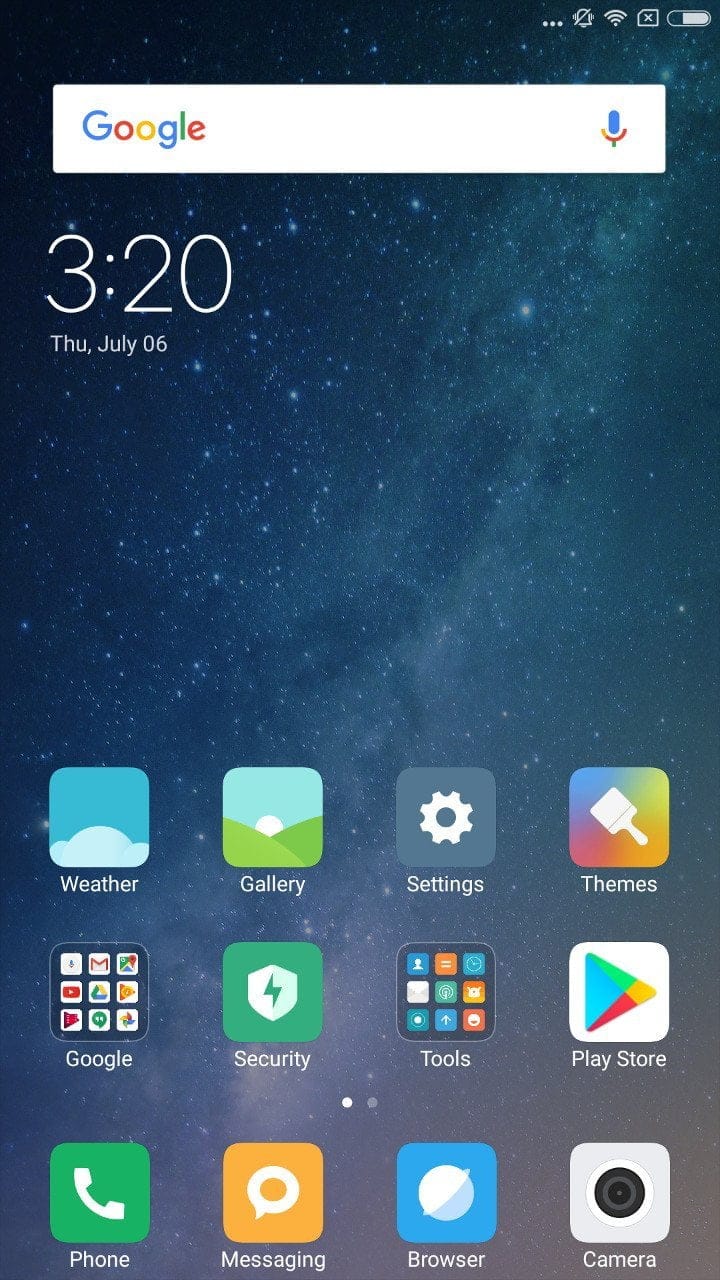
All Xiaomi smartphones come with the proprietary MIUI, which is currently based on Android 6 or Android 7 depending on the device. Depending on the retailer from whom you purchase the smartphone, there may be a specially adapted shop ROM on the device, which is indeed MIUI but has been extended with additional functions and apps or offers an expanded language selection. A disadvantage of the shop ROMs is that you can never be sure to what extent harmful apps are pre-installed, nor can automatic OTA updates be applied. Those who know their way around flashing ROMs can install an official MIUI ROM in just a few steps.
We received our test unit from GearBest, one of the largest import shops from China, known for often providing Xiaomi devices with a shop ROM. Surprisingly, the Xiaomi Mi Max 2 was the first test unit from this retailer that came with an official “Global Stable” ROM instead of a shop ROM. The smartphone was running Global Stable 8.5.2.0, which is already based on Android 7.1.1.
MIUI itself is characterised by a heavily modified user interface that deviates significantly from stock Android. Particularly interesting are the additional functions that MIUI has to offer. For example, via the Theme Launcher, you can download and select various themes in no time. The Security Center offers advanced security settings for app permissions and can also specifically monitor apps. The so-called “Second Space” mode allows two user profiles to be created. This lets you separate private from work with one click. Updates are received via MIUI Global OTA (Over The Air).
Camera
The camera equipment consists of a main camera with a 12 Megapixel Sony IMX386 image sensor and an f/2.2 aperture. Unlike the Xiaomi Mi6, which also uses the Sony IMX386 as its main sensor, the camera of the Mi Max 2 does not offer Optical Image Stabilization (OIS). The front camera uses an unspecified 5 Megapixel image sensor, a f/2.0 aperture and a 85° wide-angle.
Main camera real-world test
The main camera produces detailed and sharp images in good lighting conditions that can compete with the dual main camera of the Xiaomi Mi6. In terms of colour, the Xiaomi Mi Max 2's main camera is tuned slightly cooler, which makes blue tones stand out more. In poor lighting conditions, the images are still usable, but image noise increases significantly. Additionally, it becomes increasingly difficult to capture sharp images. Here, the Xiaomi Mi6 with its dual camera and OIS is clearly superior.
The PDAF autofocus works precisely and focuses in the shortest time possible. The same applies to the shutter time, which is not noticeably significant. The MIUI camera app offers numerous functions and settings. Among others, various filters are available for selection, which can be viewed in the preview. Various shooting modes, such as panorama mode, tilt shift or a special night mode, are also integrated. The manual shooting mode is interesting, allowing individual settings for exposure time, ISO and focus.




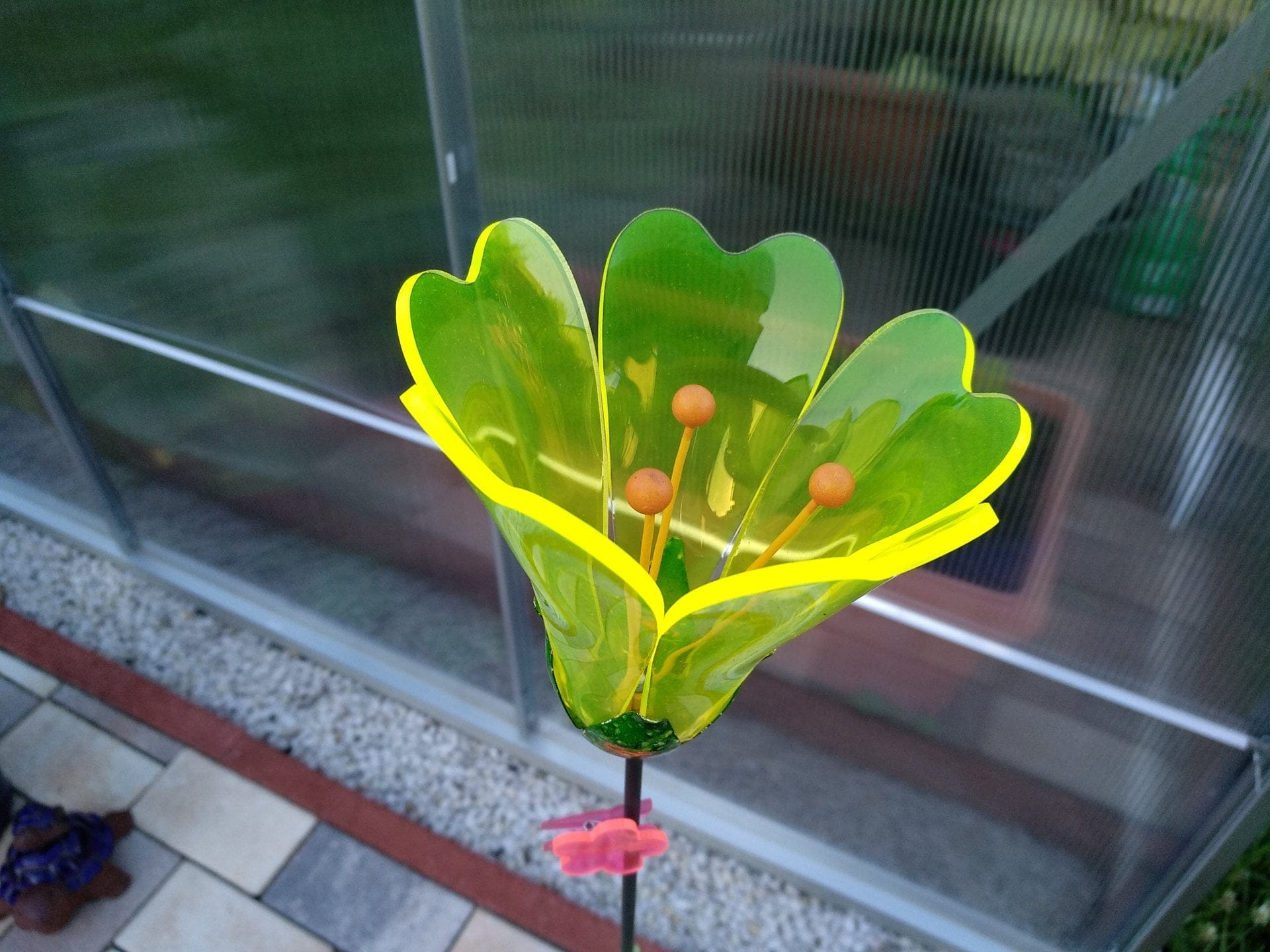



The main camera records videos at a maximum of 4K. The frame rate is 30 frames per second. A higher frame rate cannot be set even at 1080p. It is also a shame that Xiaomi omits any image stabilisation. There is not even electronic image stabilisation, which means video recordings shake quickly. Nevertheless, the footage is convincing in terms of detail in good lighting conditions. In poor light, video recordings become increasingly muddy and colours fade.
Front camera practical test
The front camera is suitable for the occasional selfie. Thanks to the 85° wide-angle lens, it is easy to fit several people into the frame. The front camera records videos only in HD. The “Smart” and “Pro” shooting modes allow for artificial image enhancement.


Connectivity
Telephony, Wi-Fi and Bluetooth
The Xiaomi Mi Max 2 features a hybrid SIM slot that can be populated on the one hand with two SIM cards (nano + micro) or alternatively with a SIM card and a micro SD card. Reception strength and transmission quality on mobile networks are unobjectionable. LTE band 20 is not supported by this Xiaomi smartphone either, but the Mi Max 2 can be used without problems in everyday life. In many places, H+ is sufficient, and LTE reception is also no problem in most major cities. The device also performs well for calls. Speech is transmitted very clearly and without interference.
Supported are the WiFi protocols 802.11a/b/g/n/ac and Bluetooth 4.2. The test achieved good connection stability at high data throughput rates. There were also no disturbances or connection drops via Bluetooth.
GPS and sensors

In terms of sensors, the smartphone is equipped with an ambient light sensor, an accelerometer, a proximity sensor, a Hall sensor, an e-compass and a gyroscope. NFC is not available. An additional infrared transmitter allows for the control of various receiving devices, such as televisions. On the back, there is a fingerprint scanner, which demonstrated a short unlocking time and high recognition rate in our test.
Audio
The Xiaomi Mi Max 2 is also convincing in terms of sound. As with the Xiaomi Mi6, a spatial stereo sound is generated using the earpiece and the speaker located next to the USB-C port. Subtle sound details are well represented, making the smartphone quite suitable for listening to music or watching movies. The maximum volume is impressive, and no unpleasant crackling occurs even at full volume. A 3.5mm jack audio port has not been omitted despite the USB-C connector. The sound via the audio port is equally convincing.
Battery
The battery capacity is 5300 mAh. Due to the unibody housing, the battery cannot be replaced. In everyday use, the Xiaomi Mi Max 2 proves to be particularly battery-efficient. Thanks to the energy-efficient Snapdragon 625 processor and the well-optimised MIUI 8.5 software, the smartphone achieves average screen-on times of around 13 hours. Even after intensive use (gaming and streaming), the smartphone did not need to be recharged until after 1 ½ days. With normal usage (WhatsApp and web browsing), the smartphone only needed to be recharged after 3 days. Thanks to the supported “Quick Charge 3.0” fast charging function, the battery is fully charged after 2 ½ hours. To charge the battery by just 50%, it takes only 55 minutes!
Our verdict
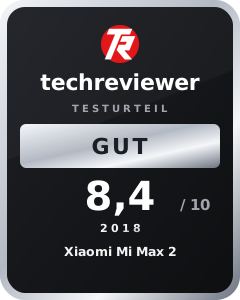
The Xiaomi Mi Max 2 is a top-equipped mid-range smartphone. Anyone looking for a phablet larger than 5.7 inches, in particular, gets with the Max 2 an excellent overall package that leaves hardly any wishes unfulfilled. Although a less powerful processor was installed compared to the predecessor, it is characterised by far better energy efficiency and only shows weaknesses in performance when gaming.
Specifications
Processor and memory
- CPU
- Qualcomm Snapdragon 625
- GPU
- Adreno 506
- RAM
- 4GB (LPDDR3)
- Internal storage
- 64GB / 128GB (eMMC 5.1)
- Storage expansion
- Yes
Display
- Display type
- IPS
- Display size
- 6.44 inches
- Display resolution
- 1920 x 1080 pixels
- Screen protector
- Unbekannt
- Multitouch
- 10 fingers
Cameras
- Main camera
- 12 Megapixel Sony IMX386
- *PDAF (autofocus)
- *Dual-tone LED flash
- Front camera
- 5 megapixels
Mains
- Dual SIM
- Yes
- SIM size
- Nano SIM + Micro SIM
- 2G
- GSM B2/B3/B5/B8 CDMA BC0 / CDMA EVDO BC0
- 3G
- WCDMA B1/B2/B5/B8 TD-SCDMA B34/B39
- 4G
- FDD-LTE B1/B3/B5/B7/B8 TD-LTE B38/B39/B40/41
Wireless
- Wi-Fi
- 802.11 a/b/g/n/ac MU-MIMO
- Bluetooth
- 4.2
- GPS
- Yes
Sensors
- *Ambient light sensor
- *Accelerometer
- *Proximity sensor
- *Hall sensor
- *E-compass
- *Gyroscope
- *Fingerprint sensor
Battery
- Battery
- 5,300 mAh
- Fast charging function
- Quick Charge 3.0
- Connection
- USB-C
- Headphone jack
- 3.5 mm
Other
- Operating system
- Android 7.1.1 (MIUI)
- Size
- 17.41 x 8.87 x 0.76 cm
- Weight
- 211g
What’s included
1x Xiaomi Mi Max 2 1x Charger 1x USB-C charging cable 1x SIM ejector tool 1x User manual
Comments (2)
I really have to wonder why the “battery drain and fingerprint problem” that virtually all Mi Max 2 owners have been experiencing since the Mi update a few weeks ago hasn’t been mentioned at all! Before the update, the smartphone lasted 3 days with intensive use without needing to be charged.
After this stupid update, the battery doesn’t even last 1 day, even when “mobile internet” is barely on and you aren’t playing any games, etc. This is outrageous!!!
People bought this thing as a long-lasting phone, not so they’d have to plug it in every day like a €40 phone.
Xiaomi hasn’t replied to my inquiries. Next week I’m handing the device over to Stiftung Warentest—I also urgently suspect, because of the battery problem, that the phone has been sending massive amounts of private data to China since the update! I really hope European authorities hit Xiaomi with a massive penalty!!!
Hi Stefan, thanks for the heads-up. This review is already several months old, so the recently released MIUI update isn’t covered here. I always recommend that Xiaomi device users flash the so-called “Xiaomi.EU” ROM. It’s updated weekly and is free of Chinese bloatware.