Contents
Foreword: Xiaomi Mi Mix 2S
Xiaomi has launched round 3 of its tri-bezel-less smartphone series. The Xiaomi Mi Mix 2S cleverly combines the advantages of the two predecessor models (Xiaomi Mi Mix and Xiaomi Mi Mix 2) and offers significant hardware upgrades.
Design, build quality, and included accessories
The Xiaomi Mix smartphone is defined by its almost bezel-less design. At one point, there were reports that the smartphone would arrive with a “notch”. Other leaks described the smartphone as a completely bezel-less mobile device with a small cutout for the front camera.

Ultimately, Xiaomi stays true to its previous design line and releases the Mix 2S in the design of its predecessor. In addition to the tri-bezel-less design, the aluminium frame and high-quality ceramic back are retained. While the tri-bezel-less design is no longer particularly spectacular, Xiaomi has once again won several design awards (iF Design / IDEA Gold Award).
The smartphone is structured as follows:
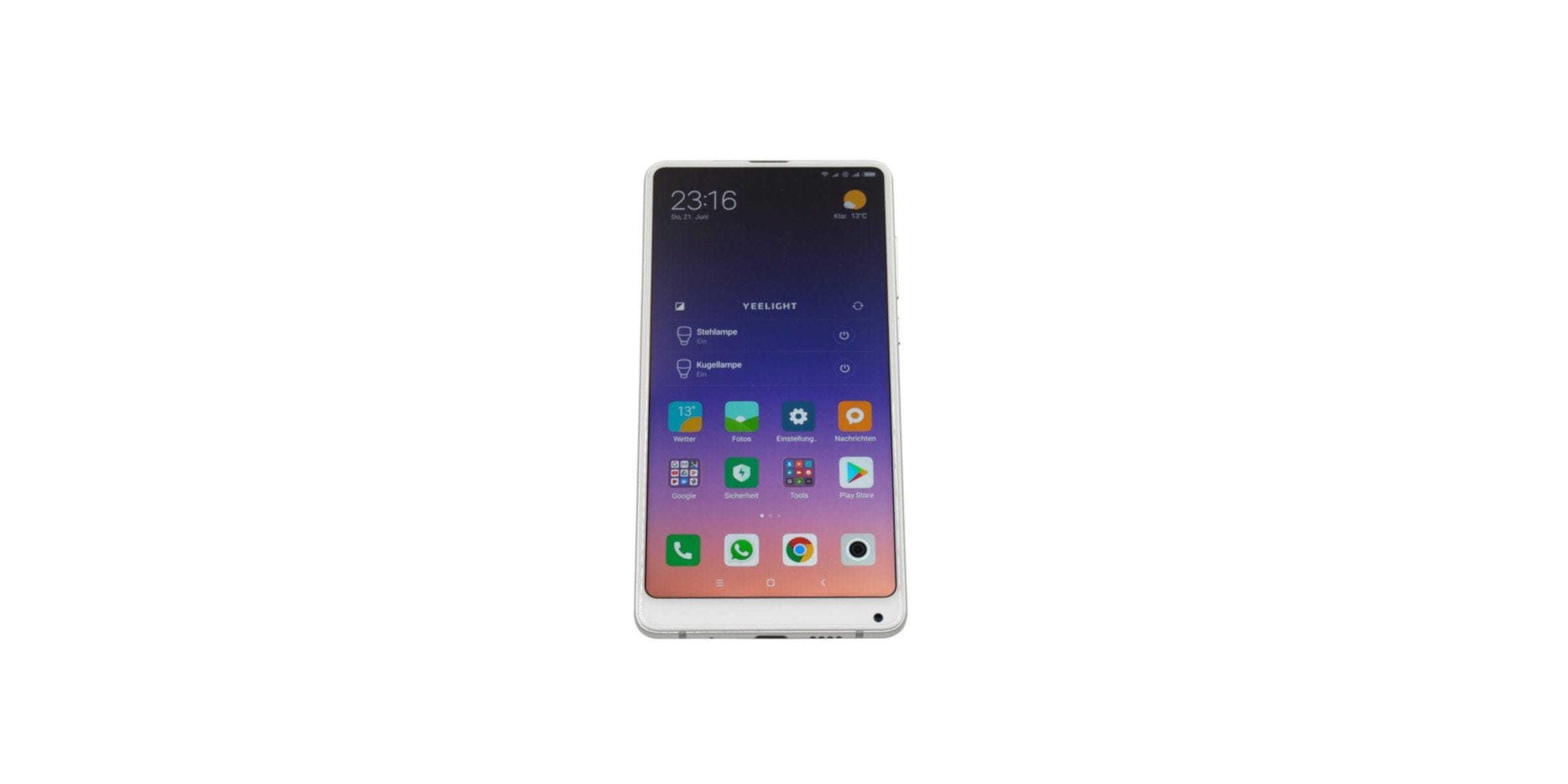
As is typical for a tri-bezel-less smartphone, most of the front is taken up by the 5.99-inch display. Despite the relatively large screen, the smartphone, with dimensions of 150.86 x 74.9 x 8.1 mm and a weight of 189g, is hardly larger than a conventional 5.5-inch handheld.
The distance between the display and the side bezel is just 2 mm. The top bezel is slightly larger. This is where the narrow earpiece is located in the centre. The front camera is located to the right below the display. The measured distance to the edge of the chassis there is 9 mm. Also housed in the lower section is a white LED that informs users of incoming calls or notifications.
The frame is made of metal. Only the special edition of the smartphone uses an all-ceramic housing. On the left side is the dual SIM card slot. On the opposite side are the power button and volume rocker. The top of the frame includes a microphone. The bottom of the frame also features a microphone, a speaker and a central USB-C port. A 3.5 mm jack audio port is omitted.

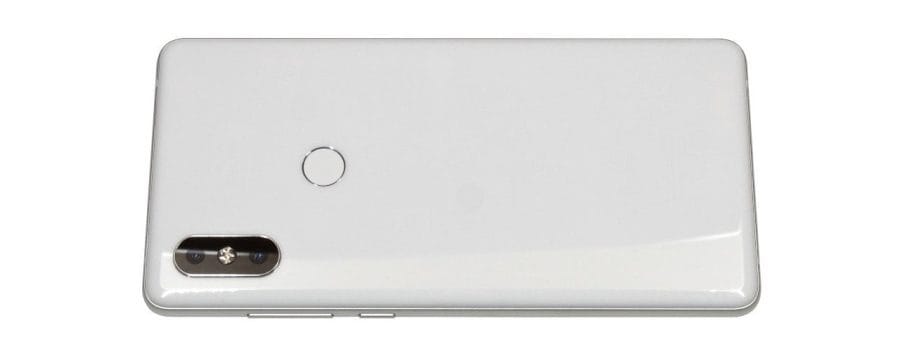
The high-quality ceramic back is not only scratch-resistant, but also looks great. Compared to previous models, the grip has improved. Surprisingly, the smartphone feels significantly less slippery in the hand. However, susceptibility to fingerprints remains. The rear construction hardly differs from the previously tested Xiaomi Redmi Note 5. The smartphone is equipped with a vertically arranged main camera located at the top left of the rear housing. Additionally, in the upper third of the back, there is a circular fingerprint scanner.
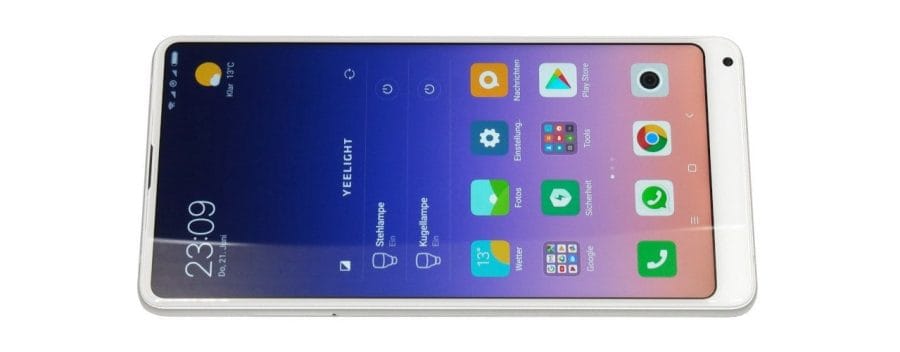
There is nothing to fault with the build quality of the smartphone. The individual elements are cleanly assembled without gaps. The side control buttons sit firmly in the housing and have a good pressure point.
However, the build quality of the included protective case is a cause for criticism. Cracks appeared on the edges of the case after taking the smartphone out of it just twice! The contents of the delivery include the smartphone, a plastic protective case, a charger (5V 2.5A), a USB-C cable, a USB-C to 3.5 mm jack adapter, a SIM tool and a user manual.
Display
The 5.99-inch display (Japan Display Inc.) has a resolution of 2160 x 1080 pixels, resulting in an 18:9 aspect ratio. An advantage of this format is its portability. Despite the large 5.99-inch display, the smartphone is narrower than comparable 16:9 devices in its overall size and can still be easily operated from left to right with one hand. The display diagonal, resolution and dimensions result in a screen-to-body ratio of 81.95%. A pixel density of 403 DPI ensures a crystal-sharp display.
Further display features include a contrast ratio of 1500:1 (manufacturer’s specification) and support for the DCI-P3 colour space. A particularly interesting display feature is the output of Mobile HDR (HDR10), which further enhances display rendering with corresponding HDR content.
Display measurement
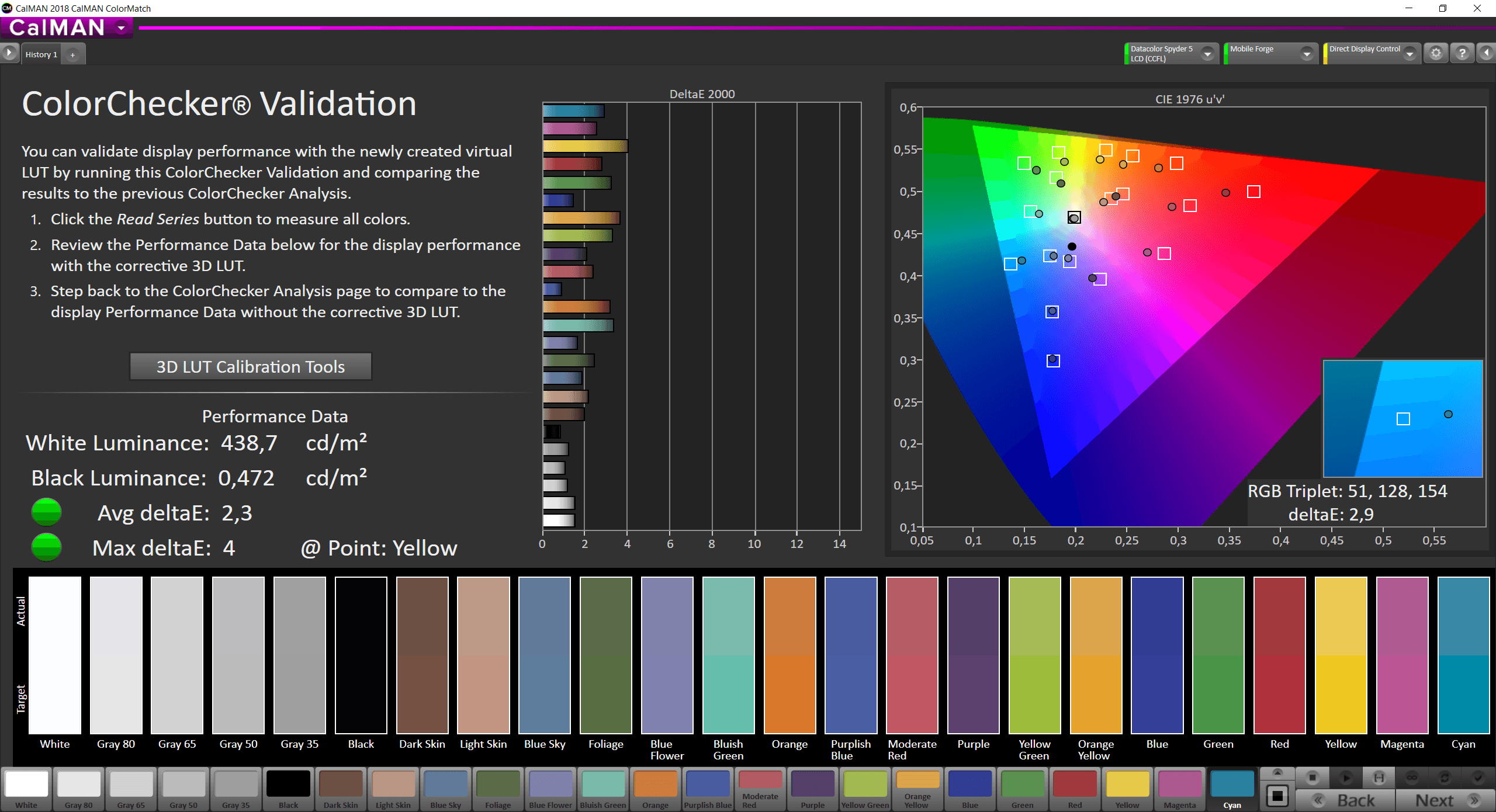
Display measurements revealed a maximum brightness of around 438 cd/m² and a black level of approximately 0.47 cd/m². This results in a contrast ratio of 932:1. For an IPS panel, this value is acceptable, but in no way comparable to an AMOLED panel found in other high-end smartphones.

Compared to last year's Xiaomi Mi Mix 2, colour fidelity has improved in particular. Measured with standard settings, the average colour deviation is a Delta E of 2.3. The Xiaomi Mi Mix 2S largely adheres to both the DCI-P3 and sRGB colour gamuts in the standard colour mode. The panel illumination is even.
Display in everyday use
In everyday use, the display convinces with vivid colour reproduction. The good viewing angle stability is also convincing. Even from very steep viewing angles, no significant colour and brightness deviations are detectable. Legibility in high ambient brightness, especially outdoors, is good.
Display settings and features
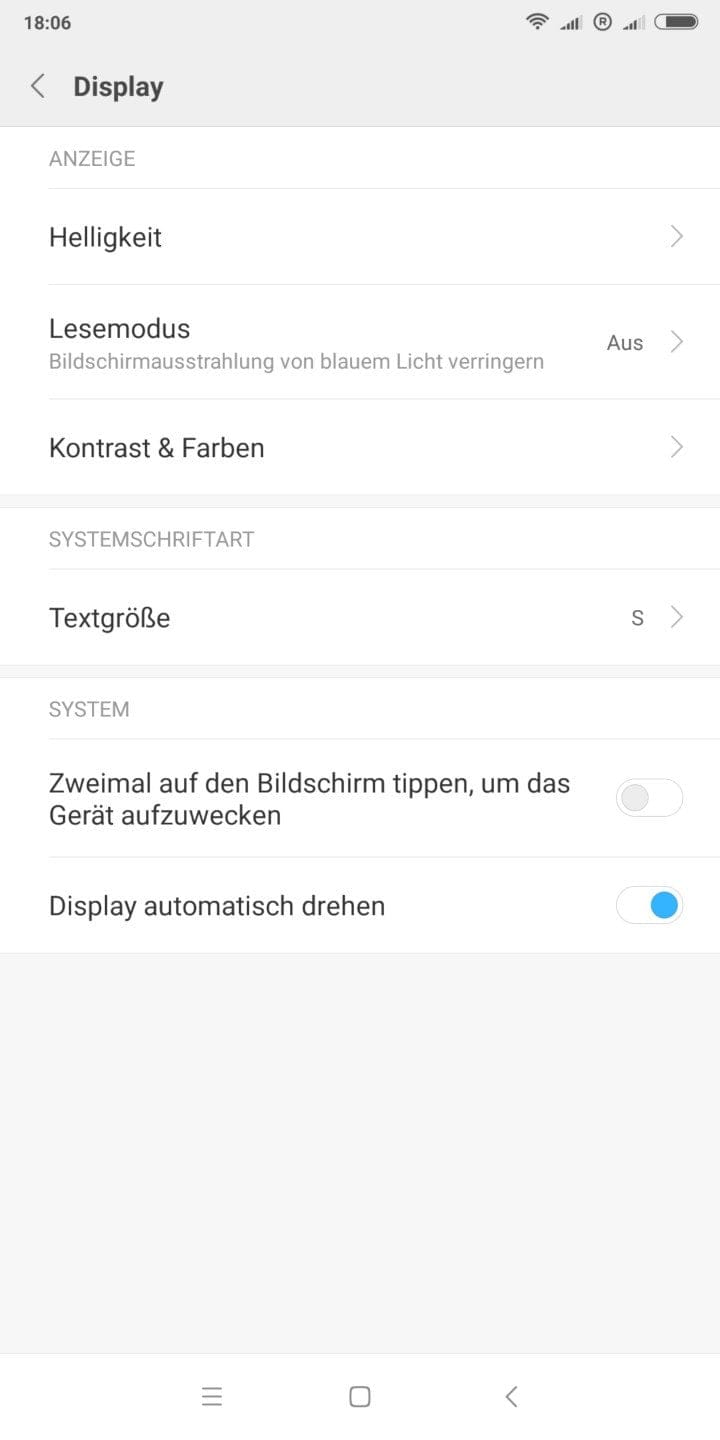
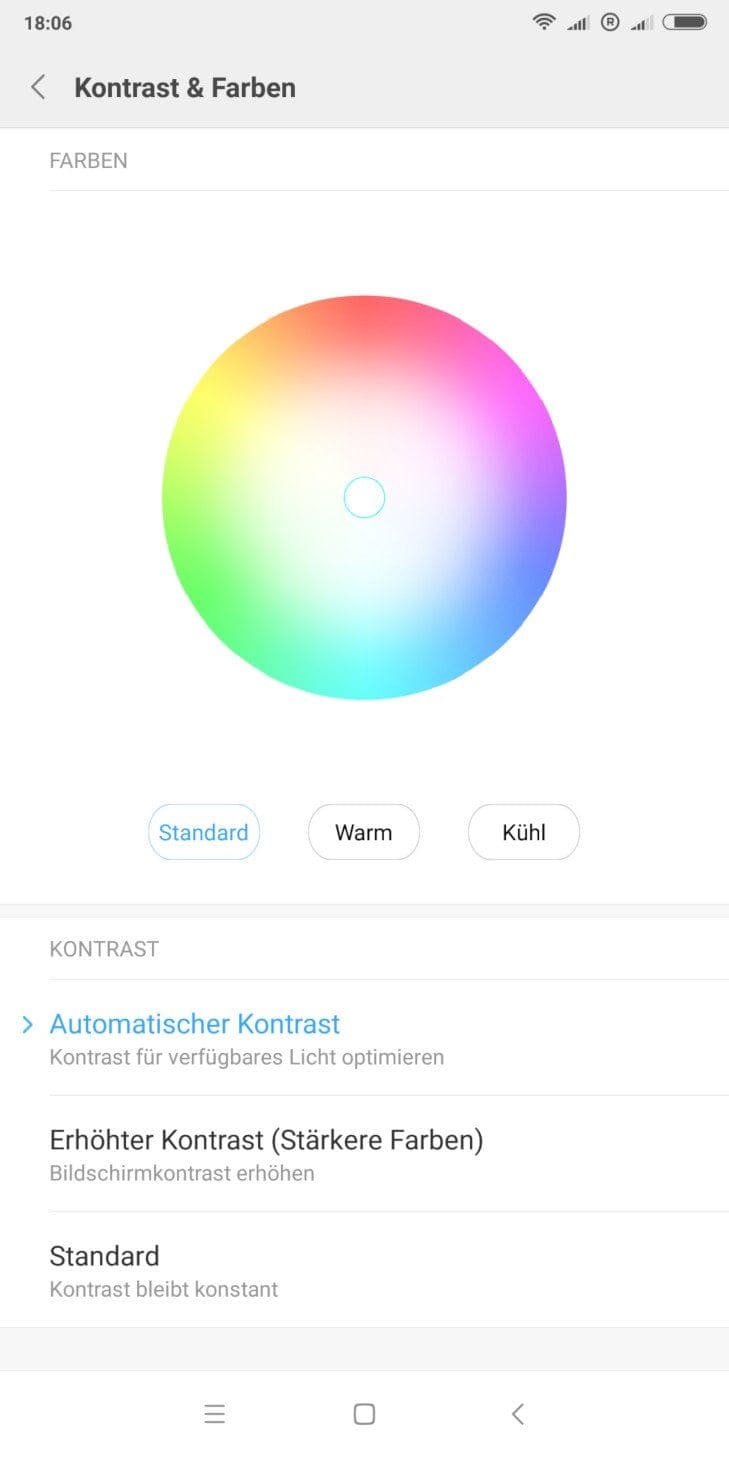
The display settings can be extensively customised within the settings menu. The colour temperature can be selected from the predefined "Warm", "Standard" and "Cool" modes. Stepless colour adjustment is possible. Both brightness and contrast can be automatically adjusted to the ambient light. The ambient light sensor works quickly and precisely. A reading and night mode, which filters blue light according to a schedule, is also available. With "Tap-to-Wake", the turned-off screen can be activated by tapping it twice.
Touchscreen
The touchscreen proved to be very precise in testing. Multi-touch is supported with up to 10 simultaneous inputs. No input latency occurs. To protect the display, the Mi Mix 2S uses hardened protective glass from an unnamed manufacturer. After six weeks of daily use, no scratches remained on the display glass. Gliding ability is good, without noticeable fingerprints and streaks significantly impairing the display.
Performance
Processor and memory
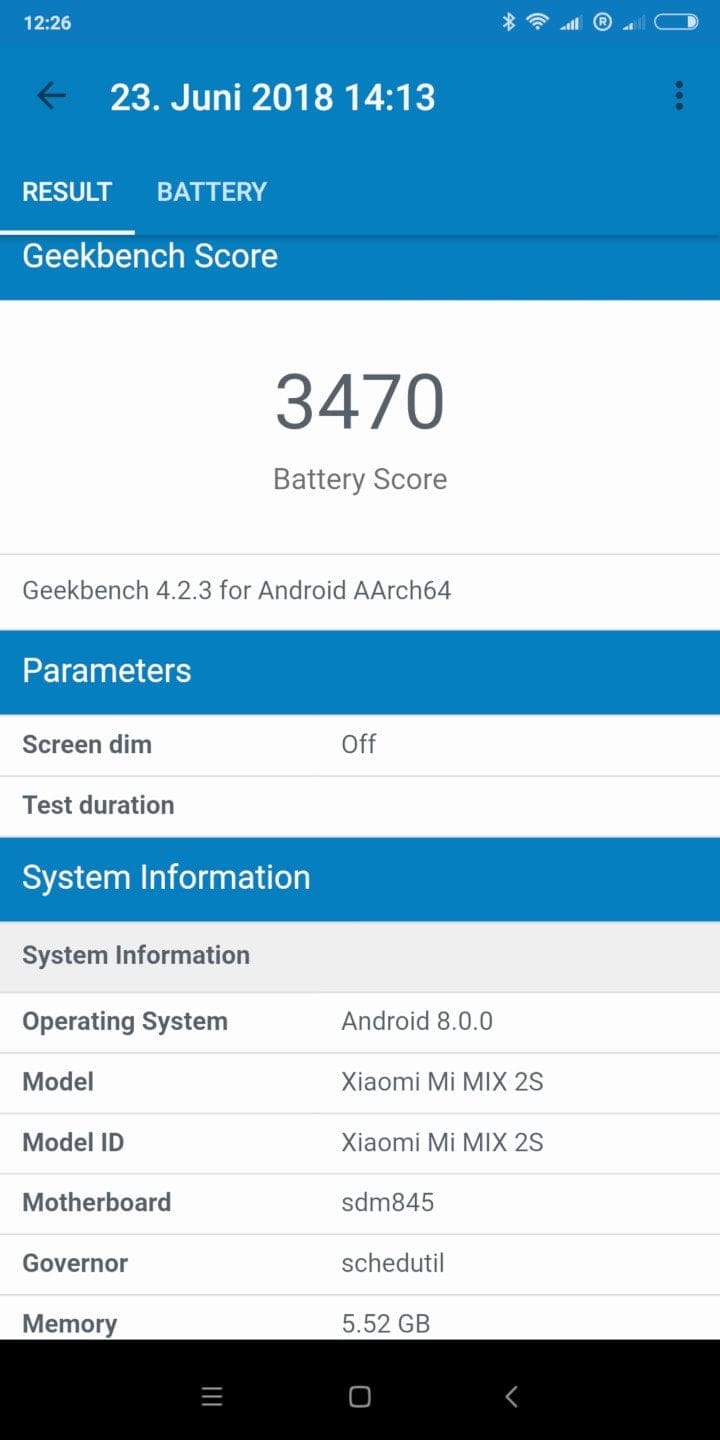
There are definitely no worries about performance issues. Alongside the Samsung Galaxy S9 (International), the Xiaomi Mi Mix 2S is one of the first smartphones equipped with the current high-end SoC “Qualcomm Snapdragon 845”. The system-on-chip comprises, among other things, a total of 8 Kryo 385 processor cores clocking at up to 2.8 GHz.
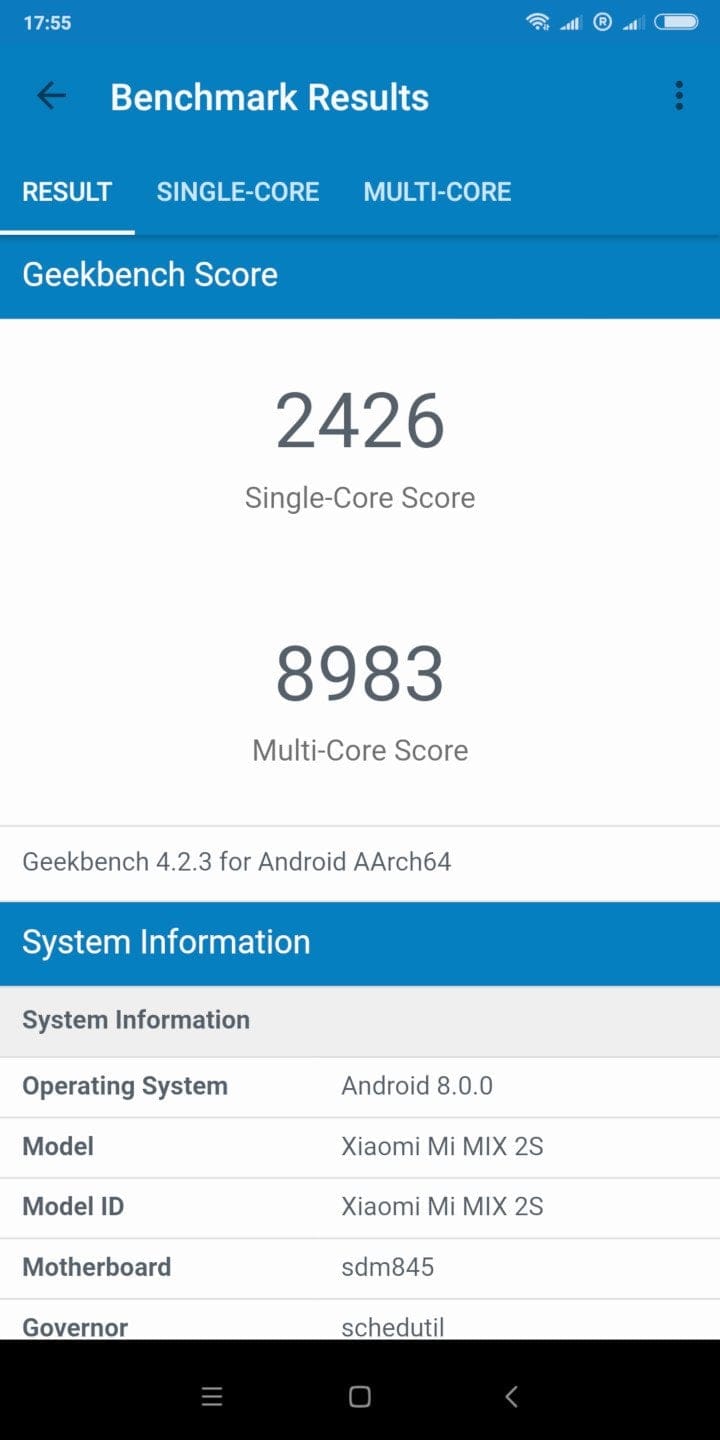
Compared to the previous year’s SoC, the Snapdragon 835, the new Snapdragon 845 operates up to 25% faster. Despite the increased performance, Qualcomm has further optimised the energy efficiency. The SoC’s processor graphics are also new. The Adreno 630 GPU promises sufficient power to smoothly run current mobile and AR games.
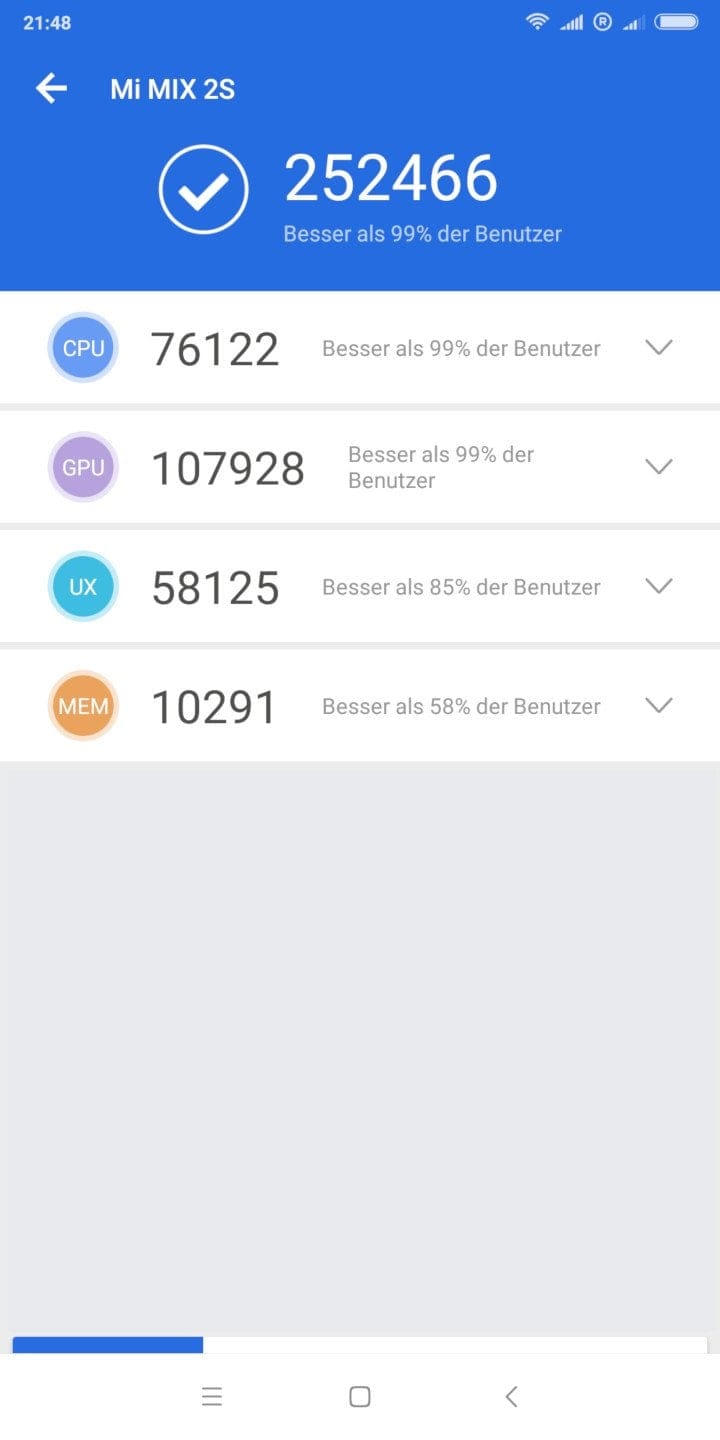
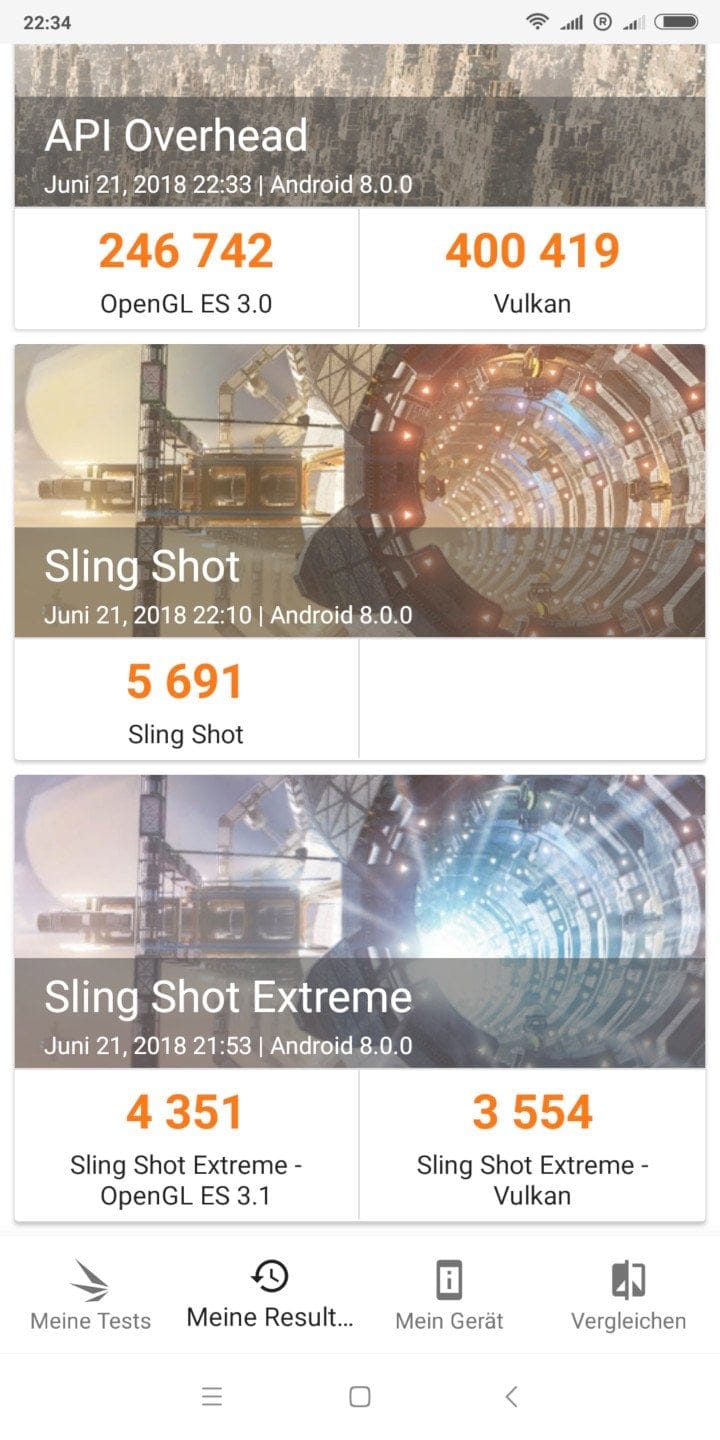
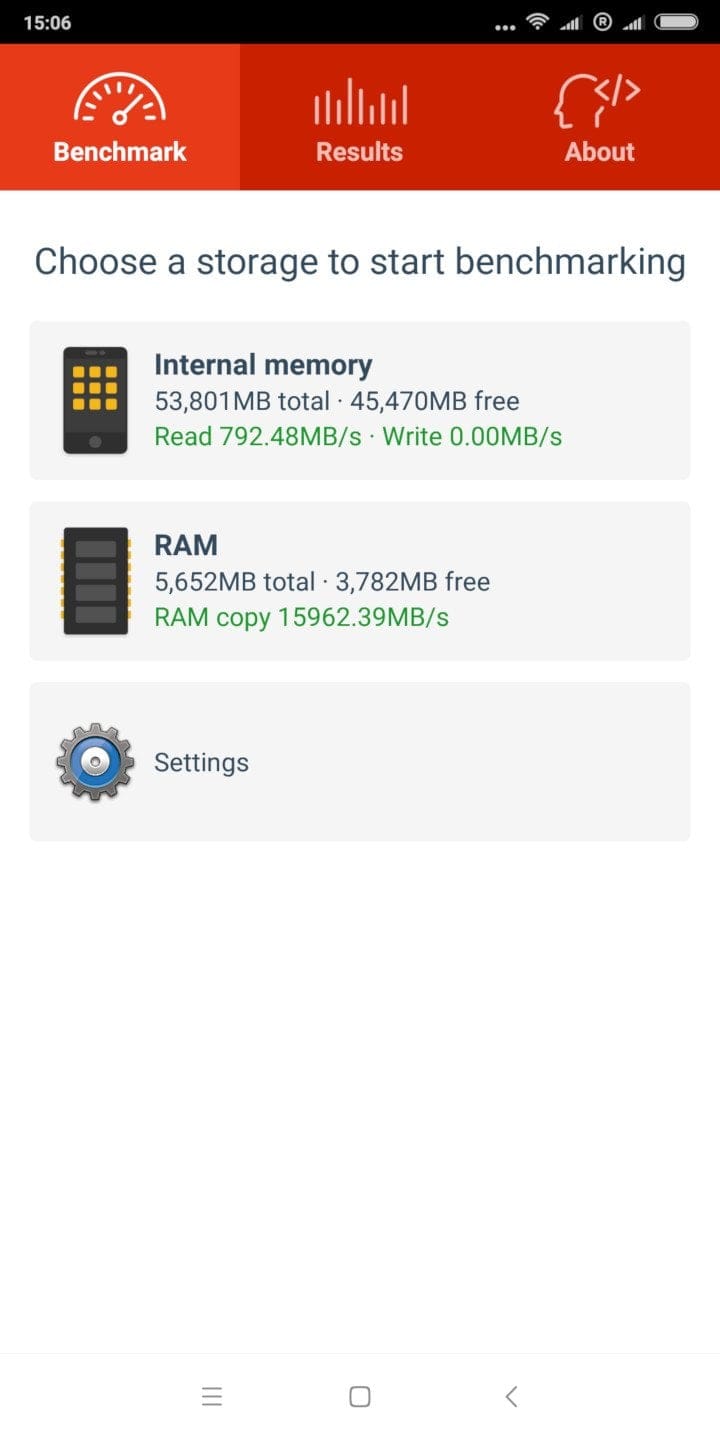
The storage equipment is also impressive. The "standard model" offers 6GB LPDDR4X RAM and optionally 64GB or 128GB UFS2.1 flash storage. The "premium model" is equipped with 8GB LPDDR4X RAM and a hefty 256GB UFS2.1 flash storage. Storage expansion via micro SD card is not provided.
Benchmark

Performance in everyday use
In terms of everyday performance, the Xiaomi Mi Mix 2S leaves nothing to be desired. The MIUI user interface operates smoothly throughout. Animations render fluidly and fast scrolling actions occur without stuttering.
Switching between apps works smoothly. Thanks to the large and fast 6 GB RAM, already opened apps are loaded from the cache in no time. Even after opening countless apps, the smartphone does not noticeably slow down.
Gaming
The smartphone also performs very well when gaming. Current mobile games, such as PUBG, are playable without frame drops even on high settings. Textures are loaded without delay. Unlike in the benchmark test, thermal throttling is not noticeable. After 30 minutes of gaming, heat generation remains at a mild 39°C.

User interface
The smartphone is delivered with the in-house MIUI 9.5 user interface, which is based on Android 8.0. MIUI is a "total conversion" that differs from stock Android both visually and functionally. MIUI 10 Global Stable with Android 9 Pie base for the Mi Mix 2S is also available now. New features are primarily AI improvements that enhance interaction with the user. The update is distributed OTA.
To give a few examples, MIUI does without an app drawer, meaning all apps are placed directly on the home screen. Useful features include the split-screen mode, which allows two apps to be used simultaneously in the foreground. The Second Space function enables the creation of multiple user profiles, allowing the smartphone to be used as both a private and a business mobile device.
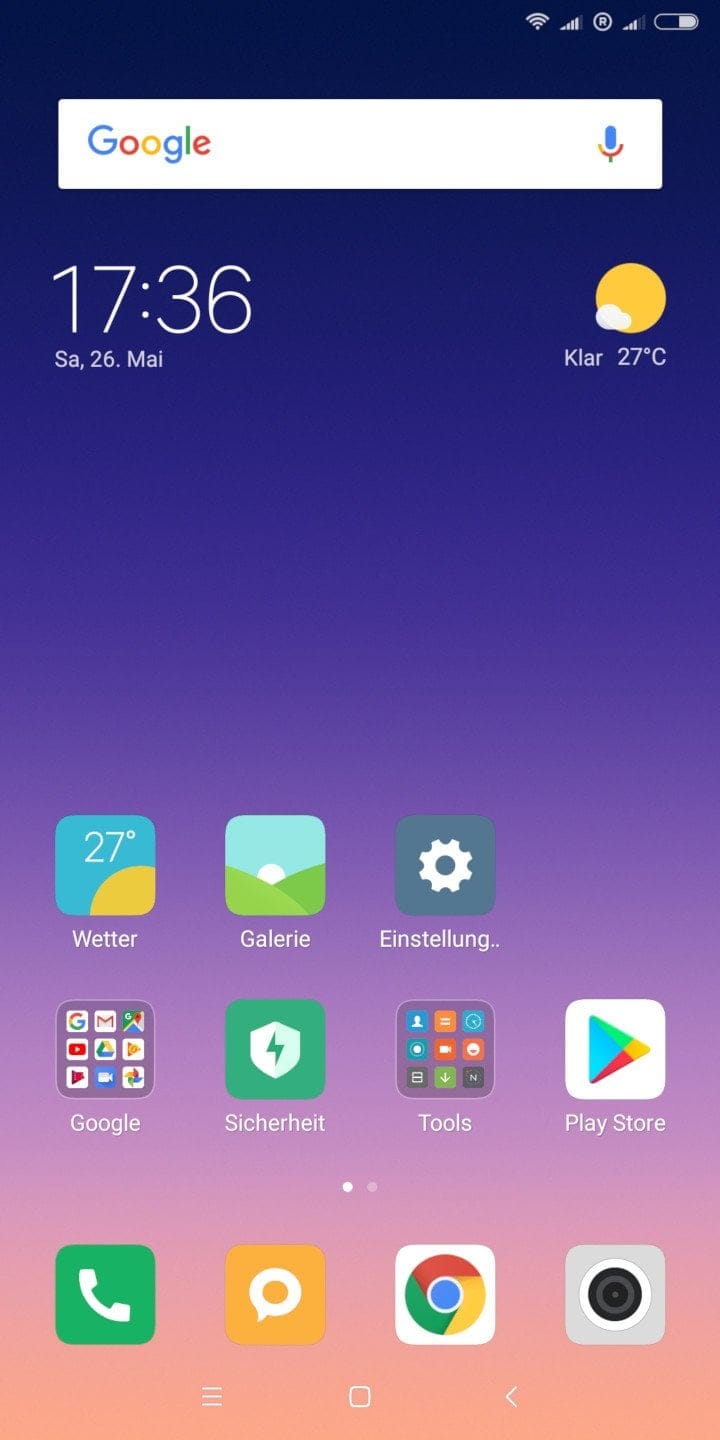
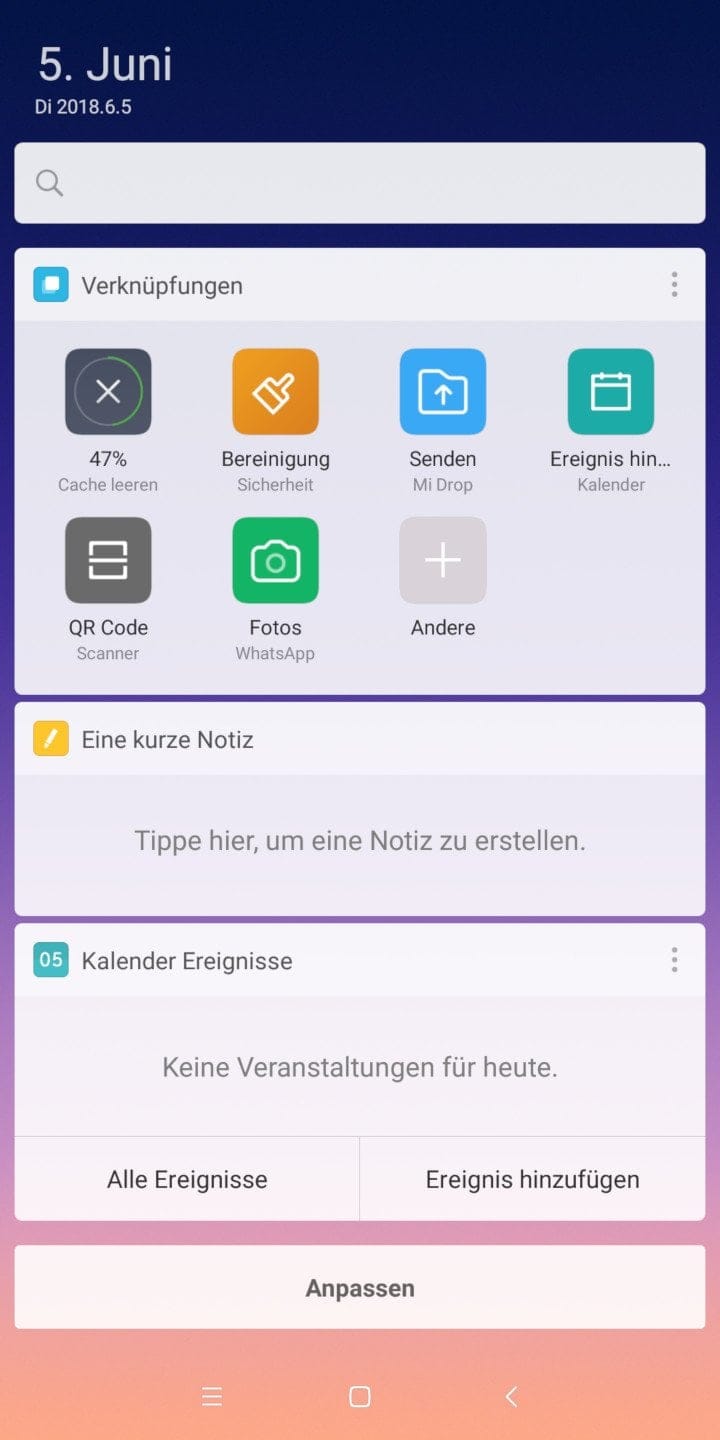
The customization options of MIUI are extensive. Due to the rich feature set, you rarely need additional apps to extend system functionality. In the MIUI Security Center, apps can be monitored in detail and their permissions individually adjusted. Various Google apps, including the Google Play Store, as well as Microsoft Office applications are already pre-installed on the Global Version of MIUI. Updates are distributed regularly via OTA (Over The Air).
Camera
The smartphone is equipped with a dual main camera, whose sensors consist of a 12-megapixel Sony IMX363 sensor with a wide-angle lens, f/1.8 aperture and optical image stabilisation, as well as a 12-megapixel Samsung S5K3M3 sensor with a telephoto or portrait lens and f/2.4 aperture. The front camera has a resolution of 5 megapixels. The sensor used is an Omnivision OV5675 CMOS.
Main camera real-world test
Photo mode
In terms of recording quality, the Xiaomi Mi Mix 2S competes directly with other flagship smartphones.
Colours, details and image noise
Image capture appears very vivid. The colour reproduction is rich without losing naturalness. Imaging defects in the form of chromatic aberration can occur but are rather rare. Colour accuracy is maintained even under poor lighting conditions, although colour saturation decreases.


You can find more test shots in full resolution via this link.
Images taken under good lighting conditions shine with high detail reproduction. Uniform image sharpness is present from the centre of the image to the edges. The smartphone has very good control over image noise in both good and poor lighting conditions. Surprisingly low-noise images are produced especially under poor lighting conditions. However, a certain loss of sharpness and detail is noticeable as ambient light diminishes.


Dynamic range
An automatic HDR mode also helps capture high-contrast scenes. The dynamic range is good, although it doesn't quite match other flagship smartphones. Detail loss can occur in bright image areas.
Zoom
The telephoto or portrait lens of the second image sensor enables a lossless 2x zoom. Images taken with 2x zoom are high-resolution and offer a pleasingly high level of detail. Zooming beyond this switches smoothly to digital zoom. The image quality deteriorates accordingly.



Autofocus, shutter speed and LED flash
The dual-phase detection autofocus focuses precisely and extremely quickly. The shutter release time is exceptionally short and is not delayed too much even in poor lighting conditions. With the LED flash enabled, evenly lit, colour-accurate and simultaneously low-noise images can be captured.
AI and bokeh
A newly introduced feature is support for Artificial Intelligence (AI). This enables features such as a dynamic bokeh effect, image enhancement through scene recognition, and automatic recognition and translation of business cards, currencies and other texts. In our test, the AI mode proved to be less helpful. Although the AI has a high recognition rate for objects and scenes, the image enhancement is limited. Only colours appear generally more vibrant due to the AI, and contrast is slightly increased. Unfortunately, this also comes at the expense of the naturalness of the images.
Another feature of the main camera is the so-called “bokeh mode”. This is a photographic sharpness effect that brings people and objects into the foreground, while the background is intended to blur out. The implementation is only partially successful. People and objects are mostly cleanly extracted, but the smallest movements can quickly lead to extraction errors. The transition between the foreground sharpness and the blurred background is pleasantly soft.



Video mode
The main camera records videos at a maximum 4K resolution at 30 frames per second. Unfortunately, Xiaomi has once again decided to limit the Full HD video recording function to 30 frames per second. Slow-motion recordings are, however, possible in Full HD at up to 240 frames per second!
The video recording quality is generally good. However, the image stabilisation quickly reaches its limits and is inferior compared to other smartphones in a similar price range. The same applies to the audio recording quality. Although the audio is recorded at a high bitrate, it sounds unnatural and tinny. On the other hand, the very fast-reacting autofocus is commendable.
Front camera practical test
The front camera mode of the MIUI camera app comes with numerous beauty filters. In addition, an auto HDR mode, a portrait mode (bokeh effect) and various (colour) filters are available.


The shots taken by the 5-megapixel front camera convince with a high level of detail and even sharpness distribution. Unfortunately, shots are frequently overexposed. Deteriorating light conditions increase the noise level of the shots. The front camera records videos in maximum Full-HD resolution.
Connectivity
Telephony
The Xiaomi Mi Mix 2S supports the most common mobile network frequencies and bands worldwide. Regarding frequency variety, Xiaomi distinguishes between the standard and premium models. Here is an overview of the individual frequency bands.
| Standard model (64 GB / 128 GB) | Premium model (256GB) |
| GSM: B2 / B3 / B5 / B8 CDMAlX / EVDO: BC0 WCDMA: B1 / B2 / B4 / B5 / B8 TD-SCDMA: B34 / B39 TD-LTE: B34 / B38 / B39 / B40 / B41 FDD-LTE: B1 / B2 / B3 / B4 / B5 / B7 / B8 / B12 / B17 / B20 |
GSM: B2 / B3 / B5 / B8 CDMAlX / EVDO: BC0 / BC1 / BC6 / BC10 WCDMA: B1 / B2 / B3 / B4 / B5 / B6 / B8 / B9 / B19 TD-SCDMA: B34 / B39 TD-LTE: B34 / B38 / B39 / B40 / B41 (2496-2690) FDD-LTE: B1 / B2 / B3 / B4 / B5 / B7 / B8 / B12 / B13 / B17 / B18 / B19 / B20 / B25 / B26 / B27 / B28 / B29 / B30 |
This reveals that both the standard model and the premium model are perfectly equipped for the German market. All LTE frequencies common in this country are supported. As a dual-SIM smartphone, the Mix 2S can be fitted with two SIM cards. Both slots are LTE-capable. VoLTE is supported, while VoWiFi is not (yet). In terms of mobile coverage, the smartphone impresses with high signal strength and good voice quality. Speech is transmitted clearly and intelligibly in both directions.
Wi-Fi and Bluetooth
For wireless data transfer, the handheld is equipped with a dual-AC MU-MIMO WiFi module and a Bluetooth 5.0 module. In WiFi, high data throughput is achieved. Signal quality and strength remain constant at greater distances from the transmitter. The same applies to Bluetooth connection stability and strength. A connected Bluetooth speaker and a Bluetooth hands-free device could be connected and used without errors in testing.
GPS and sensors
Positioning is determined via GPS, Galileo, GLONASS or Beidou. A GPS fix is achieved quickly outdoors. Location is determined to within a few metres, enabling error-free navigation. The strong-signal GPS module also finds a GPS fix indoors, albeit with a slight delay. An additional electronic compass assists in determining the direction and facilitates pedestrian navigation.
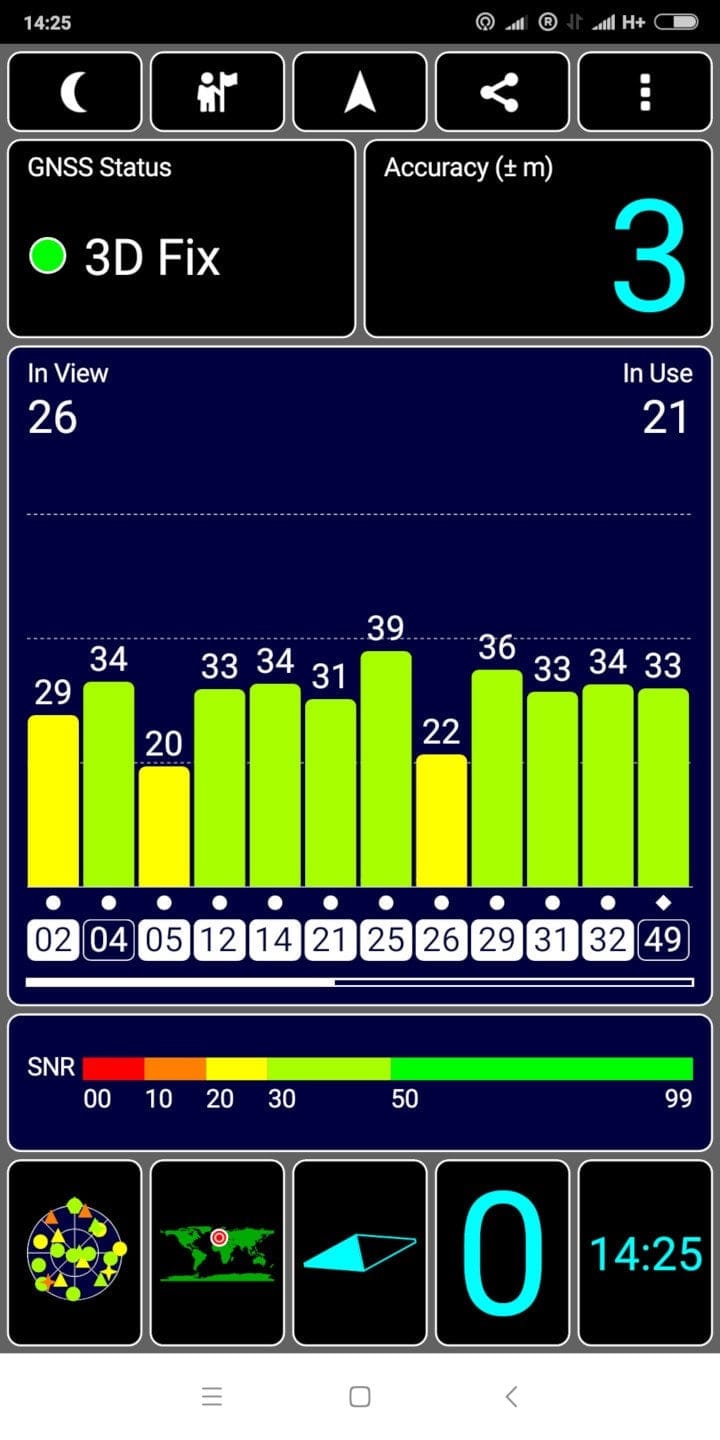
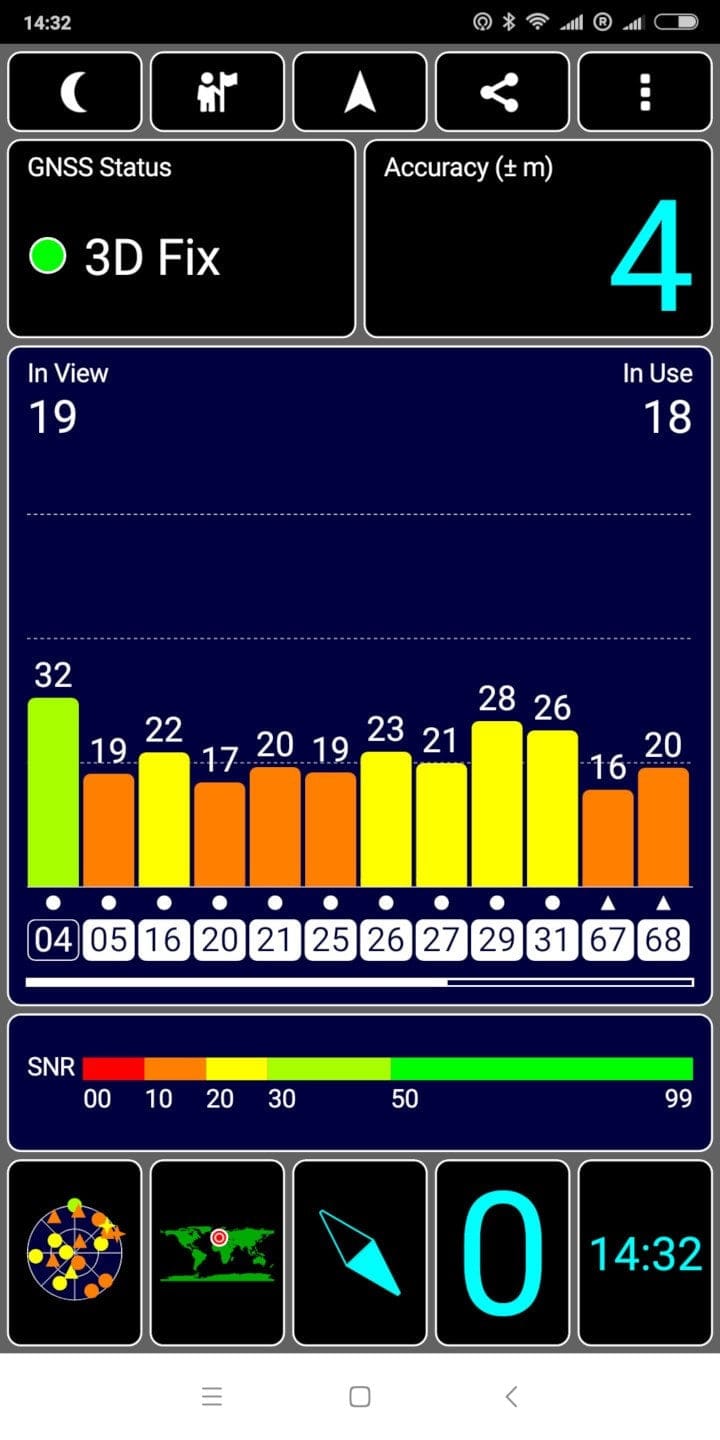
The sensor suite includes a proximity sensor, a gyroscope, an accelerometer, an e-compass, a barometer, an ambient light sensor and a Hall sensor. NFC is present and convincing due to its wide reception area. A fingerprint scanner for securely unlocking the smartphone is located on the back. The recognition rate is high and the unlocking time is comparatively short. Face unlock was not yet implemented at the time of testing.
Audio
Like its predecessor model, the Xiaomi Mi Mix 2S also features a stereo speaker system. In addition to the speaker in the frame, the smartphone also uses the earpiece as a speaker. The sound quality is consistently good from low to high playback volume. However, the stereo effect is less prominent at high volume. The earpiece speaker is inferior to the speaker housed in the chassis frame, particularly in terms of playback volume.
A 3.5 mm headphone jack is omitted. Instead, headphones can only be connected via USB-C. To ensure that "old" 3.5 mm headphone cables can also be used, Xiaomi includes a corresponding USB-C to 3.5 mm jack adapter with the smartphone. The sound quality via the adapter is excellent. Various sound profiles and an equalizer can be configured individually via the settings menu.
Battery
The battery capacity remains unchanged from the previous model, which Xiaomi states as 3,400 mAh. Measurements confirm that this value corresponds to reality. In everyday tests, the smartphone achieves an average screen-on-time of 5½ - 6 hours. Ideally, around 7 hours are possible. At the latest, the smartphone needs to be recharged after 1½ days.
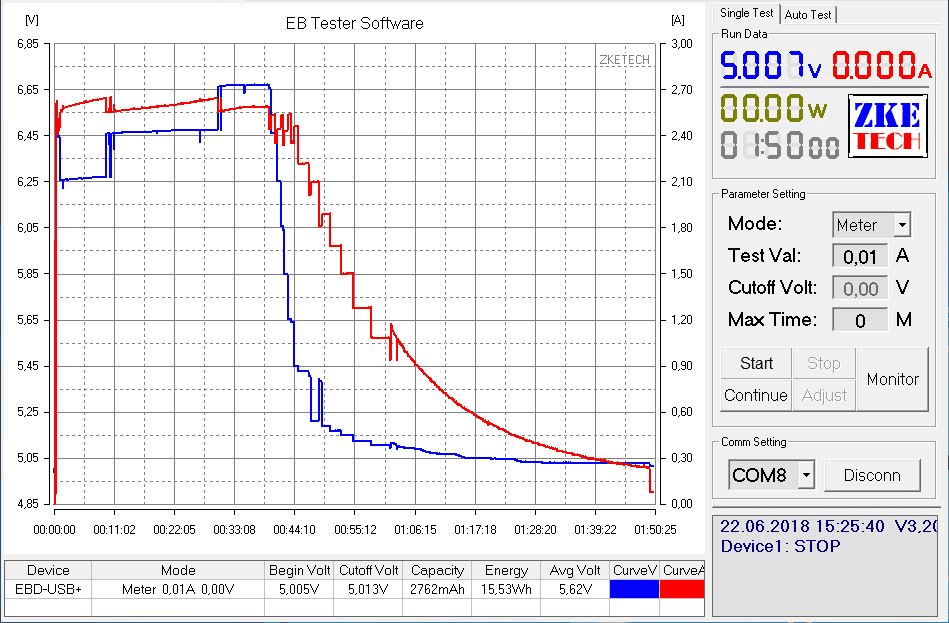
The smartphone can be charged wired via USB-C or via wireless Qi charging. Quick charging is provided by Quick Charge 3.0. A full charge using the included charger takes just under 100 minutes. A charging test also carried out using the Xiaomi Qi charging station, which can be purchased separately, takes just under 180 minutes.

Our verdict
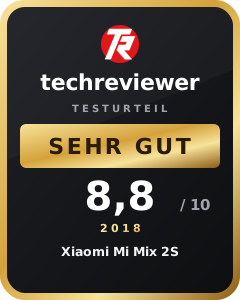
With the Xiaomi Mi Mix 2S, the Xiaomi Mix series is upgraded once again. The design remains unchanged, but there have been several hardware improvements. Equipped with the high-performance Qualcomm Snapdragon 845, there should be no performance drops in the long term. The high-resolution display is colourful and follows the DCI-P3 colour space. There is a significant upgrade over last year's Xiaomi Mi Mix 2 regarding the camera setup. The dual main camera delivers excellent image quality and matches the high-end devices of other manufacturers.
There’s no need to worry about local mobile network usage. All common mobile frequencies and bands in the region are supported. Voice quality is first-rate. However, you have to do without a 3.5 mm audio jack and expandable storage. Overall, the Xiaomi Mi Mix 2S is a successful and recommended high-end smartphone.
Specifications
Processor and memory
- CPU
- Qualcomm Snapdragon 845
- GPU
- Adreno 630
- RAM
- 6GB / 8GB (LPDDR4x)
- Internal storage
- 128GB / 256GB (UFS2.1)
- Storage expansion
- No
Display
- Display size
- 5.99 inches
- Display resolution
- 2160 x 1080 pixels
- Screen protector
- Tempered glass screen protector
- Multitouch
- 10 fingers
Cameras
- Main camera
- 2 x 12 megapixels
- *Aperture f/1.8 and f/2.4
- *4-axis OIS
- *AI mode
- *Autofocus
- *Dual-tone LED flash
- Front camera
- 5 megapixels
- *Bokeh
- *HDR
- *AI-Beauty
Mains
- Dual SIM
- Yes
- SIM size
- Nano SIM
- GSM 850 / 900 / 1800 / 1900 MHz
- CDMA BC0 / BC1 / BC6 / BC10
- WCDMA B1 / B2 / B3 / B4 / B5 / B6 / B8 / B9 / B19
- TD-SCDMA B34 / B39
- CDMA EVDO BC0 / BC1 / BC6 / BC10
- FDD-LTE B1 / B2 / B3 / B4 / B5 / B7 / B8 / B12 / B13 / B17 / B18 / B19 / B20 / B25 / B26 / B27 / B28 / B29 / B30
- TDD-LTE B34 / B38 / B39 / B40 / B41
Wireless
- Wi-Fi
- 802.11 a/b/g/n/ac MU-MIMO
- Bluetooth
- 5.0
- GPS
- Yes
Sensors
- *Ultrasonic proximity sensor
- *Ambient light sensor
- *Accelerometer
- *Proximity sensor
- *Hall sensor
- *E-compass
- *Barometer
- *Gyroscope
- *Fingerprint sensor
- *NFC
Battery
- Battery
- 3,400 mAh
- Fast charging function
- Quick Charge 3.0
- Qi charging
- Yes
- Connection
- USB-C
Other
- Operating system
- MIUI 9
- Size
- 150.86 x 74.9 x 8.1 mm
- Weight
- 189g
What’s included
1x smartphone, 1x protective case, 1x SIM ejector tool, 1x charging cable, 1x charger, 1x adapter, 1x user manual
Comments (2)
Hey Timo, my Mi Mix 2S 128 GB arrived yesterday. In your review, I read that Android 9 is already available for the smartphone. Mine is still running Android 8. How can I update it? It would be great if you could give me a tip on this.
Hey Joachim, the update is currently being distributed via OTA. If your smartphone has MIUI Global Stable installed and not a retailer ROM, you will certainly receive the update in the next few days. Otherwise, you can also flash the update manually. Instructions for this can be found online.