Contents
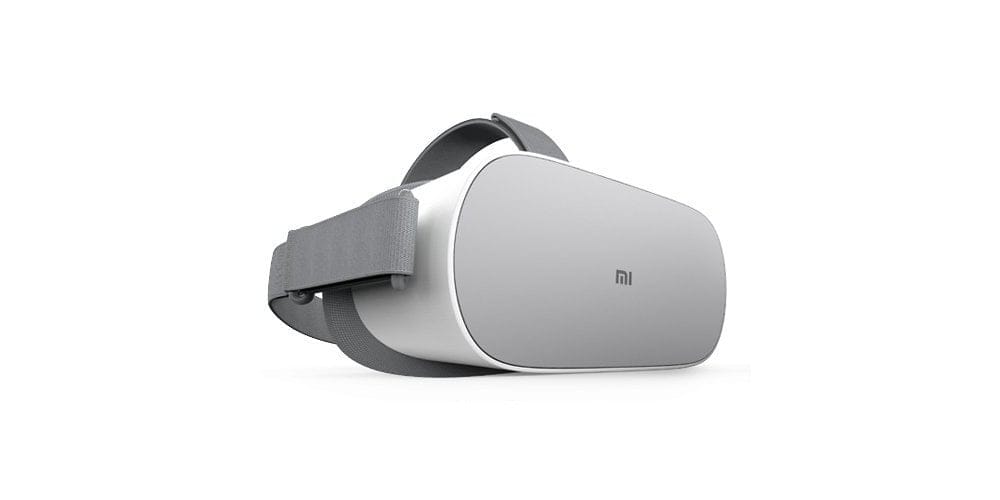
Xiaomi Mi VR Standalone
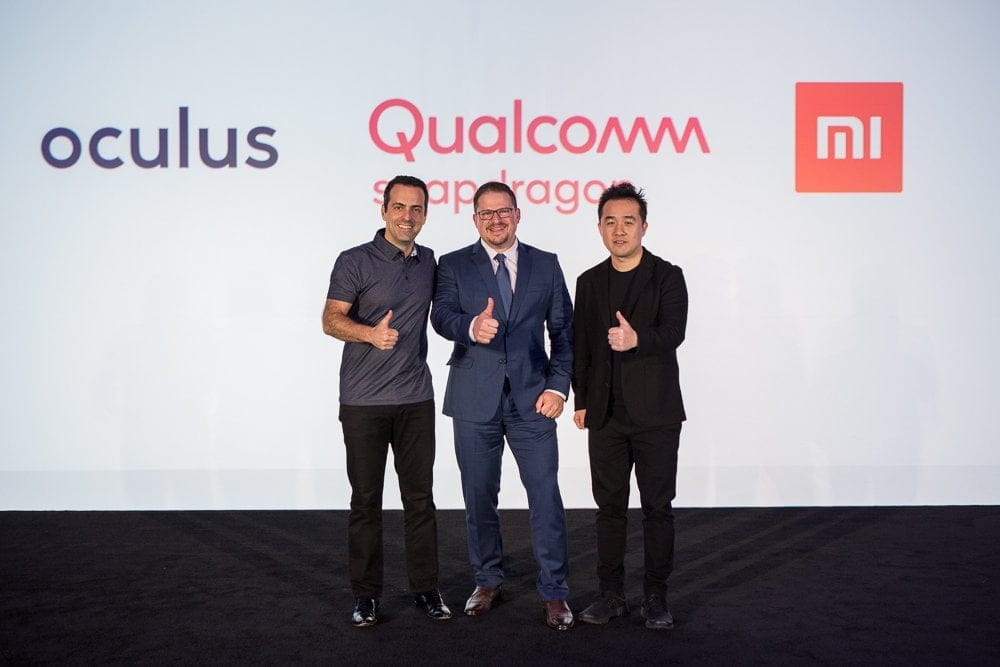
The CES 2018 offers many surprises. Especially when Hugo Barra, former product manager of the Google Mobile team, subsequent Vice President for International Affairs at Xiaomi and now Vice President of the Facebook Virtual Reality team, suddenly steps onto the Qualcomm press conference stage and announces a collaboration between Xiaomi and Oculus. Xiaomi acts as a hardware partner alongside Oculus and will produce both the Oculus Go, already announced in October of last year, and the identically constructed Xiaomi Mi VR Standalone.
Identical hardware
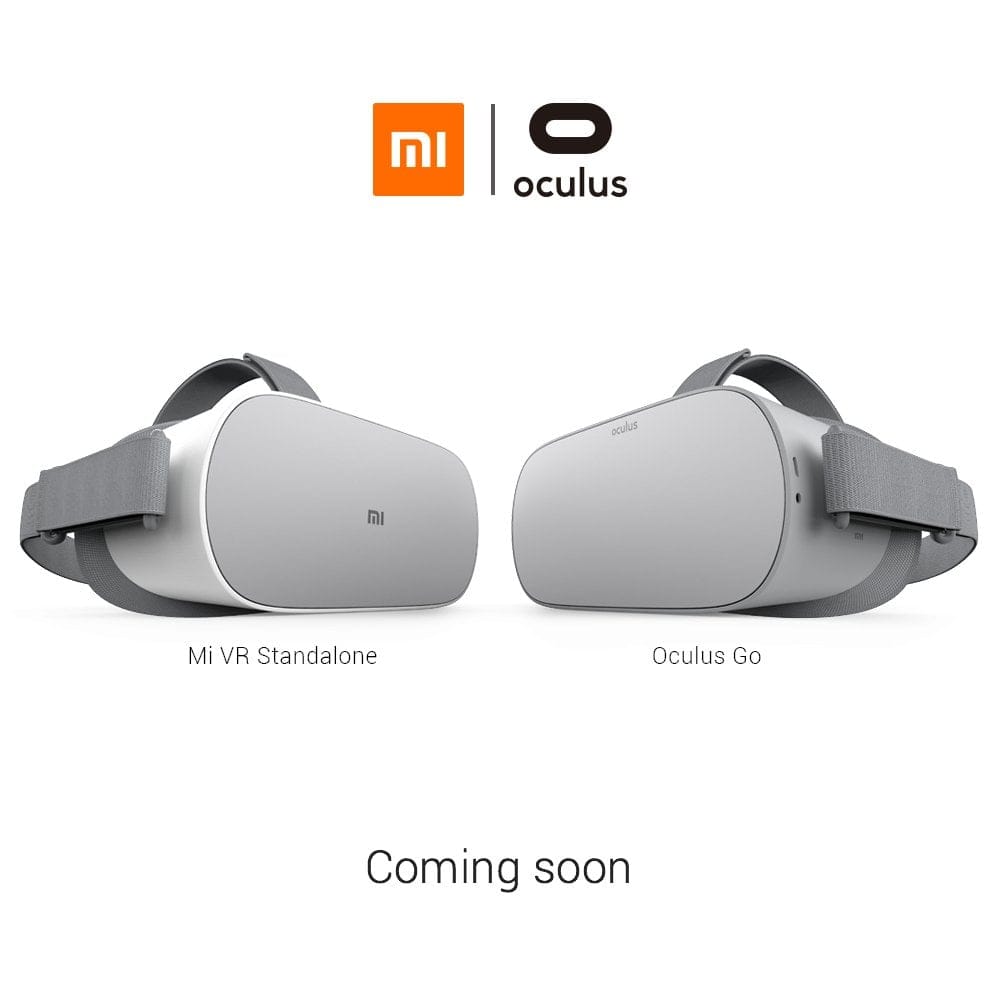
The Oculus Go and Mi VR Standalone will appear as identical devices, differing only in terms of brand logo and software. Equipped with a Qualcomm Snapdragon 821 processor, which was found in flagship smartphones of the previous year, the standalone VR headset will work without a PC or mobile device. A high-resolution 2K LCD (2560 × 1440 pixels) ensures a sharp image, while also promising a large field of view and a flicker-free VR experience. The user receives corresponding spatial audio via integrated speakers in the headset.
Different software
The most significant difference lies in the software. It would be unthinkable if Facebook, which is still subject to Chinese censorship, suddenly released a VR headset on the Chinese market. Therefore, the Xiaomi VR Standalone will appear exclusively on the Chinese market with adapted software, using the Xiaomi's own VR interface and the Xiaomi Store. Nevertheless, the Mi VR Standalone will also be Oculus Mobile SDK compatible, allowing apps to be ported easily. Hugo Barra did not announce a release date for either VR headset at the Qualcomm press conference. However, it is known that both headsets are expected to launch in 2018 and will cost approximately $199.
First impressions
Both the Xiaomi VR headset and the Oculus Go promise to make virtual reality suitable for everyday use. By supporting the Oculus Mobile SDK on both devices, there are versatile possibilities for publishing apps simultaneously for both VR headsets. Consumer electronics from China are sometimes significantly cheaper than their counterparts intended for the Western market. It remains to be seen whether both headsets will appear at the same price. The Xiaomi VR headset might even be available at a lower price. It will therefore be quite interesting to see to what extent the hardware can be equipped with the respective other software interface. We are eager to see what the coming months hold!
Specifications
Display
- Display type
- LCD
- Display size
- 5.5 inches
- Display resolution
- 2560 × 1440
Processor and memory
- Processor
- Qualcomm Snapdragon 821
- Storage
- 32GB / 64GB
Other
- Audio
- Stereo speakers + 3.5 mm audio jack
- Battery
- 2600 mAh
- Weight
- 425g
Comments (1)
I ordered the Oculus Go. While I am also interested in whether the firmware can be swapped between devices, at that price the Mi VR would really be a no-go. I see no reason to prefer the Xiaomi headset over the Oculus.