Contents
First impressions of the Xiaomi Mi6
Design, build quality and contents of delivery
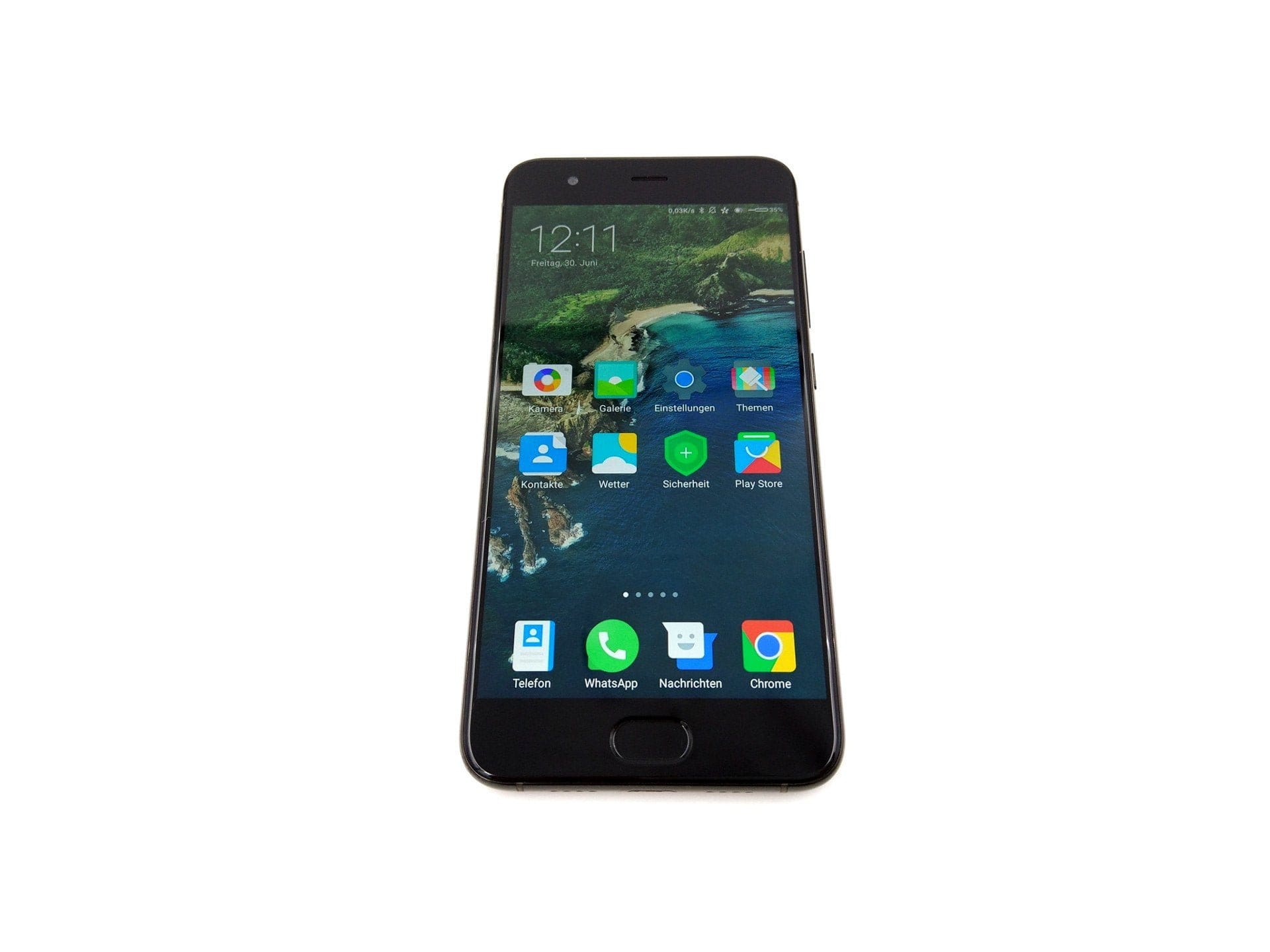
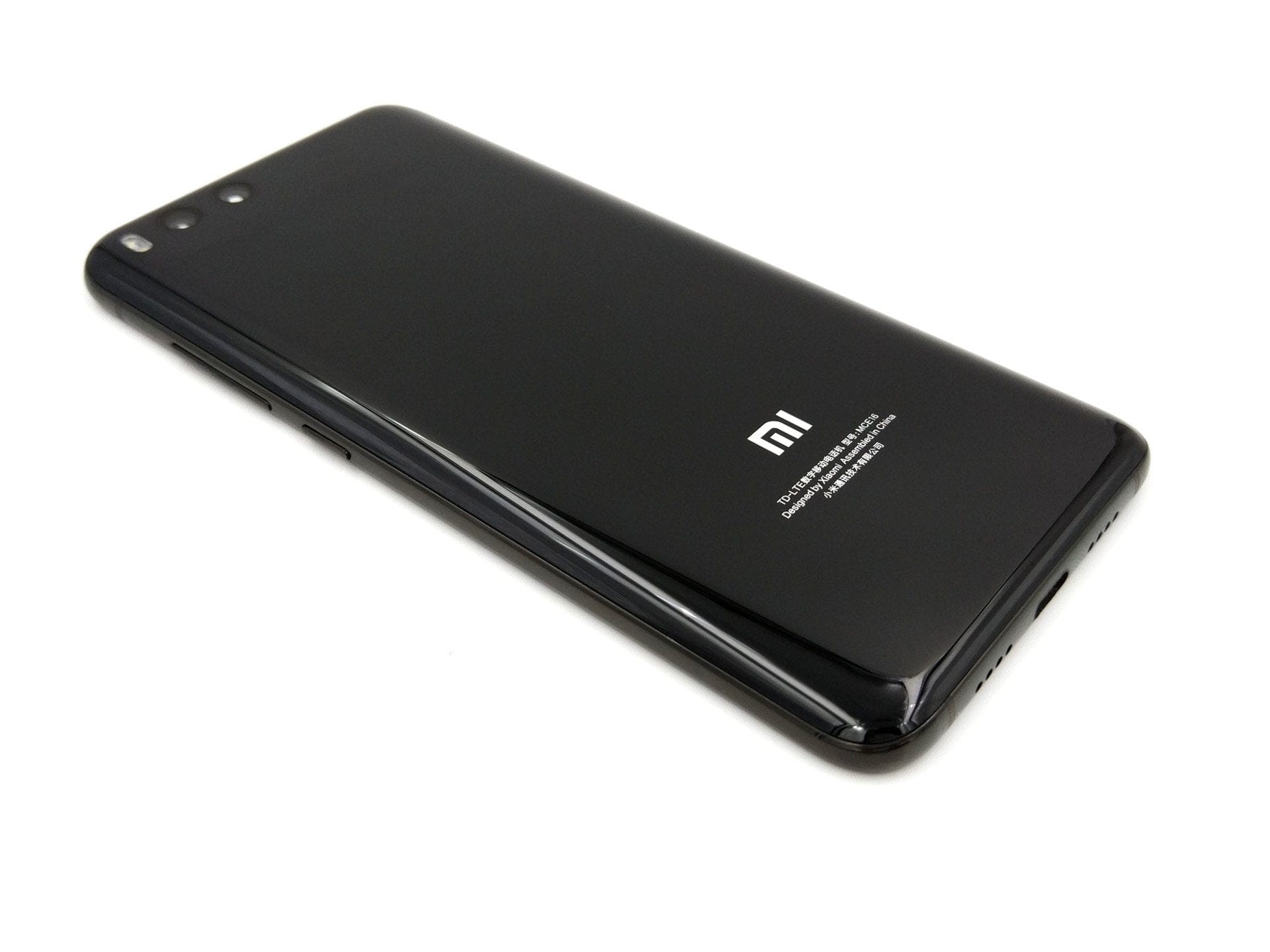
Visually, the Xiaomi Mi6 makes a strong impression. The front is completely black, making the smartphone appear simple at first glance. A premium feel is provided by the completely rounded and alloy aluminium frame, which transitions seamlessly into the also rounded glass back. A downside of the highly reflective glass back is its susceptibility to fingerprints. As was already the case with the Xiaomi Mi Mix, the smartphone was practically covered in fingerprints straight out of the box. No wonder Xiaomi also includes a protective case with this smartphone.
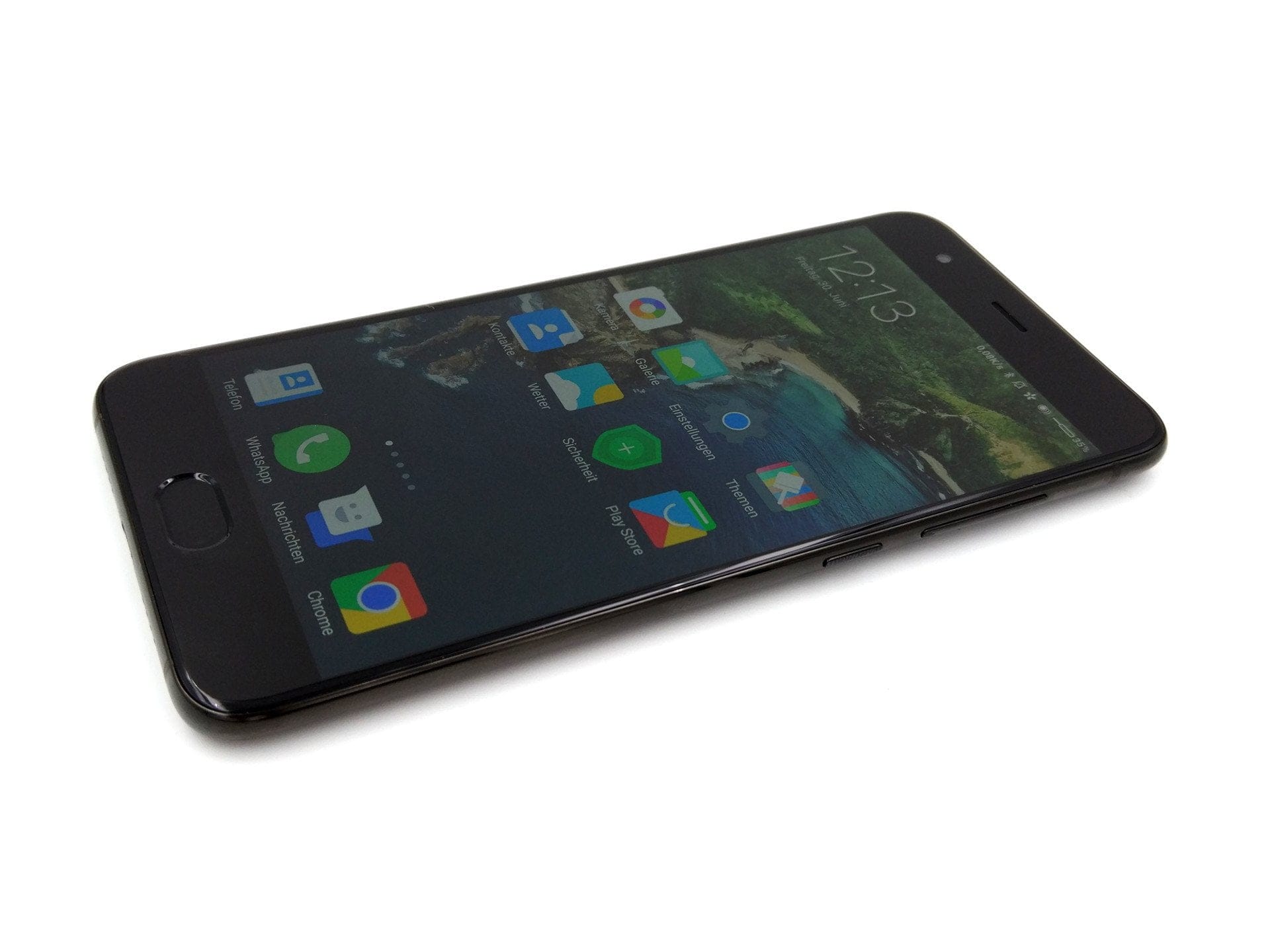
Starting with the front, below the 5.15-inch display is the home button embedded in the glass, which also houses the fingerprint scanner. To the left and right are two capacitive control buttons that glow white. Above the display is the barely visible earpiece, which also acts as a second loudspeaker. Next to it is the 8-megapixel front camera. There is also an invisible proximity sensor and a notification LED that glows white.
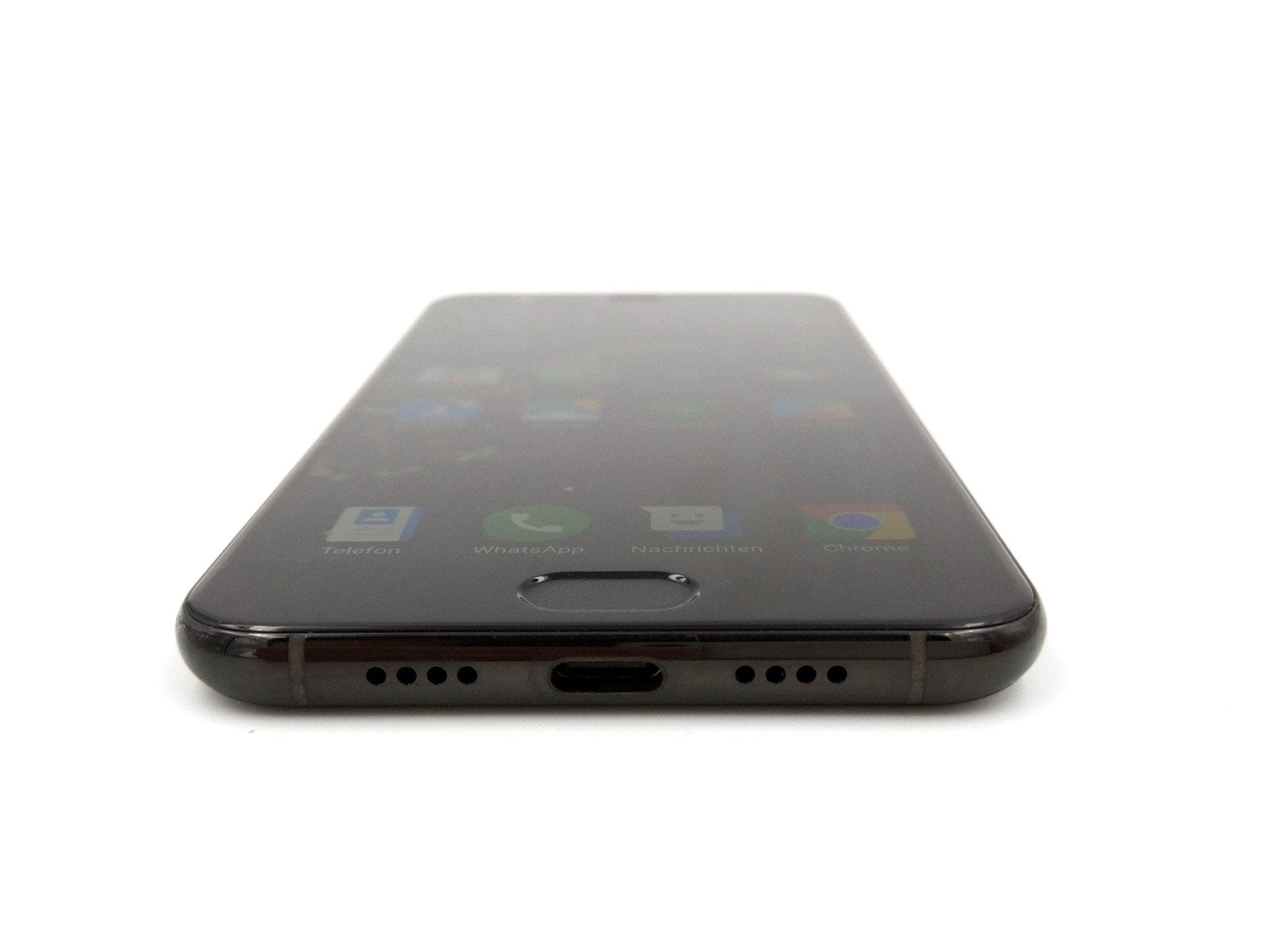
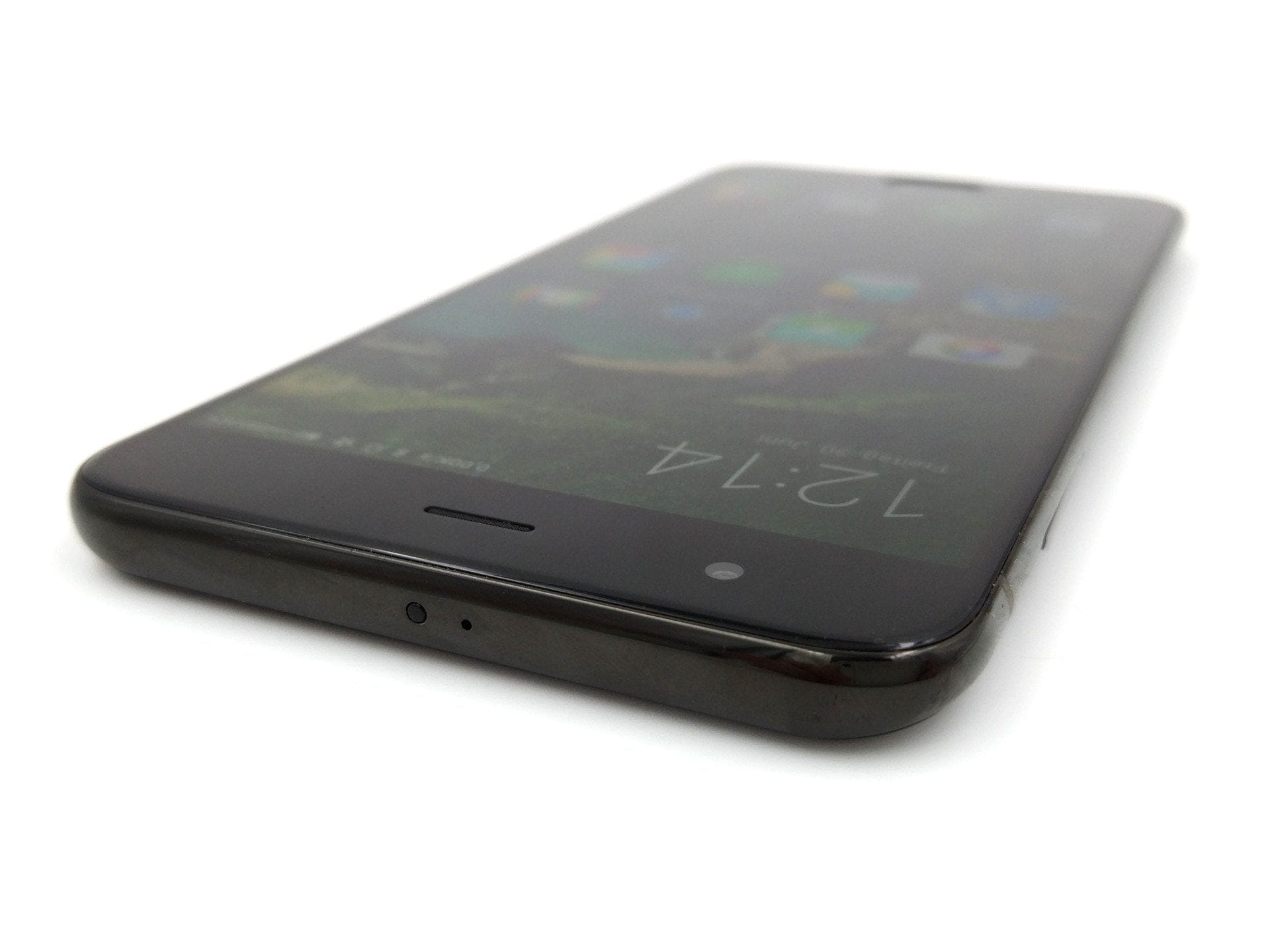
The housing frame includes the power button on the right and the volume rocker above it. Both buttons have a good pressure point and sit firmly in the housing. On the opposite side is the SIM tray, which can be populated with two Nano SIM cards. In the centre of the lower edge of the housing frame sits the USB-C port, to the left of which is the microphone and to the right the loudspeaker. The Xiaomi Mi6 does without a 3.5 mm jack connection, so only an infrared transmitter is located on the upper part of the housing frame.
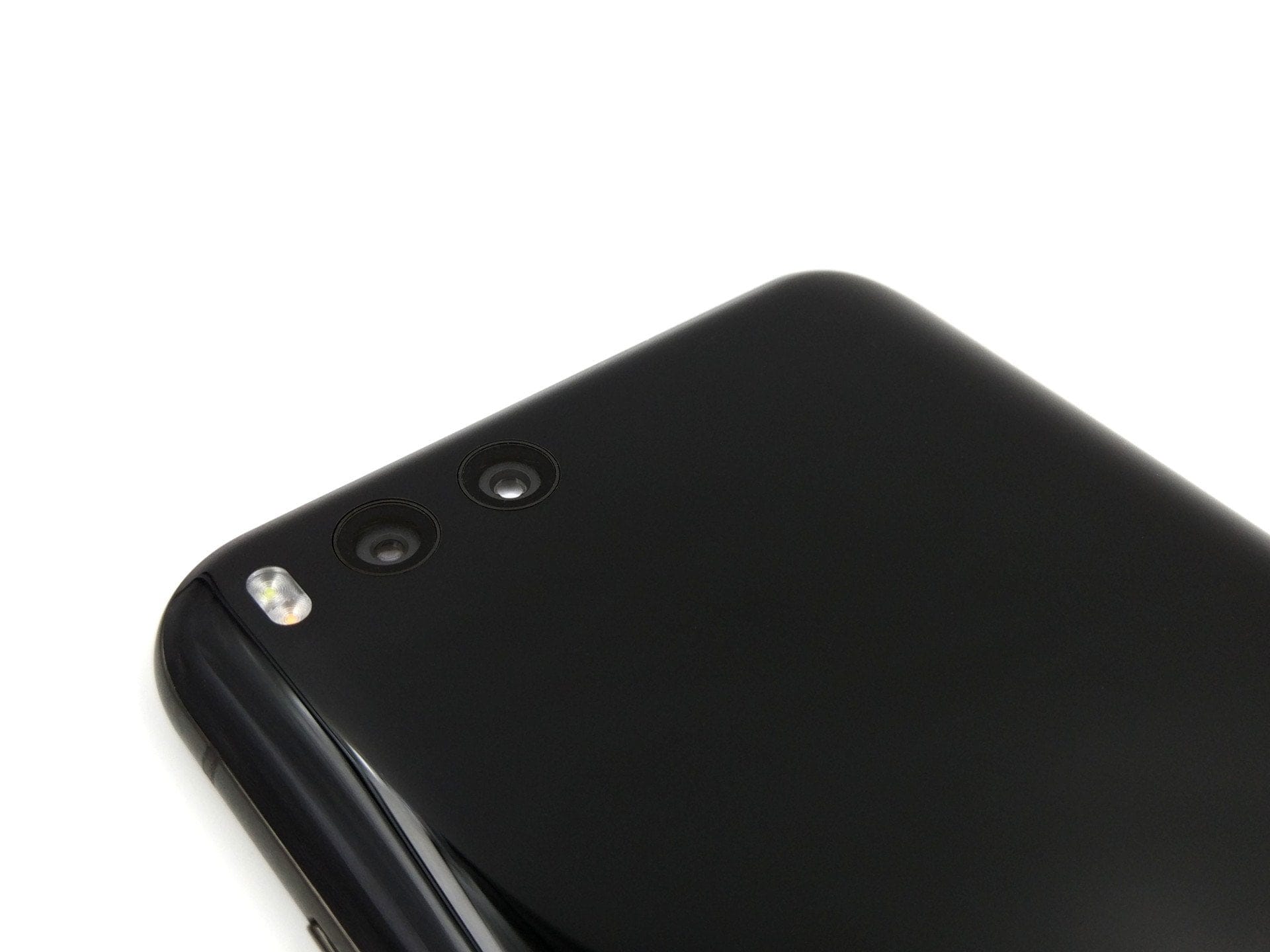
Finally, we take a look at the rear of the smartphone, which measures 145.17 x 70.49 x 7.45 mm and weighs 168g. As already mentioned, it is made of glass, which makes the smartphone slightly slippery to hold. The silicone protective case included in the delivery helps with this. On the rear top left is the dual main camera with a dual-tone LED flash. To complete the design, the main camera and the LED flash are set flush into the housing.
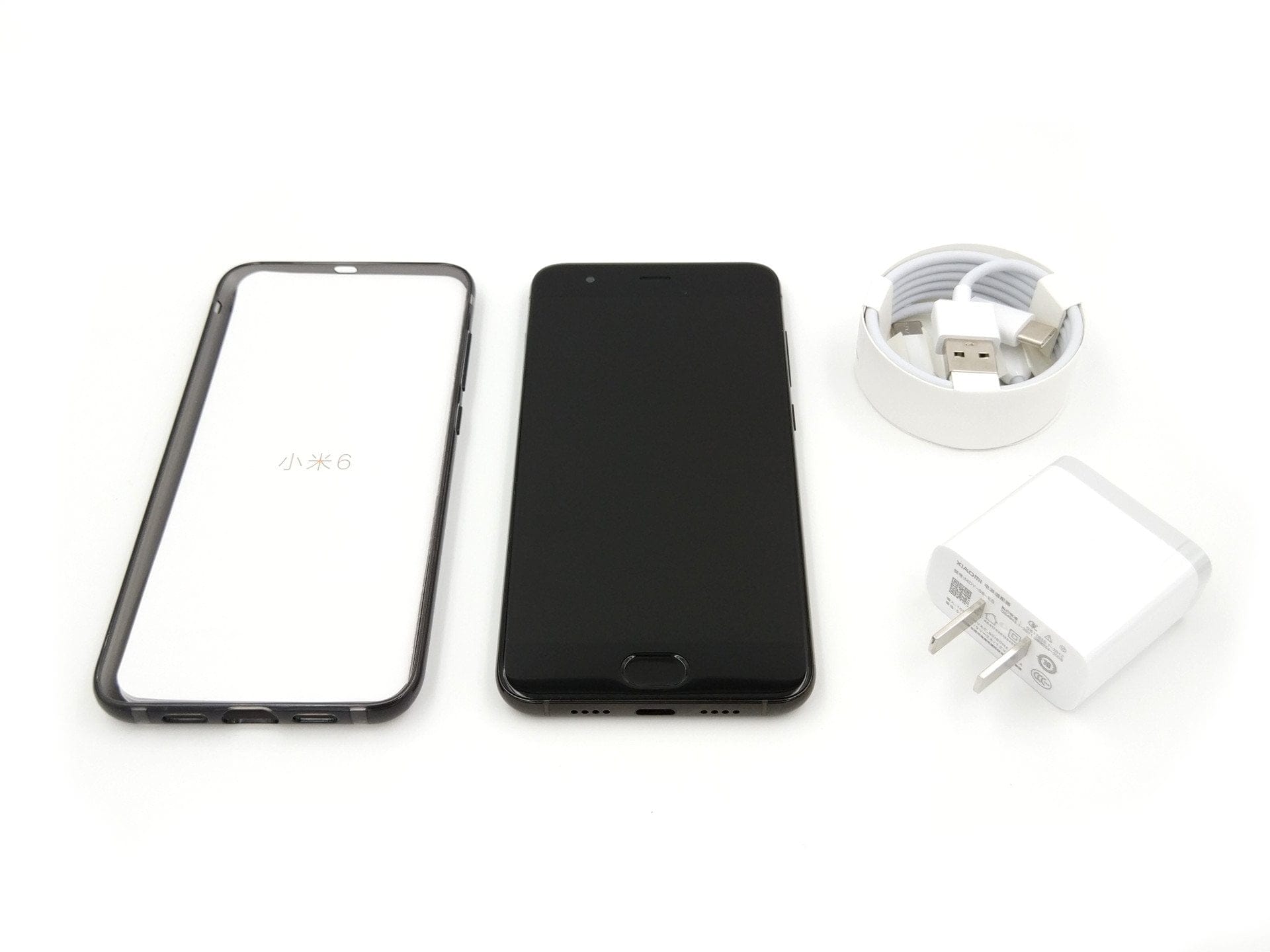
The contents of the Xiaomi Mi6 box are more generous than with previous models. Included are the typical fast charger with a NEMA-1 plug, the USB-C cable, and the user manual including the SIM eject tool, plus a silicone protective case and a USB-C to 3.5 mm jack adapter.
Display
The installed display is of the IPS type and has a resolution of 1920 x 1080 pixels with a diagonal of 5.15 inches. This achieves a razor-sharp pixel density of a substantial 428 PPI, which is why individual pixels are not visible to the naked eye. Thanks to the In-Cell technology used, which allows for the production of a significantly thinner panel, the display achieves deep blacks and particularly vivid colour reproduction. If the colour reproduction is not to your liking, you can adjust it yourself in the display settings. The viewing angle stability is convincing. No matter what angle you view the display from, the colour reproduction remains intact, and text also remains legible.
Due to the phenomenal brightness of 600 nits, the display is easily readable even in strong sunlight. To protect the eyes, a reading mode that filters blue light can be activated. It is also interesting that the display brightness can be reduced significantly further than on other smartphones. The automatic brightness adjustment worked flawlessly in the test.
The touchscreen supports 10-point multitouch. Input is accurately recognised on the display, which is protected by (presumably) Corning Gorilla Glass 4. Even after several weeks of daily use without a screen protector, no scratches became noticeable.
Performance
With the Qualcomm Snapdragon 835, the Xiaomi Mi6 features Qualcomm's current latest high-end mobile processor. The 64-bit processor is manufactured using a 10nm process and consists of a total of 8 Kryo 280 processor cores, which are further divided into a performance and power-saving cluster according to the big.LITTLE architecture. The performance cluster comprises 4 cores clocked at up to 2.45 GHz. The power-saving cluster also has 4 cores, but with a reduced clock speed of 1.9 GHz. The graphics processor is an Adreno 540 GPU, which promises high-end gaming performance.
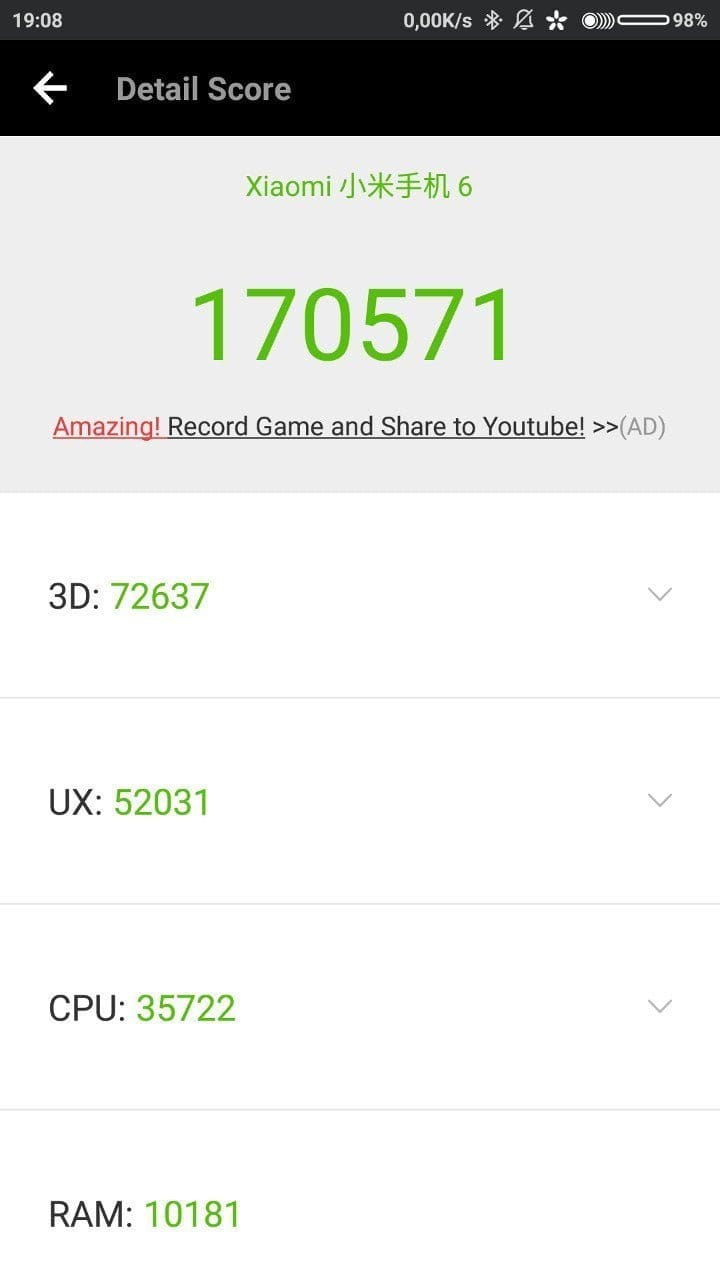
The memory configuration of our Xiaomi Mi6 test unit consists of 6GB LPDDR4 RAM and 64GB UFS2.1 flash storage. The smartphone is also available with 128GB of flash storage. Storage expansion via a Micro SD card is not possible!
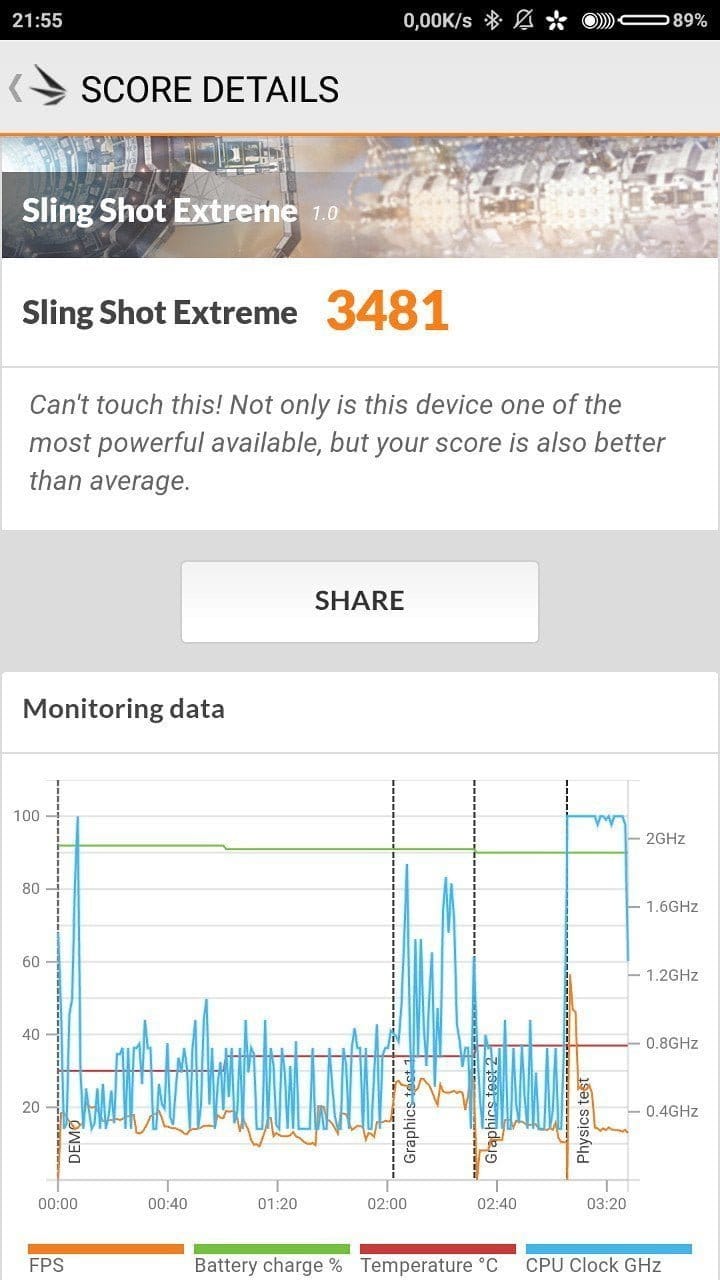
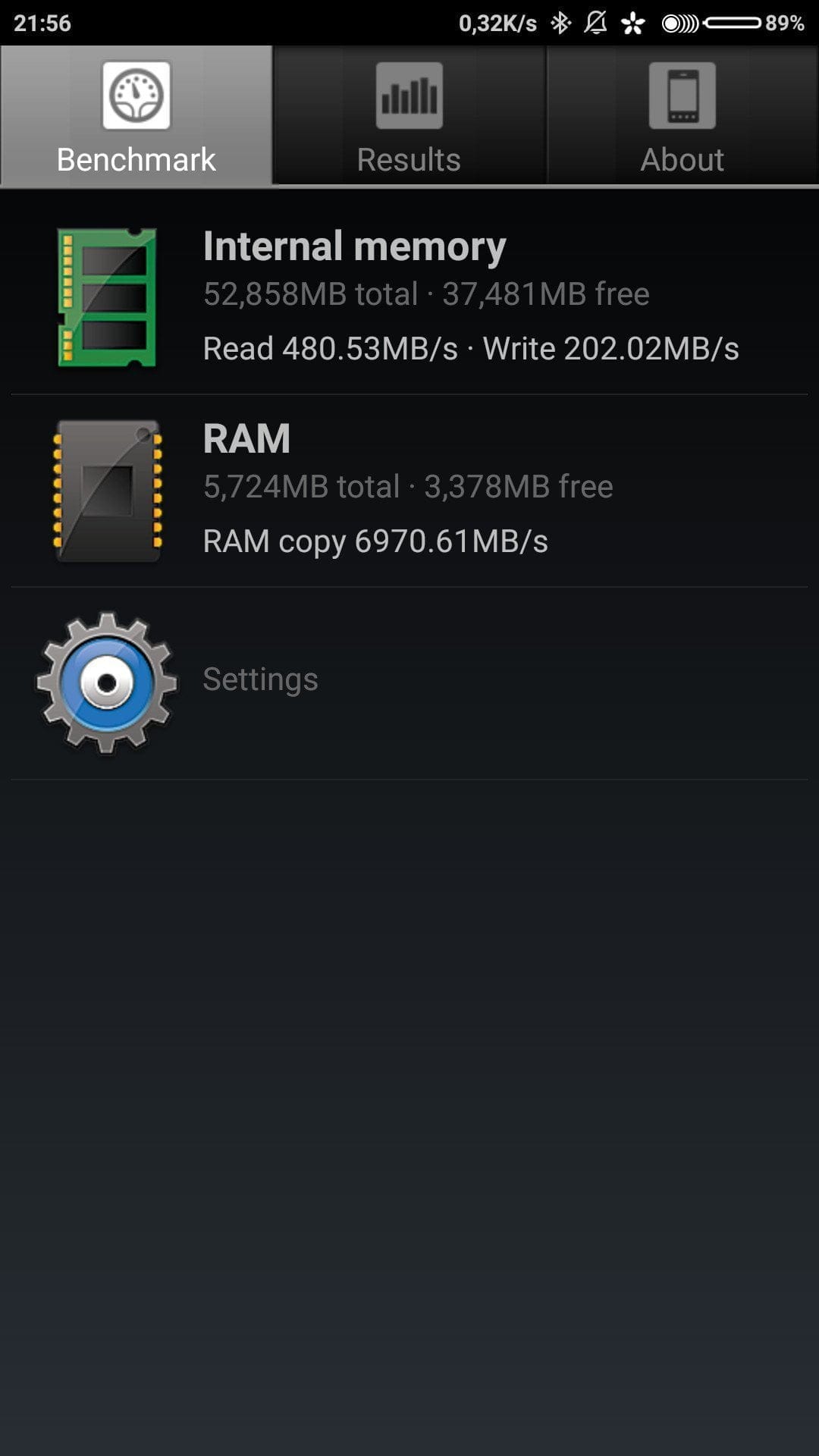
In practice, the Xiaomi Mi6 proves to be extremely performant. Apps are installed lightning-fast and open quickly. Even during intensive multitasking, no performance drops are noticeable. Surprisingly, however, the comparatively slow LPDDR4 RAM. The benchmarks achieved only RAM copy rates of 7000 MB/s. Other smartphones, such as the Xiaomi Mi5S, which is also equipped with LPDDR4 RAM, achieve fast values of 17000 MB/s. The UFS2.1 storage also does not shine in benchmarks and falls short of what is actually possible. However, in everyday use, the slow RAM and UFS2.1 storage have not proven to be a disadvantage.
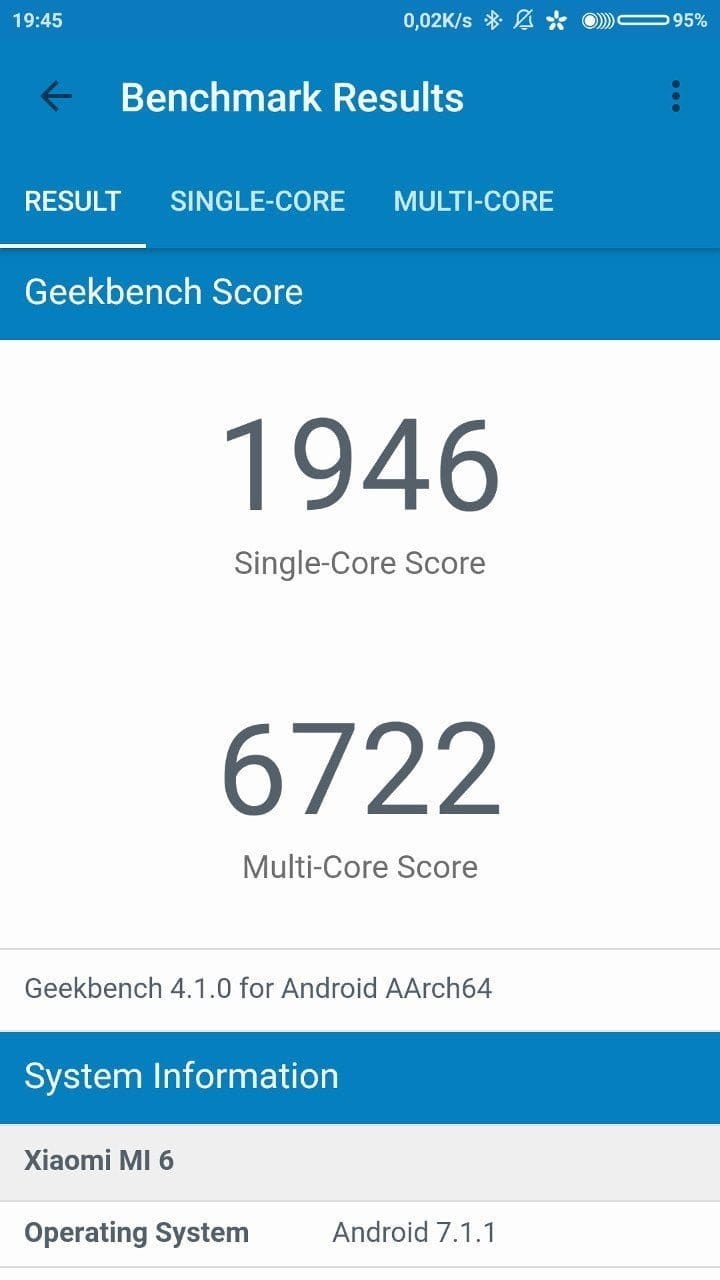
For those who cannot do without mobile games, the Xiaomi Mi6 is an excellent choice. The Adreno 540 GPU copes well with all demanding mobile games. Heat generation remains low even during intensive use. After an hour of intensive benchmarking, temperatures measured on the back reached a maximum of just 40°C.
User interface
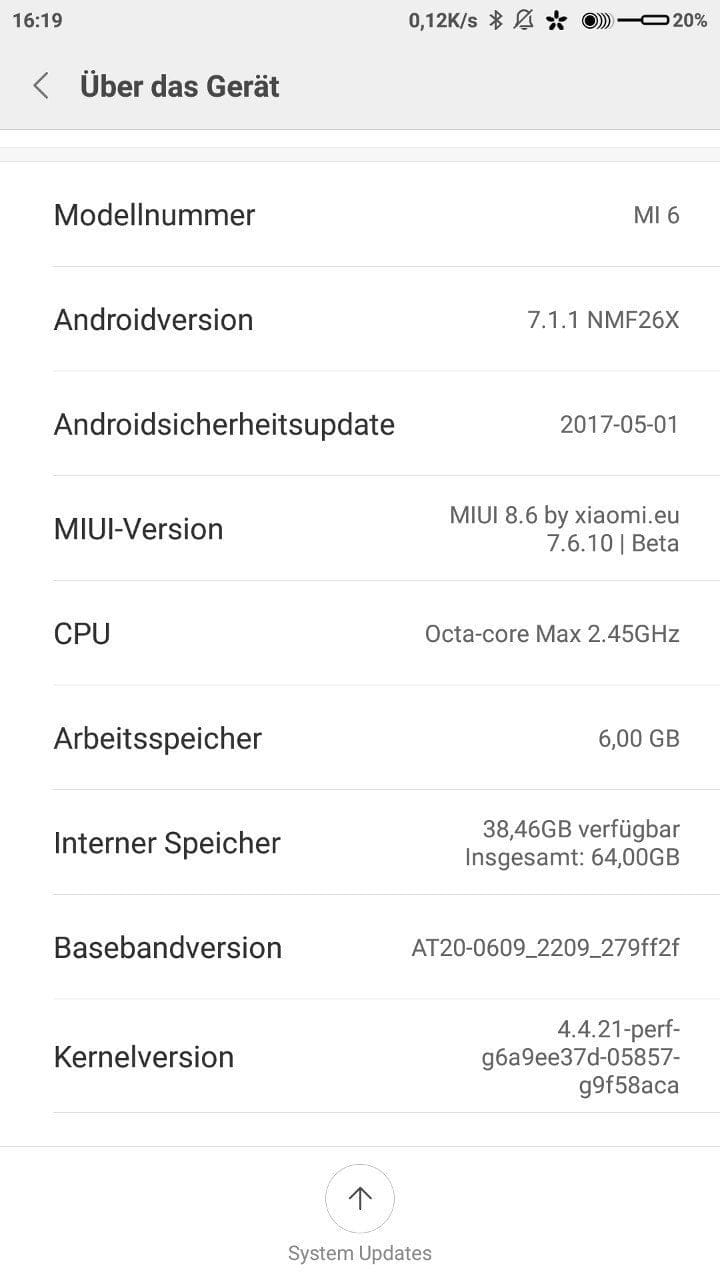
The operating system is MIUI 8.2 based on Android 7.1.1. Depending on where you order the Xiaomi Mi6, a so-called shop ROM may be pre-installed, which usually cannot be updated and also carries the risk of bloatware. If you get a Mi6 with a shop ROM, you should either flash the official Global ROM or alternatively flash the Xiaomi.EU ROM. Flashing the smartphone to the original China ROM is not recommended, as the language selection is limited to a few languages and many apps intended for the Chinese market are pre-installed.
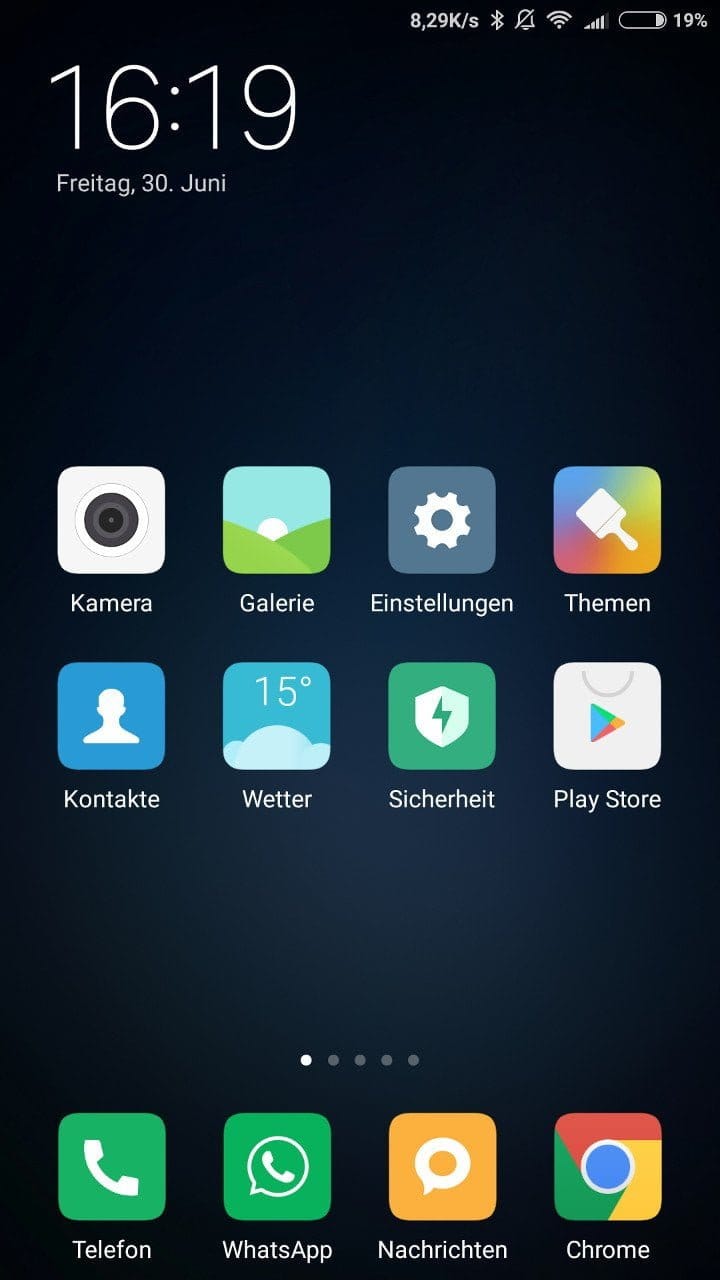
MIUI itself is far from stock Android. The user interface appears playful but offers some interesting features, such as themes, widgets and extensive customisation options. MIUI does not include an app drawer. Instead, apps are placed directly on the home screen.
Camera
On the back is the Xiaomi Mi6’s dual main camera. It consists of a 12-megapixel Sony IMX368 image sensor and another 12-megapixel Samsung S5K3M3. The Sony sensor uses an f/1.8 aperture and is also equipped with optical 4-axis image stabilisation (OIS). The Samsung sensor with an f/2.6 aperture enables 2x telezoom. The front camera has a resolution of 8 megapixels.
Main camera real-world test
Regarding camera quality, Xiaomi lagged significantly behind other flagship smartphones. Only with the Xiaomi Mi5S was a clear improvement in quality visible, although potential was still wasted here. With the dual camera used here, Xiaomi is on a good path to compete with flagship smartphones.
The main camera impresses with an accurate bokeh effect (sharp foreground – blurred background), which cleanly extracts even the finest details. The colour reproduction of the images is convincing in both good and poor lighting conditions. At the same time, image noise remains within acceptable limits in poor lighting conditions. If it gets too dark, the very bright dual-tone LED flash can be activated.
The main camera also gains points due to its fast and precise autofocus, as well as its short shutter lag. Thanks to the 2x optical zoom, it can zoom losslessly at the press of a button without losing any detail.
The main camera of the Xiaomi Mi6 also has a lot to offer for video enthusiasts, although this function is more criticised than the photo-taking function. The 4-axis image stabilisation ensures largely shake-free recordings, even in high-resolution 4K. Xiaomi has completely foregone electronic image stabilisation. Videos are recorded at a maximum of 4K and at 30 frames per second. Unfortunately, this also applies to 1080p at a maximum of 30 frames per second. The audio recording quality has improved significantly compared to other Xiaomi models. Nevertheless, the recorded sound sounds slightly tinny and does not quite reach the level of other – even significantly more expensive – flagship smartphones.









Front camera practical test
The front camera has a resolution of 8 megapixels. The Xiaomi Mi6 also convinces with good and detailed recording quality regarding the front camera. The camera records videos in Full HD. Thanks to the wide-angle lens used, multiple people can also be fitted into the frame. Additionally, an adjustable beauty filter can be activated, which artificially smooths or edits recordings on the fly.
Connectivity
Telephony
The Xiaomi Mi6 performs well on mobile networks. Although LTE Band 20 is not supported, which means LTE is only usable to a limited extent in Germany, I personally do not consider the limited LTE reception to be a major disadvantage. During testing, the Xiaomi Mi6 mostly had H+ reception, which allows for excellent browsing. Making calls is also enjoyable with the device. The transmission quality is beyond reproach in both directions. Speech is transmitted clearly and understandable, and the noise-cancelling microphone filters interference noises very well.
Wi-Fi and Bluetooth
Via Wi-Fi, the Xiaomi Mi6 connects quickly thanks to the supported WiFi protocols 802.11a/b/g/n/ac. The smartphone is also MU-MIMO compatible. In testing, the smartphone impressed with a high connection range, coupled with connection stability and a high data transfer rate. With Bluetooth 5.0, the most current Bluetooth standard is supported. Unfortunately, there are very few Bluetooth 5.0 devices available, which is why a Bluetooth 4.2 speaker was used for testing. Here too, there were no dropouts in connection or transmission.
GPS and sensors
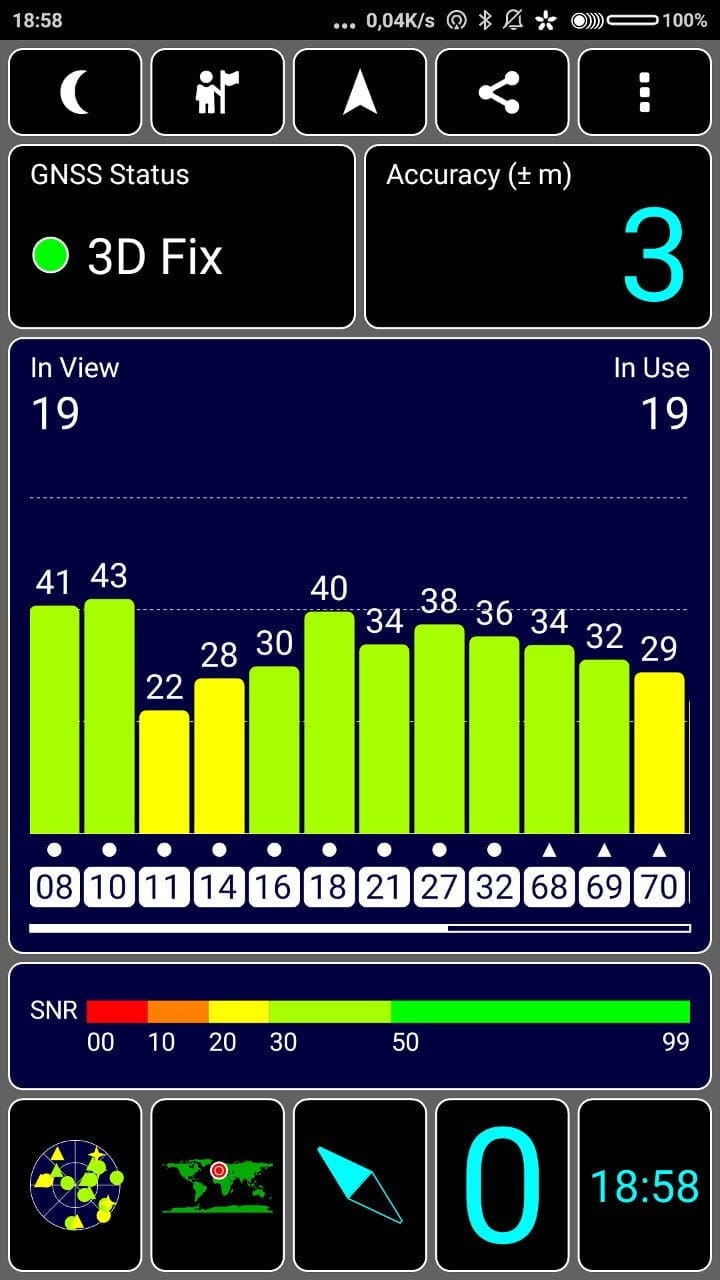
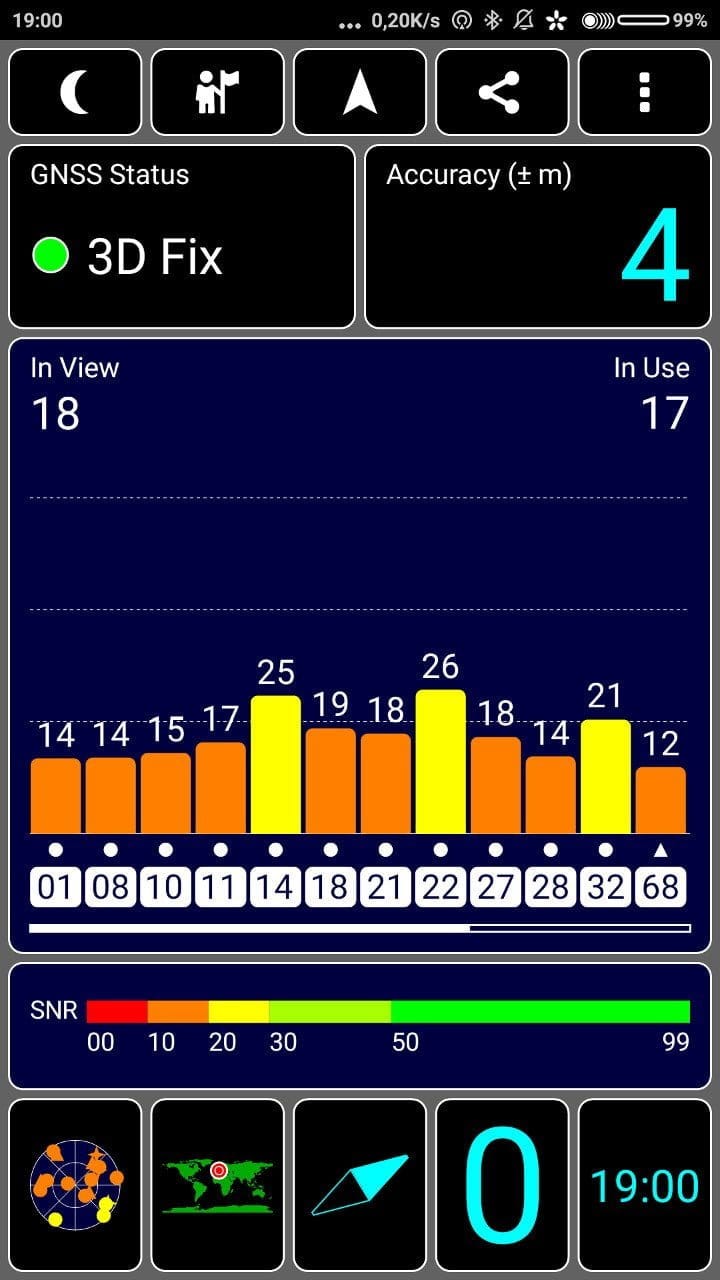
A GPS fix was found within seconds. There were no connection dropouts while navigating. The signal was maintained consistently, and there were no impairments even between buildings. The Xiaomi Mi6 also proved to have strong reception inside buildings and could determine the position accurately to within a few metres.
The sensor suite includes an ambient light sensor, an accelerometer, a proximity sensor, a Hall sensor, an e-compass, a barometer and a gyroscope. Additionally, the smartphone is equipped with an infrared transmitter, allowing televisions and other devices to be controlled via the Mi Remote app. The fingerprint scanner is characterised by a high recognition rate and short unlock time.
Audio
The Xiaomi Mi6 is the manufacturer's first smartphone that does not have a 3.5mm jack audio socket. You might think that Xiaomi omitted it to make the Mi6 a waterproof smartphone, but the device itself is barely protected against splashes. Due to the unprotected USB-C port, even the smallest splash of water can lead to direct damage.
Headphones with a 3.5mm jack can only be connected via a USB-C adapter, which is included in the delivery. Alternatively, there are also USB-C headphones, such as the Xiaomi ANC In-Ear, released shortly after the Xiaomi Mi6. This headphone was available for testing, which is why the sound quality could be tested with a direct connection via the USB-C port. In terms of sound, the Mi6 performs well both with the adapter and with a direct USB-C connection. The maximum playback volume is convincing, the sound is clear and rich in detail, and there were no interference noises.
Stereo sound is produced by the Xiaomi Mi6 via a loudspeaker on the lower chassis frame, as well as via the earpiece, which also acts as a loudspeaker. Unlike many other smartphones with a single loudspeaker, the Mi6 produces a spatial sound that reaches a pleasant maximum volume and does not appear distorted.
Battery
The smartphone is equipped with a non-replaceable 3350 mAh battery. The Qualcomm Snapdragon 835 proved to be extremely efficient in testing, resulting in excellent battery life both in standby and during continuous use. In the PC Mark battery benchmark, the device achieved a runtime of around 10 hours at medium display brightness. With normal use, including occasional calls, WhatsApping, web browsing and YouTube, an average runtime of 1 ½ days was possible on a single charge. Screen-on-time was between 8 and 11 hours, depending on how the smartphone was used.
Unfortunately, the integrated fast-charging feature is not yet Quick Charge 4, although the processor would be capable of it. Instead, the Mi6 uses “Quick Charge 3.0”. This fully recharges the battery after 1 ½ hours. The first 50% charge is reached after just 35 minutes. Of course, this requires charging the smartphone with a suitable Quick Charge charger. Anyone relying on the included charger cannot avoid using an EU adapter.
Our verdict
After testing the Xiaomi Mi6 for over a month, it will continue to accompany me as my daily driver. The smartphone offers excellent value for money and convinces with its high-quality build, appealing design and, above all, powerful hardware. Everyday performance and the display are convincing across the board. While the camera cannot quite match flagship smartphones, it offers decent recording quality at good light conditions, especially considering the price. A drawback is the missing LTE Band 20. It would also have been desirable if Xiaomi had produced the Xiaomi Mi6 as a waterproof smartphone by omitting the 3.5 mm audio jack.
Specifications
Processor and memory
- CPU
- Qualcomm Snapdragon 835
- GPU
- Adreno 540
- RAM
- 6GB (LPDDR4x)
- Internal storage
- 64GB / 128GB (UFS2.1)
- Storage expansion
- No
Display
- Display type
- In-Cell IPS
- Display size
- 5.15 inches
- Display resolution
- 1920 x 1080 pixels
- Screen protector
- Corning Gorilla Glass 4
- Multitouch
- 10 fingers
Cameras
- Main camera
- 12 megapixel Sony IMX368 + 12 megapixel Samsung S5K3M3
- *4-axis OIS
- *2x telephoto zoom
- *Autofocus
- *Dual-tone LED flash
- Front camera
- 8 megapixels
Mains
- Dual SIM
- Yes
- SIM size
- Nano SIM
- FDD-LTE 850 / 900 / 1800 / 2100 / 2600 MHz
- TD-LTE 1900+ / 2300 / 2500 / 2600MHz
- WCDMA 850 / 900 / 1900 / 2100 MHz
- GSM 850 / 900 / 1800 / 1900 MHz
Wireless
- Wi-Fi
- 802.11 a/b/g/n/ac MU-MIMO
- Bluetooth
- 5.0
- GPS
- Yes
Sensors
- *Ambient light sensor
- *Accelerometer
- *Proximity sensor
- *Hall sensor
- *E-compass
- *Barometer
- *Gyroscope
- *Fingerprint sensor
- *NFC
Battery
- Battery
- 3,350 mAh
- Fast charging function
- Quick Charge 3.0
- Connection
- USB-C
- Headphone jack
- USB-C
Other
- Operating system
- Android 7.1.1 (MIUI)
- Size
- 14.51 x 7.04 x 0.75 cm
- Weight
- 168g
What’s included
1x Xiaomi Mi6 1x Charger 1x USB-C charging cable 1x USB-C to 3.5 mm jack adapter 1x Silicone protective case 1x SIM ejector tool 1x User manual
Comments (6)
Hey, as always a really good review and this comes at just the right time. My phone gave up the ghost two weeks ago and I urgently need a new one. I looked at the OnePlus 5, the Mi 6, the Honor 9 and also the Mi 5S. Which one would you recommend? The 5S is the cheapest, but is it still good? Which of the four has the best camera? I don't play games on it, but it should run smoothly. The display is also important to me. I would appreciate it if you could help me with the selection. You have far more experience than I do.
Hi Peepe, I’m glad you like the review. So far, I can only share my experiences with the Mi5S and Mi6. A review of the OnePlus 5 is coming in July, and a review of the Honor 9 is also currently planned.
Regarding your questions:
1. Which smartphone has the best camera? – The Mi6, OP5 and Honor 9 all have a dual camera, and each of the smartphones takes comparably good pictures. I haven't done a personal comparison myself, but I have looked at various shots online. I would say you can confidently choose any of the devices when it comes to the camera choice. However, I can very well compare the Mi5S with the Mi6, and they are actually virtually identical. The Mi5S has no bokeh effect and no OIS. However, the Mi5S produces slightly sharper and more detailed images. For videos, I would opt for the Mi6 instead.
2. All the mentioned smartphones run smoothly. You will not notice a difference between a Snapdragon 821, 835, or Kirin 960 in everyday use. The optimisation of the OS also plays a major role here.
3. I particularly like the display on the Mi6. But as I said, I will only have a comparison with the other two top devices soon.
Personally, I would choose based on appearance and price. Every one of these devices is excellent. Based on price alone, I would lean towards the Mi5S (~213€). A difference of sometimes more than 200€ is already enormous.
So somehow my Mi6 has been acting up ever since I installed the new Global version. The battery consumption is enormous and the pictures I take with the camera look blurry. Do you have any idea what's wrong?
Hi, you're not alone in this. Xiaomi is constantly optimising, and devices with the current Global and China ROMs are likely affected by the higher battery consumption and inaccurate camera. The situation is no different with the Xiaomi EU ROM, which is why the China DEV version is probably also affected. The only options are to wait or to flash an older ROM.
I've been experimenting a bit. With Global Stable V8.2.2.0.NCAMIEC, the camera quality is significantly worse. China Dev or Stable are not options for me, so I tried the xiaomi.eu ROM. I chose version 7.5.18, and with this, the camera is clearly better!
Me again. With the latest EU ROM, battery life has improved significantly and the camera also delivers more detail. I am now truly satisfied with the Mi6. For the price, it is a really top smartphone that I can highly recommend to anyone!