Contents
Xiaomi Mi A1 / Mi 5X: Foreword
Xiaomi is known for unveiling a new smartphone almost monthly. These launches often involve expanding existing model ranges with new devices, making it easy to lose track. The 5-series Mi range alone, which includes the Xiaomi Mi 5X, now comprises 5 models that could not be more different. As the "international" version of the Mi 5X, the Android One smartphone "Xiaomi Mi A1" has been released. In addition to the pure stock Android experience, it also supports the mobile network frequency bands common here.
Design, build quality, and included accessories
The smartphone impresses with an attractive aluminium unibody casing, where both the frame and the back are made from a single piece. Compared to other unibody models from the manufacturer, the frame is relatively flat and transitions steeply into the back. The frame edges are simply rounded and only the antenna covers stand out subtly. Regarding the casing colour, black, gold and rose gold are available as options. The dimensions of the 5.5-inch device are 155.4 mm in length, 75.8 mm in width and a slim 7.3 mm in thickness. The weight is 165g.
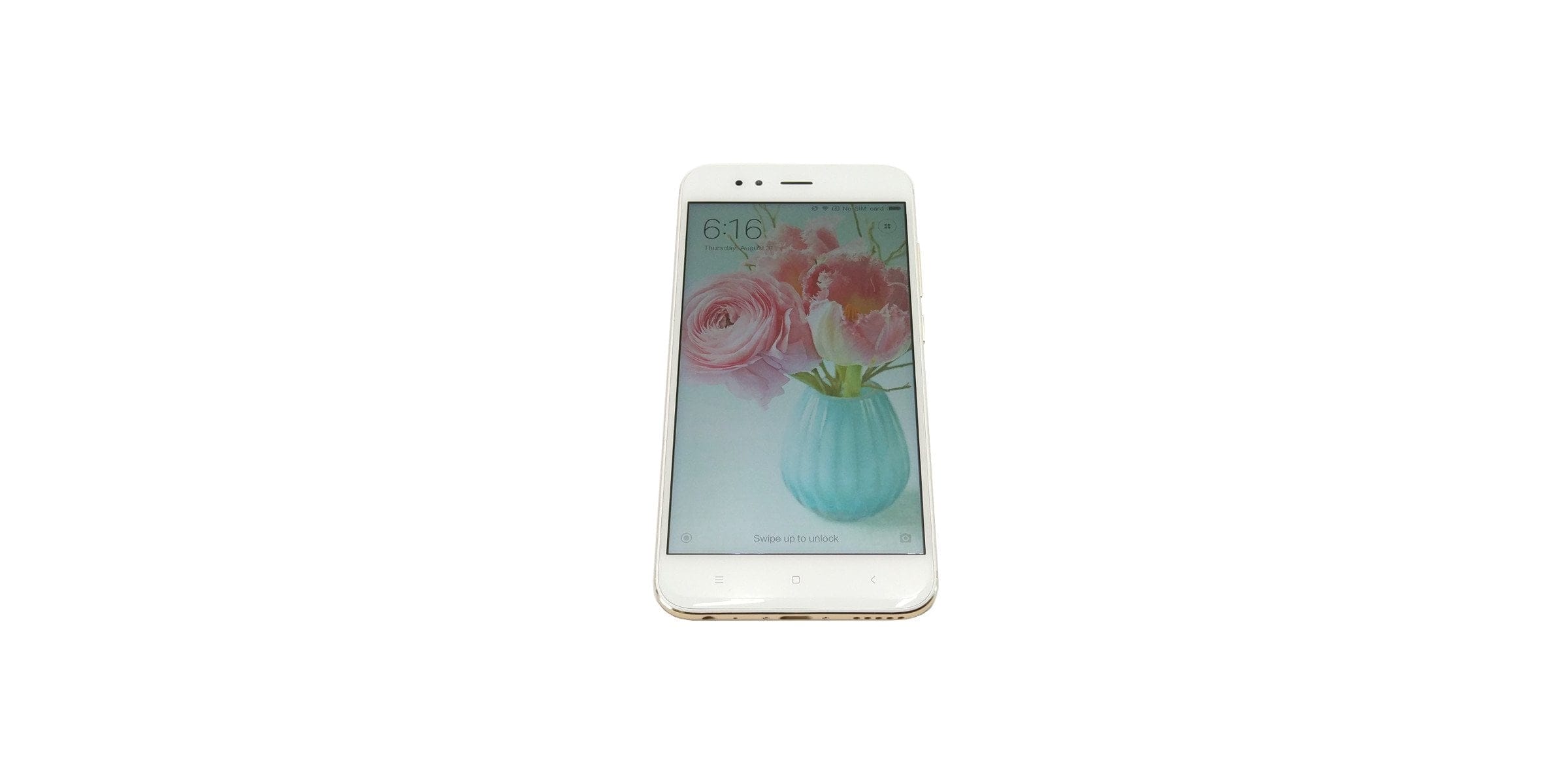
On the front is the 5.5-inch display, which is surrounded by a 3.5 mm bezel. Due to the 2.5D display glass, the edges of the glass are noticeably rounded but do not merge seamlessly into the unibody housing. Below the display are three capacitive control keys, which are also backlit. Above the display are the earpiece, the front camera, a proximity sensor, and a white-lit notification LED.
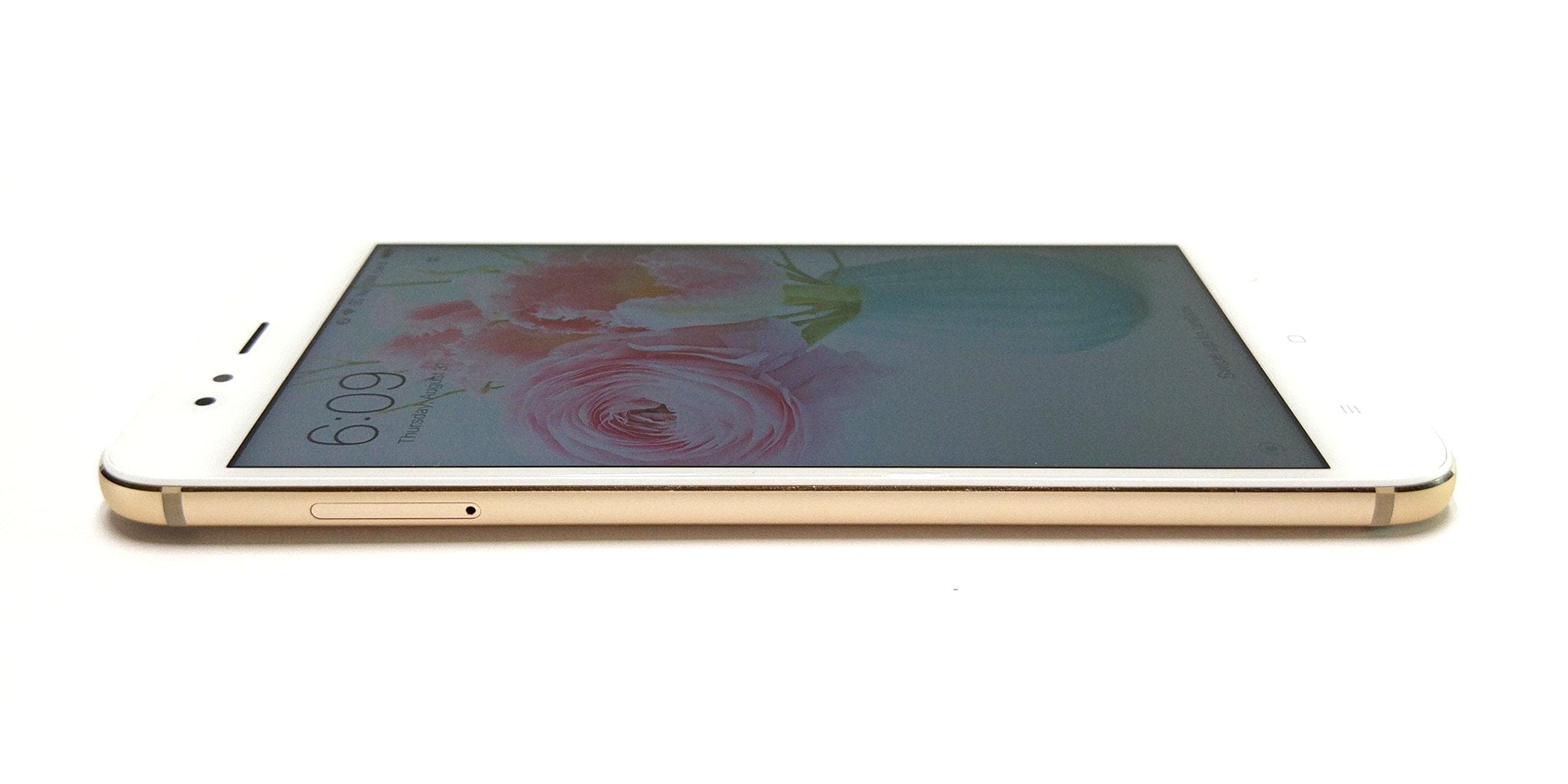
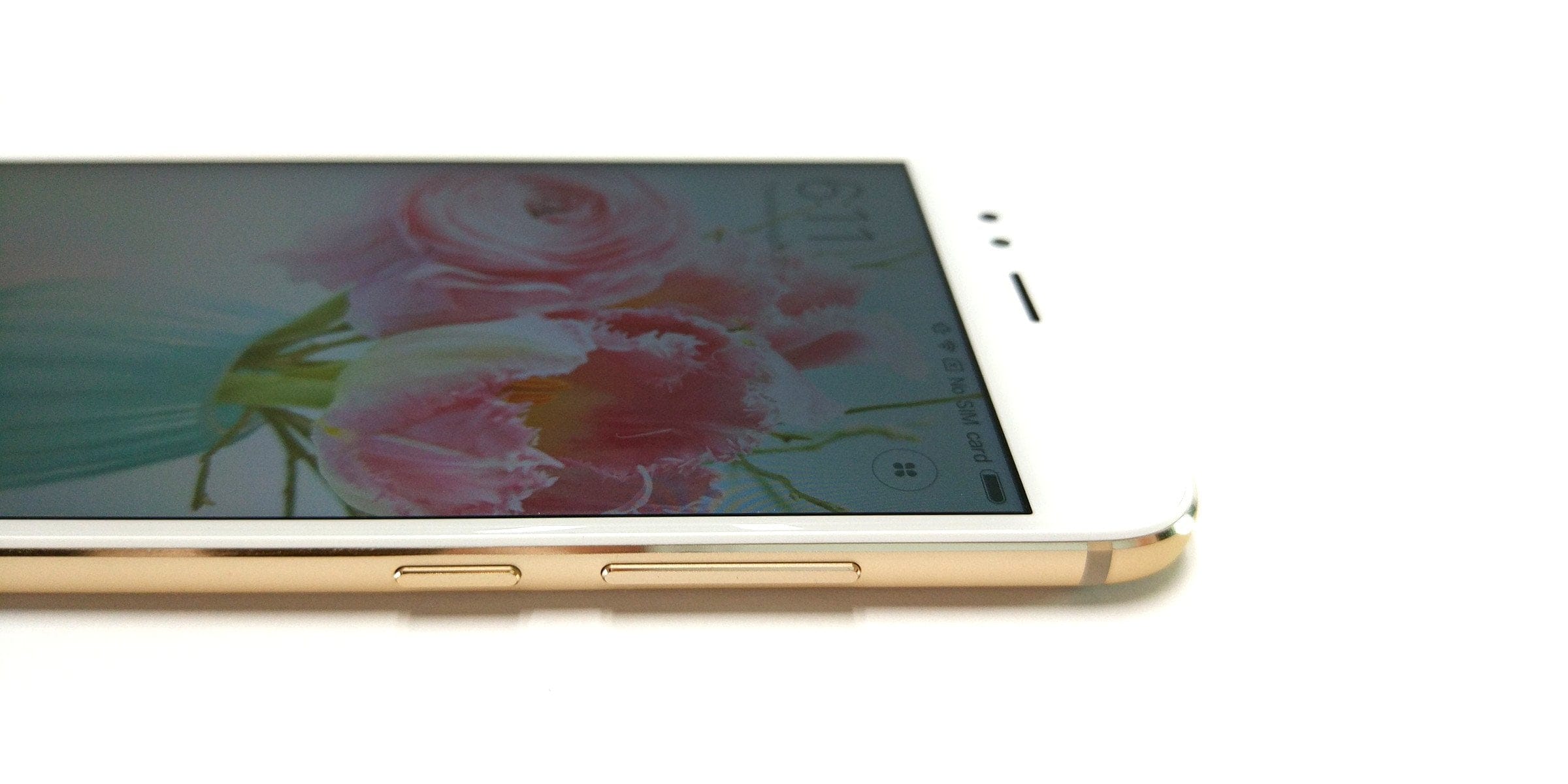
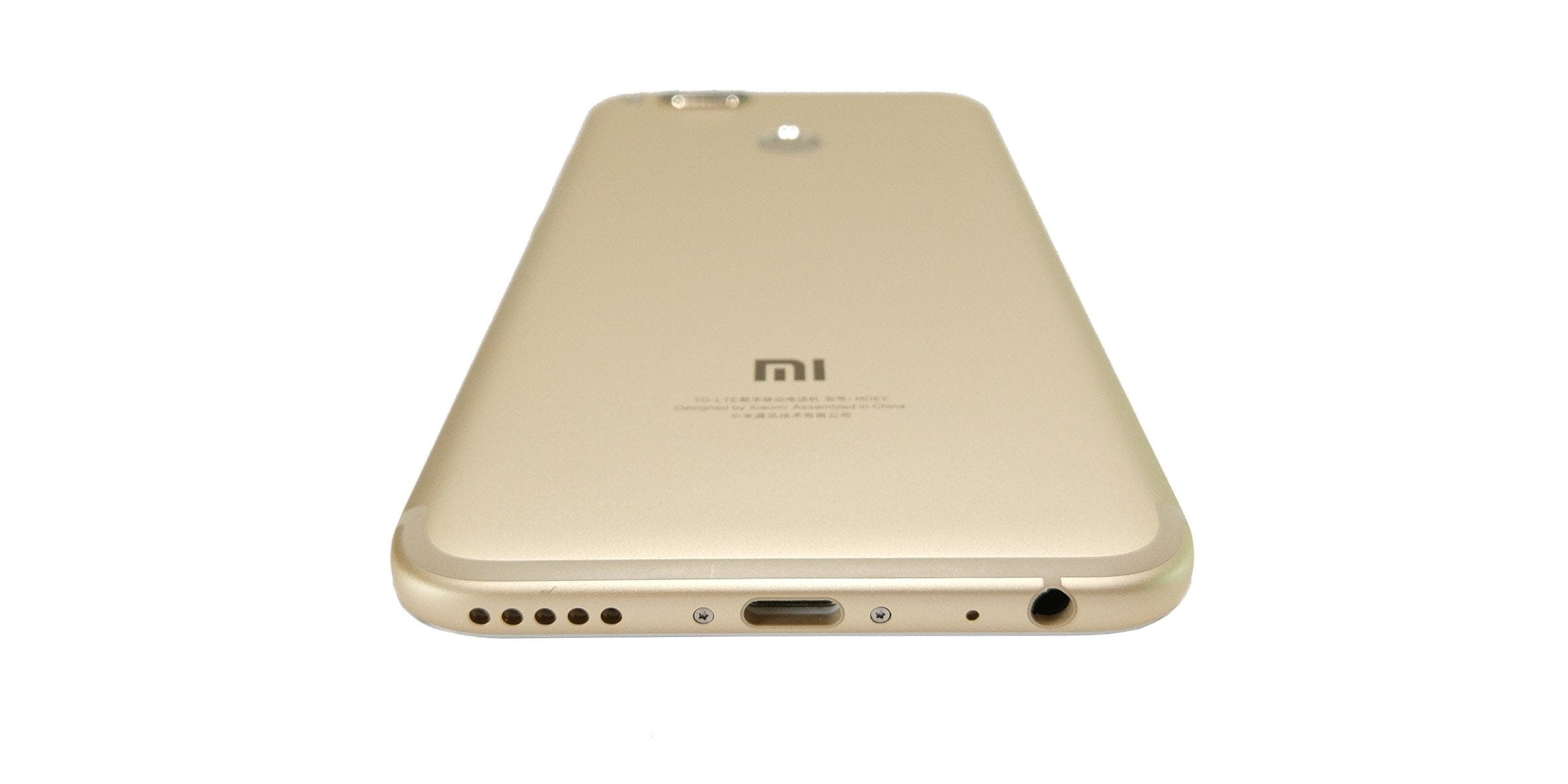
The case frame is typical and features the SIM slot on the left, the power button and volume rocker on the right, the USB-C port with the speaker and microphone next to it, and a 3.5 mm audio jack on the bottom. The top of the case frame houses an infrared transmitter and another noise-cancelling microphone.
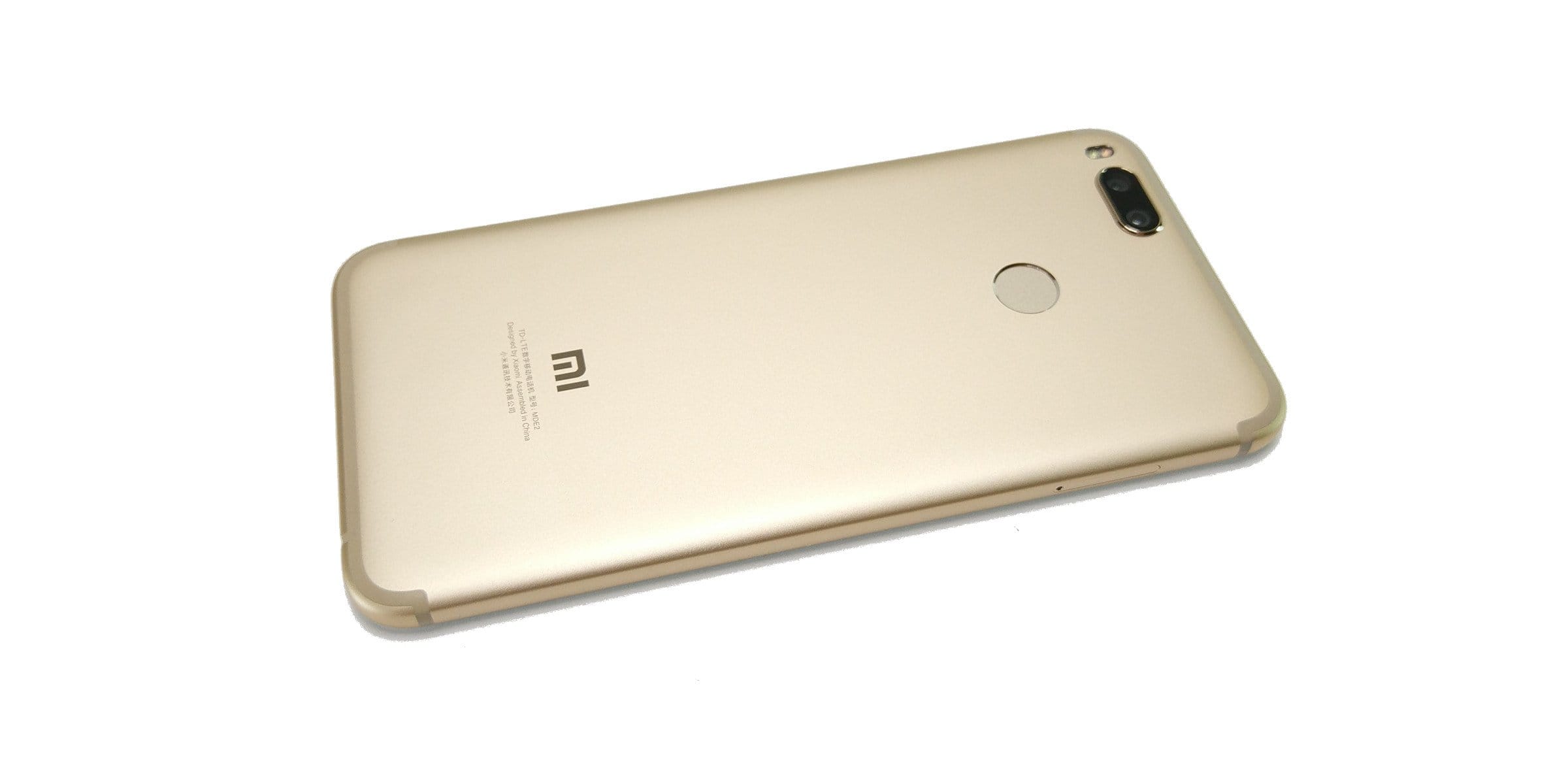
The rear is, as already mentioned, very plain. The dual main camera with LED flash is located in the top left. The round fingerprint scanner is also embedded in the housing in the upper third of the rear casing. The "Mi logo" is located in the lower third. The rear cover is not removable, meaning the battery cannot be replaced.
The overall build quality is beyond reproach. The smartphone leaves a particularly high-quality impression with good tactile feedback. The scope of delivery includes the smartphone, a charger with a NEMA-1 plug, a USB-C cable, a SIM tool, and a Chinese user manual.
Display
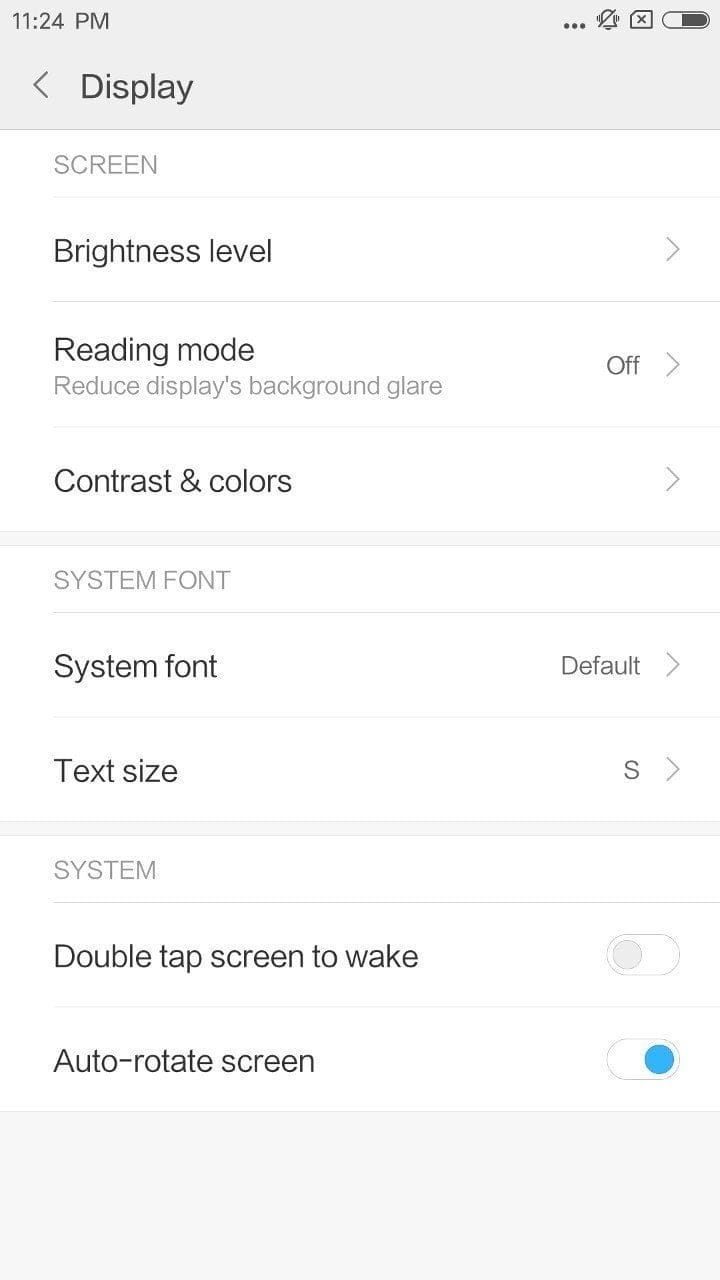
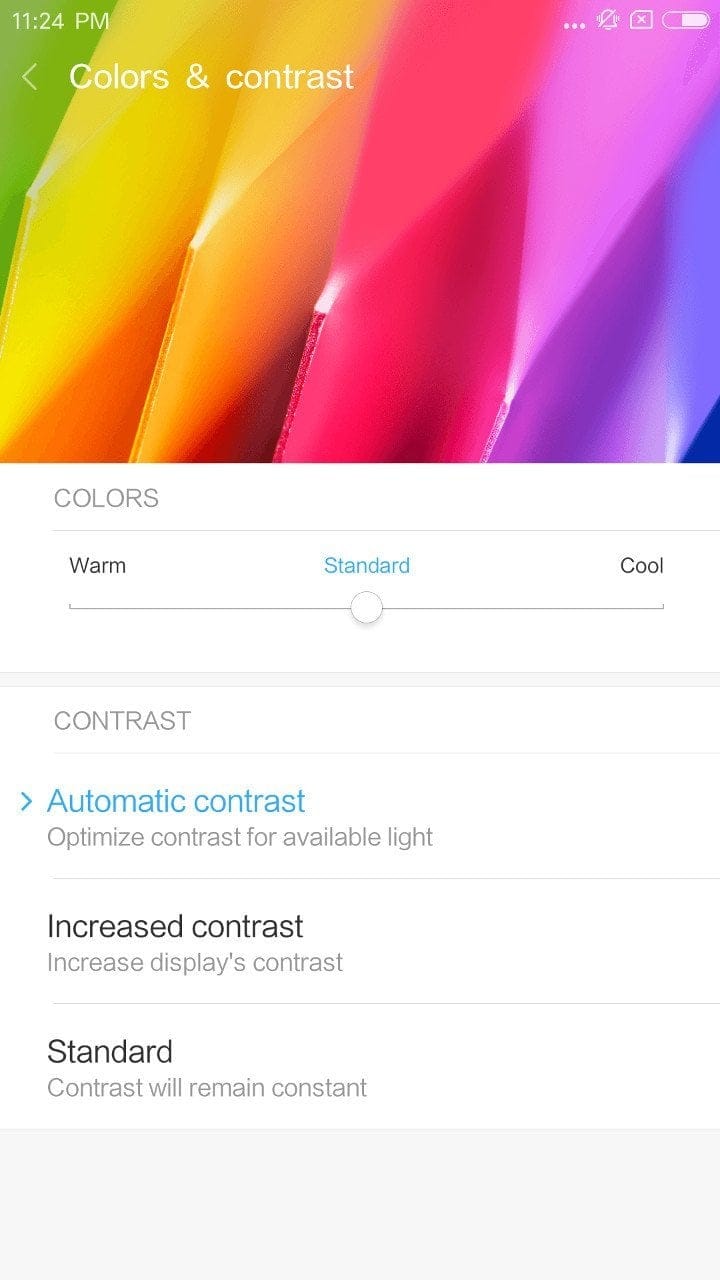
The display has a diagonal of 5.5 inches and displays in Full-HD. The panel is an „LTPS“ (Low Temperature Poly Silicon) type, which, unlike conventional LCDs, is characterised by lower power consumption, more compact manufacturing and higher display brightness. The pixel density is 403 DPI, which ensures a crisp display. Colours are predominantly reproduced subtly but still naturally. If you do not like the rather cool colour reproduction, you can correct the colour and contrast in the display settings. An additional reading mode filters blue light, thereby protecting the eyes while reading and also reducing the impact on the sleep-wake rhythm.
At the same time, the display of the Xiaomi Mi A1 or Mi 5X convinces with accurate viewing angle stability, which also withstands maximum viewing angles. The brightness is 450 nits, which means that theoretically the display should be well readable even in strong sunlight. In practice, however, the strongly reflective display glass impaired readability in direct light. The automatic brightness adjustment worked flawlessly in the test.
The touchscreen supports up to 10 simultaneous inputs. All inputs were recognized precisely during the test phase. So-called ghost touches did not occur as expected. Which protective glass Xiaomi uses on this smartphone is not known, but no signs of wear became noticeable even after a weeks-long test with daily use.
Performance
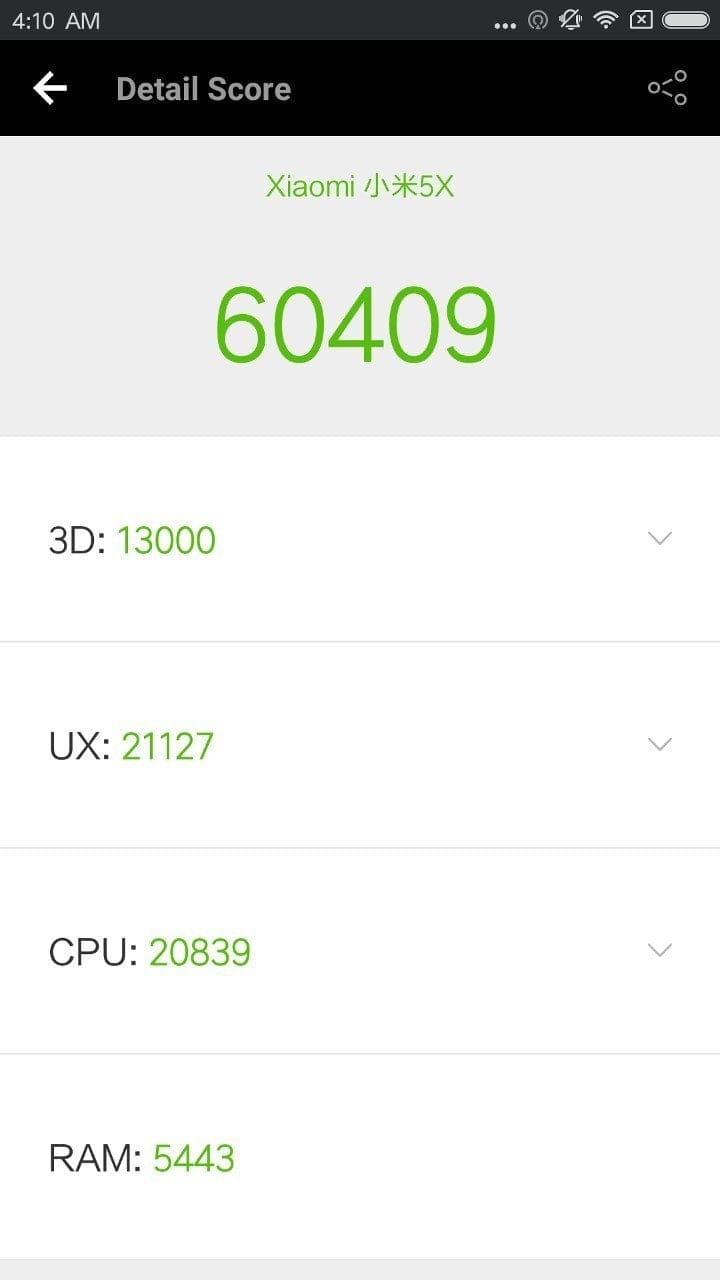
The core is a Qualcomm Snapdragon 625 system-on-chip, which belongs to the Qualcomm mid-range sector and was already released in early 2016. The processor, manufactured using the 14 nm process, consists of 8 Cortex-A53 cores clocked at up to 2 GHz. The processor graphics are provided by an Adreno 506 GPU. The memory configuration consists of 4 GB LPDDR3 RAM and, depending on the model, 32 GB or 64 GB eMMC 5.1 flash storage. A memory expansion via micro SD card is provided. However, it should be noted that a so-called hybrid SIM slot has been used, which allows either the use of the dual-SIM function or SIM + memory expansion.
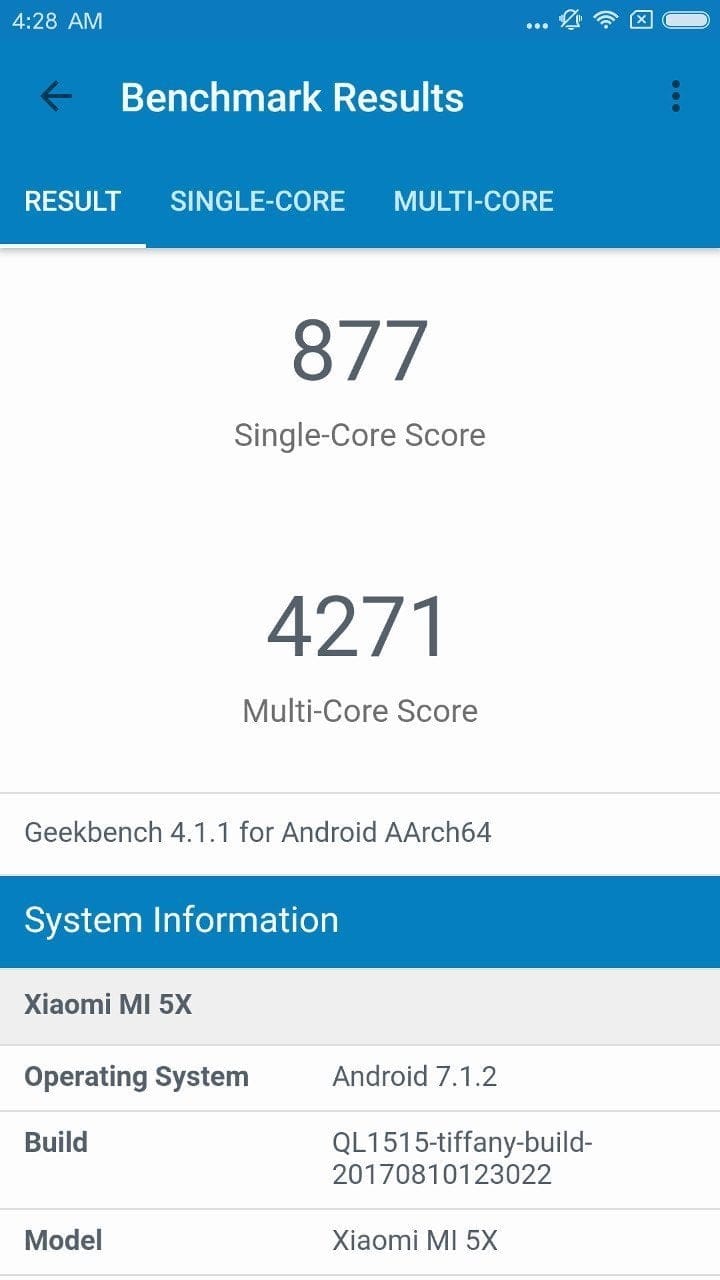
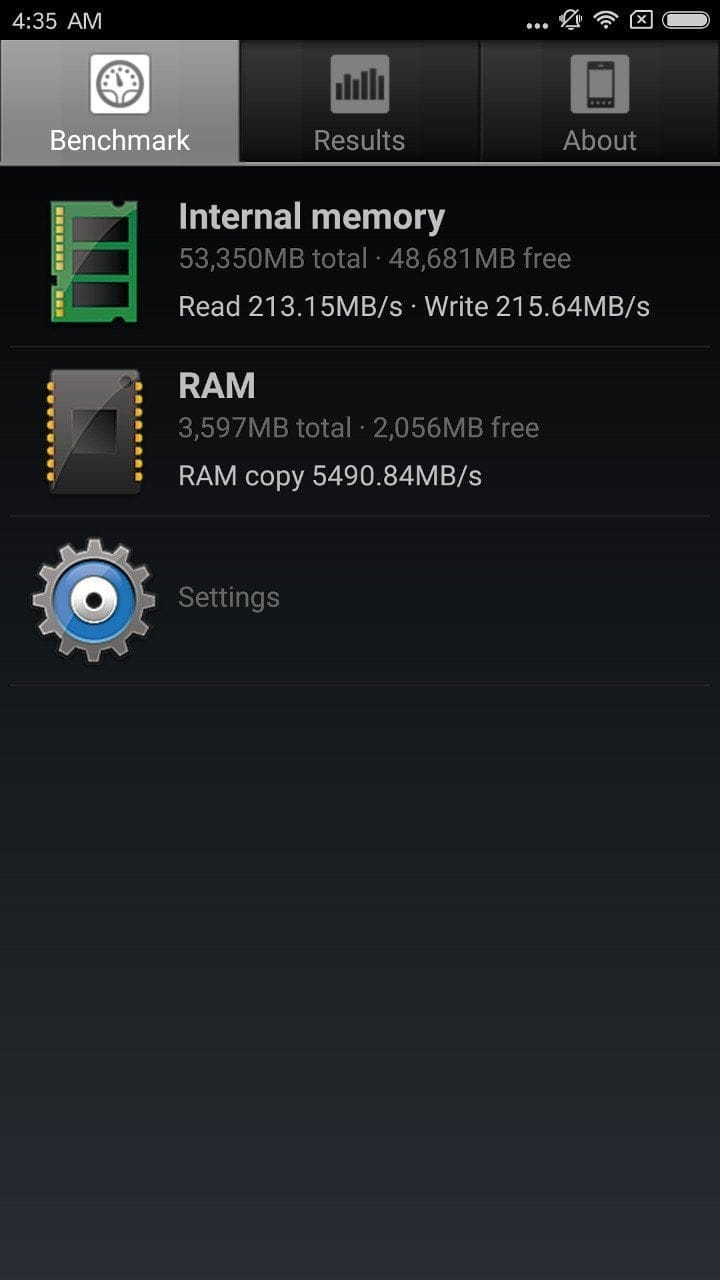
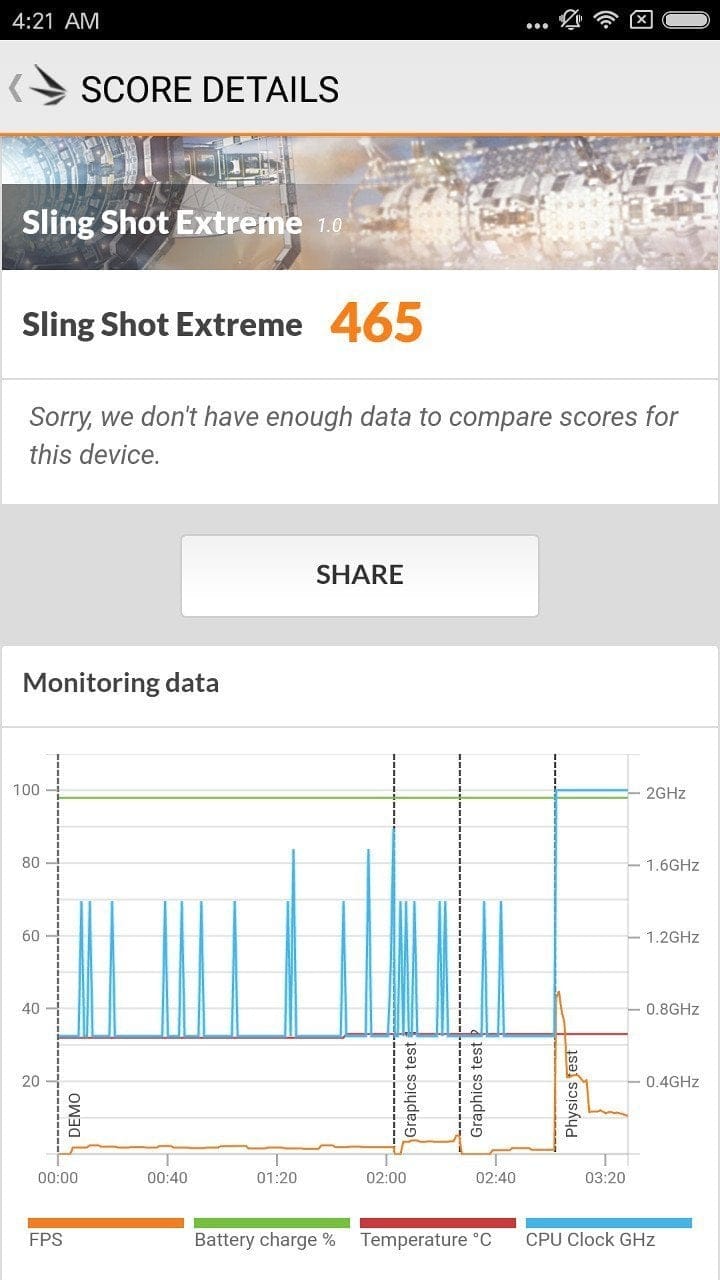
Although the Snapdragon 625 cannot keep up with current high-end processors, it enables a smooth user experience in practice. Applications launch within a reasonable timeframe, and switching between multiple applications works seamlessly. Even in multitasking scenarios, the smartphone performs well, which is largely due to the fast RAM. Current mobile games pose no problem for the smartphone. Depending on the game, however, minor frame drops should be expected. Current flagship devices are clearly superior in this regard. The smartphone scores points for heat generation, which remains low even under intensive use.
User interface
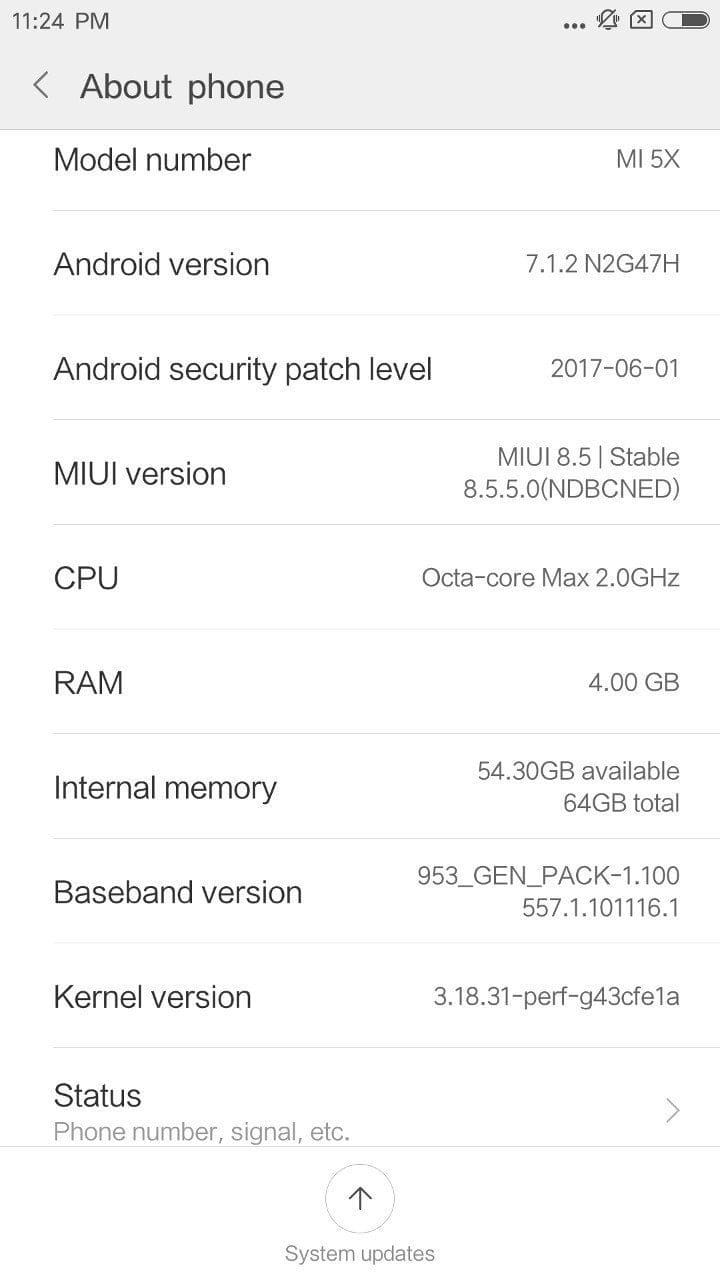
The Xiaomi Mi 5X is the first Xiaomi smartphone to receive MIUI 9 upon release. At least the first batch is delivered with MIUI 8.5 Stable, based on Android 7.1.2. However, users who received an older model with MIUI 8.5 can easily update to MIUI 9. Updates are distributed automatically Over-The-Air (OTA) to the smartphone. By now, the smartphone is delivered directly with MIUI 9.
The MIUI user interface pre-installed on the Mi 5X is primarily intended for the Asian market and offers, in addition to a limited language selection, no Google Play Store, as well as numerous apps that are not useful for us. A multilingual Global ROM intended for the Western market is not yet available. The Google Play Store can currently only be installed manually. An alternative to MIUI Stable is the Xiaomi EU ROM, a custom ROM which, while based on the Chinese version, has been modified. However, to flash this ROM, the bootloader must first be unlocked.
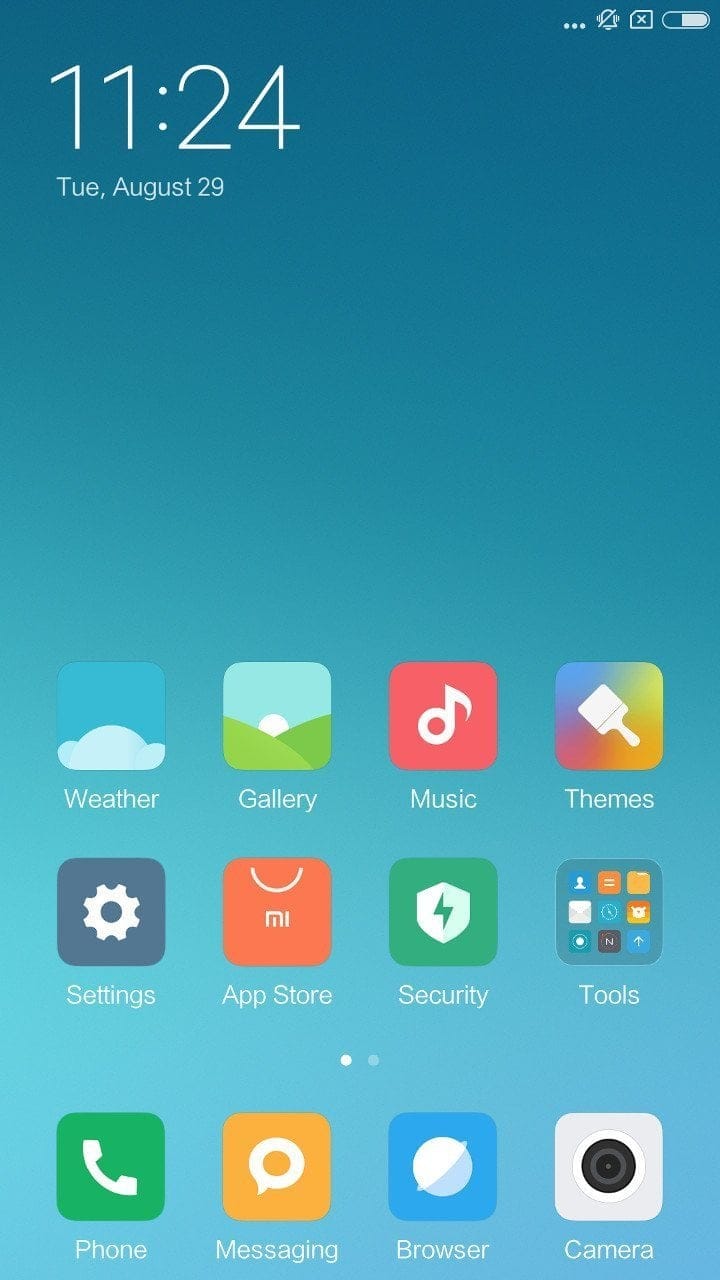
The Xiaomi Mi A1, on the other hand, is not delivered with MIUI, but as an "Android One" smartphone with pure stock Android. The advantage is that you get a pure Android experience, with no manufacturer themes or pre-installed apps. In addition, the user interface is already translated into multiple languages, and German can be selected as the system language without any issues. Another advantage of the Xiaomi Mi A1 are the guaranteed updates (2 years) from Android Oreo to Android 9.
Camera
Shortly after the smartphone's release, there were rumours that the image sensors of the dual main camera were identical to those of the Xiaomi Mi6. We now know that the device's dual main camera also consists of a normal image sensor and a telephoto sensor, but these are not from Sony, but from OmniVision. More specifically, it is a 12 Megapixel OmniVison OV12A10 sensor with an f/2.2 aperture and a 13 Megapixel OmniVision OV13880 sensor with an f/2.6 aperture. The 5 Megapixel sensor of the front camera is from Samsung and is called S5K5E8.
Main camera
The images taken with the main camera are certainly worth seeing and more than do justice to the classification as a mid-range smartphone. However, the main camera cannot compete with the dual camera setup of a Xiaomi Mi6 or OnePlus 5.
The colour tuning of the main camera is comparatively cold. On the one hand, this prevents excessively glaring colours, but at the same time the cold colour tone dominates, causing whites to appear more bluish. The main camera earns points for detail representation and image sharpness. Under particularly good lighting conditions, crisply sharp images are possible, on which details are particularly pronounced. The Phase Detection Autofocus (PDAF) does a good job and shines with fast and accurate focusing. The same applies to the shutter lag, which allows for fast, consecutive image captures. As lighting conditions deteriorate, image noise also increases significantly and details are visibly lost. There are also negative effects on the autofocus, which takes significantly longer to focus and sometimes focuses incorrectly. Due to the lack of optical image stabilisation, it also becomes more difficult to take shake-free and simultaneously sharp images.








Videos are recorded by the main camera at a maximum 4K resolution. Overall, the recording quality is convincing. However, there are also some points of criticism here. On the one hand, additional image stabilisation would have been desirable. In addition, the CAF (Continuous Autofocus) reacts somewhat sluggishly. The quality of the audio captured alongside is particularly criticisable. The audio unfortunately sounds somewhat muffled and hissing sounds are inadequately filtered.
Front camera
The front camera has a resolution of 5 megapixels. Both photo and video recording quality are acceptable, provided the camera is used in good lighting conditions. As lighting conditions worsen, recording quality also decreases significantly here.


Camera app
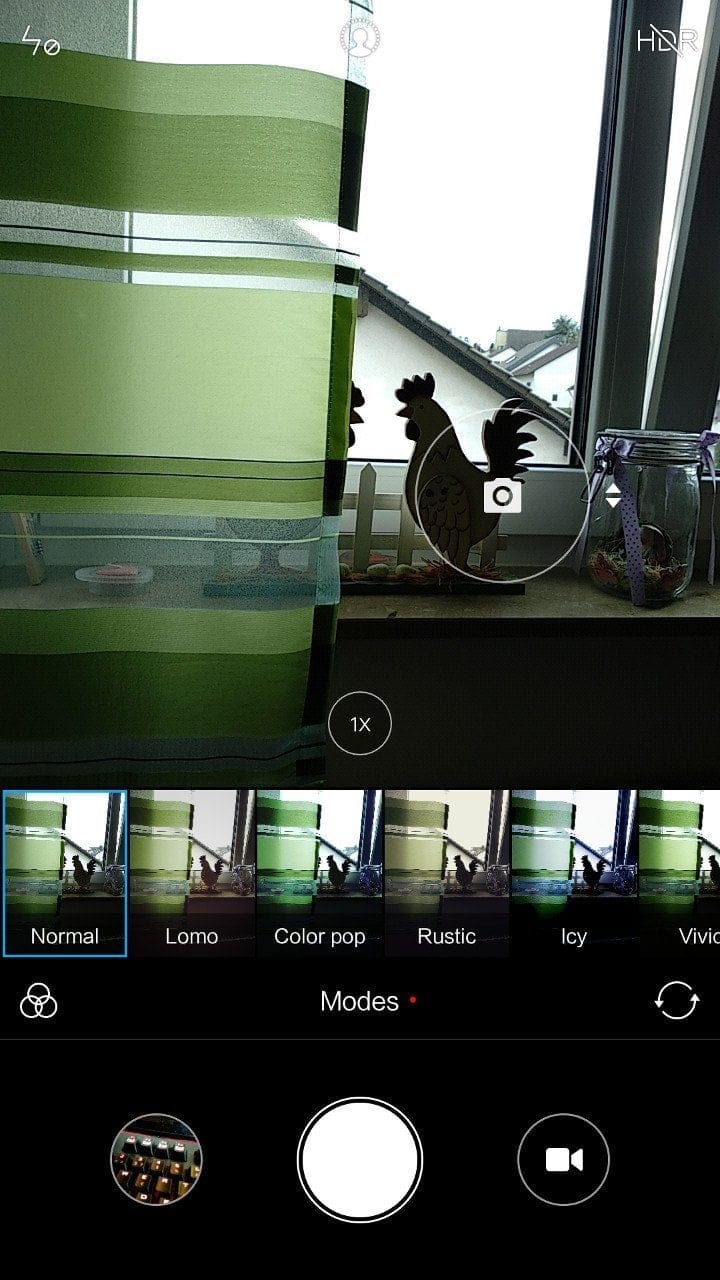
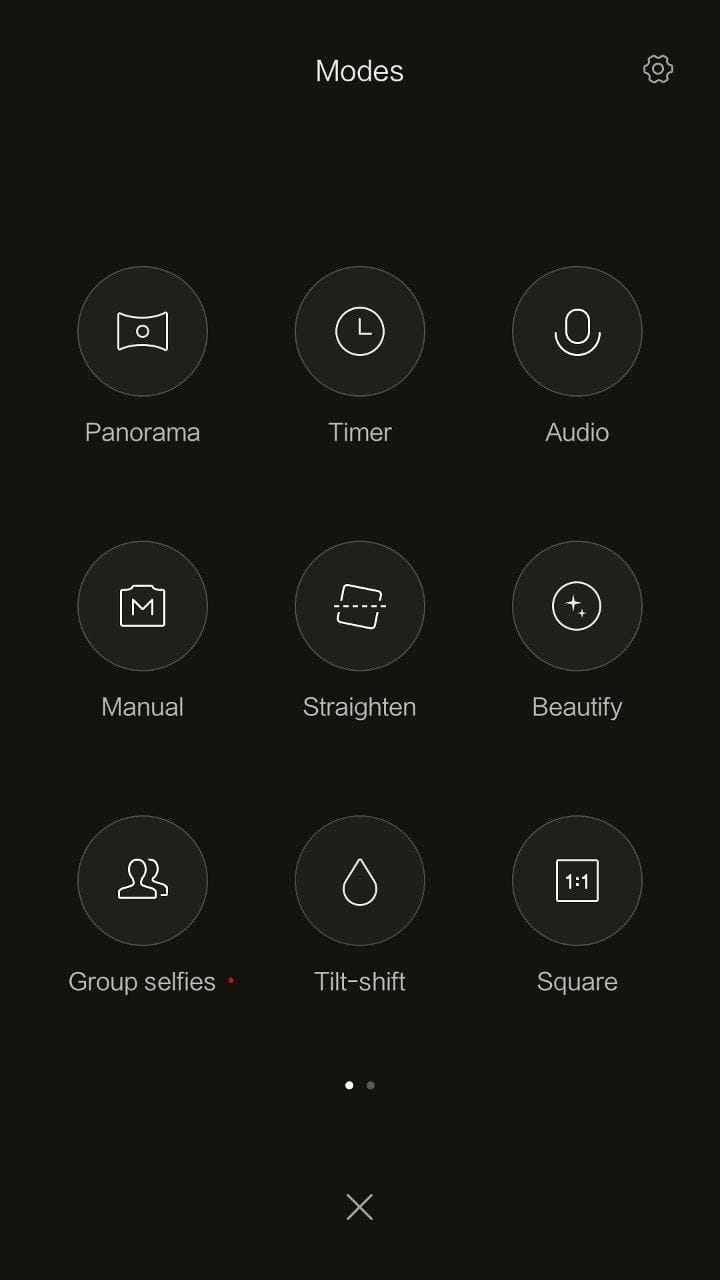
The camera app, in this case the MIUI Camera app, is no different from the apps on other Xiaomi smartphones. The app has a clear layout and allows you to switch shooting modes or adjust camera settings with just a few clicks. Interesting shooting modes are available primarily on the main camera. In addition to the standard image mode, there is a panorama mode, a beautify mode, a tilt-shift mode, and a night mode. However, the most interesting image mode is portrait mode, which adds a so-called “bokeh effect”. Foreground subjects appear in focus, while the background is blurred. The implementation of the bokeh effect is generally good, although compared to current flagship smartphones with similar functions, calculation errors occur more frequently, requiring the photo to be retaken.
Audio
The smartphone features a mono speaker located at the bottom of the device frame. The sound quality is convincing. The solid bass reproduction, which exceeds that of some flagship smartphones, is particularly surprising. Overall, the speaker sounds pleasantly balanced. No unpleasant droning occurs even at maximum volume. Despite the USB-C port, a 3.5 mm audio jack is present. The sound quality here is also impeccable, delivering a well-tuned audio profile. Within the headphone settings, MIUI also provides a equalizer and audio enhancer, allowing the sound to be customised individually.
Connectivity
Mobile network
In terms of mobile networks, both the Xiaomi Mi 5X and the Xiaomi Mi A1 support mobile network standards of current generations. However, there are restrictions with the frequencies. As already mentioned, the Xiaomi Mi 5X is primarily intended for the Chinese market and, typically for Xiaomi, does not use the LTE Band 20 prevalent here. In rural areas and depending on the mobile network operator, LTE is therefore only available to a limited extent. The Xiaomi Mi A1, on the other hand, is intended for the global market and offers broader mobile network support including LTE Band 20. Here is an overview of the different bands of the two models:
Bands - Xiaomi Mi 5X
- 2G: GSM 2/3/5/8
- 2G:CDMA BC0
- 3G: CDMA EVDO BC0
- 3G: WCDMA 1/2/5/8
- 3G: TDS-CDMA 34/39
- 4G: TD-LTE 34/38/39/40/41
- 4G: FDD-LTE 1/3/5/7/8
Bands - Xiaomi Mi A1
- 2G: GSM 2/3/5/8
- 3G: WCDMA 1/2/5/8
- 4G: TD-LTE 38/40
- 4G: FDD-LTE 1/3/4/5/7/8/20
However, the voice quality of both the Mi 5X and the Mi A1 is disappointing. Although the test conversation partner could be clearly and distinctly heard via the earpiece and the loudspeaker, there were comprehension issues in the opposite direction. The microphone sometimes swallows spoken words, and interference noise is not adequately filtered.
Wi-Fi and Bluetooth
The WiFi protocols 802.11a / b / g / n / ac are supported, which means there is nothing stopping use in both the 2.4 GHz and 5 GHz networks. There are no disadvantages in data throughput or signal strength. Bluetooth is supported with version 4.2.
GPS and sensors
Smartphone navigation leaves nothing to be desired. A GPS fix is achieved within seconds and the signal remains stable during navigation. Position determination proved extremely precise in testing. In addition to GPS, AGPS, GLONASS and Beidou are also supported. An electronic compass is included, allowing the smartphone to be used as a pedestrian navigation device. The sensor suite includes a gyroscope, accelerometer, proximity sensor, ambient light sensor and Hall sensor. Xiaomi omits NFC on this smartphone. Using the infrared transmitter, the Mi 5X can be used as a TV remote control with the appropriate app. The rear fingerprint scanner delivers a decent recognition rate and unlocks the smartphone very quickly.
Battery
The battery has a capacity of 3,080 mAh. With normal usage, a single charge lasted for about 1 ½ days. With heavy use, the smartphone had to be recharged by the evening. Using the included charging adapter, the smartphone is fully charged in approximately 110 minutes. Unfortunately, it is not a Quick Charge 3.0 charger, although Quick Charge 3.0 is supported as a fast-charging feature.
Our verdict
Xiaomi is increasingly targeting the global market, a trend made even clearer by the launch of the Xiaomi Mi A1 and the identical Xiaomi Mi 5X. Those who prioritise up-to-date software will receive a two-year guarantee for clean stock Android updates with the Mi A1 as an Android One smartphone. However, the Chinese model also offers a smartphone with a state-of-the-art user interface, as it was one of the first Xiaomi smartphones to receive MIUI 9.
Of course, a purely up-to-date user interface does not make a good smartphone on its own! In terms of hardware, the two identical smartphones also impress with a powerful, albeit older mid-range processor and a dual main camera that delivers above-average photo quality for the price. If you choose the Mi 5X, you must do without LTE Band 20. This criticism obviously does not apply to the Xiaomi Mi A1. Both models share criticism regarding call quality, which showed some unexpected dropouts in testing. All in all, both smartphones deliver an inexpensive and good overall package. Nevertheless, due to the extensive mobile network support, the identical Xiaomi Mi A1 should be preferred over the Mi 5X.
Specifications
Processor and memory
- CPU
- Qualcomm Snapdragon 625
- GPU
- Adreno 506
- RAM
- 4GB (LPDDR3)
- Internal storage
- 32 GB / 64 GB (eMMC5.1)
- Storage expansion
- Yes
Display
- Display type
- LTPS
- Display size
- 5.5 inches
- Display resolution
- 1920 x 1080 pixels
- Screen protector
- Unbekannt
- Multitouch
- 10 fingers
Cameras
- Main camera
- 12 MP OmniVision OV12A10 + 13 MP OmniVision OV13880
- *2x telephoto zoom
- *Autofocus
- *Dual-tone LED flash
- Front camera
- 5-megapixel Samsung S5K5E8
Mains
- Dual SIM
- Yes
- SIM size
- Nano SIM
- Bands - Xiaomi Mi A1
- *2G
- GSM 2/3/5/8
- *3G
- WCDMA 1/2/5/8
- *4G
- TD-LTE 38/40
- *4G
- FDD-LTE 1/3/4/5/7/8/20
- Bands - Xiaomi Mi 5X
- *2G
- GSM 2/3/5/8
- *2G
- CDMA BC0
- *3G
- CDMA EVDO BC0
- *3G
- WCDMA 1/2/5/8
- *3G
- TDS-CDMA 34/39
- *4G
- TD-LTE 34/38/39/40/41
- *4G
- FDD-LTE 1/3/5/7/8
Wireless
- Wi-Fi
- 802.11 a/b/g/n/ac
- Bluetooth
- 4.2
- GPS
- Yes
Sensors
- *Ambient light sensor
- *Accelerometer
- *Proximity sensor
- *Hall sensor
- *E-compass
- *Gyroscope
- *Fingerprint sensor
Battery
- Battery
- 3,080 mAh
- Fast charging function
- Quick Charge 3.0
Other
- Connection
- USB-C, 3.5 mm jack
- Operating system
- Android 7.1.2 (MIUI 8.5 / 9)
- Size
- 155.4 x 75.8 x 7.3 mm
- Weight
- 165g
What’s included
1x Xiaomi Mi A1 / Mi 5X 1x charger 1x USB-C charging cable 1x SIM tool 1x user manual
Comments