Contents
Design and display: thinner despite a larger battery
In terms of design, Xiaomi has stuck with the familiar form factor. Both new tablets still feature an 11.2-inch display in a 3:2 aspect ratio with a resolution of 3,200 × 2,136 pixels and a refresh rate of up to 144 Hz. This means the panel is largely the same as those on the Xiaomi Pad 7 and Pad 7 Pro, which already offered the same display specifications. The changes are more subtle. Adaptive HDR optimizations and a revised display controller are intended to improve power consumption and brightness adjustment.
The progress is more pronounced when it comes to the casing. While the Pad 7 and Pad 7 Pro were still 6.18 mm thick and weighed around 500 g, Xiaomi has now reduced the thickness to 5.75 mm, while also lowering the weight to 485 g. Despite the slimmer design, the battery has grown from 8,850 mAh to 9,200 mAh.
Xiaomi Pad 8: Base model moves significantly upmarket
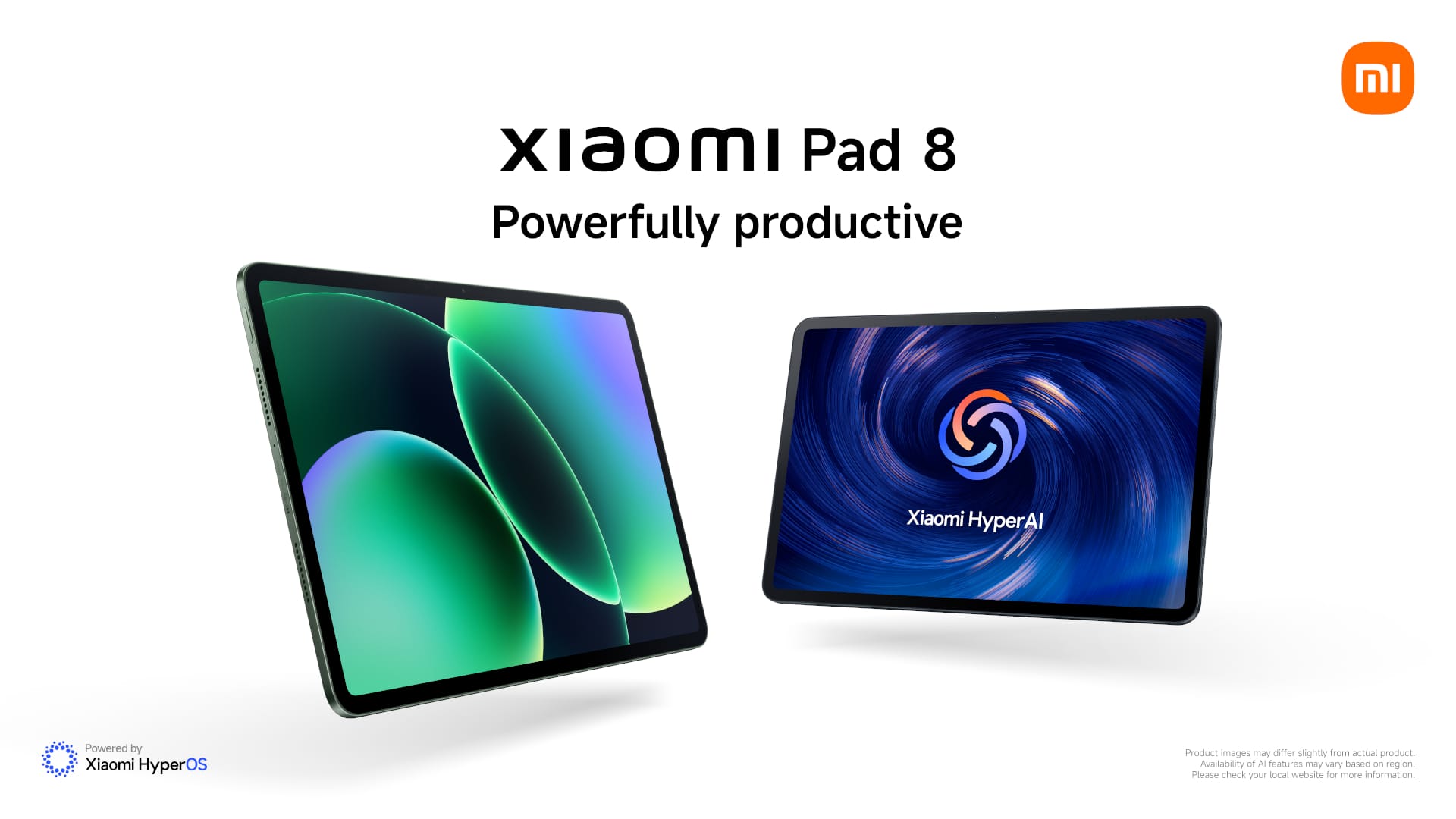
The standard model gets the biggest upgrade. The Xiaomi Pad 7 still used the Snapdragon 7+ Gen 3 platform, which is powerful but clearly sits below genuine flagship chips. With the Xiaomi Pad 8, Xiaomi has now switched to the Snapdragon 8s Gen 4 Mobile Platform. This moves the base model significantly closer to the premium class for the first time.
According to Xiaomi, CPU performance increases by around 32 per cent, while GPU performance rises by 67 per cent. Multitasking, larger documents and creative apps in particular benefit noticeably. Xiaomi remains conservative when it comes to the camera and charging performance, however, continuing to use a 13 MP main camera, an 8 MP front camera and 45 W charging.
New, however, is modern connectivity with Wi-Fi 7 and Bluetooth 6.0, while the Pad 7 still used Wi-Fi 6E.
Xiaomi Pad 8 Pro: flagship tablet with smartphone SoC
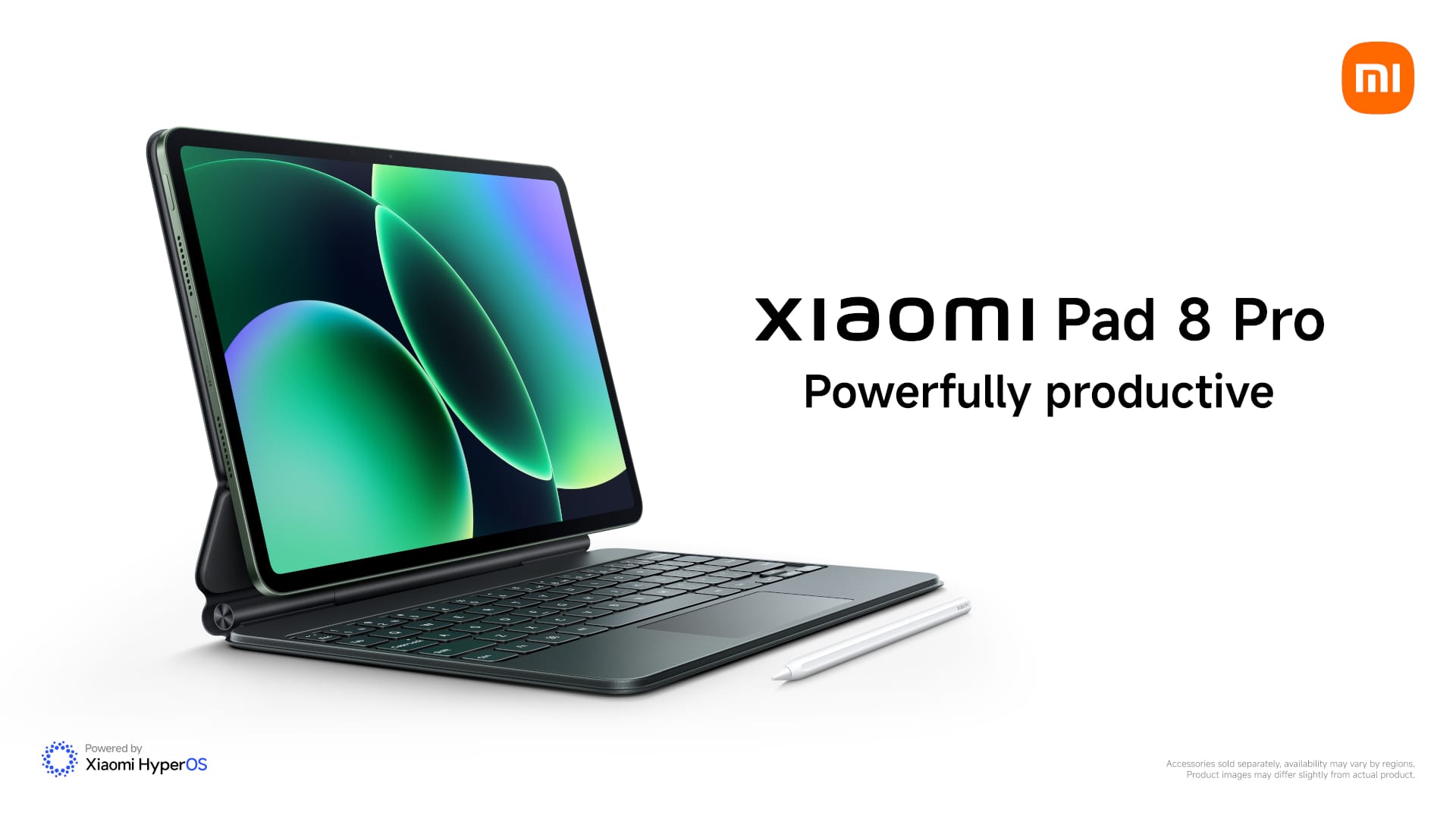
The leap is considerably greater with the Pro model. The Xiaomi Pad 7 Pro used the Snapdragon 8s Gen 3. The Pad 8 Pro now features the significantly more powerful Snapdragon 8 Elite Mobile Platform. This is the same chip used in most flagship smartphones last year.
Xiaomi quotes +81% CPU performance and +103% GPU performance compared with the previous generation, making light laptop workloads such as image editing, multitasking and demanding productivity apps no problem.
The Pro model's cameras also remain largely unchanged from its predecessor. It features a 50 MP main camera and a 32 MP front camera. Charging power also remains at 67 W HyperCharge, while the battery retains the same capacity of 9,200 mAh.
HyperOS 3: The tablet becomes more PC-like
The biggest functional difference from the Pad 7 series lies in the software. While the Xiaomi Pad 7 shipped with HyperOS 2, the new generation introduces HyperOS 3. Xiaomi is specifically expanding desktop-style use, including 5:5 split-screen, a new 1:9 window format, an updated Workstation mode and a PC-level browser with tabs.
Xiaomi has also integrated system-wide HyperAI features such as AI writing, translation and speech transcription. HyperConnect allows smartphones, tablets and other Xiaomi devices to work more closely together, for example for cross-device camera use or shared unlocking. Major Android updates will be available for 4 years. Security patches will be provided for up to 6 years.
Accessories: a focus on pen use
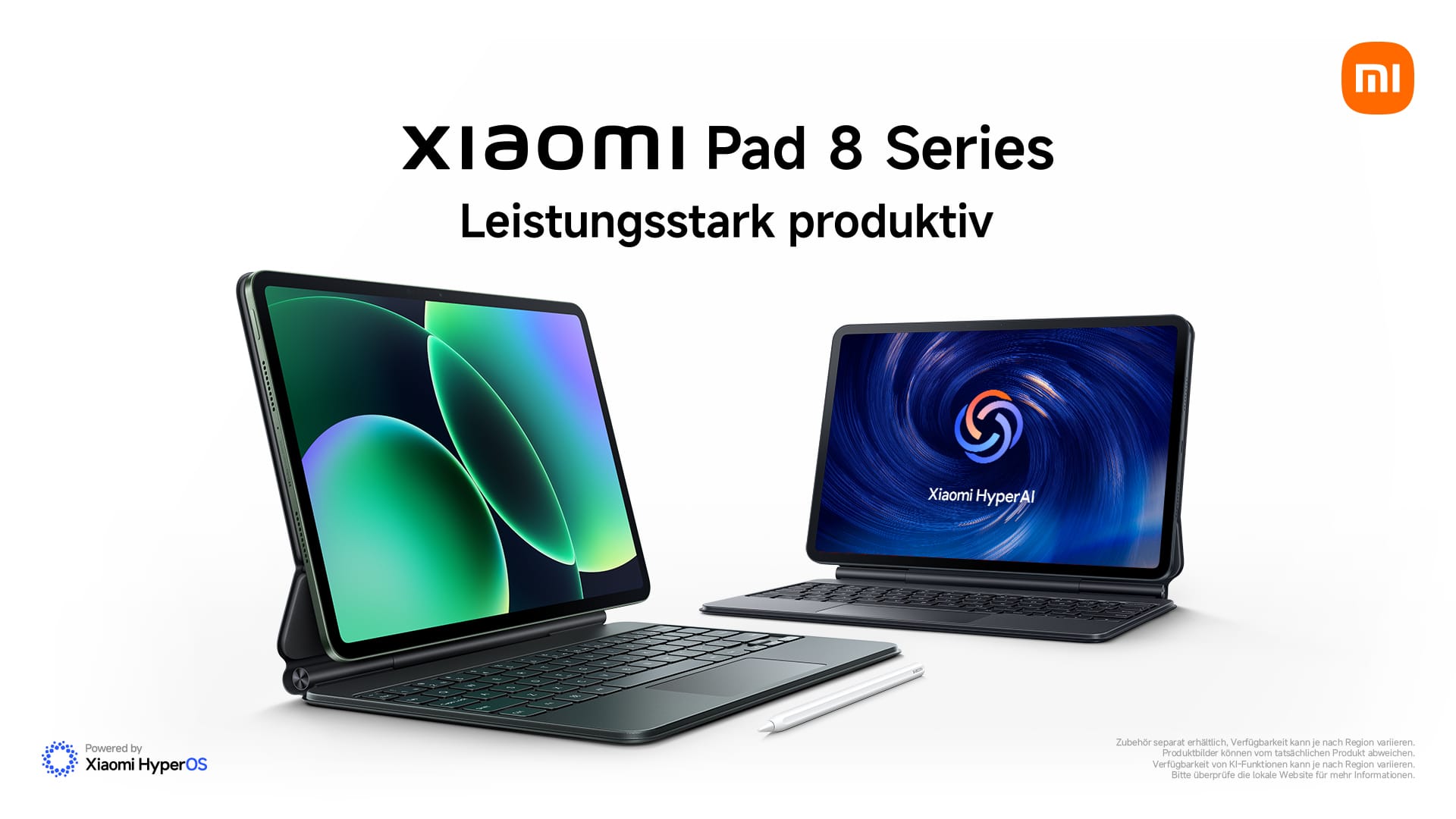
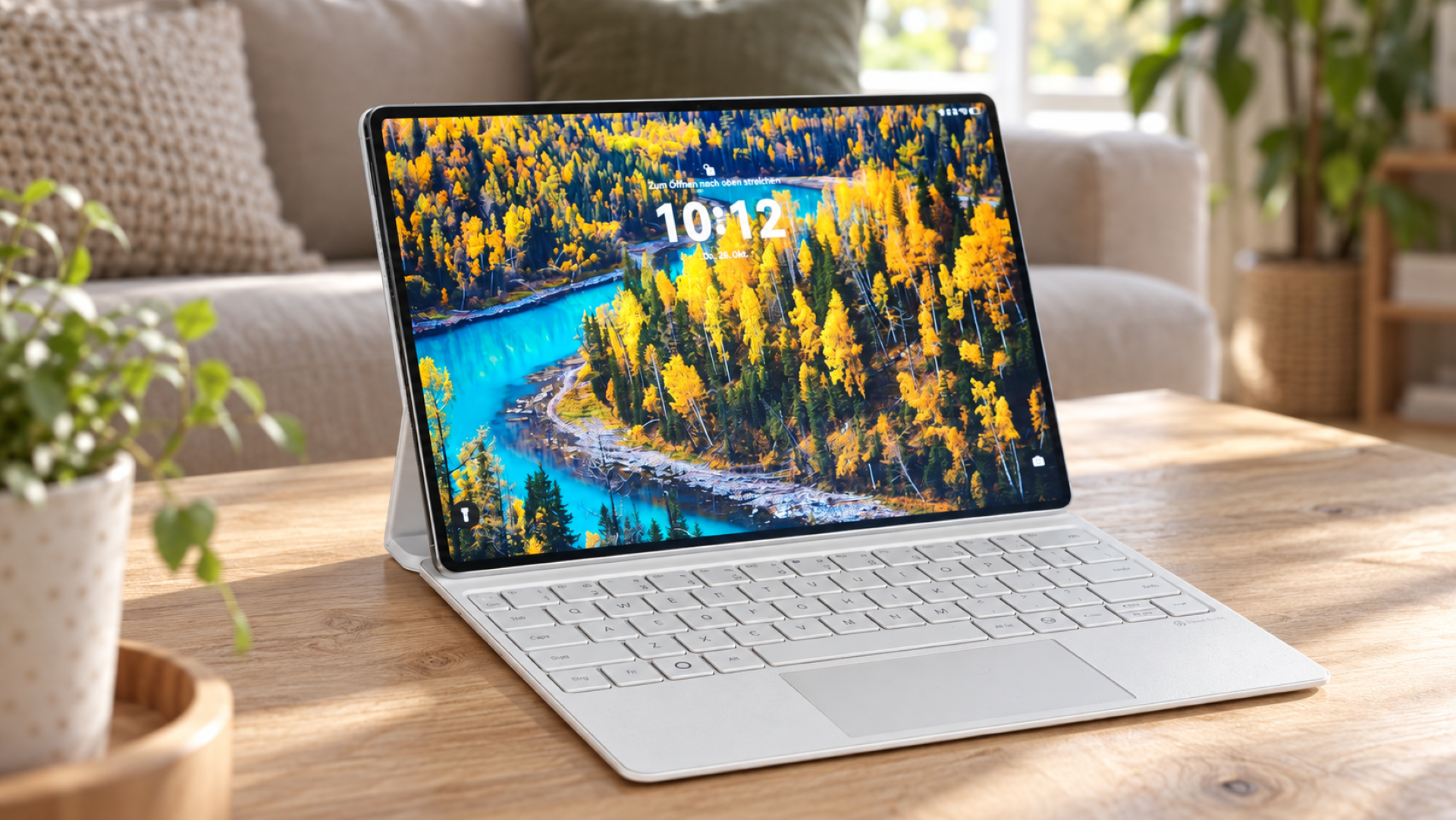
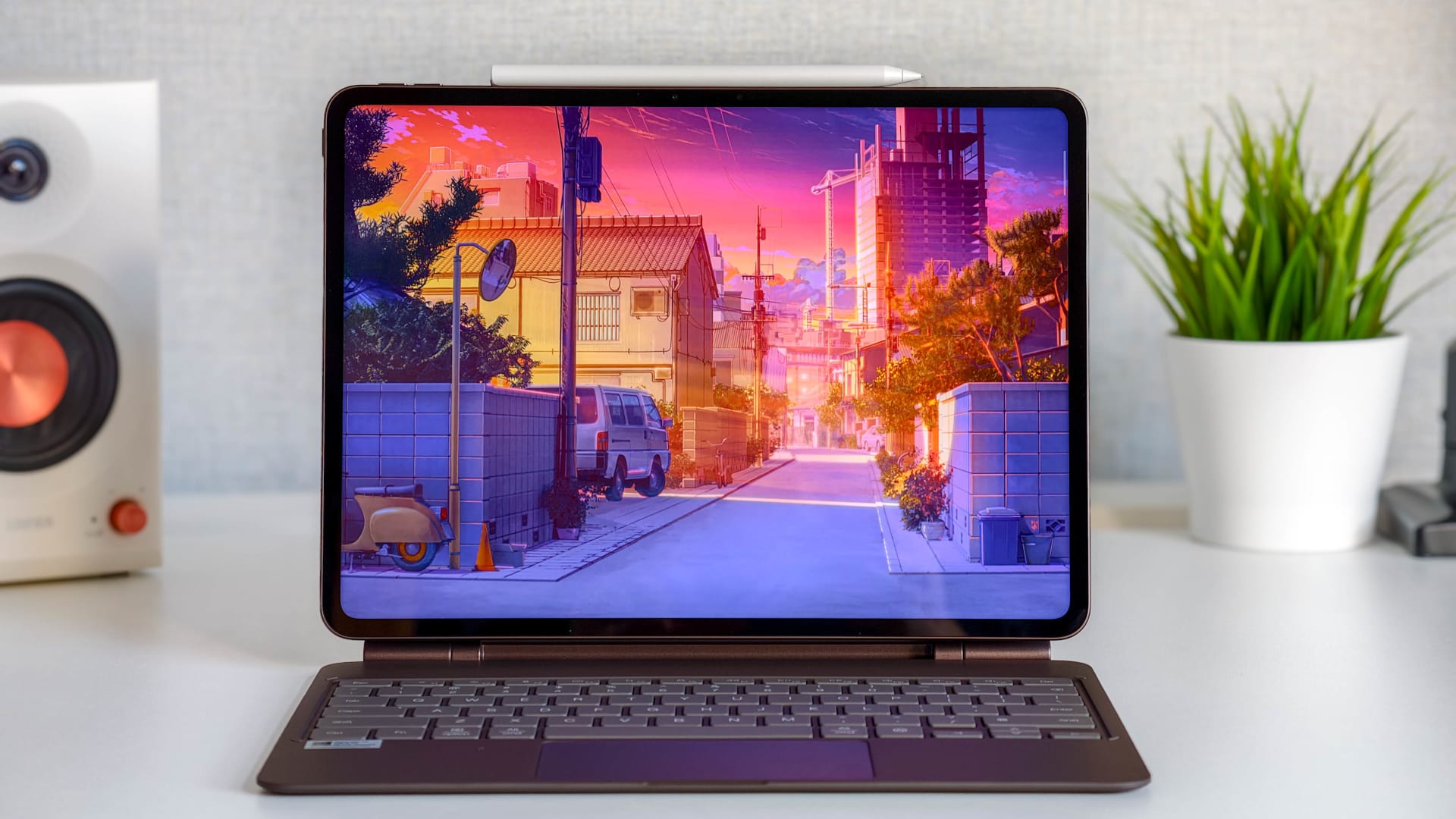
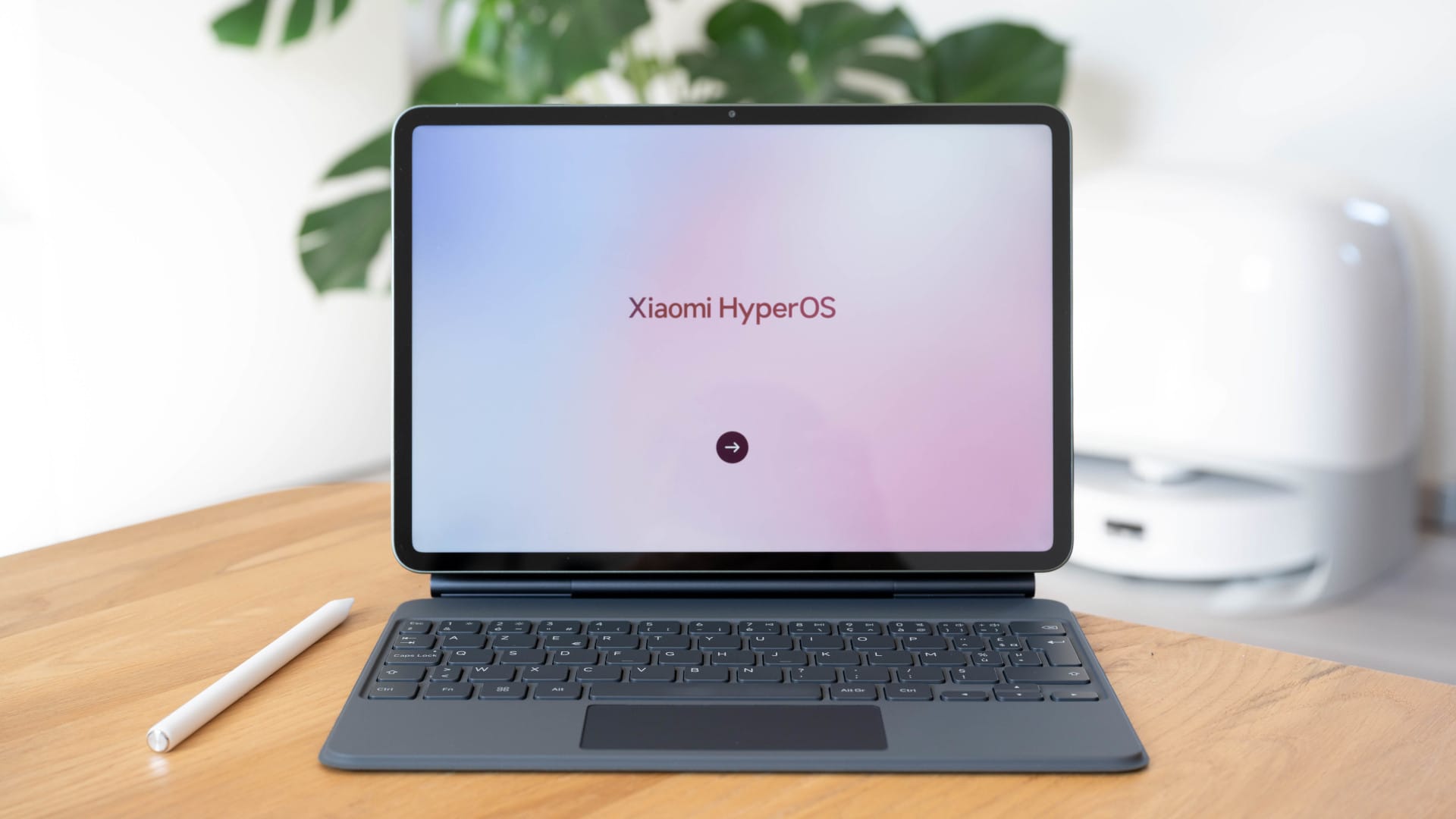
The new Xiaomi Focus Pen Pro weighs just 17.5 g and has no physical buttons. Gestures such as double-tap or pinch replace traditional shortcut buttons. An optional keyboard cover is also available to let you use the tablet as a laptop alternative.
Technical specifications at a glance
| Feature | Xiaomi Pad 8 Pro | Xiaomi Pad 8 |
| Display | 11.2" (3:2) display, 3.2K (3,200 × 2,136), 345 ppi, up to 144 Hz, Adaptive HDR, up to 800 nits peak brightness, Dolby Vision, TÜV Rheinland Low Blue Light (hardware), Flicker Free, Circadian Friendly | 11.2" (3:2) display, 3.2K (3,200 × 2,136), 345 ppi, up to 144 Hz, Adaptive HDR, up to 800 nits peak brightness, Dolby Vision, TÜV Rheinland Low Blue Light (hardware), Flicker Free, Circadian Friendly |
| Processor | Snapdragon® 8 Elite Mobile Platform (3 nm), CPU: Oryon 2 × 4.32 GHz + 6 × 3.53 GHz, GPU: Adreno 830 @ 1100 MHz | Snapdragon® 8s Gen 4 Mobile Platform (4 nm), CPU: 1 × X4 @ 3.2 GHz + 3 × A720 @ 3.0 GHz + 2 × A720 @ 2.8 GHz + 2 × A720 @ 2.0 GHz, GPU: Adreno 825 |
| RAM / storage | 8 GB + 128 GB / 8 GB + 256 GB / 12 GB + 512 GB; 8 GB: LPDDR5X, 12 GB: LPDDR5T; 128 GB: UFS 3.1, 256/512 GB: UFS 4.1 | 8 GB + 128 GB / 8 GB + 256 GB / 12 GB + 256 GB; 8 GB: LPDDR5X, 12 GB: LPDDR5T; 128 GB: UFS 3.1, 256 GB: UFS 4.1 |
| Battery / charging | 9,200 mAh (typ), 67 W HyperCharge, USB-C | 9,200 mAh (typ), 45 W Turbo Charging, USB-C |
| Cameras | Rear camera: 50 MP (1/2.76", 1.28 µm, f/1.8, PDAF); front camera: 32 MP (1/3.6", 1.22 µm, f/2.2) | Rear camera: 13 MP (1/3.06", 1.12 µm, f/2.2, PDAF); front camera: 8 MP (1/4", 1.12 µm, f/2.28) |
| Audio | Quad speakers, Hi-Res and Hi-Res Wireless Audio, Dolby Atmos, 200% Volume Boost | Quad speakers, Hi-Res and Hi-Res Wireless Audio, Dolby Atmos, 200% Volume Boost |
| Connectivity | Wi-Fi 7, USB 3.2 Gen 1, Bluetooth 6.0 | Wi-Fi 7, USB 3.2 Gen 1, Bluetooth 6.0 |
| Case | All-metal one-piece body; 251.22 × 173.42 × 5.75 mm; 485 g (Matte Glass: 5.80 mm / 494 g); colours: Pine Green, Blue, Gray | All-metal one-piece body; 251.22 × 173.42 × 5.75 mm; 485 g; colours: Pine Green, Blue, Gray |
| Software | Xiaomi HyperOS 3, Xiaomi HyperAI, Xiaomi HyperConnect | Xiaomi HyperOS 3, Xiaomi HyperAI, Xiaomi HyperConnect |
| Accessories (optional) | Xiaomi Focus Pen Pro, Xiaomi Pad 8 / 8 Pro Focus Keyboard, Xiaomi Pad 8 / 8 Pro Keyboard, Xiaomi Pad 8 / 8 Pro Cover | Xiaomi Focus Pen Pro, Xiaomi Pad 8 / 8 Pro Focus Keyboard, Xiaomi Pad 8 / 8 Pro Keyboard, Xiaomi Pad 8 / 8 Pro Cover |
Price and availability
The Xiaomi Pad 8 starts at:
- €449.90 (8 GB + 128 GB)
- €499.90 (8 GB + 256 GB)
The Xiaomi Pad 8 Pro costs:
- €599.90 (8 GB + 256 GB)
- €699.90 (12 GB + 512 GB)
For the launch period, until 14 March, Xiaomi is offering early-bird deals with discounted prices and accessory bundles.
Source: Press release
Comments (1)
I’d hoped Xiaomi would at least fit an OLED display to the Pro model.