
Contents
Headphone (a): The flight begins
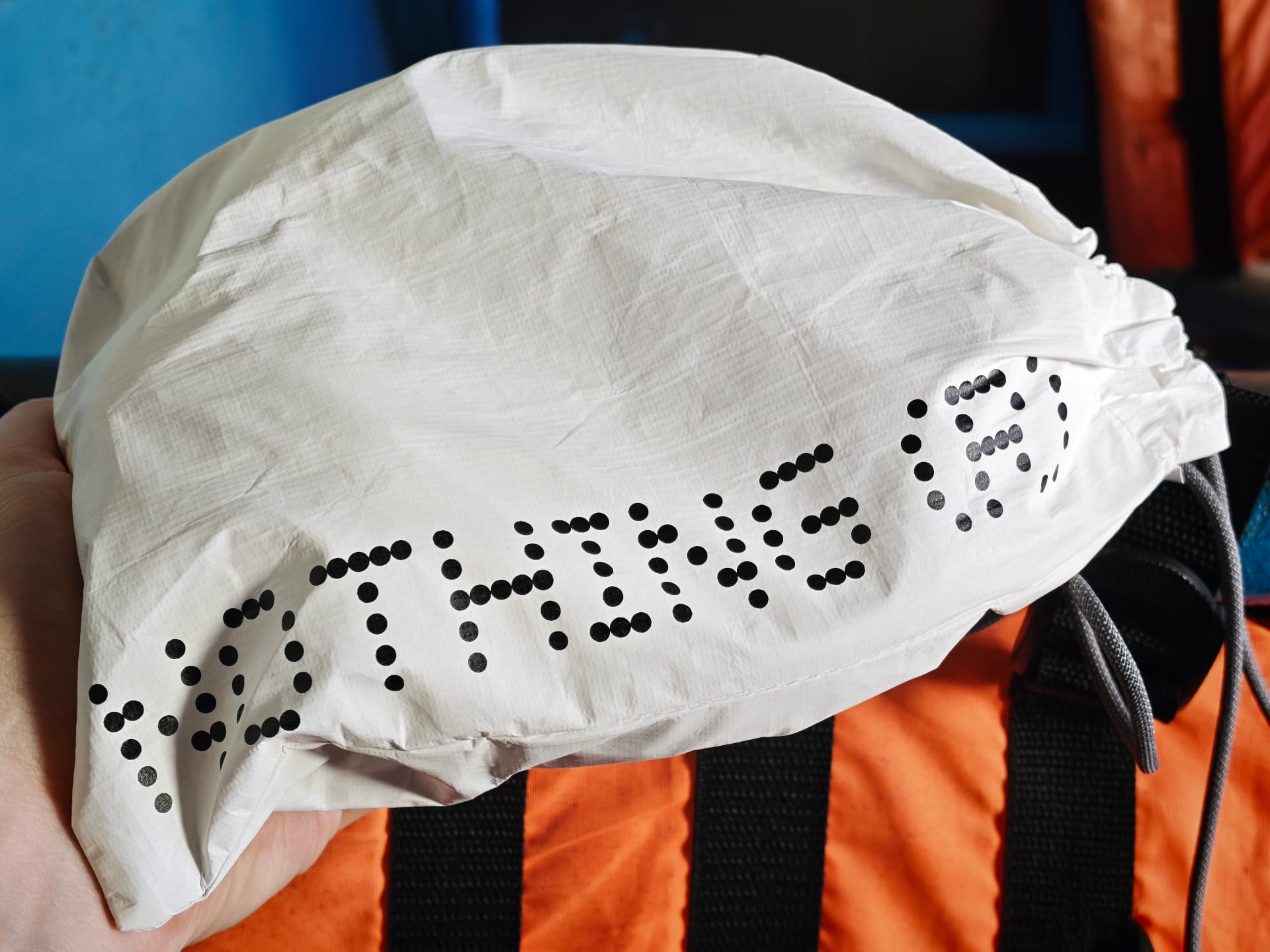
At the gate, I reach into my backpack and pull the Headphone (a) out of the included carry pouch. Instead of a sturdy hard case like the one you get with the Headphone (1) (review here), Nothing includes a pouch.
While it does protect against scratches and dust, it doesn’t exactly inspire confidence that the headphones are particularly well protected in your luggage. It’s fine for quick transport, but I would have liked a little more protection in a fully packed rucksack.
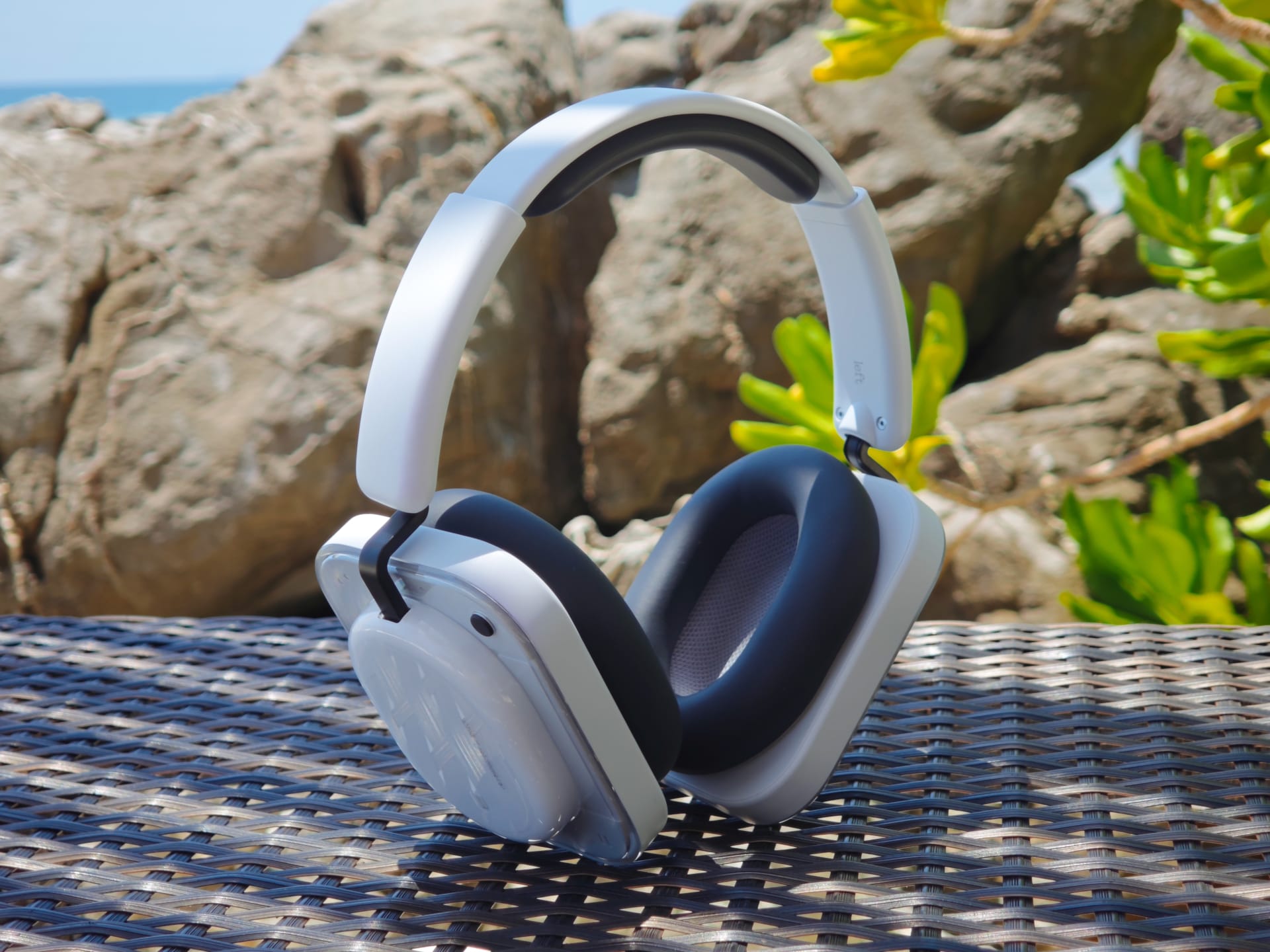
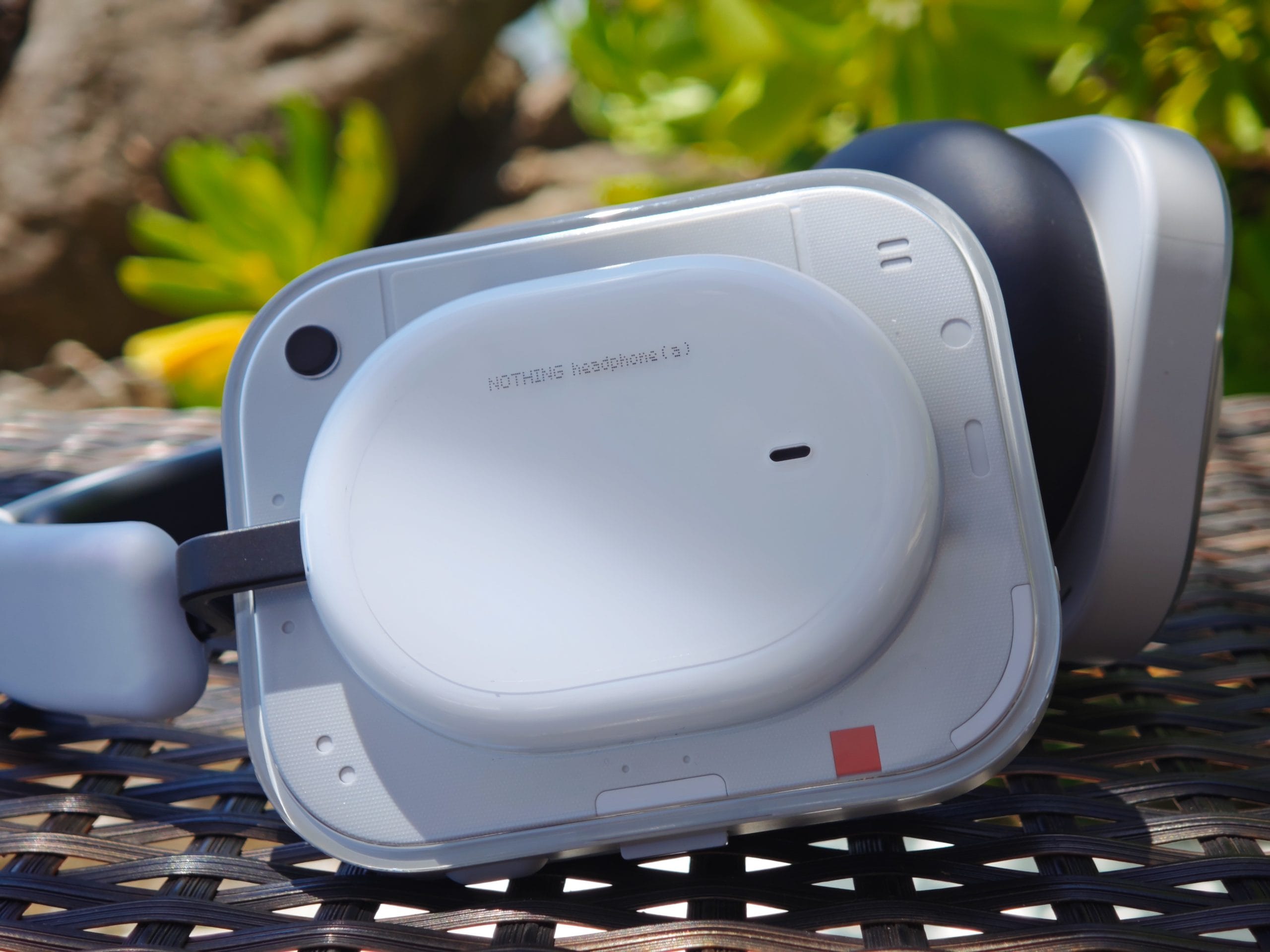
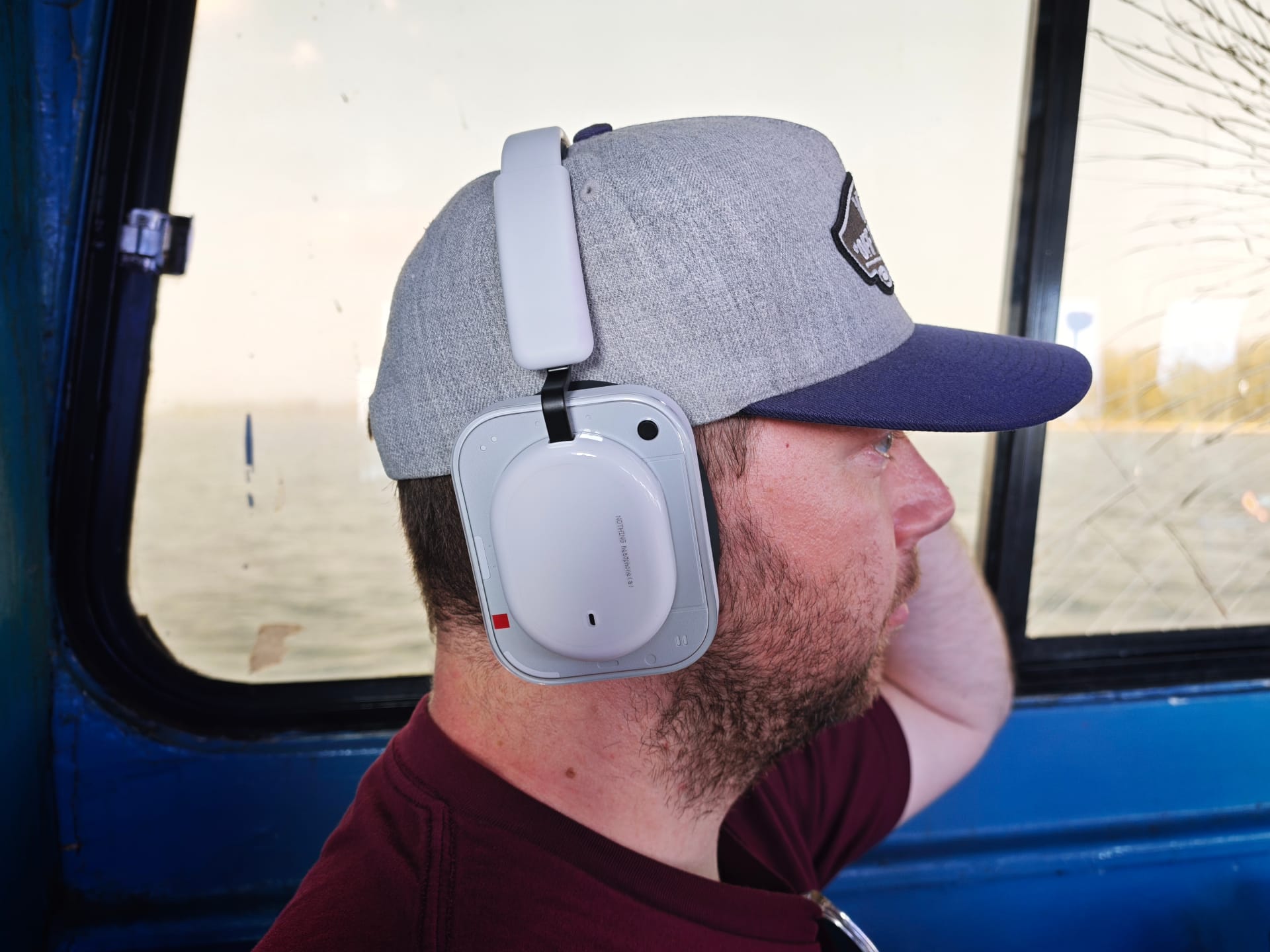
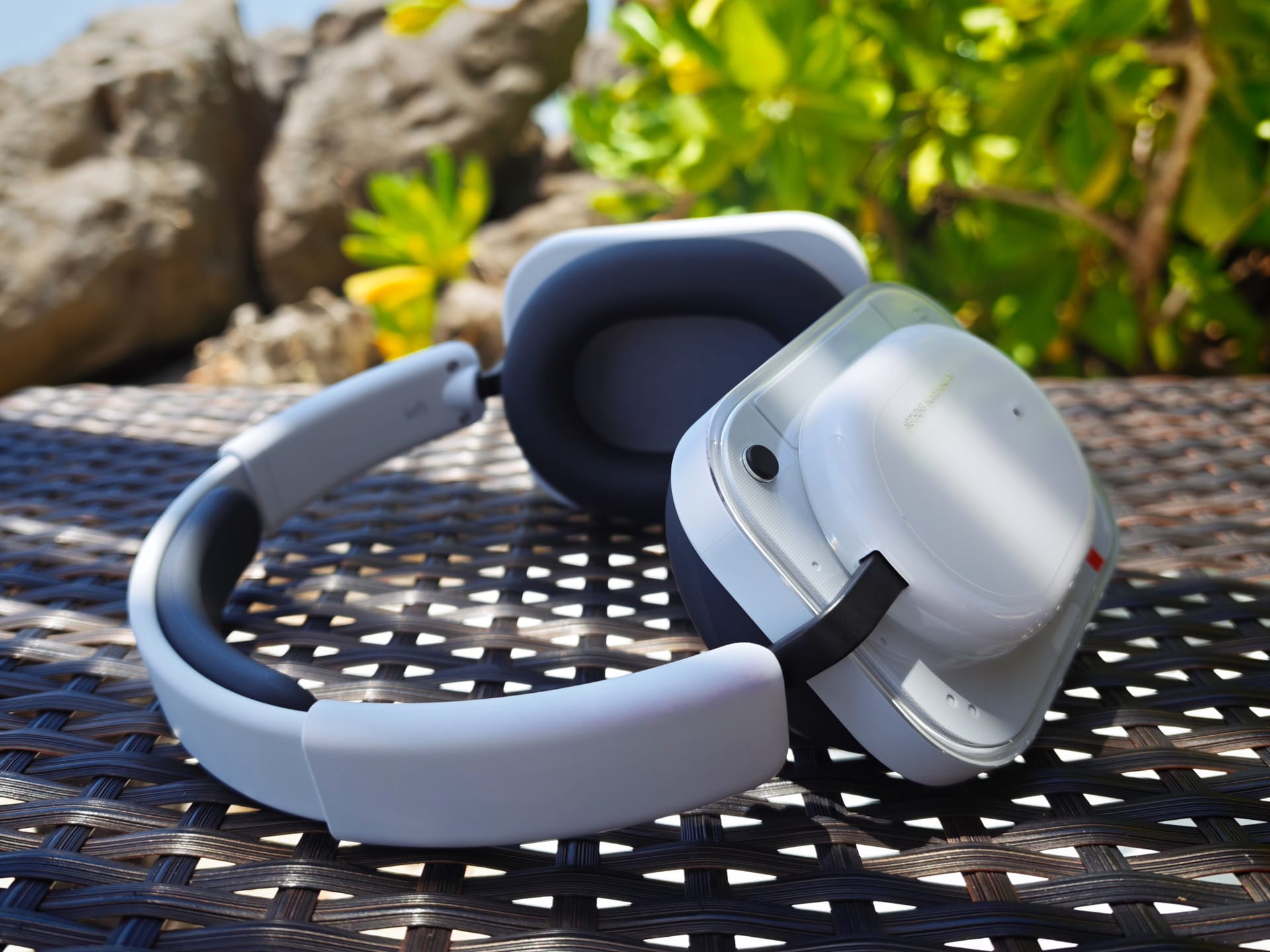
As I sit in the boarding area, it quickly becomes clear that Nothing has changed little about the basic concept of the Headphone (a). The slightly angular ear cups, adjustable headband and memory foam-filled ear cushions are largely in keeping with what we already know from the larger model.
The new color palette stands out in particular. Alongside black and white, Nothing adds a lot more color with pink and yellow, giving the headphones a less technical and more laid-back overall look.
For the materials, Nothing has forgone aluminium and instead opted mostly for plastic. Combined with the colours, it looks cohesive rather than cheap, although the difference is noticeable. The build quality is solid nonetheless: nothing creaks or feels unstable, but there is a little less of a premium feel.
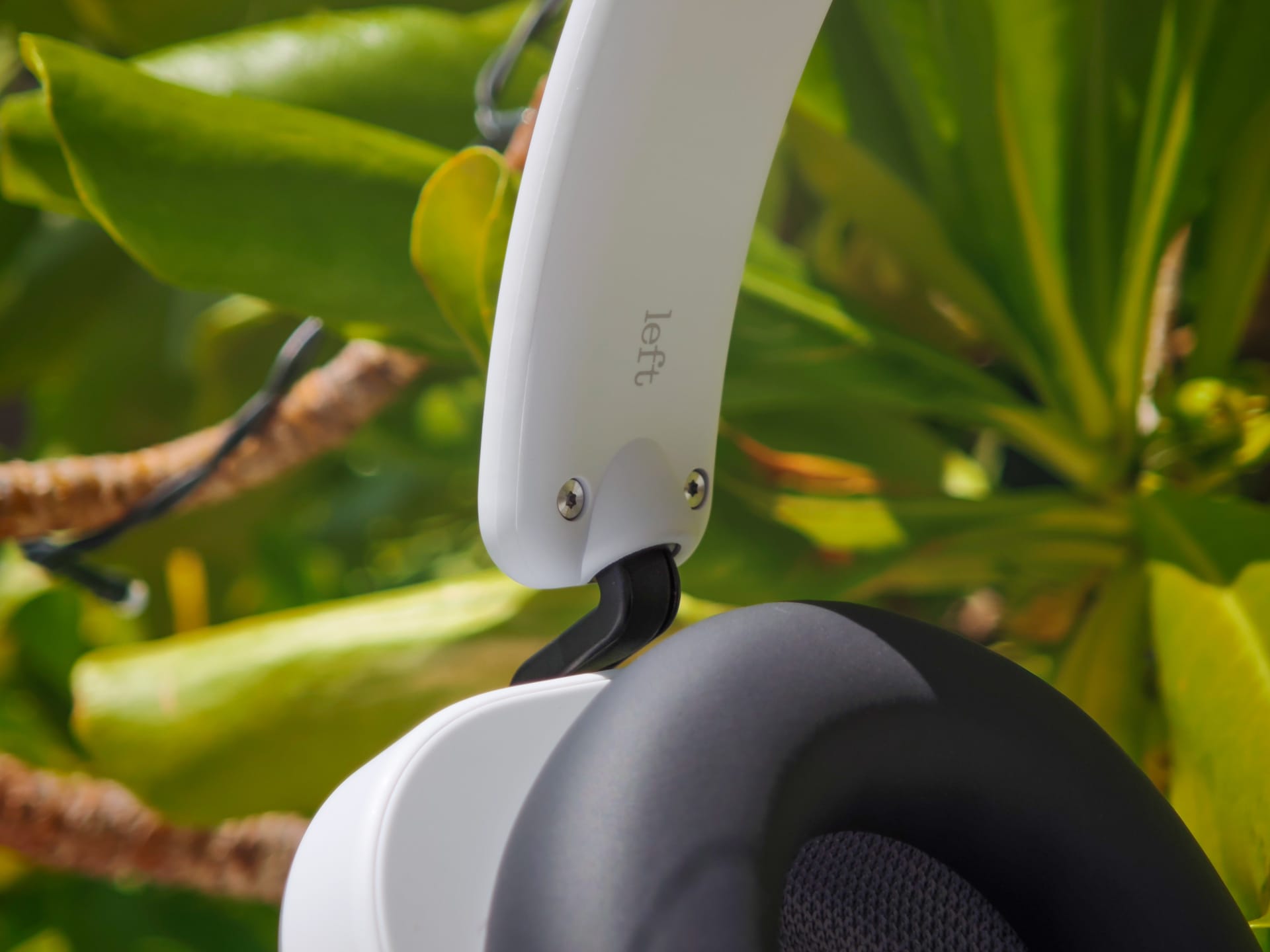
At 310 grams, the Headphone (a) are around 20 grams lighter than the Headphone (1), but still aren’t among the lightest over-ear headphones.
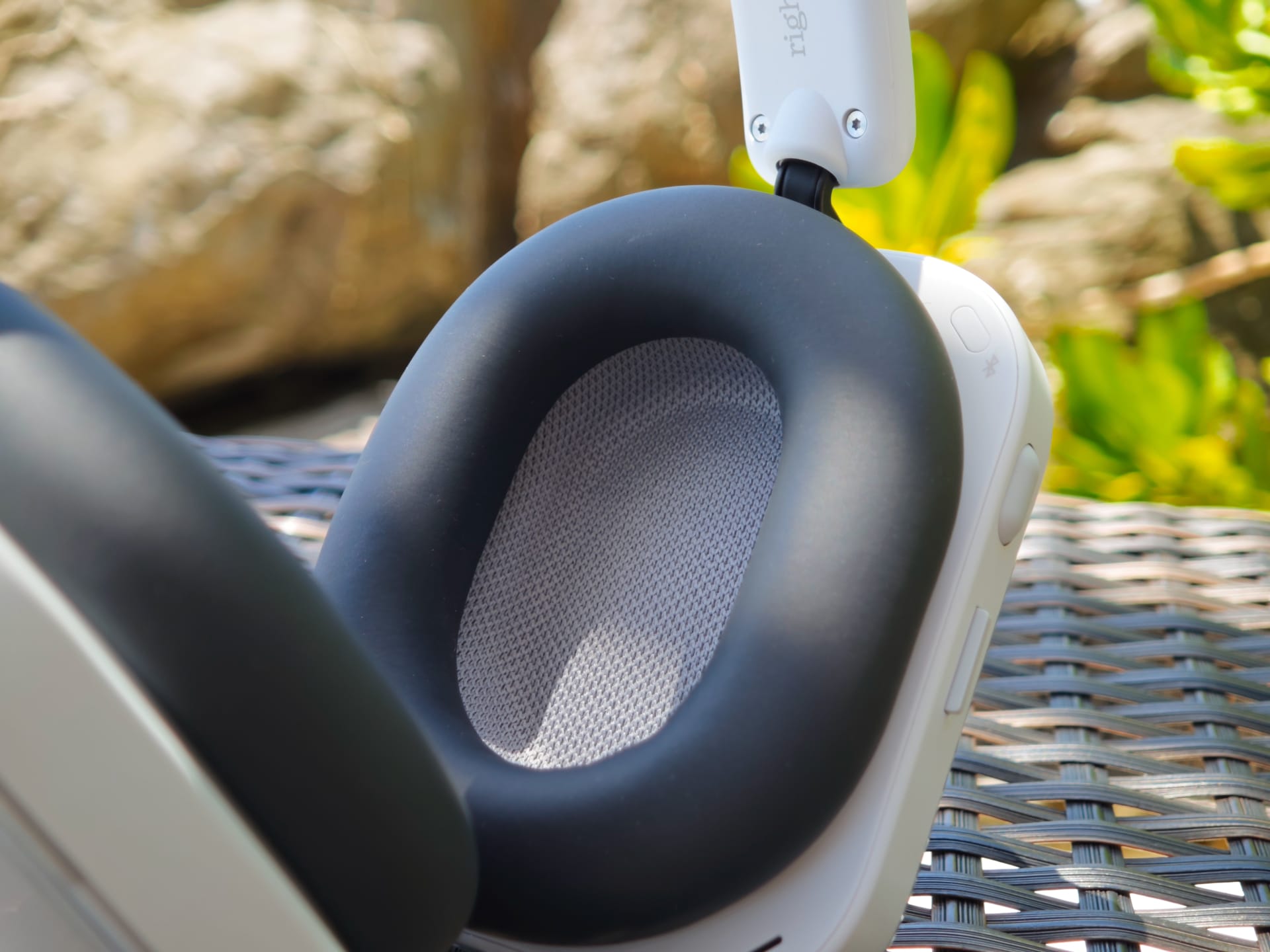
Before boarding even begins, I put them on properly for the first time. The clamping force is immediately noticeable. The headphones fit firmly on my head and, even without ANC enabled, surprisingly effectively block out much of the hectic noise around the gate.
This provides good basic insulation, but it also has a downside. The large over-ear cushions allow very little air to reach the ears. Especially during longer sessions or in warm temperatures, it can quickly get hot underneath them.
By the time boarding is announced and I walk onto the plane via the gangway, the Headphone (a) are already switched on. A quick turn of the roller sets the volume, and the actual test can begin.
Headphone (a): ANC put to the long-haul test
As soon as the Airbus reaches cruising altitude, the part of the flight everyone knows begins. The monotonous drone of the engines, the steady hum of the air conditioning and the occasional clatter of trolleys in the aisle.
A press of the roller activates Active Noise Cancellation (ANC), and suddenly the low rumble of the engines fades noticeably into the background. It doesn’t disappear completely, of course, but the constant drone is reduced enough to make music or movies much more relaxing. You can really tell how much quieter the cabin feels, especially with mellow tracks or podcasts.
With irregular noises, such as a service trolley rolling down the aisle or an announcement coming over the speakers, even the Headphone (a)’s ANC reaches its limits. These sounds are reduced, but remain audible. Nevertheless, the performance is more than respectable for this price range and is perfectly adequate for travel.
As the flight gradually transitions into night mode and the cabin lights are dimmed, the ANC works unobtrusively in the background. There’s no feeling of pressure on the ears, as you get with some more aggressive ANC headphones. Instead, it feels as though the noise is slowly being drawn out of the cabin.
When I eventually test Transparency Mode somewhere over the Indian Ocean, it works just as expected. Cabin sounds come through again, and voices sound natural rather than artificially amplified. It’s handy when you want to talk briefly with a flight attendant without taking off your headphones. After all, you don’t want to miss “Chicken or beef?
The real surprise, though, comes when I check the battery level. After several hours of music, podcasts, and movies with ANC enabled, it has barely moved. More on that in a moment.
Headphone (a): Soundtrack above the clouds
On long-haul flights, you have time to really listen to music. Not short test tracks like at the office, but entire albums, podcasts and films in one sitting.
From the very first songs, it is clear that Nothing has gone for a slightly different sound profile here than on the larger model. The Headphone (a) sound livelier and more direct. On "Midnight City" by M83, the synth layers spread out pleasantly, while the beat sits neatly underneath. The soundstage feels more open overall than that of its predecessor, which sometimes sounded a little more compact.
The bass also quickly shows you what these headphones are all about. Tracks like “Bad Guy” by Billie Eilish and “Blinding Lights” by The Weeknd benefit from a powerful yet controlled low end. Kick drums pack enough punch without the bass overpowering everything else. It’s especially enjoyable with modern pop and electronic music.
Vocals remain clear in the midrange. Whether it’s “Flowers” by Miley Cyrus or podcasts during the flight, vocals are clearly at the forefront without sounding artificially emphasized. The result is an overall very relaxed sound signature that doesn’t become tiring, even over several hours.
The highs, on the other hand, are tuned more gently. There’s detail, but it sounds a little softer than on more hi-fi-oriented headphones. With acoustic tracks like “Fast Car” by Tracy Chapman, the guitars or percussion can sometimes lack a little texture. In everyday use, however, this is hardly noticeable, since the tuning is geared more toward enjoying music than analytical precision.
After a few hours of films, music and podcasts, what stands out most is that the Headphone (a) do not try to dissect every detail. They are more the kind of headphones that simply make music sound enjoyable and entertaining. On a night flight somewhere between Europe and Asia, that is actually the better choice.
Landing, the lobby, and a look at the battery
When the plane finally lands in Bangkok and I switch off the Headphone (a) shortly before getting off, I take a curious look at the Nothing X app. After almost twelve hours in the air with ANC continuously enabled, several films, music and podcasts, the battery level is still at 85 per cent. At first, this seems almost absurd, and it is also one of the biggest advantages of these headphones.
Nothing claims up to 75 hours of battery life with ANC and even 135 hours without noise cancellation. After this flight, those figures suddenly seem much more realistic. While many over-ear headphones need to be recharged after 30 to 40 hours, the Headphone (a) seem to barely lose any battery at all.
Later, in the hotel lobby, while I wait to check in and quickly go through my emails, the headphones keep playing without me having to scramble for a power bank or an outlet in the lobby. That’s ultimately the biggest convenience of such long battery life: you simply forget that the headphones even need charging.
If the battery does run low, there is also the fast charging function. Five minutes connected to a USB-C cable provides up to eight hours of playback without ANC, or five hours with noise cancellation enabled. So a short charging break at a laptop or in a hotel room is enough to listen to music for several more hours.
There is no wireless charging, but given this battery life, that hardly matters.
Headphone (a): Controls on the go
Like the Headphone (1), the Headphone (a) use mechanical controls rather than touch gestures, which proves to be an advantage when you’re out and about. While many touch surfaces quickly become unreliable when you’re moving or in the rain, the Headphone (a)’s physical controls are easy to use without looking.
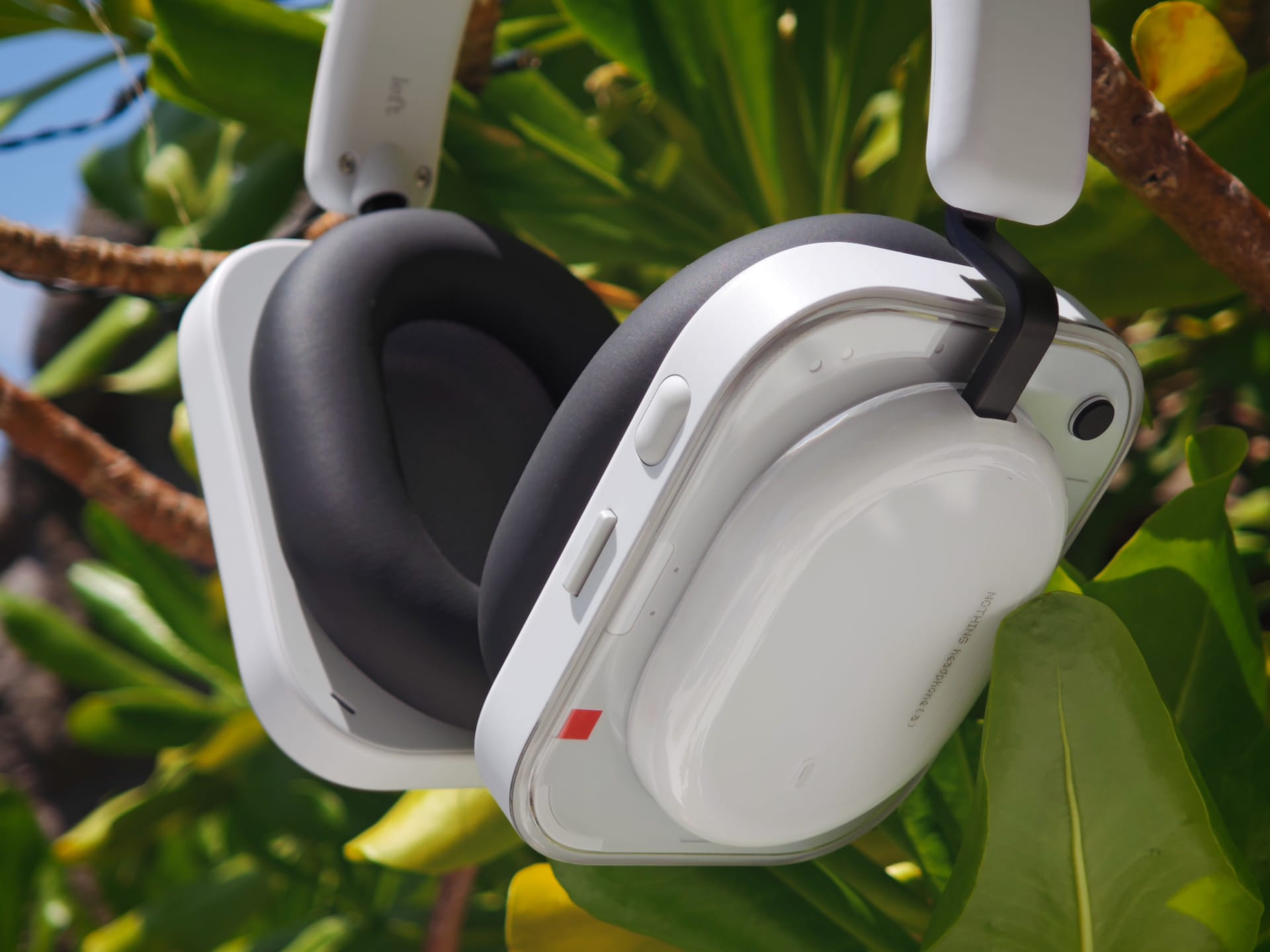
The volume roller is on the frame of the right earcup. A short press pauses playback, while turning it adjusts the volume. Just below it is the paddle switch, which lets you skip tracks and podcasts or fast-forward and rewind without having to dig your smartphone out of your pocket. There’s also a customizable button on the outside of the earcup.
What is missing in everyday use, however, is an automatic playback pause. When you take the headphones off, the music simply keeps playing. Wear detection would have been a good fit for the overall package, especially when out and about or travelling.
Headphone (a): Connectivity
Bangkok is a good place to test a pair of headphones’ connectivity. Music on a laptop in the hotel room in the morning, podcasts on a smartphone on the Skytrain later, and a phone call in between—ideally without having to pair again every time.
The Headphone (a) do a good job in everyday use. They support Bluetooth 5.4 and the usual codecs, AAC and SBC, as well as LDAC for high-resolution audio streaming. If you use a compatible Android device, you can stream music at up to 24-bit/96 kHz. In everyday use, the connection remains stable whether you’re at the hotel, on the train, or out in the city.

The Headphone (a) also feature the multipoint connection found on the Headphone (1), allowing them to be connected to two devices at once. For example, music can keep playing from your laptop while an incoming call on your smartphone is automatically picked up.
In addition to Bluetooth, the Headphone (a) can also be used wired. The box includes both a 3.5 mm audio cable and a USB-C cable.
Headphone (a): Nothing X App
The Nothing X app remains one of the easy-to-navigate companion apps for headphones, and is still pleasantly free of unnecessary frills with the Headphone (a).
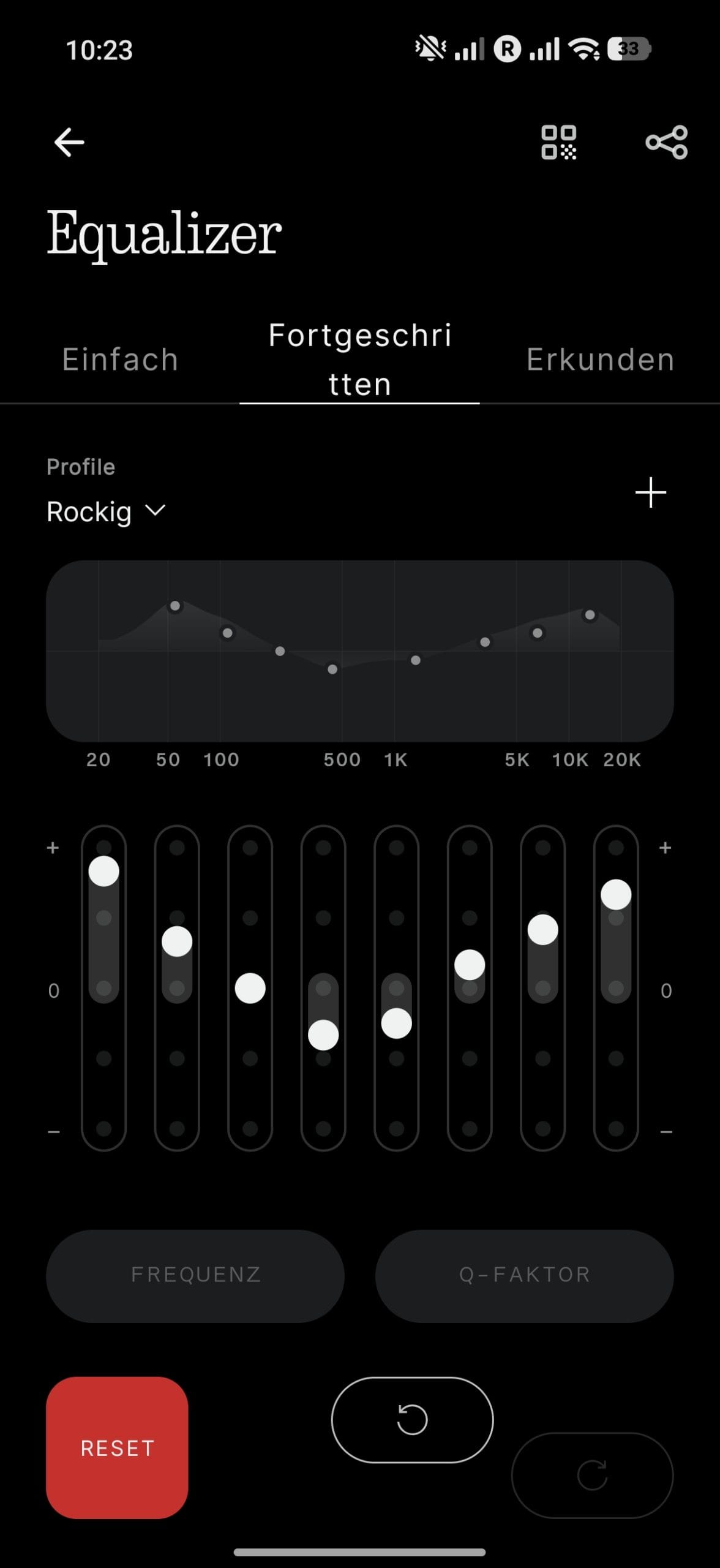
The main functions are quick to access. ANC levels, transparency mode, low-latency mode and Spatial Audio—which, unlike on the Headphone (1), does not include head tracking—can all be switched directly. As well as simple presets such as “Balance”, “More Bass” and “More Treble”, the equaliser also offers an advanced multi-band EQ for fine-tuning.
While more relaxed pop or lo-fi tends to play by the pool, a little more bass is welcome in the evening on a walk through the streets of Sukhumvit. A quick switch to a different EQ profile is all it takes to make the sound suit the surroundings again.
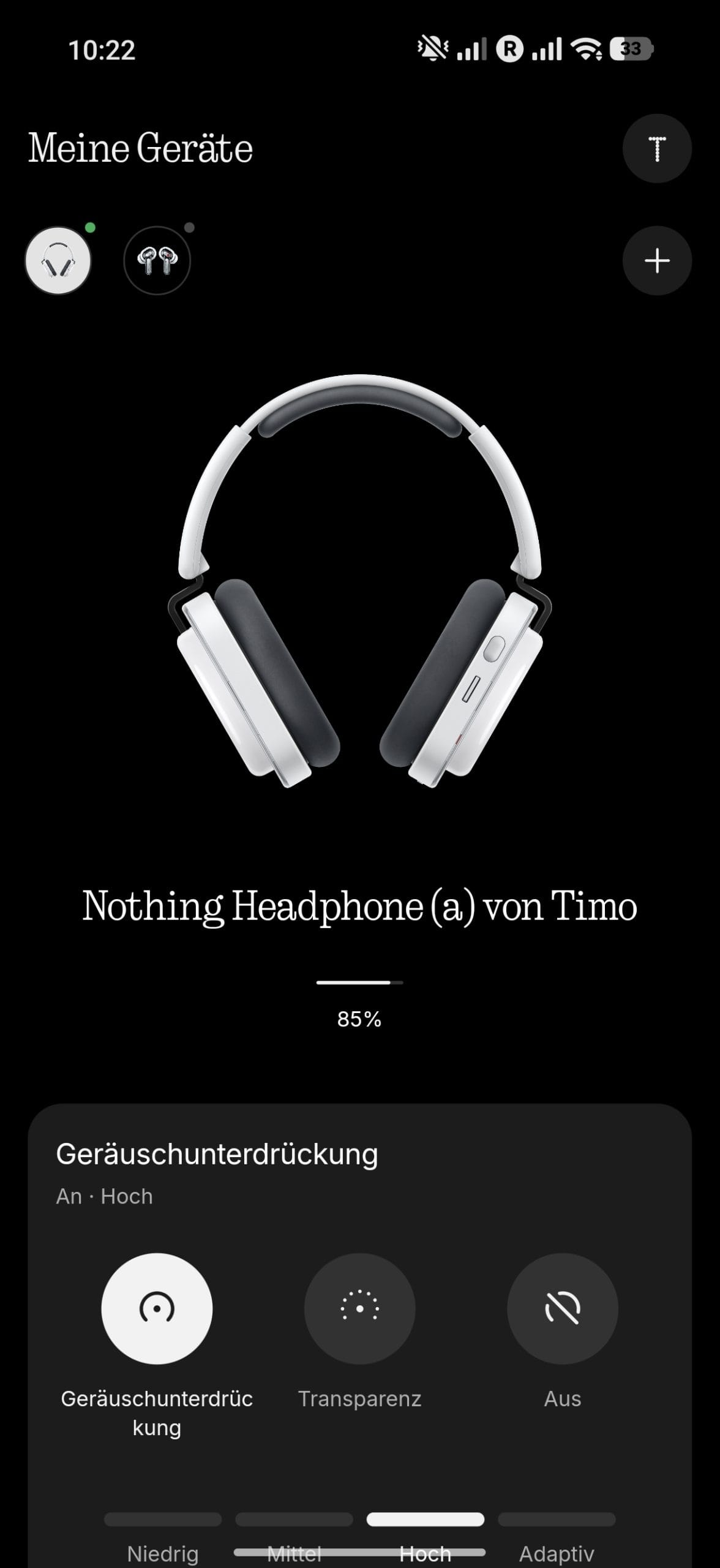
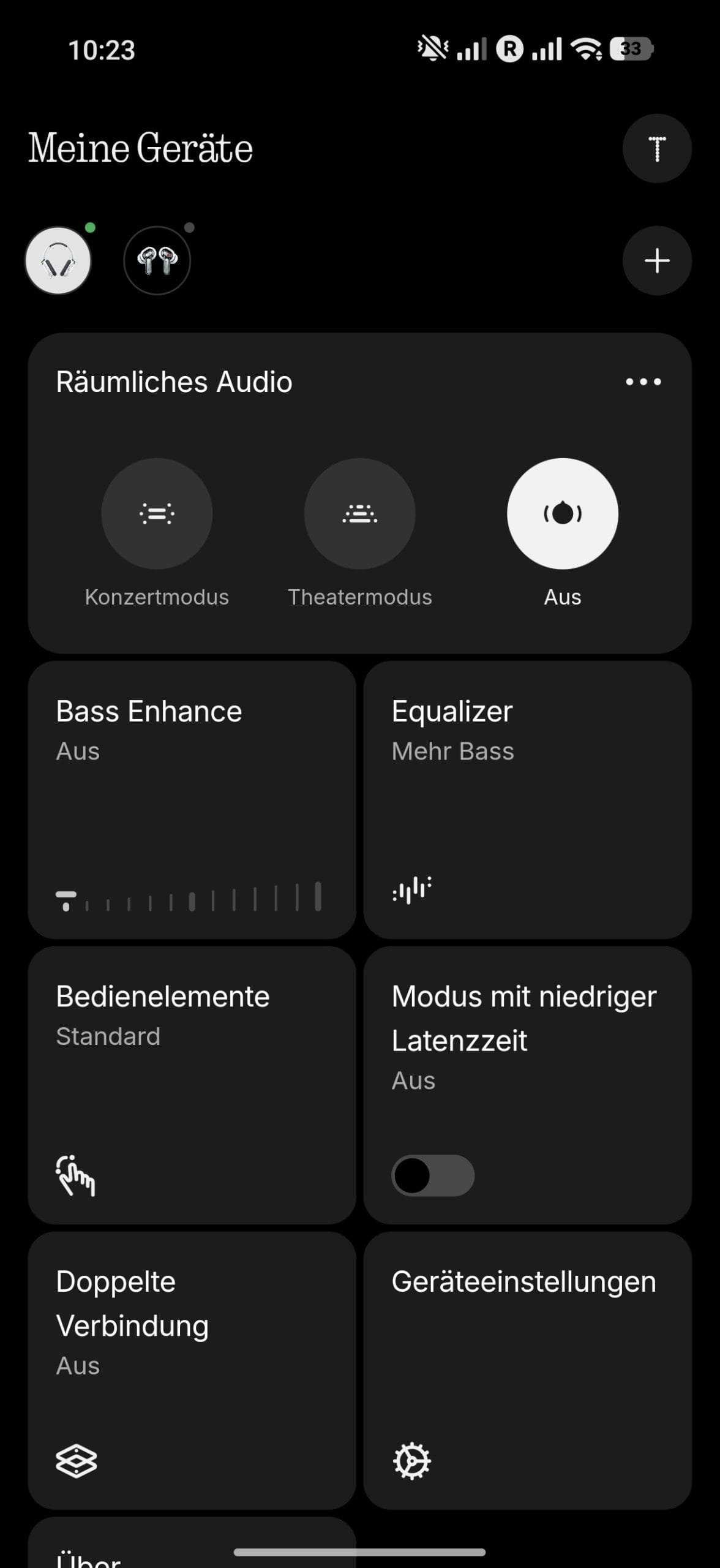
The controls for the roller, paddle, and multifunction button can also be customized in the app. For example, you can set the customizable multifunction button to launch the voice assistant, switch between EQ profiles, or even trigger your smartphone’s camera. When paired with Nothing phones, additional features become available, such as direct access to ChatGPT and certain system features.
It’s especially convenient that all settings are saved directly to the headphones. Once you’ve found your preferred setup, it stays in place even when you switch between a laptop, smartphone, or tablet.
Our verdict
After several days spent traveling by plane, Skytrain, boat, and hotel room, the Headphone (a) have proved to be a pretty laid-back travel companion. They may not be the most audiophile headphones on the market, but they strike just the right balance between sound, features, and everyday usability.
The sound is enjoyable, especially with modern pop, hip-hop and electronic music. The soundstage feels more open than on its predecessor, the bass has punch without drowning everything out, and vocals remain clear and intelligible. Those looking for absolute detail resolution may find a little more definition in some hi-fi headphones, but the Headphone (a)'s tuning is surprisingly well suited to everyday use.
The ANC does its job reliably, especially when traveling. The noise of airplanes, train rides, or a big city is noticeably reduced without creating uncomfortable pressure on your ears. At the same time, Transparency Mode is handy when you need to interact with your surroundings briefly.
The biggest surprise, however, is the battery life. After a twelve-hour flight to Bangkok with ANC enabled, the battery indicator still showed around 85 per cent, which at first seems almost unbelievable. There is virtually no need to keep checking the battery level.
There are, of course, a few minor drawbacks. The headphones are still not particularly light, the strong clamping force may not suit everyone, and there's no proper carrying case. I would also have liked playback to pause automatically when taking them off.
Specifications
General
- Drivers
- 40 mm
- Frequency range
- 20 Hz – 40 kHz
- Diaphragm
- PEN + PU dome, titanium-coated
- Fine-tuning
- Nothing
- Size (headphones)
- 177.0 × 78.0 × 190.4 mm
- Weight (headphones)
- 310 g
Case
- Dimensions
- 270 × 230 × 15 mm
- Weight
- 30 g
Bluetooth
- Standard
- 5.4
- Range
- up to 10 meters
- Multipoint
- Yes
- Compatibility
- Android
- 5.1 and higher
- iOS
- 13 and later
- Codecs
- AAC
- SBC
- LDAC
Battery
- Type
- Rechargeable lithium-ion battery
- Capacity
- 1,060 mAh
- Charging time
- Approx. 2 hours (USB-C)
- Fast charging
- ANC off
- 5 minutes for 8 hours of playback
- ANC on
- 5 minutes for 5 hours of playback
- Playback time
- AAC without ANC
- up to 135 hours
- AAC with ANC
- up to 75 hours
- LDAC without ANC
- up to 90 hours
- LDAC with ANC
- up to 62 hours
- Talk time
- Without ANC
- up to 72 hours
- With ANC
- up to 50 hours
Noise cancellation
- Type
- Hybrid ANC
- Damping
- up to 40 dB
- Frequency range
- up to 2,000 Hz
- Microphones
- 4 (2 per side, hybrid ANC)
- Additional features
- – Transparency mode
- – 3-microphone algorithm for calls
Control
- On/Off
- Switch up (off), down (on)
- Pair
- Hold the Bluetooth button for 2 seconds (white LED flashes)
- Roller
- – Right/Left
- Volume up/down
- – Press
- Play/Pause
- – Hold
- ANC/transparency mode
- Paddle
- – Press right
- Next track / answer call
- – Press left
- Previous track / reject call
- – Hold right
- Fast-forward
- – Hold left
- Rewind
- Button
- – Channel Hop
- – Camera shutter
- – ChatGPT
- – ANC mode switching
- – Spatial audio switching
LED status
- Battery <30%
- Red
- Battery ≥30%
- White
- Charging
- White LED flashes
- Fully charged (cable connected)
- White
- Pairing
- White LED flashes
- Reset
- Red LED flashes 3×, then white LED
Functions
- – Google Fast Pair
- – Microsoft Swift Pair
- – Low latency (Low-Lag mode)
- – LDAC & Hi-Res certified
- – LED charging status
- – Dual Connection
- – IP52 (dust and splash resistance)
Sustainability
- CO₂ footprint
- 12.6 kg CO₂e
- Final assembly
- 100% renewable energy
- Packaging
- plastic-free
What’s included
Nothing Headphone (a) Carrying case USB-C cable (1.2 m) 3.5 mm audio cable (1.2 m) Quick Start Guide (QSG)
Price comparison
| Store | Price | Link |
|---|---|---|
| Amazon | 99,00 € | Go to store |
| Nothing | 99,00 € | Go to store |
Comments (2)
Only LDAC, no aptX—or did I miss something?
Hi Kai, aptX is not supported. Best wishes