Contents
Nothing Phone (2a): Design
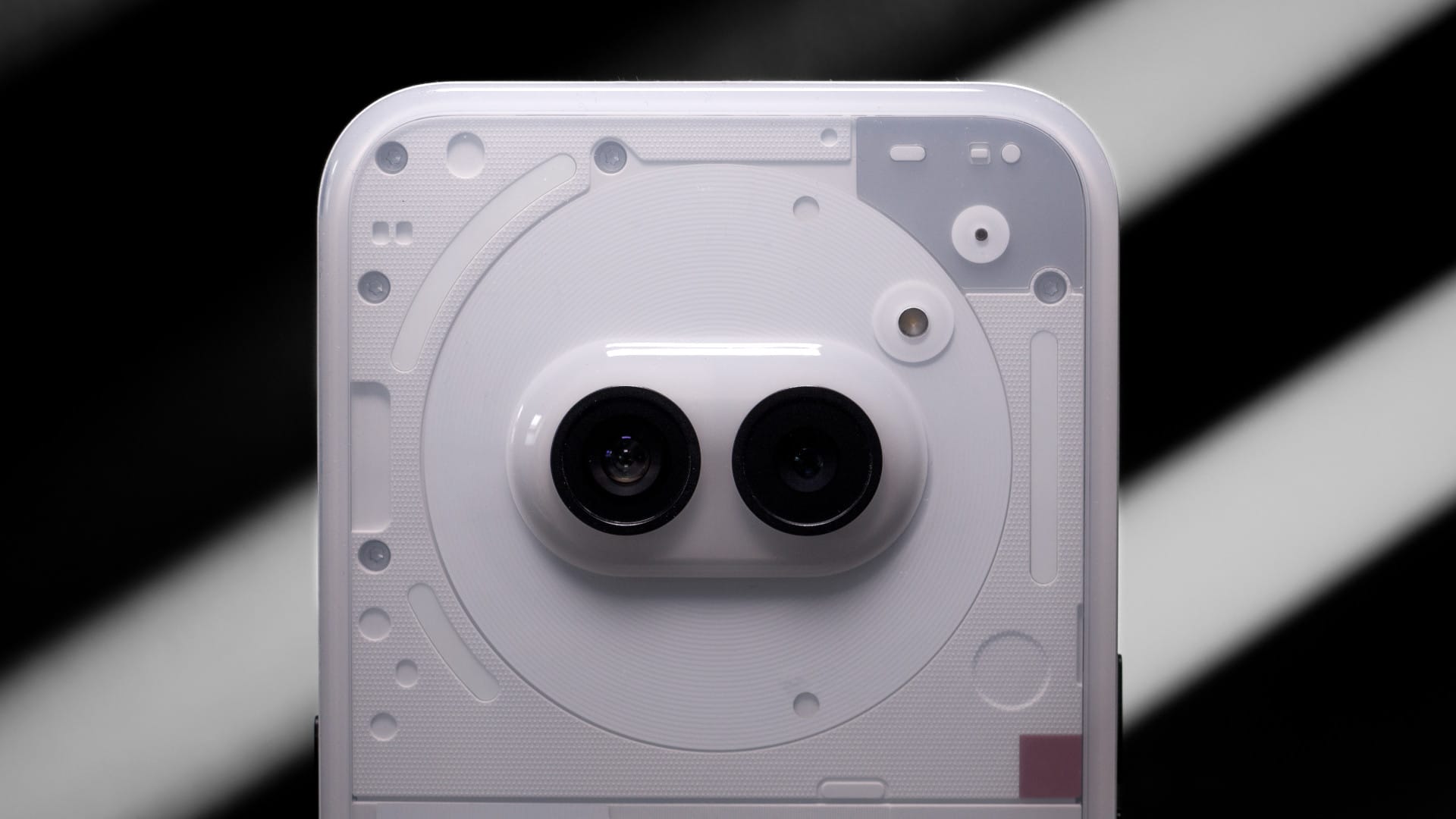
The unique, transparent design has been Nothing's trademark from the very beginning. And with the new Phone (2a), the British technology brand continues this iconic appearance in a very special way. This is because the inspiration for the design comes from Nothing's own beginnings: the original concept for the current Phone (2a) was developed just a few months after the company was founded in 2020.
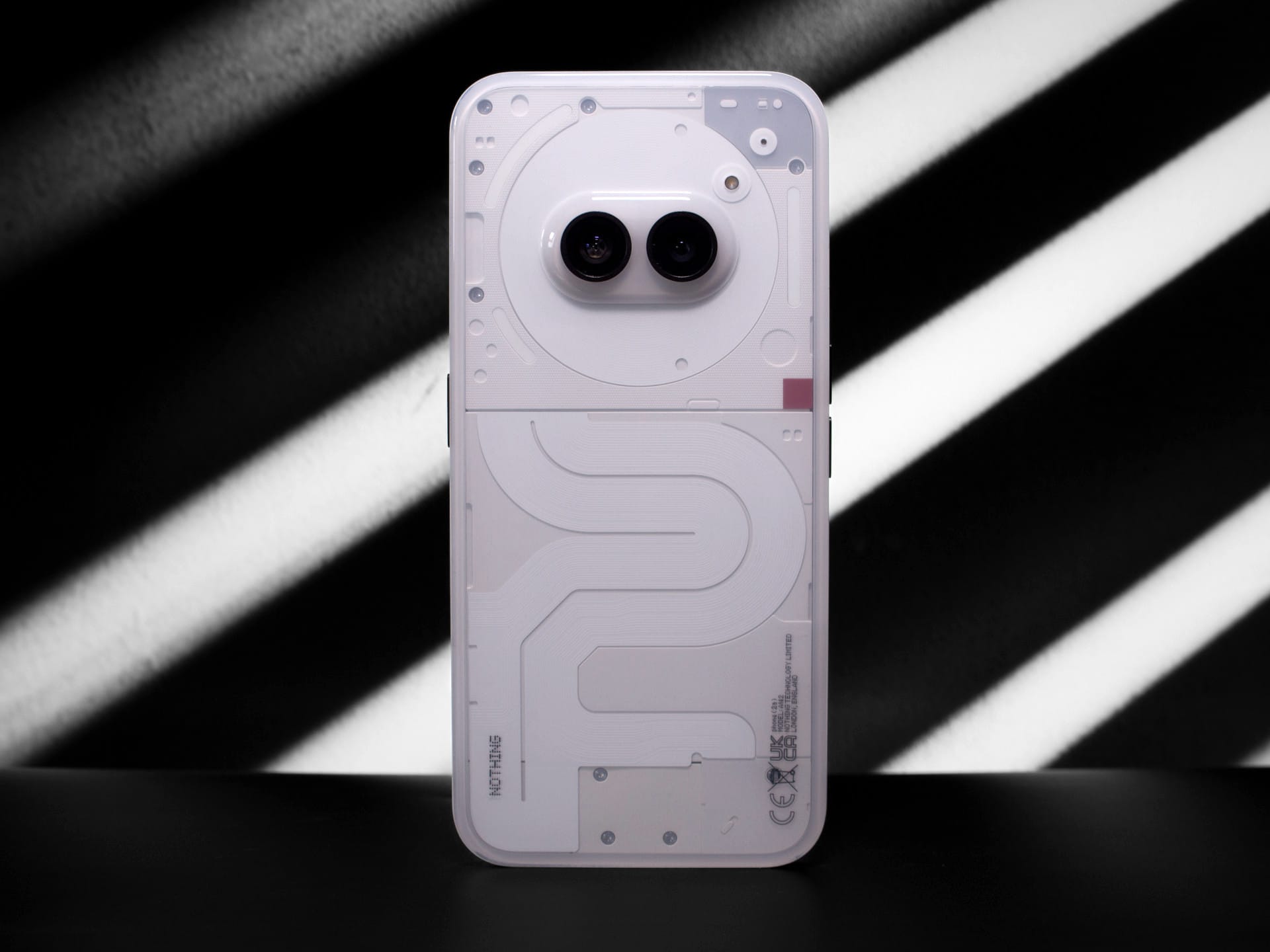
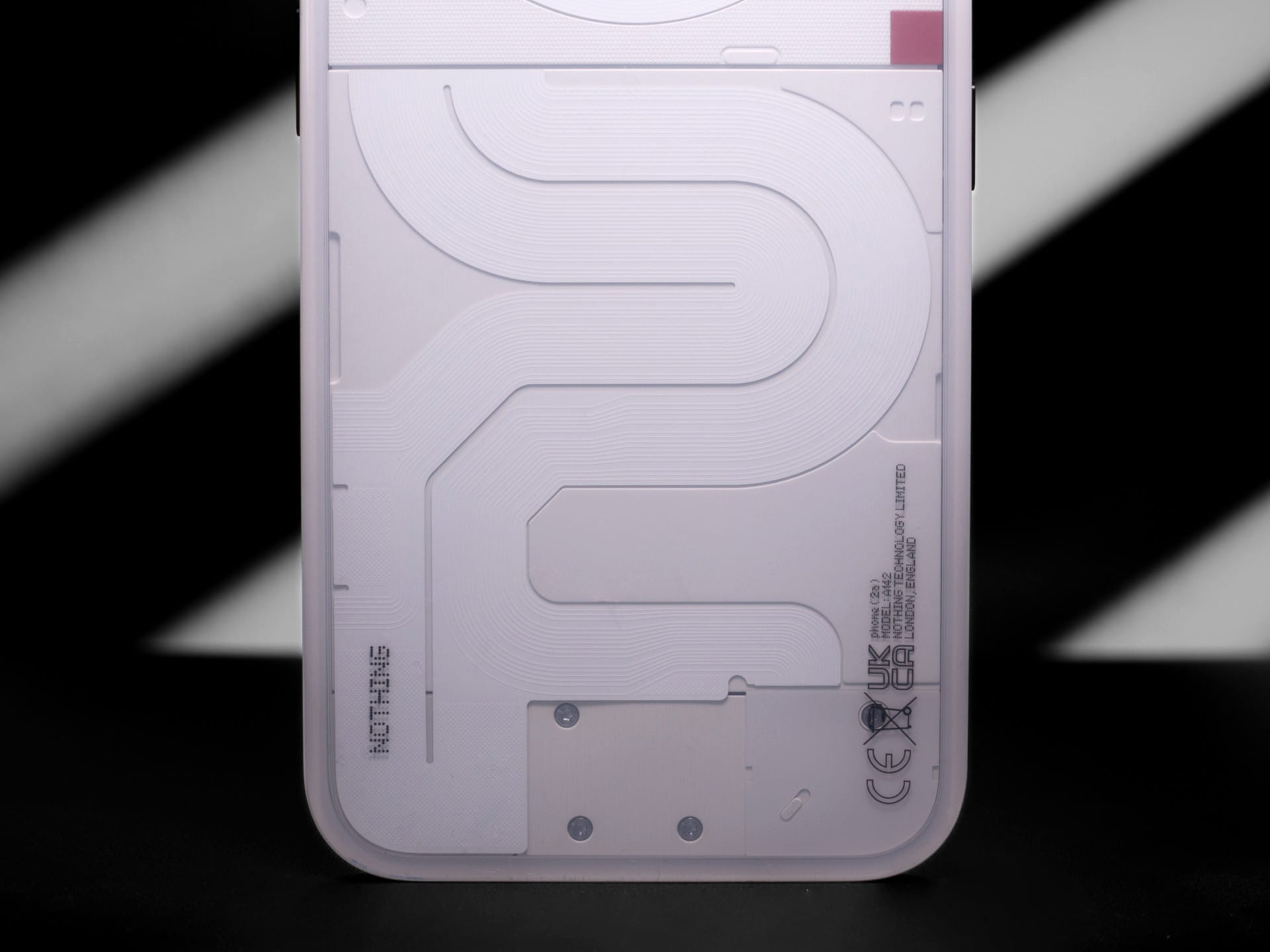
Nothing emphasises the asymmetrical balance of the Phone (2a) through a deliberate separation into upper and lower housing sections. While the upper area is dominated by the Glyph lights and the two camera lenses, the lower part effectively serves as a framework for the battery, circuit boards and ports. The inward-curving lines of this lower half are reminiscent of the famous route layouts of the New York City Subway map by Massimo Vignelli.
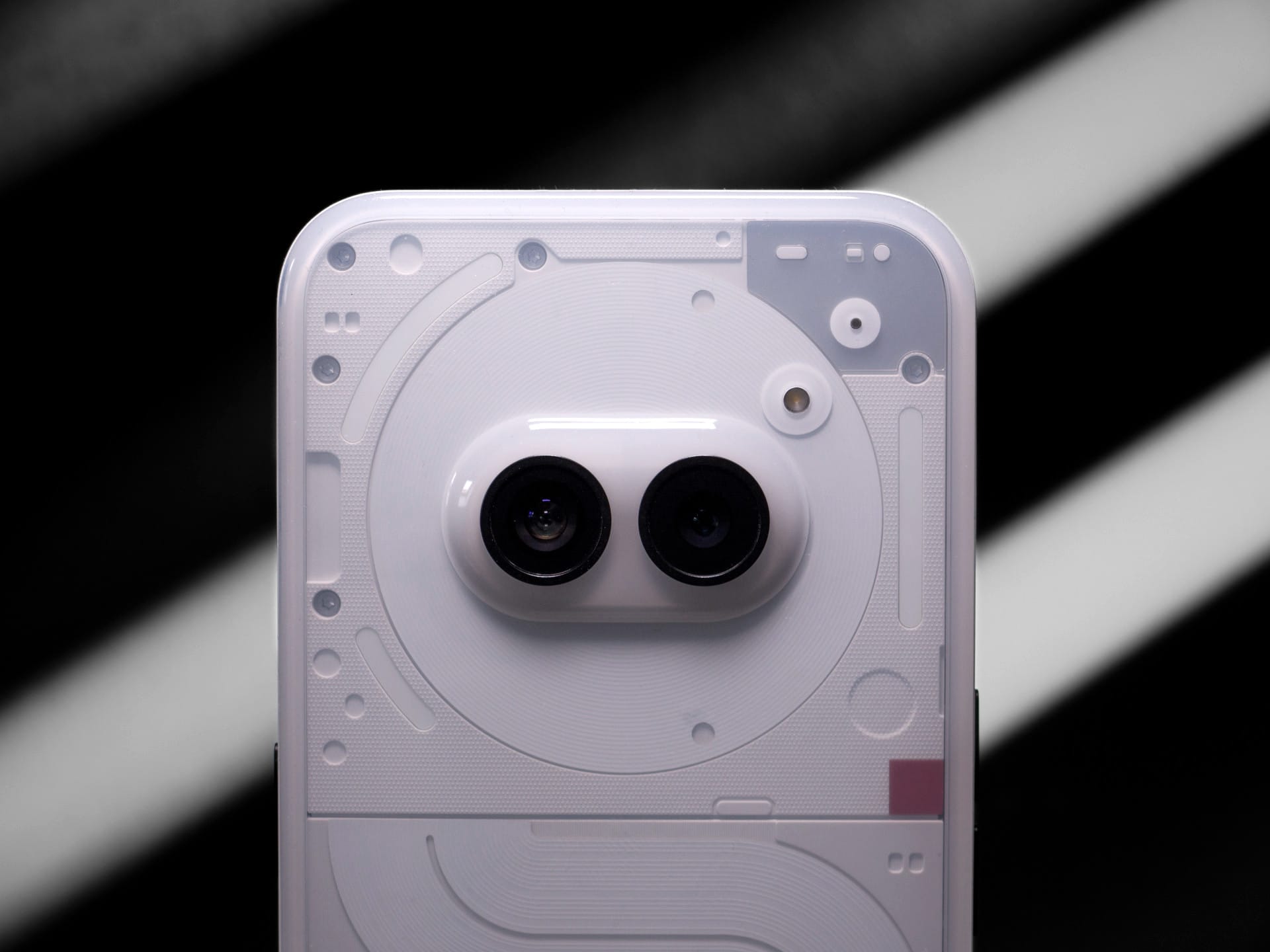
The camera lenses themselves are integrated into the circular NFC coil in a horizontal rather than vertical arrangement this time. According to Nothing, this arrangement symbolises the "brain" and intelligence of the device. But not only that - the raised camera bump also offers a practical advantage: it prevents annoying fingerprints on the lenses and simultaneously ensures a more stable, safer stand when the Phone (2a) is set down.
The most striking Nothing identifier, the Glyph Interface with its flashing LED lights, naturally cannot be missing on the Phone (2a). The dynamic light shows for visualising notifications, calls or music playback are still on board, albeit in a reduced form focused on the essentials, with fewer individual elements than before. This time, the Glyph lights are located only in the upper housing area, which further emphasises the focus on the central camera area.
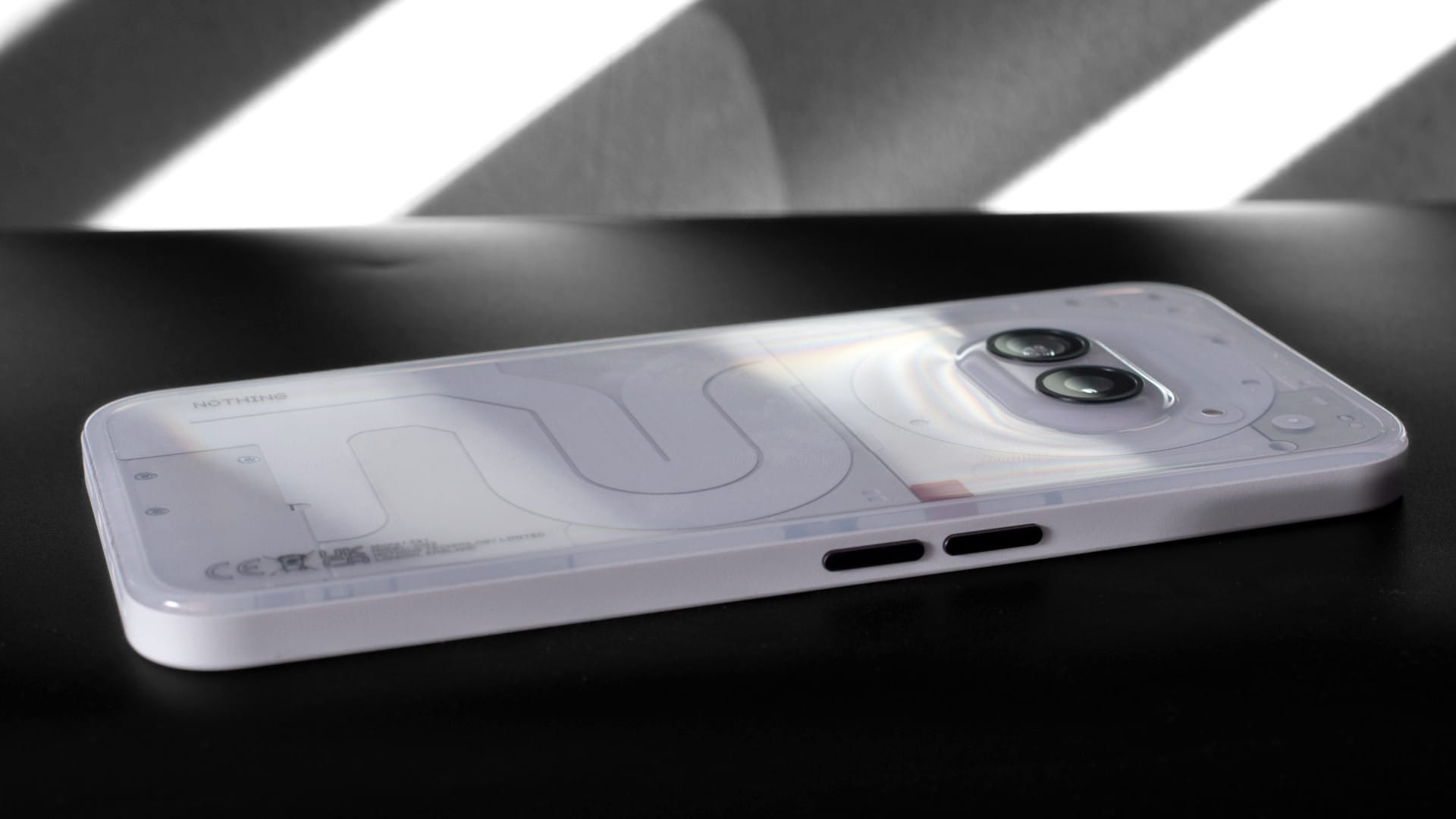
The most obvious difference from previous Nothing devices is the unibody back cover, which sits at a right angle on the aluminium frame. This design gives the 190-gram, 8.55-millimetre-slim smartphone more depth. In contrast to the back of the Nothing Phone (2) (our test), which transitions more flatly into the frame, the more pronounced rounded edges of the Phone (2a) fit smoothly into the palm. As a result, it feels surprisingly well-balanced in the hand.
Instead of glass, the back of the Phone (2a) is made of a robust polymer plastic. This is not, at first glance, more prone to scratches than the predecessor’s glass back, but it does attract fingerprints like magic. On the white model, however, these are barely noticeable. The IP54 protection remains. The device is thus protected against splashes and dust, but not against submersion.
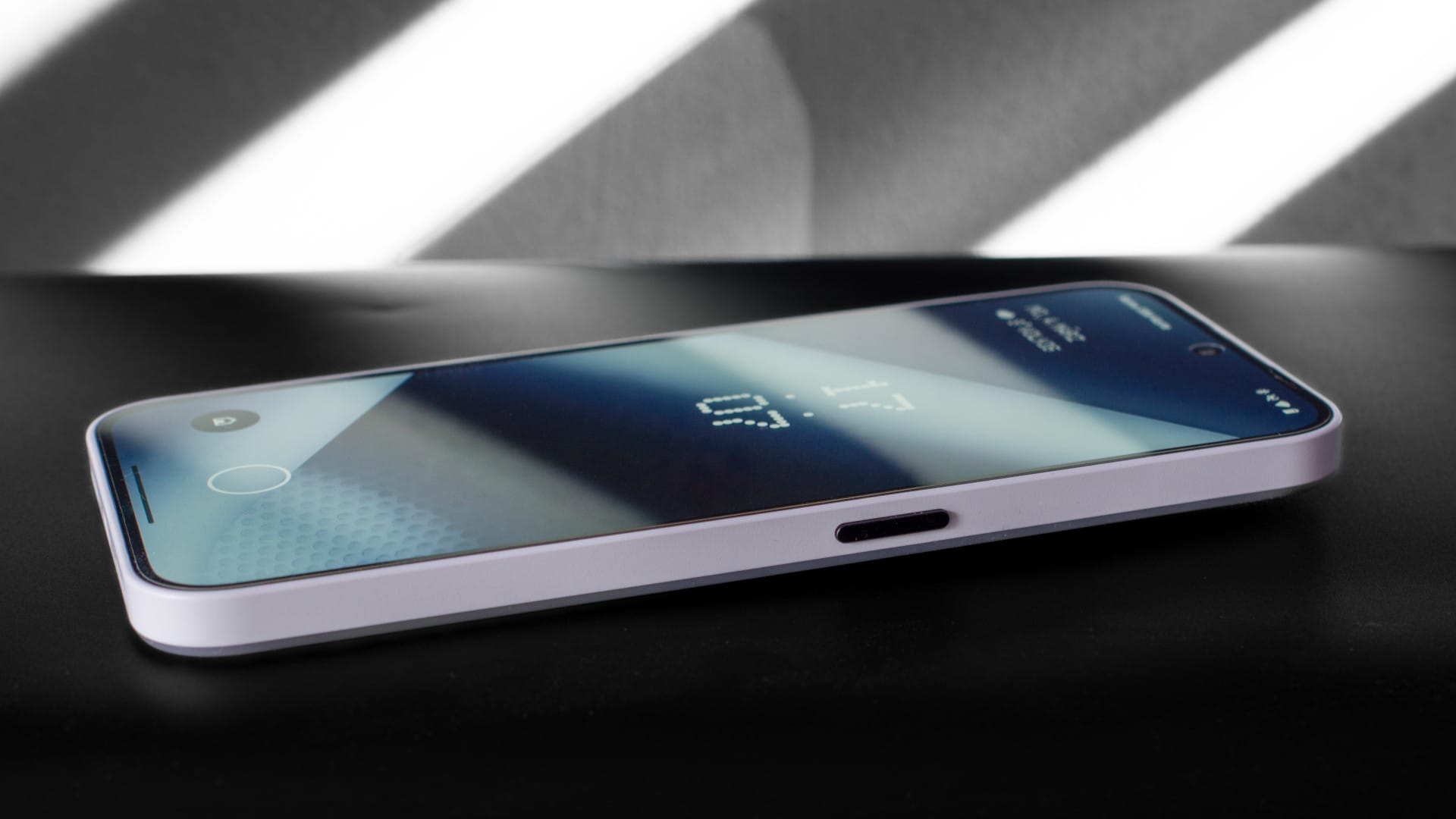
One-handed operation is extremely easy thanks to the 76.32 millimetre width - both the volume rocker on the left side and the power button on the right side of the housing are easily accessible. Just as you would expect from a device with a good grip. The ergonomic form factor dominates overall: The 6.7-inch OLED screen is kept flat and deliberately avoids a curved shape. While the screen protector feels somewhat rough, that is only a minor flaw given the overall good haptics.
But it is not just the exterior that is impressive; the interior of the Nothing Phone (2a) also impresses: A large part of the smartphone's interior is made from recycled materials. In a special recycling process, even production waste from the Nothing Ear line is fed directly back into smartphone manufacturing.
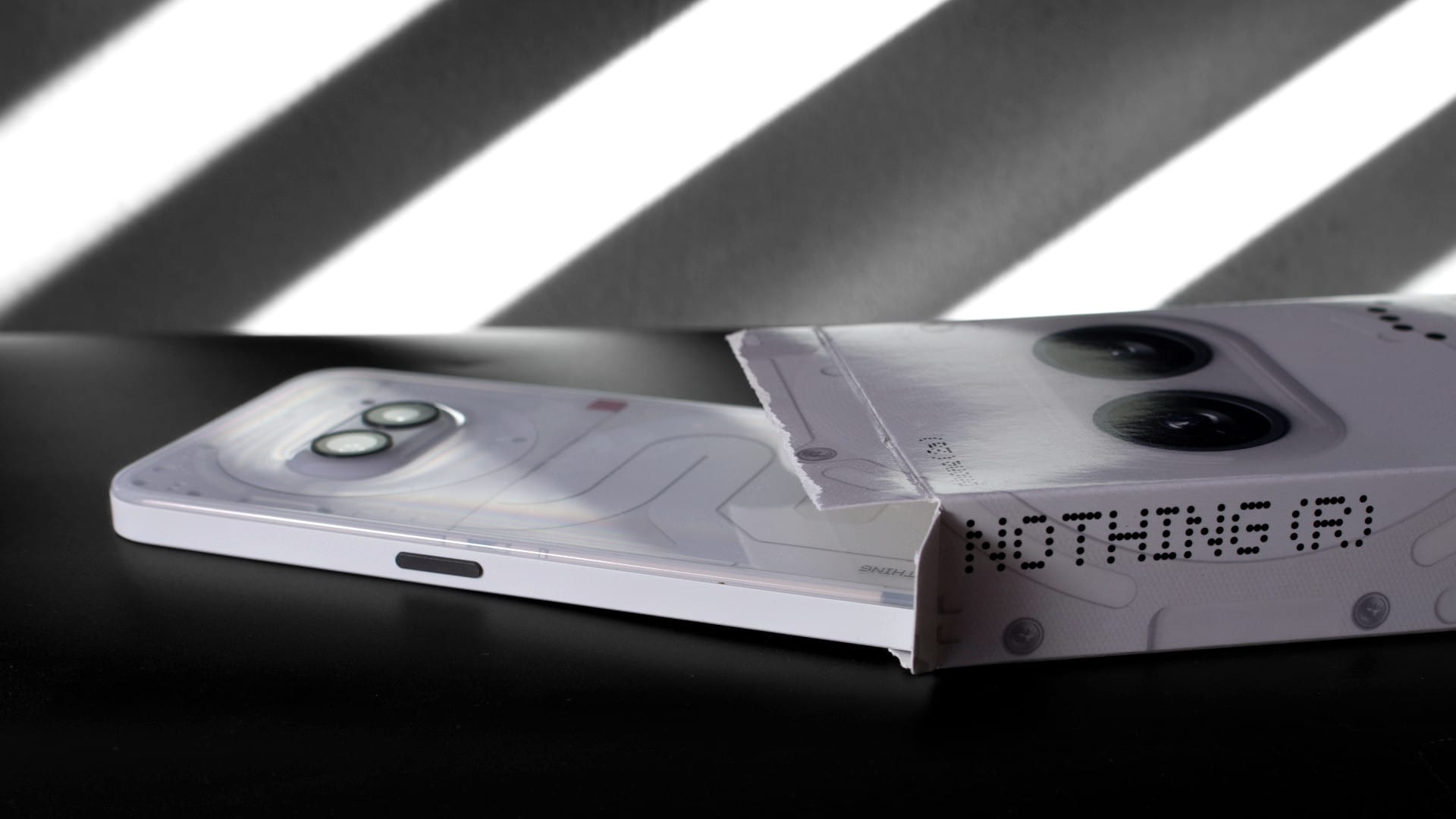
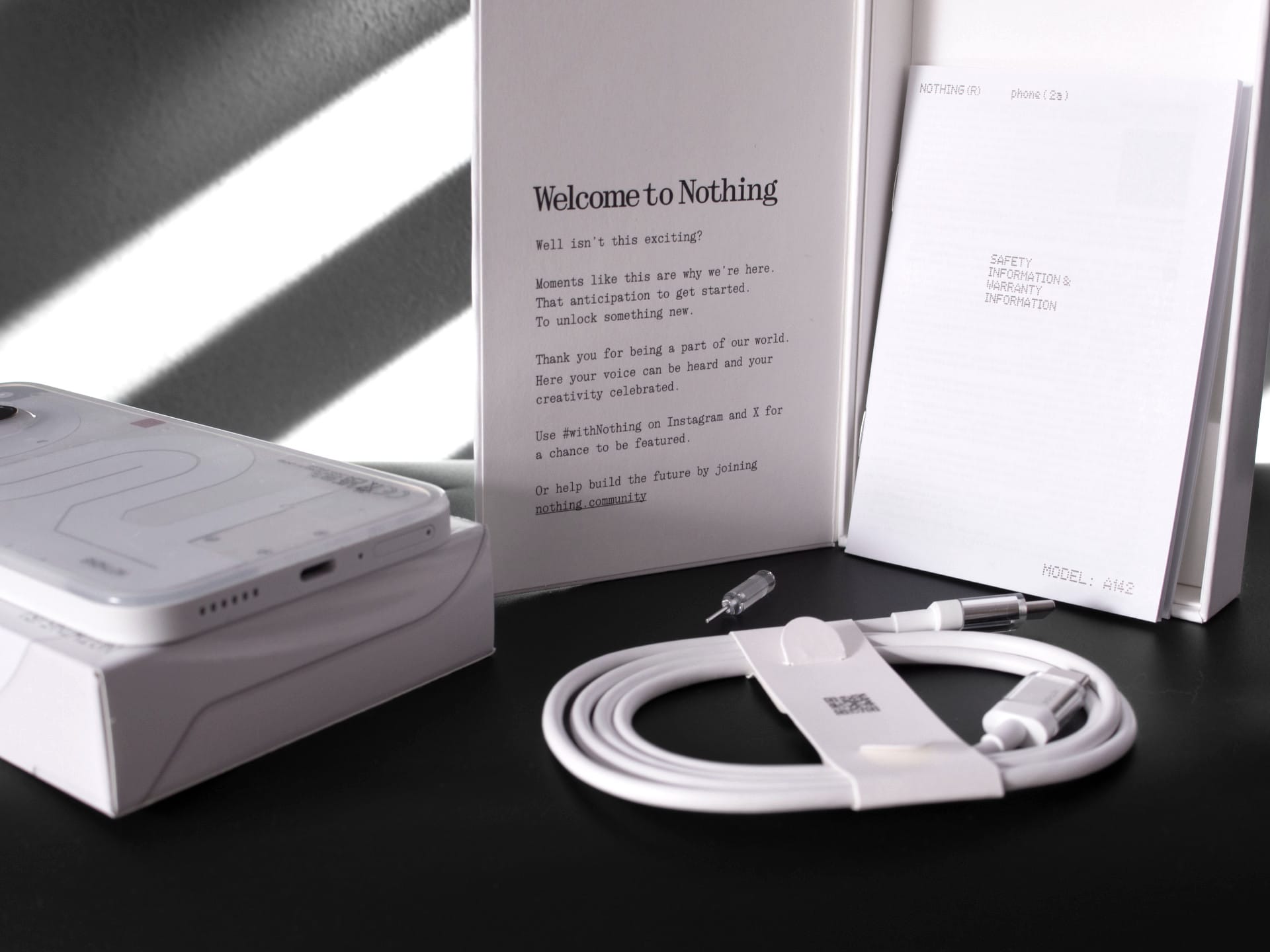
When it comes to colours, Nothing remains purist and classic: The Phone (2a) will be available in Black or White (White / Milk White). The scope of delivery includes only a USB-C charging cable and a SIM ejector tool - the charger itself must be purchased separately. However, a screen protector is already pre-installed.
Nothing Phone (2a): Display, performance and battery
The Nothing Phone (2a) features a 6.7-inch AMOLED display with a resolution of 1084 x 2412 pixels, reaching a peak brightness of 1,300 nits and protected by robust Corning Gorilla Glass 5. The brightness cannot compete with current flagship models, but it is sufficient to keep the display readable outdoors.
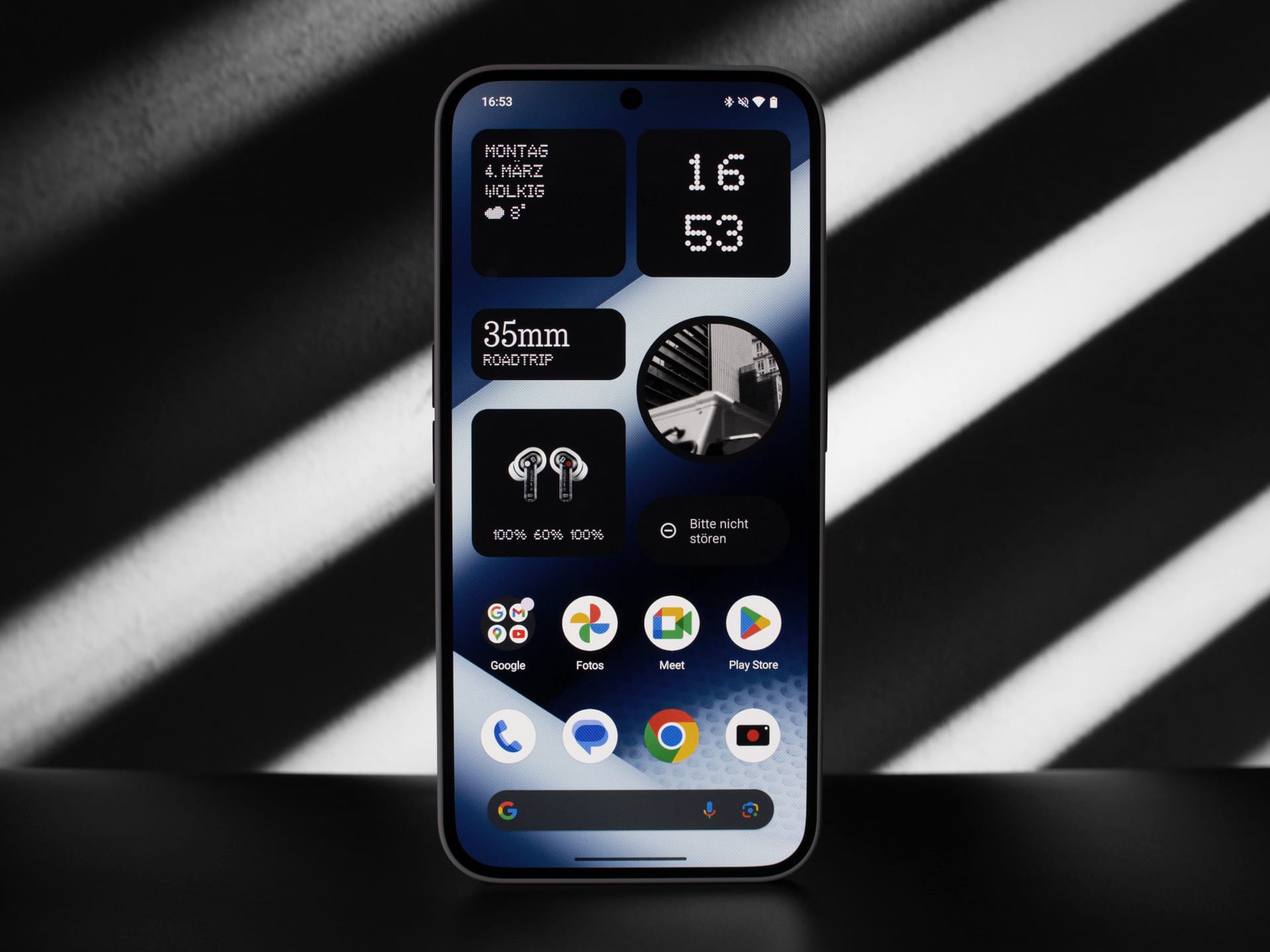
The Phone (2a) dynamically adjusts its refresh rate. Depending on the content, it switches between 30 Hz, 60 Hz and 120 Hz. To prevent flickering at low display brightness, Nothing uses 2160 Hz PWM dimming.
Instead of relying on Qualcomm chips as before, Nothing has opted for a MediaTek Dimensity 7200 Pro in the Phone (2a). It is a good choice, because in combination with Nothing OS 2.5.3 (Android 14), which is supported by three years of Android updates and four years of security patches, the smartphone runs largely smoothly. Demanding mobile games like Genshin Impact are playable, albeit with reduced graphics and the occasional stutter.
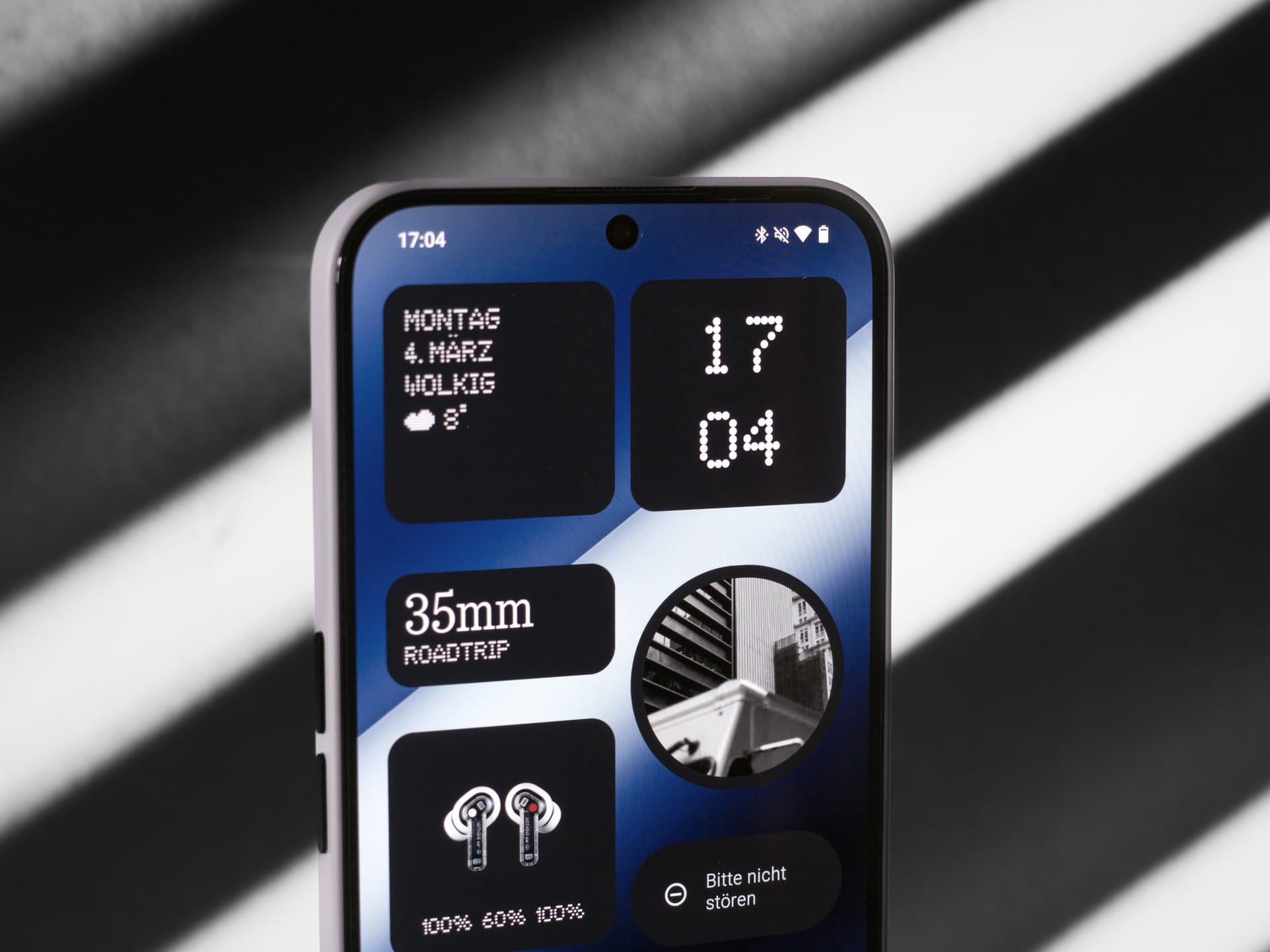
The Phone (2a) is available in three memory configurations, with 8 GB or 12 GB RAM and 128 GB or 256 GB internal device storage. In terms of connectivity, it supports 5G mobile radio (NSA & SA), Bluetooth 5.3, WiFi-6E and NFC. There is a in-display fingerprint sensor that works reliably and dual stereo speakers that can get quite loud, but sound somewhat muffled.
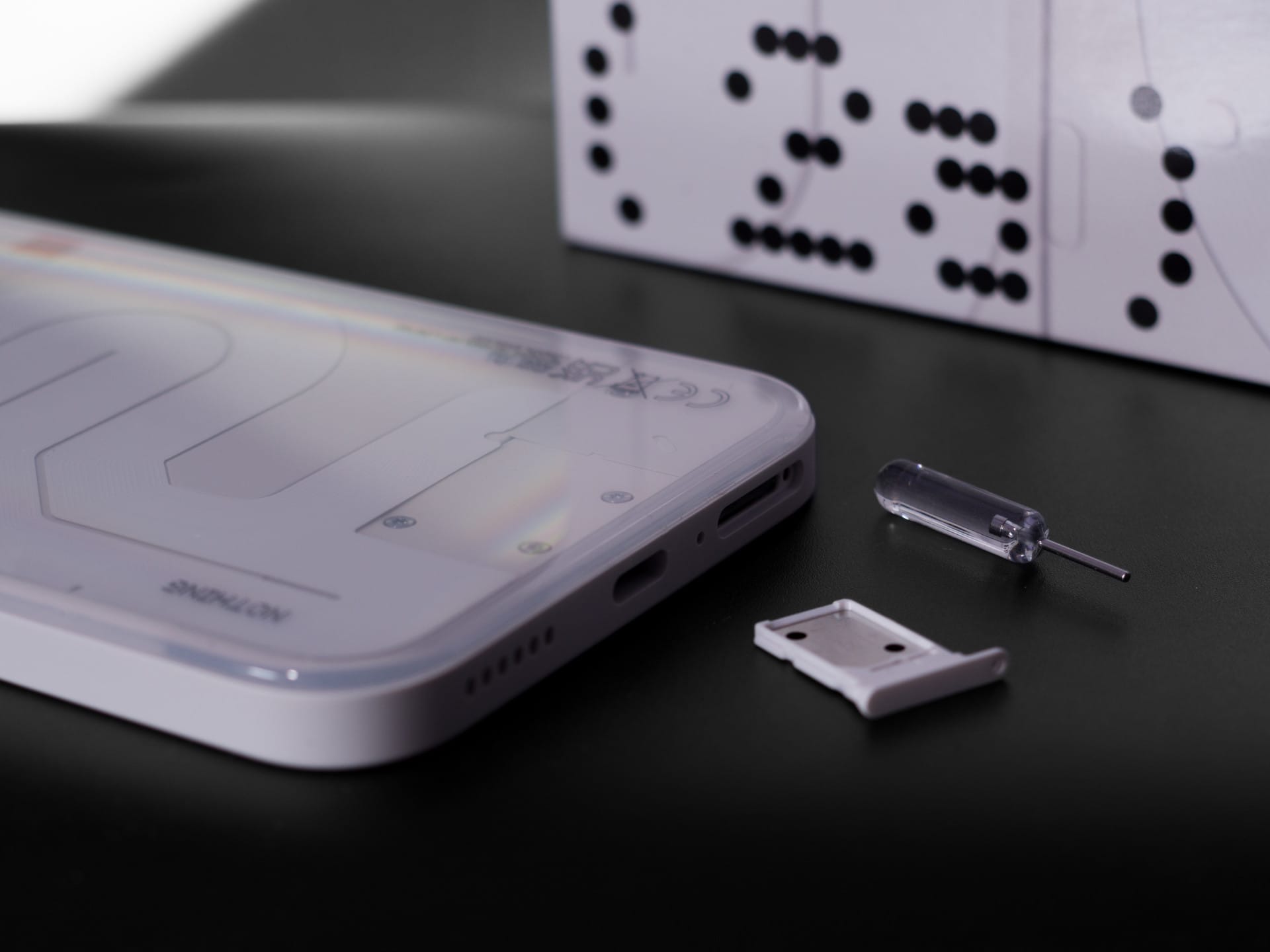
The 5,000 mAh battery can be fully charged in just under an hour with up to 45 watts. As is often the case in this price range, the Phone (2a) does not support wireless charging. Battery life is respectable: the battery lasts a good 1 1/2 days under typical usage (calls, web browsing and social media) before the smartphone needs to be plugged back in.
Nothing Phone (2a): Camera
Things get interesting with the camera, as Nothing is trying to bring the camera quality of the Nothing Phone (2) to the cheaper Phone (2a). The ultrawide camera is even identical to the one in the Phone (2). Although the specifications of the main camera appear identical on paper, the Phone (2a) differs in one key aspect: Instead of a Sony image sensor, as used in the Phone (2), Nothing uses a Samsung ISOCELL sensor here. Here is an overview of the cameras:
- an optically stabilised 50 MP main camera with f/1.88 aperture and 10x digital zoom,
- a 50 MP ultra-wide-angle camera with an f/2.2 aperture and 114° wide-angle,
- a 32 MP front camera with an f/2.2 aperture
Here are some test shots with the main camera, which can take beautiful photos in good lighting conditions that are certainly comparable to the more expensive Nothing Phone (2). The emphasis, however, is on can, because in high-contrast scenes the main camera is not particularly consistent, which is why you should rather take a shot too many times than too few.


In poor lighting conditions, details also decrease, resulting in increased blurring. In high-contrast night scenes, blown-out highlights frequently occur. Here are photos taken at night.


When zooming in, it is recommended not to go beyond 2x magnification, as everything above that becomes increasingly blurry. The maximum 10x magnification is almost unusable.



Preliminary conclusion
I will continue testing the Phone (2a) in everyday use, but this much can be said: Nothing is bringing an impressive mid-range smartphone to market that stands out for its attractive price-performance ratio. A distinctive design, powerful hardware and a purist operating system make the Nothing Phone (2a) an attractive option in the price segment under 400 Euro.
However, some compromises must be accepted in terms of camera quality. While the photo shots generally meet the standard for this price range, occasional inconsistencies in image sharpness or dynamic range slightly detract from the overall picture.
Nevertheless, Nothing is known for continuously improving the performance of its devices through software updates. Similar initial difficulties regarding camera performance on the Phone (2) were quickly resolved. It remains to be seen whether the developers can quickly optimise the camera of the (2a) through targeted updates in the coming weeks.
At the attractive price of 329 Euro, the Phone (2a) is a very interesting option for budget-conscious buyers who do not want to compromise on style. It is available in stores from 12 March and can already be pre-ordered via nothing.tech.
Specifications
Processor and memory
- CPU
- MediaTek Dimensity 7200 Pro
- GPU
- ARM Mali-G610 MP4
- RAM
- 8GB/12GB LPDDR5
- Internal storage
- 128GB/256GB UFS3.1
- Storage expansion
- No
Display
- Display size
- 6.7 inches
- Display resolution
- 2412 x 1084 pixels
- Display refresh rate
- 30 Hz – 120 Hz (adaptive)
- Display brightness
- 1,300 nit (peak)
- Display type
- OLED
- Screen protector
- Corning Gorilla Glass 5
- Sampling rate
- 240 Hz
- Other
- *10-bit
- *2,160 Hz PWM
Cameras
- Main camera
- 50 MP Samsung GN9 (f/1.88 aperture, OIS + EIS)
- Ultra-wide-angle camera
- 50 MP Samsung JN1 (f/2.2 aperture, 114°)
- Front camera
- 32 MP Sony IMX615 sensor (f/2.2 aperture)
Mains
- Dual SIM
- Yes
- SIM size
- Nano SIM
- eSIM
- No
- GSM
- 850/900/DCS/PCS
- WCDMA
- B1/B4/B5/B6/B8/B19
- FDD LTE
- B1/B2/B3/B4/B5/B7/B8/B18/B19/B20/B26/B28/B38/B39/B66
- TDD LTE
- B38/B39/B40/B41/B42
- 5G NSA/SA
- n1/n2/n3/n5/n7/n8/n20/n28/n30/n38/n40/n41/n66/n78
Wireless
- Wi-Fi
- 802.11 a/b/g/n/ac/ax (WiFi 6)
- Bluetooth
- 5.3
- GPS
- Yes
- NFC
- Yes
Sensors
- *Ambient light sensor
- *Accelerometer
- *Proximity sensor
- *E-compass
- *Gyroscope
- *Fingerprint sensor (in-display)
Battery
- Battery
- 5,000 mAh
- Fast charging function
- 45 watts
- Qi charging
- No
Other
- Operating system
- Android 14 (Nothing OS 2.5)
- Audio
- Stereo speakers
- Connection
- USB-C (2.0)
- Size
- 161.74 x 76.32 x 8.55 mm
- Weight
- 190 g
What’s included
1x Nothing Phone (2a) 1x USB-C to USB-C charging cable 1x SIM pin 1x Quick start guide
Price comparison
| Store | Price | Link |
|---|---|---|
| Amazon | 233,04 € | Go to store |
Comments (2)
First of all, thanks for the test. It helped me a lot. I was hesitating between a Poco X6 Pro, but it was worth waiting. It will be the Nothing Phone 2a. However, I have one question. I would like to use the smartphone for my business as well. Can I set up multiple accounts on it?
Hi Mats,
Of course, that works without any problems. You can create private spaces using the “Multiple users” feature, or simply clone apps if you don’t need a separate user interface.