Contents
Design and build: titanium instead of stainless steel
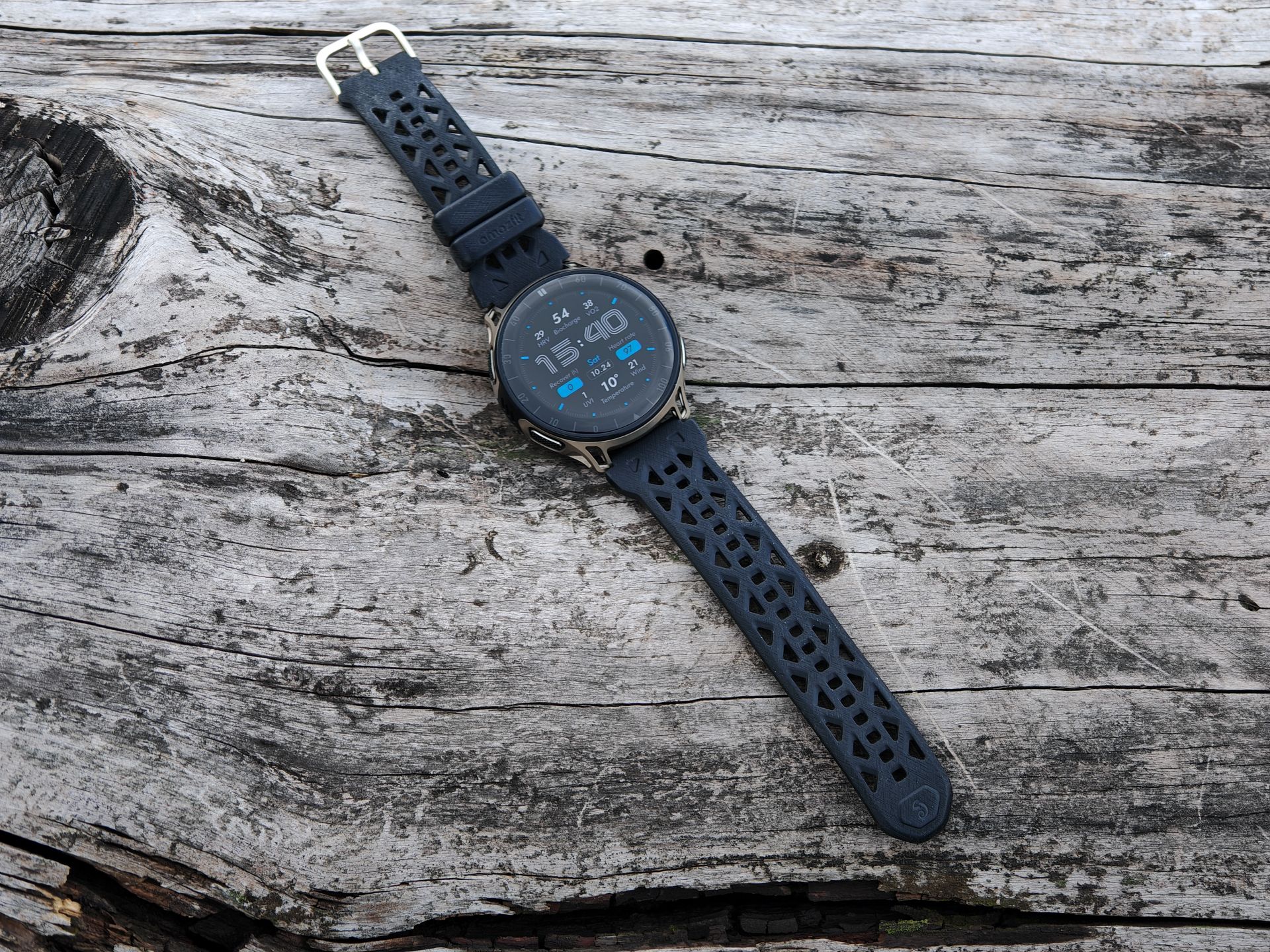
In terms of appearance, the OnePlus Watch 4 takes its cues from its predecessors, but looks a little more premium and modern. This is mainly thanks to the new titanium alloy case, which replaces the previous combination of a titanium bezel and stainless-steel case. This is also reflected in the weight: at 43 grams without the strap, the Watch 4 is around 13 per cent lighter than the OnePlus Watch 3, which weighed just under 50 grams. The case thickness has also been reduced from 11.75 to 11 millimetres, although this makes little visible difference.
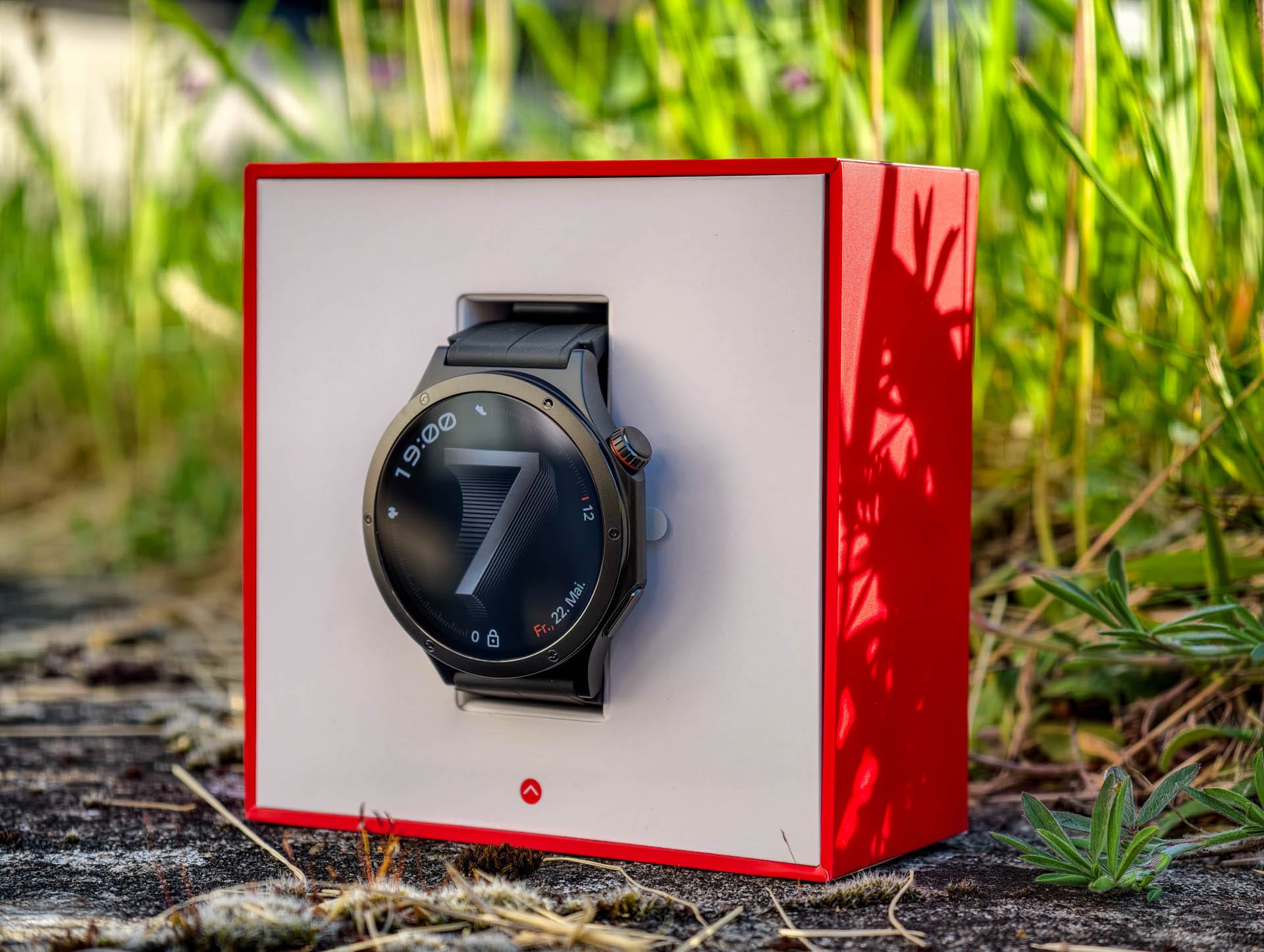
In terms of size, the OnePlus Watch 4 is currently available only with a 47 mm case, which can look a little bulky on particularly slim wrists. Since OnePlus later added a more compact 43 mm version of the Watch 3, there is certainly hope that the Watch 4 will also be available in a smaller version in future. The watch comes in Midnight Titanium, with a matt black case and strap, and Evergreen Titanium, with a brushed titanium case and a subtly green strap.
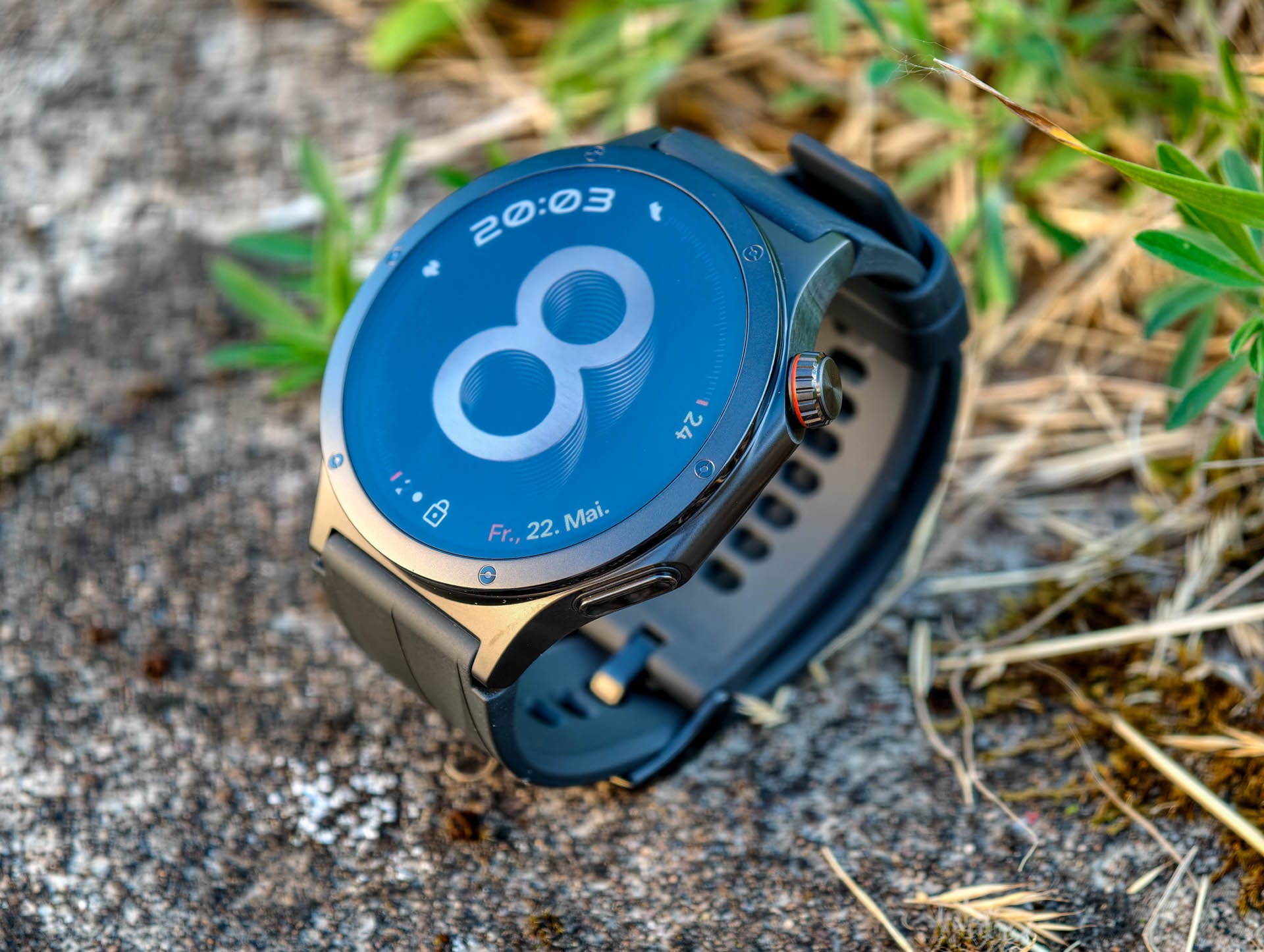
OnePlus has made no changes to the controls compared with its predecessors. A rotating crown for scrolling through apps and menus sits on the right side of the case and offers a crisp click. It is complemented by a quick-launch button below, providing direct access to workout functions.
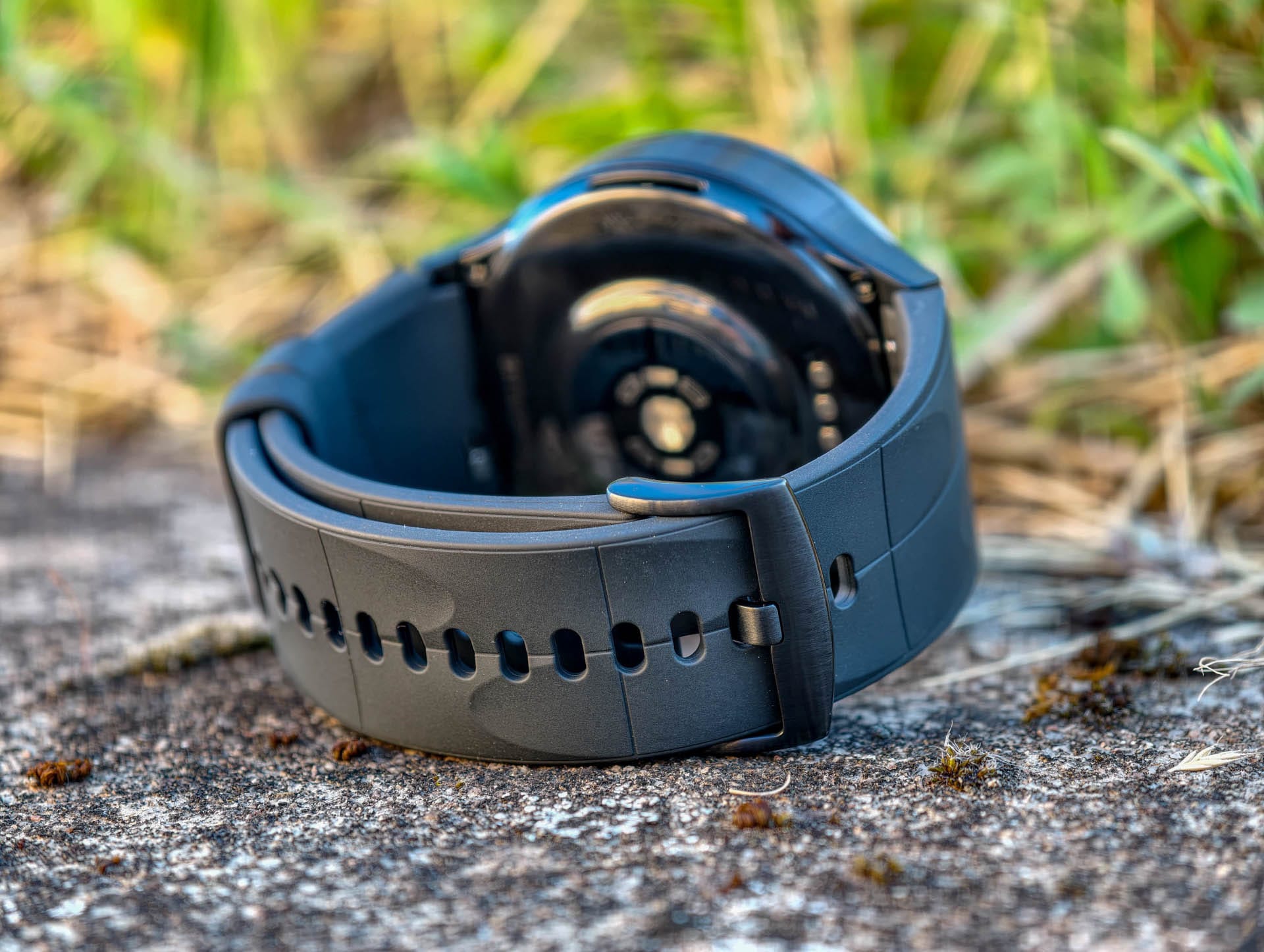
OnePlus continues the familiar high build quality of the previous generation with the Watch 4. A scratch-resistant sapphire crystal and robust construction compliant with IP68, IP69 and MIL-STD-810H provide additional durability.
Display and hardware: Familiar with few new features
OnePlus continues to use a 1.5-inch LTPO OLED panel with a resolution of 466 x 466 pixels and a pixel density of 310 PPI. Content is displayed sharply, colors look vivid, and viewing-angle stability leaves nothing to criticize.
OnePlus has improved the brightness in particular. While the Watch 3 reached up to 2,200 nits, the Watch 4 now achieves peak brightness of up to 3,000 nits under certain conditions. Content remains very easy to read in direct sunlight, while LTPO technology dynamically adjusts the refresh rate to suit the content, helping to keep power consumption as low as possible.
There is less movement when it comes to the hardware, however. Inside, it once again uses the familiar dual-chip combination of the Qualcomm Snapdragon W5 and BES2800 chip, which has been around for a few years but still performs well. Apps launch quickly, menus respond without noticeable delays, and the Watch 4 switches swiftly between different apps. There is no performance boost over the previous models because the hardware is virtually unchanged. In particular, a more up-to-date chip would have given the watch more headroom for the coming years, especially with future Wear OS features and AI applications in mind.
Connectivity also remains unchanged. Bluetooth 5.2, dual-band GNSS with support for GPS, Galileo, GLONASS, BeiDou and QZSS, 2.4 and 5 GHz Wi-Fi, and NFC for Google Wallet are all still included. OnePlus has again opted not to offer an LTE or eSIM variant for the fourth generation. This means the smartwatch still relies on a smartphone connection for many functions. Those who are often out without their smartphone but still want to make calls, receive messages or stream music will find more flexible alternatives from Samsung, Google and, in some cases, Huawei.
Software, health and sports: Solid fare with Gemini
On the software side, the OnePlus Watch 4 is one of the first smartwatches to ship with Wear OS 6 out of the box. OnePlus layers its own OxygenOS Watch 8 interface on top, which looks largely the same as on previous models. Long-term software support remains unclear for now. While OnePlus promised three years of software and security updates for the Watch 2 and Watch 3, the manufacturer has so far provided no specific update guarantee for the Watch 4.
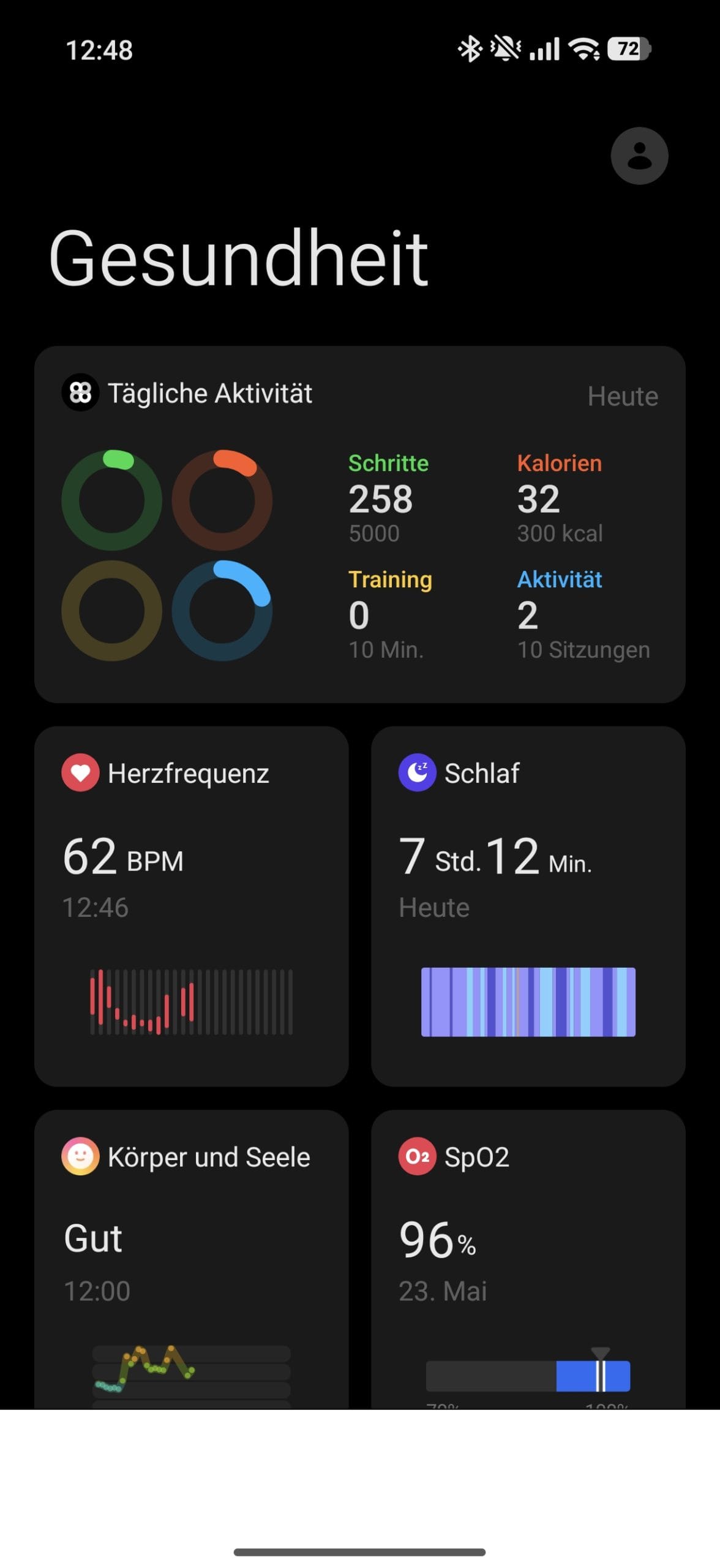
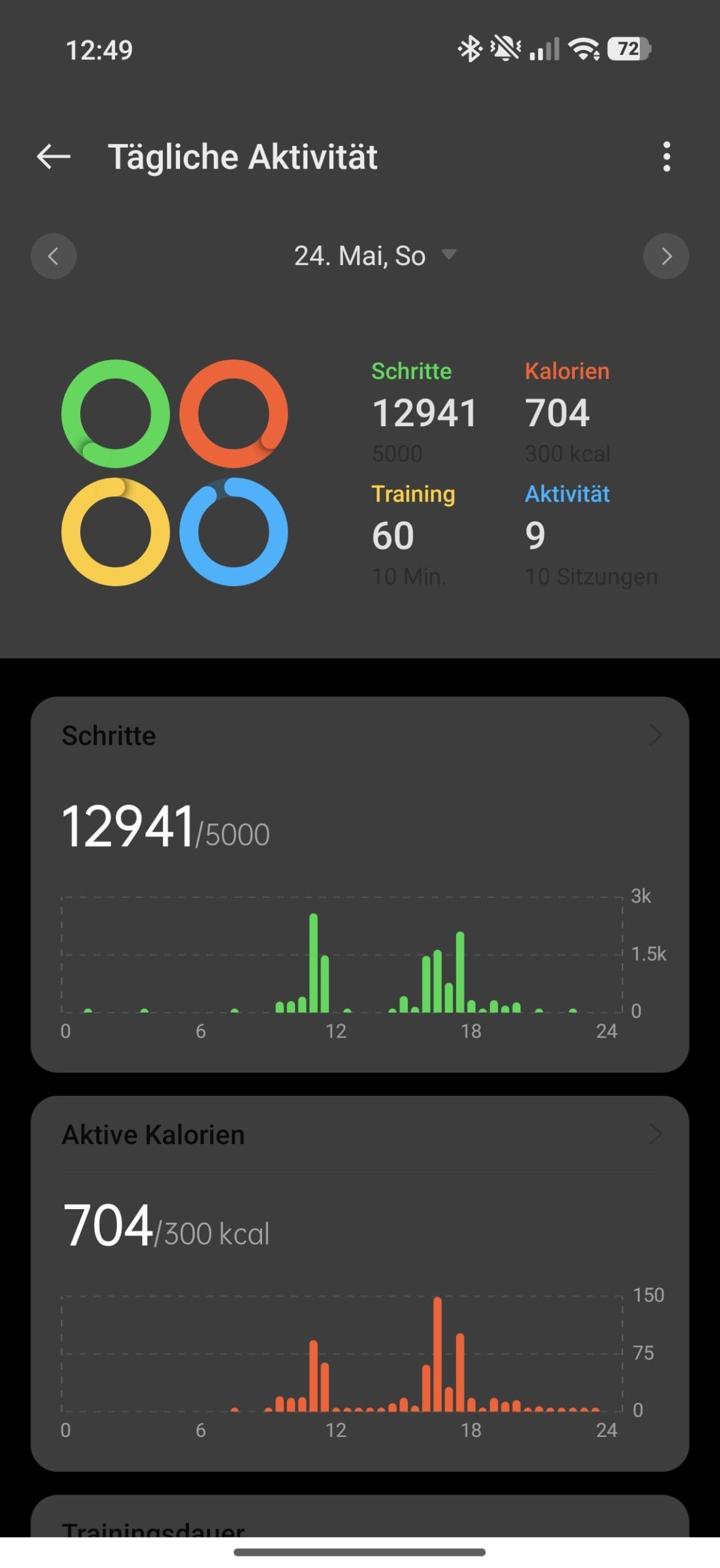
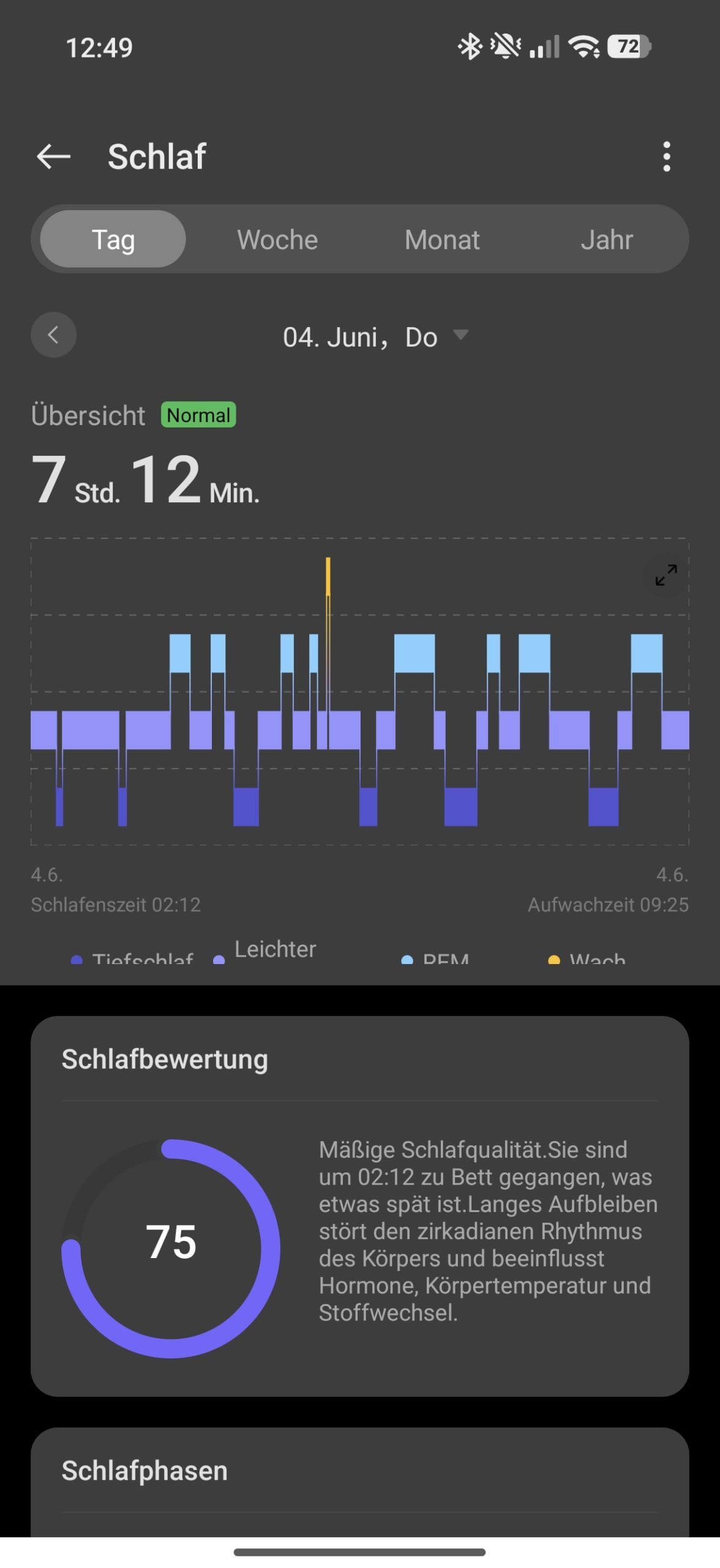
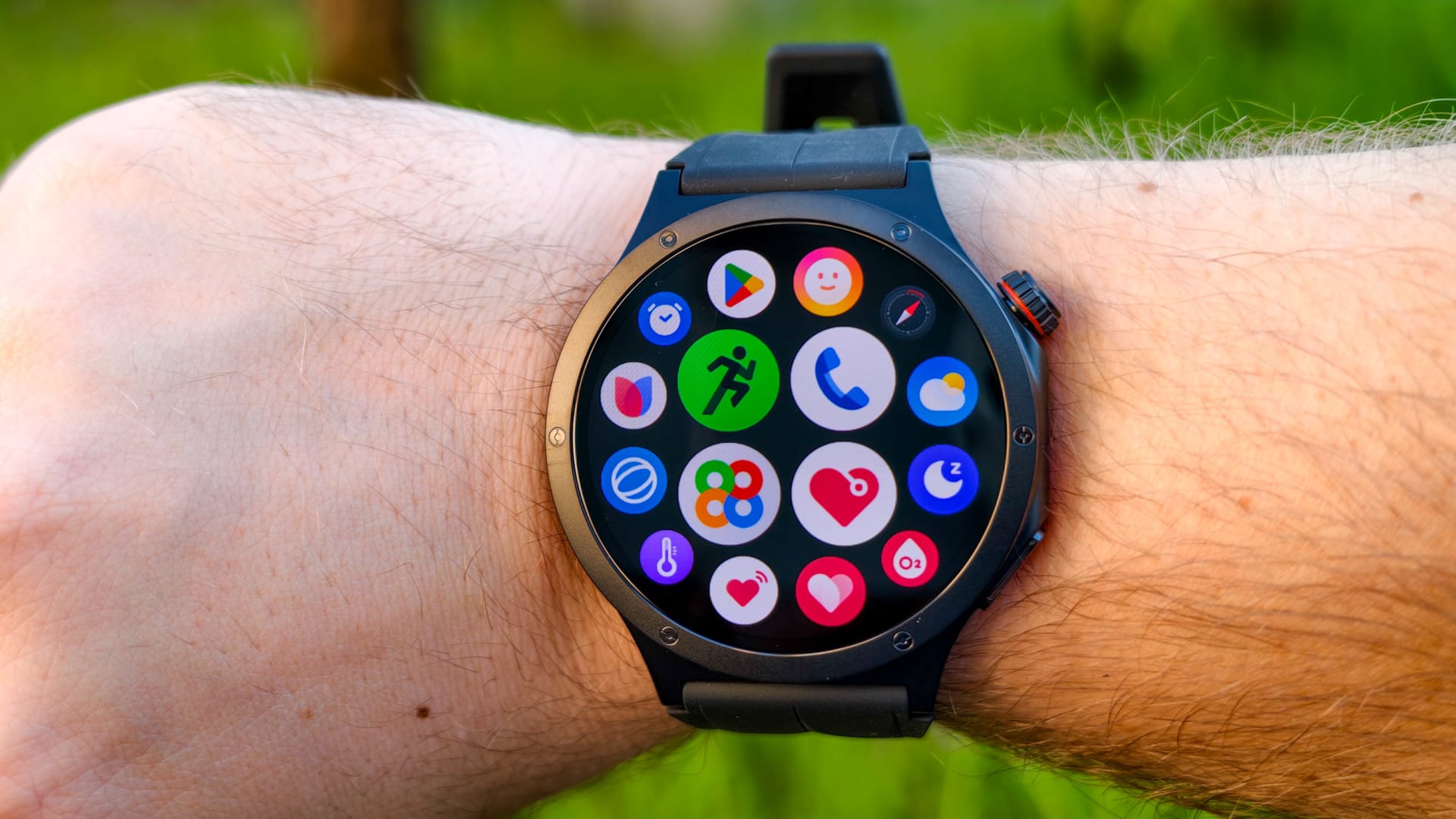
The user interface feels smooth and uncluttered overall, while Google services such as Maps, Wallet and the Play Store are seamlessly integrated. OnePlus is particularly keen to promote Gemini integration as a new feature. The voice assistant can write messages, create appointments, answer questions and set reminders without you having to pick up your smartphone. It works fairly well, but still requires a connection to a compatible Android smartphone.
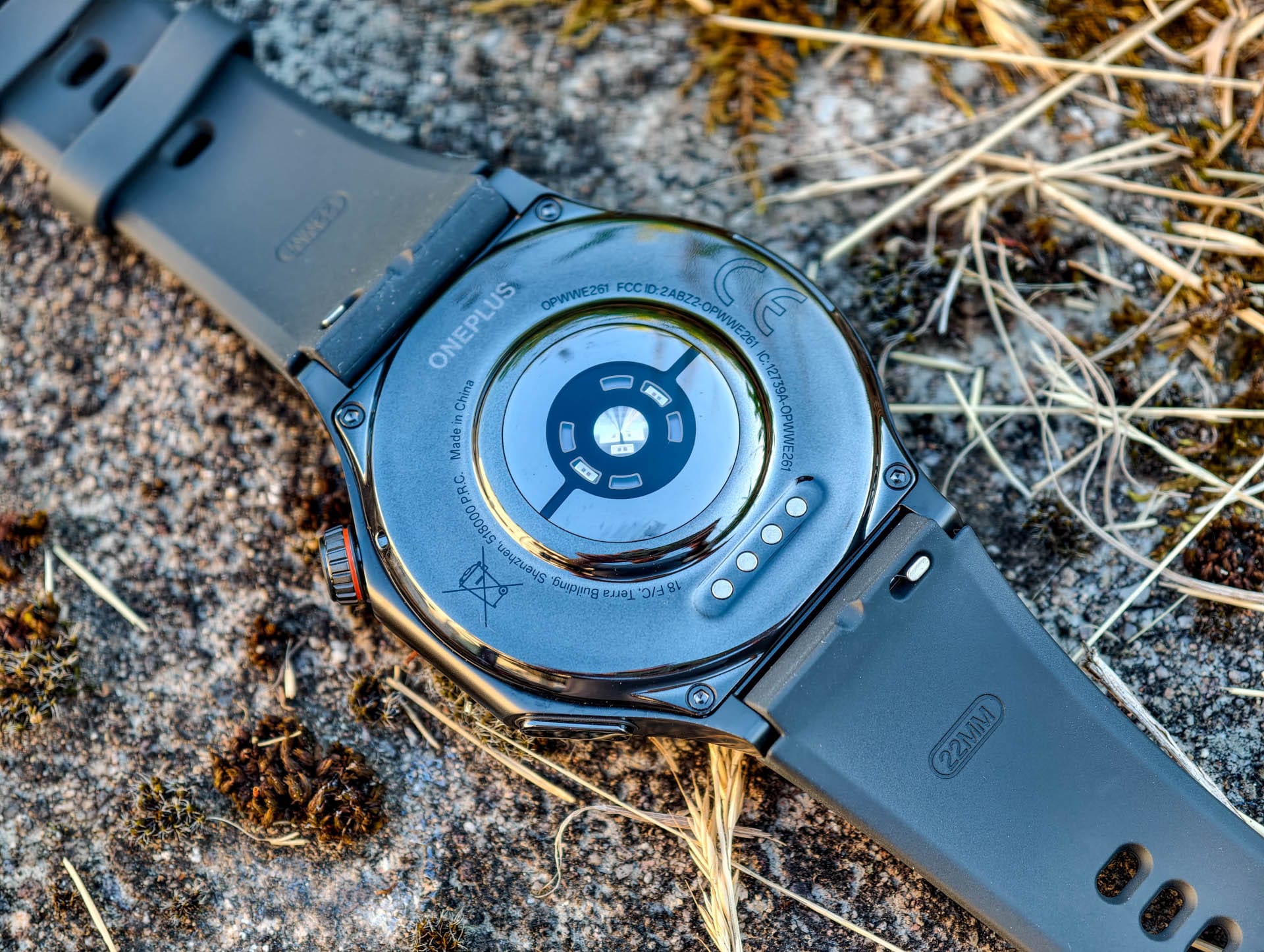
The OnePlus Watch 4 offers almost the full range of health features. In addition to continuously monitoring heart rate, blood oxygen and wrist temperature, the smartwatch also supports ECG measurements. This is complemented by the so-called “60-second wellness overview”, which collects various health metrics within a minute and presents them in a clear summary. The sensors include a heart rate and SpO2 sensor, as well as a temperature, accelerometer, gyroscope, barometer and ambient light sensor.
The OnePlus Watch 4 also offers a wide range of sports features. More than 100 sports modes are available, including dedicated analyses for activities such as running, tennis, badminton, swimming and skiing. Runners in particular benefit from advanced training metrics such as cadence, ground contact time, vertical movement and running power, which provide much deeper insight into their performance than conventional fitness trackers.
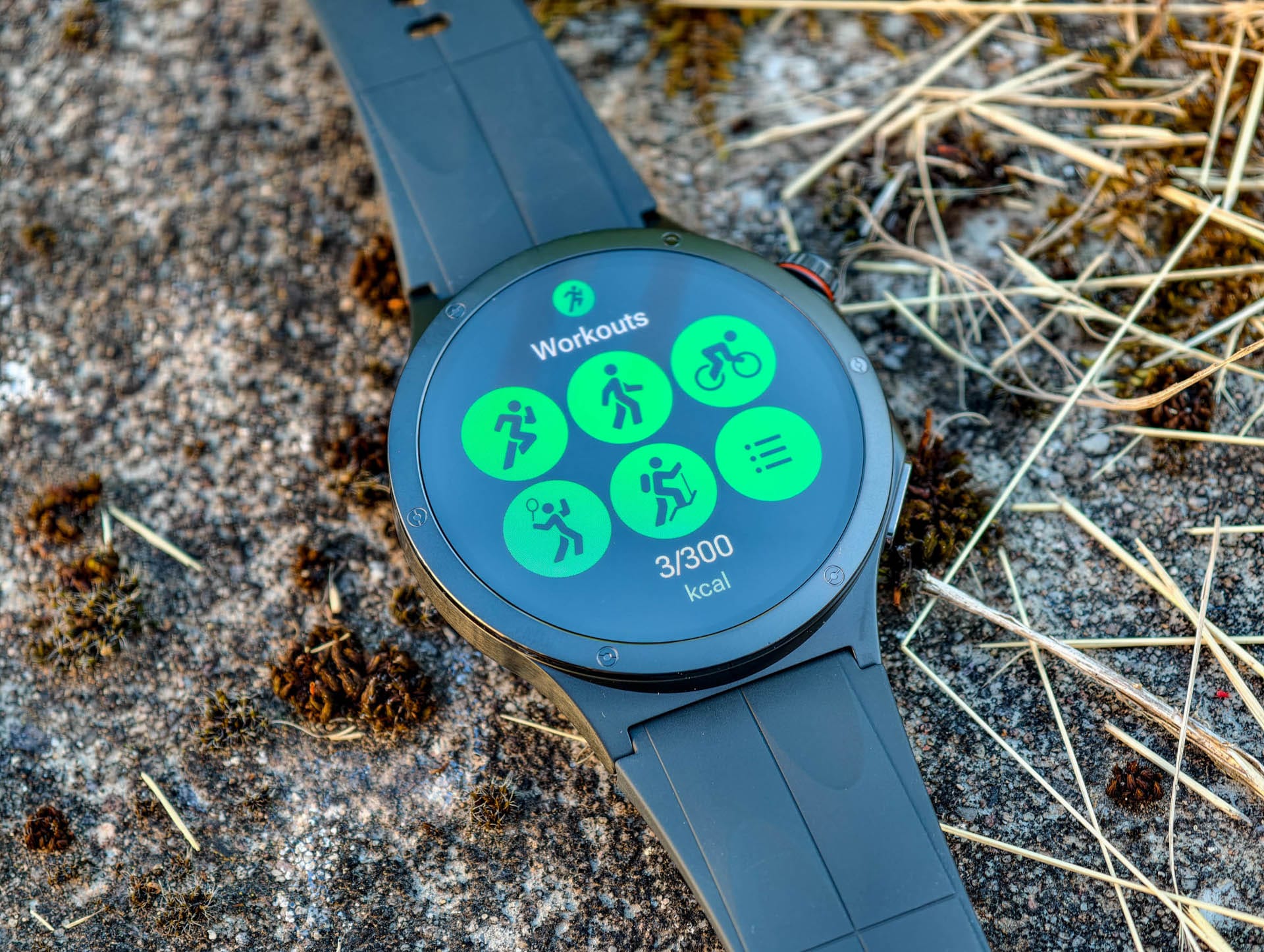
Nevertheless, the OnePlus Watch 4 remains primarily a smartwatch and not a dedicated sports watch. Compared with models from Garmin, Coros or Polar, its workout and recovery analyses are less comprehensive. Features such as native GPX navigation, offline maps and particularly in-depth workout planning are also nowhere to be found.
Overall, positioning via dual-band GPS is reliable, although the recorded routes can occasionally show minor deviations. Most specialist sports watches are more accurate in this respect. However, the accuracy is perfectly adequate for everyday runs, cycling trips or hikes. The Watch 4 does not offer much that is new compared with the OnePlus Watch 3 in this area, either.
Battery life: Still one of its greatest strengths
Battery life was already one of the greatest strengths of the OnePlus Watch 2 and OnePlus Watch 3, and nothing changes with the Watch 4. Once again, this is thanks to the combination of the Snapdragon W5 and BES2800 chips, which switches between smartwatch operation and particularly energy-efficient background processes depending on usage.
According to the manufacturer, up to five days of battery life in Smart Mode or up to 16 days in Power Saver mode are possible. These figures are almost exactly the same as those of the OnePlus Watch 3.
In our test, three to four days of battery life were easily achievable with the always-on display enabled, continuous health monitoring and several recorded workouts per week. Both the Google Pixel Watch 4 and many Galaxy Watch models usually need to be recharged after just one or two days.
If the battery does run out, the smartwatch can be fully recharged in around 50 minutes. Thanks to fast charging, just a few minutes on the charging puck provide enough power for another day.
Our verdict
The OnePlus Watch 4 is one of the better Wear OS smartwatches currently available. It impresses with good build quality, long battery life, a strong display and well-executed integration of Google’s services.
However, anyone looking for a dedicated fitness or sports watch will still find more extensive training and navigation features at Garmin, Coros or Polar. The OnePlus Watch 4 is primarily intended as a smartwatch for everyday use, with useful fitness and health features that complement its offering but are not its main focus.
At the same time, the generational leap is surprisingly small. Compared with the OnePlus Watch 3, the Watch 4 offers barely perceptible improvements. The new titanium case and a few detailed refinements are welcome, but fundamentally change little about the watch. It is also a shame that OnePlus continues to omit an LTE or eSIM version. This would have been a long-overdue step, especially for a smartwatch intended to accompany you through everyday life as independently of your smartphone as possible.
Specifications
Display
- Display
- LTPO OLED
- Display size
- 1.50 inches
- Display resolution
- 466 x 466 pixels (310 PPI)
- Display brightness
- up to 3,000 cd/m²
- Screen protector
- Sapphire glass
Processor and memory
- CPU
- Qualcomm Snapdragon W5
- Co-processor
- BES2800
- RAM
- 2 GB
- Storage
- 32 GB
- Storage expansion
- No
Sensors
- Optical heart rate sensor
- Optical SpO₂ sensor
- Wrist temperature sensor
- Accelerometer
- Gyroscope
- Geomagnetic sensor
- Ambient light sensor
- Barometer
- ECG function
Connectivity
- Bluetooth
- 5.2
- Wi-Fi
- 2.4 GHz / 5 GHz
- NFC
- Yes (Google Wallet)
- GPS
- Yes (dual-band GNSS: GPS, GLONASS, Galileo, BeiDou, QZSS)
- eSIM / LTE
- No
- OS
- Wear OS 6 + OxygenOS Watch 8
- Voice assistant
- Google Gemini / Google Assistant
- Compatibility
- Android 9.0 or later
Battery
- Capacity
- 646 mAh
- Runtime
- up to 5 days (Smart mode), up to 16 days (Power-saving mode)
- Charging time
- approx. 50–75 minutes
Other
- Waterproof
- 5 ATM, IP68, IP69
- Military standard
- MIL-STD-810H
- Size
- 47.4 x 47.4 x 11.0 mm
- Weight
- 43 g (without strap), approx. 68 g (with strap)
- Strap width
- 22 mm
Price comparison
| Store | Price | Link |
|---|---|---|
| AliExpress | 235,36 € | Go to store |
Comments