Contents
OnePlus 5: Foreword
“Tetraphobia refers to the superstitious fear of the number 4, which is particularly widespread in East Asia and Southeast Asia.” - Wikipedia
This explains why OnePlus, based in China, did not opt for a OnePlus 4. After all, which manufacturer wants to launch a “unlucky smartphone” on the market? Since the OnePlus One, which was released in 2014 as a high-end smartphone for the small wallet and was widely praised as a “flagship killer”, much has changed. Other manufacturers, mostly from China, also want to attract customers with high-end hardware at bargain prices. However, with a sales price of around 500€, the OnePlus 5 is far removed from other budget devices with similar equipment (e.g. Xiaomi Mi6). The question you now have to ask is: Is it worth buying?
Design, build quality, and included accessories
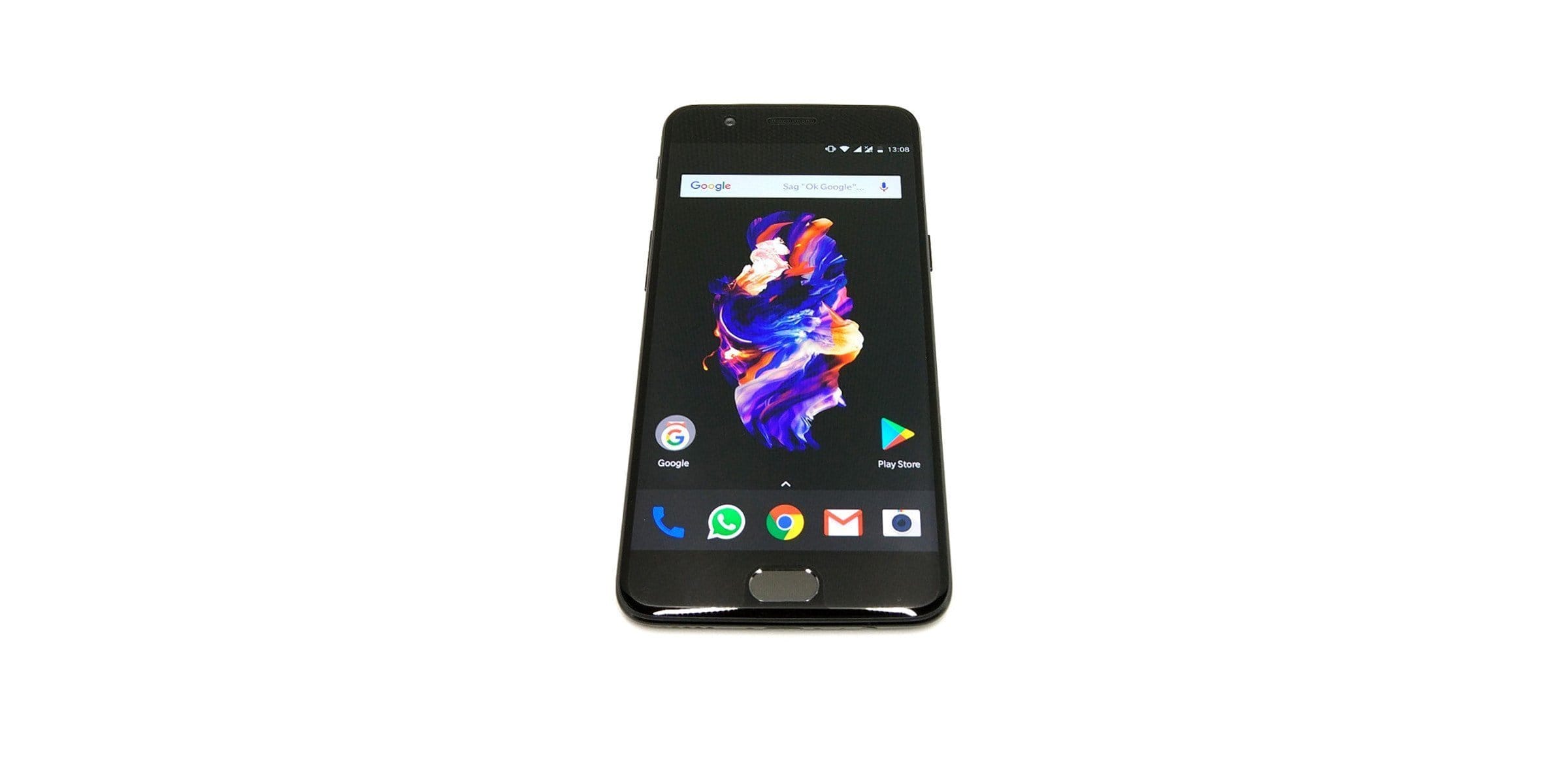
The design of the OnePlus 5 recalls a mix of the predecessor model "OnePlus 3T" and the current "iPhone 7 Plus". The front looks strikingly similar to the OnePlus 3T. The rear, however, features a distinctive main camera arranged identically to that of the iPhone 7 Plus. Available casing colours are "Slate Grey", "Midnight Black" and, more recently, "Soft Gold". In the so-called unibody design, the rear and frame are not separate and form a single unit. This means the battery cannot be replaced. At the same time, however, the smartphone is not water-resistant! The case material is aluminium, which allows the 154.2 x 74.1 x 7.25 mm smartphone to achieve a weight of just 153g. As a result, the device feels unexpectedly light in the hand. The rounded unibody casing also provides a pleasant tactile feel. A minor criticism is the slightly slippery rear surface, which also tends to attract fingerprints.
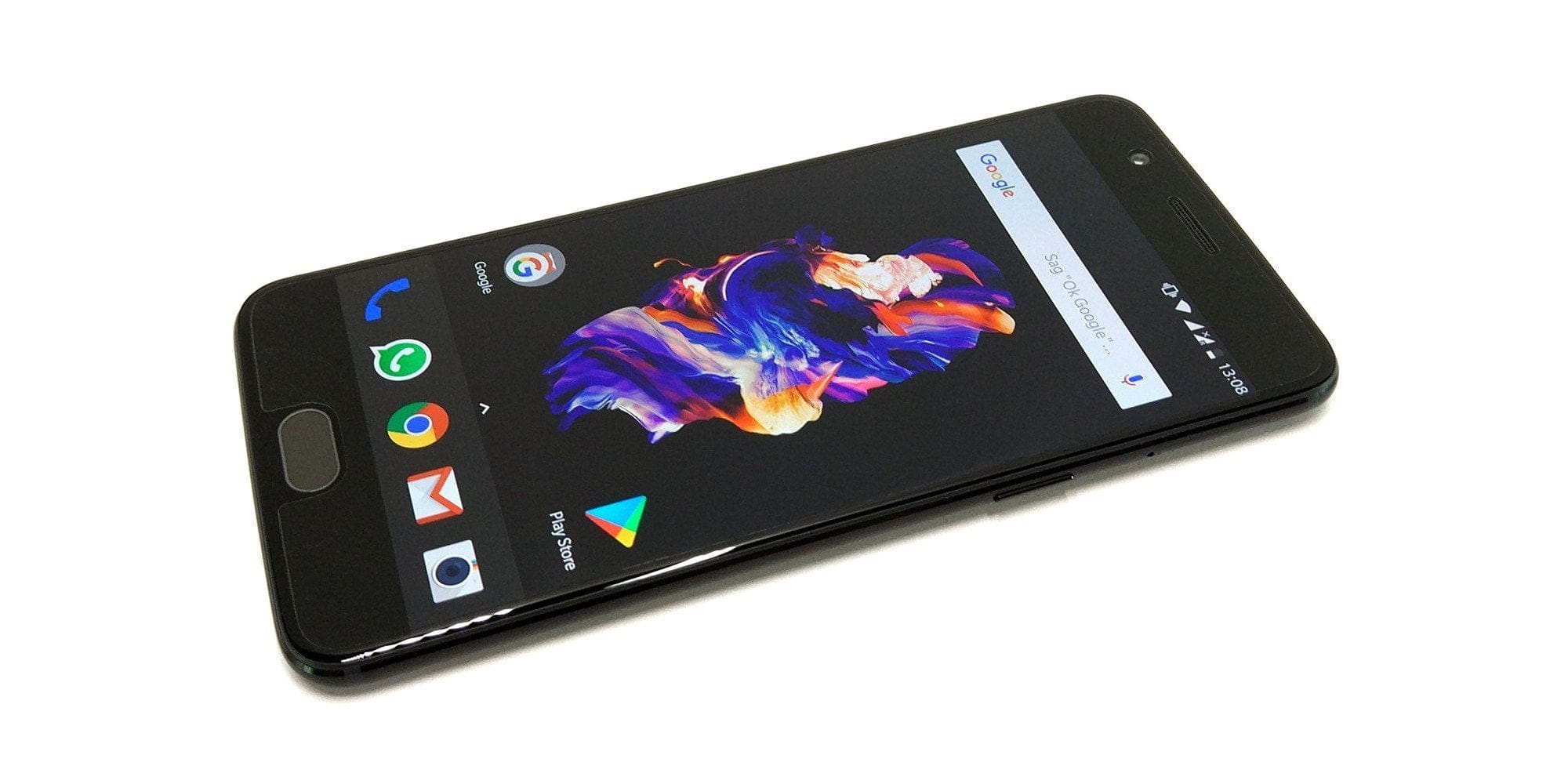
The build of the smartphone hardly differs from other devices. On the front, there is a 5.5-inch AMOLED display. Below it is a capacitive home button, which also includes a fingerprint scanner. To the left and right are two illuminated capacitive buttons. Above the display, in the center, is a relatively large earpiece; to its left is a proximity sensor and next to that a 16-megapixel front camera. A notification LED is located to the right of the earpiece.
On the left side of the chassis frame is the volume rocker. Above it is a slider that allows you to activate three different volume levels or a Do-Not-Disturb mode. The dual-SIM slot, which can hold two nano-SIM cards, and the power button are located on the right side of the chassis. The speaker, microphone, USB-C port and 3.5 mm audio jack are positioned on the bottom edge.
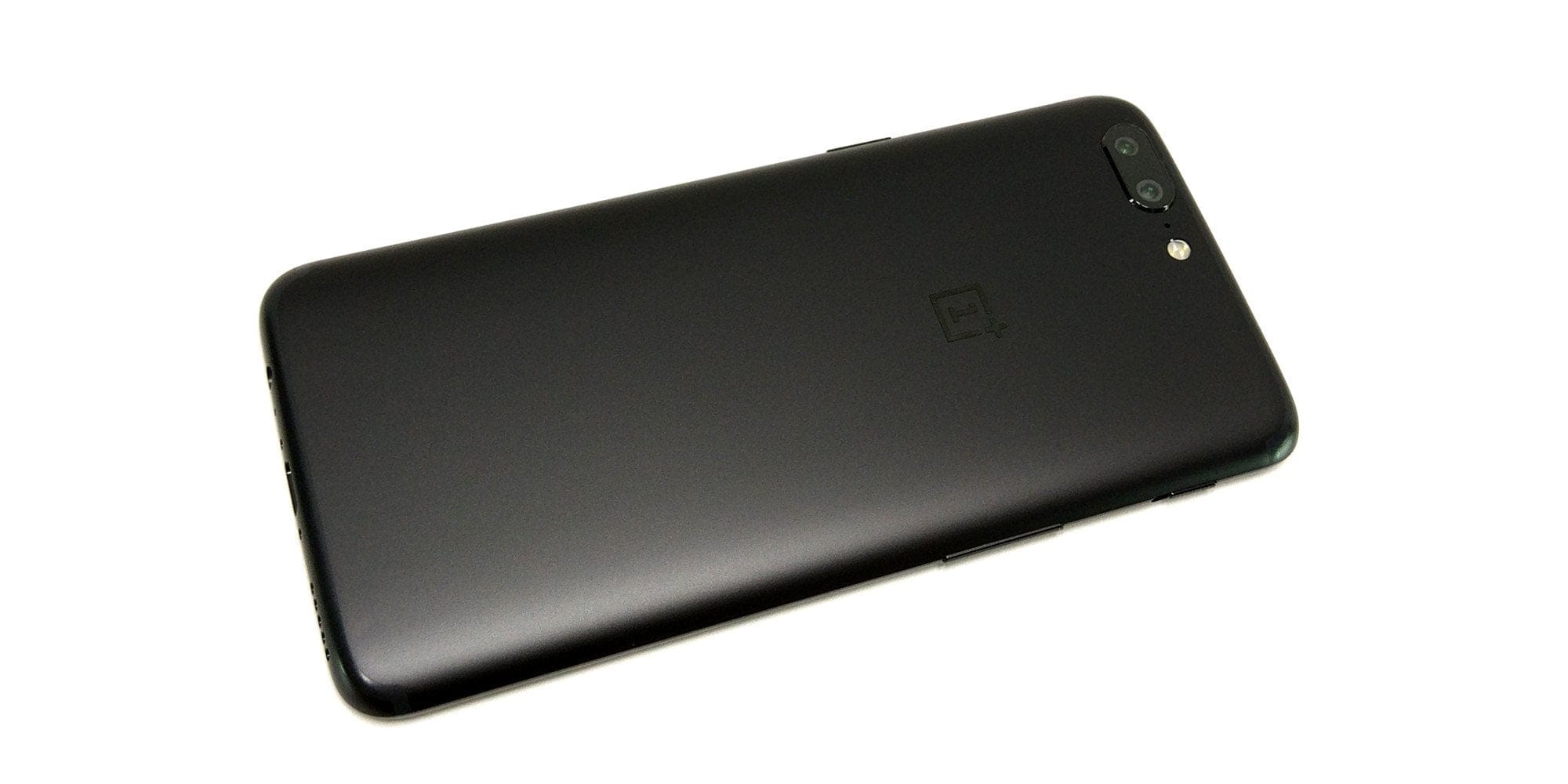
The back houses the dual main camera, which protrudes from the housing. A two-tone LED flash supports the main camera. The OnePlus logo is located in the upper third of the rear housing. As expected for a smartphone in the upper price segment, the build quality is impeccable.
The box contents include the OnePlus 5, a “Dash Charge” fast charger, a USB-C cable, a SIM ejector tool, and a user manual. A screen protector was already applied to the display. OnePlus does not include a matching protective case. Manufacturer accessories, such as various protective cases, can, however, be purchased separately.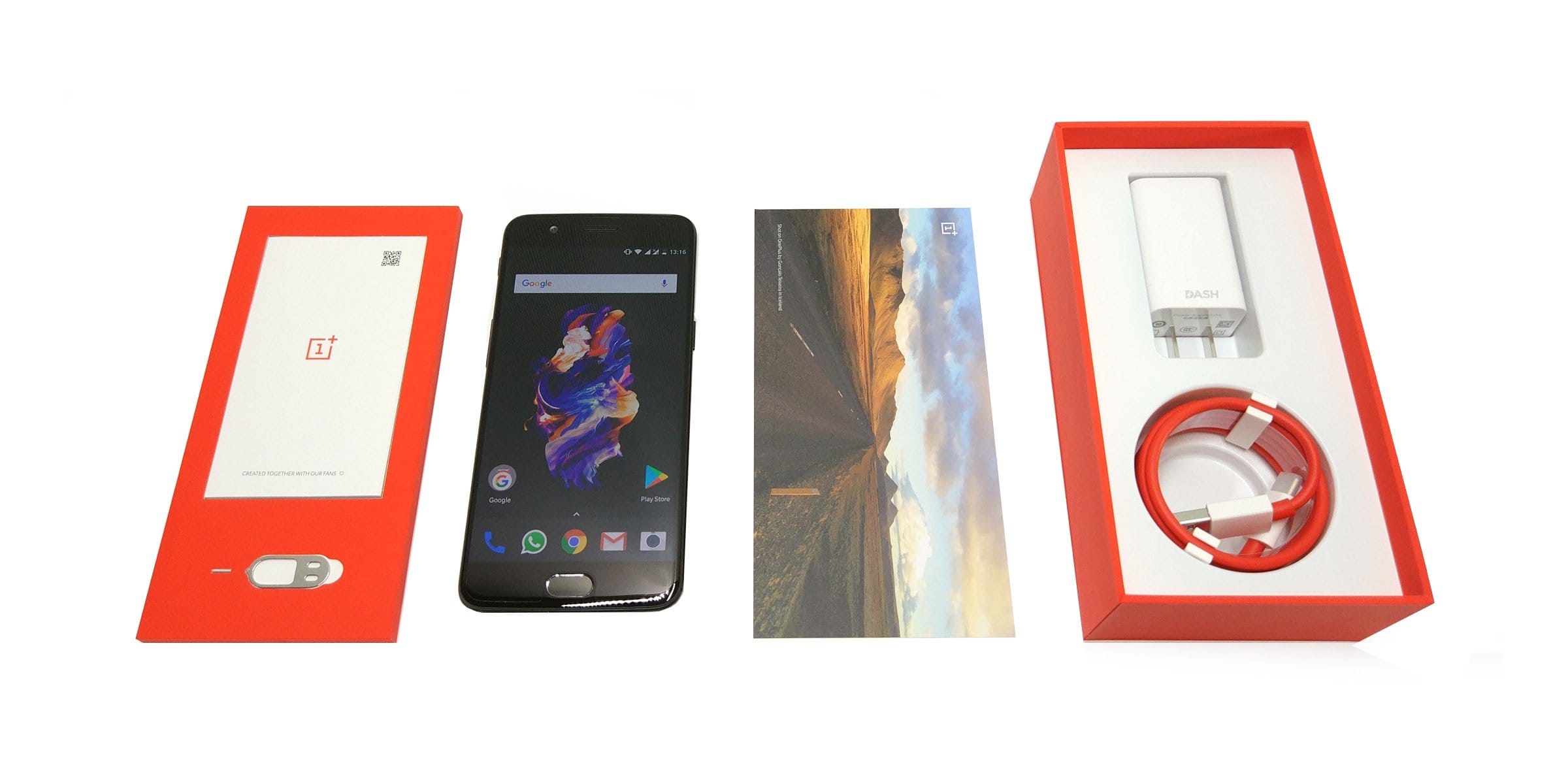
Display
The OnePlus 5 uses a display of the type "Optic AMOLED", which resolves at 1920 x 1080 pixels on a diagonal of 5.5 inches. The addition "Optic" is more appearance than substance and stands much more for a mere marketing addition, rather than this being a new technology. In contrast to a conventional AMOLED panel, the contrast and colour temperature have been adjusted on the "Optic AMOLED" via software by OnePlus, so that the display is comparable to a "Super AMOLED". Incidentally, the panel used (Samsung S6E3FA5) is the identical display panel already installed in the predecessor model "OnePlus 3T". The only novelty is the screen protector, which is now Corning Gorilla Glass 5.
Although the built-in panel does not represent the latest state of the art in 2017, it performs very well in practice. With a pixel density of 401 DPI, the display is razor-sharp. Colours are displayed very vividly due to AMOLED technology, which has no backlight and where each pixel lights up individually. At times the colours appear so vibrant that they literally seem to glow and deviate from natural colour reproduction. Whether one prefers the rich colour reproduction of AMOLED over the usually natural colour rendering of an IPS panel is a matter of taste.
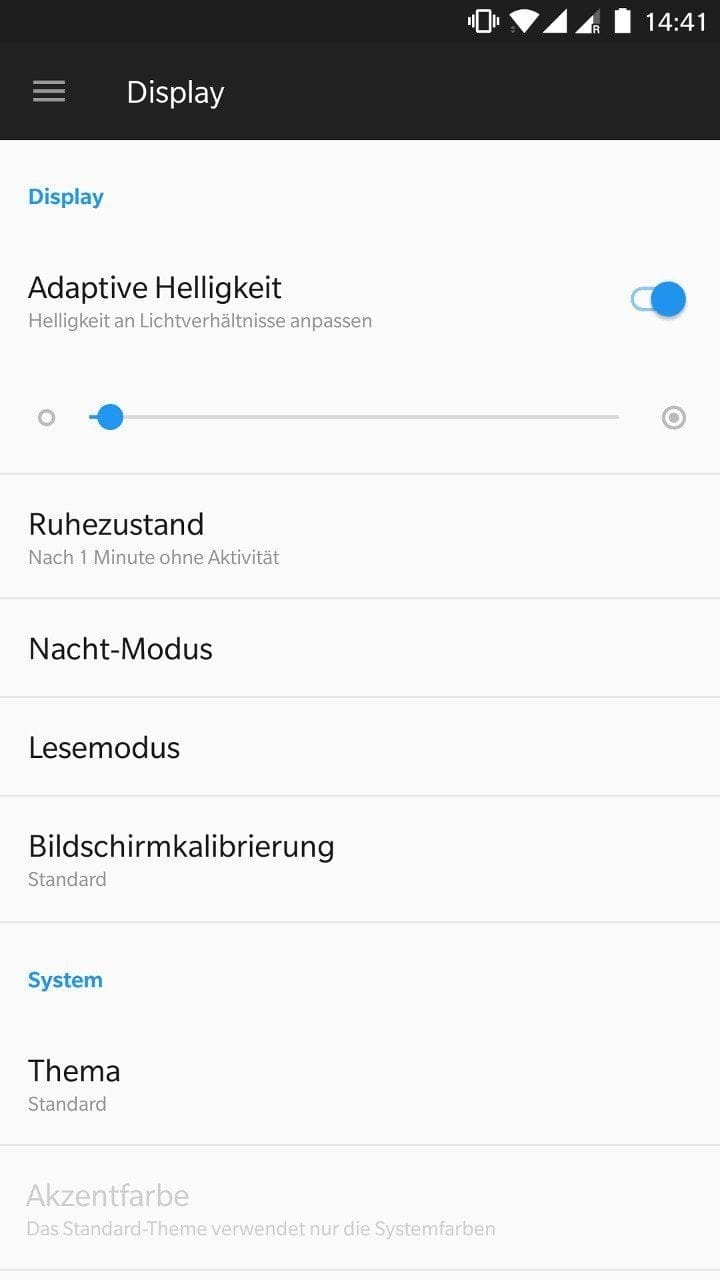

An advantage of the AMOLED display is the excellent contrast ratio, where black is truly black. Pixels that are not needed simply remain switched off. The maximum display brightness is sufficient to read the display reasonably well outdoors and in sunshine. Compared with a Xiaomi Mi6, however, the brightness of the OnePlus 5 display lags slightly behind. The excellent viewing angle stability also proved convincing in testing. No matter how you tilt the smartphone, the image remains unchanged. The touchscreen also works flawlessly, accurately recognising even 10 simultaneous inputs. However, the “jelly effect” is noticeable, causing screen content to appear compressed when scrolling. According to OnePlus, this is normal behaviour for the display. Whether this issue can be resolved with future firmware updates remains to be seen. Some users of the smartphone may indeed find the “jelly effect” distracting.
Within the Display settings, the OnePlus 5 offers various adjustment options for colour reproduction. Additionally, a Smart Wake function, as well as Night and Reading modes, are integrated. In Night mode, blue light, known to disrupt sleep, is filtered. In Reading mode, the display switches to black and white.
Performance
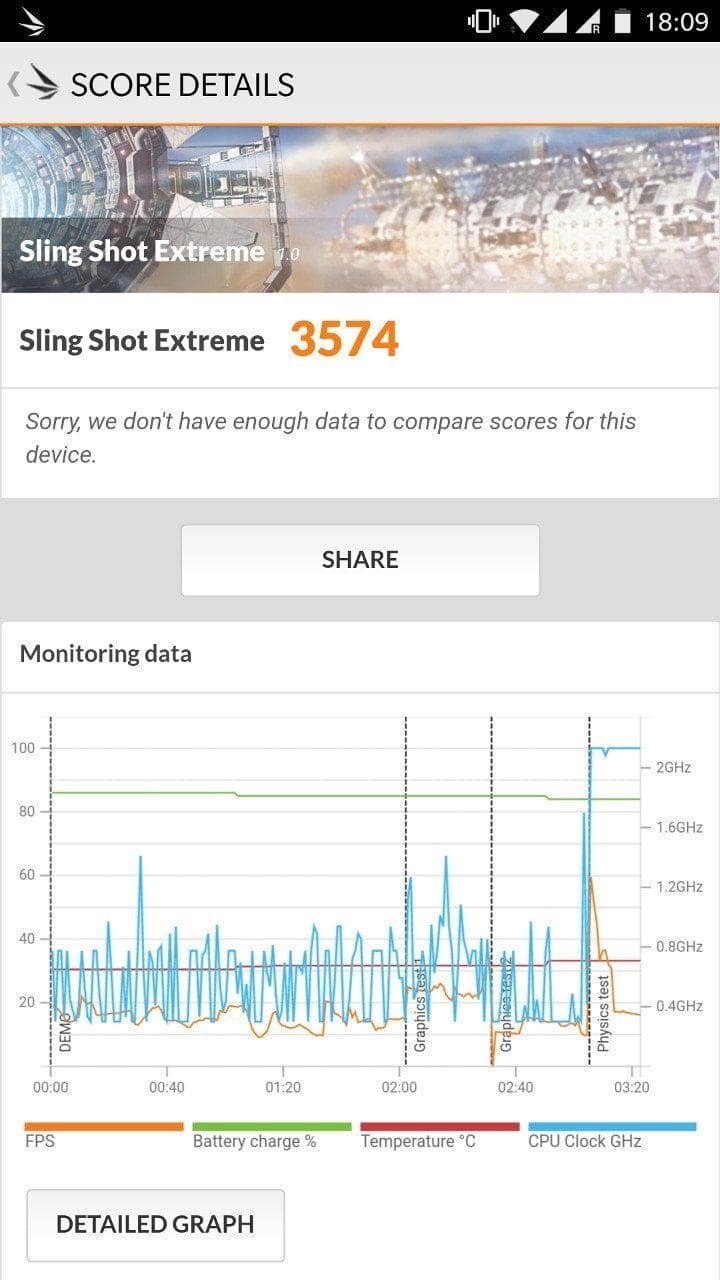
Under the hood, the new OnePlus flagship houses a Qualcomm Snapdragon 835, also found in current high-end models from other manufacturers. The processor has a total of 8 Kryo 280 processor cores, which are further divided into two clusters with 4 cores each. These clusters consist of one power-saving cluster, within which the cores clock at a maximum of 1.9 GHz, and one performance cluster, whose cores clock at up to 2.45 GHz. The memory configuration is also impressive. Depending on the model chosen, the smartphone features either 6GB or 8GB LPDDR4X RAM. The same applies to the internal storage, which is either 64GB or 128GB UFS2.1 storage depending on the model. Storage expansion via a Micro-SD card is not provided!
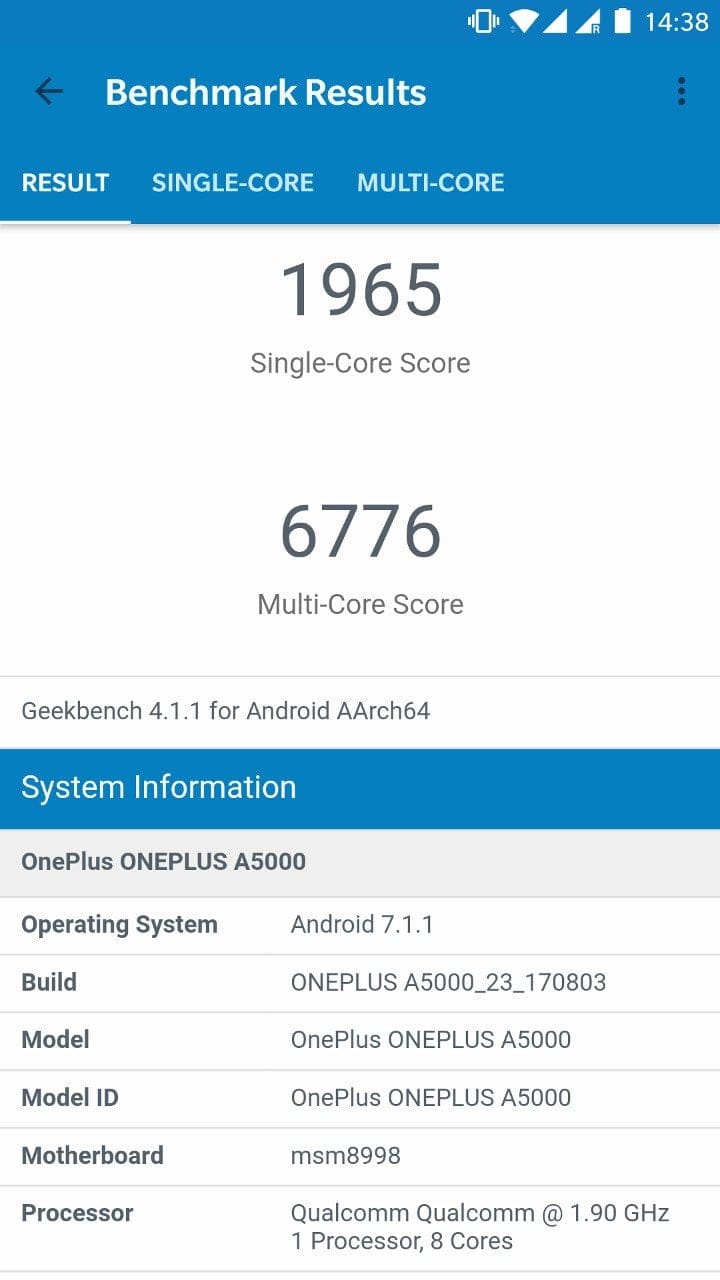
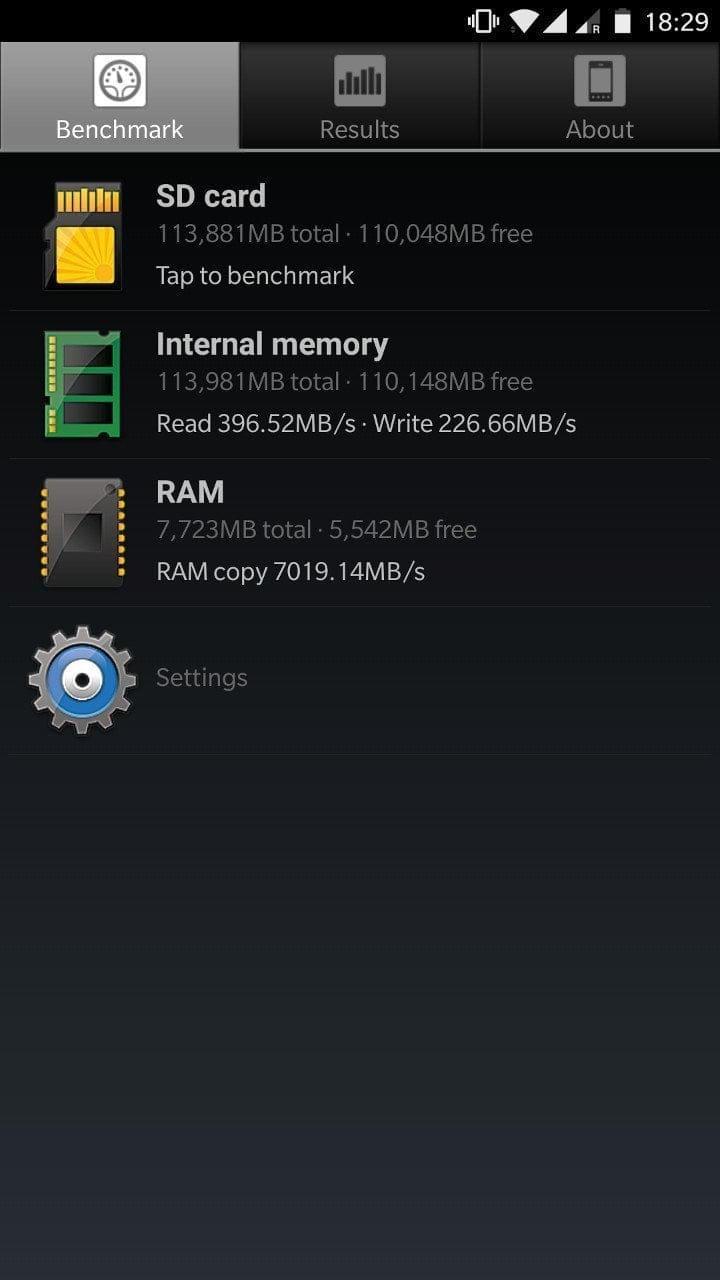
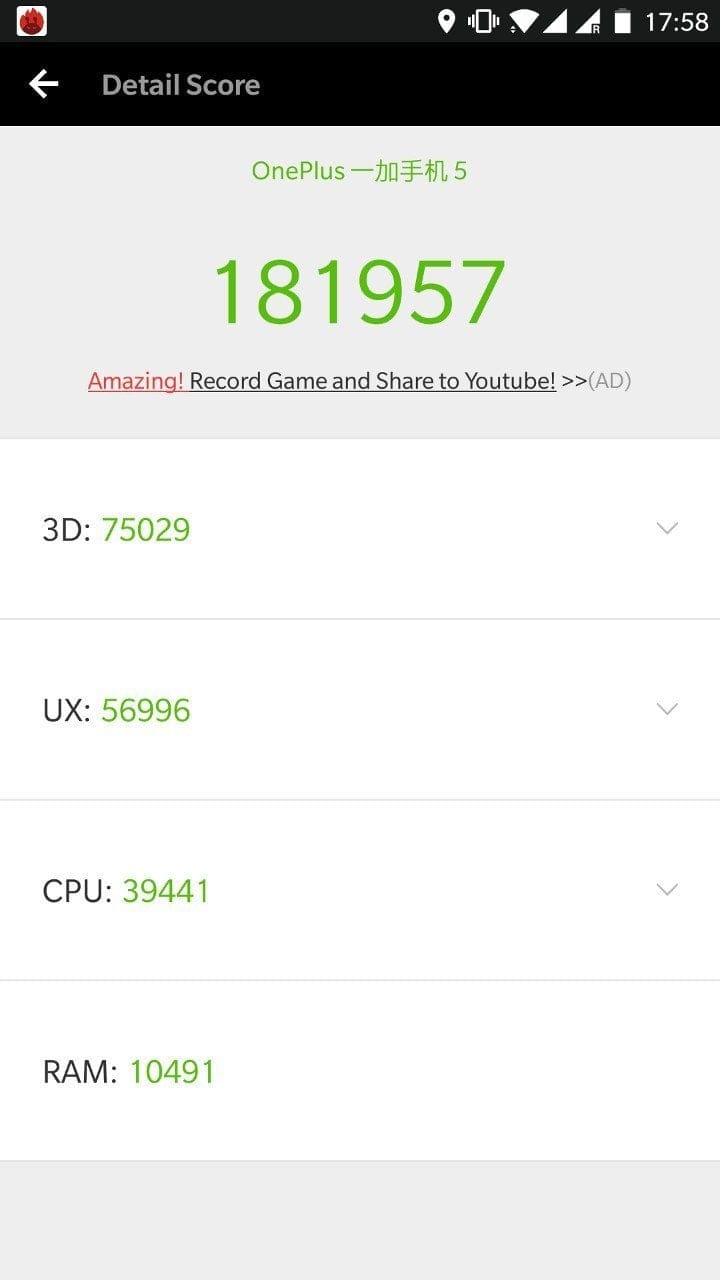
In everyday use, the OnePlus 5 convinces with its first-class performance. Load times when opening apps are short and there are no performance drops even during multitasking. The smartphone performs well in mobile gaming. Thanks to the Adreno 540 GPU, the device is capable of handling all currently available mobile games, so they are playable smoothly even on the highest settings. Unpleasant heat development does not occur even after longer gaming sessions.
User interface
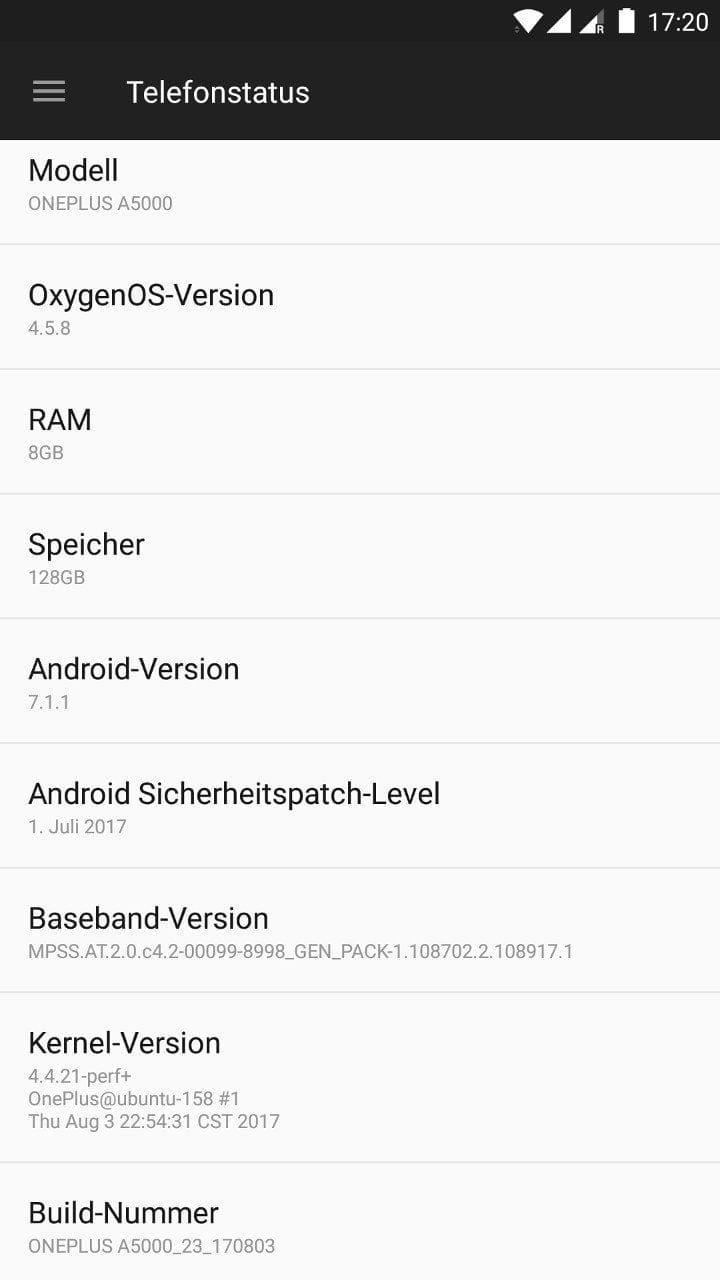
The operating system is OxygenOS, based on Android 7.1.1. Compared to user interfaces from other manufacturers, OxygenOS is exceptionally clean. There is virtually no bloatware on the system. Only a few manufacturer apps are pre-installed alongside the standard Google apps.
Visually, the user interface is only slightly modified. The settings menu is designed to be clear and all functions can be reached with just a few touches. Apps can be selected via the app drawer on the one hand, and apps can also be placed directly on the home screen and additional pages. In addition to the home screen, there is also a dedicated page for widgets, which can be accessed from the home screen by swiping left.

Camera
The OnePlus 5 is the first OnePlus smartphone to feature a dual main camera. The dual camera utilises a 16-megapixel Sony IMX 398 image sensor with an unspecified wide-angle lens, an f/1.7 aperture and Contrast Detection Autofocus (CDAF). The second image sensor is designated Sony IMX 350 and is a 20-megapixel telephoto sensor with 1.6x optical zoom, an f/2.6 aperture and Phase Detection Autofocus (PDAF).
The front camera uses a 16-megapixel Sony IMX 371 image sensor with an f/2.0 aperture and fixed focus.
Main camera
Although OnePlus highlighted the main camera primarily when announcing the smartphone, it is less convincing in practice. Especially in comparison to other flagship models in a similar price range, the main camera's image quality lags behind.
The shutter speed and auto-focus are beyond reproach, regardless of good or poor lighting conditions. There are, however, criticisms regarding overall capture quality. Taken images can be noticeably blurred, and zooming in reveals that the main camera struggles with detail, causing distant objects to appear mushy. With increasingly poor lighting conditions, noticeable image noise also becomes apparent. Colour reproduction is also a point of criticism. Colours are sometimes rendered too saturated, deviating from natural colour tones. The lossless optical zoom with a factor of 1.6 is upscaled to 2.0 via software.









Videos are recorded by the main camera at a maximum 4K resolution at 30 frames per second. At a 1080p resolution, 60 frames per second are even possible. For image stabilisation, OnePlus uses electronic image stabilisation rather than optical stabilisation, which is automatically active at every selectable resolution. To the disadvantage of gimbal users, the stabilisation function cannot be deactivated afterwards! The video recording quality is convincing and the EIS also delivers surprisingly good results. Focus and exposure can be controlled manually during an ongoing recording. The audio recording quality is also unobjectionable and meets expectations.
Front camera
The front camera is suitable for selfies. However, colours are sometimes rendered too saturated here as well. Sharpness and detail levels are decent in good lighting conditions. In poorer lighting, details are increasingly lost. Since the front camera does not have an LED flash, OnePlus uses the display as a flash, which lights up brightly for a brief moment. Videos are recorded at a maximum of 1080p at 30 frames per second.


Camera app
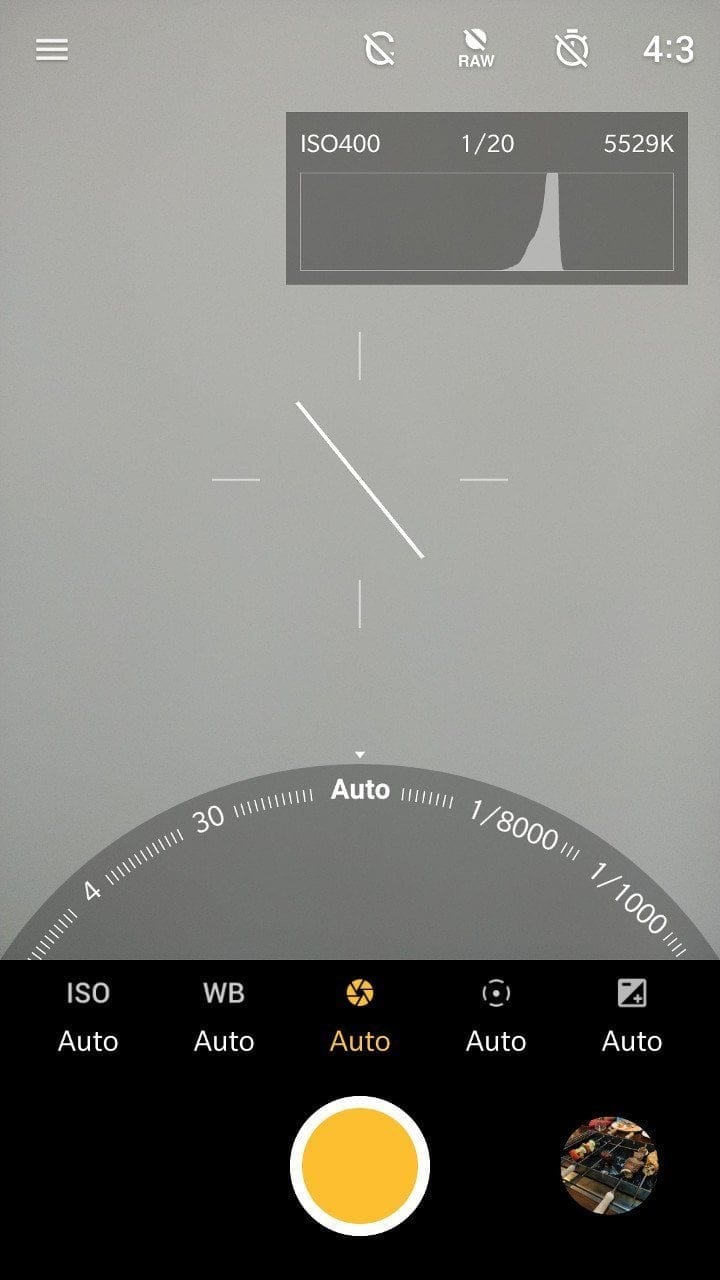
In addition to the conventional photo and video recording modes, the camera app also offers a Pro mode, which allows manual settings for ISO, white balance, shutter speed, focus and exposure value. Additionally, this mode allows images to be saved in the RAW format. The operation of the Pro mode is beginner-friendly.
Another photo mode is the panorama mode, whose algorithm creates almost seamless image transitions. Other video modes include the time-lapse mode, which saves recordings at a maximum resolution of 1080p, and the slow-motion mode, whose maximum resolution is 720p at 120 frames per second.
The special "bokeh effect", a depth effect where foreground objects are rendered particularly sharp and background objects blurred, must be selected separately. Compared to other smartphone models with similar functions, the OnePlus 5 offers no added value. The bokeh mode works, but upon closer inspection also exhibits some calculation errors, meaning that fine transitions and edges are not always accurately rendered with the depth effect.
Audio
The mono speaker of the OnePlus 5 delivers balanced sound. At maximum volume, the speaker is very loud but does not lose any audio quality. Unpleasant scratching or droning does not occur even with shrill songs. If you prefer to listen to music via headphones, the smartphone still has a 3.5 mm audio jack despite the USB-C standard. The sound quality via the audio jack is convincing due to very clear audio. In Bluetooth mode, you can optionally select the “aptX HD”, “aptX” and “SBC” audio codecs in the settings.
Connectivity
Mobile network
The OnePlus 5 was released in only one “Global Version” and is the dream of every globetrotter. It supports not only the frequencies common here, but also frequencies from Asia and America. For example, if you buy the smartphone in China, you get the same model as is sold here in Germany.
As a dual-SIM smartphone, two nano-SIM cards can be inserted into the SIM slot simultaneously. Reception quality in the mobile network is at flagship level. There were no connection impairments at any point when calling or surfing on the go. Whether using the earpiece or the speaker, the caller is heard clearly and distinctly. Background noise is very well filtered by the microphone.
Wi-Fi and Bluetooth
WiFi is supported with the Wi-Fi 802.11 a/b/g/n/ac protocols. Thus, the smartphone can be used on both the 2.4 GHz and 5 GHz networks. The reception quality is also convincing here with a constant and strong signal at good data throughput rates. Bluetooth is supported with version 5.0. Nothing negative was noticeable during the test.
GPS and sensors
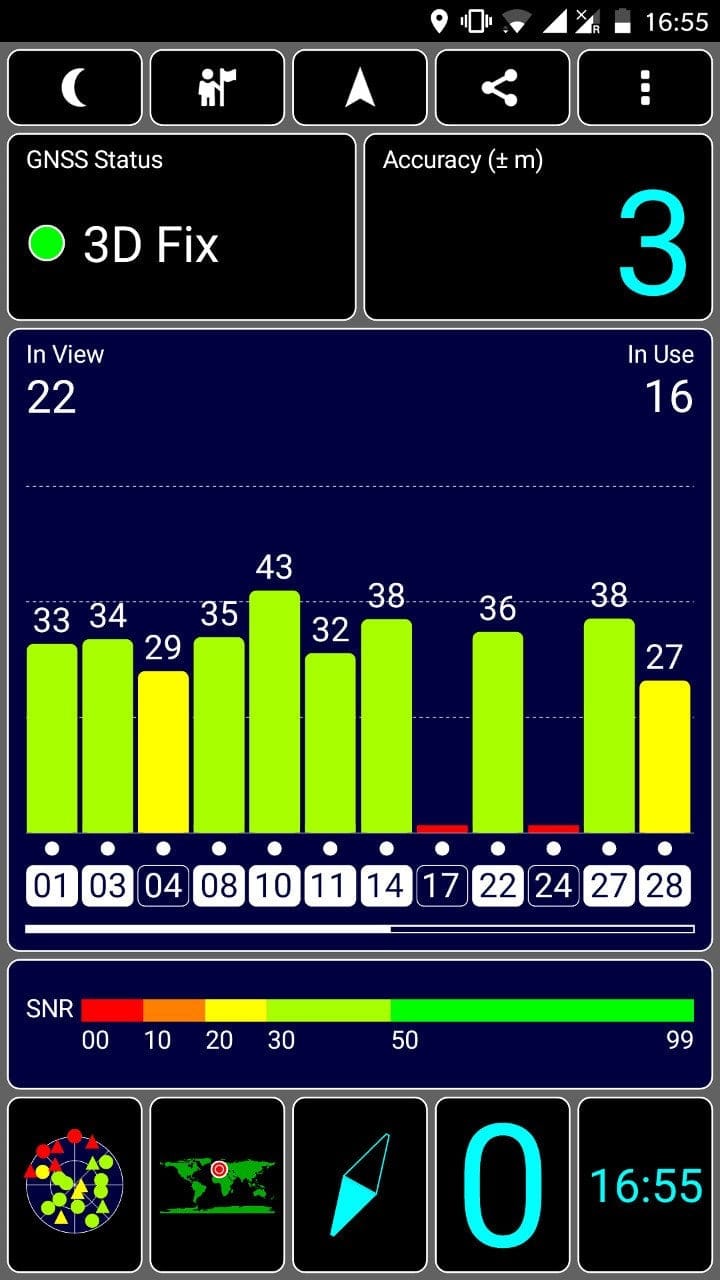
The GPS module obtains a GPS fix within seconds, both outdoors and indoors. Position determination is accurate to within a few meters. The smartphone provides a stable connection when navigating. No jumps occurred during position determination in the navigation test. Thanks to the additional electronic compass, the smartphone is also suitable for pedestrian navigation. Other satellite navigation systems supported include GLONASS, Beidou and Galileo.
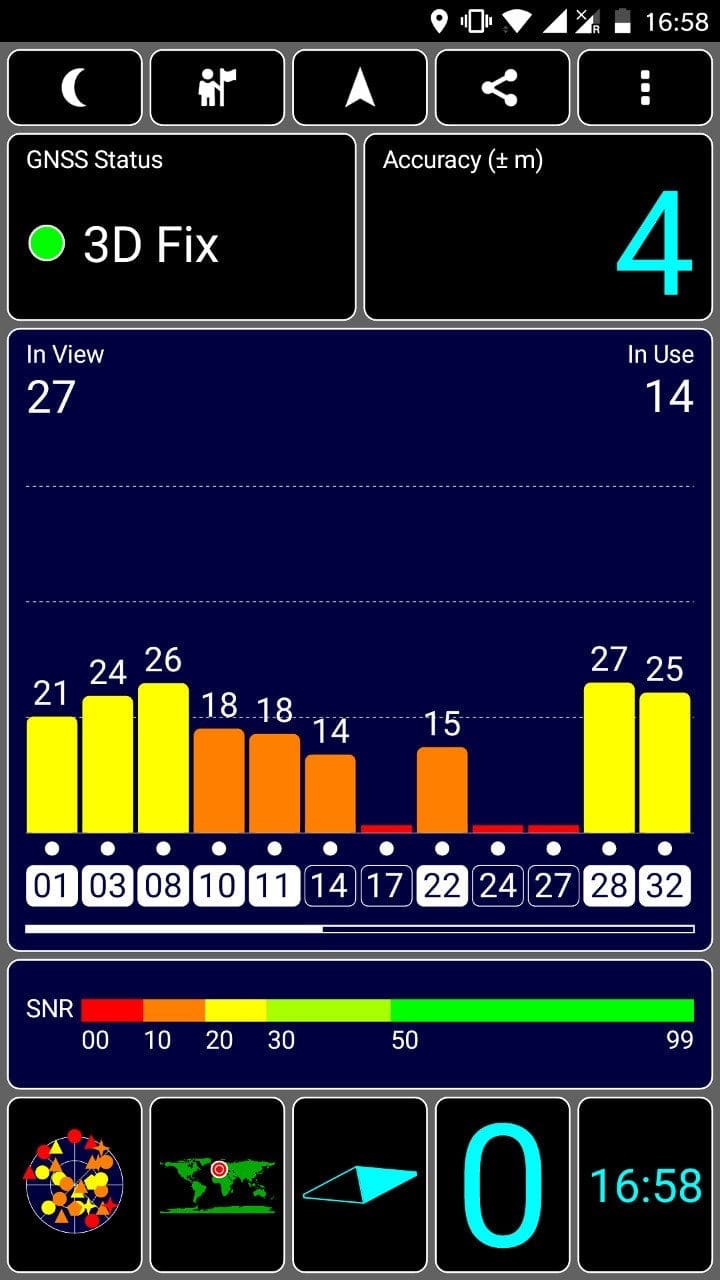
The sensor equipment consists of a well-functioning and fast fingerprint sensor, a Hall sensor, an accelerometer, a gyroscope, a proximity sensor, an RGB ambient light sensor and a sensor hub.
Battery
The battery has a capacity of 3,300 mAh. This puts the OnePlus 5 in the good middle range compared with similar devices. In everyday use, a single charge is sufficient to get through the day under normal usage. With moderate usage, two days on a single charge are even possible. Under load, however, the battery starts to struggle after an average of 4½ hours. The “Dash Charge” fast-charging feature proves to be highly efficient. It takes just 25 minutes to charge from 0 to 50%. After 50 minutes, the battery is 90% charged. The remaining 10% take the longest, at around 25 minutes. All in all, the battery is fully charged after 75 minutes.
Our verdict
It is beyond question that the OnePlus 5 remains a flagship smartphone. However, the OnePlus 5 is no longer a flagship killer, as was the manufacturer's first smartphone. Instead, the smartphone ranks directly alongside high-end smartphones from well-known manufacturers, such as Samsung or HTC.
Overall, the OnePlus 5 convinces with a compelling display, even though it is the display of the predecessor model, a performant processor that provides sufficient power for everyday use, and its extensive cellular network support. Less convincing was the main camera hyped at launch, which lags slightly behind the high-end models from other manufacturers in terms of recording quality. Battery life is also rather mediocre, although the battery is fully recharged in no time thanks to Dash Charge. Anyone who is not deterred by the significantly increased price of the OnePlus 5 compared to its predecessors will receive a quite solid overall package.
Specifications
Processor and memory
- CPU
- Qualcomm Snapdragon 835
- GPU
- Adreno 540
- RAM
- 6GB / 8GB LPDDR4X
- Internal storage
- 64GB UFS-2.1 2-lane
- Storage expansion
- No
Display
- Display type
- AMOLED
- Display size
- 5.5 inches
- Display resolution
- 1920 x 1080 pixels
Cameras
- Main camera
- 16 MP (Sony IMX398) + 20 MP (Sony IMX350)
- *Aperture
- f/1.7 + f/2.6
- *Fast-AF
- *Dual-LED flash
- Front camera
- 16MP (Sony IMX371)
- *Aperture
- f/2.0
- *AF
- *EIS
Wireless
- Wi-Fi
- 802.11 a/b/g/n/ac 2x2 MIMO
- Bluetooth
- 5.0
- GPS
- Yes
Mains
- FDD LTE
- Band 1/2/3/4/5/7/8/12/17/18/19/20/25/26/28/29/30/66
- TDD LTE
- Band 38/39/40/41
- TD-SCDMA
- Band 34/39
- UMTS(WCDMA)
- Band 1/2/4/5/8
- CDMA EVDO
- BC0
- GSM
- 850/900/1800/1900 MHz
Battery
- Battery
- 3,300 mAh
- Fast charging function
- Dash Charge
- Connection
- USB Type-C
Other
- Fingerprint scanner
- Yes
- Operating system
- (OxygenOS) Android N
- Size
- 152.7 x 74.7 x 7.25 mm
- Weight
- 153g
What’s included
1x OnePlus 5 1x Dash Charge charger 1x USB-C charging cable 1x SIM ejector tool 1x greeting card 1x user manual
Comments