Contents
First impressions of the Vernee Apollo
 Play video on YouTube
What’s included
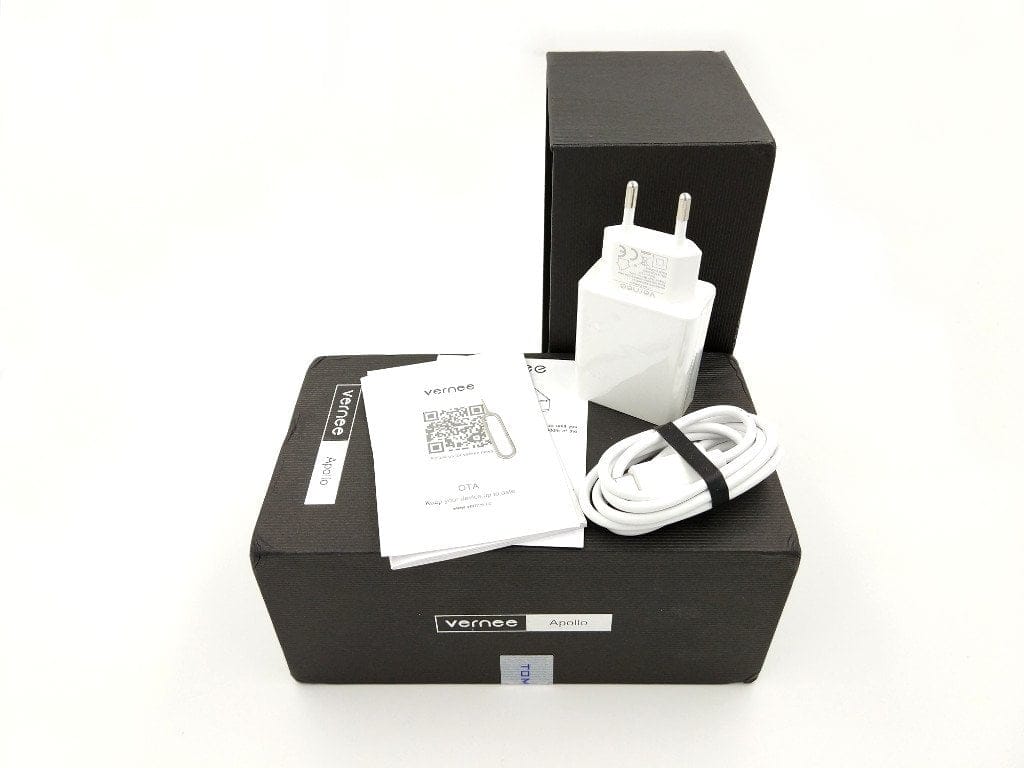
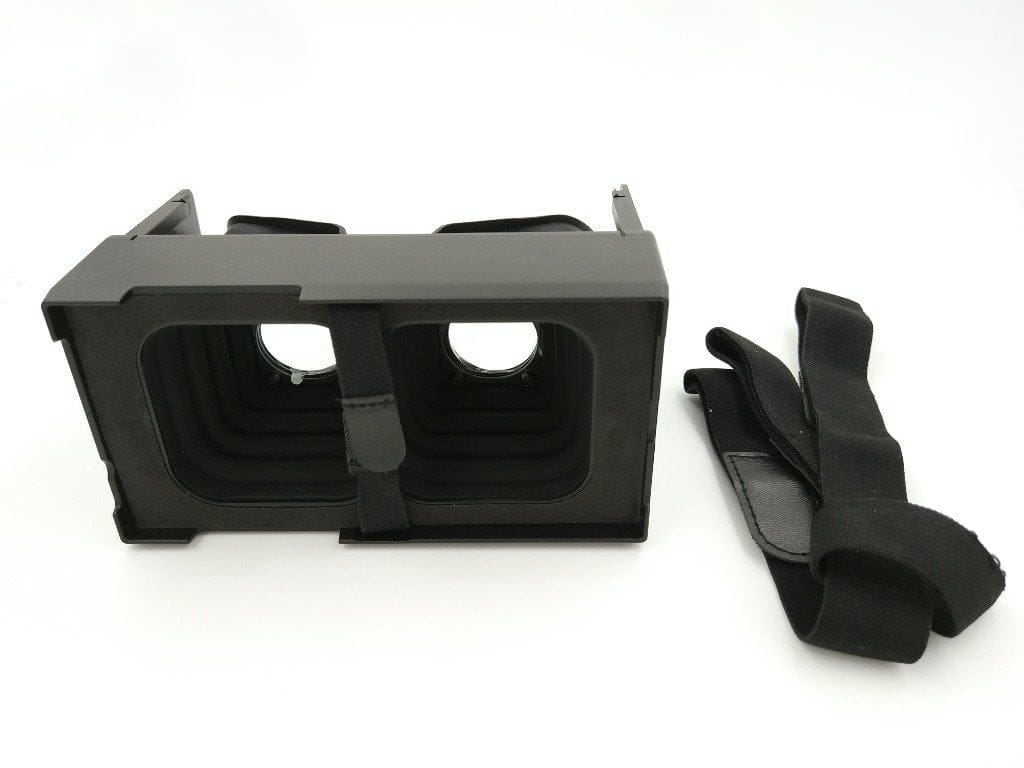
"Built for VR" – Vernee markets the Apollo smartphone with this slogan. Accordingly, the scope of delivery is extensive. In addition to the smartphone, it includes a virtual reality headset similar to a Google Cardboard. Unlike the Google cardboard headset, the Vernee VR headset is made of plastic. A USB Type-C cable, a "Pump Express" fast charger with EU plug, a SIM tool and a multilingual user manual are also included. A screen protector is pre-applied.
Design and build quality
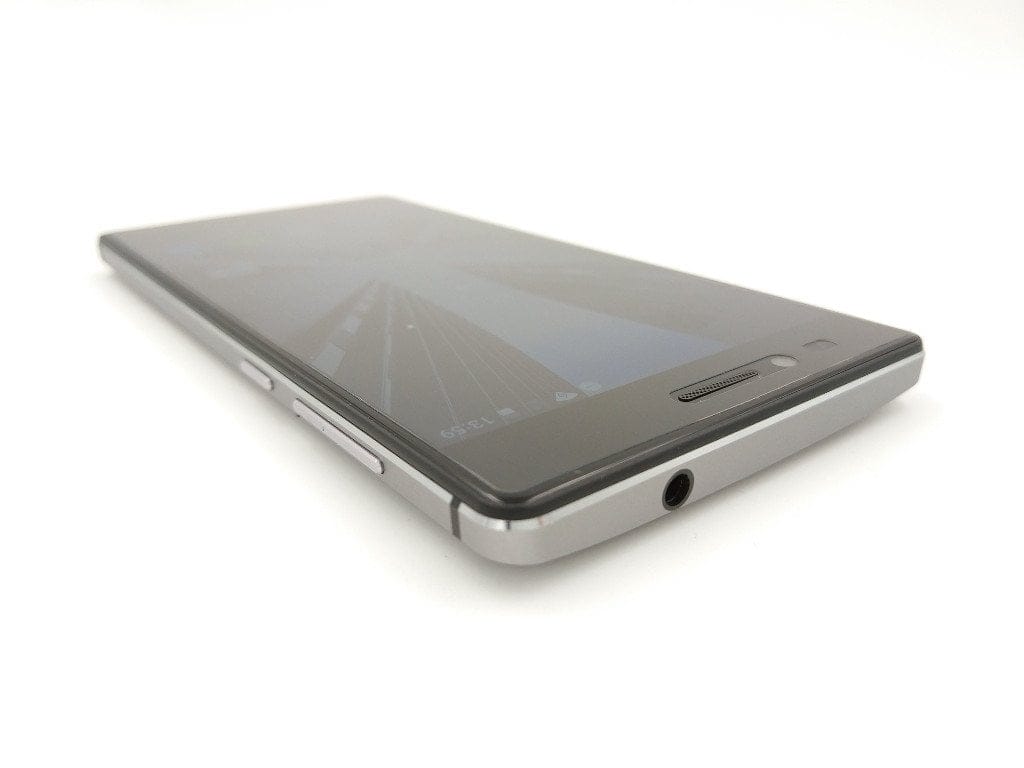
The design differs little from the smaller Vernee Apollo Lite and is somewhat reminiscent of a OnePlus 3 or 3T. The unibody housing continues to be made of brushed aluminium. There are visual changes to both the camera surround and the fingerprint scanner, which are no longer square but round. Due to the unibody design, the back is not removable, which means the battery cannot be replaced.
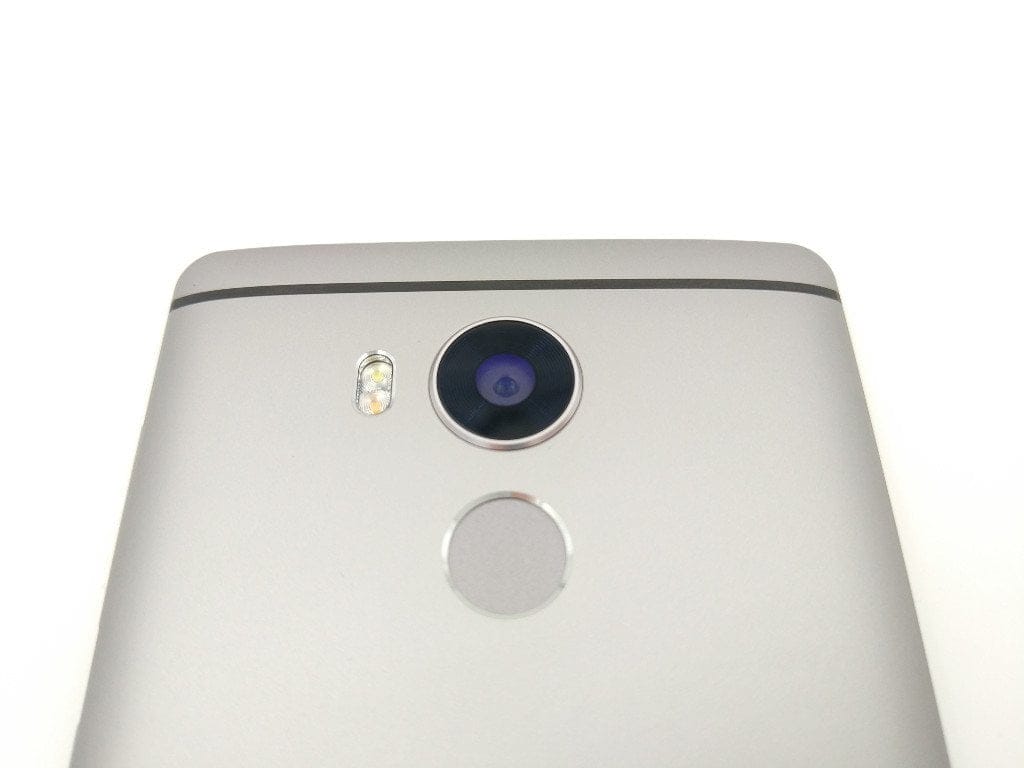
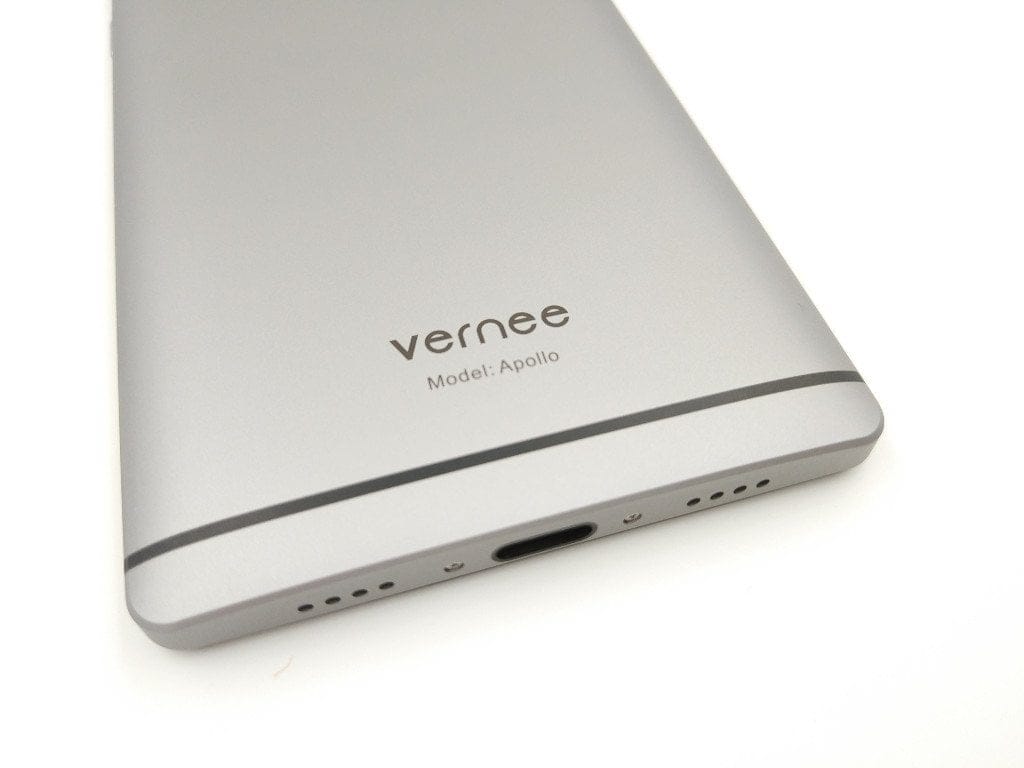
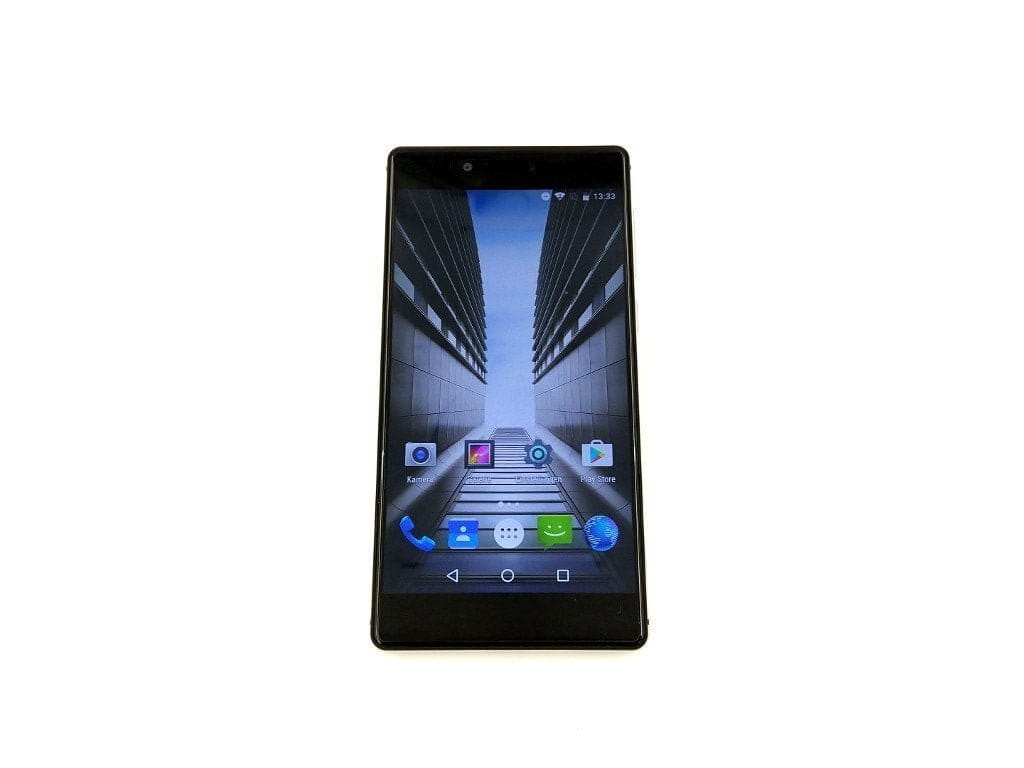
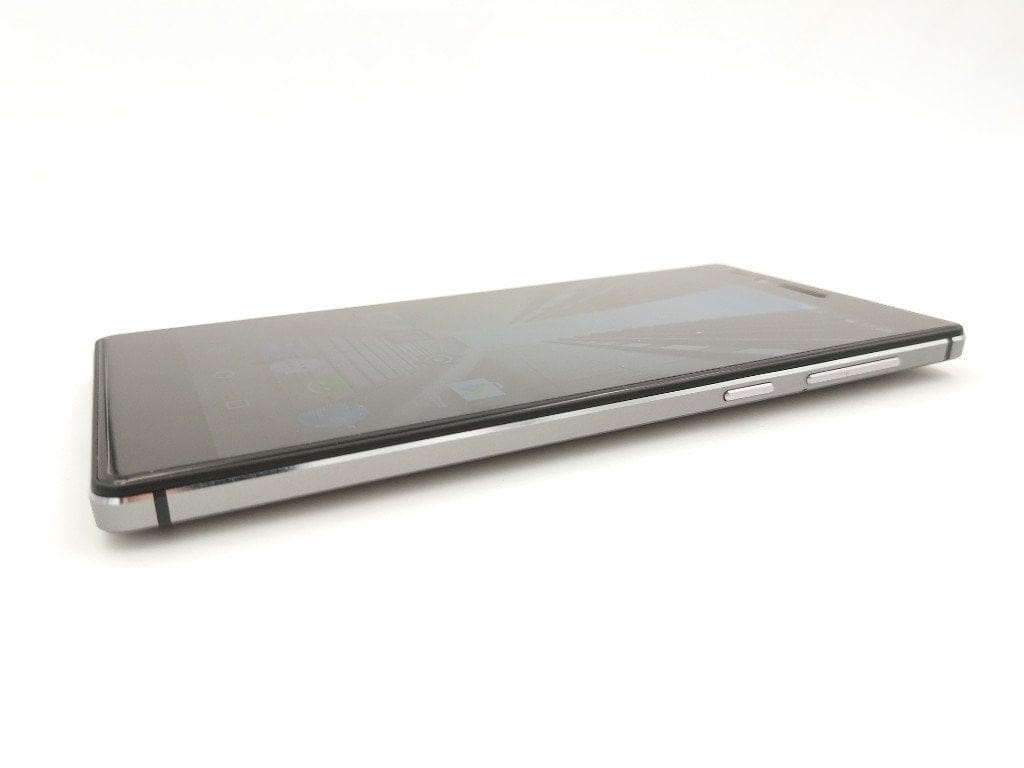
Vernee uses 2.5D curved glass for the display. This causes the edges of the display glass to round off, making the smartphone appear sleeker, especially visually. A notification LED is located above the display. It is not configurable and only lights up in red, green and blue. Capacitive navigation buttons below the display are absent. Vernee prefers virtual display buttons, even though there would have been enough space below the display. A shame - the empty black bar below the display remains, however, the only point of criticism regarding the rather good-looking Vernee Apollo.
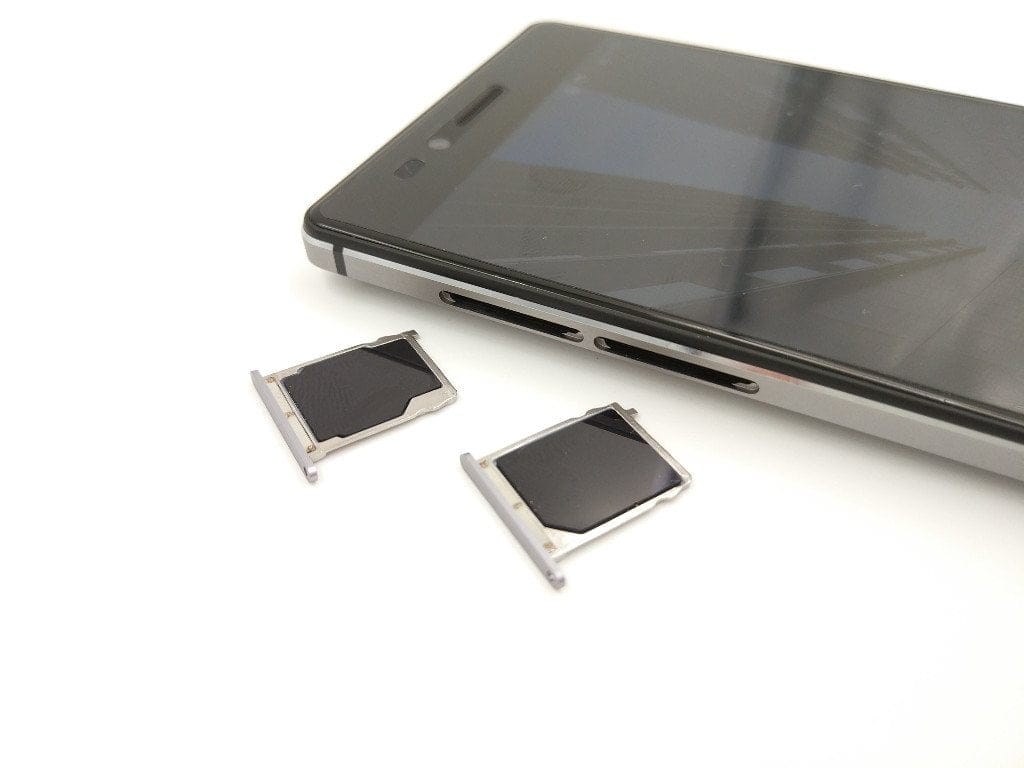
There is nothing to criticise about the build quality. The unibody metal casing is cleanly crafted. There are no unsightly or sharp edges. The same applies to the two SIM card slots. The side power button and the volume rocker, which are also made of metal, fit firmly into the casing. Even with quick movements, the buttons do not make any distracting rattling sounds. The pressure point of the buttons is not objectionable.
Display
As befits a VR smartphone, the Apollo uses a 2K OGS IPS panel. The term "OGS" stands for "One Glass Solution", meaning the display and touch panels are bonded together without a second glass layer. This allows smartphones to be produced thinner and lighter in particular.
With a screen diagonal of 5.5 inches and a resolution of 2560 x 1440 pixels, the Vernee Apollo achieves a pixel density of 534 DPI. There are virtually no advantages compared to a Full-HD panel. On the one hand, the smartphone is better suited for VR applications; on the other hand, the high resolution also increases energy consumption, leading to shorter battery life. Whether you are looking at a 2K or Full-HD panel, individual pixels are not discernible at a 5.5-inch screen size anyway.
The display impressed during a multi-week testing phase. Upon initial power-up, the display appeared cool and the colours looked somewhat pale. However, within the display settings there is “MiraVision”, which allows the colour temperature to be adjusted afterwards. The viewing angle stability is convincing. Even at extreme viewing angles, the display representation is not distorted. The maximum display brightness is also not an issue. The touchscreen recognises up to 5 simultaneous inputs. All inputs were precisely recognised during the test. So-called “ghost touches” were not noticeable. It is not known whether Vernee uses high-quality screen protector glass. The display glass sustained no scratches during daily use in a trouser pocket.
Virtual Reality
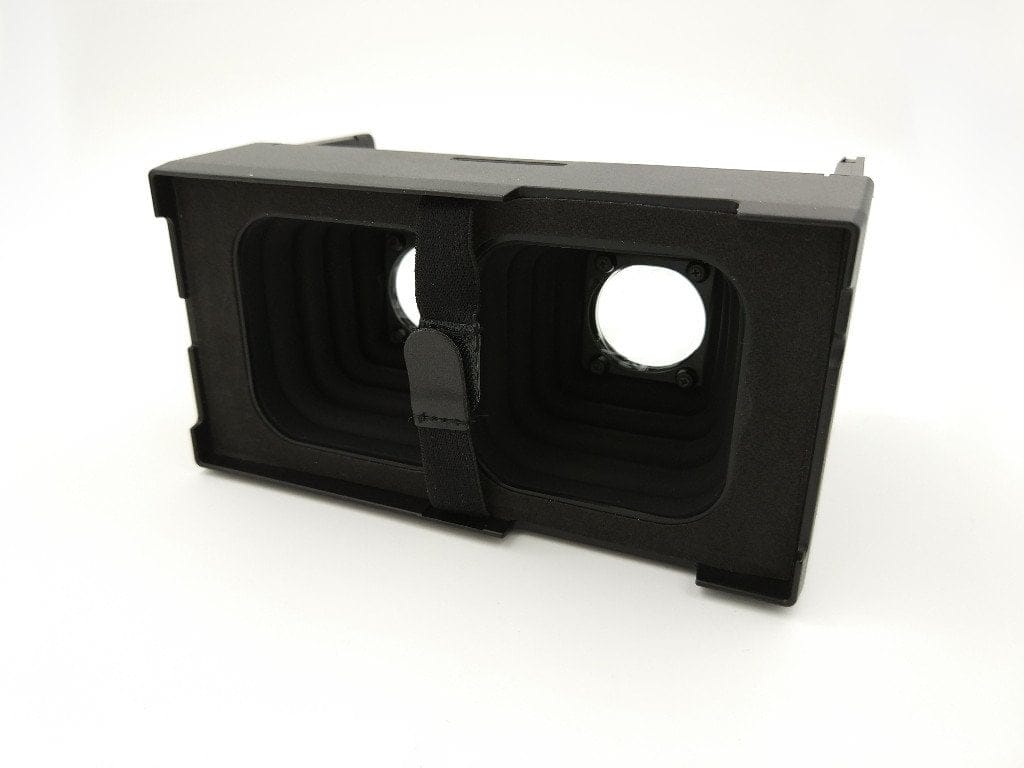
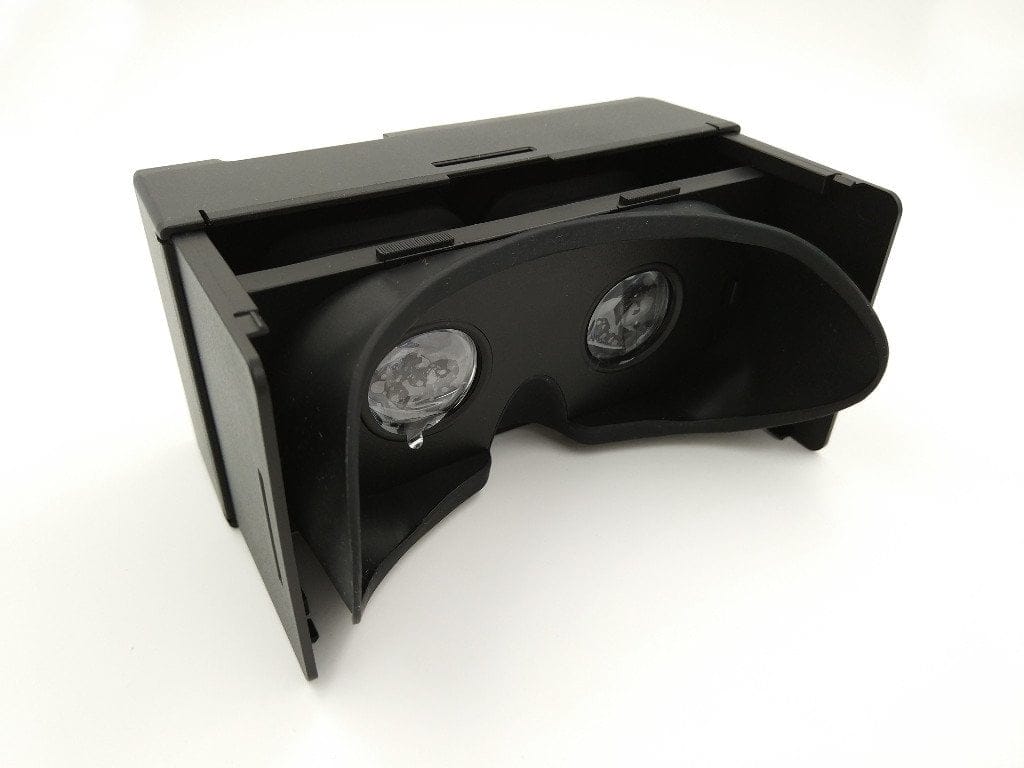
VR applications should be a key focus on this smartphone. The VR headset included in the delivery provides initial insights into Virtual Reality. The build quality is good and the wearing comfort is suitable. The interpupillary distance can even be adjusted individually, making the headset suitable for people with visual impairments. What the Vernee VR headset lacks, however, is a magnetic switch. Without a magnetic switch, for example, the Google Cardboard app cannot be controlled. A QR code to adjust the Cardboard app to the headset is also missing. However, the app and headset can be used easily with default settings.
In practice, virtual reality with the 2K display of the Vernee Apollo is a damn cool affair. The screen-door effect (see images), which usually detracts from the VR experience, is barely noticeable. However, the Apollo is not the best choice for VR. The smartphone is not compatible with Google Daydream!


Performance
Solid everyday performance is provided by the MediaTek Helio X25 processor combined with 4GB LPDDR3 RAM. The processor itself is based on the lower-clocked Helio X20 and offers a total of 10 processor cores, divided into 2 Cortex-A72 cores (2x2.5 GHz) and 8 Cortex-A53 cores (4x2.0 GHz and 4x 1.55 GHz). The GPU is a Mali-T880.
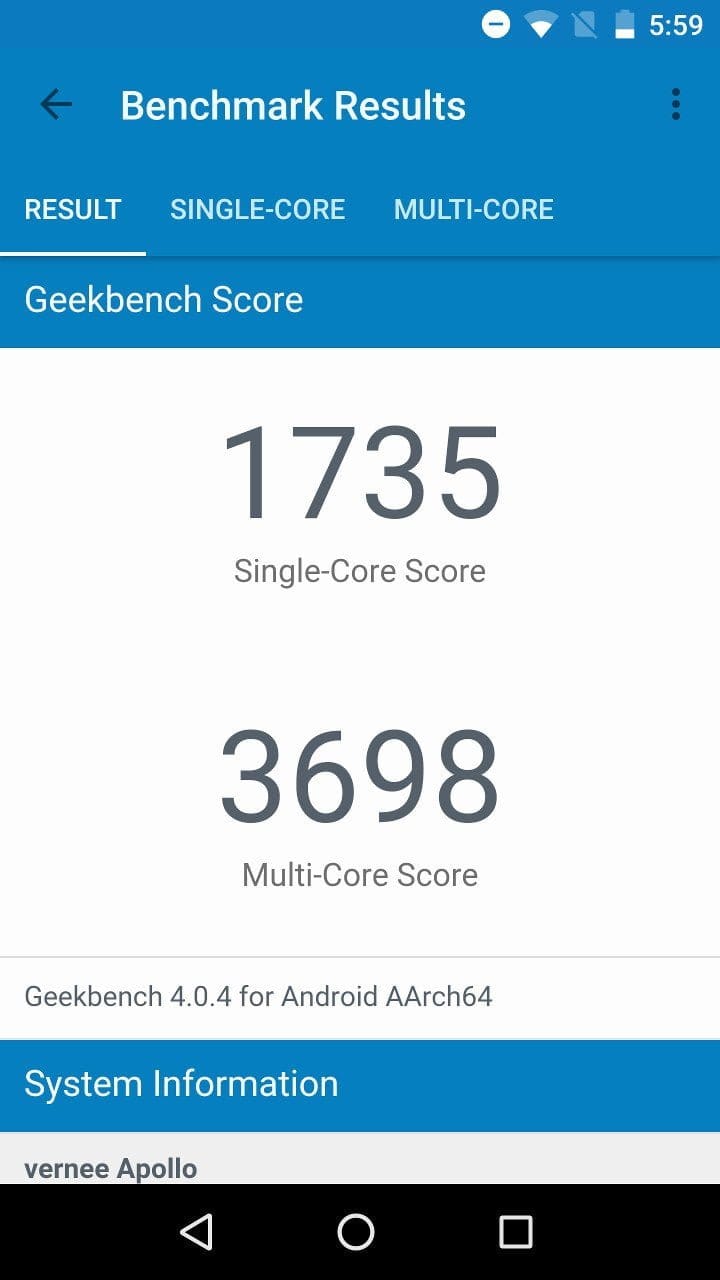
Apps launch without lag and the smartphone shows no weaknesses in multitasking either. However, there is still room for optimisation. Based on individual benchmark results that we conducted using AnTuTu and Geekbench 4, it is evident that Vernee has not yet utilised the full performance of the Helio X25. In AnTuTu, the processor usually reaches around 99,000 points. In our test, no more than 90,583 points were achieved.
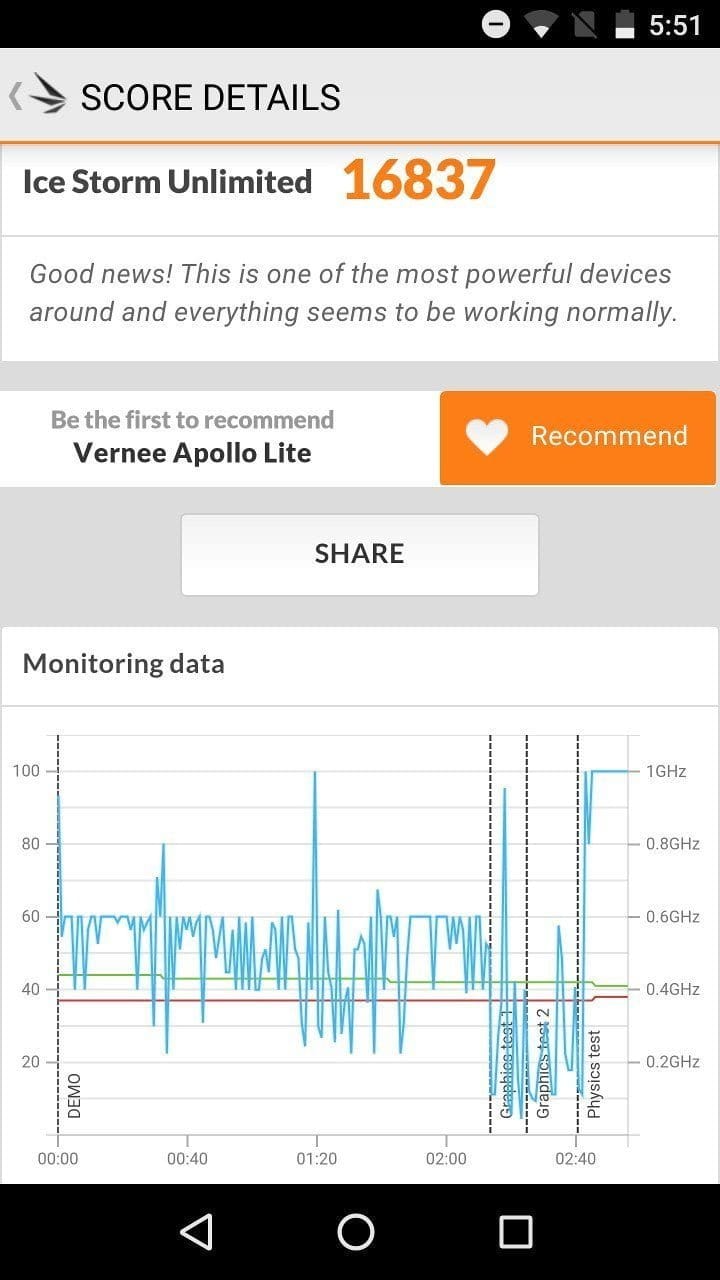
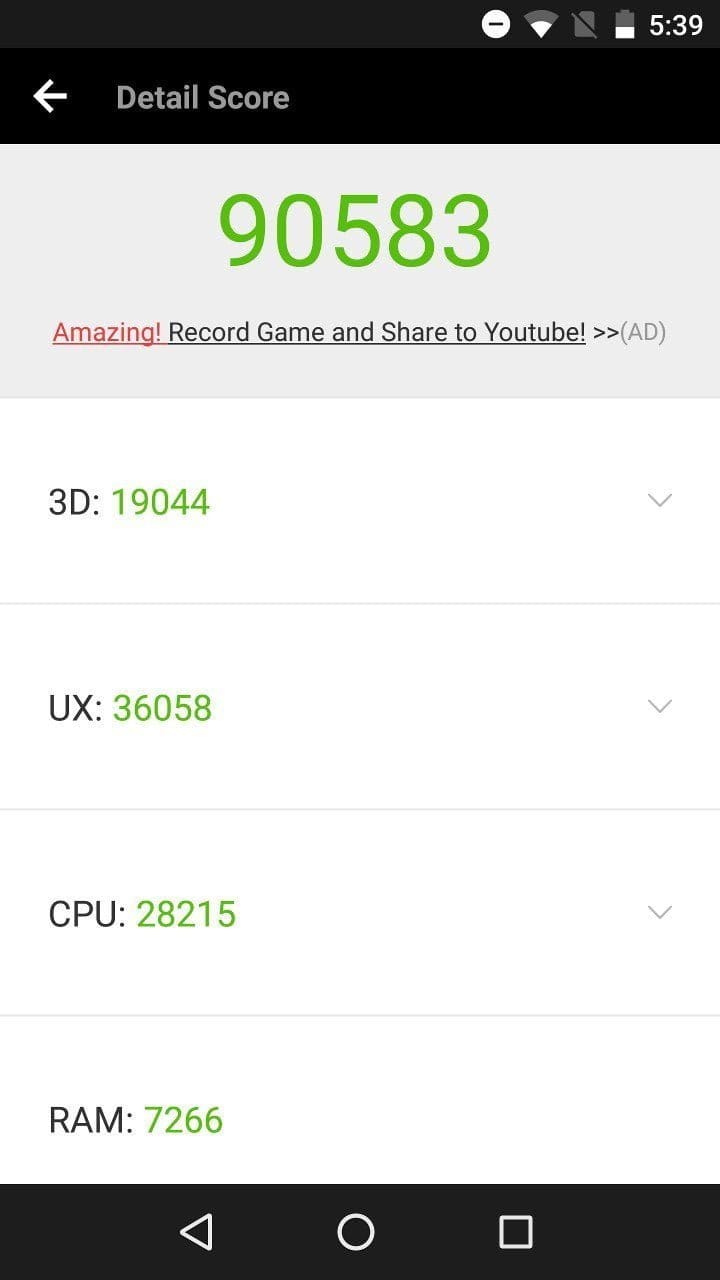
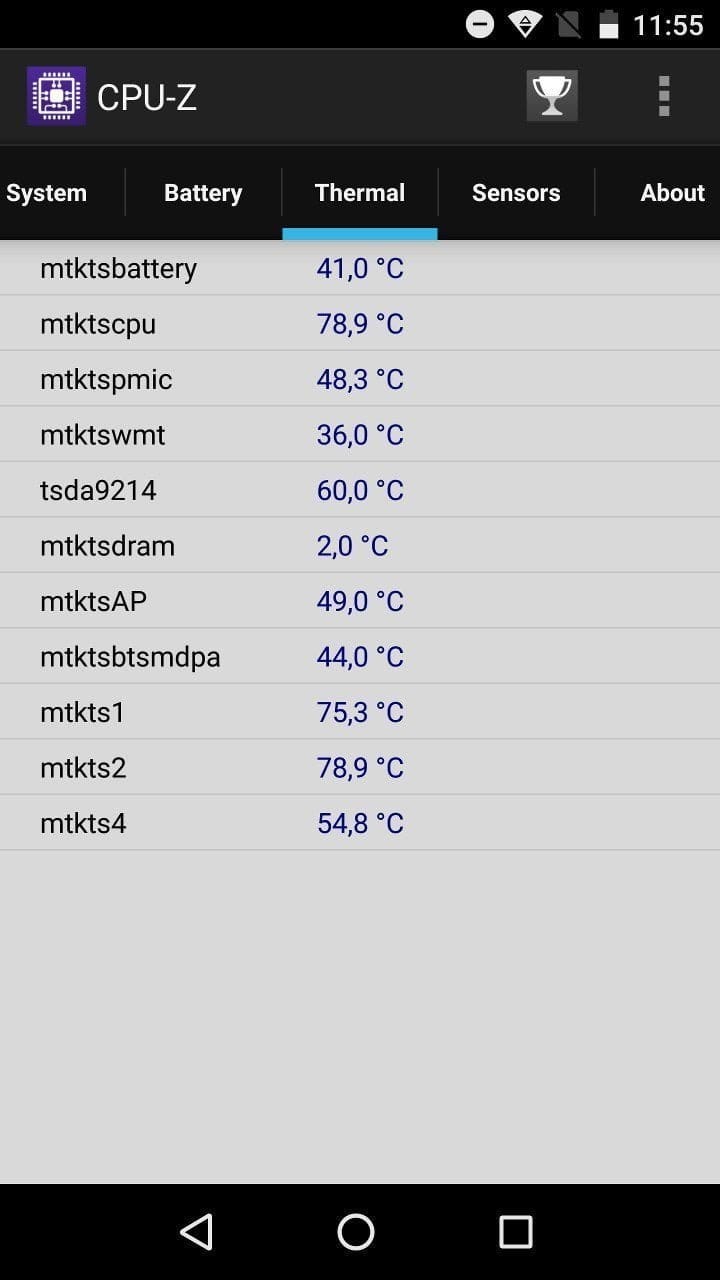
Rendering demanding games smoothly on the 2K display puts a heavy strain on the processor. Although heat generation remains within reasonable limits, drops in frame rates in games like Real Racing 3 clearly indicate that the SoC is struggling.
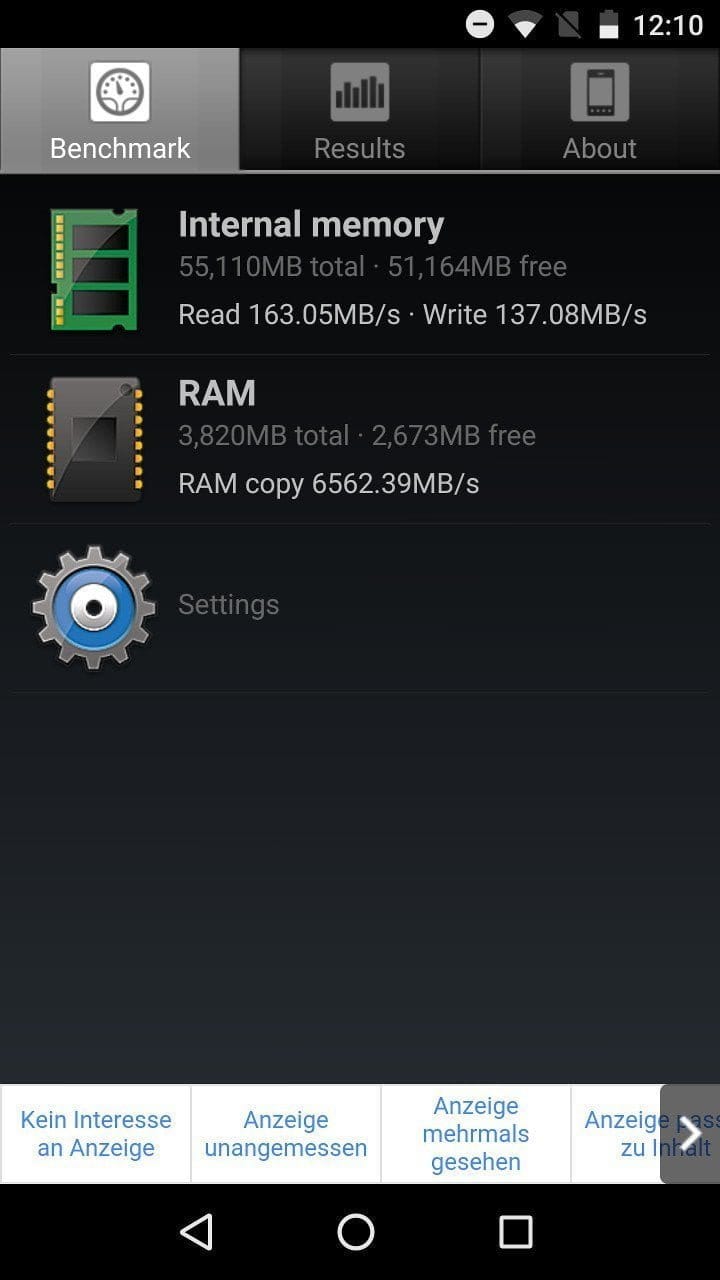
As already mentioned, the memory configuration consists of 4GB of RAM and 64GB of internal storage. The internal storage can also be expanded with a micro SD memory card. However, users should note that despite the two SIM trays, Vernee uses a hybrid slot, which allows either the dual-SIM function or memory expansion, but not both simultaneously. The write and read speeds of the internal flash storage are average, at 163.05 MB/s read and 137.08 MB/s write. The RAM reaches copy speeds of 6562.39 MB/s.
User interface
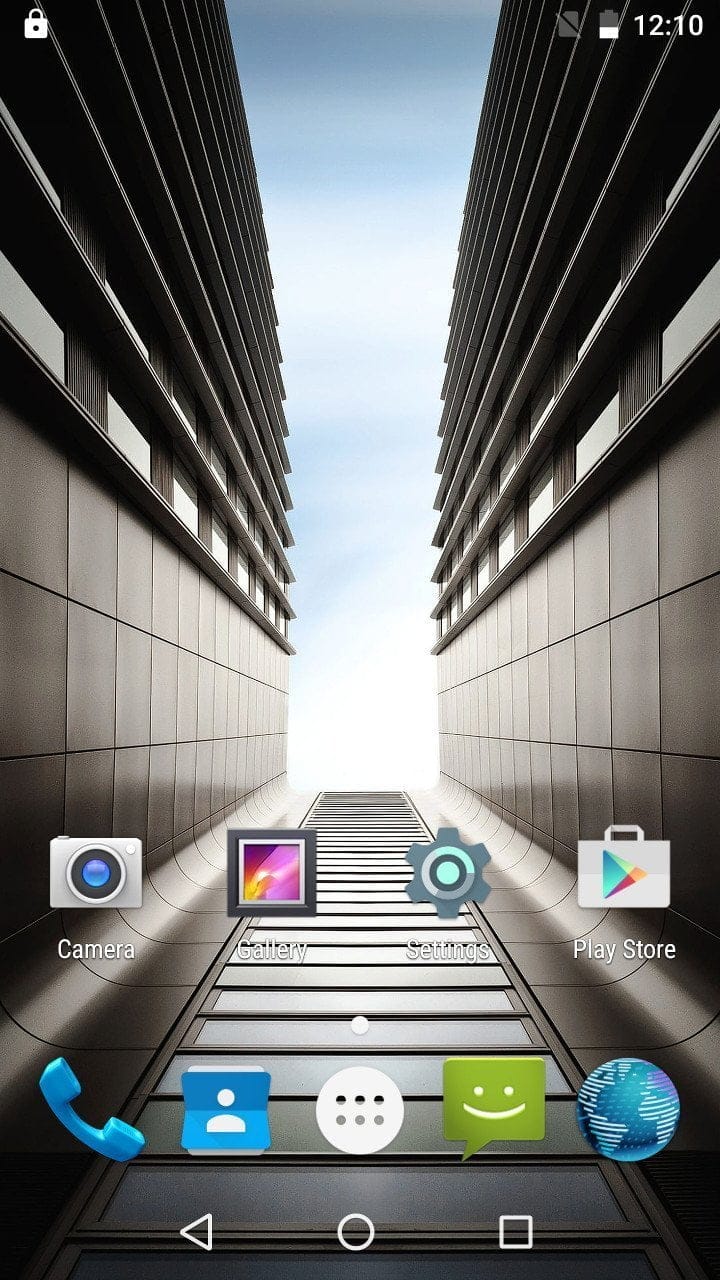
The Vernee Apollo ships with almost stock Android 6.0. Apart from minor additional settings for the navigation bar or MiraVision, there are no differences from stock Android. The only third-party app pre-installed is the "GoVR Player". It is not integrated into the system and can be easily uninstalled via app management. Unfortunately, we experienced occasional crashes during the test, so optimization is needed in this regard. Otherwise, the installed ROM has nothing to complain about.
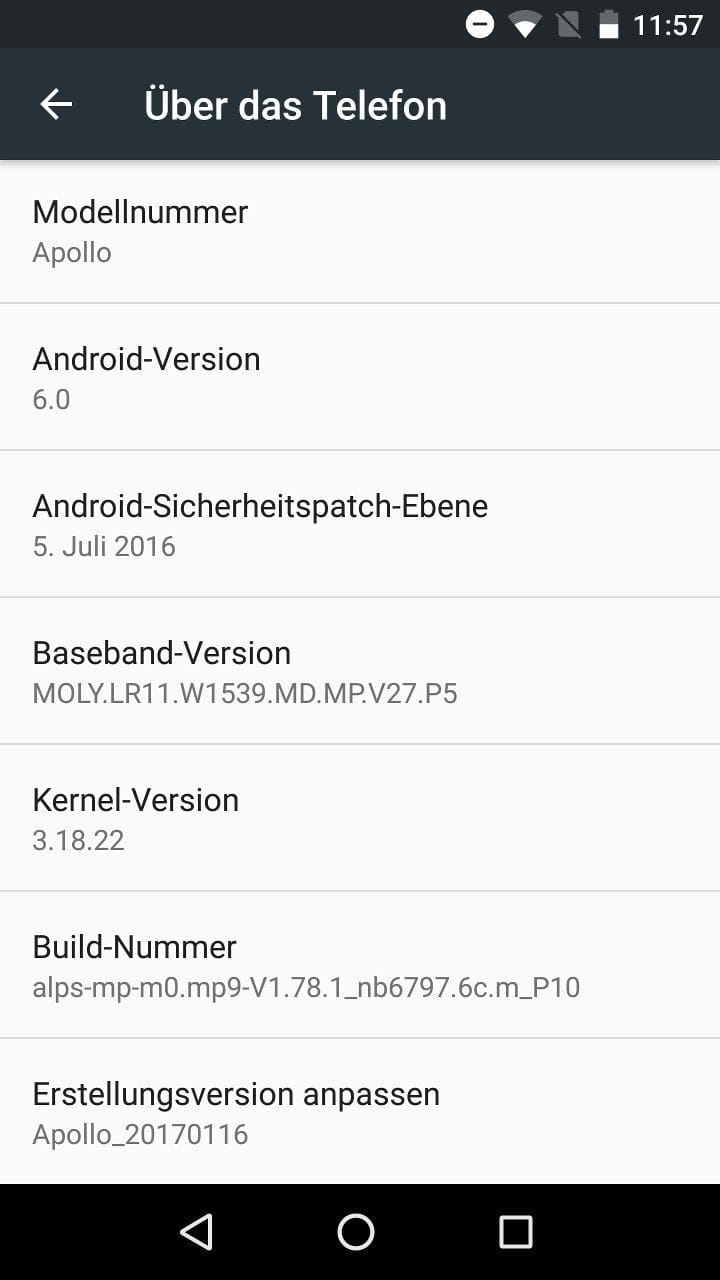
The last OTA dates from 16.01.2017. The last security patch (unfortunately) dates from 05 July 2016. Vernee has not yet provided any information on an update to Android 7.
Camera
Main camera
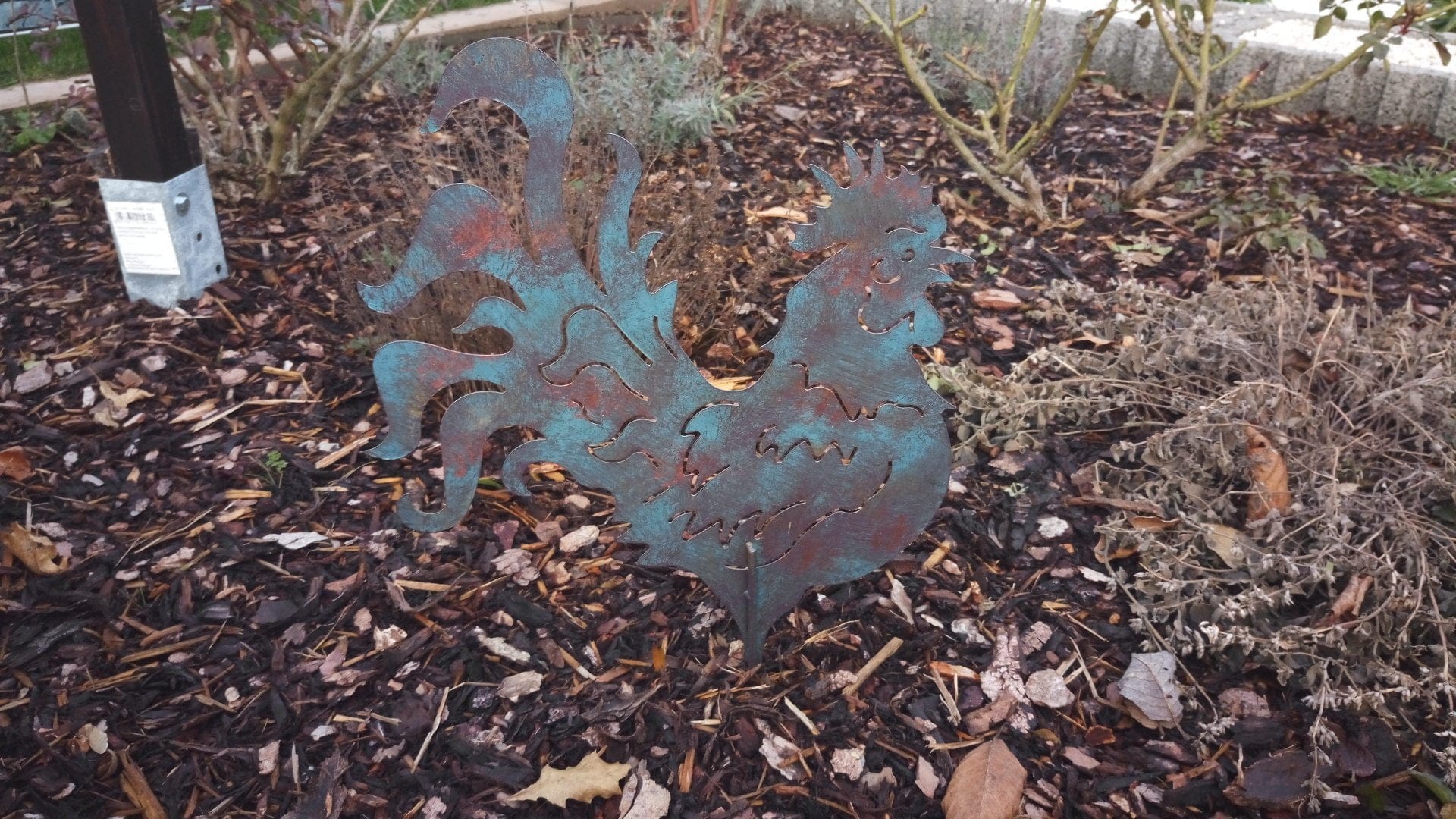
The main camera, consisting of a Sony IMX230, 21-megapixel mid-range camera sensor and an f/2.2 aperture, has already proven itself in devices from other manufacturers. Consequently, one should expect good image and video quality, but the situation is somewhat different with the Vernee Apollo.
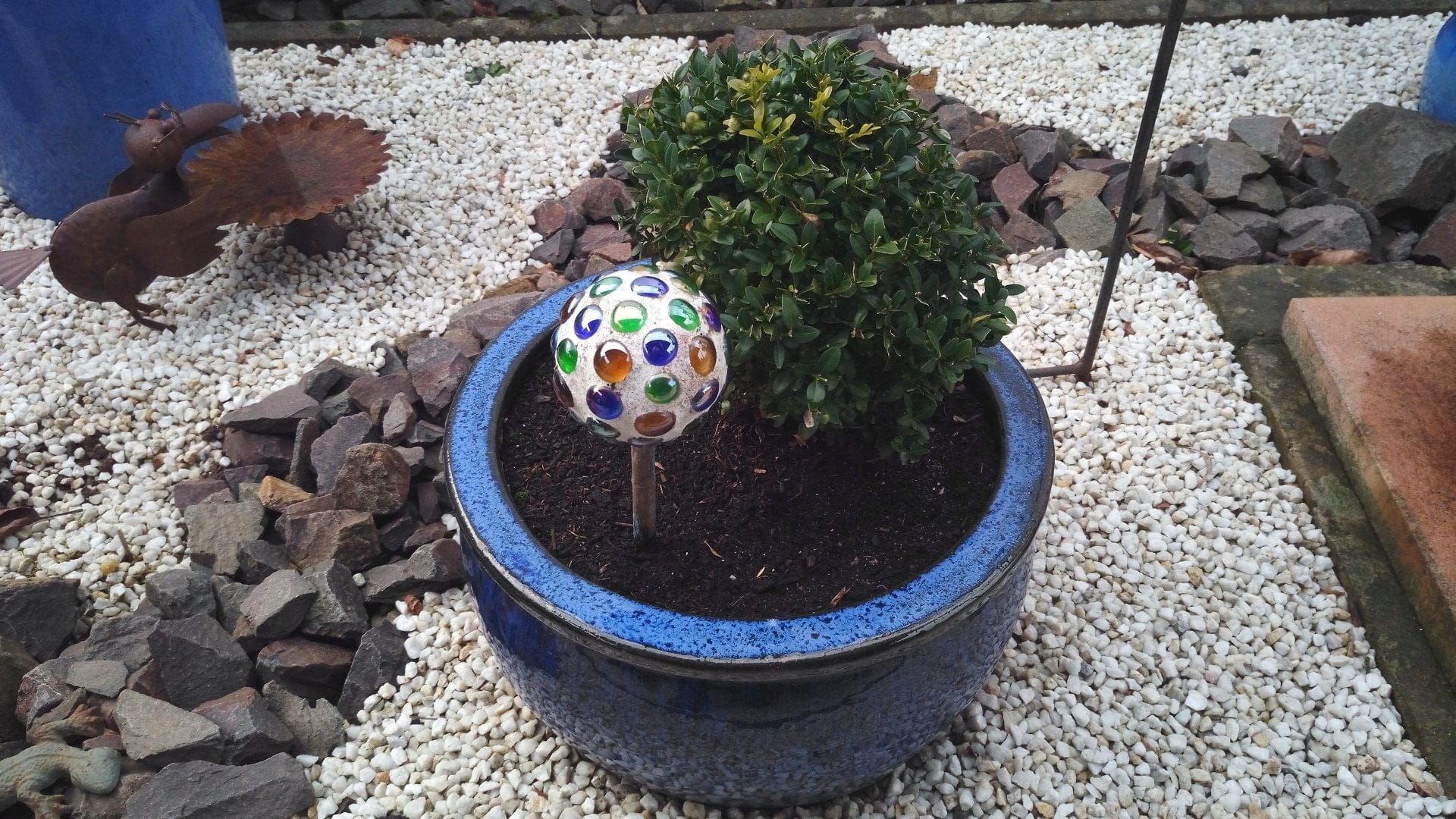
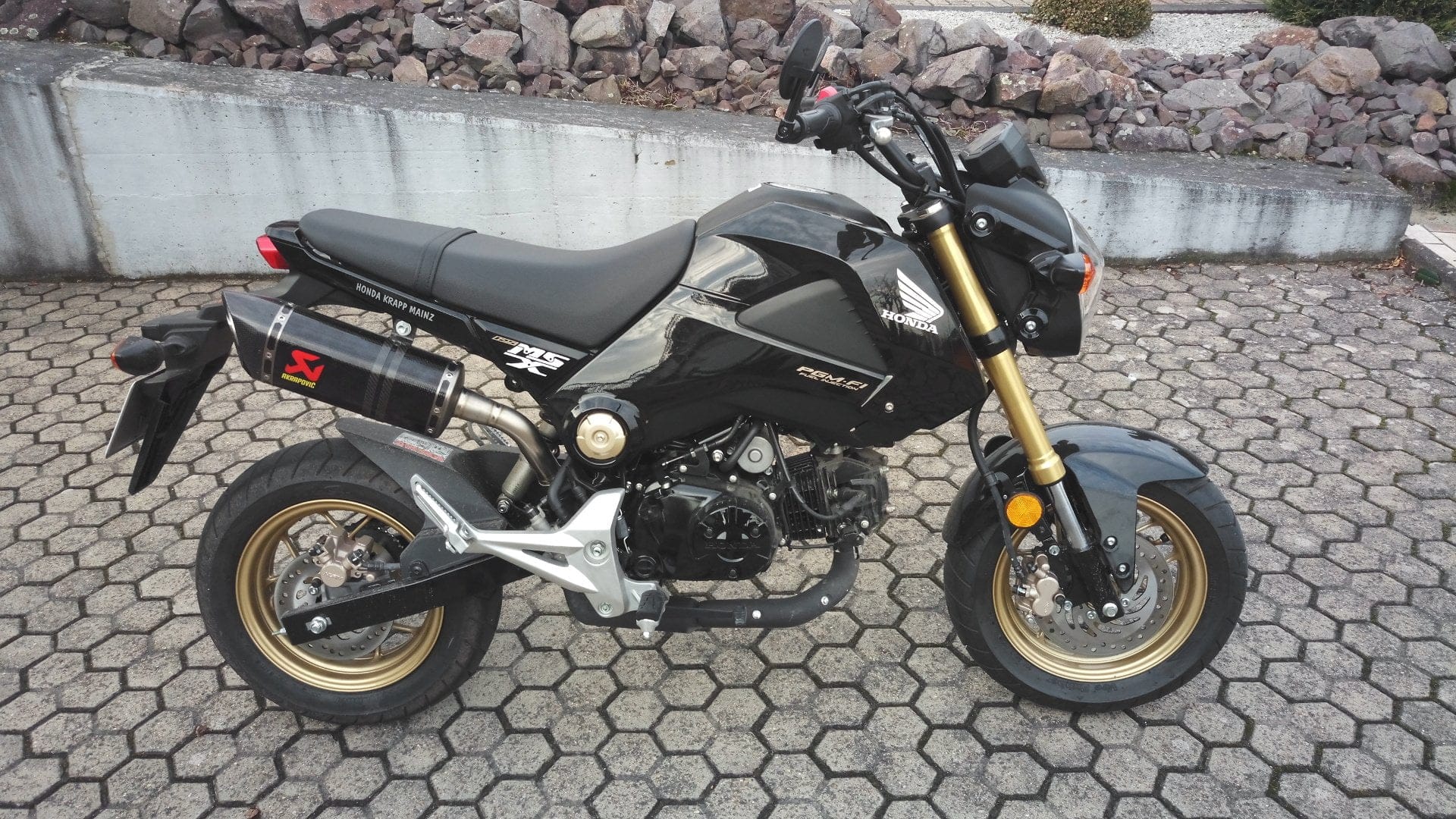
On the software side, the main camera is so poorly optimised that it is difficult to achieve good shots. Under good lighting conditions, image quality is still passable, but already shows slight image noise and missing details. In addition, in automatic photo mode, some shots are completely overexposed. In poor lighting conditions, it becomes even clearer how poorly the main camera is optimised. All shots are characterised by significant image noise and noticeable blurriness. In addition, the colours increasingly fade.
The autofocus, shutter time and flash also lack optimization. The autofocus rarely focuses accurately. The shutter response time is below average. It sometimes takes more than a second for the main camera to fire. Consequently, the shots are shaky and blurry. The flash and camera shutter are not synchronized. This results in overexposed or underexposed images.



Front camera
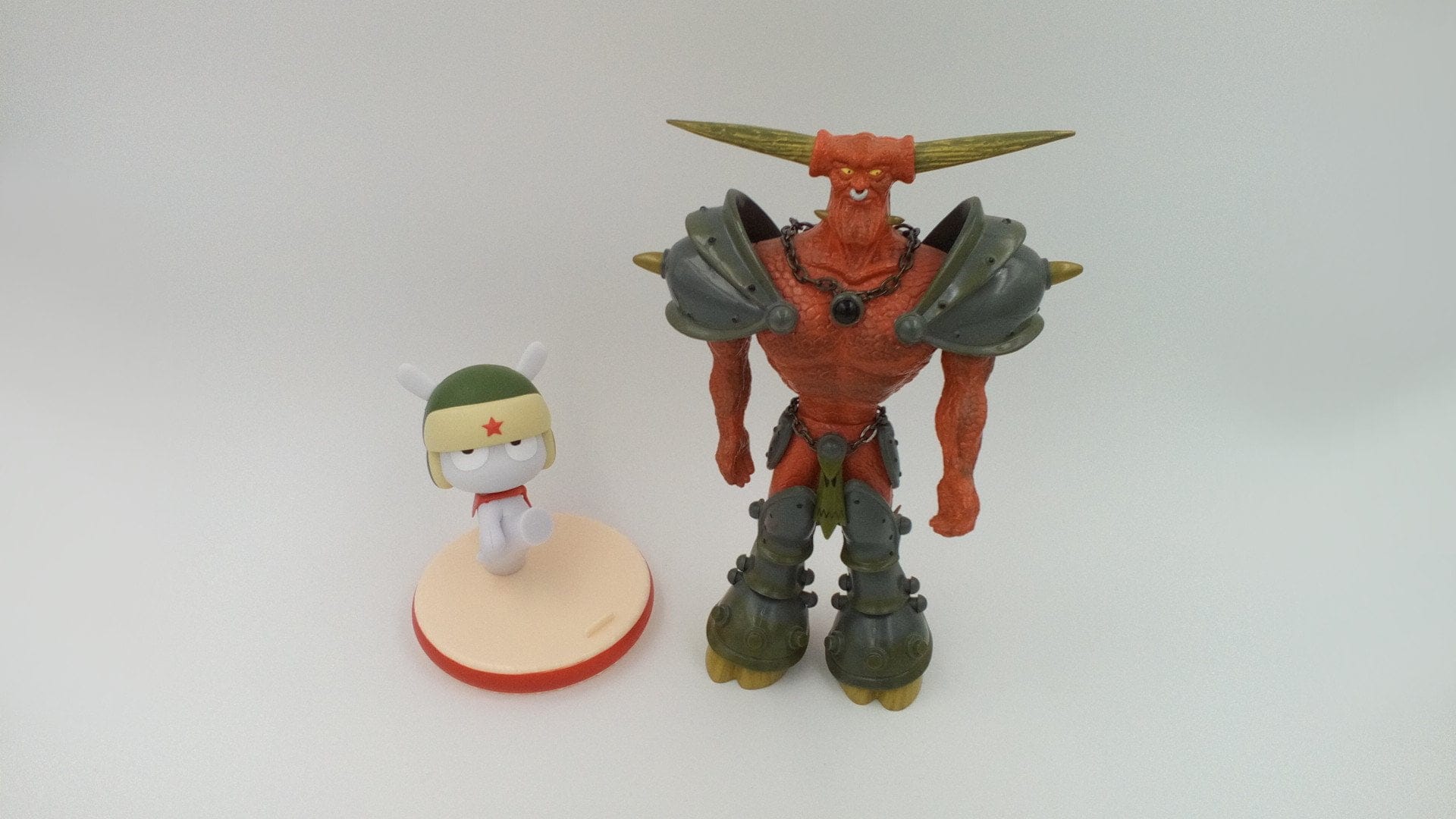
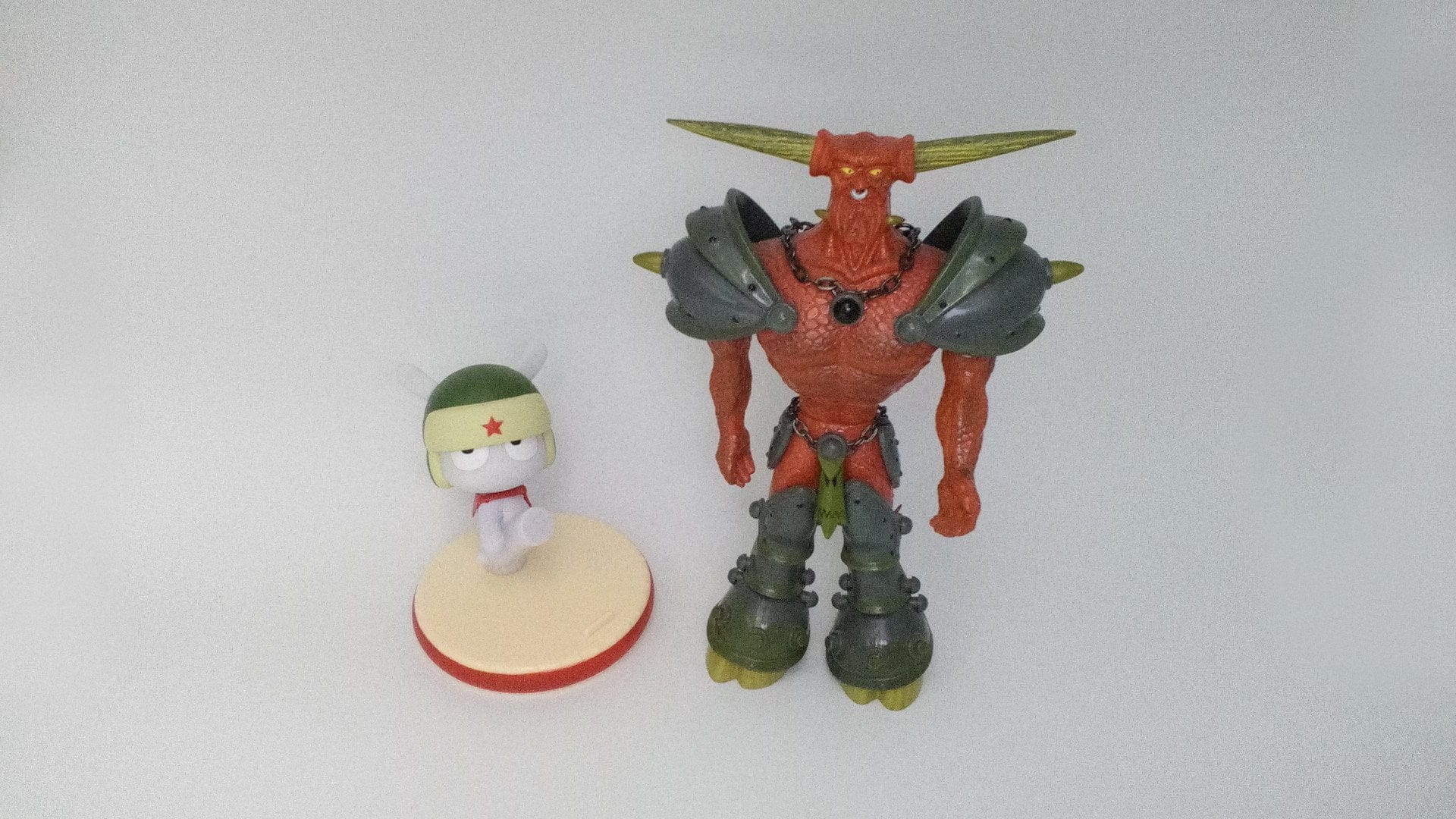
The 8-megapixel front camera with f/2.4 aperture delivers more convincing results. Details are captured well, and image quality is not overly dependent on lighting conditions. The front camera is quite suitable for the occasional selfie.
Connectivity and fingerprint scanner
The Vernee Apollo supports 2G, 3G and 4G mobile standards. It is compatible with the LTE bands 3, 7 and 20 used here. One should pay attention to the smartphone's hybrid slot, which means the dual-SIM function or the storage expansion can only be used alternatively.
Telephony and audio
In mobile networks, the Vernee Apollo performs excellently. Reception strength and voice quality were never lacking. VoLTE (“Voice over LTE”) further improves voice quality.
The speaker sounds boring and flat. It is clearly lacking in dynamics and volume. The speaker is clearly unsuitable for listening to music. It is adequate for hands-free use. The sound quality via the 3.5 mm headphone jack is good. Music is reproduced without noise and dynamically.
Wi-Fi and Bluetooth
The smartphone performs less well on Wi-Fi. The connection quality and range on the 2.4 GHz and 5 GHz bands are below average. Even in close proximity to the connected dual-band AC router, the weak signal was noticeable. The Bluetooth 4.0 connection works well only over short distances. When connected to a Bluetooth speaker, the signal was disrupted after just a few meters.
GPS and sensors
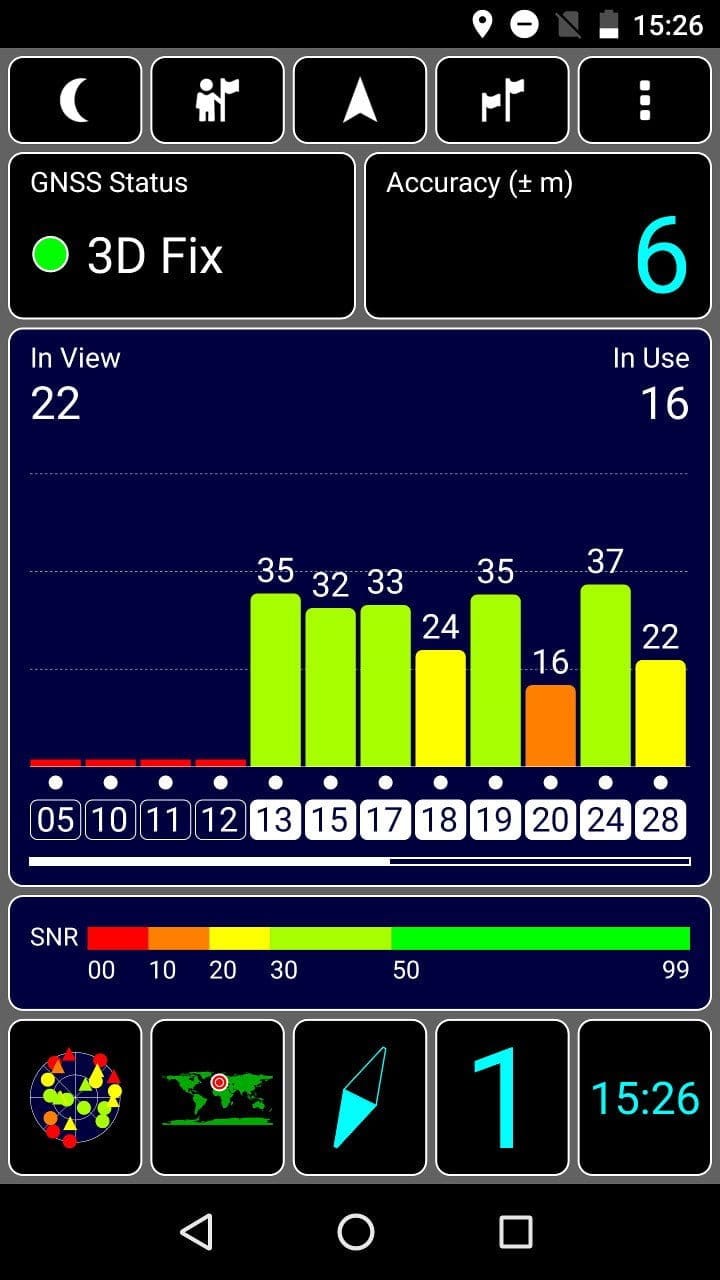
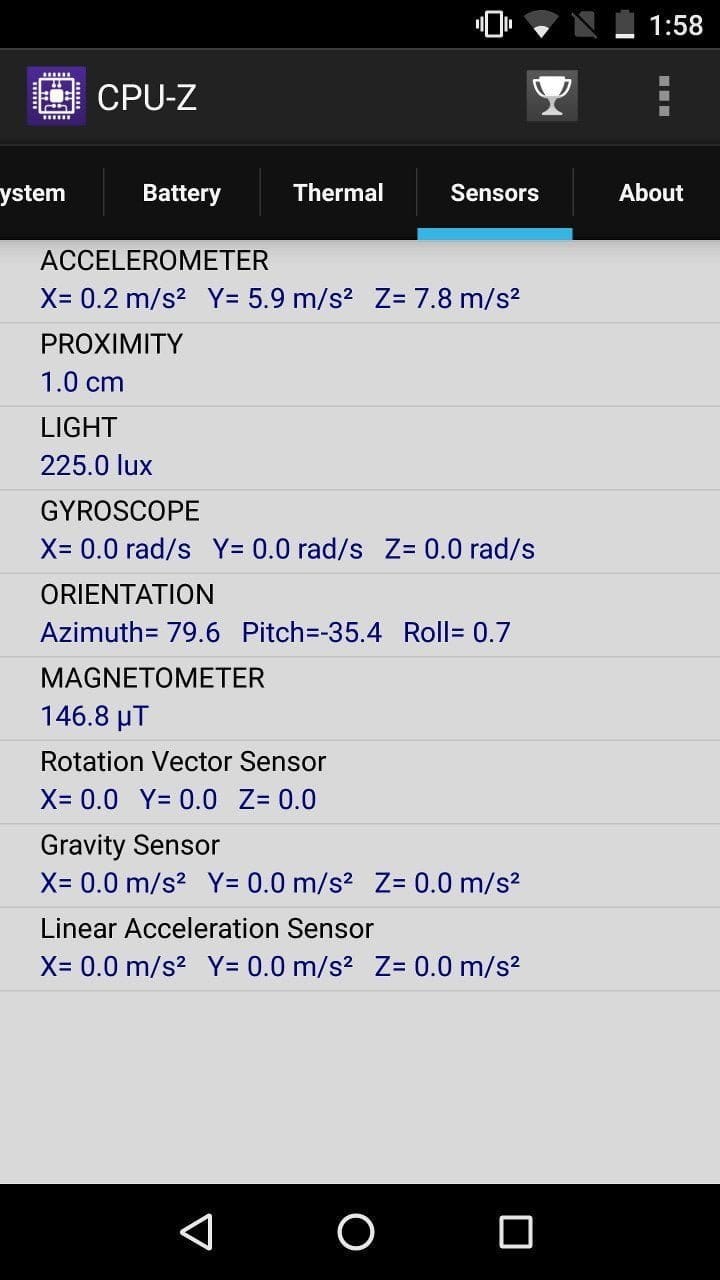
The sensors include a proximity sensor, a light sensor, a gyroscope, an accelerometer and an e-compass. The smartphone does not offer NFC. All sensors work accurately. The GPS module of the Vernee Apollo, however, only performs averagely. It has been known for a long time that smartphones with MediaTek SoCs lag behind their Qualcomm competition, particularly with GPS. During the testing phase, a GPS fix was only found after just over 15 seconds. The signal strength was accurate to within a few metres, but not always consistent.
Fingerprint scanner
The rear fingerprint scanner is praiseworthy. With just one scanned finger, the detection rate was 9 out of 10. Unlocking the smartphone succeeds promptly upon placing a finger on it.
Battery
Finally, we come to the most frustrating sub-point of this review. The battery of the Vernee Apollo is an absolute disaster. The battery of our test unit was far from calibrated after the first switch-on. Although the battery was displayed as fully charged, the smartphone simply switched off after about 3 hours. After a restart, the charge level showed 0%, but the smartphone was still usable for about an hour.
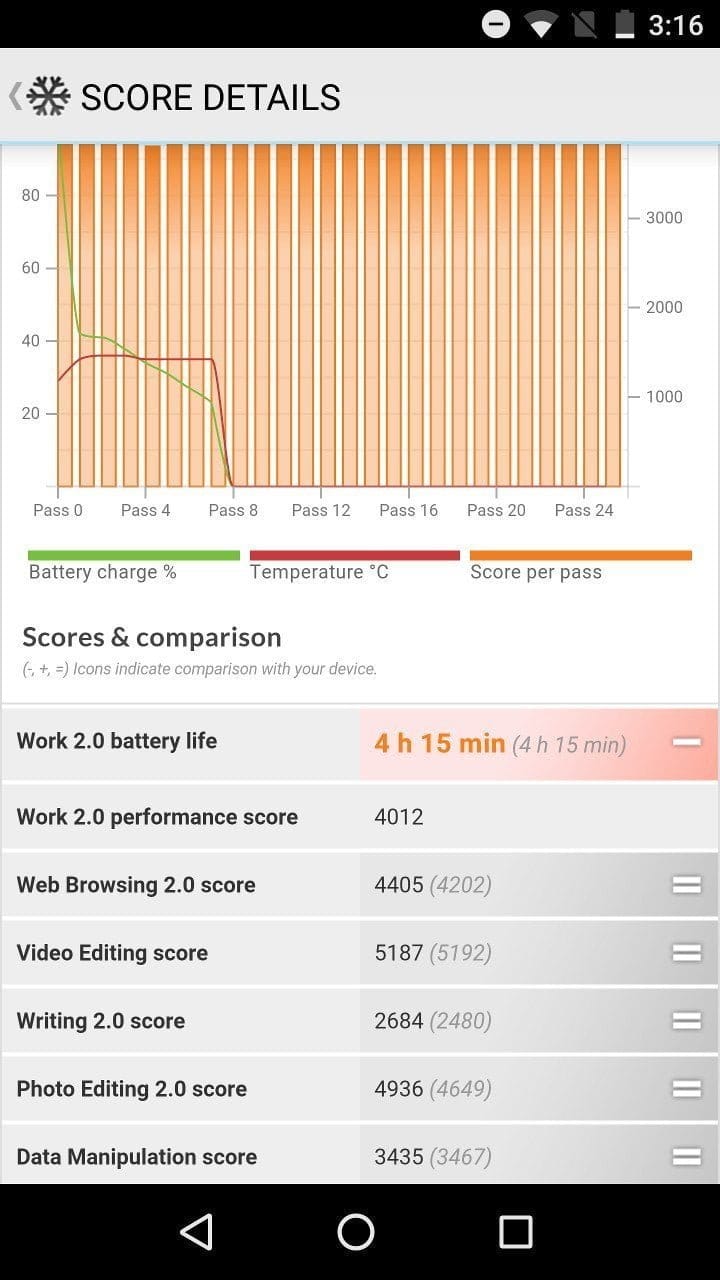
Using the Vernee Pump fast charger, the smartphone was already fully charged after 1 hour and 6 minutes. Surprisingly, the measured charging capacity was just 2,100 mAh. Accordingly, the battery life was also correspondingly short. A 2K display simply consumes significantly more energy than a Full HD display. After the battery had been discharged approximately 5 times and also charged overnight, the capacity settled at slightly under 3,000 mAh. The 3,180 mAh stated by Vernee was not achieved.
With normal usage, the Vernee Apollo achieves runtimes of approximately one day. With light usage, a maximum of 1½ days is possible. Power consumption in standby is very low; only 2% of the battery was consumed overnight. Users who heavily utilise their smartphone should definitely keep a charger within reach when using the Vernee Apollo!
Our verdict
6,6 out of 10 pointsDisappointing! This single word summarises the result of a test run of the Vernee Apollo that lasted several weeks. Anyone expecting much from this smartphone will be (currently) bitterly disappointed and should (still) stay away from it. While the high-resolution 2K display combined with VR applications does pursue some interesting approaches, the disadvantages of such a panel clearly outweigh the advantages. The poorly optimised main camera is highly critical, and the uncalibrated battery was quite catastrophic. Improvements are needed especially on the software side, and one can only hope that Vernee manages to eliminate most of the errors.
Specifications
Processor and memory
- CPU
- Helio X25 Deca Core
- GPU
- Mali T880
- RAM
- 4GB LPDDR3
- Internal storage
- 64GB eMMC1.5
- Storage expansion
- Yes
Display
- Display type
- OGS IPS
- Display size
- 5.5 inches
- Display resolution
- 2560x1440 pixels
- Multitouch
- 5 fingers
Cameras
- Main camera
- 21 megapixel Sony IMX230
- *Aperture
- f/2.2
- *PDAF
- *Dual-LED flash
- Front camera
- 8 megapixel Sony
- *Aperture
- f/2.4
- *Field of view
- 84°
Wireless
- Wi-Fi
- 802.11a/b/g/n/ac
- Bluetooth
- 4.0
- GPS
- Yes
- NFC
- No
Sensors
- *Brightness sensor
- *Proximity sensor
- *Gyroscope
- *Accelerometer
- *E-compass
Mobile network
- SIM
- Dual SIM
- SIM type
- Micro and Nano
- 2G
- GSM 850/900/1800/1900 MHz
- 3G
- WCDMA 900/2100MHz
- 4G
- FDD-LTE 800/1800/2100/2600 MHz
Battery
- Battery
- 3,180mAh
- Quick-Charge
- Yes
- Connection
- USB Type-C
Other
- Fingerprint scanner
- Yes
- Operating system
- Android 6
- Size
- 15.2 x 7.56 x 0.93 cm
- Weight
- 188g
What’s included
1x Vernee Apollo 1x VR headset with head strap 1x Pump-Express charger 1x USB Type-C cable 1x SIM needle 1x user manual
Comments (3)
Hey, I don't think the camera pictures are that bad. But you are right, there is kind of a grey veil over the images. Do you think Vernee will provide an update? I've been interested in the Apollo since its announcement.
Hi, Vernee could get a lot more out of the main camera if they optimised the software. The Sony IMX230 is not a bad image sensor, nor is the lens used. However, the software is simply poorly tuned, which is why the camera currently does not deserve any more points. It is not yet known whether Vernee will release major improvements.
I once bought a criminal Apollo Lite. The smartphone itself is not bad. The really bad part is the empty promises of the company Criminal. To this day, no Android 7 has been released for it, although this should have been released about 1 1/2 years ago. Strangely, even the modders worked faster and have now released Android 7 and 8 as ROMs.