Contents
Foreword: Vernee Mix 2
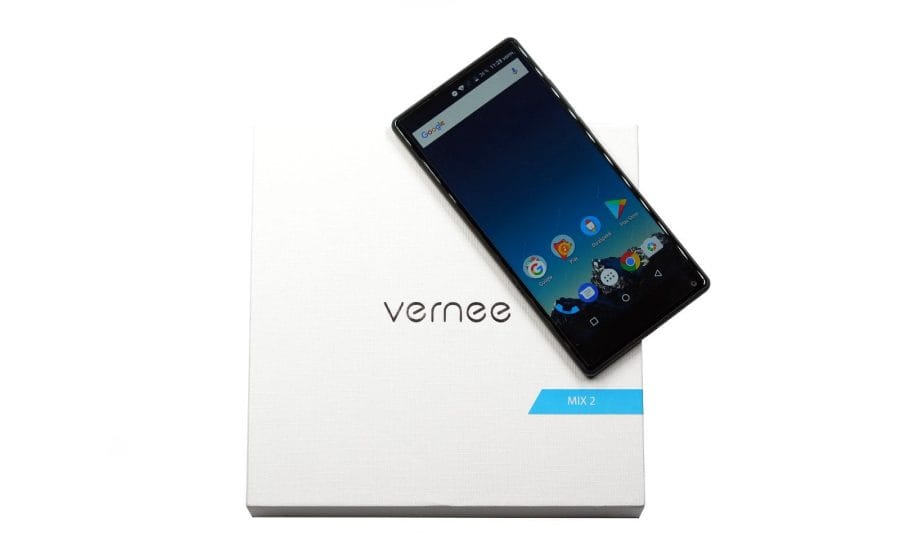
And every day greets us this nearly bezel-less smartphone from China! The Vernee Mix 2 is an 18:9 smartphone that was announced at the end of September 2017 and has been available since October 2017. Despite the confusing version number 2, it is the manufacturer's first "tri-bezel-less" smartphone. A Vernee Mix (1) was never released. Presumably this is a "joke" by the manufacturer, with a nod to the Xiaomi Mi Mix 2.
Design, build quality, and included accessories
After roughly the 10th Chinese smartphone in the so-called ‘tri-bezel-less’ design, this design type is no longer a major novelty. Typically, the distance to the top edge of the housing is particularly small. This smartphone is one of the tri-bezel-less devices where this distance of 5.5 mm is not particularly narrow. For example, the Elephone S8, which we tested just a few weeks ago, achieves only 4 mm. The side distances are also rather modest at 3.5 mm. The overall dimensions of the smartphone are 157.8 x 76.2 x 8.2 mm. The weight is 195 g.
The Vernee Mix 2 is constructed as follows:
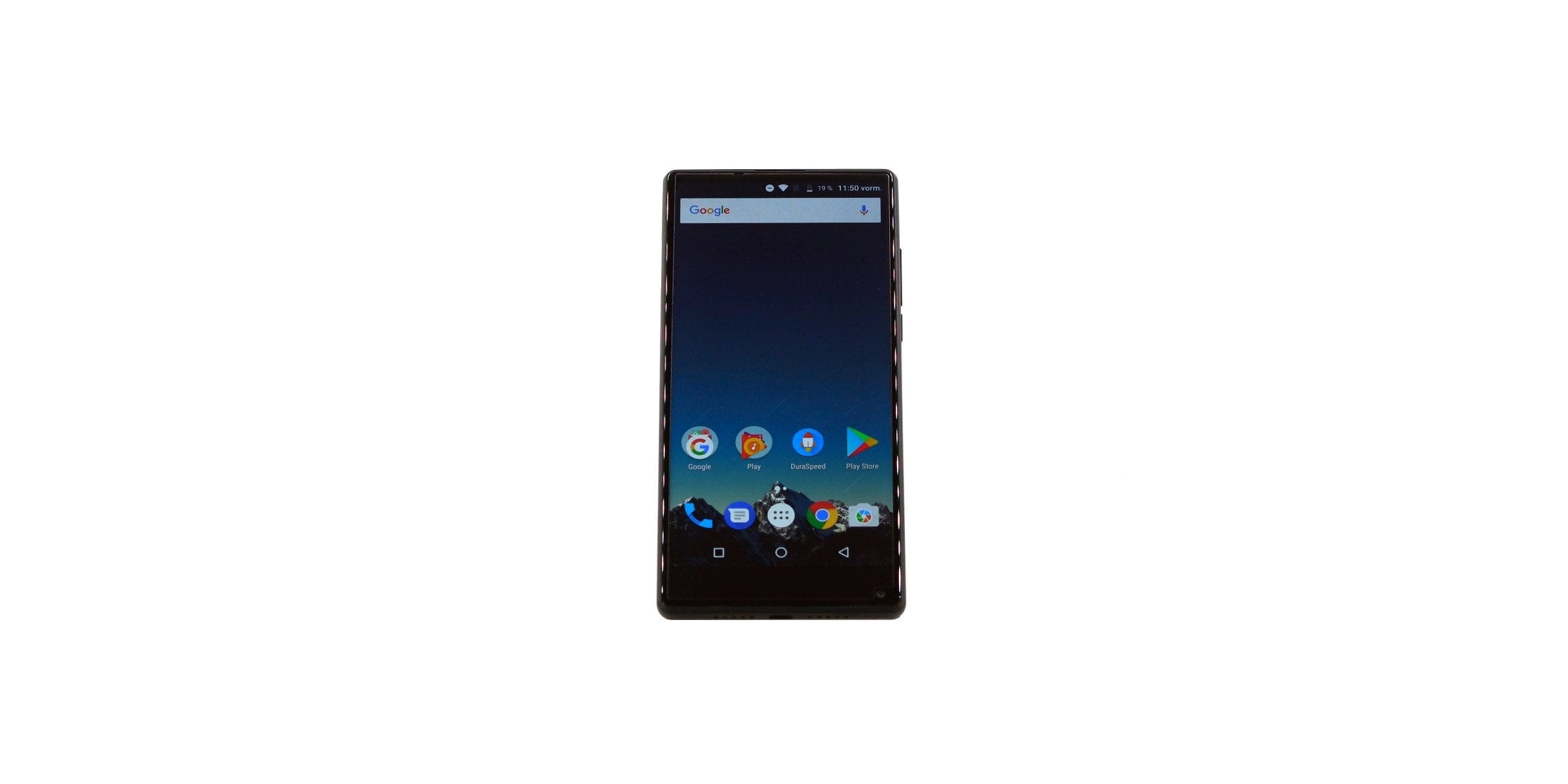
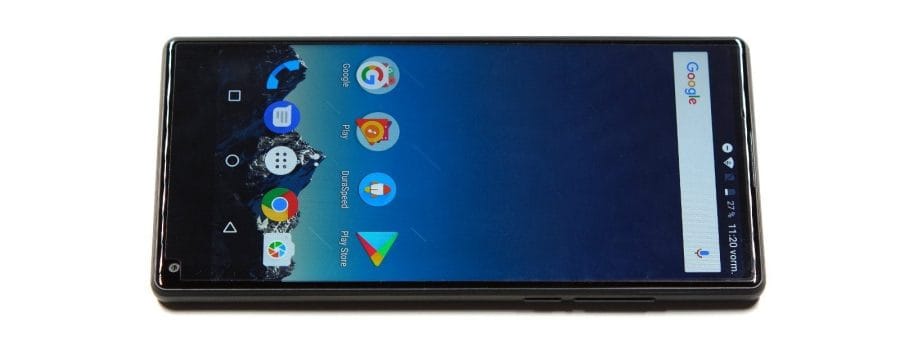
The front side features a 6-inch 2K resolution display. The front camera is located beneath the display due to the design. What stands out is the 15 mm gap between the display and the housing frame, used solely for the front camera. Instead of housing capacitive control keys or even a home button there, Vernee simply left the area unused. Pity! Centred above the display is the narrow earpiece. To the lower left is the proximity sensor. Above that again, Vernee has placed a notification LED, which, however, cannot be individually customised.
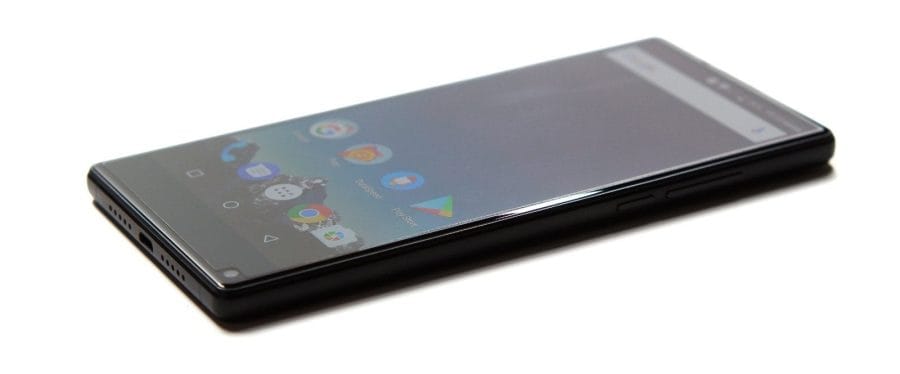
The metallic and black frame houses the typical power button and a volume rocker below it on the right side. The SIM tray is located on the upper part of the right side and can accommodate two nano-SIM cards. A 3.5 mm audio jack is present and located in the upper frame section. The bottom of the frame typically features a central microUSB port, a speaker next to it and the microphone. Unfortunately, Vernee decided against the current USB-C standard.
The glass back of the Vernee Mix 2 is a real eye-catcher. At the same time, however, it is particularly susceptible to fingerprints. Once held in the hand, the back no longer looks so shiny. The haptic perception is positive. The rather slim smartphone can be gripped well and lies securely in the hand despite the rather smooth glass back. Further features of the smartphone back are a dual main camera with an adjacent LED flash, a circular fingerprint scanner and the printed manufacturer logo along with the model reference.
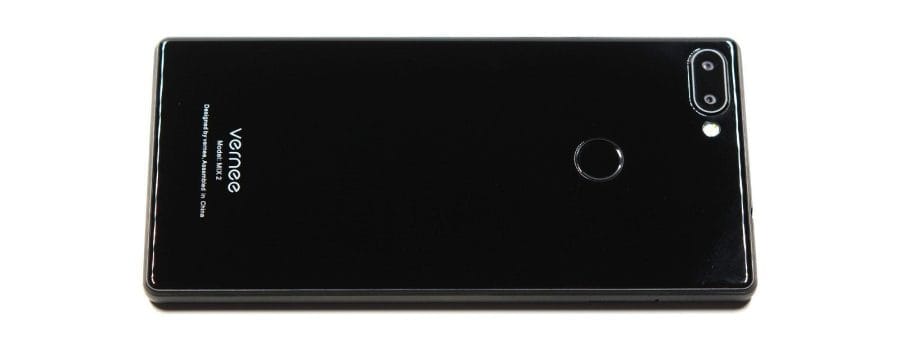
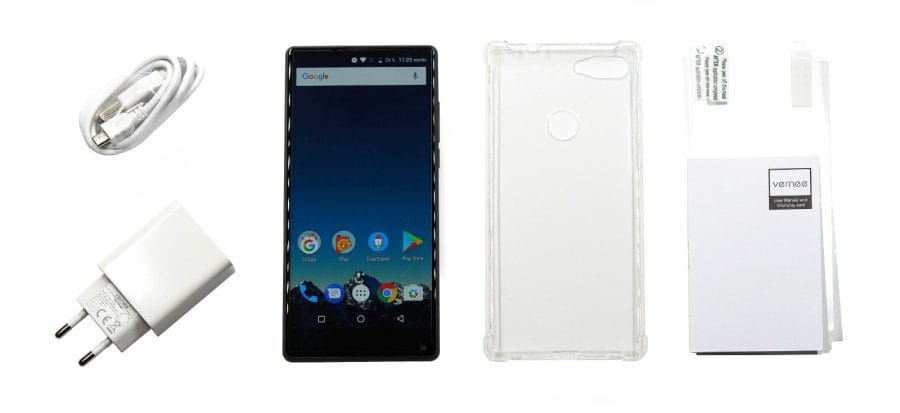
The build quality is beyond reproach. There are no unsightly gaps between the frame, display and back panel. The power button and volume rocker are firmly seated in the housing and offer a pleasant pressure point. The delivery contents include the smartphone, a silicone protective case, a charger, a MicroUSB cable, an additional screen protector for the front and back (a front screen protector is already applied to the smartphone), as well as a multilingual user manual.
Display
As expected, the display takes centre stage on this smartphone too. The IPS display of the Vernee Mix 2 has a diagonal of 6 inches and a resolution of 2160 x 1080 pixels. This results in the smartphone having a pixel density of 402 PPI, which leads to razor-sharp rendering. The aspect ratio is 18:9. In contrast to conventional 16:9 smartphones, the device appears noticeably more elongated and narrower at the same time. Many apps and videos are not yet adapted to the 18:9 format, however, which results in unsightly black bars at the edges.
The manufacturer states a screen-to-body ratio of 93.07%. Our calculations result in a screen-to-body ratio of only 77.3%. As is often the case with Chinese smartphones, one shouldn't rely on manufacturer specifications! Vernee remains silent regarding the screen protector used.
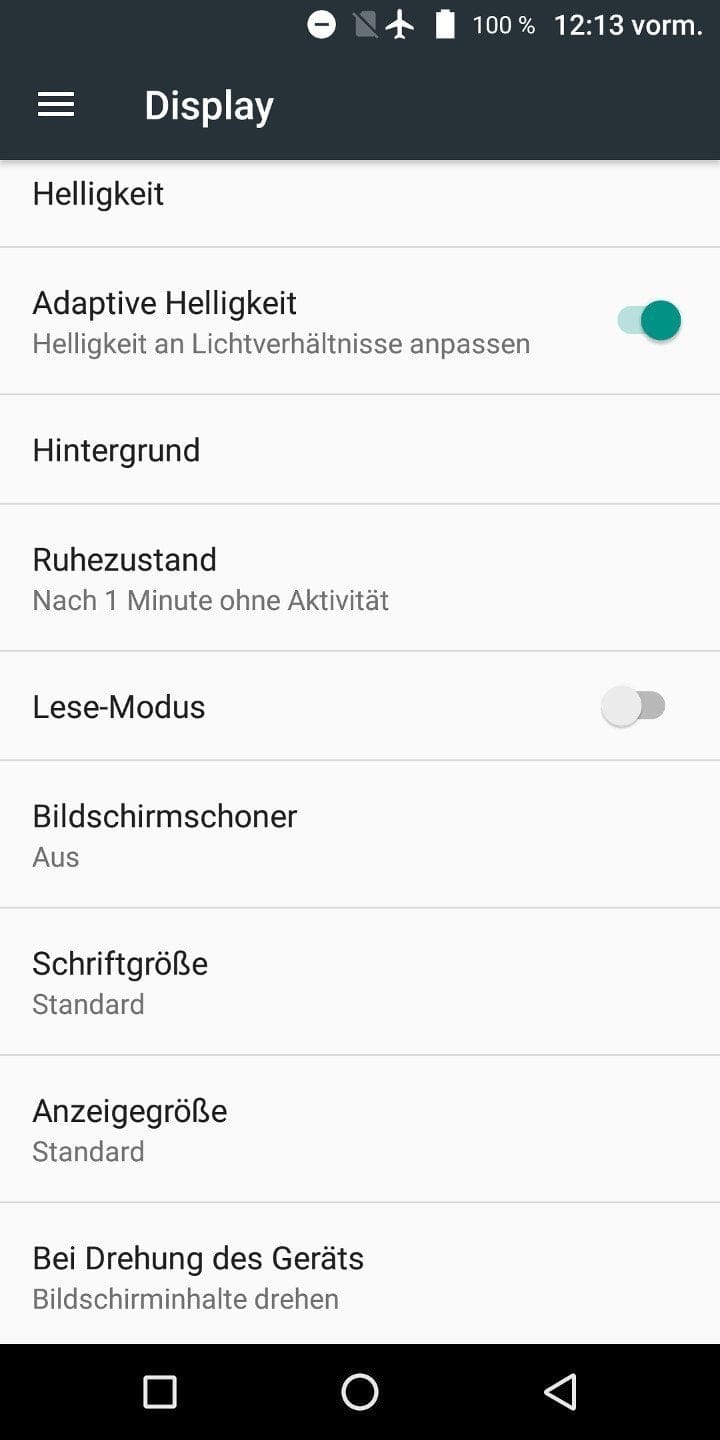
The colour reproduction of the display is comparatively cool. Colours are displayed largely naturally and not oversaturated. Subsequent display adjustment is not possible due to the lack of MiraVision. What stands out is the really good contrast representation of the display. Equally, the viewing angle stability is beyond reproach. Colours, brightness and contrast remain very well preserved even at deviating viewing angles. The maximum luminance of the panel is 440 cd/m². In sunlight, the display is still readable. The automatic brightness adjustment works with only a few seconds delay and precisely detects changing light conditions.
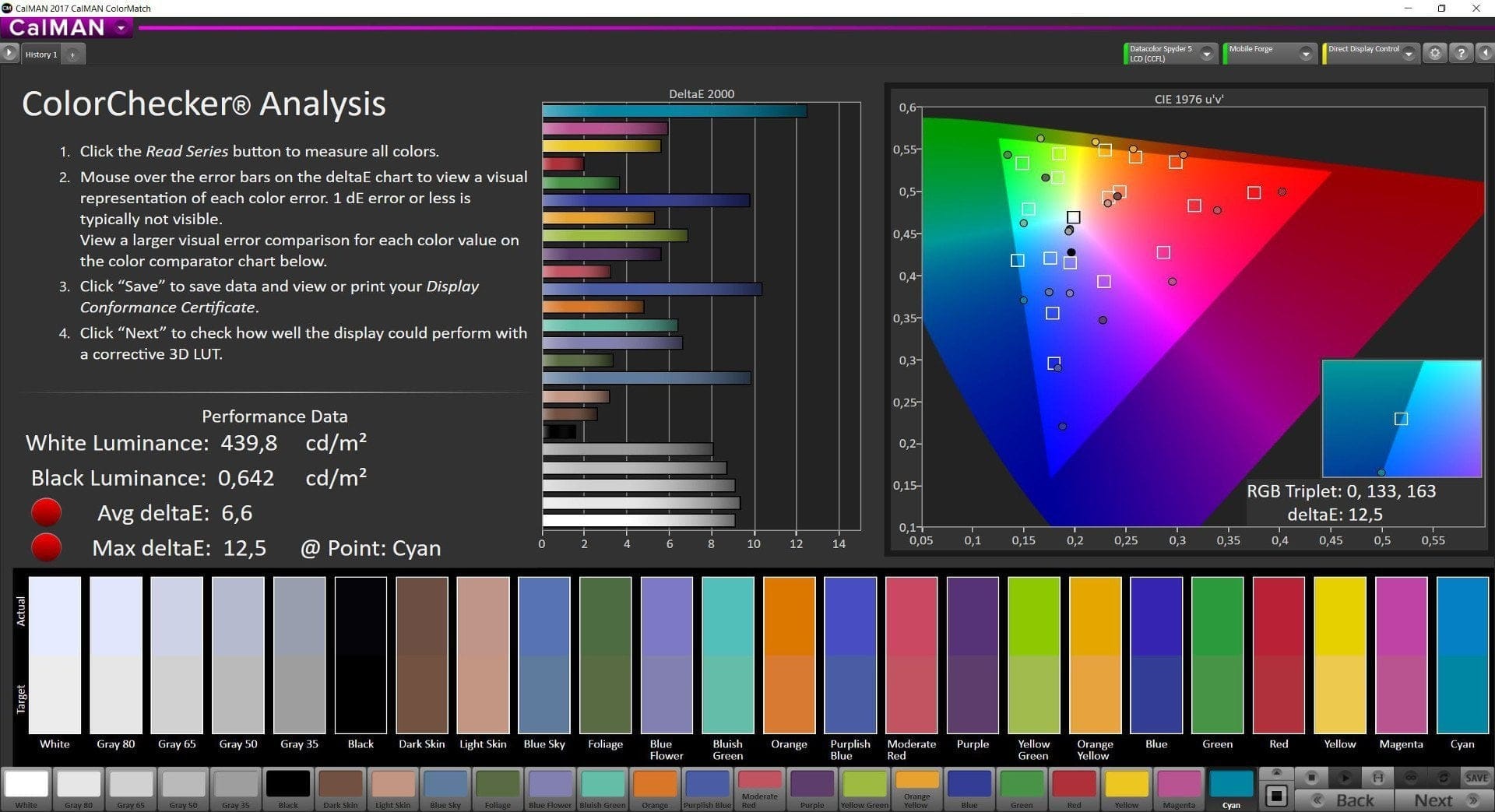
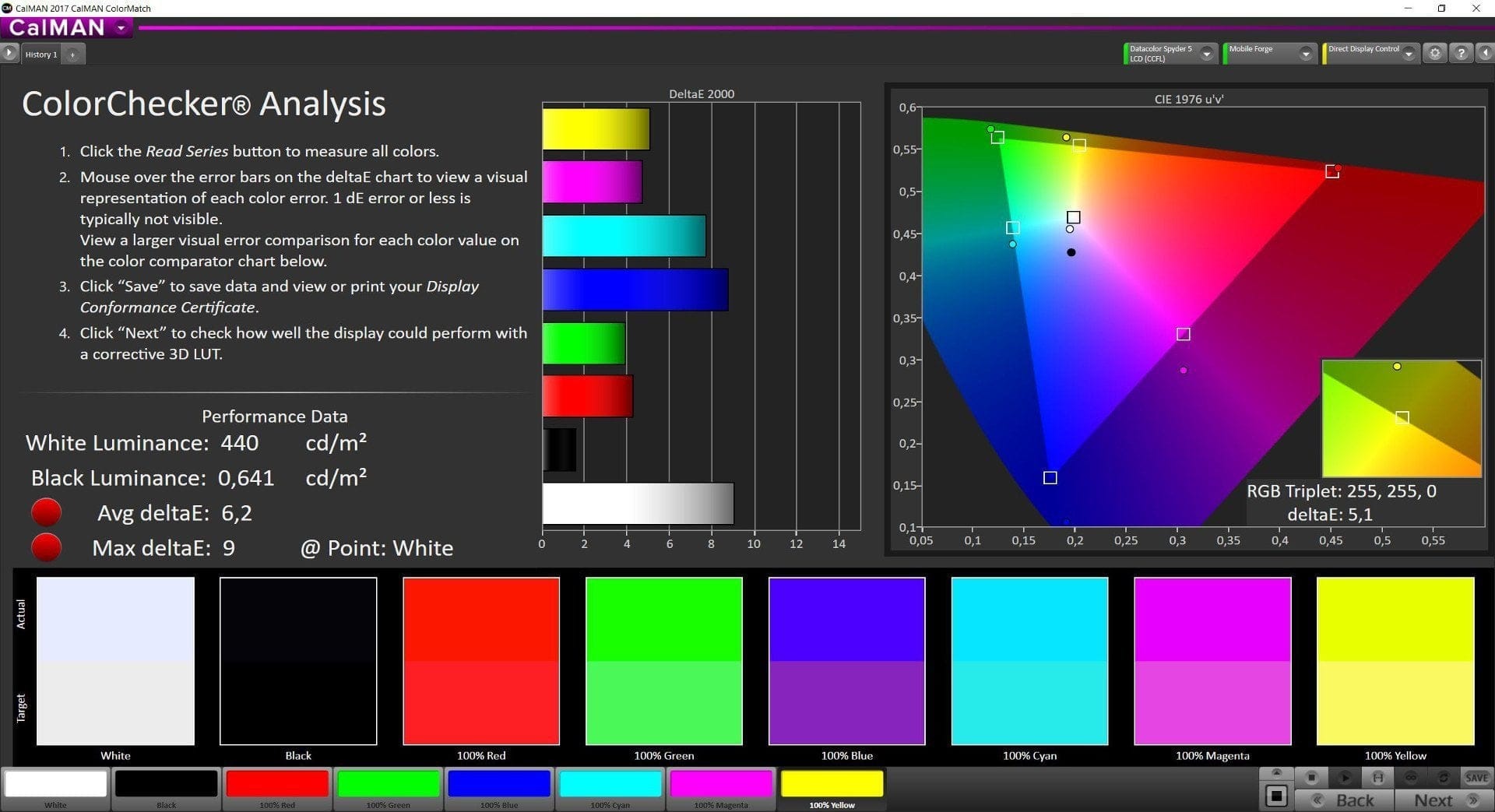
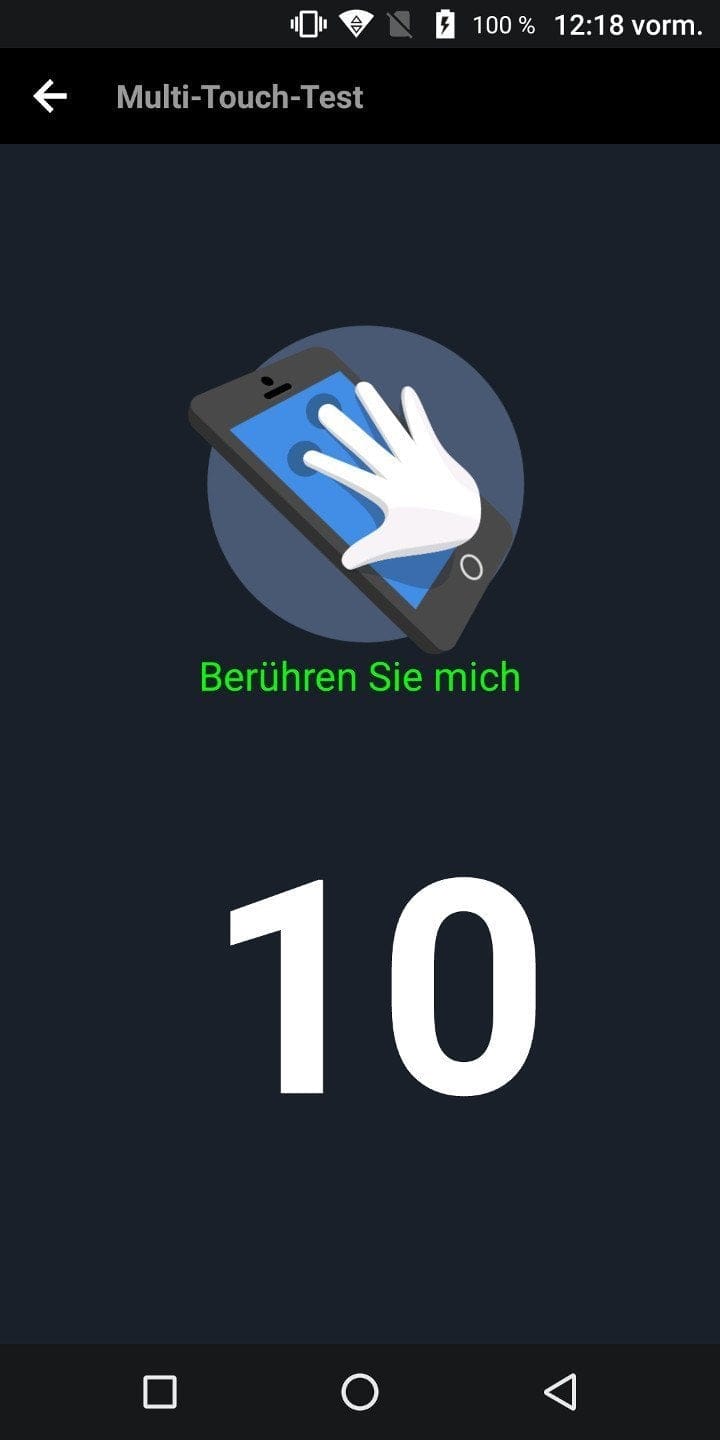
The touchscreen supports up to 10 simultaneous inputs. All inputs were recognised precisely and without delay during the testing phase. Unwanted ghost touches did not occur.
Performance
Vernee has opted for the MediaTek Helio P25 (MTK6757CD), introduced in early 2017. The processor consists of 8 Cortex A53 processor cores, clocking at a maximum of 4 x 2.5 GHz and 4 x 1.6 GHz. The Mali-T880 GPU is responsible for the graphical computing power.
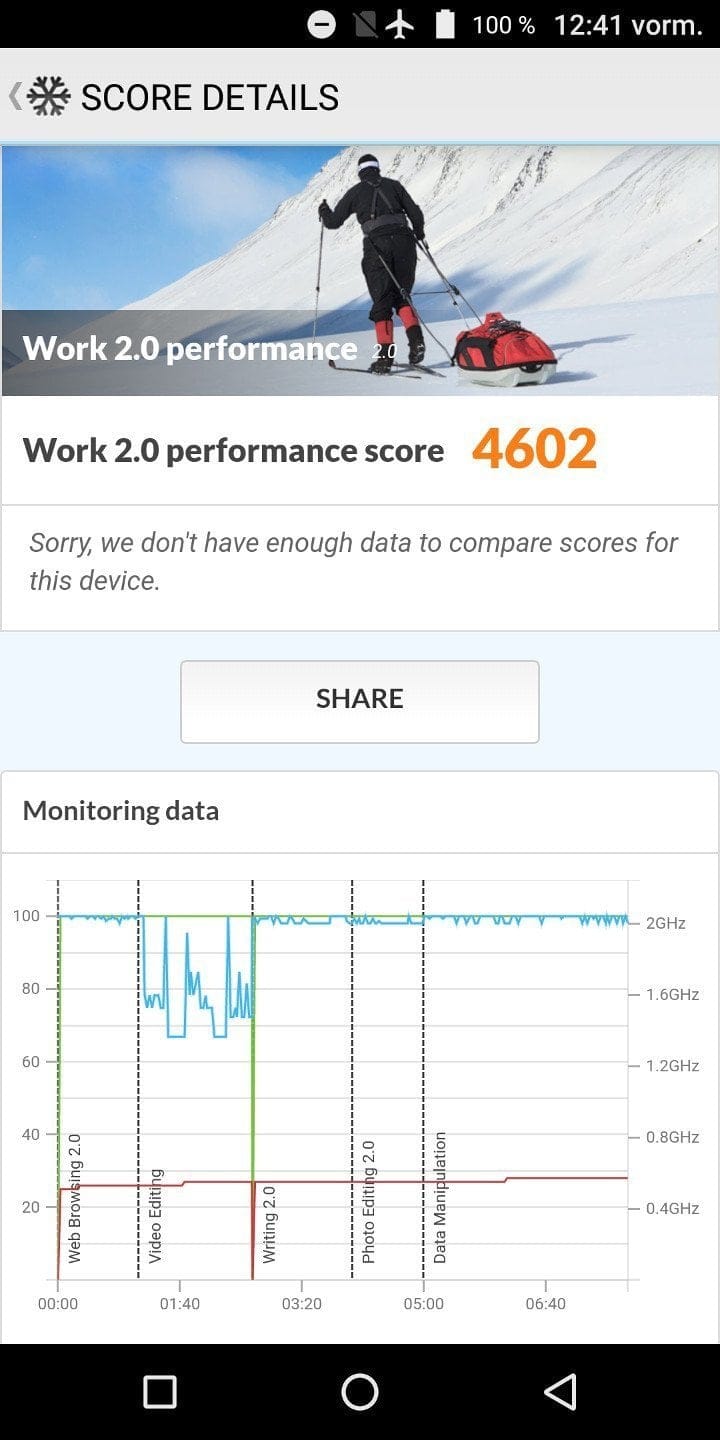
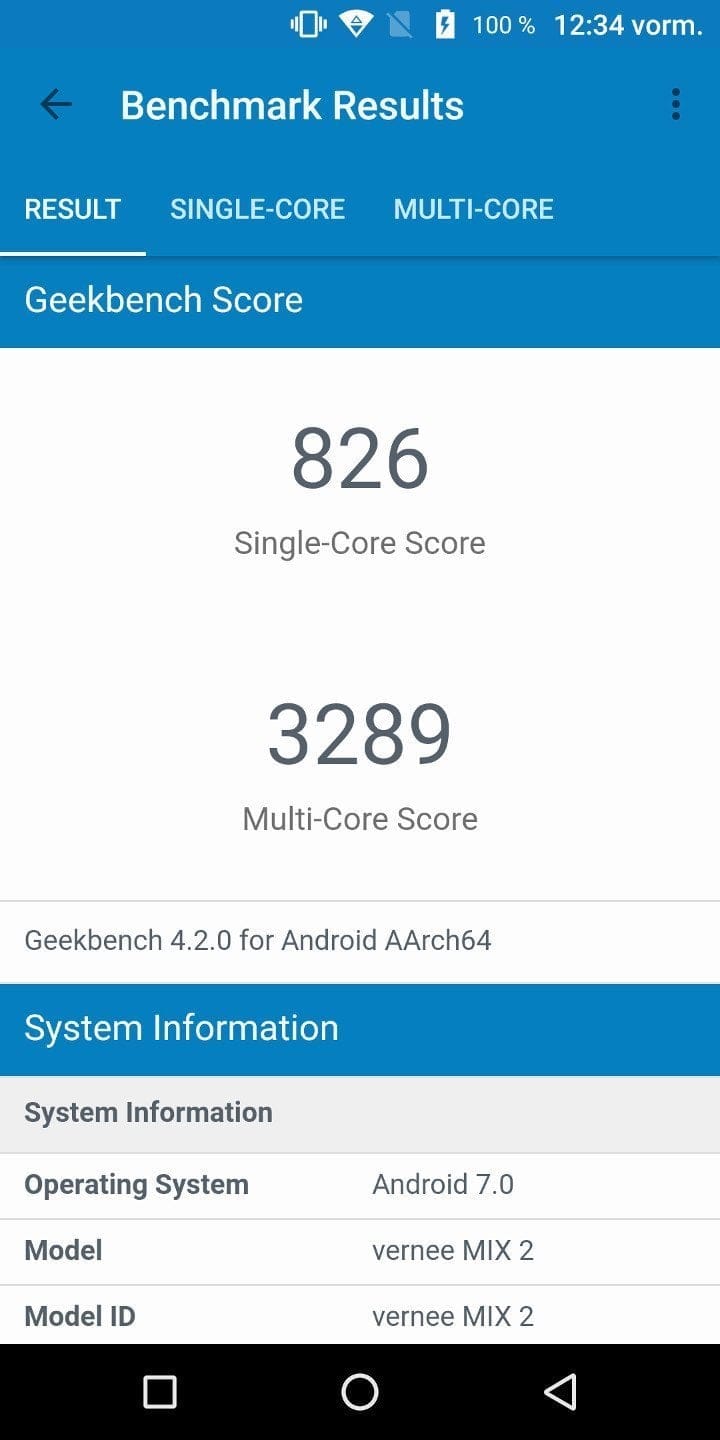
The Mix 2 is available with either 4GB or 6GB of RAM. The internal eMMC5.1 flash memory offers a storage capacity of 64GB for both models. Additionally, the internal storage can be expanded using a MicroSD memory card. However, if you want to use the storage expansion option, you have to do without the dual SIM function due to the hybrid SIM slot.
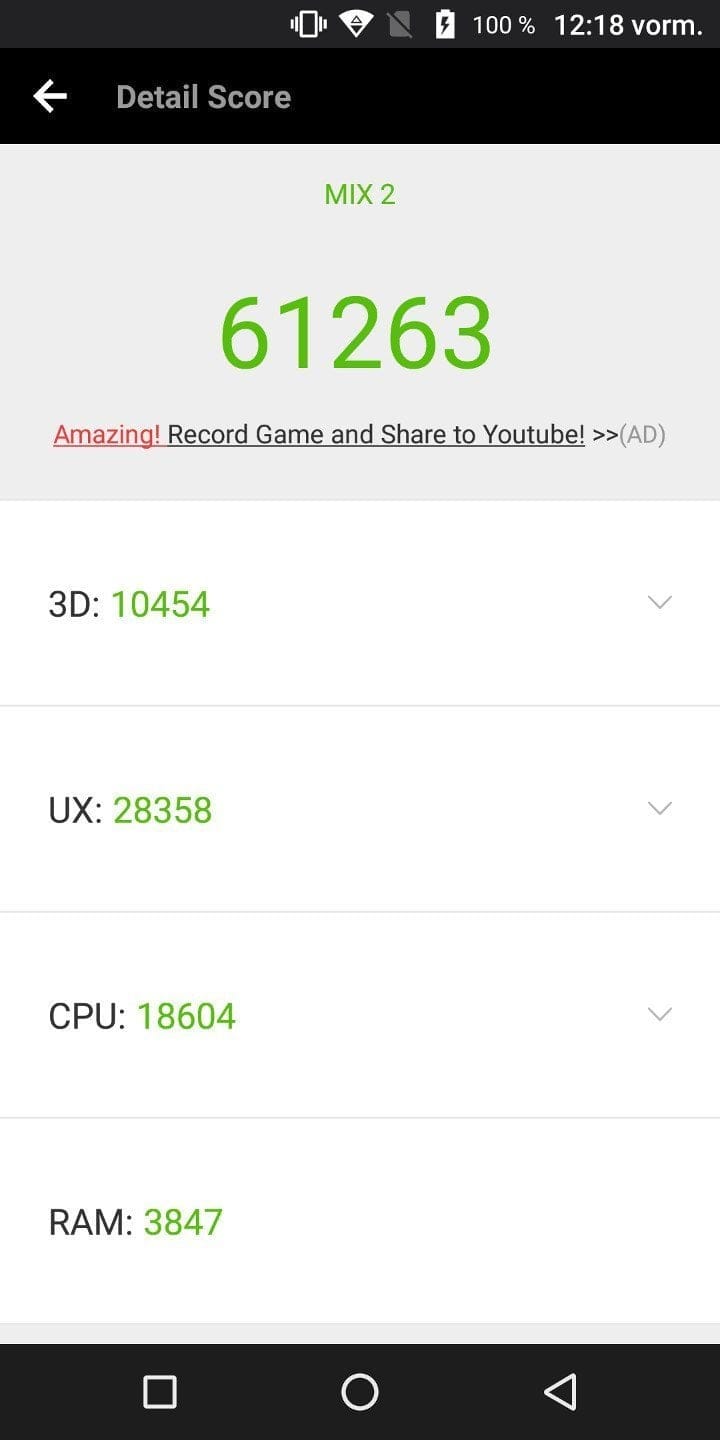
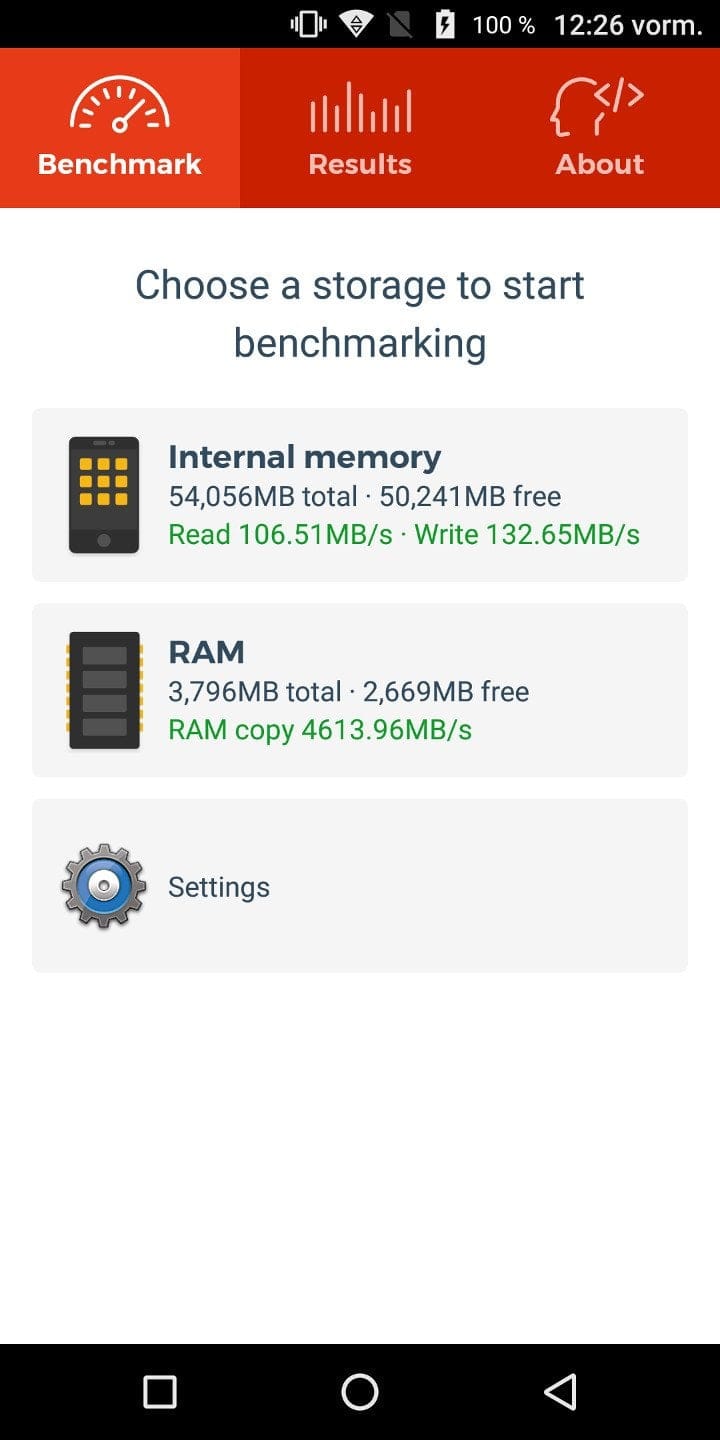
The MediaTek Helio P25 is usually a fundamentally solid mid-range system-on-chip, convincing mainly through good performance and equally good energy efficiency. In everyday use, however, the Vernee Mix 2 did not entirely convince. Compared to other smartphones with the same specifications, the Mix 2 showed signs of being overwhelmed in certain areas. Apps sometimes opened with a delay, and in general, the system did not always seem to run smoothly. Under full load, a slight thermal throttling was also noticeable. The RAM achieved a speed of 4613.96 MB/s in tests, indicating DDR3 memory. The internal eMMC5.1 flash storage achieved a write speed of 132.65 MB/s and a read speed of 106.51 MB/s.
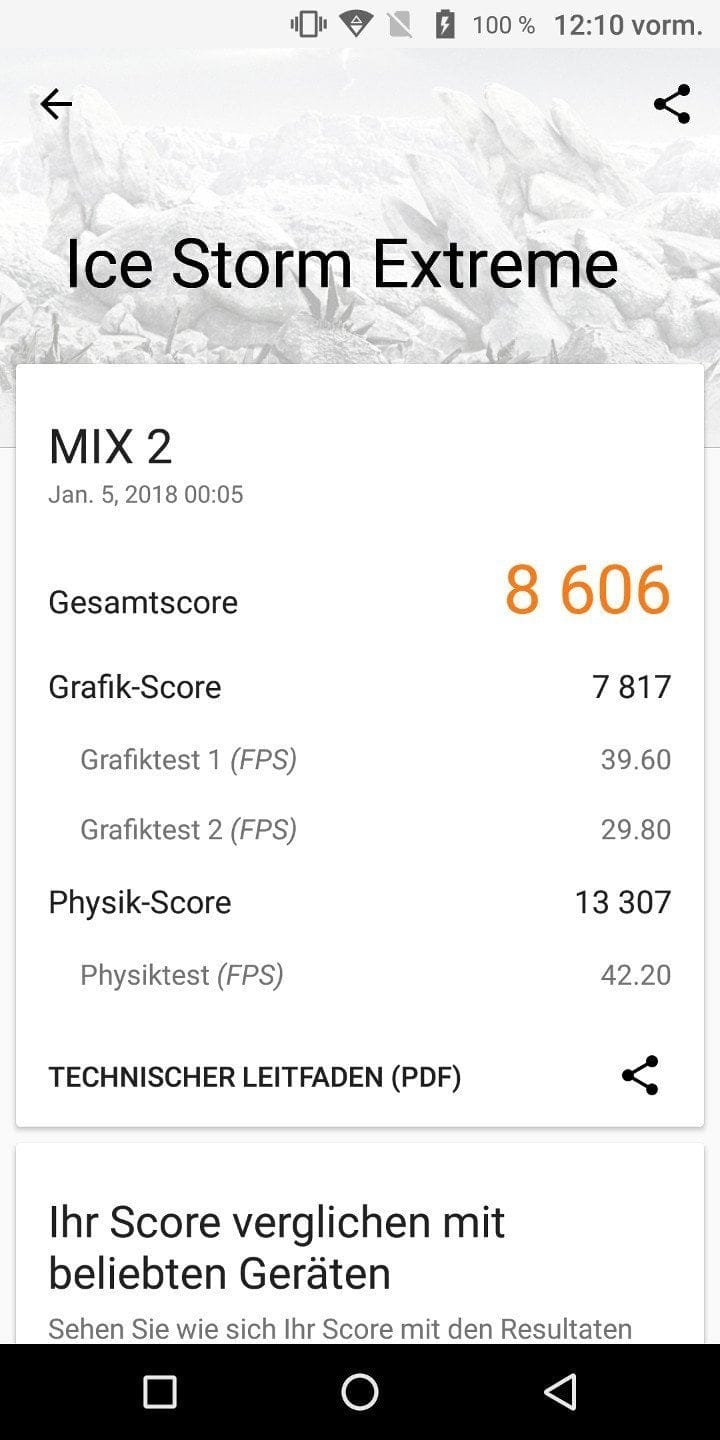
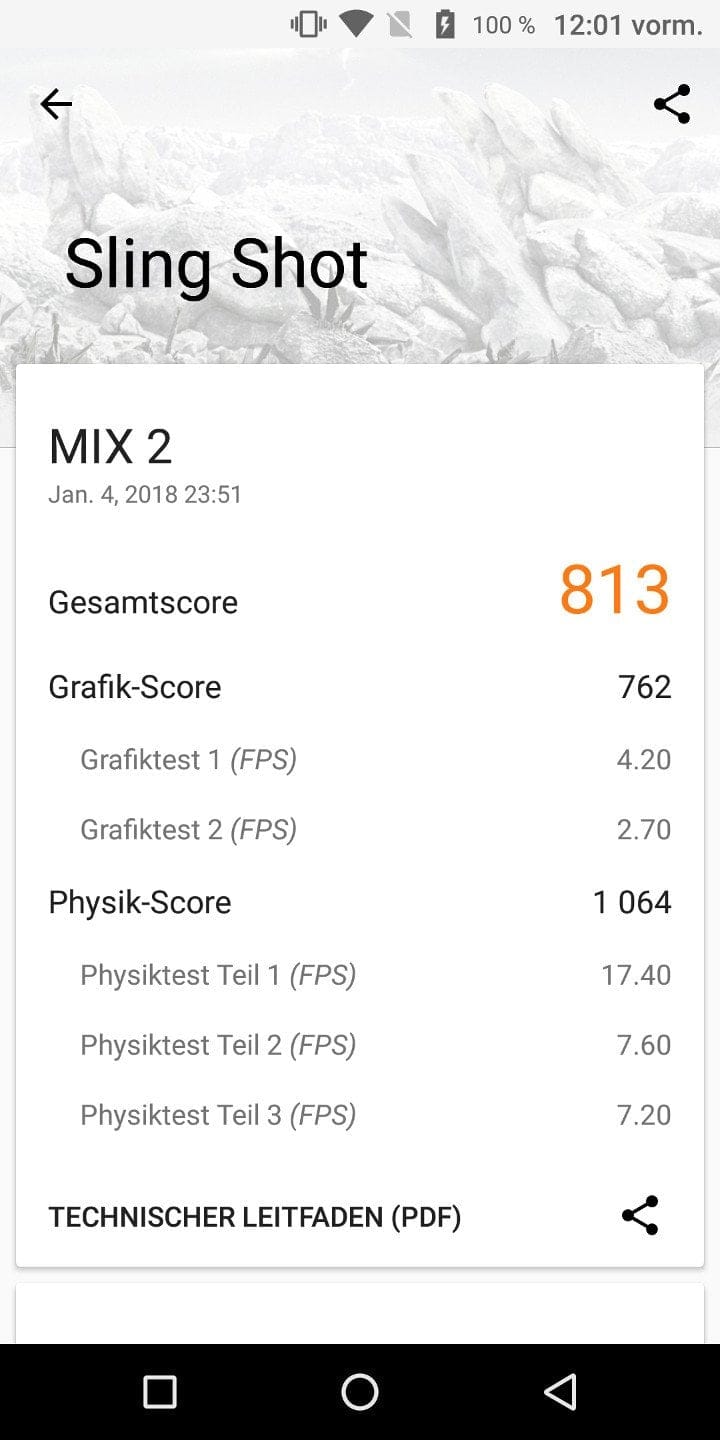
Like the everyday performance, the gaming performance also shows signs of a system that isn't running completely smoothly. Many mobile games are certainly playable smoothly, but if you venture into graphically demanding games, image stutters become more frequent.
User interface
The Vernee Mix 2's operating system is called "VOS" and is based on Android 7.0. Unlike many other manufacturer user interfaces, VOS largely adheres to Stock Android. It includes additional features such as gesture controls, the system optimisation tool DuraSpeed, and allows customisation of the status bar shortcuts. No bloatware or third-party apps are pre-installed. Various Google apps, however, are already present on the smartphone.
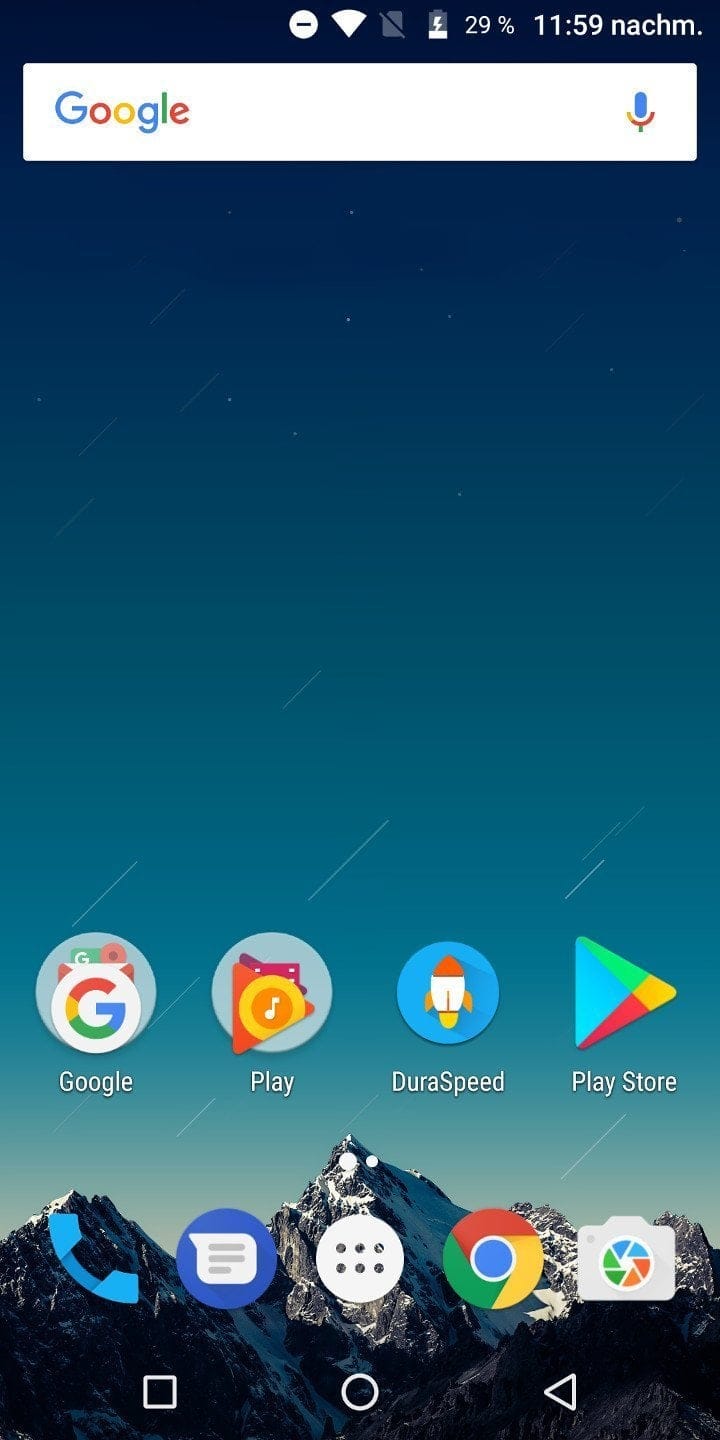
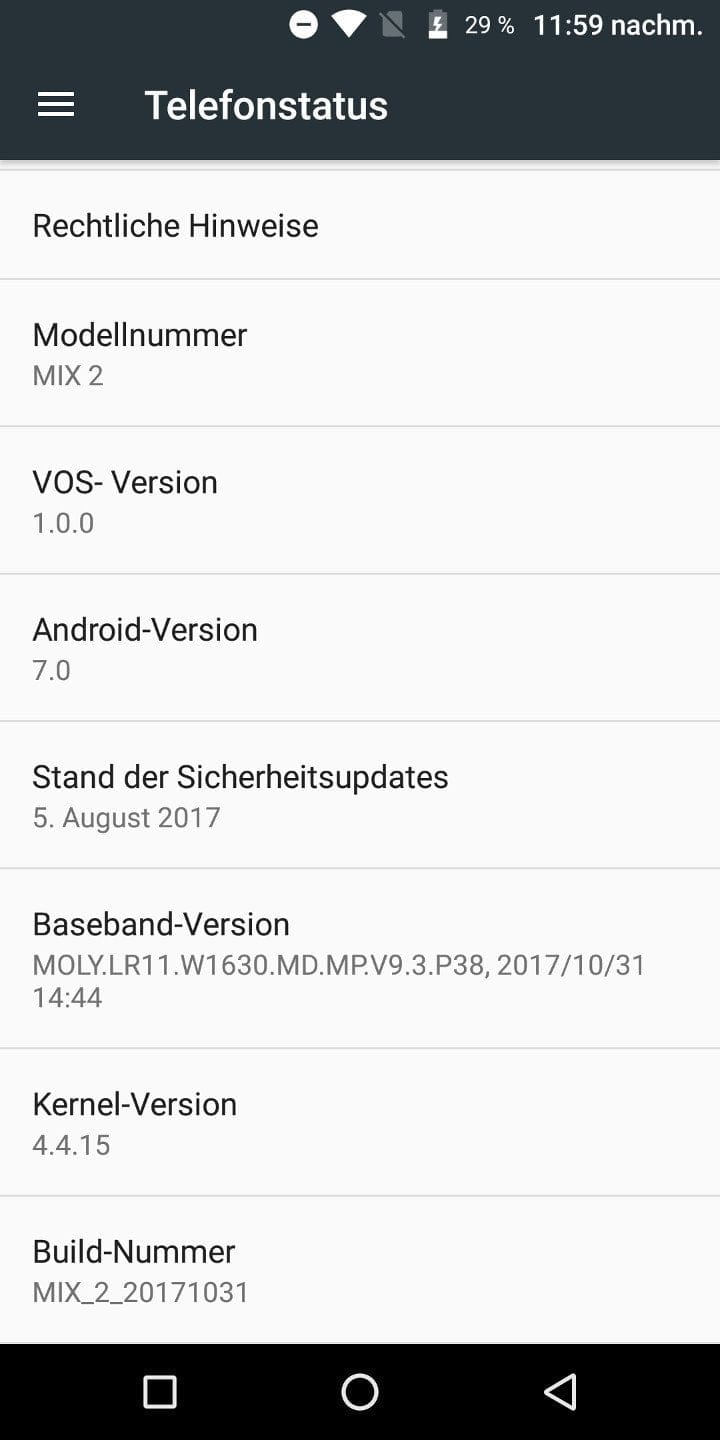
Updates are received over-the-air (OTA). It is unknown whether the Mix 2 will receive an upgrade to Android 8.
Camera
False advertising promises are not uncommon, especially with Chinese smartphones. Often, lies are told regarding hard-to-verify hardware features. Vernee is also leading customers by the nose with the Mix 2. The smartphone was announced with a dual main camera consisting of two Sony IMX258 image sensors and optical image stabilisation. In reality, Vernee has installed completely different sensors, one of which is fake. Also, the optical image stabilisation, which already appeared unbelievable when the smartphone was announced, never actually made its way into the device. Nevertheless, Vernee continues to promote the smartphone with "OIS" and, amusingly, in connection with "telephone lenses", which presumably refers to an optical telezoom (which does not exist either).
Main camera
The image sensor of the main camera actually used is a 13-megapixel AR1335 1/3.2-inch CMOS from ON Semiconductor. Vernee specifies the aperture as f/2.0. According to the driver, the additional fake sensor is a Galaxycore GC0310 VGA image sensor. A conventional LED flash is present.
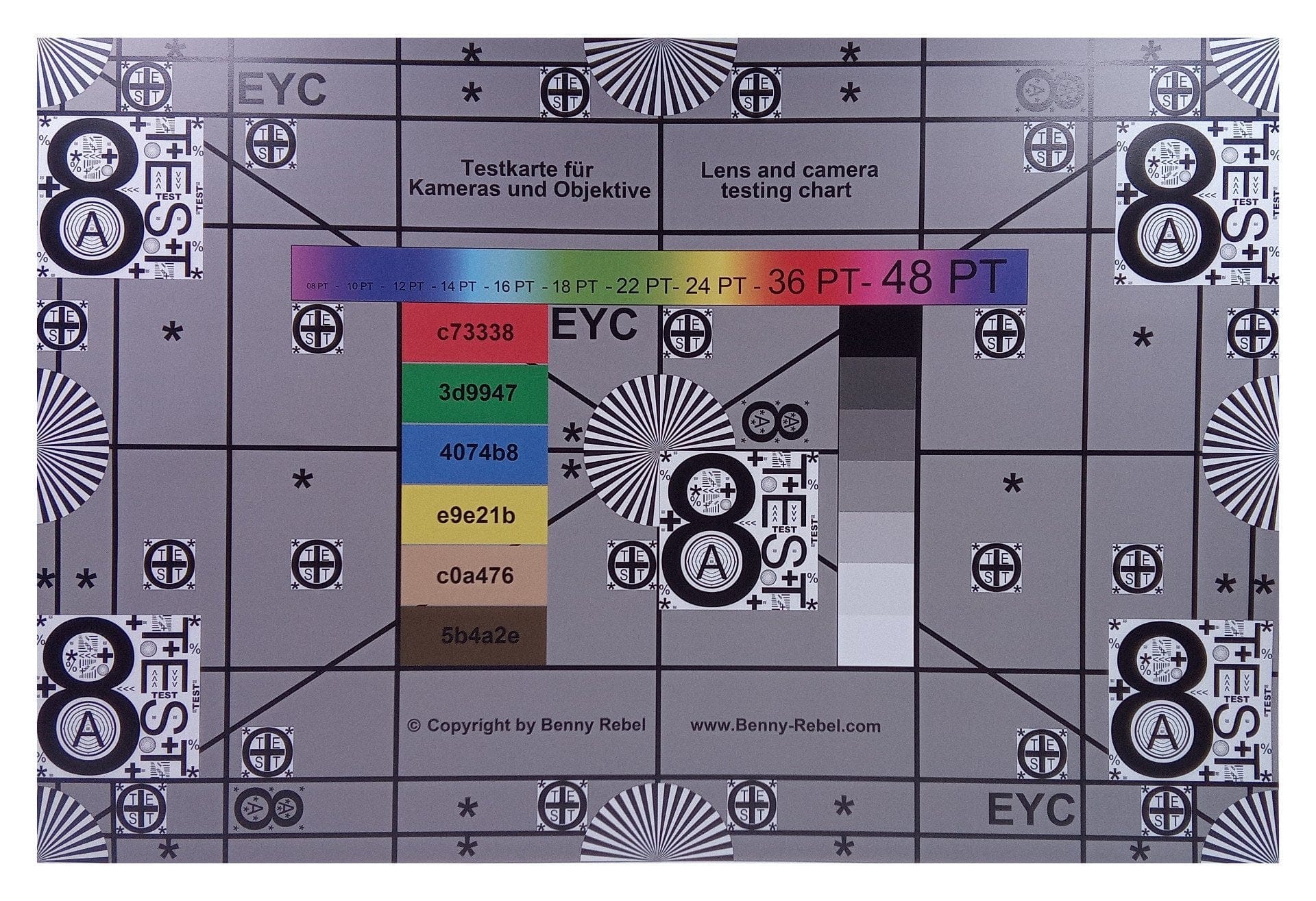
The image quality of the main camera barely meets what can be expected in the price range around €150. In good lighting conditions, fairly acceptable images are possible. However, one should not expect a high level of detail or sharpness. Images are sometimes heavily noisy and prone to slight blurring towards the edges. The automatic white balance unfortunately does not work satisfactorily, resulting in significantly distorted colours.

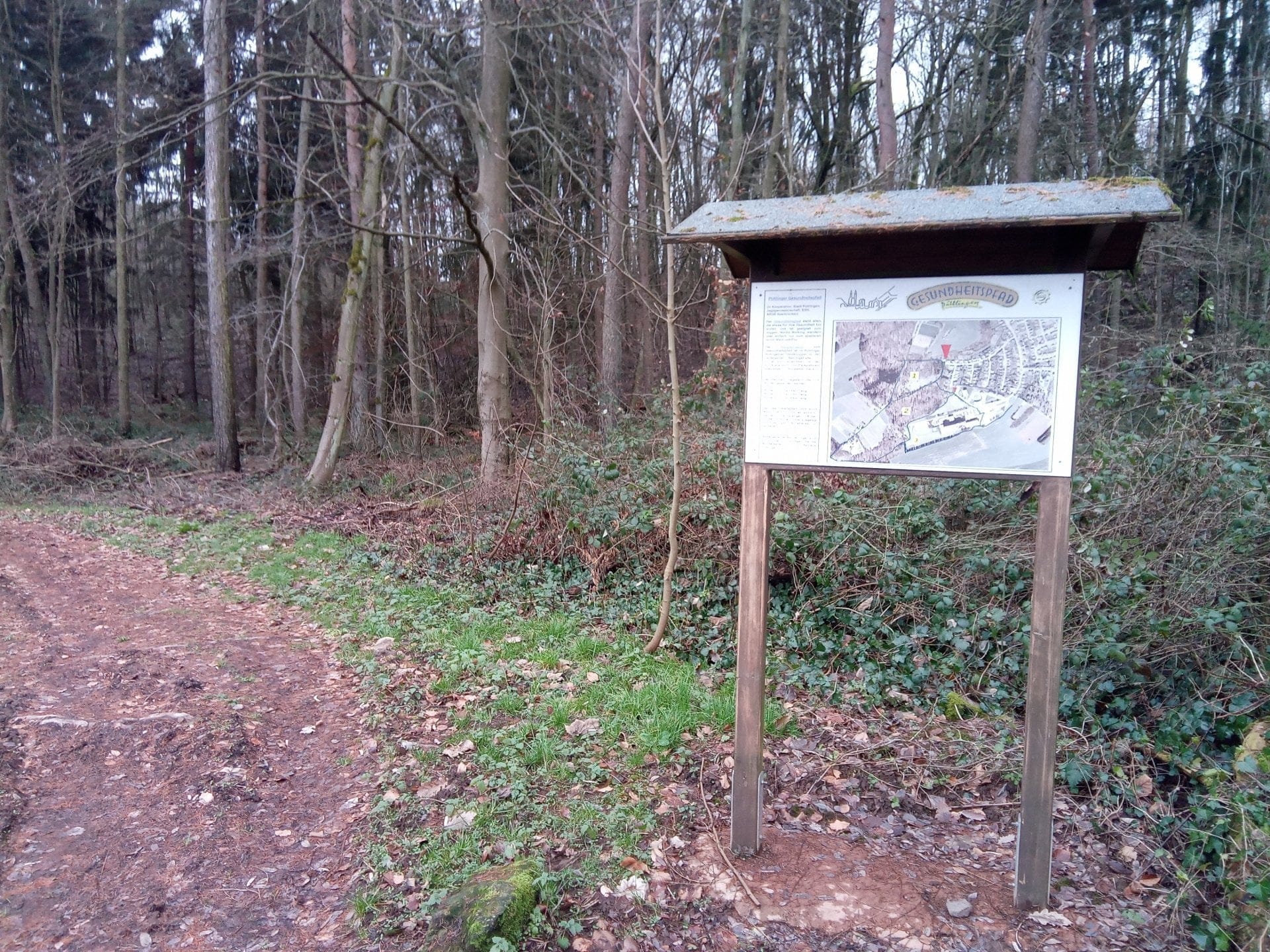
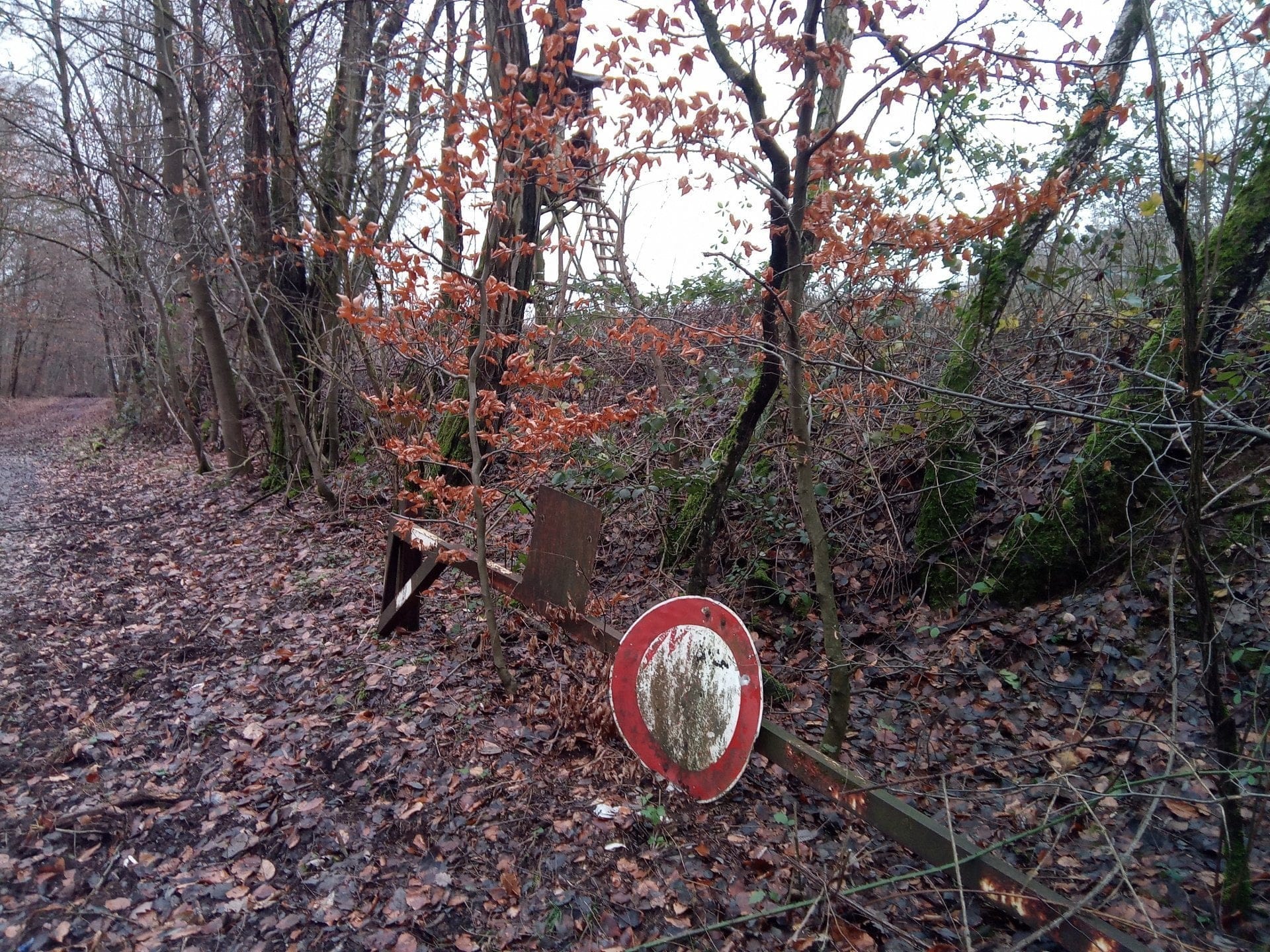

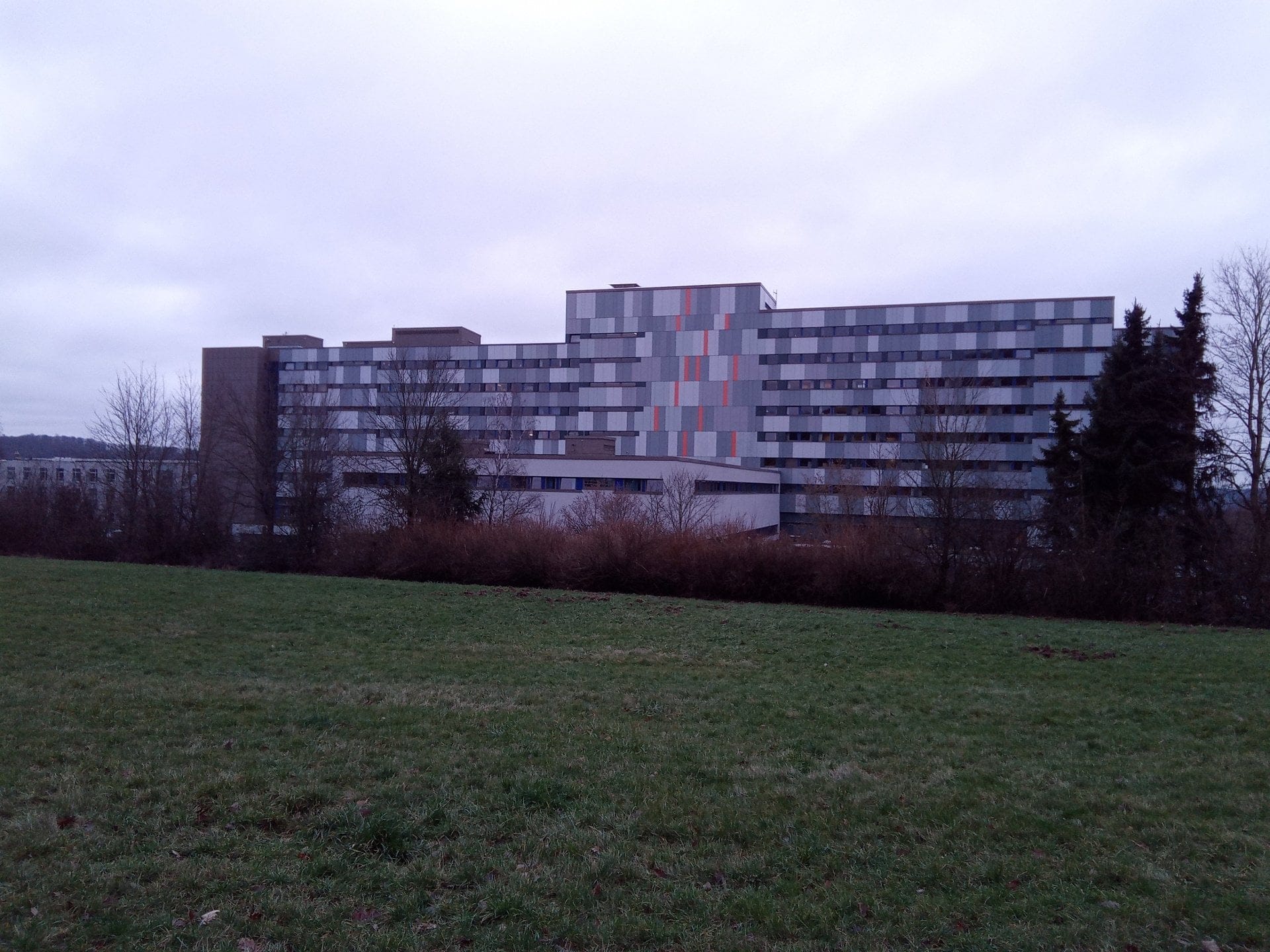
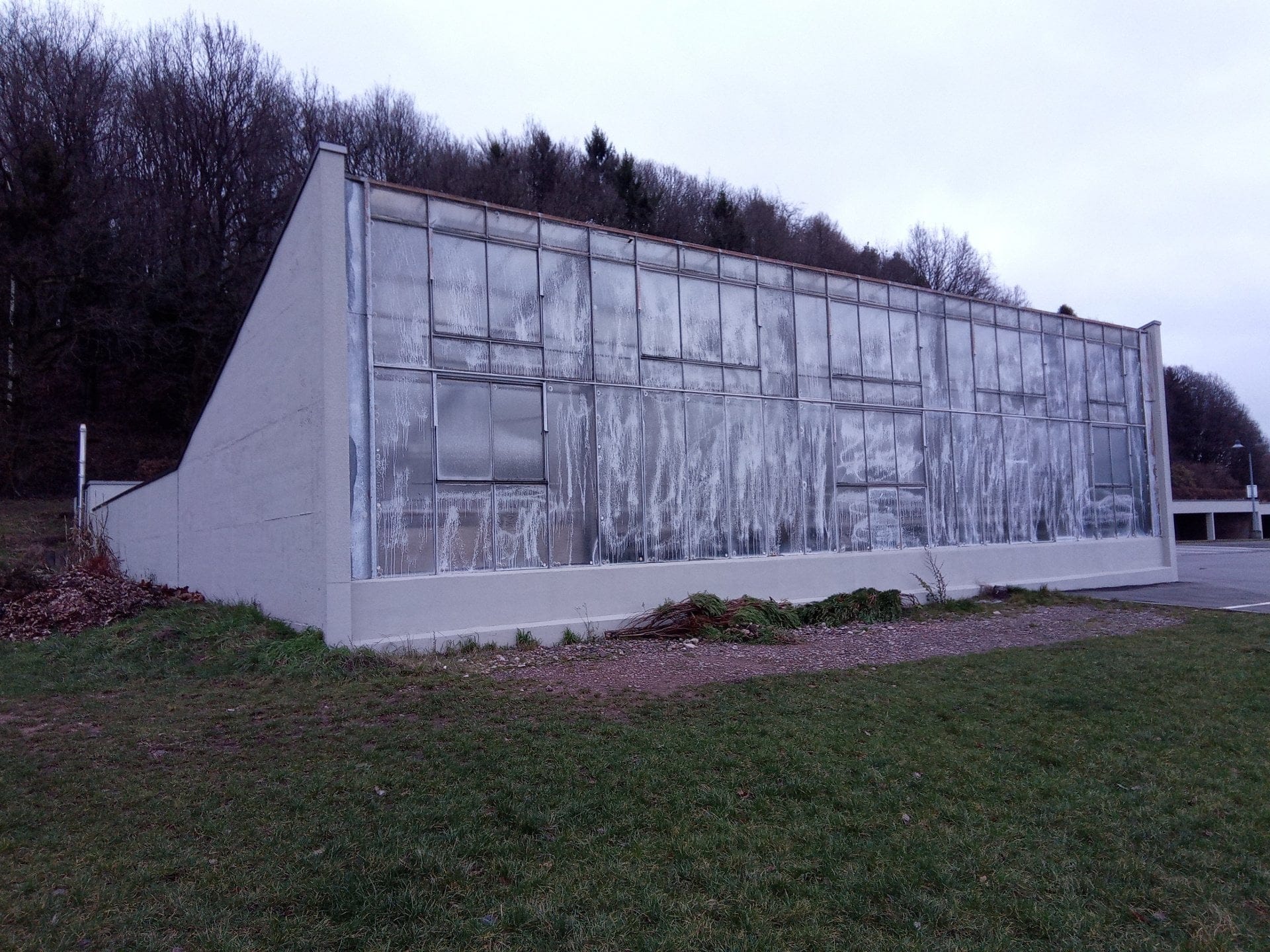
The autofocus delivers satisfactory results. Focusing is precise and, at least under good lighting conditions, comparatively fast. However, it becomes increasingly sluggish in poor lighting. The shutter lag is still acceptable, though not particularly quick. The promised telezoom is a purely digital 2x zoom. There is definitely no optical image stabilisation.
Features of the camera app include the conventional photo and video modes, as well as a FaceBeauty mode, a blur mode, a mono mode, a panorama mode and a pro mode. The blur mode offers an artificial bokeh effect created by adjusting a circular blur mask. The pro mode is a manual shooting mode that offers options to adjust white balance, ISO and light value.
Videos are recorded by the main camera at maximum FHD (1080p) resolution. The maximum frame rate is 30 frames per second. In poor lighting conditions, however, this drops to less than 9 frames per second, resulting in heavily stuttering and barely usable video footage. The recorded audio is acceptable, although it sounds slightly muffled.
Front camera
The front camera features a 5 megapixel Galaxycore GC5025 image sensor and an f/2.8 aperture. Due to the position of the front camera below the display, the smartphone should be rotated accordingly before every selfie. Taking usable selfies with this front camera is a real struggle. The captured images are largely noticeably blurred and also appear washed out in terms of colour. If you finally manage to take a reasonably clear image, it is usually completely overexposed. The front camera records videos at a maximum 480p resolution.


Connectivity
Telephony
In mobile networks, the smartphone can be operated with two nano-SIM cards simultaneously (dual SIM). The 2G, 3G and 4G frequency bands common in this region are supported. The Vernee Mix 2 also handles LTE Band 20 very well. The reception quality is convincing both during calls and while surfing the mobile web. Speech is transmitted clearly and distinctly.
Wi-Fi and Bluetooth
For wireless data transfer, the smartphone is equipped with a dual-band WiFi module (802.11 a/b/g/n/). Bluetooth is supported in version 4.0. The WiFi reception quality is below average. In testing, hardly a stable connection to a 5 GHz network could be established. In the 2.4 GHz network, the reception strength was sometimes so low that a stable connection could only be established in the room where the router was located. In terms of Bluetooth connectivity, the Mix 2 again performed as expected.
GPS and sensors
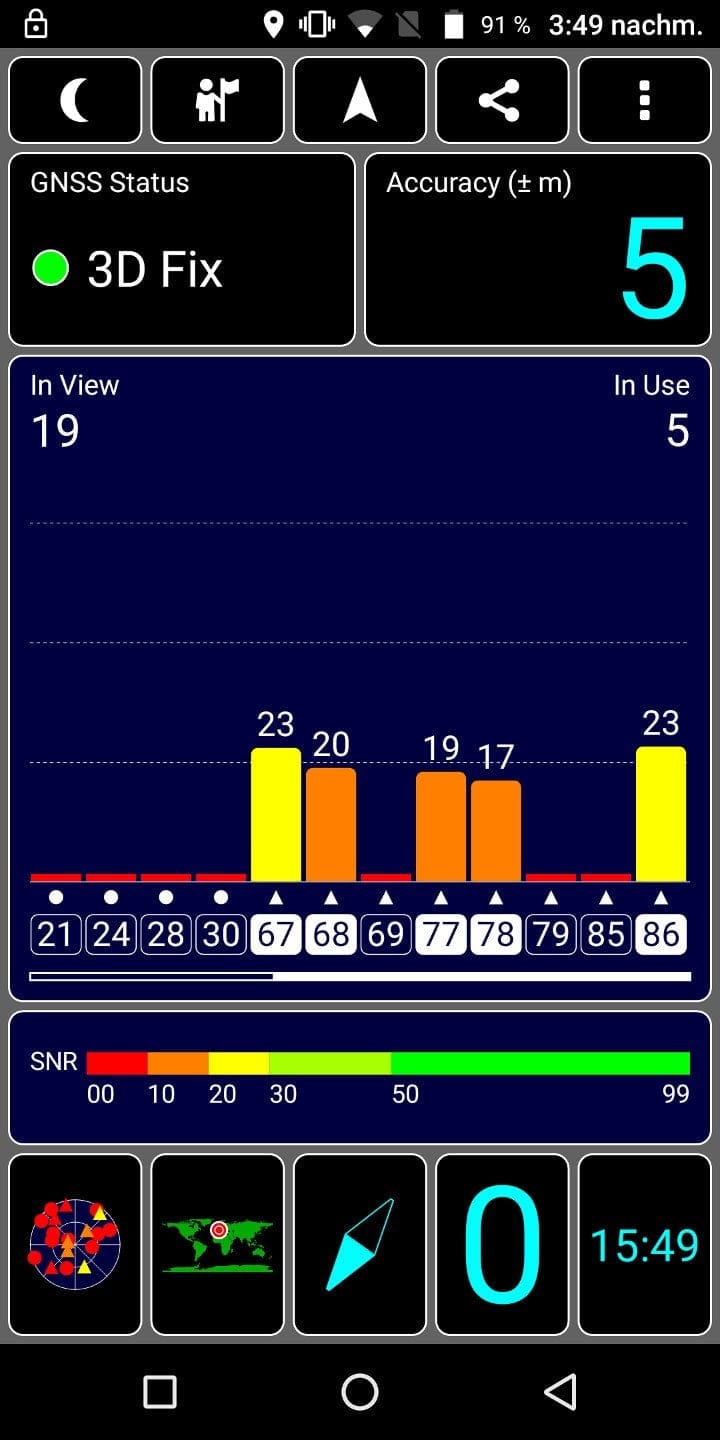
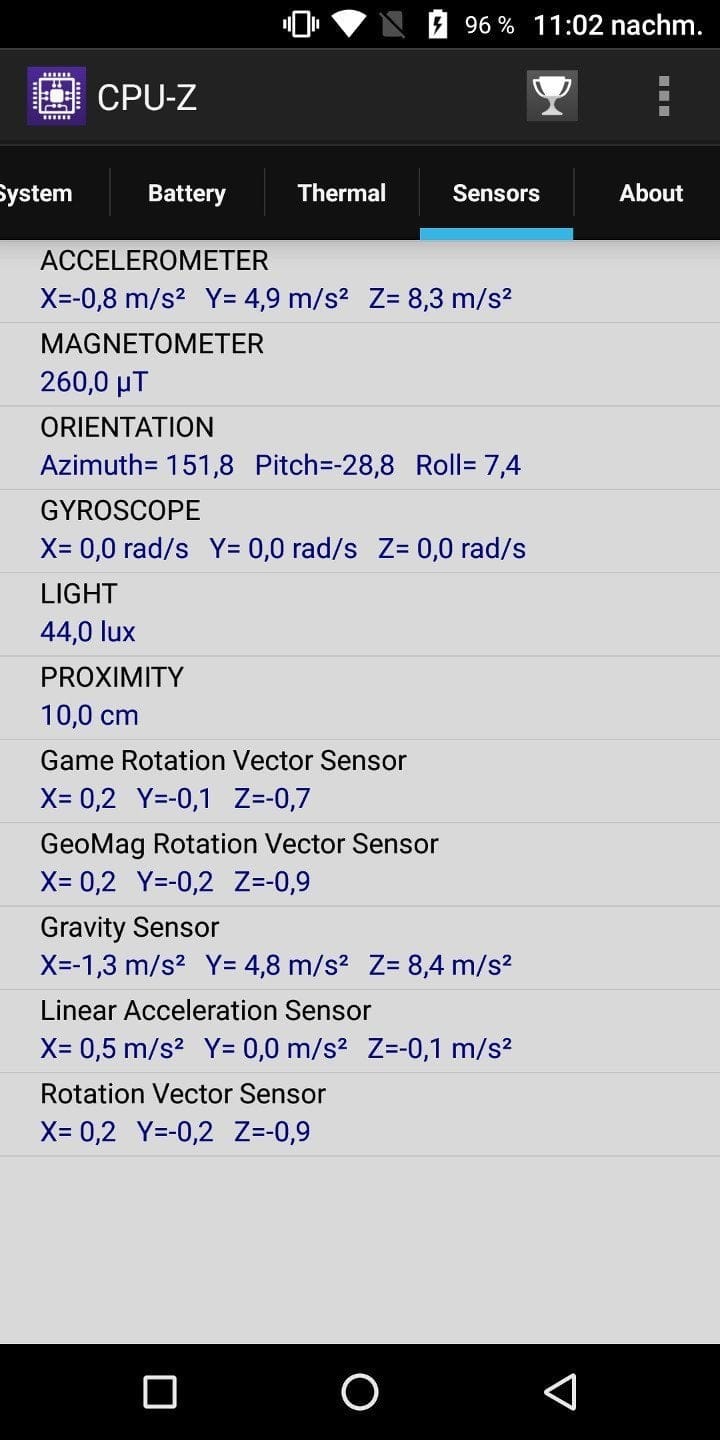
Points are also deducted for GPS / GLONASS positioning. The smartphone exhibits abysmal satellite reception outdoors, which is even surpassed by other smartphones indoors. Consequently, it takes ages to find a GPS fix in the first place. Once a GPS fix is found, it is usually lost again quickly. The smartphone is simply unsuitable for navigation. The sensor equipment comprises a proximity sensor, a gyroscope, an accelerometer, an ambient light sensor and an e-compass.
Fingerprint scanner
The fingerprint scanner unlocks the smartphone precisely. On average, nine out of ten unlock attempts are recognised correctly. However, it often takes two seconds to reach the home screen after successful unlocking.
Battery
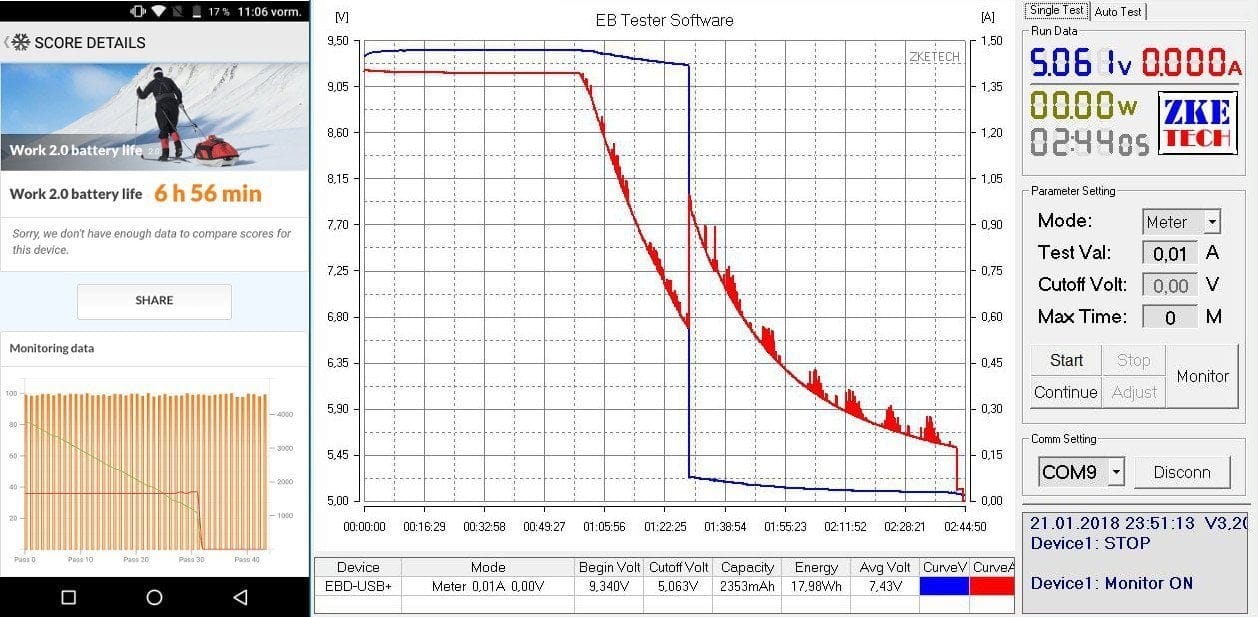
The Vernee Mix 2's battery has a capacity of 4200 mAh, which roughly corresponds to the measured value. A single charge is sufficient to get through the day with normal use. The average screen-on-time is between 6 and 7 hours.
Pump Express Plus ensures fast smartphone charging. The included charger also supports this feature. The battery is already charged by 75% after 1 ½ hours. A full charge takes an average of 2 ½ hours. If you charge the smartphone with a non-PE+ compatible charger instead, a charging cycle takes approximately 4 hours.
Our verdict
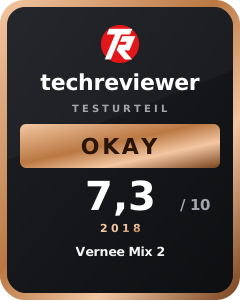
The Vernee Mix 2 still feels somewhat unfinished overall. While the smartphone certainly has positive qualities, such as its appealing design, or the high-resolution, responsive display, or the good cellular reception, there are also significant criticisms. One of the most serious flaws is the main and front camera, whose sensor specifications do not match those advertised by Vernee. The recording quality of both cameras was also less convincing in testing, although it just meets the quality standards of camera equipment in this price bracket. Further criticisms concern the GPS reception and the e-compass. Precise navigation is hardly possible with this smartphone. The Wi-Fi reception also proved to be very weak in testing.
Given the price, however, one should not be too harsh on the Mix 2. Although the negative aspects currently outweigh the positive aspects of the smartphone, many of these criticisms are fixable via software.
Specifications
Processor and memory
- CPU
- MediaTek Helio P25 (MTK6757CD)
- GPU
- Mali-T880
- RAM
- 4GB / 6GB
- Internal storage
- 64GB
- Storage expansion
- Yes
Display
- Display type
- IPS
- Display size
- 6 inches
- Display resolution
- 2160 x 1080 pixels (18:9)
Cameras
- Main camera
- 13-megapixel AR1335 + Galaxycore GC0310 VGA
- *Aperture
- f/2.0
- *PDAF
- *LED flash
- Front camera
- 5 megapixel Galaxycore GC5025
Mains
- Dual SIM
- Yes
- SIM size
- 2x Nano SIM
- 2G
- GSM 1800/1900/850/900 MHz
- 3G
- WCDMA 2100/900 MHz
- 4G LTE 2100/800/1800/2600/900 MHz
Wireless
- Wi-Fi
- 802.11 a/b/g/n/
- Bluetooth
- 4.0
- GPS
- Yes
Sensors
- *Proximity sensor
- *Accelerometer
- *Brightness sensor
- *Gyroscope
- *E-compass
- *Fingerprint sensor
Battery
- Battery
- 4,200 mAh
- Connection
- Micro-USB
Other
- Operating system
- Android 7
- Size
- 157.8 x 76.2 x 8.2 mm
- Weight
- 195g
What’s included
1x Vernee Mix 2, 1x silicone protective case, 2x glass screen protector, 1x charger, 1x micro USB cable, 1x user manual
Comments