Contents
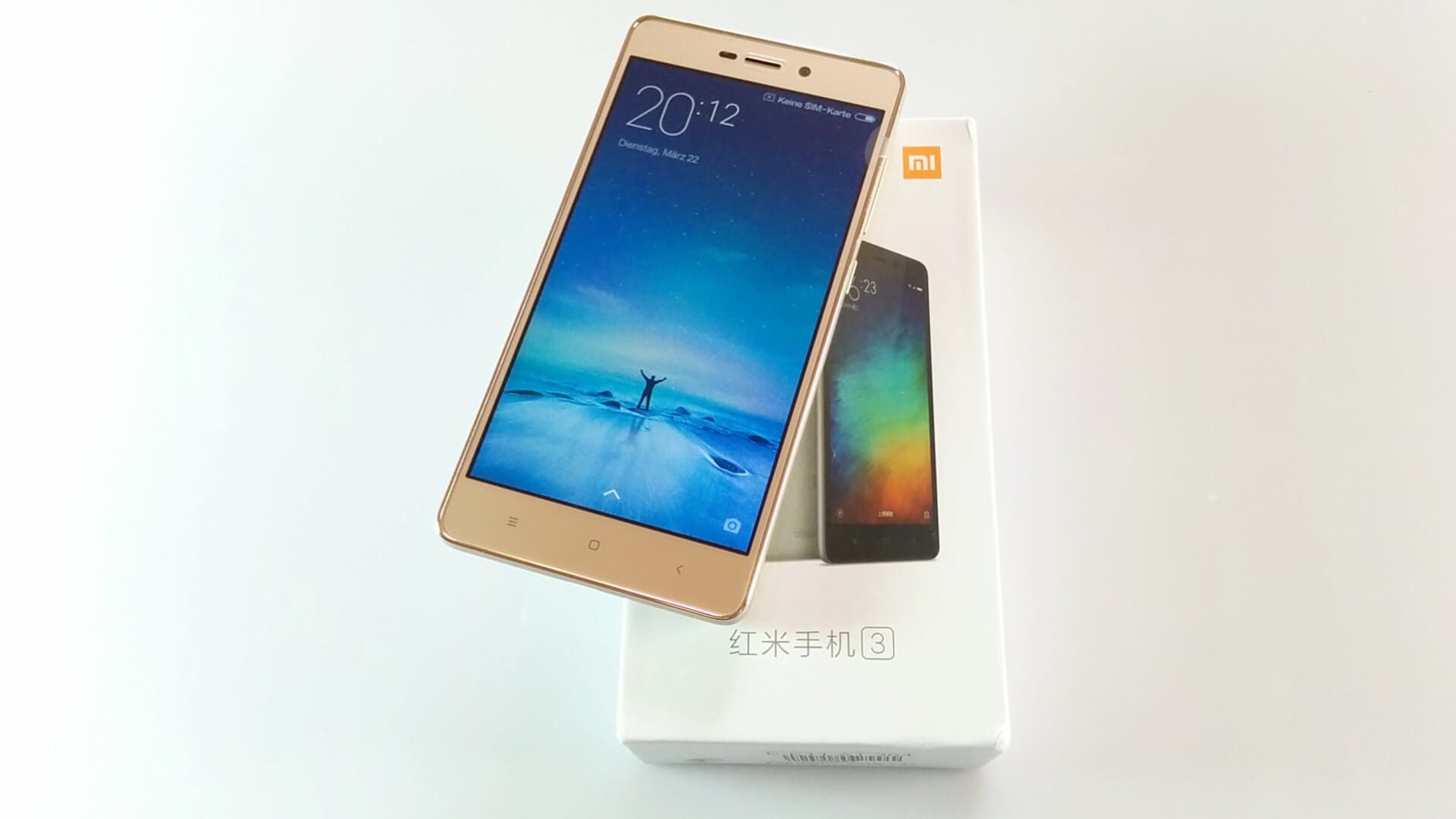
First impressions of the Xiaomi Redmi 3
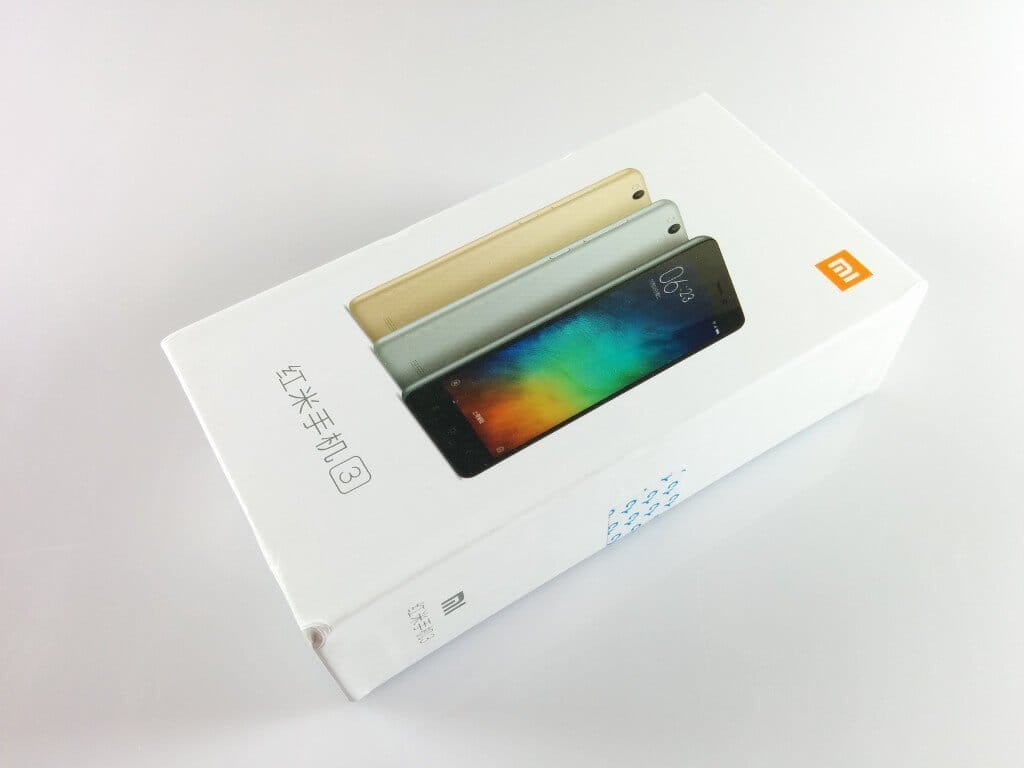
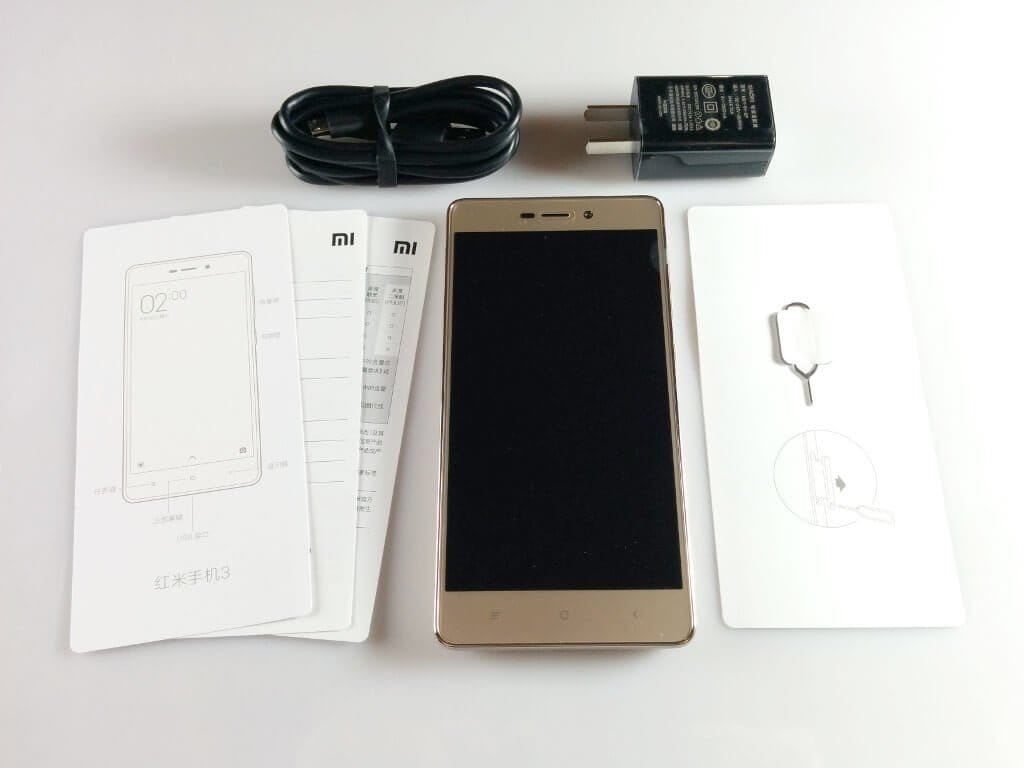
Those importing a Xiaomi smartphone or other products from the manufacturer usually have to make do with Chinese packaging. The Xiaomi Redmi 3 was delivered in a compact cardboard box, along with Chinese operating instructions and service cards, a micro USB data or charging cable and a charger with a Type-A plug, as is primarily found in the USA. However, when importing, many manufacturers include a suitable adapter, or you can use a conventional smartphone charger with a USB connection.
Xiaomi Redmi 3 unboxing on YouTube
 Play video on YouTube
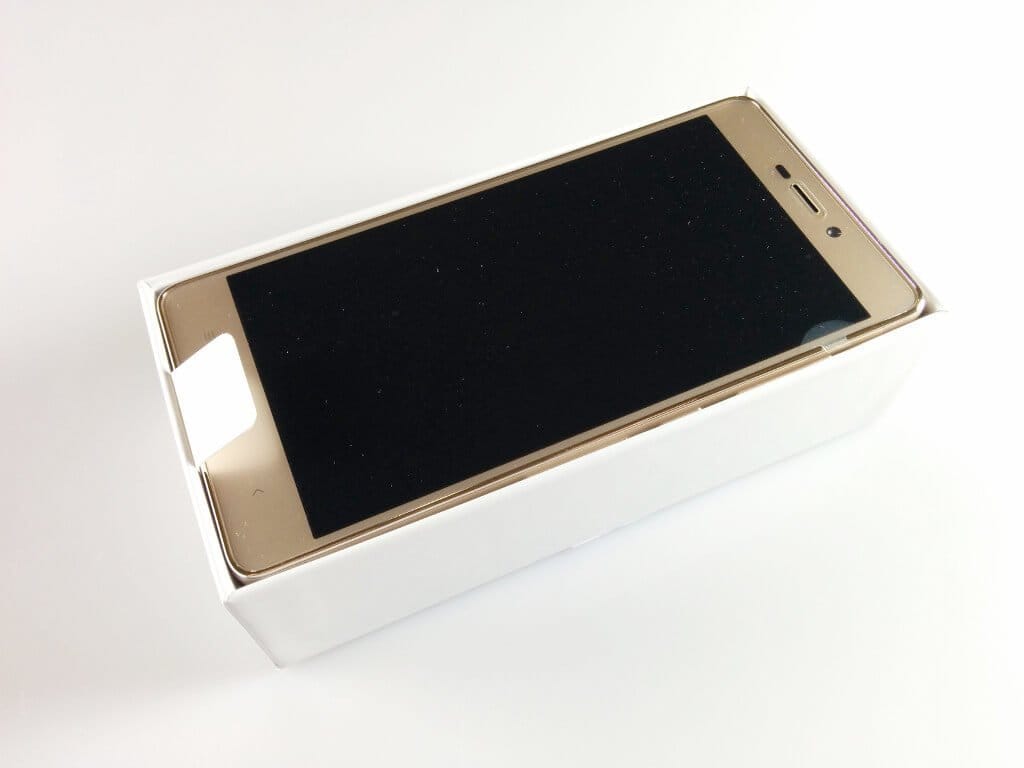
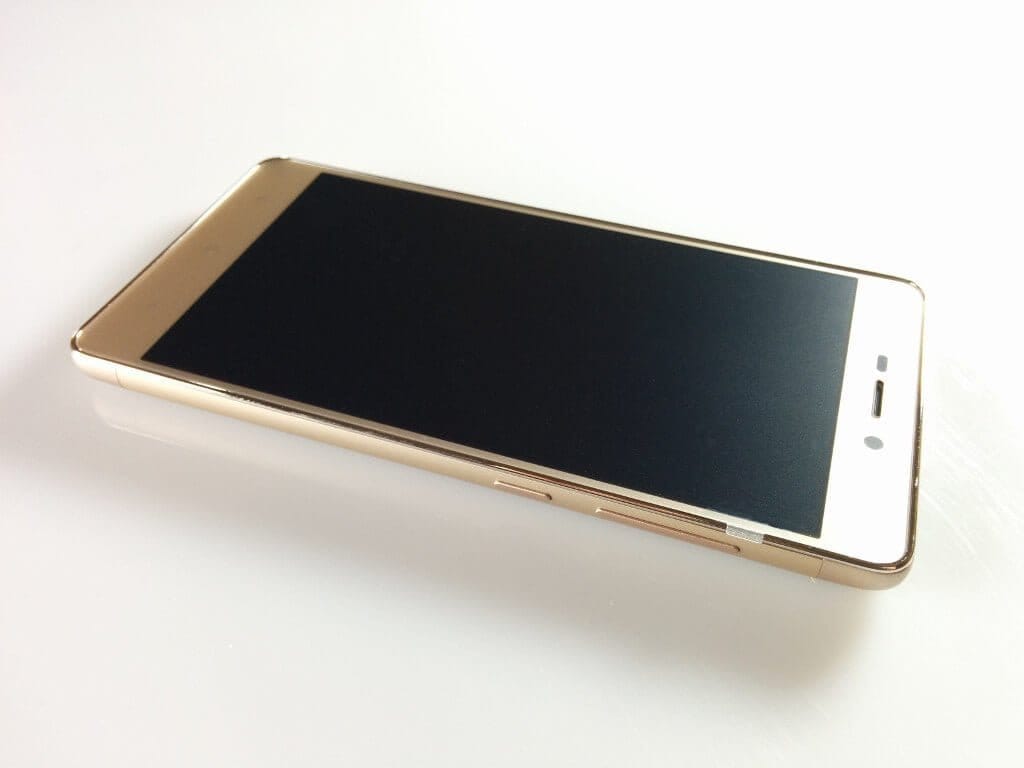
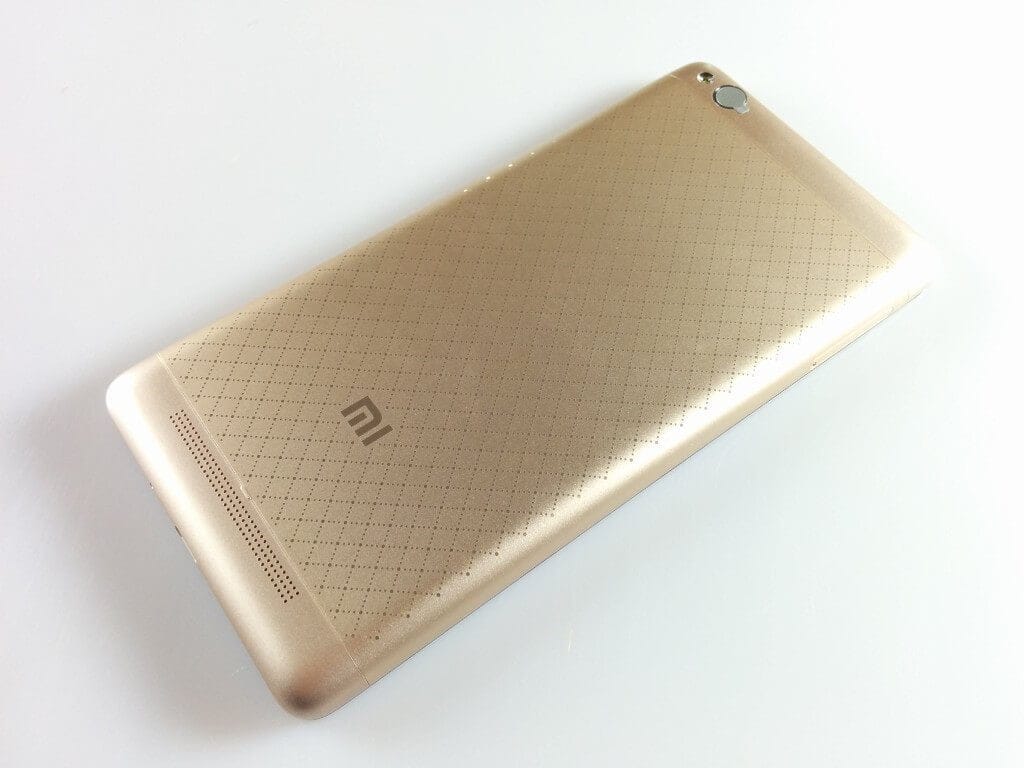
Unpacked, the smartphone leaves a very good impression. The elegant and well-made unibody aluminium housing with the dotted checkered pattern on the back not only looks damn good, the Xiaomi Redmi 3 significantly surpasses other smartphones in the same price range in terms of high-quality feel and build quality. The only disadvantage is that the battery cannot be replaced with this unibody design. The control buttons mounted on the side are also made of metal and sit firmly in the housing. On the opposite side is the hybrid SIM slot (micro SIM and nano SIM / micro SD)
On the back, in addition to the camera and LED flash, there is also the speaker outlet. The rounded sections of the back, both at the top and the bottom, are made of plastic, which is mainly due to improved transmission.
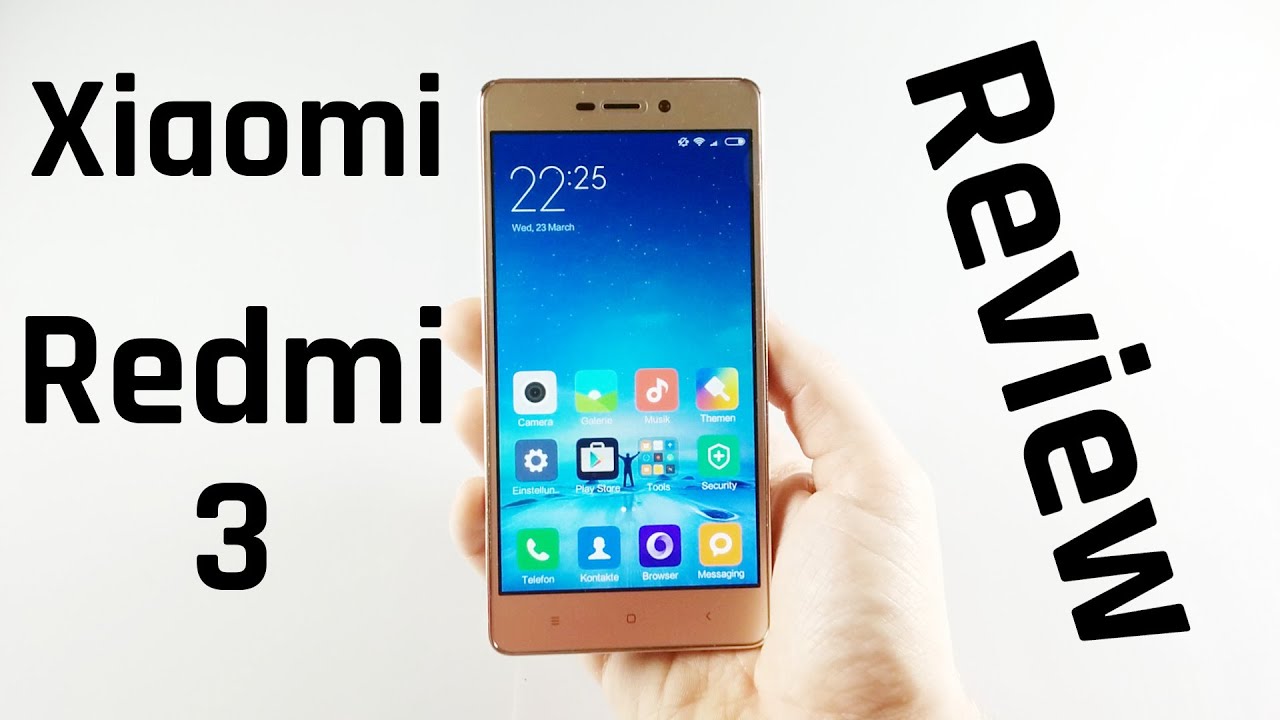
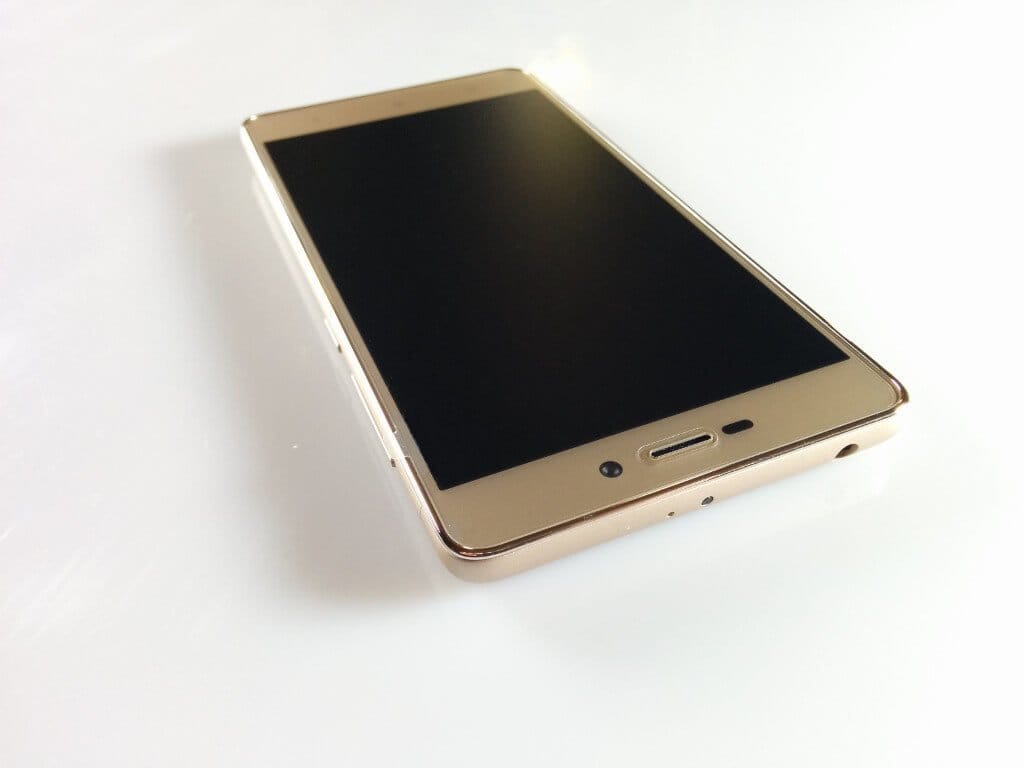
On the front is the 5-inch HD display. Below it are 3 capacitive buttons and a notification LED, which is not visible. Above the display are the front camera, the earpiece and the proximity sensor.
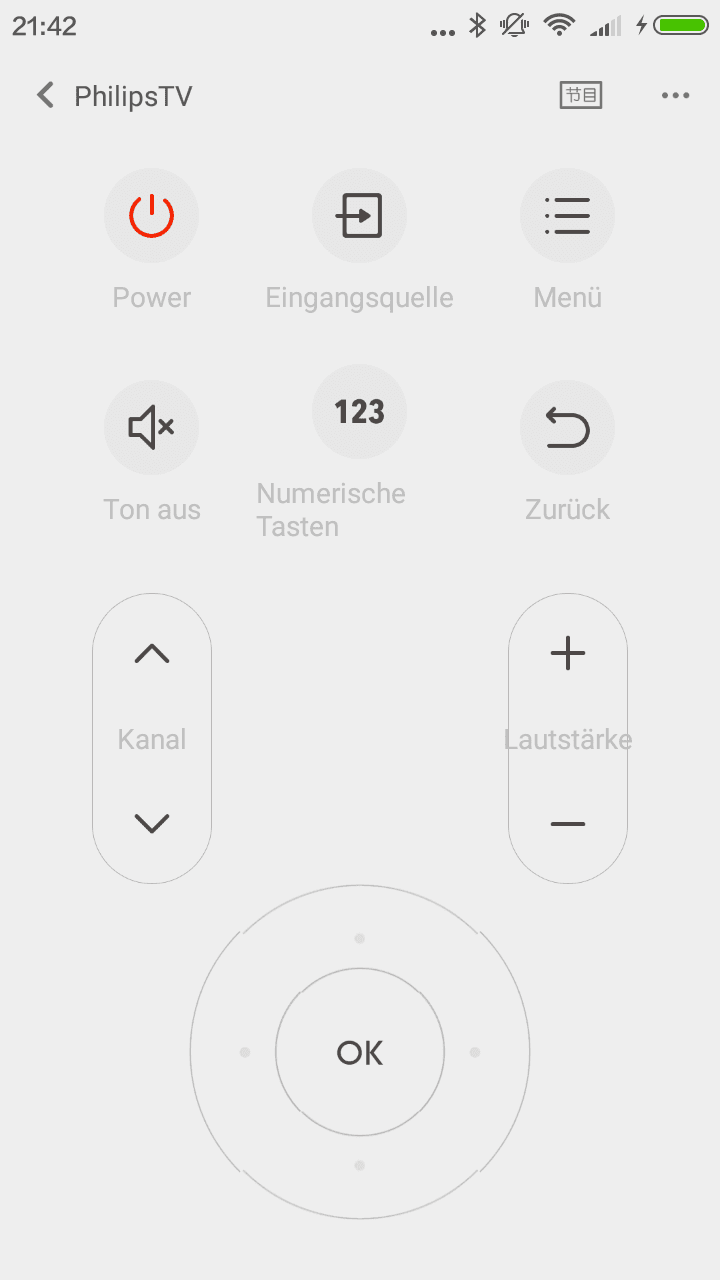
It is interesting that this smartphone has both an infrared sensor and a small microphone located on the top edge. With the infrared sensor and a suitable app, you can control a television, for example; the microphone is used for noise cancellation. The classic 3.5mm headphone jack has naturally not been forgotten and is also located on the top edge. For charging or data transfer, the handheld has a conventional micro-USB port on the bottom edge of the housing. Next to it is another microphone.
Xiaomi Redmi 3 review on YouTube
 Play video on YouTube
Display
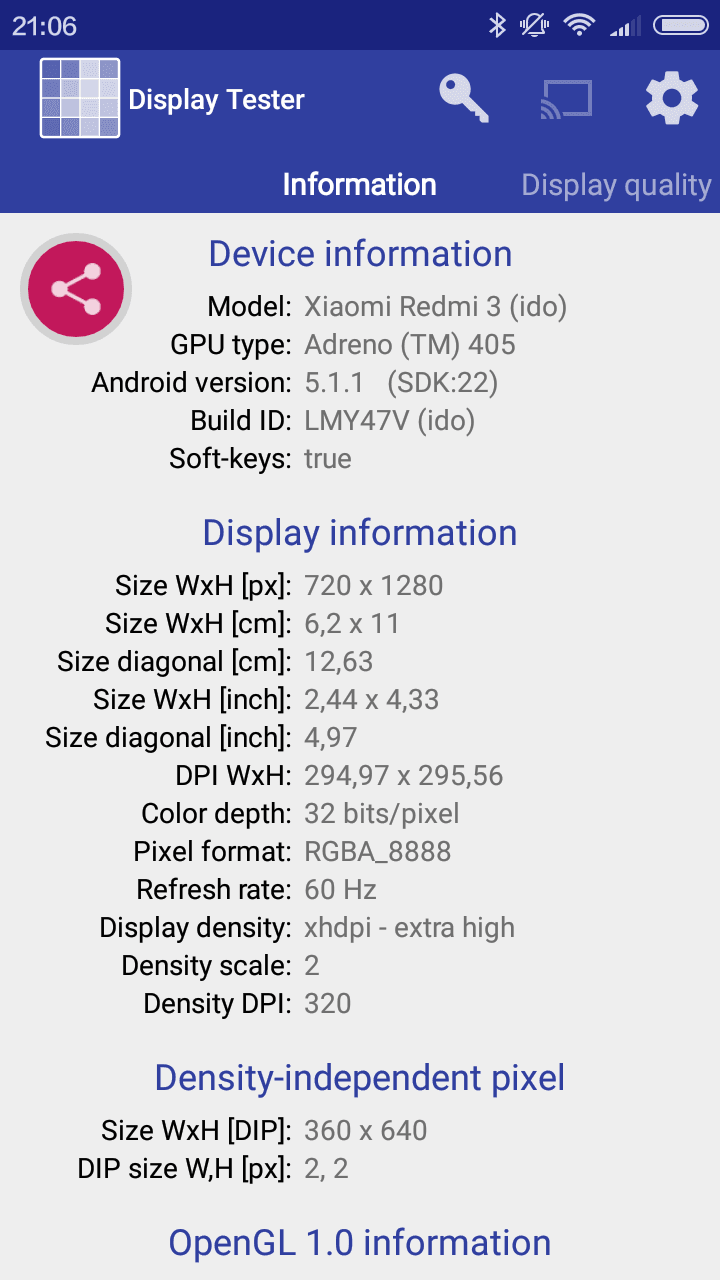
The smartphone features a 5-inch HD IPS display. The resolution is 1280x720 pixels, with a pixel density of 294 PPI. The display is excellently sharp, so individual pixels are not visible to the naked eye at normal viewing distances. The colours are vivid and natural. Additionally, MIUI 7 display settings allow users to retrospectively correct colours and contrast. The automatic brightness adjustment works well. Even in strong sunlight, the display remains legible, indicating very high brightness.
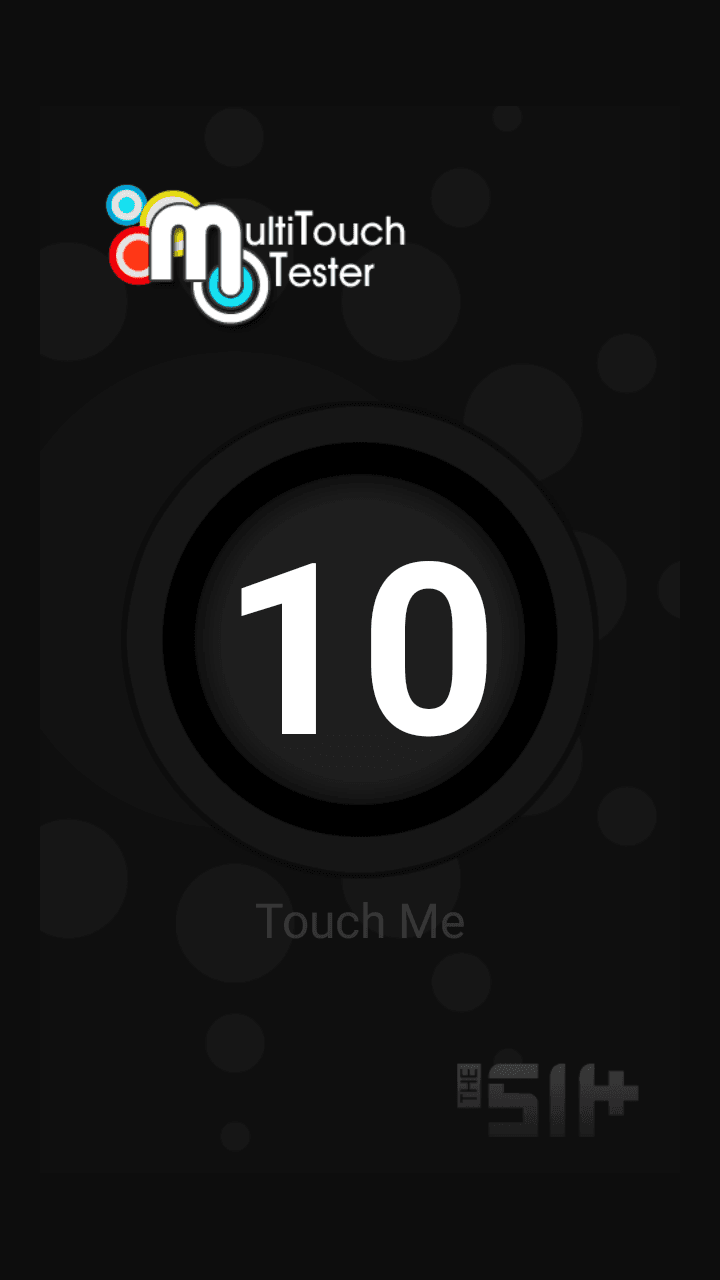
The display of the Xiaomi Redmi 3 also proved to be very wide-angle stable in our test. I could not detect any colour shift at steep angles. Text remained easily readable at every viewing angle. The smartphone surprised me during the multi-touch test. For devices in this price range, 5-point multi-touch is common. The Xiaomi Redmi 3, however, is capable of 10-point multi-touch. All inputs made during the review were recognised precisely.
Performance
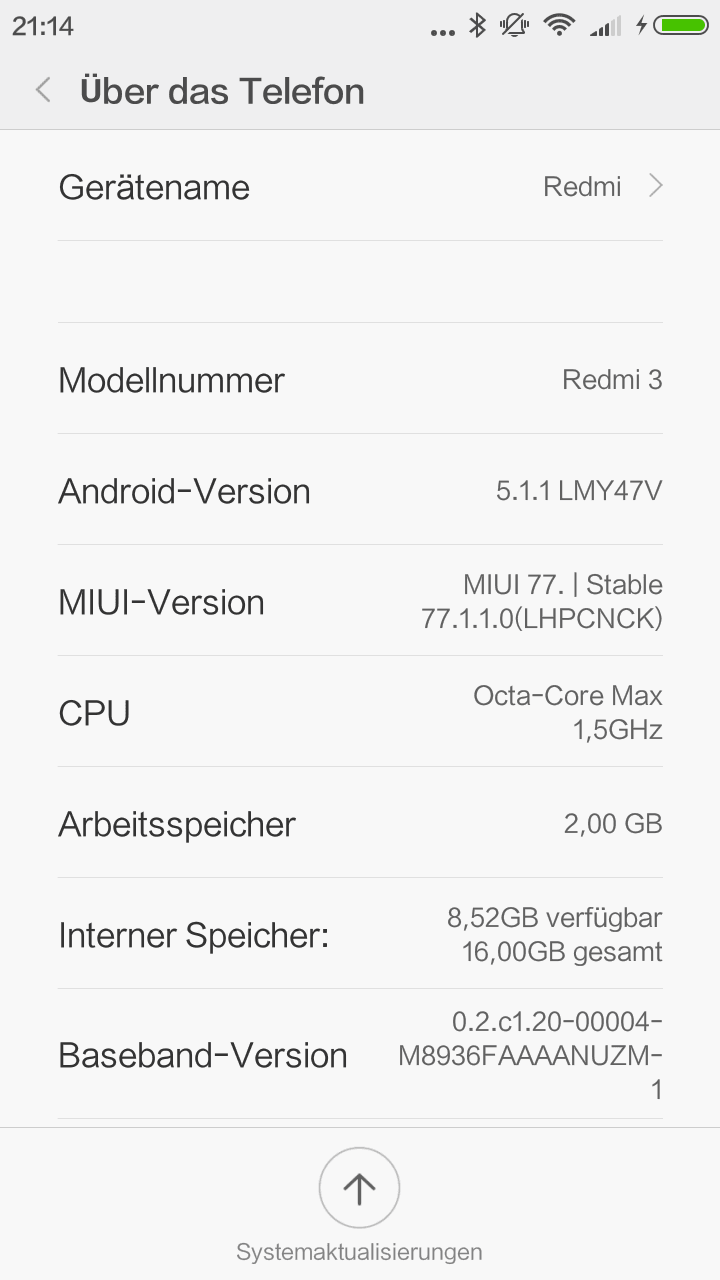
The processor or SoC used here is a Qualcomm Snapdragon 616 Octa-Core. It operates at 4x1.2 and 4x1.5 GHz. The RAM is 2GB, and the internal storage is 16GB. The internal storage can also be expanded using a micro SD memory card of up to 128GB. However, this uses a so-called “hybrid slot”, where either the smartphone’s dual SIM functionality can be used, or the second slot can be used for storage expansion.
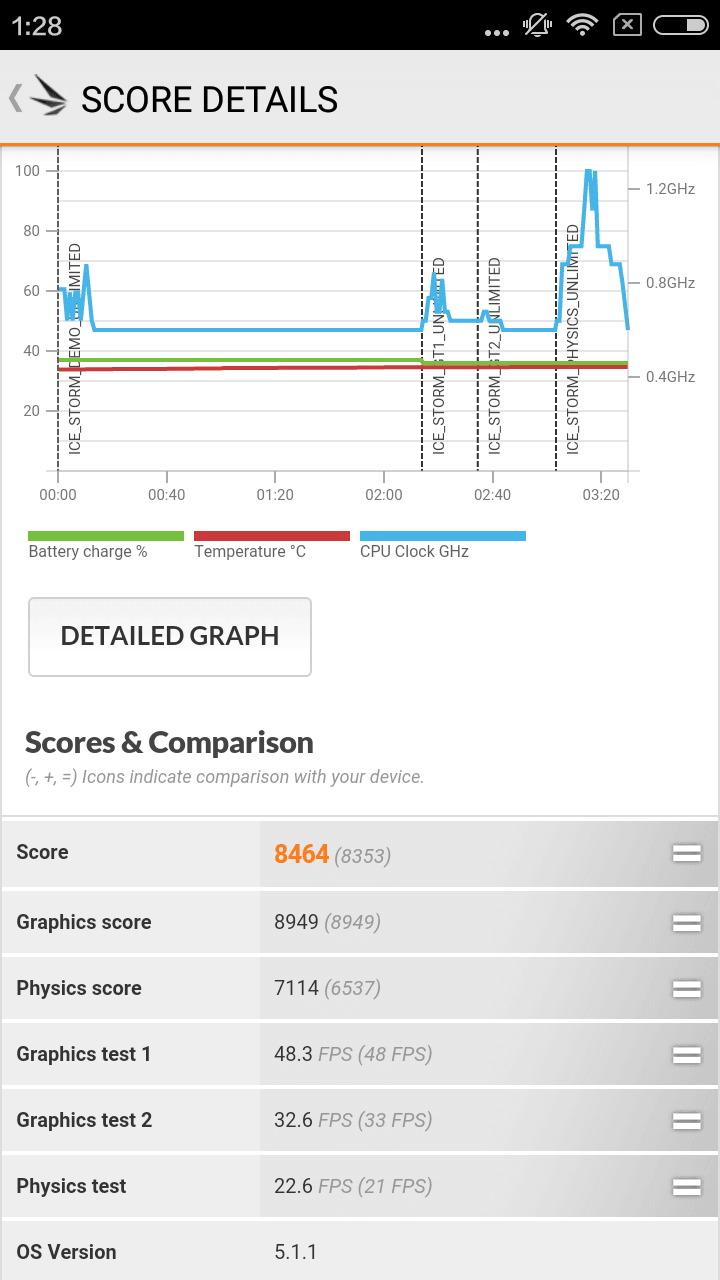
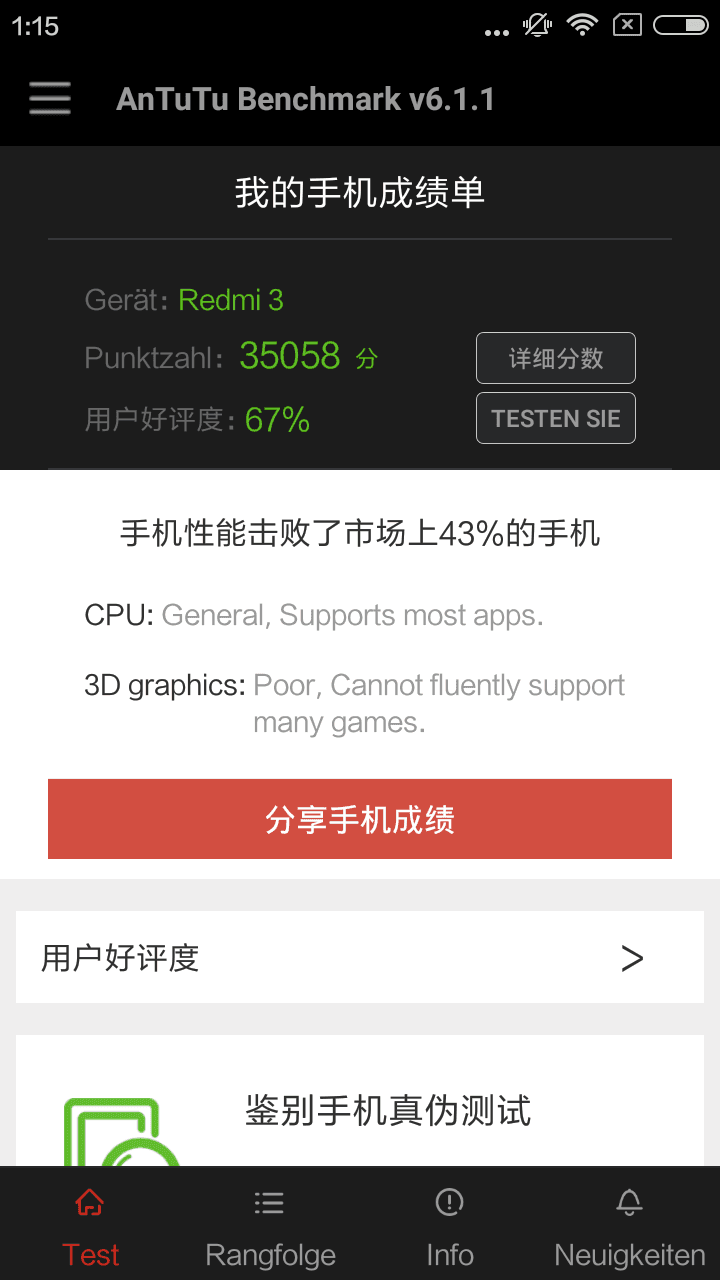
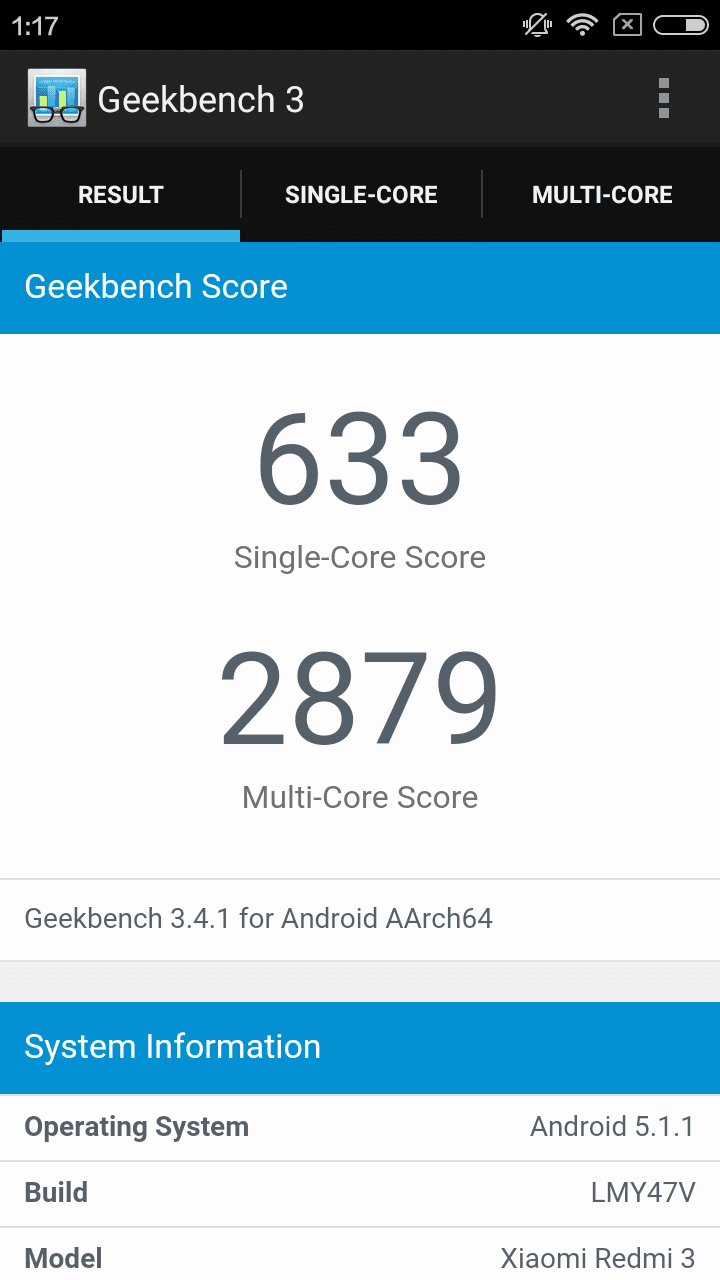
Both in individual benchmark tests and in everyday use, the Xiaomi Redmi 3 impresses with its performance. The "MIUI" user interface runs smoothly, and fluid multitasking is no problem for this smartphone. Even more demanding games are handled convincingly by the device. I was able to play the game "Modern Combat 5", which I tested, without any stutters.
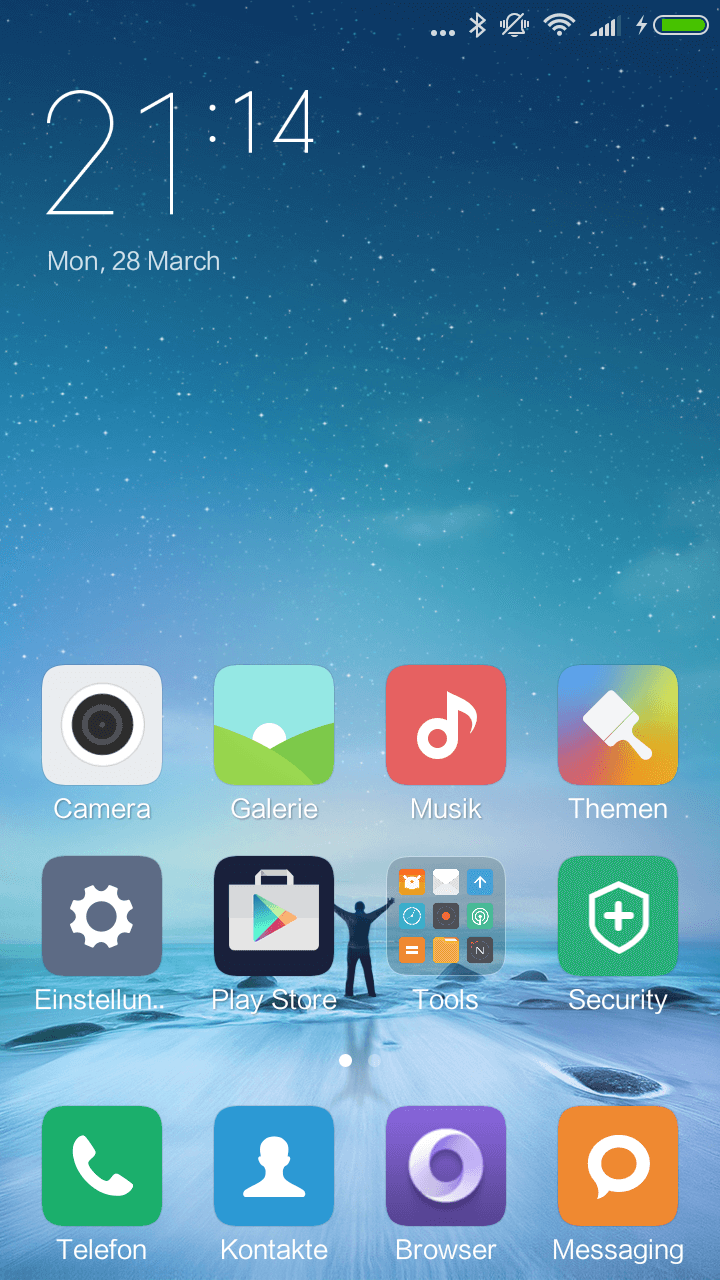
MIUI user interface
The entire Mi smartphone range uses MIUI, including the Redmi 3. This is an in-house custom ROM that has moved far from pure stock Android. The pre-installed MIUI 7 is based on Android 5.1.1.
The interface is very modern and offers an interesting and visually appealing design. In terms of functionality, MIUI has also been expanded with numerous useful features not found in stock Android. To name a few examples, the settings include additional configuration options for the display, sound, security, notification LED, and more, and its own theme manager has already been integrated.
The Google PlayStore was preinstalled on the Xiaomi Redmi 3 tested here. No other Google apps can be found on the smartphone. However, these can be downloaded subsequently via the PlayStore. As Mi smartphones are mainly sold in the Asian market, a dedicated Xiaomi App Store is also preinstalled. All other system apps, such as apps for music playback, video playback, or the web browser, also come from the manufacturer themselves.
MIUI 7 is available in German, although the user interface has only been partially translated. Occasionally, you will still find English passages. The pre-installed apps are also only sparsely translated. You should always bear in mind that Xiaomi primarily produces for the Asian market and leaves the work on custom ROMs to the community. However, due to the size of the Mi community, improved versions of the original Chinese MIUI are released regularly. Official "Global MIUI" also improves with each version, which allows us to guess which path the manufacturer will take in the future.
A major advantage of MIUI is the regular updates. These are received over-the-air (OTA) on the smartphone. Due to the great popularity of Mi phones and the very large developer community, other well-known ROMs such as CyanogenMod are also continuously ported to Mi devices.
Camera
For the rear main camera, Xiaomi has fitted the Redmi 3 with a 13-megapixel image sensor featuring an f/2.0 aperture, a 5P lens and fast PDAF (Phase Detection Autofocus). Unfortunately, the exact designation of the image sensor is not known.
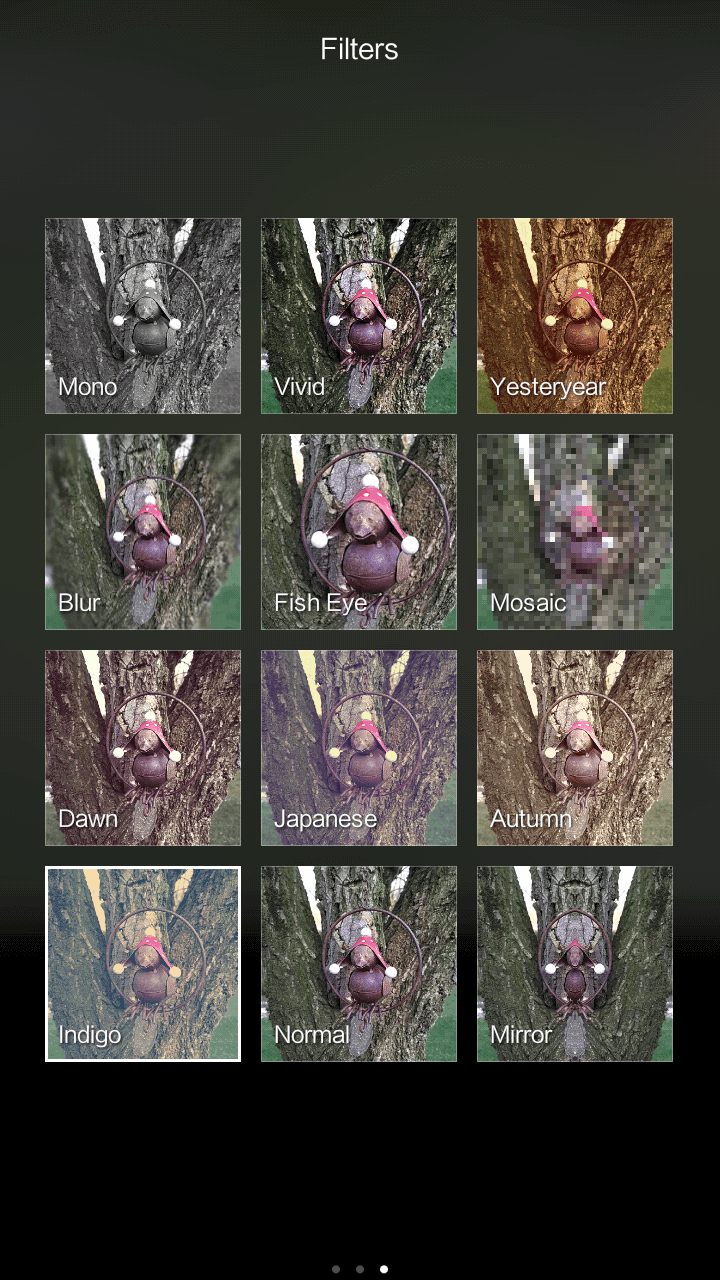
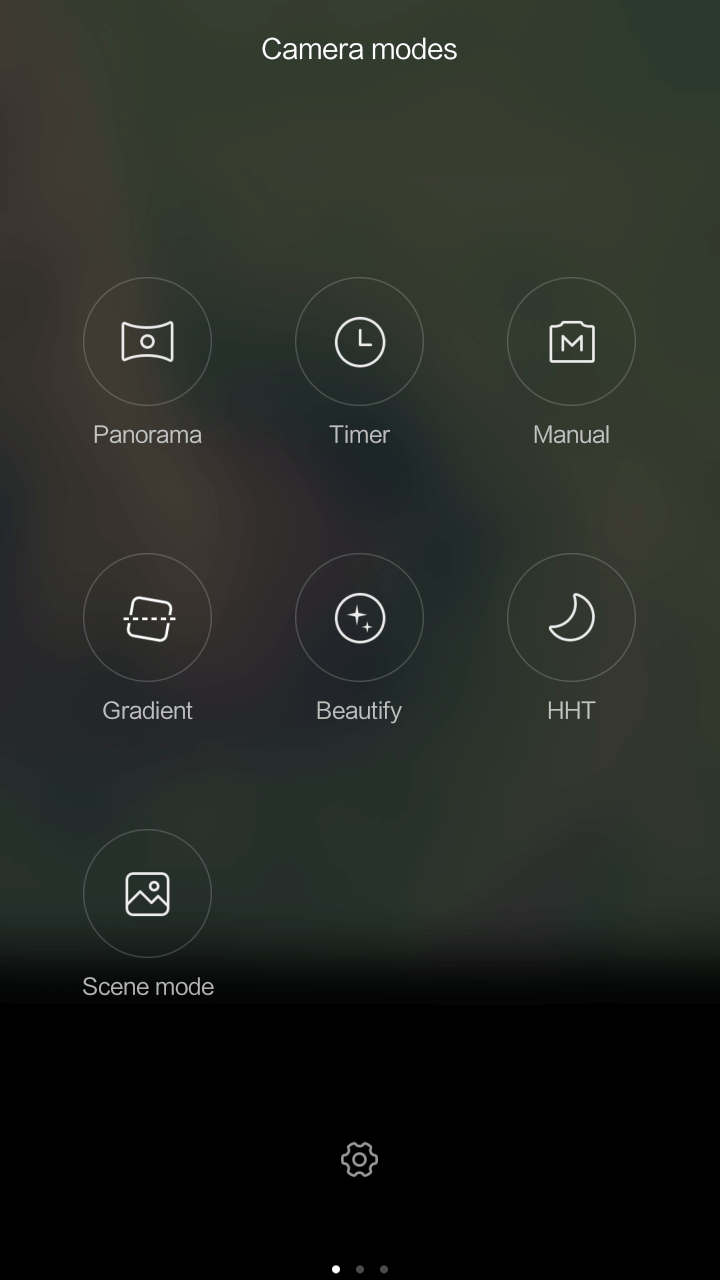
The camera app is also developed in-house. It offers numerous photo and video settings and supports various photo modes, ranging from the well-known panorama mode to different scene modes. Another interesting feature of the app is the filters with live preview. This allows you to, for example, mirror the image or give the shot a vintage touch.
In good lighting conditions, the main camera produces usable images that impress with low image noise, sharpness and natural colour reproduction. The smartphone’s autofocus focuses extremely quickly and the shutter lag is also very short. Considering the price, the smartphone has a really excellent camera.
The front camera has a resolution of 5 megapixels. The aperture value is f/2.2. This camera also produces good shots and is suitable for video calls, as well as quite respectable selfies.
Xiaomi Redmi 3 main camera




Telephony, Wi-Fi and Bluetooth
All common network standards from 2G via 3G to 4G are supported. Unfortunately, this manufacturer's smartphone also omits LTE Band 20, which means LTE can only be used to a limited extent. Those living in a rural area will probably have to do without LTE.
Voice quality is good in both directions. In the test, I could understand my conversation partner perfectly, and they could also understand me clearly and distinctly. The additional microphone, specifically built for noise suppression, is also interesting. Both sound quality and voice quality are very clear and intelligible via the smartphone speaker.
The range and connection stability of the WiFi are also very good. However, the Xiaomi Redmi 3 does not support dual-band WiFi. The connection to my Bluetooth hands-free device was stable, and the transmission quality is impressive.
GPS and sensors
A GPS fix was acquired within a few seconds. Navigating with this smartphone is effortless. Thanks to the additionally integrated electronic compass, the device can also be used for 'pedestrian navigation'. The stability and accuracy of the installed GPS sensor are noteworthy. In rural areas, the signal was consistently stable and accurate. But even in urban areas, with numerous urban canyons, the Xiaomi Redmi 3 maintained the signal and navigated reliably.
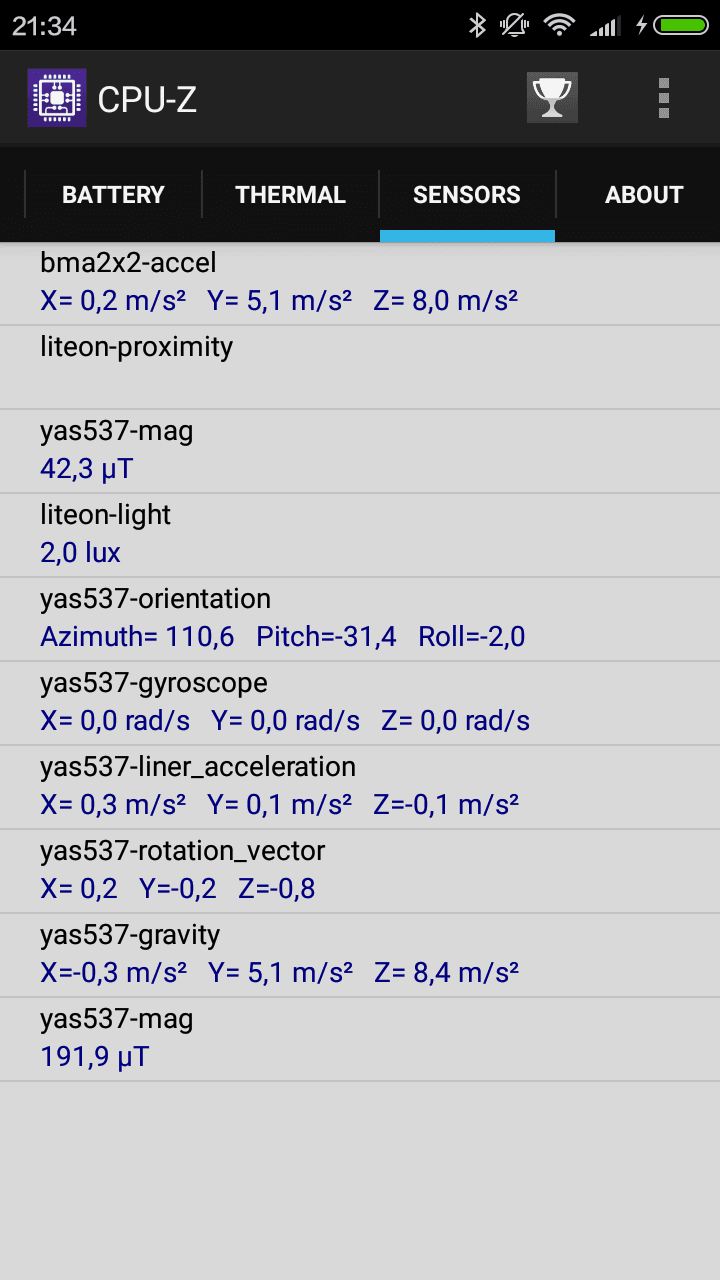
Additional sensors include a proximity sensor, a gyroscope, a brightness sensor and a accelerometer. An infrared sensor has also been fitted. With the appropriate Mi TV app, almost any television can be controlled via the smartphone. All sensors work quite accurately.
Battery
The battery has a capacity of 4,100mAh. Using a fast charger, it can be charged in approximately 2½ hours. The battery runtime is excellent, which is also thanks to the well-optimised MIUI. With normal usage, the smartphone can be used for over 2 days on a single charge. The battery consumption of the Xiaomi Redmi 3 in standby is very low. The smartphone reportedly consumes approximately 10% over a standby time of 2 days.
Our verdict
The Xiaomi Redmi 3 is an excellent smartphone and my clear favourite in the price range up to €200. The build quality and design are top-notch, the cameras take very nice pictures, and the Redmi 3 consistently convinced me in terms of performance as well. The 5-inch HD display is sharp, the colours are vivid, and the viewing angle is stable. Another highlight of the Xiaomi Redmi 3 is the 4,100 mAh battery, which guarantees above-average battery life.
MIUI 7 is a very well-optimised and extended Android that shines thanks to its numerous additional features. It would be rather harsh to criticise the partly faulty or even missing translations, as every buyer of a Xiaomi smartphone should be aware that these devices are primarily intended for the Chinese market.
Specifications
General
- Display
- 5-inch IPS HD
- SoC
- Qualcomm Snapdragon 616 Octa-Core
- GPU
- Adreno 405
- Storage
- 2GB RAM, 16GB internal (expandable)
- OS
- MIUI 7 (Android 5.1.1)
- Cameras
- 13 and 5 megapixels
- Other
- GPS, Wi-Fi, Bluetooth 4.1
- Sensors
- Gyroscope, proximity, brightness, acceleration, infrared sensors, electronic compass
- Networks
- 2G
- GSM 850/900/1800/1900 MHz
- 3G
- WCDMA 850/900/1900/2100MHz
- 4G
- FDD-LTE 1800/2100/2600MHz
What’s included
1x Xiaomi Redmi 3 smartphone 1x User manual (Chinese) 1x USB cable 1x Charger (Type-A)
Comments (2)
Hello,
Very nice review, I liked it. In itself, the smartphone does not really sound bad as an entry-level device. But the fact that the UI is not fully translated would rather bother me. How do you rate the device compared to a OnePlus 2? Would the Xiaomi Mi3 be an alternative (also for smartphone beginners)? I am also interested in how the Xiaomi Mi5 performs. Do you also have a test planned for this? I like the specifications of the new flagship, which can certainly compete with OnePlus.
Best regards
Moritz
Hello,
What about voice quality or sound quality when using a hands-free system in the car via Bluetooth with two SIM cards inserted?
Today I noticed several times that the quality was rather poor, sometimes to the point of being unintelligible. My conversation partner, however, can hear me perfectly. I had not experienced such problems before, so I suspect it is due to the end.
I would also be interested to know if there is a possibility in MIUI 8 to adjust notification and call volume separately from each other? Furthermore, I miss the setting option for the general vibration intensity. Preferably also adjustable separately.
I would generally recommend Xiaomi smartphones to anyone. The equipment of the Xiaomi Redmi series is generally impressive.
A great device, especially in terms of price-performance ratio.
As for the UI, I would recommend other devices for beginners. Unless you really enjoy delving into the subject matter, in which case you’ll pick it up relatively quickly. It’s no problem with a few tutorial videos.